• Link to X
  • Link to Facebook
  • Link to Instagram
  • Link to TikTok
  • Link to Youtube
  • About
    • About Us
      • President
      • Board of Directors
      • Board of Advisors
      • Financials
      • Our Methodology
      • Success Tracker
      • Contact
  • Act Now
    • 30 Ways to Help
      • Email Congress
      • Call Congress
      • Volunteer
      • Courses & Certificates
      • Be a Donor
    • Internships
      • In-Office Internships
      • Remote Internships
    • Legislation
      • Politics 101
  • The Blog
  • The Podcast
  • Magazine
  • Donate
  • Click to open the search input field Click to open the search input field Search
  • Menu Menu

Archive for category: Child Poverty

Child Poverty, Education

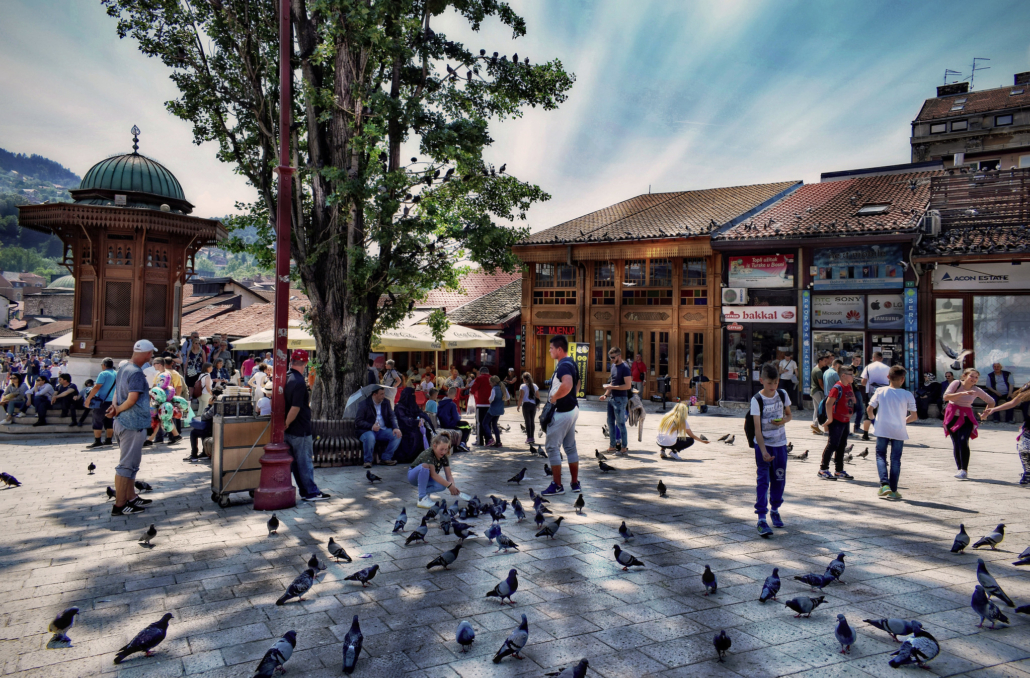
Child Poverty in Bosnia and Herzegovina

Child Poverty in Bosnia and HerzegovinaChildren within Bosnia and Herzegovina are some of the most vulnerable in Europe as years of occupation and civil war have left a fractured society. The unraveling of the state of Yugoslavia meant leaders using Serbian ethno-nationalism rose to power across the region. After years of conflict and the ethnic cleansing of Bosniak Muslim men and women, the 1995 Dayton Peace Agreement was signed. While it did mean a physical end to the conflict, the country struggled to pull itself out of the dark shadow of war.

Not only did the socio-economic conditions of post-war Bosnia make development difficult, the country’s high exposure to floods, landslides, earthquakes and wildfires posed serious problems. Twenty percent of Bosnia is susceptible to floods, which can severely impact infrastructure and leave thousands homeless.

The Rise of Child Poverty in Bosnia and Herzegovina 

According to UNICEF, almost all children under the age of four are deprived of at least one dimension of multidimensional poverty. Child poverty in Bosnia and Herzegovina is rising at alarming rates. In 2011, 30.6% of children lived in poverty, compared to 23.4% of the total population. The right to education is not standardized within the country, and due to the practical division of the nation, there are numerous cases of discrimination against students based on their origin.

The Impact of Child Poverty on Education

 The lack of education perpetuates a vicious cycle of child poverty in Bosnia and Herzegovina as the intergenerational poverty transfer is a stark reminder of the need to improve education provisions for all children within the country. Children, adolescents and the rural population are the most affected by poverty within the country and children of ethnic minorities, including the Romani, face increased adversity due to heightened discrimination. 

Romani Communities and Poverty

During the war, Romani families had to leave their homes and rarely recovered their houses. Even today, much of the Roma community lives in incredibly harsh conditions and often in extreme poverty. Generally, the education levels for Romani children, and girls in particular, are weak. A report from the European Commission in 2020 found that ethnic discrimination against the Roma community is evident in the provision of services like housing, health care, education and employment. Numerous children are victims of trafficking, mainly young girls and adolescents, who are targets of prostitution rings. These networks kidnap or, less often, pay the parents to take advantage of young girls in Bosnia, in the Balkans region and throughout Europe. However, work by the government and NGOs within the country is being maintained to prevent child trafficking.

 Government Support for Poverty

The government implemented the 2020-2023 national strategy, and the State Coordinator produced an annual progress report and coordinated meetings with international organizations and local NGOs. The government has continuously funded these NGOs as they have begun to increasingly involve law enforcement and social workers in potential cases of child trafficking. In cooperation with NGO-run shelters, the government provided accommodation, psycho-social support, medical assistance, food and hygiene and legal assistance.

The government is making strides in eliminating the worst forms of child labor in the country. The Council of Ministers approved the National Action Plan for the Social Inclusion of Roma, which aims to improve education access for Roma children. In addition, the Anti-Trafficking Strike Force expanded its membership to include representatives from outside agencies.

World Vision and UNICEF Assisting with Child Rights 

World Vision is another organization that aims to improve child rights in Bosnia and Herzegovina. It works to improve overall coordination and collaborative action between the government and civil society, as well as improve efforts to remove all barriers present in children’s lives within the country. Its goal is to amplify the voices of young people in the state, which, in turn, empowers them to seek change.

UNICEF is another critical player as their public information campaigns regarding improving child education and early health care reached more than 1.6 million people. During the COVID-19 pandemic, they educated 2,294 parents about the importance of child immunizations and worked on air pollution programs through youth activism to encourage discussions with local authorities about preventing respiratory illnesses seen in children.

The work of developmental organizations within Bosnia and Herzegovina is vital in ensuring increased provisions to reduce child poverty in Bosnia and Herzegovina.

– Maryam Rana
Photo: Flickr

November 18, 2023
https://borgenproject.org/wp-content/uploads/borgen-project-logo.svg 0 0 Yuki https://borgenproject.org/wp-content/uploads/borgen-project-logo.svg Yuki2023-11-18 07:30:122023-11-15 06:09:15Child Poverty in Bosnia and Herzegovina
Child Poverty, Food Insecurity, Global Poverty

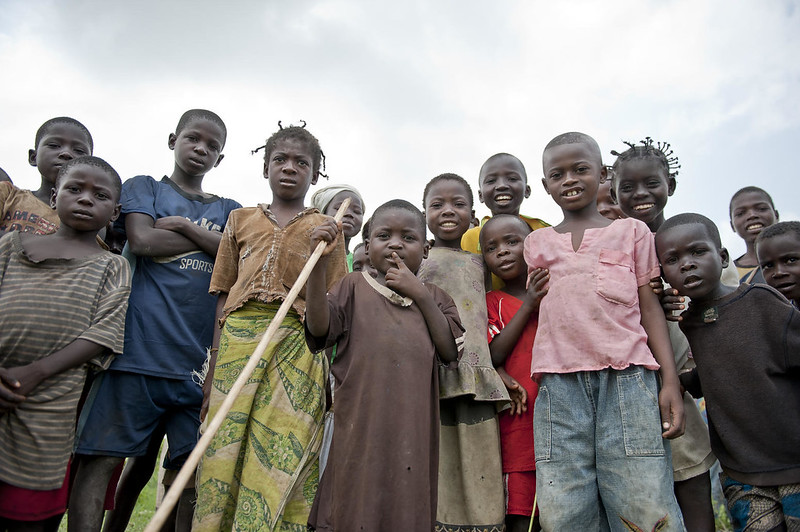
Child Hunger in the Central African Republic

Child Food PovertyThe Central African Republic, a landlocked nation in sub-Saharan Africa, is bordered to the south by the Republic of the Congo, Democratic Republic of the Congo, and Uganda, to the west by Cameroon, and to the north by Chad and South Sudan. Founded as an independent nation after a period of French colonial rule in 1960, the Central African Republic was saturated with various structural challenges dating from before and during colonial administration. The product of this history and several ongoing conflicts, as well as poverty from decades of relative economic and land mismanagement, have resulted in the Central African Republic failing to overcome among the highest poverty rates globally. Land and natural resource mismanagement has, in particular, rendered the nation’s most vulnerable populations, especially children, vulnerable to food insecurity. There are four primary causes of this child hunger.

Civil War

Following several military coups and continued ethnic tension dating from the nineteenth century culminated in a civil war beginning in the 1990s. Over the past twenty years, the nation has transitioned back to constitutional democracy since a final pro-democracy military coup in 2003 brought a new constitution and various multi-party elections. However, civil wars remain prominent, with several rebel organizations still active in the country’s north. Following these conflicts, the central government’s institutions, based in the Central African Republic’s historic metropolitan center, Bangui, have been substantially weakened, limiting the ability of public institutions to provide essential social services reliably. Additionally, recent post-election violence has added to this deprivation.

Economic Activity and Supply

Though many ceasefires have kept military tensions from worsening, rebel militias remain in control of large swathes of the nation, hampering economic output in all sectors, including agriculture. This dynamic has worsened poverty due to an absence of employment opportunities; 75% of the Central African Republic’s population is impoverished, statistically among the highest globally. This, coupled with a 35% reduction in the nation’s Gross Domestic Product, or GDP, has led to most households losing purchasing power, with recent reports indicating 65% to 75% of household income is allocated towards food.

The Most Vulnerable Demographics

High socioeconomic inequality most impacts women and young children in rural regions of the country, partially the result of longstanding inequality of land ownership common in sub-Saharan Africa. Additionally, rural families depending on subsistence or localized agriculture, already strained by circumstance, were often most impacted by the depredation of civil war. This has most substantially affected children among the youth population of the Central African Republic. Currently, the United Nations Children’s Fund, or UNICEF, estimates that 40% of children under five years of age are suffering from malnutrition, while 30% suffer from malnutrition; rates are considered an “emergency threshold.” This growing number of malnourished children has prompted fears that already limited access to social services, such as education, will be exacerbated. This has rendered international food aid fundamental to preventing backsliding, in particular related to children. Currently, the World Food Program provides 36,000 children under 5 years of age with fortified meals as part of the initiative to improve nutrition, vaccination rates and health training.

International Efforts

Following the invasion of Ukraine in February 2022, immediate impacts on Ukrainian grain exports, on which sub-Saharan Africa is predominantly dependent, especially nations that rely on food imports, such as the Central African Republic. Increased costs for food imports, of importance due to structurally low domestic productivity, are overextending residents in the world’s poorest nations, including the Central African Republic. 

This development has been especially pronounced among already impoverished children, with child malnutrition increasing at high rates; since 2020, severe acute malnutrition among children under five years of age has increased by 25%. This has acted to reverse decades of efforts by international aid organizations, ranging from the International Monetary Fund, UNICEF, and prominent national donors, to counter the precarious situation for children and other vulnerable demographics, such as women in rural areas, with investments to improve security and resources. 

Before recent setbacks, child hunger in the Central African Republic was relatively lower than its neighboring countries in sub-Saharan Africa, with most large families obtaining direct and widespread international aid. In 2017 alone, UNICEF programs aided 850,000 in the Central African Republic through initiatives such as the WASH, a series of centers nationwide providing safe drinking water educational and health care services.

In conclusion, while international aid has proven integral to improving the impoverished circumstances in the Central African Republic, child hunger remains an ongoing and worsening crisis as the scale of deprivation among children is exacerbated by external factors, such as the war in Ukraine. As a result, organizations such as the IMF and individual nations are evaluating ways to encourage reform and expand programs. However, though a consensus remains, both are contingent on continued funding for the international programs that have prevented more significant crises from emerging.

– Cormac Sullivan
Photo: Flickr

November 16, 2023
https://borgenproject.org/wp-content/uploads/borgen-project-logo.svg 0 0 Yuki https://borgenproject.org/wp-content/uploads/borgen-project-logo.svg Yuki2023-11-16 03:00:392024-05-30 22:32:39Child Hunger in the Central African Republic
Child Poverty, Global Poverty

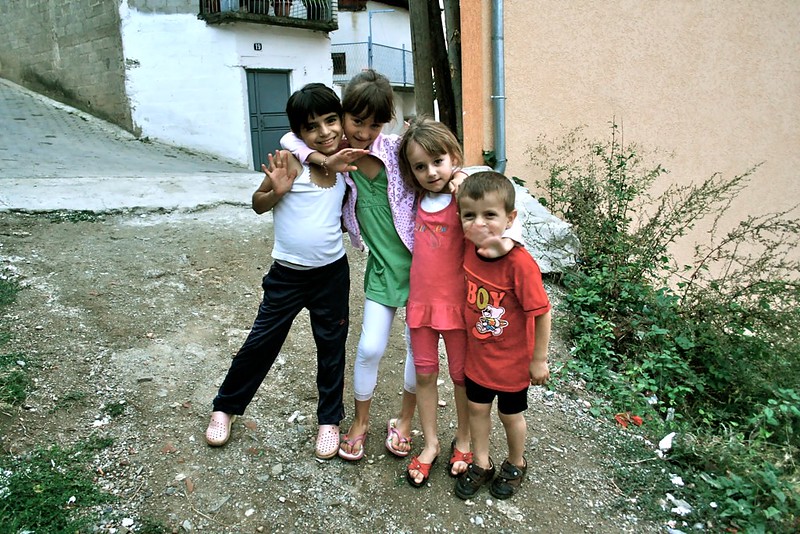
5 Facts About Child Poverty in Kosovo

Child Poverty in KosovoKosovo, a small country in southeastern Europe, declared itself independent on February 17, 2008, after experiencing ethnic violence and forced displacement in the late 1990s. The United States (U.S.) officially recognized Kosovo as a sovereign state on February 18. This marked a significant development in Kosovo’s history after a challenging period. However, only around 100 United Nations (U.N.) member states recognize Kosovo as a sovereign state.

Kosovo remains one of the poorest countries in Europe, with an estimated 23% of the population living in poverty. The country struggles with widespread corruption and a low employment rate, with the unemployment rate in Kosovo predicted to reach 22% by the end of 2023.

Poverty in Kosovo has a big impact on children, mainly because many Kosovans had to leave their homes during the Kosovo War and couldn’t go back. The education system is also not doing well. Just 41% of kids in Kosovo have good reading skills, and only 42% are strong in math. For children from minority groups like Roma, Ashkali, and Egyptian communities, the numbers are even lower—18% in reading and 13% in math. This makes it harder for them to succeed in the future.

The nation’s struggle to join the European Union (EU), mainly because of the Serbian deadlock, significantly contributes to its ongoing issue of high child poverty rates. This situation has lasting effects on the well-being of children in the country.

5 Important Facts About the Issue of Child Poverty in Kosovo

  1. Poverty disproportionately affects children in Kosovo: Not only does poverty disproportionately affect Kosovan children, but particularly children from Roma, Ashkali and Egyptian communities, or those who have disabilities or live in rural areas. Moreover, children in Kosovo account for half of those benefitting from social assistance.
  2. Only a fraction of Kosovo’s GDP goes toward social protection:  The country spends 8.5% of its GDP on social protection, compared to an average of 28% in the wider EU. Therefore, access to health care, education and other social services remains limited for its children, exacerbating the issue of child poverty in Kosovo.
  3. Child begging: Child begging is a significant concern in Kosovo, notably affecting Romany children and serving as a major sign of child poverty. In the initial half of 2023, authorities intervened and recorded 41 cases of child begging, potentially setting a new yearly record. The prevalence of this issue highlights ongoing challenges related to child poverty in Kosovo.
  4. High child mortality rate: Child mortality rates are a concern, especially in certain communities where the numbers are higher. For example, in Roma, Ashkali and Egyptian communities, the child mortality rate is eight times higher than the EU average. There are also differences in health services, with only 38% of children under 2 fully immunized in these communities, compared to 73% in the general population (UNICEF 2021).
  5. Active Charities: Several charities work tirelessly to alleviate child poverty in Kosovo. Actions for Mother and Children (AMC) stands out as a crucial player, dedicated to supporting Kosovo’s mothers and children facing poverty since 2009. AMC takes a dual approach: advocating for improved health care for mothers and children and raising funds to provide essential life-saving equipment and medications. Notably, its Women’s Health Resource Center program, launched in 2014, has been instrumental. This initiative educates and supports women throughout pregnancy, delivery and the early postpartum period, impacting at least 10,000 pregnant women and their partners since January 2014.

Looking to the Future

As Kosovo looks to the EU for guidance on its future, charities like AMC are tackling child poverty. This work is vital as the country navigates its path, waiting to see what its European future holds.

– Eleanor Lomas
Photo: Flickr

November 13, 2023
https://borgenproject.org/wp-content/uploads/borgen-project-logo.svg 0 0 Kim Thelwell https://borgenproject.org/wp-content/uploads/borgen-project-logo.svg Kim Thelwell2023-11-13 15:00:432023-11-12 12:56:375 Facts About Child Poverty in Kosovo
Child Poverty

Efforts to Address Child Poverty in Slovenia

Child Poverty in SloveniaChild poverty is one of the most pressing issues that humanity faces. Children who do not have access to essential human needs like a stable food source or access to medical care have a far greater chance of disease and death than a child with access to those fundamental rights. Although it has made significant strides in the last decade in reducing child poverty and providing health care to its people, roughly 10.5% of children born in Slovenia are born into poverty, according to the World Bank. Fortunately, strategies are in place to alleviate the poverty rate among children in Slovenia.

Government Initiatives to Address Child Poverty in Slovenia

In 2021 each member of the European Union vowed to implement initiatives that would drive down the rate of poverty among its citizens. Slovenia, like every other EU nation, came up with its own strategies to help alleviate the child poverty rate in their country. Despite the significant number of people in Slovenia and Europe who have access to good health care, a stable food source and places to live, the EU still values Child Poverty as a pressing issue that must be eliminated.

One of the initiatives taken by the Slovenian government is implementing more accessible health services for children who may not otherwise have access to them. In particular, there has been a steady effort since 2018 to make mental health care a priority among Slovenian youth. Studies show that 50% of mental health disorders develop by age 15 in teenagers. By the age of 25, that number has increased to 75%. With the implementation of a National Mental Health Program, Slovenia hopes to build 25 mental health centers by 2028. Nineteen of these have already been constructed. The plan underscores suicide prevention and the prevention of all mental illness in children as a critical component of their overall strategy to fight child poverty in Slovenia.

Another initiative that aims to help curtail child poverty in Slovenia is the availability of beds specifically for marginalized groups who are left homeless due to forces outside their control. All in all, 1,280 beds are available to those who need them most. These houses give people a place to live when they otherwise would have been turned away for a litany of reasons. Whether they come from an abusive household or came to Slovenia from another country, this program aims to temporarily resolve housing issues and help children have one less thing to worry about.

Food Aid for Children in Slovenia

In 2021, 20.14% of all the people in Slovenia who required food aid were children 15 years and younger. The “Fund for European Aid to the Most Deprived” is one such program that deals with this exact issue. In 2019 the EU conducted a mid-term evaluation of what their FEAD program had done since 2014. They had assisted over 1.2 million people with aid for food, clothing and other essentials.  Thirty percent of the recipients of aid were children. That equates to close to 360,00 children who received aid from this program in the years of 2014-2017. This program’s goal is “to eliminate the most severe forms of poverty by providing non-financial assistance to the most deprived in the form of food” and to “eliminate the most severe forms of poverty by providing non-financial assistance to the most deprived.” As a response to the COVID-19 pandemic, additional food was made available via the EU, giving the commission more money to get this program off the ground. All these goals that the Slovenian Government has put forward aim to reduce child poverty by the year 2030.

Final Thoughts

Despite the vast majority of people in Slovenia having access to necessities, there is still a minority that needs assistance from their government. Whether through housing provided until they find their footing, mental health facilities designed to help diagnose and treat mental illness in children, or food aid programs that make it so people don’t have to worry about their next meal. The Slovenian government has shown that it is ready and committed to ending child poverty in Slovenia.

– Calder Miller
Photo: Flickr

November 1, 2023
https://borgenproject.org/wp-content/uploads/borgen-project-logo.svg 0 0 Lynsey Alexander https://borgenproject.org/wp-content/uploads/borgen-project-logo.svg Lynsey Alexander2023-11-01 03:55:222023-11-02 03:23:39Efforts to Address Child Poverty in Slovenia
Child Poverty, Global Poverty, Migration

Child Migration in Latin America and the Caribbean

Child Migration in Latin America and the Caribbean
In the last three years, children moving through migration routes in Latin America and the Caribbean have reached a record-breaking number. Not only has the number increased, but the age range of these children has gotten even younger. The child migration journeys in Latin America and the Caribbean pose various challenges. 

Comparing the Numbers

The proportion of children in the migrant population for this region in 2019 was 19%; in 2023, the number stands at 25%. Around the world, children currently account for 13% of the migrant population, showing that child migration in Latin America and the Caribbean is higher than the global proportion. In addition, the age group of these child migrants is becoming increasingly younger, with around 69-91% of all the child migrants below the age of 11 years old. Many of these children need to leave their homes due to gang violence, poverty and climate change/natural disaster events, but the journey through Latin America and the Caribbean is only putting their lives at greater risk.

Impacts of These Migration Journeys

There are three major routes that the children are taking: the Darién jungle between Colombia and Panama, the Chile-Peru border point and at points in northern Central America and Mexico. The Darién jungle is an extremely popular route yet one of the most dangerous walks on earth; not only do the children walk through the whole forest, but the area is also roadless and includes many mountains. Similarly, migrating through the Chile-Peru border, northern Central America and Mexico involves crossing rivers, highways and railway lines. 

Children traveling these routes face significant risks. These dangers include injuries, diseases, human trafficking, abuse and separation from their families. In 2022, the number of children who died or went missing while migrating through this area reached an eight-year high, with at least 92 documented deaths. Many migrants are originating from distant regions, such as Asia and Africa, further increasing the likelihood of family separation, injuries and fatalities.

Other consequences the children face are not receiving education, protection and health care when they reach their destination. According to UNICEF, an assessment completed in 2022 revealed that “24% of Venezuelan children in Colombia aged 6 to 11 — and nearly 40% aged 12 to 17 — did not attend school.” It has also become evident that there are a lot of Haitian migrant families who cannot receive legal identification, limiting their opportunities for social benefits, health care and efficient housing.  

Ongoing Action

There are two organizations that are actively addressing the child migration crisis: UNICEF and Save the Children. UNICEF has been operating in these regions to provide critical support and protection to affected people. Despite its ongoing efforts for the past several months, UNICEF currently faces a funding shortfall of approximately $32.5 million since August 2023. Meeting these funding requirements is crucial as it would enable UNICEF to provide additional support for safe migration, establish organized migration pathways, protect children from violence during their journeys and ensure access to essential aid.

Save the Children operates in various countries, including Colombia, Peru, Venezuela, Mexico, Guatemala, El Salvador and Honduras, to improve living conditions. The organization directly assists children and women, addressing some of the factors that lead people to leave their homes. Recognizing the importance of education for child migrants, Save the Children is actively working to enhance the educational systems in these nations. In Mexico, Honduras and Guatemala, the organization has implemented peacebuilding initiatives in schools and provided training to students and teachers to create safe, violence-free learning environments.

Additionally, in South American countries, the organization supplies school kits and educational programs, ensuring that children can access education while on the move or during their stay in host communities.

Looking to the Future

As cases of child migration increase in Latin America and the Caribbean, so does the need to protect them. Many children are fleeing violence, natural disasters, poverty and instability, but their journey through Latin America and the Caribbean is perilous. Even upon reaching their destinations, these children and families often face harsh living conditions. While organizations such as UNICEF and Save the Children are actively supporting these children on the ground, there are still thousands of children struggling for survival along these migration routes.

– Jessica Wang
Photo: Flickr

October 27, 2023
https://borgenproject.org/wp-content/uploads/borgen-project-logo.svg 0 0 Jennifer Philipp https://borgenproject.org/wp-content/uploads/borgen-project-logo.svg Jennifer Philipp2023-10-27 01:30:252023-10-23 09:04:03Child Migration in Latin America and the Caribbean
Child Poverty, Global Poverty

Unearthing the Challenge: Child Poverty in Sub-Saharan Africa

Child Poverty in Sub-Saharan Africa
In the modern world, few countries suffer as harshly as those in sub-Saharan Africa when it comes to child poverty.
Per a 2023 UNICEF-World Bank Report, more than 40% of children in sub-Saharan Africa live below the extreme poverty line, i.e., living on less than $2.15 a day, accounting for more than 70% of the children living in poverty worldwide. 

Despite every effort at the international level, epitomized by the United Nations’ promise to end extreme child poverty by 2030 in their Sustainable Development Goals (SDGs) initiative, sub-Saharan Africa’s share of the world’s children in poverty rose from 54.8% in 2013 to 71.1% in 2022. The focus of this article is to decipher the key driving factors influencing this crisis, illustrate the extent of the issue and its impact on children in sub-Saharan Africa and discuss the actions taken to stifle it from the ground level up. 

A Multifaceted Conundrum: The Key Factors at Play

Child poverty in this region is not a singular problem but a multifaceted challenge rooted in historical, economic, social and political contexts. The consequences of such have left local communities with limited access to effective means of health care, education and basic services, facilitating an insurmountable cycle of poverty. Corruption, unstable governance and conflict in some regions of sub-Saharan Africa hinder economic development and divert resources away from poverty-alleviation efforts, with the UNICEF report estimating one in three children in conflict-torn states living in extreme poverty compared to one in 10 in non-fragile states. 

High levels of unemployment and underemployment, coupled with a largely informal economy, mean that many families struggle to earn a reliable income. Climate shocks are one of the leading factors for concern, with data suggesting at least 1.85 million children were displaced from their homes by the end of 2022 due to natural disasters, up from only 1 million in 2021. But a primary component fuelling this child poverty crisis in sub-Saharan Africa is rapid population growth and inadequate access to family planning further strains the already limited resources of family households. 

Innocence Lost: The Devastating Consequences of Child Poverty 

The effects of poverty are most damaging for children, hindering their social development and education and potentially their physical, emotional and cognitive well-being. Deprived of sufficient provisions in health care, education and often shelter and dietary needs, the likelihood of a reasonable upbringing is scarce. Limited nutrients can lead to malnutrition and stunted growth. Underdeveloped shelter leads to exposure to environmental hazards and increases the risk of illness. Children subject to poverty will typically see limited career opportunities and be subject to manipulation from criminal groups. This likelihood only further fuels poverty’s perpetual cycle by impeding intellectual development that would otherwise seed the basis for reform and development. 

Hope in Action: A Look Into Poverty Relief Efforts 

Child poverty in sub-Saharan Africa is a multifaceted issue, demanding a versatile approach to relief. Various NGOs, government bodies and IGOs are investing considerable time, resources and work into relief efforts, exemplified by the Irish Government’s Official Development Aid (ODA) initiative that has surmounted more than €1.233 billion in provisions for 2023 — noting a particular focus on Sub-Saharan Africa.

There are countless international initiatives pushing to overcome these crises, such as Feed the Future, and spurring economic growth in states such as Malawi, Ethiopia, Kenya and more. In Fiscal Year 2021, “USAID and the U.S. Department of State provided $8.5 billion of assistance to 47 countries and eight regional programs in sub-Saharan Africa.” In addition to this aid, the IMF has reported providing more than $50 billion between 2020 and 2022 while maintaining lending relationships with 21 Sub-Saharan African countries as of March 2023. 

However, despite considerable investment from foreign aid, economic growth is expected to slow to 3.6% — below the global recovery rate. According to an IMF report, foreign aid accounts for just 2.5% of Sub-Saharan Africa’s GDP, down from 4% in the early 2000s due to the continued trimming of Western aid budgets. With the ongoing crisis in Ukraine and regular natural disasters causing panic, as seen in Morocco and Libya, conditions are unlikely to improve anytime soon. 

Addressing child poverty is not only a moral imperative but also an investment in a more equitable and prosperous future for societies where every child has the chance to thrive.

– Ruairí Greene
Photo: Flickr

October 19, 2023
https://borgenproject.org/wp-content/uploads/borgen-project-logo.svg 0 0 Yuki https://borgenproject.org/wp-content/uploads/borgen-project-logo.svg Yuki2023-10-19 07:30:522026-04-16 10:06:57Unearthing the Challenge: Child Poverty in Sub-Saharan Africa
Child Poverty, Child Poverty, Education, Global Poverty

Policy Reform Needed for Bidoon Children in Kuwait

Bidoon ChildrenKuwait is known for its wealth, hovering around the top five wealthiest countries. Kuwait’s geographic location and access to oil reserves have boasted Kuwait to be one of the highest per capita GDPs globally, at roughly $43,000. However, not all residents within Kuwait enjoy the same privileges as its citizens. As a developing country with a fast-paced, growing market, many people residing in Kuwait have been less fortunate.

Citizens in Kuwait are allowed many freedoms, but not all those who live in Kuwait are citizens. A group of people known as “Bidoon,” short for Bidoon Jinsiya, meaning in Arabic “without nationality.” In Kuwait, this means those of Bidoon descent are stateless and illegal residents of the government. About 110,000 stateless people are living in Kuwait. Many of those who are Bidoon come from generations of Nomad families who were there before Kuwait declared independence in 1961. Some Bidoon didn’t understand the concept of registering for citizenship in 1961.

In the 1980s, a change happened in legislative terms where Bidoon were considered ‘illegal residents’ and lost further rights such as free public health care, education and housing. Others labeled Bidoon are those of families who served in the Gulf War and are from neighboring countries such as Iraq, Saudi Arabia and Syria. The government rejects Bidoon who have tried to gain citizenship.

The Hardship of Being Bidoon

Bidoon individuals face significant hardships due to their stateless status. They lack political rights, access to land, business registration, employment, public health care and public education. Bidoon people experience many hardships as they are technically illegal and have temporary identification cards. These cards are vital as they are necessary for employment. Many Bidoon face the challenge of acquiring a job, resulting in many Bidoon individuals living in poverty compared to Kuwait citizens. From being illegal persons in Kuwait, they have been discriminated against, harassed and exploited. Bidoon people face job discrimination because they are not deemed legal residents; job security and salary are significantly lower.

Education Policy Currently in Kuwait for Bidoons

Those of Bidoon descent face many obstacles, such as access to education being a significant prevailing problem. Education is a pillar of Kuwait and its citizens, but in the 1980s, Bidoon children could not attend public schools. Now, Bidoon children struggle to find a private school that most families cannot afford, and these private schools provide a lower quality of education.

Parents must pay up to 30% of the Private school tuition; the state financial assistance covers the rest for Bidoons. Those privileged Bidoons can afford this, but many children end up not going to school and skipping years to save money. Boy children will go more to school than girls as boys’ education is a higher priority and because Bidoon families cannot afford to send all of their children to school.

Journey of Policy Reform

The lack of education is enormous as it impacts their lives daily. Access to quality education would uplift many Bidoon and their children from impoverished lifestyles. The private schools are known to be inferior places of learning — much of the policy reform movement is from the human rights efforts. Having the denial of citizenship creates a loop where they cannot gain proper education because of no citizenship, which inhibits their life further. Policy reform for the Bidoon people would include desegregation of education and allowing Bidoon children to gain an equal public education.

In 2019, the speaker of the Kuwait National Assembly announced a proposed law amendment for Bidoons to gain proper education, medical care and ID papers. Yet, three months after the proposal, the jurisdiction committee denied the new amendment, which would have made non-Kuwaiti citizens eligible for more rights.

Advocating for a new amendment is to help the people and Bidoon children gain a quality education and better their lives from the risk of impoverishment. Prosecution is a reality for protesters who advocate for Bidoon’s rights, as many have been fined or jailed. To end the fight for the Bidoon people, the National Assembly must enforce and uphold the amendment for naturalization rights.

Looking Ahead

Many still need citizenship due to the history of the independence of Kuwait and the movement of other peoples from other countries to Kuwait. Even if generations of these people lived in Kuwait, they must be considered legal citizens with proper documentation. This status of statehood has disproportionately affected their lives and has restricted their access to resources. Bidoon children do not have naturalization rights in practice. The education disparity for Bidoon people is vast as they have no access to public schools, looking towards private schools that require tuition and have worse quality. Advocating will help end this disparity as policy reform for an amendment or the naturalization amendment will help save the Bidoon people from impoverishment.

– Ariana Wauer
Photo: Flickr

October 16, 2023
https://borgenproject.org/wp-content/uploads/borgen-project-logo.svg 0 0 Yuki https://borgenproject.org/wp-content/uploads/borgen-project-logo.svg Yuki2023-10-16 01:30:432024-05-30 22:32:27Policy Reform Needed for Bidoon Children in Kuwait
Child Poverty, Global Poverty

Ending Child Poverty in China

Child Poverty in ChinaChina has remarkably reduced poverty over the past four decades. The percentage of rural residents living in poverty decreased from 96.2 to 0.6% between 1980 and 2019. That means that nearly 765 million people were living in poverty, compared to the present, 6 million people. Experts agree it is important to approach child poverty in China as a multidimensional problem. Many Children are born into poverty. Therefore, reducing the general scope of poverty is important in eliminating child poverty. China has dramatically reduced poverty, and even their global hunger index, based on two pillars: economic transformation to open new opportunities and raise average income, and recognition and targeted support to people living in persistent poverty.

Child Poverty in China

Despite recent efforts, roughly 4.2 million children live in extreme poverty. It’s important to note that more rural children are impoverished than urban children. The families of China living in rural areas or belonging to an ethnic minority are most impacted by poverty. 

Therefore, China has focused on reducing poverty in low-income rural households. There are significant differences that affect poverty in rural and urban areas. These differences include income disparities, limited access to education and health care services, poorer sanitation and overall poorer living conditions. However, according to UNICEF, the most severe forms of poverty that Chinese children experience are nutrition, access to clean water and sanitation and housing.

To focus on relieving poverty in the rural areas of China, the Anhui Yellow Mountain New Countryside Demonstration Project supported Huangshan’s rural development in several areas per the Chinese government’s initiative to “build new socialist countryside,” including investment in rural infrastructure and public services to reduce inequalities in the quality of life between rural and urban areas; improvement in the quality of tourism services to draw more tourists and create jobs and income-generating opportunities; the development of greener, higher value-added agricultural production bases and market facilities, as well as training for farmers to boost agricultural productivity.

Overall, the main objectives of the SDGs established by the UN are to eradicate child poverty and reduce the gap between urban and rural areas. To accomplish these goals, looking into the disparities between urban and rural areas and the causes of child poverty is crucial. Understanding the differences between child poverty in urban and rural areas enables us to understand better how factors related to demography, the economy, society and policy contribute to child poverty.

Current Picture

Alongside reducing rural child poverty, much has been done to end intergenerational poverty in China. According to social policy expert Peter Whiteford, child poverty is the main reason poverty is generational. China has made significant strides in reducing poverty over the past decade by promoting education, an essential feature in preventing poverty from being passed down to future generations. Since 2012, China’s government budgetary spending on education has maintained a proportion of over 4% of the nation’s GDP. It has shifted more in favor of rural areas and areas with significant populations of ethnic minorities.

At the end of 2020, China’s nine-year compulsory education stage saw only 682 drop out, down from over 600,000 dropouts in 2019. The nation has hired 950,000 teachers in total for compulsory education in rural areas, trained nearly 17 million teachers and principals for rural schools in the central and western regions under a national-level training program, provided subsidies for 1.27 million teachers from more than 80,000 schools in nearby poverty-stricken areas and sent 190,000 volunteer teachers to schools in outlying and poverty-stricken regions, border areas and areas with large ethnic populations.

It is important to look at child poverty as a multidimensional problem. Education can open the door to jobs, resources and skills to help a person survive. UNESCO estimates that 171 million people could escape extreme poverty if all students in low-income countries had only the most fundamental reading skills. The percentage of adults who did not complete their secondary education could reduce global poverty by more than half. Therefore, promoting education in China, especially in the rural areas, can be vital in reducing children’s poverty and helping break the cycle of generational poverty.

Conclusion

China’s significant reduction in overall poverty over the past four decades is commendable. However, child poverty remains a pressing issue, especially in rural areas.

China’s ongoing commitment to addressing child poverty and poverty in general through a holistic approach is an instructive example for other nations, highlighting the importance of education, health care, social support and economic opportunities. By prioritizing the well-being of its children, China is not only improving the lives of current generations but also paving the way for a more prosperous and equitable future.

– Paige Falk
Photo: Flickr

October 10, 2023
https://borgenproject.org/wp-content/uploads/borgen-project-logo.svg 0 0 Yuki https://borgenproject.org/wp-content/uploads/borgen-project-logo.svg Yuki2023-10-10 15:00:012023-10-09 08:28:51Ending Child Poverty in China
Child Poverty, Global Poverty

The Fight Against Child Poverty In Mozambique

Child Poverty In Mozambique In 1975, a new nation hugging the eastern seaboard of sub-Saharan Africa planted its flag on the world’s soil: Mozambique. Since then, Mozambique has grown into a hustling and bustling nation of 32 million inhabitants. With 18.9 million people currently impoverished, Mozambique remains one of the poorest nations in the world. Forty-six percent of Mozambican children aged 0–17 are considered multidimensionally poor, with nearly 10 million children experiencing some form of poverty. The country’s high child poverty rate has driven many organizations worldwide to address this dire issue. 

Here are 4 Organizations Ending Child Poverty in Mozambique

  1. Save the Children – Save the Children is an international organization dedicated to alleviating child poverty around the globe. Established almost 100 years ago, tens of millions of kids worldwide benefit from the efforts of this organization. Mozambique remains a key target area, where they address many critical issues necessary to improve adolescent health and welfare. Firstly, Save the Children establishes a tight-knit bond with Mozambique’s local communities to develop better practices for newborn, maternal and child health programs. Specifically, they focus on providing support through nutrition and HIV prevention. Save the Children has helped provide 201,697 children with a healthy start to life. Another vital aspect of child welfare is supporting their emotional and mental health. To improve the quality of Mozambique’s children’s mental health, Save the Children institutes “art as therapy” initiatives, a creative way to engage children and help improve their mental well-being. They seek to promote education through quality preschool and early literacy programs.
  2. Child Fund – Established in 1938, Child Fund is another organization that works to lower the world’s child poverty and raise the standard of living for children. In Mozambique, they have two key focus areas: health and education. Child Fund partners with Mozambique’s health department and supports the doctors, nurses and other medical personnel. They assist these vital members of society in moving from clinic to clinic, providing children with the necessary vaccinations to protect against diseases infecting Mozambique’s adolescent population. Their second focus area is education. In Mozambique, only 59% of the population ages 15 and older can read and write. This deficit has prompted Child Fund to create relationships with parent–teacher councils to demonstrate the value of education. In addition, they help construct the school while providing basic classroom necessities like desks, chairs and textbooks.
  3. UNICEF – Active in more than 190 countries, UNICEF is one of the foremost organizations working for the rights and prosperity of children all over the world. UNICEF closely engages with the Government of Mozambique in key areas of health, education and hygiene. The organization focuses on improving maternal, newborn and primary childhood health and expanding immunization and vitamin A supplementation services. They support the implementation of the Nutrition Intervention Package (PiN), an Infant and Young Child Feeding (IYCF) awareness program for educating caregivers on how to develop a diet with local crops. UNICEF also helps deliver clean water, sanitation and hygiene (WASH) services in communities and schools to promote hygiene among children. In the field of education, they aim to enhance the quality of primary education using innovations such as digital learning while building school infrastructure in areas damaged by natural disasters.
  4. Mozambique’s Child Grant – Along with the outside organizations, Mozambique’s government is also actively promoting child health and well-being. One of their initiatives is the Child Grant, a monthly cash transfer to the primary guardians of children up to 2 years. Providing benefits to the caregivers of young children allows them to seek out social services and raise their child’s living status. Currently reaching 15,000 children, Mozambique’s government desires to expand it to 250,000 children in nine out of 11 provinces by 2026.

Though Mozambique has experienced an improvement in many growth parameters, childhood poverty remains a stiff challenge, especially in rural areas. The policies and interventions to ensure child welfare by the Government and organizations will help combat this challenge and create a better future for the young population of Mozambique.

– Atheeth Ravikrishnan
Photo: Flickr

October 8, 2023
https://borgenproject.org/wp-content/uploads/borgen-project-logo.svg 0 0 Yuki https://borgenproject.org/wp-content/uploads/borgen-project-logo.svg Yuki2023-10-08 04:22:102023-10-08 07:17:50The Fight Against Child Poverty In Mozambique
Child Poverty, Education, Global Poverty

The Top 3 Facts About Child Poverty in Tajikistan

Child Poverty in Tajikistan Tajikistan is the most impoverished country in Central Asia. Due to inadequate educational resources, lack of job opportunities and expanding families, 66% of Tajikistan’s children suffer from poverty. With almost 50% of the population under 25, that makes child poverty in Tajikistan a great disparity within the country’s overall 12.6% poverty rate.

3 Facts About Child Poverty in Tajikistan

  1. Lack of Infrastructure for Education. On average, a student in Tajikistan only spends 6.8 years in school. Though the country has an adult literacy rate over 99%, 11% of Tajik children cannot read simple sentences before the end of their primary education. By the time they are 18, 11% of school-age children drop out to work and support their families.
  2. Child Labor and Seasonal Markets. Though it is illegal for children under 15 to work, 15–20% of the labor force comes from child labor. Around 200,000 children aged 5–14 are working to support their families in making ends meet, while 64,000 are working unpaid. The economy in Tajikistan is primarily agriculture-based, making their markets seasonal, so when the winter comes, many families lose their primary sources of income and feel the impacts of poverty even more. Disproportionately, this struggle impacts families with numerous children, because of how expensive and hard it is to obtain food.
  3. Prominent Malnutrition. Without access to clean water, nutritious varieties of food, and with subpar sanitary practices, many children in Tajikistan lack the vital nutrients and minerals necessary for them to live healthy lives, and only 40% get the necessary nutrients they need. Mostly, malnutrition harms those in rural areas due to poor food accessibility and monetary restrictions, affecting 20% or more of Tajik children. Due to significant deficiencies, Tajik children feel the results of undernutrition through anemia as well as low vitamin A and iodine levels. Four in 10 children are anemic, and 41% of women 11–55 are anemic.

How USAID’s Feed the Future Program Is Working to End Child Poverty

During the COVID-19 pandemic, hunger reached half a million Tajik people. To support people’s health and wellness during this time, USAID provided necessary resources and aid. This included nutrition and health clinics for 178,748 children, as well as assistance for 2,782 children showing signs of malnutrition to overcome low weight and growth stunting. By making nutritious goods such as dense vegetables available to communities, the Feed the Future Program was able to increase proper nutrient intake from 18% to 53% in children 6 to 23 months old, and from 18% to 23% for those being breastfed.

They furthermore helped to amend local laws on access to clean drinking water, helping the Tajik government deliver safe water to its citizens. By providing $10.2 million in relief efforts, USAID was able to provide Tajik children with proper nutrition and sanitation.

– Nadia Soifer
Photo: Flickr

October 8, 2023
https://borgenproject.org/wp-content/uploads/borgen-project-logo.svg 0 0 Yuki https://borgenproject.org/wp-content/uploads/borgen-project-logo.svg Yuki2023-10-08 04:15:512023-10-08 07:30:25The Top 3 Facts About Child Poverty in Tajikistan
Page 10 of 17«‹89101112›»

Get Smarter

  • Global Poverty 101
  • Global Poverty… The Good News
  • Global Poverty & U.S. Jobs
  • Global Poverty and National Security
  • Innovative Solutions to Poverty
  • Global Poverty & Aid FAQ’s
Search Search

Take Action

  • Call Congress
  • Email Congress
  • Donate
  • 30 Ways to Help
  • Volunteer Ops
  • Internships
  • Courses & Certificates
  • The Podcast
Borgen Project

“The Borgen Project is an incredible nonprofit organization that is addressing poverty and hunger and working towards ending them.”

-The Huffington Post

Inside The Borgen Project

  • Contact
  • About
  • Financials
  • President
  • Board of Directors
  • Board of Advisors

International Links

  • UK Email Parliament
  • UK Donate
  • Canada Email Parliament

Get Smarter

  • Global Poverty 101
  • Global Poverty… The Good News
  • Global Poverty & U.S. Jobs
  • Global Poverty and National Security
  • Innovative Solutions to Poverty
  • Global Poverty & Aid FAQ’s

Ways to Help

  • Call Congress
  • Email Congress
  • Donate
  • 30 Ways to Help
  • Volunteer Ops
  • Internships
  • Courses & Certificates
  • The Podcast
Scroll to top Scroll to top Scroll to top