• Link to X
  • Link to Facebook
  • Link to Instagram
  • Link to TikTok
  • Link to Youtube
  • About
    • About Us
      • President
      • Board of Directors
      • Board of Advisors
      • Financials
      • Our Methodology
      • Success Tracker
      • Contact
  • Act Now
    • 30 Ways to Help
      • Email Congress
      • Call Congress
      • Volunteer
      • Courses & Certificates
      • Be a Donor
    • Internships
      • In-Office Internships
      • Remote Internships
    • Legislation
      • Politics 101
  • The Blog
  • The Podcast
  • Magazine
  • Donate
  • Click to open the search input field Click to open the search input field Search
  • Menu Menu

Archive for category: Child Poverty

Child Poverty, Children, Global Poverty

Addressing Child Poverty in Andorra 

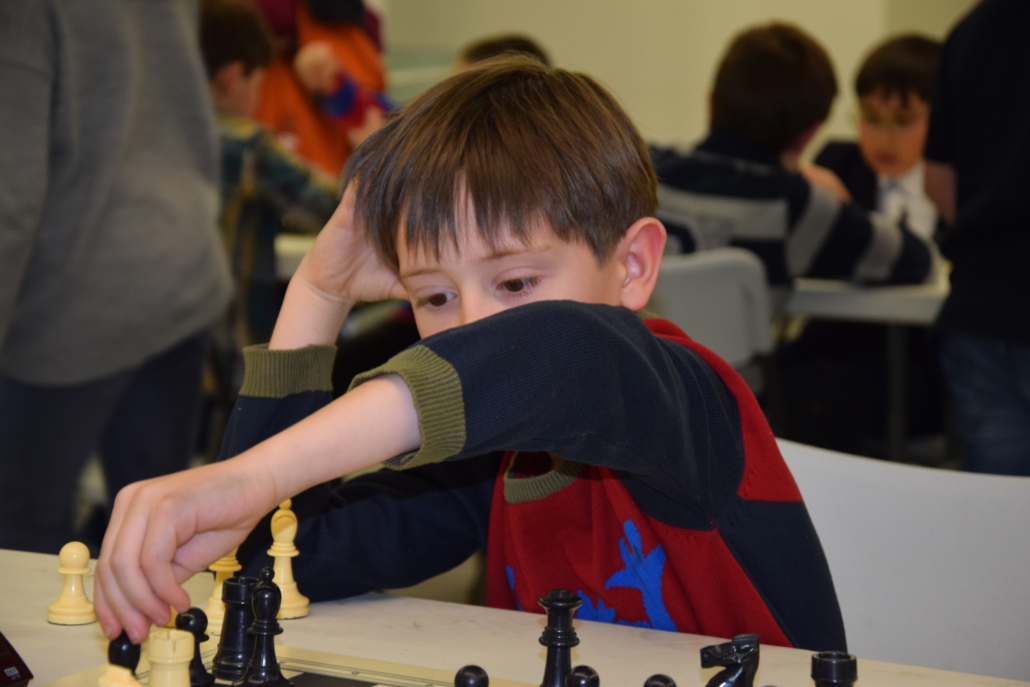
Child Poverty in AndorraAndorra is one of the smallest states in Europe with a total population of around 80,088 and an under-18 population of around 14,000 people. Although the World Bank designates Andorra as a high-income country (having a GNI of $75,090 per capita as of 2022), the leading cause of child poverty in Andorra seems to be a lack of economic resources and security. This in turn can lead to severe material deprivation for a child and their family.

Data Behind Child Poverty in Andorra

As of 2022, 14% of under 18-year-olds and 14.7% of under 16-year-olds are at risk of poverty and social exclusion. This is an increase from 2018 when 13.3% of those under 16 were at risk of poverty (living with an expenditure below 60% of the national median). However, what is interesting is that when looking at single-parent families with one or more dependent children the proportion of those at risk of poverty increases significantly. In 2019, 24.4% of under 16s in a single-parent household were at risk of poverty, with 17.4% of single-parent households struggling with severe material deprivation.

While there is limited data on hunger or malnourishment in children, data does show that around 0.7 to 1% of children are underweight or thin. However, Andorra boasts a 100% literacy rate, making education’s prevalence very high. This is likely due to Andorra making public schooling free, reducing the impact of poverty on a child’s education.

Tackling Child Poverty in Andorra

Although child poverty is still present in Andorra the general poverty rates are still lower than the EU average of 24.8%. The Andorran Government has also implemented multiple initiatives to tackle child poverty and its sources. One example of an initiative that has helped reduce child poverty in Andorra is the Parròquies Amigues de la Infància (Child-Friendly Parishes) initiative. UNICEF Andorra runs the initiative, operating at the regional level and it promotes children’s participation through child Councils; a dedicated “child-friendly budget;” childhood data collection; and “the development of a national plan for children in conjunction with the state government.”

UNICEF Andorra measures the progress of the individual parishes under this initiative. If reviewed positively it grants the parish “the Child Friendly Parish Recognition”. This initiative has been so successful that UNICEF has claimed that “[a]s of 2023, all the seven parishes in the country are involved in the initiative, reaching almost 14,000 children, making Andorra in effect a child-friendly country.” The effectiveness of the initiative is due to its partnership with organizations such as the Community Association and Ministry of Education, facilitating its focus on educating children about their rights so they are empowered to be able to defend their rights and alter their future circumstances.

Promoting Child Rights

The Andorran Government also plans to carry out dissemination campaigns about child rights so that people are aware of these rights, are less likely to violate them and are more likely to guarantee them. The Child-Friendly Parishes initiative has also been key in involving the voices of children in decision-making so that political decisions affecting them are more likely to take into account their wants and needs, allowing these children to help shape their future.

From 2021 to 2022, 80 children from 9 to 12 years old have been elected as councillors from their respective parishes, and 611 students of the same age have participated in workshops promoting participation. Furthermore, 28 people aged 14 to 16 take part each year in the General Council of the Youth where they discuss and debate different proposals for laws on topics that interest them, replicating the operation of the General Council. All seven communal children’s councils have also maintained Child-Friendly Parish Recognition. according to a 2022 report.

Although there is a significant lack of data on the SDG trackers with 35 out of the 48 child-related SDG trackers lacking data the government still demonstrates effective measures and initiatives to reduce child poverty in Andorra. The most effective means of achieving this is through education, which includes multiple initiatives, such as the Child-Friendly Parishes Initiative. Children have been effectively involved in decisions about their future, educating them on how to change their circumstances and future for the better, enabling them to escape child poverty in Andorra.

– Archie Day

Archie is based in St Andrews, Fife, Scotland and focuses on Technology and Global Health for The Borgen Project.

Photo: Wikipedia Commons

August 1, 2024
https://borgenproject.org/wp-content/uploads/borgen-project-logo.svg 0 0 Jennifer Philipp https://borgenproject.org/wp-content/uploads/borgen-project-logo.svg Jennifer Philipp2024-08-01 03:00:482024-07-31 02:21:58Addressing Child Poverty in Andorra 
Child Poverty, Food Insecurity, Global Poverty

Ready to Use Therapeutic Food and Childhood Malnutrition

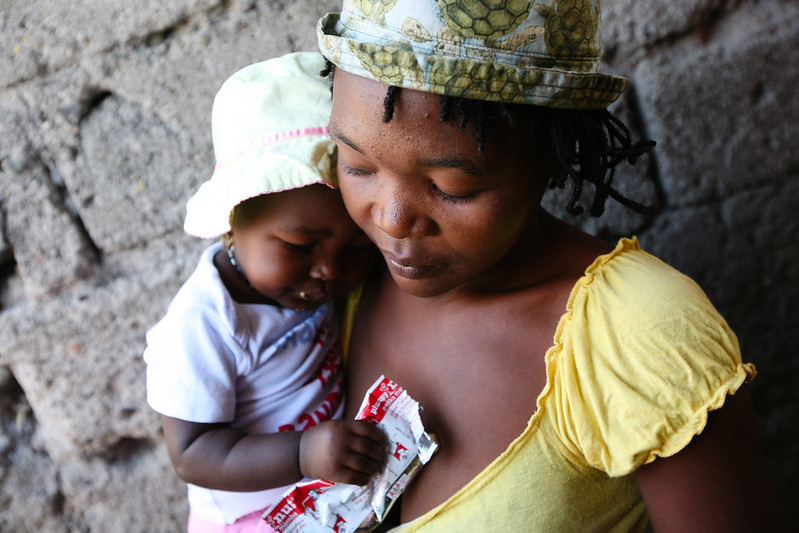
ready to use therapeutic foodChildhood malnutrition is a global crisis affecting millions of children younger than the age of 5. The side effects of childhood malnutrition are devastating, such as lower IQs, poor socioemotional skills, weaker immune systems and many more.

Ready-To-Use Therapeutic Food (RUTF) has a significant impact on treating this condition. This life-saving superfood transforms how severe acute malnutrition is treated, allowing children to recover quickly and regain their health. According to the World Health Organization (WHO), well-nourished children are more capable of escaping poverty as adults during the first two years of life.

Why RUTF?

Ready-To-Use Therapeutic Food is a revolutionary food treatment that’s giving hope to millions of children suffering from severe acute malnutrition (SAM), the deadliest form of hunger. The WHO estimated in 2007 that severe acute malnutrition (SAM) accounts for around one million child deaths annually. Approximately 20 million children worldwide suffer from SAM and those affected have a mortality risk of more than nine times greater than their well-nourished peers.

RUTF is an energy-dense, micronutrient paste designed to treat severe wasting in children younger than 5. Wasting is characterized by low weight-for-height and occurs when a child does not receive enough food or adequate quality. If untreated, it significantly increases the risk of death.

History of RUTF

According to the United Nations Children’s Fund (UNICEF), the concept of RUTF was pioneered by pediatric nutritionist André Briend and food processing engineer Michel Lescanne 25 years ago. RUTF is made from powdered milk, peanuts, butter, vegetable oil, sugar and vitamins and minerals. Each sachet of RUTF provides 500 calories and essential micronutrients, allowing malnourished children to gain weight rapidly.

The invention of RUTF marked a revolution in malnutrition treatment, shifting from the traditional therapeutic feeding centers (TFCs) to home-based care. Previously, children with severe acute malnutrition needed round-the-clock care at TFCs, which were scarce and often located far from the communities they served.

This setup required mothers to leave their homes for weeks, causing lost wages and incomplete treatments. The crowded conditions at TFCs also posed infection risks and in conflict areas like Sudan, they were vulnerable to attacks. Recognizing these challenges, Briend aimed to develop a home-administered solution. His goal was to revolutionize the management of severe acute malnutrition, allowing children to receive treatment safely at home.

RUTF’s Role in Community-Based Management

RUTF is vital for community-based management of children with uncomplicated severe acute malnutrition who still have an appetite. Its two-year shelf life makes it convenient for storage and distribution. The appealing taste and easy digestibility ensure that children readily consume it. Most importantly, RUTF requires no preparation. Children can directly have this nutrient-dense food from the packet, making it safe and reducing the risk of contamination.

According to UNICEF, the treatment of children with severe acute malnutrition was traditionally in facilities where they received specialized therapeutic milk under strict regimens. However, many children arrived too late or could not access these centers due to distance, cost and lengthy treatment durations. RUTF has enabled community-based management and transformed it into a home-based treatment. Its single-dose foil sachets do not require refrigeration or mixing with water, making it practical and safe for home use. This innovation has significantly improved treatment outcomes and accessibility.

Success of RUTF

RUTF and the community-based management of acute malnutrition (CMAM) have proven to be powerful. In emergencies like famine, child mortality rates typically range from 20% to 30%. However, with the combined use of CMAM and RUTF, these rates have dropped to 4.5%, saving countless lives. A notable pilot program in Darfur, Sudan, treated 25,000 acutely malnourished children with similarly positive results.

From 2002 to 2006, Concern Worldwide implemented a large-scale pilot in Malawi, yielding excellent treatment, coverage, community acceptance and cost-effectiveness outcomes. This success led to the publication of the CTC field manual in 2006 and a joint recognition by WHO, UNICEF and the World Food Programme in 2007, establishing CMAM as a global best practice. Today, millions of acutely malnourished children have been successfully treated with RUTF through the CMAM approach. In South Sudan, UNICEF and partners treat nearly a quarter of a million children annually with RUTF, achieving a treatment recovery rate of 95% and averting potential deaths.

Challenges in Distributing RUTF

UNICEF plays a pivotal role in the global distribution of RUTF, procuring and delivering 75-80% of the world’s supply. It ensures that RUTF reaches the most vulnerable children, even in challenging environments. Large-scale operations by UNICEF have saved countless lives during emergencies.

Despite its success, RUTF is not universally available. Many countries do not include RUTF in their essential medicines lists and treatment for severe wasting is often poorly integrated into routine health services. Additionally, the COVID-19 pandemic and global conflicts have increased the cost of RUTF, further limiting its availability.

Conclusion

Ready-To-Use Therapeutic Food has proven to be a lifesaving superfood, transforming the treatment of severe acute malnutrition and saving millions of children’s lives. Its success underscores the need for increased global efforts to ensure all children have access to this essential treatment.

– Sumaiya Sultana

Sumaiya is based in London, UK and focuses on Good News and Technology for The Borgen Project.

Photo: Flickr

July 27, 2024
https://borgenproject.org/wp-content/uploads/borgen-project-logo.svg 0 0 Lynsey 2 https://borgenproject.org/wp-content/uploads/borgen-project-logo.svg Lynsey 22024-07-27 01:30:452024-07-26 07:04:05Ready to Use Therapeutic Food and Childhood Malnutrition
Child Marriage, Child Poverty, Children, Developing Countries, Global Poverty

Ending Child Marriage in Guinea

Child Marriage in GuineaChild marriage occurs in many countries but Guinea has some of the highest prevalence rates in the world. The World Bank defines child marriage as a “marriage or union taking place before the age of 18.” Many often associate it with poverty and low levels of education, and it disproportionally affects girls. There are several successful programs to reduce child marriage in Guinea.

Affected Population

In Guinea, though the law states that the minimum age of marriage is 18, this is not always upheld in practice. According to Girls Not Brides, 47% of girls marry before 18 and 17% of girls marry before the age of 15. This compares with 2% of boys who are married before age 18.

Rates of child marriage differ based on location. Rates of child marriage are two times higher in rural than urban areas, which may coincide with higher levels of poverty in the countryside. Child marriage in Guinea is more common in some areas of the country than others, with the highest rate being in Labé where 76% of children marry before 18, according to Girls Not Brides.

Reasons behind Child Marriage

Child marriages are often done with parental consent and because of financial worries, as children can be offered in exchange for goods. Other reasons include religious beliefs and fears of girls falling pregnant outside of marriage, Girls Not Brides reports.

Child marriage brings many dangers to these girls; 95% of girls married before 18 experience FGM/C, according to Girls Not Brides. Girls who are married as children are more likely to give birth earlier and experience complications in these pregnancies. They also have a higher chance of contracting infections like HIV and are at a higher risk of experiencing domestic violence.

Child Marriage and Poverty

Guinea is experiencing high levels of poverty with, according to the World Bank, 43.7% of people living below the poverty line – this equates to 5.8 million people. Statistically, there is a strong positive correlation between rates of poverty and rates of child marriage. This can be seen in Guinea; Labé is one of the poorest areas of the country with 66% of people living below the poverty. The city also has the highest rate of child marriage in Guinea. 

UNICEF has identified that increasing access to education is a significant contributing factor to reducing rates of child marriage. According to Girls Not Brides, 63% of women without an education marry before 18, compared with 26% with secondary level education or higher. Therefore, a key aspect of tackling child marriage is increasing access to education; this is also an important aim of downsizing poverty.

Solutions

Though Guinea is amongst the highest in the world for child marriage, some changes are taking place. The country signed up to the SDGs, one of which aims to end child marriage. Guinea also signed the Convention on the Rights of the Child and in 2017 launched the African Union Campaign to End Child Marriage in Africa, according to Girls Not Brides. This campaign began in 2014 and aims to target the countries in Africa most affected by child marriage. It has given countries and leaders space to advocate for girls’ rights and has encouraged many countries to change their laws regarding child marriage. It has also led to more research on child marriage, providing important information on its impacts.

UNICEF has implemented the Fundamental Skills Improvement Programme, which trains teachers with the overall aim of improving the reading and mathematical abilities of children in Guinea. At the beginning of the program, 61% of students could not identify numbers. Just six months into the scheme this decreased to only 4%. Because of this success, many other schools are applying to the program, increasing its reach from 1,500 students to almost 6,000.

Equity Committee

The U.S. government has also offered help to increase access to education; the USAID education programme created an Equity Committee to grow the number of girls in education. The World Bank also joined this to fund studies into how to educate girls, as it was such uncharted territory, as well as running publicity campaigns to encourage more girls, and their families, to access education. This resulted in the percentage of girls attending school increasing from 23% to 36% and the percentage of boys rising from 51% to 66% in just four years.

This increase in education has had an impact on the number of child marriages in Guinea. There has been an overall decrease in the number of child marriages: the World Bank has reported that the mean age of marriage in 18-22-year-olds is 15.5, compared with 16.8 in 18-49-year-olds, therefore showing a decline.

There have been notable improvements and the future opportunities are looking brighter for Guinea’s young people as work continues to decrease child marriage in Guinea. By continuing to increase the number of children, especially girls, accessing education and by downsizing poverty, Guinea can further the progress made to eradicate child marriage.

– Eryn Greenaway

Eryn is based in England and focuses on Global Health for The Borgen Project.

Photo: Flickr

July 26, 2024
https://borgenproject.org/wp-content/uploads/borgen-project-logo.svg 0 0 Jennifer Philipp https://borgenproject.org/wp-content/uploads/borgen-project-logo.svg Jennifer Philipp2024-07-26 07:30:272024-07-26 05:24:32Ending Child Marriage in Guinea
Child Poverty, Global Poverty, NGOs

Single-Mother Families and Child Poverty in Japan

Child Poverty in JapanDespite being one of the wealthiest developed countries worldwide, Japan grapples with a significant child poverty issue, ranking among the highest in the Organisation for Economic Co-operation and Development (OECD) countries. Alarming statistics reveal that one in seven Japanese children lives in poverty.

Causes of Child Poverty in Japan

A significant factor contributing to child poverty is the high percentage of children living in single-parent households. Approximately 50% of single-parent families, most often mother-children households, fall below the poverty line. The summary report shows that the number of mother-children households is roughly 565,000 in 2022, while the number of father-children households is only 75,000.

Furthermore, the societal structure in Japan predominantly favors full-time male employees, leading to a gender wage gap where women, even those working full-time and overtime, often receive lower wages and fewer benefits. The average income per mother-children household is merely 3.73 million yen ($23,529) a year, compared to 6.06 million yen ($38.199) in “single-parent families with a father.” Nearly two million mothers with children in households have no jobs.

“I feel deprived of my dignity because I’m a single mother, I’m on public welfare, I don’t have enough money for daily food and school and I don’t have a job,” said Mika, a 45-year-old single mother who raises her two children, aged 3 and 7, on her own. “My children would like to join clubs and travel, but I can’t afford it.”

Additionally, 22.5% of mother-child households have no savings, the highest percentage among all types of households. Meanwhile, the lowest percentage of mother-child households have savings. In the self-assessed survey of living conditions, around 39.4% of mother-child households claimed a “very difficult” condition, the highest among all types of households. Only 23.4% of mother-child households think they live in a “normal” condition.

The Japanese Social Care System

The Japanese social care system involves local governments offering protective services to children who are either without parents or whose parents are unable to care for them. The system involves fostering psychological care and local community support goals. Other supportive systems such as psychological treatment facilities for children, facilities to support the development of children’s self-sustaining capacity and maternal and child living support facilities also provide home assistance and daycare to assist children and their parents.

Additionally, a children’s home provides a safe living environment for children without parents or those whose parents are unable to care for them due to abuse, serious health issues, or financial difficulties. According to data from the Ministry of Health, Labor and Welfare, the number of children’s homes in Japan is approximately 600 and the number of children living in such homes is 27,300.

NGOs Providing Solutions

Apart from government support, many organizations are fighting for child poverty in Japan:

  • Lights On Children: A nonprofit organization that assists and supports children’s social needs.
  • Kids Door: A nonprofit organization that provides education, comfortable homes and career workshops.
  • YouMeWe: A Tokyo-based nonprofit organization that nurtures and supports local students from institutionalized homes, helping them achieve full independence by the age of 18 through initiatives like financial literacy programs.

Final Remark on Child Poverty in Japan

These supportive programs and institutes have effectively alleviated children’s poverty. A report from the Ministry of Health, Labor and Welfare indicates a decrease in children’s poverty rate from 2018 (14%) to 2021 (11.5%). The relative frequency distribution of the number of children in households with disposable income shows a drop in the range of less than 400,000 yen ($2,520) and between 400,000 and 1,400,000 yen ($2,520 and $8,820). The frequency of single-parent and children in households also declines in the range between 1,000,000 and 1,400,000 yen ($6,300 and $8,820).

Nevertheless, the Japanese government repeatedly made promises to provide financial support to children in poverty and mother-children households. However, the action was very slow. Akihiko Kato, a professor at Meiji University, has criticized the Japanese government for its sluggish response in delivering financial support to families with children. “It’s one thing we can do more of in society: try to recognize people’s cries for help,” said McAvoy, the filmmaker of Japanese single mother film “The Ones Left Behind.”

– Cindy Hong

Cindy is based in Milpitas, CA, USA and focuses on Good News for The Borgen Project.

Photo: Flickr
July 22, 2024
https://borgenproject.org/wp-content/uploads/borgen-project-logo.svg 0 0 Lynsey 2 https://borgenproject.org/wp-content/uploads/borgen-project-logo.svg Lynsey 22024-07-22 07:30:412024-07-22 00:44:02Single-Mother Families and Child Poverty in Japan
Africa, Child Poverty, Global Poverty

How Francis Ngannou is Fighting Poverty in Cameroon

Francis NgannouPoverty is a global issue. It is present in every country and continent. This is a story about Francis Ngannou, an MMA fighter and cross-over elite boxer, who runs a foundation to help improve access to education and opportunities for thousands in Cameroon.

Poverty in Cameroon and Sub-Saharan Africa

According to the World Bank, in 2019, 57% of the world’s poor lived in sub-Saharan Africa. This means that more than half of the families in the subcontinent experience poverty and consequently have challenges accessing necessities like food, water, clothing and shelter.

In Cameroon, 43.6% of people live in multidimensional poverty. Multidimensional poverty is a World Bank index that measures the percentage of households that experience poverty in “health, education and standard of living.”

Francis Ngannou escaped poverty in Cameroon by traveling a dangerous route to Europe, in the process getting jailed and becoming homeless. Luckily, he found fortune as an MMA fighter initially in France, later in the U.S., and also crossed over to global elite boxing.

Life in Cameroon

Francis Ngannou was born on September 5, 1986, in the village of Batié in Western Cameroon, the fourth of five children. He struggled to get an education as the system in the country did not embrace the needs of diverse young learners like him. He became a child laborer for meager wages in the sand mines to support his poor family at the age of 10. In 2012, at the age of  25, his relentless spirit for success led him to undertake a dangerous odyssey to leave Cameroon and try to reach Europe. His dream was to become a professional boxer.

His ordeal became further complicated when he arrived in Spain by boat as an undocumented immigrant and was jailed for two months for illegally crossing the border. In the same year, he made it to France, where he was homeless for many months before his fortune changed.

Francis Ngannou’s career as a mixed martial artist began in France, where he achieved initial success, which allowed him to catch the attention of American mixed martial artists’ biggest company, the Ultimate Fighting Champion (UFC), where he became Heavy Champion of the World in 2021.

Ngannou was able to leave Cameroon, however, millions who live in the country, face challenges like child labor, poverty and low wages. 

The Francis Ngannou Foudation

Founded in 2018, the Francis Ngannou Foundation was his way to give back to his community and country. According to the foundation’s website, its mission is to “reach highly low-income, underserved and vulnerable populations, marginalized communities, causes and geographical locations often overlooked by mainstream philanthropy in Cameroon and Africa.” The foundation focuses its work on core areas: education, sports and arts, health, mental health and drug addiction and Emergency Relier.

Notable achievements of the foundation include renovating, modernizing, and expanding dozens of schools across Cameroon.  The foundation provided school materials to thousands of children and students with quality supplies so that they could start their academic year well-equipped and motivated. During the COVID-19 crisis, the foundation distributed groceries and financial aid to 1,050 families. The organization has also built the first and second MMA-certified gyms in Cameroon and Central Africa in Douala.

– Jonathan Ajah

Jonathan is based in London, UK and focuses on World News for The Borgen Project.

Photo: Flickr
July 20, 2024
https://borgenproject.org/wp-content/uploads/borgen-project-logo.svg 0 0 Jennifer Philipp https://borgenproject.org/wp-content/uploads/borgen-project-logo.svg Jennifer Philipp2024-07-20 07:30:412024-07-20 04:33:49How Francis Ngannou is Fighting Poverty in Cameroon
Child Poverty, Education, Global Poverty

Addressing Child Poverty In Kiribati 

Child Poverty in Kiribati
As a country that is geographically isolated, fragmented, environmentally vulnerable and economically challenged, Kiribati struggles with degraded soil, and challenges with education access, along with overpopulation. This trickles down to the children–the heart and bulk of its society. About 21.9% of the country lives below the poverty line, living off of subsistence farming, sea-faring industries or opportunities in the urban center of South Tarawa. Child poverty in Kiribati results in a lifestyle for those who must fend for themselves.

The Current State

Kiribati is a youthful country. About 36% of the population is under the age of 15. The under-5 mortality rate sits at 48 per 1,000 live births and has one of the highest neonatal rates of mortality in the Pacific—39 per 1,000 live births. In comparison, Australia sits at three per 1,000 live births.

About 22% of people live in poverty. However, this varies based on the region, education and labor market characteristics of certain households. Kiribati’s remote, decentralized structure, makes it hard to obtain an accurate sense of the situation amongst these islands. However, there seem to be two groups of poor existing in Kiribati: those in South Tarawa, the capital, and those who live in the southern and northern divisions of the country.

Those who live in South Tarawa—a rapidly growing urban center—have access to more services, human capital and opportunities for employment and education, according to the SPC Statistics for Development Division. Those in other regions may not have access to basic needs or the possibility of economic mobility.

Geography

Kiribati is vulnerable to sudden weather changes. None of the islands rises above eight meters, the highest being Banaba (285 feet). Lower levels leave the land at risk of floods, as well as droughts, according to Britannica. In 2022, an extended drought created a scarcity of quality drinking water, putting people at risk for waterborne disease.

The bulk of Kiribati’s economy comes from the capital of South Tarawa, where tourism, agriculture and fishing provide jobs.

Overpopulation and Waste Management

Though the increasing population makes for a larger workforce, the lack of economic diversity, its remote location and reliance on imports create a situation where much of the population still lives in poverty.

South Tarawa is devastatingly overcrowded, holding upwards of 69,000 people with a density that resembles Tokyo or Hong Kong. People who live a subsistence lifestyle on the outer islands aim to move to the urban sectors. This migration to the main islands puts pressure on the structural systems of the city, leaving multitudes of citizens struggling and unemployed.

Waste and sewage management is an issue that puts freshwater sources at risk. The city holds just over half the total population of Kiribati, contributing to the water crisis. The Country holds the highest infant mortality rates in the Pacific, the deaths inevitably linked to diarrhoea, dysentery and gastroenteritis.

Education

Primary education is free for children ages six through 15. Eight out of 10 children complete lower-level secondary education, but the rate dips to two out of 10 for upper-level secondary education. Though many teachers have certification up to year 11 of secondary primary school, there have been reports of inaccurate qualifications and certifications.

Those who can send their children to secondary school do so in Tarawa, swelling the overpopulation issue. Children attending school in urban centers are isolated from their parents. This leaves them more vulnerable to different forms of neglect and abuse. In the home, corporal punishment is an accepted form of discipline, a practice that is embedded in social and cultural norms.

By law, children under the age of 14 cannot work in Kiribati and those under 16 are not allowed to work industry jobs or on sea-faring ships. As a result, many children work unofficially after mandatory school hours, producing funds by selling small items such as brooms, combs, etc.

The lack of status, education and money exacerbates child poverty in Kiribati. Many are at risk of sexual exploitation and violence. These issues have been linked to fishing vessels coming to sell food and other items. According to the U.S. Department of State, Kiribati is a “source country” for sex trafficking.

Food Poverty and Malnutrition

The malnutrition crisis is the leading cause of death for children under 5. Poor soil quality makes agriculture challenging. As a result, people rely on imported, processed foods that fail to provide adequate nutrition needs. The intake of more unhealthy food intensifies the problem, increasing levels of anaemia, malnutrition and overweight/obesity issues.

Food poverty affects many developing countries living under adverse conditions. As of 2022, one in three children (200 million globally) consume food from less than two food categories a day, as opposed to the recommended eight. Half of East Asian and Pacific children eat under four food groups, according to Global Citizen.

As for Kiribati, the situation is dire. A recent study from UNICEF found that “upwards of 90% of children live in food poverty,” Global Citizen reports. The situation could only get worse with the stagnation of the efforts to improve food security in the East Pacific.

Improving Child Poverty in Kiribati

Doctors Without Borders (MSF) began providing maternal and neonatal health care in Kiribati in 2022, focusing on Tarawa and the Gilbert Islands. It aims to reduce pregnancy-related illnesses and mortality by training local health care workers and offering clinical support. In 2022, MSF assisted 520 births and conducted 87 parental consultations.

The Child Fund helps impoverished children and their communities build self-reliance. In the Pacific, it focuses on Kiribati, Papua New Guinea and the Solomon Islands. The organization addressed the water crisis in Kiribati by installing solar water distillation units in schools and communities and educating about sanitation and hygiene, according to its website.

– Jonathan McCloud

Jonathan is based in Royse City, TX, USA and focuses on Good News and Global Health for The Borgen Project.

Photo: Flickr
July 20, 2024
https://borgenproject.org/wp-content/uploads/borgen-project-logo.svg 0 0 Jennifer Philipp https://borgenproject.org/wp-content/uploads/borgen-project-logo.svg Jennifer Philipp2024-07-20 07:30:152024-07-20 04:28:27Addressing Child Poverty In Kiribati 
Child Poverty, Global Poverty

Child Marriage in Georgia: An Ongoing National Issue

Child Marriage in GeorgiaIn the nation of Georgia, 14% of girls are married before the age of 18. Mountainous regions where religious minorities exist, as well as the province of Kvemo Kartli, have especially high rates of child marriage. However, it exists all over the country.

The Reasons for Its Prevalence

Child marriage stems from a variety of social issues, one being gender inequality. In 2022, the United Nations Development Programme (UNDP) reported that there was a 35% pay gap between men and women in Georgia. Because of this inequality, there is immense social pressure to get married in order to be financially secure. A survey conducted by the United Nations Children’s Fund (UNICEF) in 2018 “indicated that 27% of women between the ages of 20-49 who were married before the age of 18 are in the poorest index quintile.”

Furthermore, culturally, child marriage is believed to legitimize child pregnancy and pre-marital sex. Bride kidnapping is another reason for child marriage in Georgia that is not to be overlooked. Typically, this is an arranged marriage whereby the female is kidnapped and taken to a remote location where she is forced to marry. Between January and September of 2020, there were 34 reported cases of bride kidnapping in Georgia.

Effects of Forced Marriages

Many of these forced child marriages result in domestic and sexual abuse. In 2018, one in seven women experienced domestic violence in Georgia. A particular study by the United Nations (U.N.) Women also emphasized that 9% of women have experienced sexual violence before the age of 18.

Solutions

In 2014, the Criminal Code was reformed to outlaw forced child marriage. However, there are still loopholes in the law. For instance, weddings can take place in remote areas and families may delay registering the marriage until the individuals involved are 18 years old. Nevertheless, there has been some progress in recent years. With the rise of social media, hundreds of thousands of women have united to raise awareness about domestic and sexual abuse. It has become more widely accepted to report violence and abuse because of social media and global awareness.

In 2020, Equality Now, an international women’s rights organization, published an article called “Courage: Survivors of Child Marriage Share Their Stories.” The article shared the stories of seven women who escaped child and forced marriages in Georgia. One of the women, Tami, was able to avoid a child marriage at the age of 16. She confided in her teachers and friends about the arranged marriage and they reported it to the authorities. Tami now lives independently and encourages other women to speak up for themselves. She went on to say, “If they remain silent, no one will ever know about their stories.”

Final Remark

Social awareness campaigns can help prevent child marriage in Georgia. These campaigns can educate the public about the harmful effects of child marriage. Additionally, they can challenge traditional norms and cultural beliefs that perpetuate the practice. Campaigns can also emphasize the importance of girls’ education and empowerment. By doing so, they can help reduce the prevalence of child marriage and protect the rights and well-being of girls in the country.

– Madeline Rozmus

Madeline is based in Greenwich, CT, USA and focuses on Global Health and Politics for The Borgen Project.

Photo: Flickr

July 1, 2024
https://borgenproject.org/wp-content/uploads/borgen-project-logo.svg 0 0 Lynsey 2 https://borgenproject.org/wp-content/uploads/borgen-project-logo.svg Lynsey 22024-07-01 07:30:452024-07-01 01:47:10Child Marriage in Georgia: An Ongoing National Issue
Child Poverty, Developing Countries, Global Poverty

Child Poverty in Cabo Verde

Child Poverty in Cabo VerdeUp until 2019, Cabo Verde, previously known as Cape Verde, was one of the most successful sub-Saharan African countries working toward poverty reduction. However, after the COVID-19 pandemic, which initiated a disruption of labor activities, tourism and businesses, the poverty index rose by 3.8%—the equivalent of 10,000 more people in Cabo Verde facing extreme poverty. As a result, parents, guardians and caregivers struggle to provide for their children. As of 2024, nearly one in 10 children is malnourished.

Lack of Housing

One of the greatest challenges experienced by children in Cabo Verde is the lack of affordable housing. Many families have to settle for underdeveloped and unsafe homes, which often lack public water supply, sewage and electricity. As a result, the children of Cabo Verde are at a huge disadvantage in terms of educational and social opportunities. The housing crisis is present in nearly all Sub-Saharan African countries.

Child Labor

Since the COVID-19 pandemic, many families in Cabo Verde have had to withdraw their children from school to help provide for their households. Consequently, approximately 3.2% of children aged 10 to 14 were working as of 2020. In rural areas, many children are especially subject to harsh physical working conditions, such as agriculture and housework. However, progress has been made in recent years. In 2014, Cabo Verde established the Action Plan for the Prevention and Elimination of Child Labor. Additionally, in 2022, the country increased the minimum age of employment to 15 years old.

Poor Nutrition and Sanitation

In Cabo Verde, 31 out of every 100 people lack access to the country’s public water network and approximately 15% lack proper sanitary systems. As a result, anemia remains a common disease among young children. Typically caused by malnutrition, anemia may result in low energy, tachycardia and delayed growth and development. In Cabo Verde, anemia affects about 72% of children aged less than 2 and 52% of older children.

Solutions

Recently, Cabo Verde has been making efforts to improve the living conditions of these children. As of 2024, the Cabo Verde government is addressing the challenges left by the COVID-19 pandemic and the Russian-Ukraine conflict. According to the United States (U.S.) Department of Labor, “Through the Cape Verde Social and Educational Action Institute, the government implements various initiatives to increase access to education among the poor. For children who may still be subject to school fees, efforts include the provision of school fees, school materials and free meals to low-income families.”

Additionally, in 2020, all 434 public schools in Cabo Verde received the Global Partnership for Education (GPE) grant support, improving health standards for both the children and teachers. Additionally, in 2020, all 434 public schools in Cabo Verde received the Global Partnership for Education (GPE) grant support, improving health standards for both the children and teachers. This is just a step toward diminishing child poverty in Cabo Verde and hopefully, it will influence remaining impoverished countries to follow suit.

Conclusion

While Cabo Verde is one of the more progressive sub-Saharan African countries when it comes to child poverty, there’s still work to be done, particularly regarding safe and affordable housing, proper sanitation and child labor reduction. With the implication of the resources and solutions listed above, Cabo Verde is on its way to a more promising future for their children.

– London Puc

London is based in West Palm Beach, FL, USA and focuses on Global Health for The Borgen Project.

Photo: Unsplash

July 1, 2024
https://borgenproject.org/wp-content/uploads/borgen-project-logo.svg 0 0 Lynsey 2 https://borgenproject.org/wp-content/uploads/borgen-project-logo.svg Lynsey 22024-07-01 01:30:562024-06-30 10:18:59Child Poverty in Cabo Verde
Child Poverty, Developing Countries, Global Poverty

Tackling Child Poverty in Tonga: Challenges and Solutions

Child Poverty in TongaTonga is an island country in Polynesia, part of Oceania, with 171 islands, 36 of which are inhabited. Despite its serene beaches and vibrant culture, a significant portion of Tonga’s young population lives in conditions that threaten their health, education and overall well-being. In Tonga, 27% of the population lives in poverty. Almost one in four adults is deprived of three or more essentials and resides in a low-income household. Similarly, one in three children is deprived of two or more essentials and also lives in a low-income household.

The Scope of Child Poverty in Tonga

Child poverty in Tonga is a multifaceted issue influenced by various socioeconomic factors. The country’s economy relies heavily on agriculture, fisheries and remittances from Tongans living abroad. While these sectors provide some economic stability, they are insufficient to support all families, particularly those in rural areas. According to the Asian Development Bank (ADB), 24% of the Tongan population lived below the national poverty line in 2021 and the unemployment rate was 2.1%. Therefore, many families struggle to cover the cost of their daily needs financially.

Programs aimed at increasing household income through vocational training and small business support help families achieve financial stability. The Tonga Skills program, funded by the Australian government, offers vocational training to young adults and parents, equipping them with skills to start small businesses. Since its inception in 2018, Tonga Skills has trained more than 1,200 individuals, resulting in a 15% increase in household income for participants.

Health and Nutrition

Children living in poverty in Tonga frequently encounter serious health and nutritional challenges. Malnutrition is a major issue, as many families are unable to afford a balanced diet, resulting in stunted growth and other long-term health problems. According to data from the World Bank Group in 2019, 2.2% of children in Tonga were affected by stunting, which translates to hundreds of children facing impaired growth and development. Limited access to health care, especially in remote areas, worsens the situation.

The less than 5 mortality rate in Tonga is notably high compared to global averages. In 2022, 11 out of every 1,000 children died before their 5th birthday due to poor living conditions. This rate is higher than the global average of 38.8 per 1,000 live births reported by the World Health Organization (WHO) in 2020. Within the Pacific region, Tonga’s aged less than 5 mortality rate is also concerning, as it exceeds the regional average of 22 per 1,000 live births. 

Efforts to increase health care accessibility, including mobile clinics and health education campaigns, are underway. The Tongan government, in partnership with the WHO, has deployed mobile health clinics to remote islands since 2020. These clinics provide essential health services, including vaccinations and nutritional support, reaching more than 10,000 children annually.

Education and Child Development

Education is a vital tool for breaking the cycle of poverty. However, many children in Tonga face barriers to accessing quality education. The lack of resources, underfunding of schools and the need for children to contribute to household income often prevent them from attending school regularly.

Educational programs such as scholarships, school feeding programs and infrastructure improvements enhance educational access and quality. For example, the Ministry of Education and Training, with support from the Japan International Cooperation Agency (JICA), launched a school feeding program in 2019. This initiative aims to provide nutritious meals to children in primary schools, improving attendance and performance. As of 2023, the program has benefited more than 5,000 children in rural areas.

The Role of the International Community

The international community plays a crucial role in supporting Tonga’s efforts to combat child poverty. Aid from foreign governments, international NGOs and global institutions provides much-needed resources and expertise. Financial aid helps fund educational and health care programs. At the same time, international experts assist in developing and implementing effective poverty alleviation strategies. Global advocacy efforts raise awareness about child poverty in Tonga, mobilizing additional support.

By addressing the economic, health and educational challenges faced by children, Tonga can pave the way for a brighter future for its youngest citizens. Continued support from the international community, coupled with effective local initiatives, will be crucial in breaking the cycle of poverty and ensuring that every child in Tonga has the opportunity to thrive.

– Chelsea Rasool

Chelsea is based in Stirling, Scotland and focuses on Good News and Technology for The Borgen Project.

Photo: Flickr
June 29, 2024
https://borgenproject.org/wp-content/uploads/borgen-project-logo.svg 0 0 Lynsey 2 https://borgenproject.org/wp-content/uploads/borgen-project-logo.svg Lynsey 22024-06-29 01:30:382024-06-28 09:43:05Tackling Child Poverty in Tonga: Challenges and Solutions
Child Poverty, Global Poverty

Solving the Problems of Child Poverty in Guyana 

Child Poverty in GuyanaDespite having a stock of gold, timber and bauxite, Guyana has struggled to overcome poverty and attract investments to improve its economy. According to UNICEF, Guyana’s teen and youth poverty rates in 2019 were 33.7% and 47.5% for those under 16. There have been no recent reports on the child poverty rates, but the COVID-19 pandemic may have pushed more into greater poverty. Many factors contribute to child poverty in Guyana, such as access to sanitation, health care, education, food and child labor. However, the government and many international organizations are currently working to solve these problems regarding child poverty in Guyana.

Child Food Poverty

Ideally, a child should eat around five or more different food groups a day to not suffer from food poverty. From 2016 to 2022, 20% of children lived in severe food poverty, eating up to two food groups and 40% lived in moderate food poverty, receiving three to four food groups daily. There has been an increase in food poverty for children, changing from 10% in 2012 to 20% in 2022. Guyana has since introduced many initiatives such as the National School Feeding Programme which targets around 126,000 students in 2024. According to Guyana Times, around 85.0000 students benefitted from this initiative in 2023.

Sanitation

In 2020-2021, around 86% of the population had access to basic sanitation. Two percent of the population in Georgetown have access to a sewage system whereas the rest of the population disposes of waste through septic tanks and pit latrines. Due to poor waste disposal and pollution, waterborne diseases are a risk to the health and well-being of both children and adults.

To overcome this, Guyana Water Incorporated (GWI) has planned to advance its water, sanitation and hygiene accessibility in Region One, which has a large population of indigenous descent. Through working with UNICEF, it provided a new well in White Water which provides drinking water to more than 70% of the community. GWI has also constructed around 35 Ventilated Improves pit latrines in several communities within Region One, which has benefitted thousands of Venezuelan migrants and Guyanese people.

Right to Health

Health care is free throughout Guyana, but the standard of health care is lower than in other developed countries. Medical facilities are limited, even in the capital Georgetown and there are no medical facilities in remote regions. This means that children living in remote areas cannot access health care. However, recently there have been announcements of more being built within its various regions to improve access to health care facilities, with construction in East Demerara being carried out on a Pediatric and Maternal Hospital to help improve infant and maternal survival rates.

With health care facilities improving and existing in more regions, child poverty in Guyana regarding health should begin to decrease. In May 2024, Demerara Waves reported that child mortality rates are decreasing due to the improvements in the health care system in the country.

Education

Education is free to all in Guyana and is compulsory from the ages of 6 to 15, according to Humanium. However, in rural areas, many children cannot access education due to “poor infrastructure, long distances to schools, transportation costs and a shortage of qualified teachers,” which potentially leads to many children dropping out of school. The COVID-19 pandemic further hindered access to education due to “the lack of information technology and the limited availability of electricity in rural and riverine communities.”

In 2023, the World Bank announced it would contribute $35 million towards reforming the education sector in Guyana. The main aims of these reforms are to invest in access to educational materials, and teacher training and upgrade school facilities. The World Bank aims to ensure affordable textbooks are available to all students and will provide training to teachers. This project will also improve the infrastructure of school buildings and the facilities within them.

As a result of this program, smart classrooms have been introduced, with touchscreen whiteboards, cameras for recording lessons, and monitors to display videos. This helps students who miss school for various reasons as they can access their lessons online through recordings, ensuring that they do not miss large amounts of curriculum.

Child Labor

Child labor often comes about due to family debt, insufficient income or human trafficking. Low education rates are also a contributing factor. Around 41% of Amerindian Indigenous children partake in domestic work and 34% in hazardous work, according to the U.S. Department of Labor. Children in Guyana face terrible forms of child labor, such as commercial sexual exploitation or performing dangerous tasks in mining. The U.S. Department of Labor reports that 4.9% of children working are used to take part in illicit activities, including the planting of marijuana, and smuggling of drugs, weapons and goods.

Since 2021, law enforcement authorities have taken measures to prevent child labor in Guyana by establishing a National Steering Committee on Child Labour and a Ministerial Task Force on Trafficking in Persons. Authorities have also introduced policies like the National Action Plan for the Elimination of Child Labor 2019-2025, according to Humanium. Through policies like these, there have been increased police reports of child labor cases, such as 9 cases of children in forced labor and 14 cases of young girls in commercial sexual exploitation since 2021, according to the U.S. Department of Labor.

Moving Forward

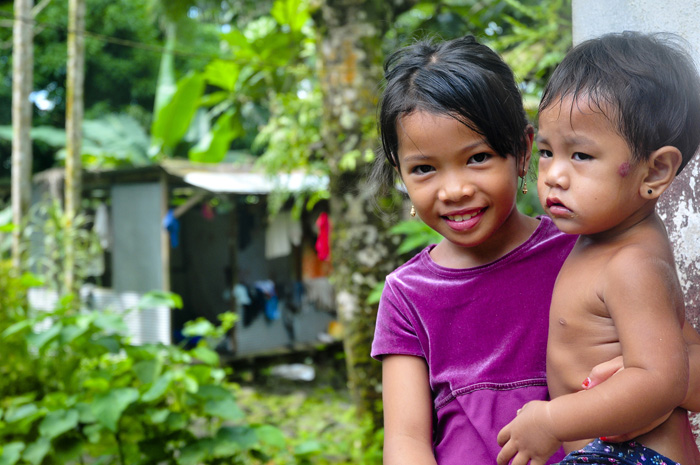
In recent years, the Guyanese government and international organizations have begun to invest more in long-lasting and permanent solutions regarding child poverty in Guyana. With these improvements and many more in the future, child poverty should steadily decline dramatically, ensuring each child’s safety in society and allowing them to lead healthy and enriching lives.

– Kimran Gill

Kimran is based in Leicester, UK, and focuses on World News for The Borgen Project.

Photo: Flickr
June 22, 2024
https://borgenproject.org/wp-content/uploads/borgen-project-logo.svg 0 0 Jennifer Philipp https://borgenproject.org/wp-content/uploads/borgen-project-logo.svg Jennifer Philipp2024-06-22 03:00:292024-06-21 07:41:10Solving the Problems of Child Poverty in Guyana 
Page 6 of 17«‹45678›»

Get Smarter

  • Global Poverty 101
  • Global Poverty… The Good News
  • Global Poverty & U.S. Jobs
  • Global Poverty and National Security
  • Innovative Solutions to Poverty
  • Global Poverty & Aid FAQ’s
Search Search

Take Action

  • Call Congress
  • Email Congress
  • Donate
  • 30 Ways to Help
  • Volunteer Ops
  • Internships
  • Courses & Certificates
  • The Podcast
Borgen Project

“The Borgen Project is an incredible nonprofit organization that is addressing poverty and hunger and working towards ending them.”

-The Huffington Post

Inside The Borgen Project

  • Contact
  • About
  • Financials
  • President
  • Board of Directors
  • Board of Advisors

International Links

  • UK Email Parliament
  • UK Donate
  • Canada Email Parliament

Get Smarter

  • Global Poverty 101
  • Global Poverty… The Good News
  • Global Poverty & U.S. Jobs
  • Global Poverty and National Security
  • Innovative Solutions to Poverty
  • Global Poverty & Aid FAQ’s

Ways to Help

  • Call Congress
  • Email Congress
  • Donate
  • 30 Ways to Help
  • Volunteer Ops
  • Internships
  • Courses & Certificates
  • The Podcast
Scroll to top Scroll to top Scroll to top