
For years, video games have had a bad reputation in the media, with critics citing problems such as increased laziness and aggressiveness in youth as a byproduct. However, video games have proven to be a useful resource and are beneficial to many across the globe. Here are some ways in which esports (electronic sports) impacts global poverty.
Tournaments for Charity
In response to the effects of COVID-19, several streamers and gaming tournaments have directed their profits toward charities. The recent Gamers Without Borders tournament was the largest esports charity event in history. The proceeds went toward various global organizations such as UNICEF and the International Medical Corps. Operating in more than 190 countries, UNICEF is an organization that has worked to minimize global poverty among youth for more than 75 years. Meanwhile, since 1984, the International Medical Corps has been providing medical aid to countries experiencing crises, including several impoverished nations. His Royal Highness Prince Faisal bin Bandar bin Sultan has even recognized Gamers Without Borders. He is also the chairman of the Saudi Arabian Federation for Electronic and Intellectual Sports (SAFEIS).
Games for Good
Popular games in the esports scene are also contributing to good causes. More than 50 million daily active users in China play the popular mobile game “Game For Peace.” The game helps raise awareness of underrepresented communities. Recently, the game introduced the Miao ethnic minority culture in Chongqing to the game. The annual per capita income of the village is just half of the national average. The game included the Miao people as a way of raising awareness about their livelihoods, such as their embroidery and farms. This could help alleviate poverty among the Miao people by creating a demand for their goods. Tourism has also contributed to the village’s economy, which more than tripled between 2012 and 2019.
Hope for Low-income Players
Another way in which esports impacts global poverty is by raising awareness of low-income groups. As the esports and video game industries grow, there is a demand for new jobs within these industries. In Brazil, the team Zero Gravity emerged, only hiring low-income players. Tournaments like the Favelas Cup and the Favelas Bowl occurred, providing those in need chances to win large money prizes. As the esports industry continues to grow in Brazil, many have the chance to escape poverty through careers, as displayed in this emerging industry. With millions of dollars of prize money on the line and average salaries of six figures, people have many financial incentives to join in.
Creating New Job Industries
In addition to Brazil, Cambodia, a nation still suffering from the effects of a civil war, is also tapping into this now billion-dollar esports industry. Cambodia had a poverty rate of 13.5% in 2014, with many of its citizens living in rural areas. However, the introduction of new technology has helped lessen the prevalence of poverty. Innovations such as smartphones and the internet have helped the country grow and improve its education system. As the country seeks to become more digitized, new sponsorship and career opportunities arise for video game players. These investments aim to help Cambodian gamers get more exposure at international tournaments, allowing this developing nation to break into the industry.
As the esports industry continues to grow, so do opportunities to aid the globally impoverished. Esports impacts global poverty by supporting gamers from around the world.
– Carly Johnson
Photo: Pixabay
 MacKenzie Scott, one of the wealthiest women in the world, inherited a
 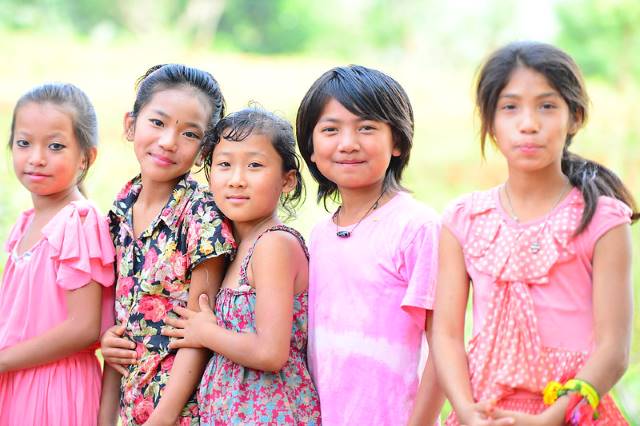 The poverty disparity between adults and children is ever-growing. Children are
  More than a decade after the 2008 economic crisis, Greece retains high unemployment and poverty rates, especially compared to its EU neighbors. Of the 10 million people living in Greece,
 Marathons and 5Ks offer opportunities to bond with community members, promote a healthy lifestyle and raise awareness of global poverty. As a result, millions of people participate in running events every year to fundraise for various causes. Since COVID-19 guidelines restrict large in-person gatherings, organizations have increasingly hosted races in which people can participate from anywhere. People can now join in from their city squares, their neighborhood parks or even their treadmills at home. As a result, greater numbers of people can contribute to the fight to end poverty.
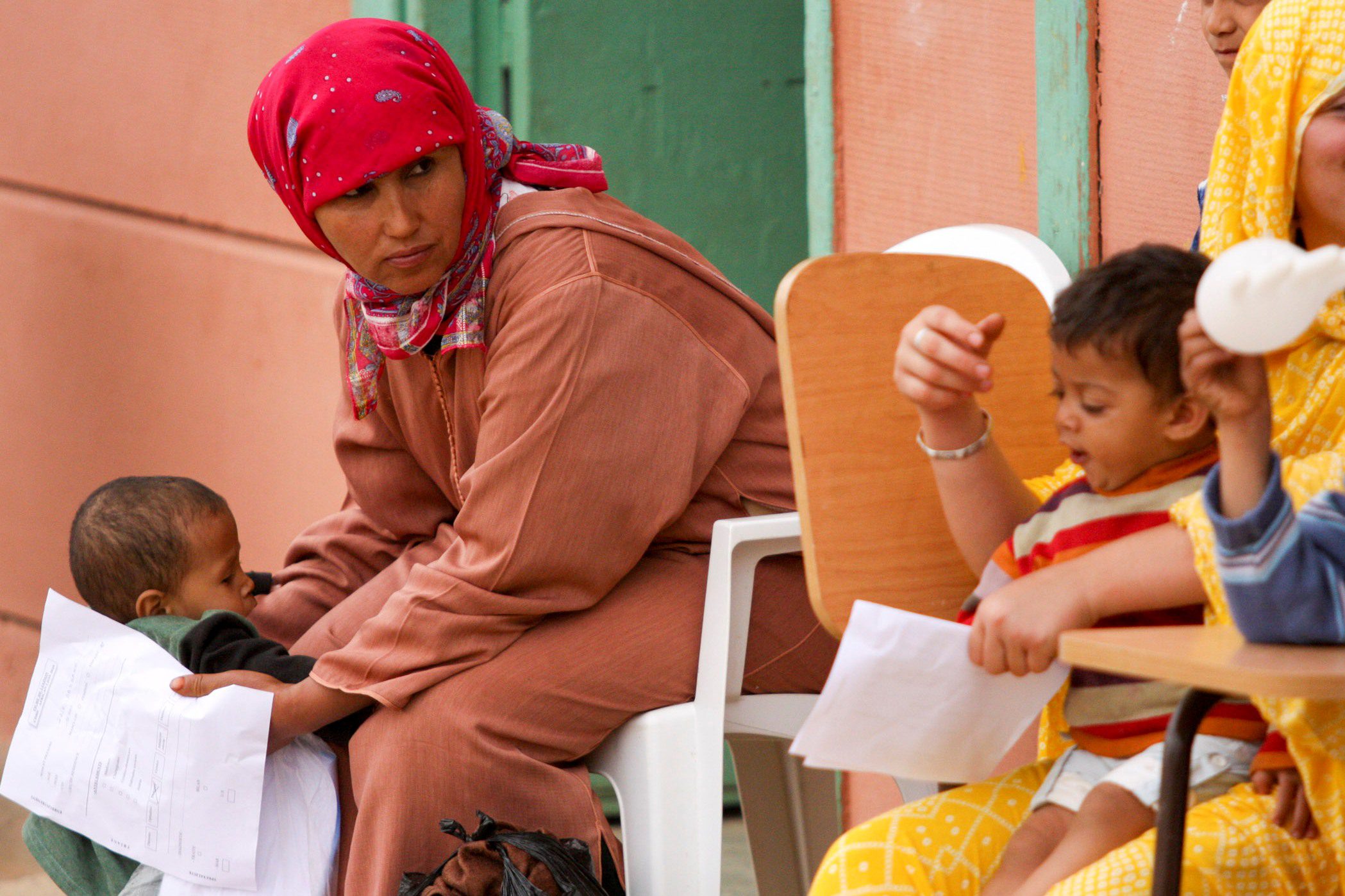 Aicha Chenna, nicknamed “
 Mesut Özil is one of the world’s
 Even though the world is more connected than ever, poverty remains a large problem as many people are left behind. Fortunately, people are using the internet as a platform for change, resulting in unprecedented awareness of global poverty. One example of this is Z Event, a French charity project hosted annually on the live streaming website Twitch. Z Event started with just two people wanting global change. The video gaming event is shattering world records while raising millions of dollars for charity.