• Link to X
  • Link to Facebook
  • Link to Instagram
  • Link to TikTok
  • Link to Youtube
  • About
    • About Us
      • President
      • Board of Directors
      • Board of Advisors
      • Financials
      • Our Methodology
      • Success Tracker
      • Contact
  • Act Now
    • 30 Ways to Help
      • Email Congress
      • Call Congress
      • Volunteer
      • Courses & Certificates
      • Be a Donor
    • Internships
      • In-Office Internships
      • Remote Internships
    • Legislation
      • Politics 101
  • The Blog
  • The Podcast
  • Magazine
  • Donate
  • Click to open the search input field Click to open the search input field Search
  • Menu Menu

Archive for category: Charity

Activism, Charity, Global Poverty

Kelly Osbourne Fashion

Kelly Osbourne FashionKelly Osbourne, daughter of actress Sharon Osbourne and musician Ozzy Osbourne, is a triple-threat entertainer, singer, model and fashion designer. She is better known for her impactful discussion when she stars on talk shows and reality TV. The public listens to what she says on The View, Australia’s Got Talent, Big Brother, E! News Fashion Police, and Project Runway. During the past decade, she has successfully intertwined her passion for fashion with her passion for educating people about global issues. Kelly Osbourne has used this large platform to enhance global awareness issues.
Collaborations: Macy’s Style Lab Celebrity Campaign

In October 2020, Kelly Osbourne and celebrity personal shopper, Nick Cannon, promoted Macy’s Mystyle Lab Department and Dosomething.org. Dosomething organizes campaigns for youth to focus on social change, and on raising money to end poverty and violence in the world. The Macy’s campaign made donating easy. When a unique QR code was scanned at the Mystyle Lab in a store or liked Mystyle on Facebook, Macy’s donated a dollar to DoSomething. Teens can also take a Do Something Cause quiz to automatically enter for a chance to win a $250 shopping spree. Anyone who participates in the quiz receives information on how to help the environment in their community.

The Role of an Ambassador

In May 2013, Kelly Osbourne took on the role of ambassador for GenerationCURE, a young adult campaign of amFAR, the Foundation for AIDS Research. A group of twenty-somethings launched GenerationCURE in 2011 with the hope of becoming the “final generation” of AIDS activists. Their goal was to bolster amFAR’s research through raising funds and awareness. In June 2015, Osbourne was one out of 300 young celebrities who attended GenerationCURE’s fourth annual solstice event held in New York City. These solstice events have raised $90,000 for amFAR.

Recently, Kelly Osborne participated as a guest celebrity in GenerationCURE’s Holiday Parties in Los Angeles, New York, and Washington, D.C. in December 2019. In the star’s interview with HIVPLUSMAG.COM, Kelly Osbourne shared how she actually became involved in AIDS activism at a young age. She said, “I remember putting on a garage sale when I was about 10 years old for my mum’s best friends’ neighbor who was HIV-positive…” Osbourne explained that this neighbor was fired because he was HIV-positive, and her garage sale raised enough money for him to keep his apartment until he passed away.

Osbourne’s passion as an HIV/AIDS activist also stems from watching a friend battle the life-threatening disease. She elaborated, “I have actually watched somebody who had to take antivirals, and be there to wipe their puke, and pull their hair back, and see the night sweats they go through, and how much weight they lose or gain.” It is safe to say that experiencing a loved one going through hardships triggered a passion in Kelly Osbourne’s soul.

Auctioning off in Exchange of Support

The Small Steps Project is a United Kingdom-based global humanitarian organization that supports families living in dire poverty on rubbish dumps. It takes steps to get kids out of the rubbish and into the classroom. The Small Steps Project delivers shoes, hygiene products, and emergency aid to protect children. In addition, Small Steps works with celebrities to raise funds through Celebrity Shoe Auctions. While partnering with the Small Steps Project, Kelly Osbourne offered her fabulous Aldo Wedges for auction in exchange for donations. And, Kelly Osbourne convinced the rest of the Osbourne family to auction off their shoes for the cause.

The Osbournes are no strangers to auctions as in the past, they raised $20,000 by donating dinner with their family during a 2014 Race to Erase MS Gala event. Race to Erase MS is a nonprofit that supports multiple sclerosis research and patient support. During the last 27 years, the organization has raised over $50 million, with over $34 million going to research and grants.

Kelly Osbourne’s Small Gesture; a Metaphor for Activism

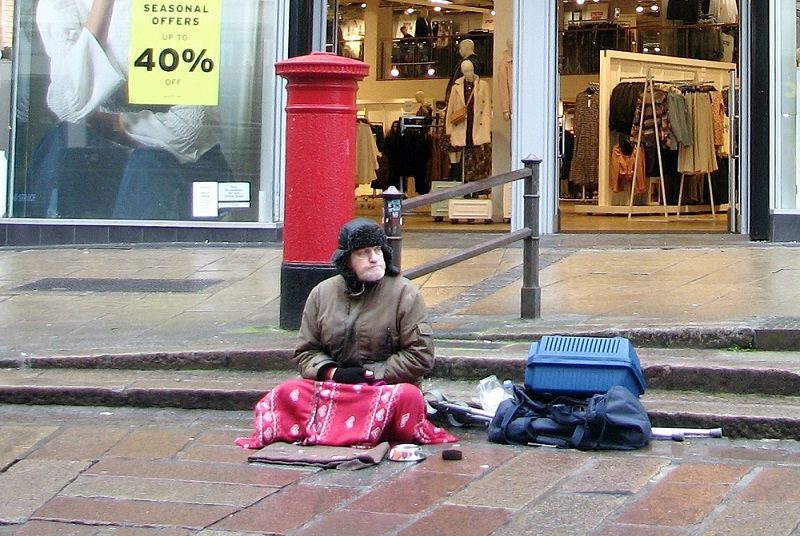
There is no doubt that Kelly Osbourne raises awareness about numerous global issues. Her passion does not stop when the interviews are over nor when the cameras are off. On April 30, 2021, Osbourne was spotted dressed fabulously, giving a homeless man cash during her LA shopping spree. So many times, we ignore and walk past homeless people as we live our day-to-day lives. Kelly Osbourne’s action is a metaphor that we must acknowledge, and work towards solutions to eradicate homelessness and poverty as well as diseases like HIV/AIDS and multiple sclerosis.

– Alexis Jones
Photo: Flickr

October 25, 2021
https://borgenproject.org/wp-content/uploads/borgen-project-logo.svg 0 0 Jennifer Philipp https://borgenproject.org/wp-content/uploads/borgen-project-logo.svg Jennifer Philipp2021-10-25 07:30:302024-05-30 22:25:14Kelly Osbourne Fashion
Charity, Refugees

Care4Calais Aids Refugees in Calais, France

Refugees in Calais France
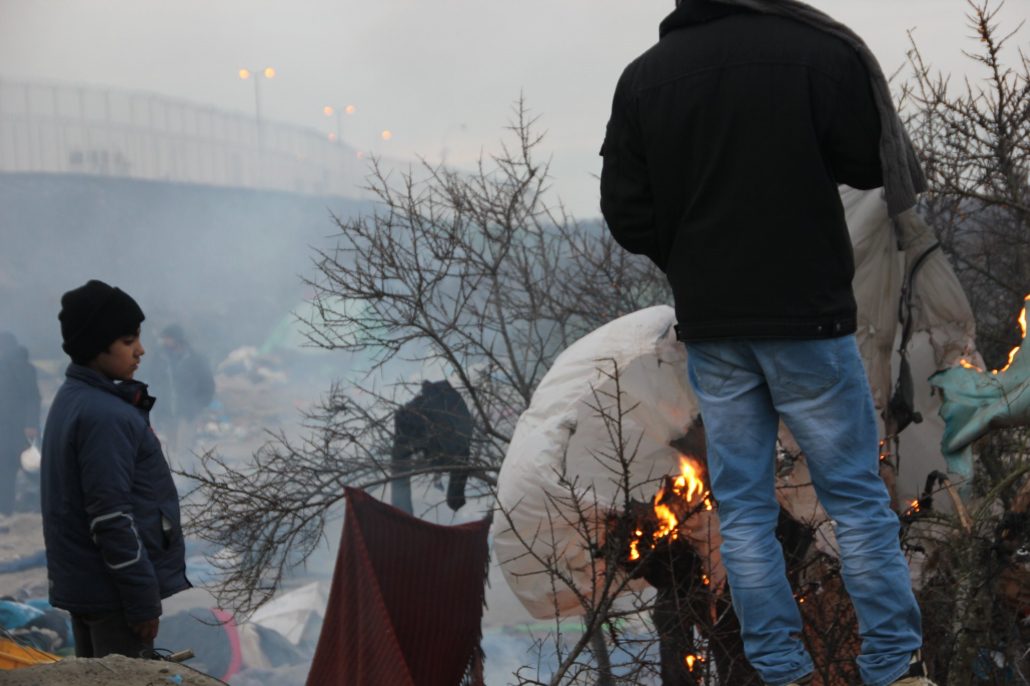
Having fled armed conflict and political repression, the refugees who reach Calais, France find no end to their struggle to survive. Aided by charities on the ground, volunteers care for them, but still, their lives are far from comfortable. Martha Haslam, a former volunteer in Calais, spent six months working for the charity Care4Calais to improve the lives of refugees. In an interview with The Borgen Project, Haslam said that volunteers “help to prepare donations for distribution and run the services at unofficial settlements.” During her time in Calais, amid a harsh winter and COVID-19 restrictions, humanitarian resources were less readily available. However, the organization worked continually to support the refugees in Calais, France as much as possible.

About the Refugees in Calais, France

The top 10 refugee-producing countries have either an ongoing conflict or poor human rights records or both. In Syria, a country that produces the most refugees in the world, more than 80% of the remaining population lives in poverty. Meanwhile, much of Eritrea’s population is subject to “forced labor and conscription.”

Haslam specified that the refugees in Calais have fled “recruitment by extremist groups and warlords (in Afghanistan and Sudan), political persecution (in Iran and Iraq), forced conscription (in Eritrea) and war (in Syria, Yemen and Kurdistan).” So, despite the hostile conditions, Calais is preferable to refugees’ home countries, where pushback tactics and even migrant slave trades are in full force. Yet, Calais is usually only a temporary stop, as the majority of refugees dream of reaching the United Kingdom, but often, there is no safe nor legal passage to get there and many refugees risk their lives in the process.

Living Conditions in Calais

Charities such as Care4Calais do their best to provide jeans and coats for the refugees as Haslam told The Borgen Project that many have been “wearing the same set of clothes for weeks or even months straight while they have been traveling to Calais.” Various organizations are distributing provisions despite waning supplies and tightening government laws.

The living conditions in Calais also vary dramatically with the seasons. Commenting on the winter months, Haslam explained that she “frequently encountered people suffering from hypothermia” due to inadequate bedding and clothing. She also said that tap pipes containing the water supply from the French state froze for much of January 2021. Thankfully, this was not the only source of drinking water as charities also have reserves.

The Effects of the COVID-19 Pandemic

The COVID-19 pandemic dramatically affects living conditions in Calais. Aid from charities has significantly dwindled as fewer volunteers and donations are able to reach organizations due to restrictions. Also, tents that usually come from U.K. festivals are scarce due to a lack of public events during COVID-19. Further obstacles, such as increased policing and a lack of easy access to PPE, serve as added difficulties for refugees.

The pandemic has raised concerns due to the health risks it poses in a place where social distancing is often virtually impossible. Yet, the health dimension is, comparatively, a small problem for the refugees. “They have other worries that are more of a priority to them,” Haslam explained, stating that the refugees “generally aren’t that worried of catching the virus themselves.” The safety of the refugees is nevertheless a top priority for charities like Care4Calais, with volunteers sterilizing equipment and wearing PPE while encouraging the refugees to socially distance themselves at distributions and giving protective masks to those in need.

Care4Calais and Other Organizations

Care4Calais distributes basic necessities such as food, clothes and camping equipment. On top of this, it provides extra services like hair cutting and hot drink stations. Haslam says that an important role of the volunteers is to talk to the refugees every day and “let them know that there are people who care about them.”

More than 1,000 refugees depend on Care4Calais for provisions, but due to shortages, distributions are often sporadic. Haslam says that, as a large charity, Care4Calais is, fortunately, able to help when someone is in particular need, but that regular and sufficient distributions are simply not possible. Haslam regrets that “there is never enough to adequately supply the guys with enough to make them comfortable in Calais.”

La Vie Active, a French state-funded organization, offers showers and emergency accommodation to minors when winter conditions get extreme. Various groups also provide firewood when the country reaches low temperatures to help improve the living conditions in Calais in harsher months. Additionally, First Aid Support Team (FAST) provides emergency first aid in both Calais and Dunkirk should refugees in those locations need it.

Looking Forward

Although safer than many other countries, the living conditions in the French city of Calais are still challenging and refugees do not intend to stay long. There is hope, however, that with the warmer months and the easing of pandemic restrictions, conditions will improve and more help will become available in the form of supplies and volunteers. There are many organizations that work hard to improve the lives of refugees and to show them that people care. Although the lives of these refugees in Calais, France are full of uncertainty and suffering, their temporary stay in Calais does not need to be the same.

– Hope Browne
Photo: Flickr

October 17, 2021
https://borgenproject.org/wp-content/uploads/borgen-project-logo.svg 0 0 Lynsey Alexander https://borgenproject.org/wp-content/uploads/borgen-project-logo.svg Lynsey Alexander2021-10-17 01:30:022021-10-14 13:01:20Care4Calais Aids Refugees in Calais, France
Charity, Global Poverty, Homelessness

Celebrities Named New Crisis Ambassadors

New Crisis AmbassadorsOn July 15, Crisis announced broadcaster Ayo Akinwolere and actress Imelda Staunton, two award-winning stars, became the organization’s newest ambassadors. The two join other popular and well-known Crisis Ambassadors, including Ellie Goulding and Jeremy Paxman, in an effort to raise awareness for the organization.

Crisis and Homelessness in the U.K.

Crisis is a U.K.-based organization working to alleviate the issue of homelessness in England, Scotland and Wales through various services. Some of those services include one-on-one support, courses and advice. The organization also carries out research on homelessness and helps people find housing.

Homelessness has been a long-standing in the U.K.. It is estimated 280,000 people, or one in every 200, are homeless in England.

Crisis reports the COVID-19 pandemic clearly exacerbated the increase of homeless people in the country. As there are concerns that statistics surrounding homelessness are not accurately captured in official reports, Crisis carries out its own research to fully understand the scope of the problem.

Ambassadors

A Crisis Ambassador is a role that works to increase awareness and donations for the organization and its mission. Before the announcement, both Akinwolere and Staunton provided prior support to the organization.

Akinwolere supported the charity’s Christmas campaign last year by providing entertainment for the guests and appearing in their fundraising film. Staunton has supported the organization for ten years, becoming a regular at various events, fundraisers and services.

Both ambassadors experienced success in their respective careers. Staunton, popular for her role in the Harry Potter film franchise, has acted in numerous critically acclaimed films. Akinwolere has won awards for excellence in broadcasting. Both ambassadors share a large following and commitment to social justice. Therefore, the two fit the role because they can use their platform to increase awareness for the organization.

Akinwolere’s Q&A with Crisis

In a Q&A with Crisis, Akinwolere said he is looking forward to his role because he wants to help raise awareness for the organization and highlight the important work they are doing.

“To be able to highlight Crisis and its work clearly to audiences is so important to ensure those supporting Crisis through donations and campaigning can see the humanity within many of the journeys of people experiencing homelessness.,” Akinwolere said.

He said he has been supporting the charity for years, but their relationship blossomed in the last few years.

Akinwolere also noted the importance of continuing to help the nation’s poorest as the COVID-19 pandemic continues.

“Homelessness is a really complicated and complex situation across Great Britain and as coronavirus restrictions lift, we cannot see the levels of homelessness return to what they were previously,” he said. “With the right approach, we can really move forward to end it.”

He also said he is looking forward to moving forward “with a really modern and holistic approach to help end homelessness for good” as he becomes an ambassador.

Staunton and Akinwolere will join others in raising awareness for the work the charity is doing in ending homelessness in the U.K. and supporting those citizens as they transition out of the streets and into housing.

– Laya Neelakandan
Photo: Geograph

September 29, 2021
https://borgenproject.org/wp-content/uploads/borgen-project-logo.svg 0 0 Kim Thelwell https://borgenproject.org/wp-content/uploads/borgen-project-logo.svg Kim Thelwell2021-09-29 07:30:242024-12-13 18:02:35Celebrities Named New Crisis Ambassadors
Charity, Children, Global Poverty

Compassion: Share Birthday, Sponsor a Child

Sponsor a child
More than 8 million children living in poverty receive sponsorship from benefactors throughout their childhood. These relationships develop through donations, letters and sometimes visits and volunteering. Once these relationships occur, they often make an insurmountable impact on the child and last a lifetime. One of the ways to build a relationship with and sponsor a child in need across the world is through the organization Compassion.

What is Compassion?

Compassion is a religion-based organization that aims to support children globally with basic needs such as medical assistance, clean water and food, youth development and birthday gifts. Compassion has implemented various ways people can help and donate. One way it encourages people to do this is by giving a child a yearly birthday gift along with medical care and food. Many donors choose a child with the same birthday as their own and celebrate it by sharing it with a child across the world.

What Does the Organization Do?

The organization provides a platform to help children across the world. In particular, the sponsorship program aims for people to sponsor one or multiple children. With this program, 40% of children are more likely to finish their secondary education, and sponsored children are more likely to stay in school for almost two years longer than unsponsored children.

Compassion has also been working tirelessly to help families and children during the COVID-19 pandemic, which has become an increasing problem with poverty, as it mainly affects income loss, food shortages, rising prices and medical treatment. Compassion is helping families with cooking essentials, medical treatment and rent assistance. Much of the work the organization does, besides donating and volunteering, is based around churches and businesses. It fosters partnerships between churches and businesses to hold events, raise awareness and help people become advocates.

A Donation-based Organization

This program is mainly donation-based. There are plenty of ways that people donate on the organization’s website. In fact, donors can choose where, and often who, their donation goes to. Individuals are able to either help sponsor a child or direct their money toward areas such as COVID-19 or disaster relief. However, this organization does not only revolve around donations, it also provides other areas for people to help such as volunteering, writing to children and even visiting children. This can have a huge effect on the children from infancy to adulthood, as many children remain in contact with their benefactors their entire life. Because the organization originated from its religious beliefs, it also provides a prayer calendar, where many can say a prayer for children in poverty.

Poverty begins and ends with children. When children have access to higher education, clean food and water and proper healthcare, they are more likely to lift themselves out of poverty. By giving children around the world access to basic needs, sponsors are beginning to break the cycle of poverty. When a person sponsors a child, they are giving them more than just a birthday present, they are also giving them hope.

– Maddie Rhodes
Photo: Unsplash

September 28, 2021
https://borgenproject.org/wp-content/uploads/borgen-project-logo.svg 0 0 Kim Thelwell https://borgenproject.org/wp-content/uploads/borgen-project-logo.svg Kim Thelwell2021-09-28 07:30:212021-09-27 12:13:06Compassion: Share Birthday, Sponsor a Child
Charity, Global Poverty

Effective Altruism Offers a New Perspective on Ending Poverty 

Effective altruismHow can we do the most good in the world? This is the guiding question of a new philosophical and moral movement called “effective altruism” (EA). Effective altruism, a concept coined by philosopher Peter Singer, is an attempt to use common sense and research to determine how each person can maximize his or her positive impact.

What is Effective Altruism?

The basic idea is simple. There are many things a person can do to improve the world. An individual can donate to charities, volunteer or support positive government action. Effective altruists, however, believe that it is not just a matter of doing good wherever it is most convenient. Take charities, for example. Some causes achieve their goals more efficiently than others. Donating $10,000 to an emergency surgery fund might save one life. But, donating that same money to a group that, for instance, teaches impoverished children how to read, could have a vastly greater effect. One of the issues effective altruists care the most about is global poverty.

Global Poverty: A High-Priority Cause

Addressing poverty is one of the most cost-effective and reliable ways to reduce suffering. Unlike some other issues, global poverty is a problem with proven solutions. Over the past 40 years, extreme poverty rates have dropped from 42% to less than 10%. With such a successful track record, it is easy to imagine that future efforts to reduce poverty will continue to pay off.

Looking at the measures taken on the ground, it is not difficult to see how a little money can have a big impact in solving global poverty. Parasitic diseases, for instance, are a huge drain on wealth and stability in large parts of the developing world, but they can be cured with a pill that costs less than a dollar. Mosquito nets are just as affordable, with the ability to protect more than half a million potential malaria victims a year.

Prioritizing Maximum Impact

According to effective altruism, it is not enough to devote time or money to a cause that generally has a good track record. An individual must look at exactly where their money is going. Even poverty-reducing measures have significant differences in efficiency and results. For example, a recent study compared the cost-benefit ratios of sustainable livelihoods graduation programs, livelihood development programs and cash transfers. Although graduation programs tend to cost more, they have far greater long-term success in lifting people out of poverty.

People are becoming far more conscientious of the causes and charities to which they choose to devote their time and money. Effective altruism is emerging in this environment. GiveWell, an effective altruism organization, analyzes the progress reports of well-known charities and conducts independent investigations into their effectiveness.

GiveWell is not afraid of courting controversy either. GiveWell recommends that individuals stop giving to some of the most well-known poverty reduction charities. According to GiveWell, these organizations lack transparency, show unimpressive results or already have more funds than they can effectively use. In the spirit of effective altruism, GiveWell instead recommends a list of alternate organizations that can fulfill similar goals far more efficiently.

Considering Effective Altruism

Effective altruism, as well as philosophically-related organizations like GiveWell, are not without critics. Some, particularly those involved with more traditional models of charity and activism, argue that effective altruism puts too many limits on an individual’s ability to donate however they choose. But, such criticisms notwithstanding, effective altruism offers a fresh perspective on how to approach pressing issues like global poverty.

– Thomas Brodey
Photo: Wikimedia

September 17, 2021
https://borgenproject.org/wp-content/uploads/borgen-project-logo.svg 0 0 Jennifer Philipp https://borgenproject.org/wp-content/uploads/borgen-project-logo.svg Jennifer Philipp2021-09-17 01:30:242021-09-14 03:03:42Effective Altruism Offers a New Perspective on Ending Poverty 
Charity, Global Poverty

How Esports Impacts Global Poverty

Esports Are Making an Impact on Global Poverty
For years, video games have had a bad reputation in the media, with critics citing problems such as increased laziness and aggressiveness in youth as a byproduct. However, video games have proven to be a useful resource and are beneficial to many across the globe. Here are some ways in which esports (electronic sports) impacts global poverty.

Tournaments for Charity

In response to the effects of COVID-19, several streamers and gaming tournaments have directed their profits toward charities. The recent Gamers Without Borders tournament was the largest esports charity event in history. The proceeds went toward various global organizations such as UNICEF and the International Medical Corps. Operating in more than 190 countries, UNICEF is an organization that has worked to minimize global poverty among youth for more than 75 years. Meanwhile, since 1984, the International Medical Corps has been providing medical aid to countries experiencing crises, including several impoverished nations. His Royal Highness Prince Faisal bin Bandar bin Sultan has even recognized Gamers Without Borders. He is also the chairman of the Saudi Arabian Federation for Electronic and Intellectual Sports (SAFEIS).

Games for Good

Popular games in the esports scene are also contributing to good causes. More than 50 million daily active users in China play the popular mobile game “Game For Peace.” The game helps raise awareness of underrepresented communities. Recently, the game introduced the Miao ethnic minority culture in Chongqing to the game. The annual per capita income of the village is just half of the national average. The game included the Miao people as a way of raising awareness about their livelihoods, such as their embroidery and farms. This could help alleviate poverty among the Miao people by creating a demand for their goods. Tourism has also contributed to the village’s economy, which more than tripled between 2012 and 2019.

Hope for Low-income Players

Another way in which esports impacts global poverty is by raising awareness of low-income groups. As the esports and video game industries grow, there is a demand for new jobs within these industries. In Brazil, the team Zero Gravity emerged, only hiring low-income players. Tournaments like the Favelas Cup and the Favelas Bowl occurred, providing those in need chances to win large money prizes. As the esports industry continues to grow in Brazil, many have the chance to escape poverty through careers, as displayed in this emerging industry. With millions of dollars of prize money on the line and average salaries of six figures, people have many financial incentives to join in.

Creating New Job Industries

In addition to Brazil, Cambodia, a nation still suffering from the effects of a civil war, is also tapping into this now billion-dollar esports industry. Cambodia had a poverty rate of 13.5% in 2014, with many of its citizens living in rural areas. However, the introduction of new technology has helped lessen the prevalence of poverty. Innovations such as smartphones and the internet have helped the country grow and improve its education system. As the country seeks to become more digitized, new sponsorship and career opportunities arise for video game players. These investments aim to help Cambodian gamers get more exposure at international tournaments, allowing this developing nation to break into the industry.

As the esports industry continues to grow, so do opportunities to aid the globally impoverished. Esports impacts global poverty by supporting gamers from around the world.

– Carly Johnson
Photo: Pixabay

September 12, 2021
https://borgenproject.org/wp-content/uploads/borgen-project-logo.svg 0 0 Jennifer Philipp https://borgenproject.org/wp-content/uploads/borgen-project-logo.svg Jennifer Philipp2021-09-12 07:30:572021-09-13 04:39:32How Esports Impacts Global Poverty
Charity, Global Poverty, Philanthropy

MacKenzie Scott’s Philanthropy

Mackenzie Scott's PhilanthropyMacKenzie Scott, one of the wealthiest women in the world, inherited a 4% stake in Amazon following her divorce from Jeff Bezos in 2019. At the time, the stake held a value of $38 billion, growing to more than $60 billion today. Following her divorce, she signed onto the Giving Pledge, which U.S. investor Warren Buffett, Microsoft founder Bill Gates and Melinda Gates of the Gates Foundation established, pledging to give away at least 50% of her wealth to charity or “until the safe was empty.” In contrast to other pledgers, such as Mark Zuckerberg, Bill Gates and Buffett, Scott did not wait to live up to her promises. So far, Mackenzie Scott’s philanthropy has resulted in $6 billion to 500 organizations in 2020 with a further $2.7 billion in 2021.

Vast Reach

The goal behind Mackenzie Scott’s philanthropy is to maximize her impact by donating to charities that other philanthropists often overlook. A $1.68 billion donation in 2020 went toward addressing various social issues. The largest portion ($587 million) of the donation went to racial equity, but a significant amount also went toward economic mobility ($399.5 million), global development ($130 million), functional democracy ($72 million), LGBTQ+ equity ($46 million), empathy and bridging divides ($55 billion), among other issues.

As a result, not only is Mackenzie Scott’s philanthropy generous but it also focuses on making the largest impact across a variety of social issues. In particular, in her latest donation of $2.7 billion, she emphasizes giving to more than 700 million people that live in extreme poverty across the globe. The objective was to find solutions with “on-the-ground engagement and diverse engagement.” Therefore, local teams with female leaders and people of color held priority positions.

To name a few, these organizations include Dream a Dream, GiveDirectly and Muso. Specifically, Dream a Dream focuses on empowering children from destitute backgrounds to receive an education and garner skills that will help them thrive in today’s world. GiveDirectly is a platform that provides direct cash transfers to people in need, primarily in African countries, with most people spending the aid on medicine, food, education and entrepreneurial projects. Last but not least, Muso focuses on preventing global deaths that arise from extreme poverty with frequent home visits to patients and access to care clinics. All of these organizations have different strategies on how to battle poverty and alleviate the issues that stem from it, employing diverse teams to enable more creative and effective solutions.

COVID-19 Funds

In addition to donating to poverty-related causes, the focus of Scott’s giving in 2020 was the COVID-19 pandemic. Estimates indicate that $4 billion out of the $6 billion that Scott gave away last year went directly to COVID-related causes. Scott’s donation accounts for about three-quarters of billionaire and high-net-worth individual pandemic-related philanthropy. Scott expresses that the pandemic fostered fresh inequalities in the world’s systems and that she feels compelled to do her part in improving an unjust and often unstable world. Therefore, Scott is not only staying true to her promise but has also become one of the most generous givers in recent years.

A Worthy Cause

MacKenzie Scott’s pledge to give away “until the safe was empty” represents a fresh and positive force to solve social problems that other philanthropists frequently overlook. Mackenzie Scott’s philanthropy is not only generous but also strategic with a focus on on-the-ground strategies and organizations with diverse teams to maximize the impact of her donations. Scott’s donations address racial inequality as well as global poverty and the consequent problems arising from it.

– Max Sidorovitch
Photo: Flickr

September 10, 2021
https://borgenproject.org/wp-content/uploads/borgen-project-logo.svg 0 0 Lynsey Alexander https://borgenproject.org/wp-content/uploads/borgen-project-logo.svg Lynsey Alexander2021-09-10 08:33:112024-05-30 22:25:04MacKenzie Scott’s Philanthropy
Charity, Child Poverty, Children, Global Poverty

Children International Works to End Global Child Poverty

Children InternationalThe poverty disparity between adults and children is ever-growing. Children are twice as likely to live in poverty in comparison to adults, according to UNICEF. Globally, one billion children live in multidimensional poverty and approximately 365 million live in extreme poverty. Moreover, the COVID-19 pandemic has pulled 150 million more children, including some from the wealthiest countries, into poverty. For this reason, the work of nonprofits addressing child poverty, such as Children International, is especially urgent.

Children International

Children International, a nonprofit that has worked to end poverty for nearly 80 years, is renowned for its transparency. Its website displays the many tangible positive changes the organization has brought about for children living in poverty. Children International believes addressing the needs of children is the way to end global poverty. Through its unique child sponsorship program, a person from anywhere in the world can fund the health, educational, security and nutritional needs of a child.

Through its Employment Program, Empowerment Program and various health and education programs, Children International works to end global child poverty through sustainable short-term and long-term approaches. These include providing basic health and dental services, boosting children’s confidence and creating post-graduation employment opportunities.

Safe Community Centers

Children International has also created more than 67 community centers to ensure that children can grow in secure and safe environments. Holistic child care in these safe spaces addresses the nutritional, educational and physical needs of children up to age 20. Children International believes that safe spaces and programs tailored to the unique needs of each child will ultimately end global poverty.

Nuanced Attention to Every Child

Children International’s customized programs focus on the individual needs of each child. The child sponsorship program enables donors to choose a child to sponsor, then give directly to that child’s specific needs. This “contextualization” ensures that both “a 6-year-old in Zambia” and “a 14-year-old in Honduras” have their particular needs met. The child sponsorship program focuses on the nuanced needs of every child by truly listening to the children themselves and allocating the necessary resources to lift them out of poverty.

Children International’s customized programs ensure that children are educated, healthy, employed and empowered as they transition into adulthood. The education program also provides children with shoes, books, uniforms, tutoring and scholarships and builds community centers with computers and other useful resources. Nearly 88% of children engaged in tutoring programs from Children International have improved profoundly in reading, writing and math and 71% of those involved in the Employment Program have found employment.

Ending Global Child Poverty

Success stories from four continents illuminate the astounding work of Children International, which has helped more than one million children. Children International is working to end global child poverty and has already taken off immensely in its success.

– Nora Zaim-Sassi
Photo: Flickr

September 4, 2021
https://borgenproject.org/wp-content/uploads/borgen-project-logo.svg 0 0 Kim Thelwell https://borgenproject.org/wp-content/uploads/borgen-project-logo.svg Kim Thelwell2021-09-04 01:30:242021-09-06 00:56:19Children International Works to End Global Child Poverty
Charity, Global Poverty

5 Charities in Greece Help Impoverished Greeks

Charities in GreeceMore than a decade after the 2008 economic crisis, Greece retains high unemployment and poverty rates, especially compared to its EU neighbors. Of the 10 million people living in Greece, more than one-third of the population lives in poverty. Furthermore, Greece must manage an aging, ailing population that increases annually as refugees arrive. As a result, dismantling systemic poverty in Greece is a multi-front battle requiring a multifaceted response. Several charities in Greece aim to reduce poverty among Greece’s most vulnerable populations.

5 Charities in Greece

  1. Echo100Plus. In 2012, a group of mostly Austrian friends “with strong ties to Greece” founded Echo100Plus. Echo100Plus works to secure international aid to support Greece through a worsening social and economic crisis. The organization identifies and partners with local NGOs, then bolsters them with necessary resources, staff and funding. Currently, Echo100Plus is focusing on Greece’s growing refugee population, a group primarily made up of those fleeing civil war in Syria and other countries. Many refugees migrating to Europe make their way across the Aegean Sea, often traveling through Turkey to Greece. Refugees arrive on Greece’s islands in need of basic goods and services like food, shelter and clothes. Echo100Plus supports refugees on Greece’s islands by providing them with basic essentials.
  2. The Smile of the Child. This organization was “founded in 1995 by 10-year-old Andreas Giannopoulos,” with the mission to see every child smile by addressing many threats to the welfare of children, such as violence, health problems and poverty. The organization runs Day Care Homes where families living in poverty can receive services to fulfill “the basic needs of their children.” The organization also runs 15 support centers throughout the country that provide medical and psychological support and helps families secure their basic material needs. The Smile of the Child employs social workers and psychologists who specialize in helping families in poverty. The centers also aim to open communication between family members and teach parents how to take proper care of their children. The charity’s services are free to every child in Greece.
  3. Lifting Hands International. With a focus on providing aid and relief to refugees worldwide, Lifting Hands International started its first project in Northern Greece. Its refugee center, a “buzzing hive of education and healing,” operates only 100 meters from refugee camps in Serres, Greece. There, refugees can take classes in language, arts, music and more. The center also distributes aid like fresh fruits and vegetables and hygiene products. By giving refugees not only the necessary products for survival but the necessary skills to thrive, Lifting Hands International allows refugees to escape poverty in a new environment.
  4. ActionAid. An international organization with roots in Greece, ActionAid has been fighting poverty since 1972, working in and with communities to improve lives and livelihoods. In Greece, ActionAid provides dynamic teaching and weekly training programs to impoverished youth at aid centers in Athens and Thessaloniki. ActionAid also helps organize campaigns for women’s rights both in Greece and globally, putting pressure on Greek and global governments to make the political decisions necessary to elevate vulnerable populations out of poverty.
  5. Hellenic Hope. Another one of the charities in Greece is Hellenic Hope, which focuses on helping more than 686,000 Greek children living in poverty. It provides children with necessities like food, medicine, educational opportunities and emotional support. The charity sponsors several projects throughout Greece. For example, a partnership with the American Farm School gives underprivileged high school students in Northern Greece access to top-tier “educational and commercial activities.” Hellenic Hope also sponsors “medical and pharmaceutical support” to Greek children experiencing poverty through a program titled Filoi tou Paidiou that provides care and assistance to uninsured children and families.

Overall, these charities in Greece show a commitment to helping impoverished Greeks in several crucial aspects, enabling disadvantaged citizens to rise out of poverty.

– Zoe Tzanis
Photo: Flickr

August 29, 2021
https://borgenproject.org/wp-content/uploads/borgen-project-logo.svg 0 0 Lynsey Alexander https://borgenproject.org/wp-content/uploads/borgen-project-logo.svg Lynsey Alexander2021-08-29 07:30:572024-05-30 22:24:545 Charities in Greece Help Impoverished Greeks
Charity, Global Poverty

3 Running Events Aim to Reduce Global Poverty

running eventsMarathons and 5Ks offer opportunities to bond with community members, promote a healthy lifestyle and raise awareness of global poverty. As a result, millions of people participate in running events every year to fundraise for various causes. Since COVID-19 guidelines restrict large in-person gatherings, organizations have increasingly hosted races in which people can participate from anywhere. People can now join in from their city squares, their neighborhood parks or even their treadmills at home. As a result, greater numbers of people can contribute to the fight to end poverty.

3 Notable Running Events Addressing Global Poverty

  1. Run to Attack Poverty. This annual running event is hosted by a Texas-based organization with a global reach, Attack Poverty. Participants have the option to choose from running a 5K or a 10K, with a children’s race to include younger people too. In 2012, the organization opened a branch in Uganda called Friends of Uganda to help address issues of poverty in the country. Since its establishment, Friends of Uganda has helped address Uganda’s water shortage and provided healthcare services to thousands of Ugandans via “free mobile medical clinics.” Furthermore, friends of Uganda built a high school to accommodate roughly 104 students and established several micro-farms, all while creating job opportunities in the country. The Run to Attack Poverty race helps fund these efforts. The organization also sells Attack Poverty apparel to raise funds and spread awareness of the cause.
  2. 5K Run to End Poverty: The Acacia insurance group hosted this running event in support of Global Citizen’s fight against poverty. Acacia companies urged employees to partake in a virtual 5K to raise donations for the Global Citizen nonprofit. For every employee registered to run the 5K, Acacia donated to Global Citizen’s fight to end global poverty. Anyone at all, however, could register for a $15 donation to Global Citizen. The 5K was to be completed within 48 hours and allowed participants to run anywhere in the world, logging their runs via the atlasGO app.
  3. Global 6K for Water: The global nonprofit World Vision hosted this running event on May 22, 2021. The purpose of the run was to “bring life-changing clean water to those who need it most.” To gain as many participants as possible, World Vision encouraged people all around the world to participate, regardless of whether the individual chooses to “walk, jog or stroller-run.” Aside from the charitable run, for every $1 donation World Vision receives, the organization donates about 65 cents to community-based programs in almost 100 countries around the world. The remaining 35 cents goes toward impact maximization, which translates to investments in monitoring, fundraising, experts and more.

Running to Reduce Poverty

Even in a new, socially distanced landscape, both companies and nonprofits have utilized running events to raise awareness and donations to combat global poverty. Furthermore, companies and organizations like Acacia and World Vision have opened their races to more people through flexible start times and locations. As events like these continue, everyone can help support those who live in poverty, one step at a time.

– Chloe Young
Photo: Flickr

August 4, 2021
https://borgenproject.org/wp-content/uploads/borgen-project-logo.svg 0 0 Kim Thelwell https://borgenproject.org/wp-content/uploads/borgen-project-logo.svg Kim Thelwell2021-08-04 21:40:452024-05-30 22:24:553 Running Events Aim to Reduce Global Poverty
Page 20 of 42«‹1819202122›»

Get Smarter

  • Global Poverty 101
  • Global Poverty… The Good News
  • Global Poverty & U.S. Jobs
  • Global Poverty and National Security
  • Innovative Solutions to Poverty
  • Global Poverty & Aid FAQ’s
Search Search

Take Action

  • Call Congress
  • Email Congress
  • Donate
  • 30 Ways to Help
  • Volunteer Ops
  • Internships
  • Courses & Certificates
  • The Podcast
Borgen Project

“The Borgen Project is an incredible nonprofit organization that is addressing poverty and hunger and working towards ending them.”

-The Huffington Post

Inside The Borgen Project

  • Contact
  • About
  • Financials
  • President
  • Board of Directors
  • Board of Advisors

International Links

  • UK Email Parliament
  • UK Donate
  • Canada Email Parliament

Get Smarter

  • Global Poverty 101
  • Global Poverty… The Good News
  • Global Poverty & U.S. Jobs
  • Global Poverty and National Security
  • Innovative Solutions to Poverty
  • Global Poverty & Aid FAQ’s

Ways to Help

  • Call Congress
  • Email Congress
  • Donate
  • 30 Ways to Help
  • Volunteer Ops
  • Internships
  • Courses & Certificates
  • The Podcast
Scroll to top Scroll to top Scroll to top