• Link to X
  • Link to Facebook
  • Link to Instagram
  • Link to TikTok
  • Link to Youtube
  • About
    • About Us
      • President
      • Board of Directors
      • Board of Advisors
      • Financials
      • Our Methodology
      • Success Tracker
      • Contact
  • Act Now
    • 30 Ways to Help
      • Email Congress
      • Call Congress
      • Volunteer
      • Courses & Certificates
      • Be a Donor
    • Internships
      • In-Office Internships
      • Remote Internships
    • Legislation
      • Politics 101
  • The Blog
  • The Podcast
  • Magazine
  • Donate
  • Click to open the search input field Click to open the search input field Search
  • Menu Menu

Archive for category: Charity

Charity, COVID-19, Global Poverty

Beyond the Makeup Counter: Estée Lauder’s COVID-19 Response

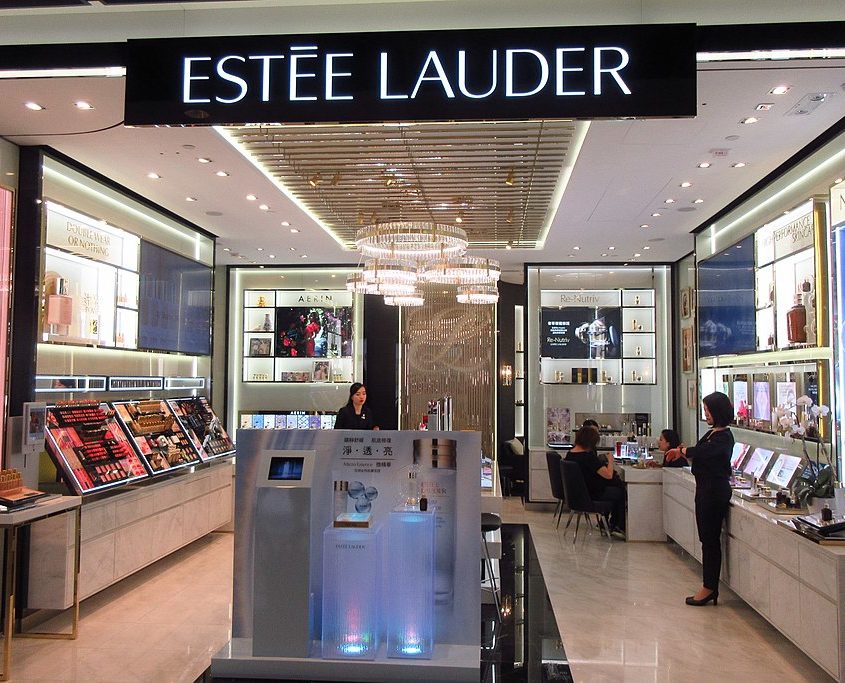
Estee Lauder Aiding COVID-19 Relief EffortsWhen Estée Lauder founded her makeup company in 1953, she sought to revolutionize the cosmetic world. From essential bath oils to perfumes, Lauder transformed her dreams into a multimillion-dollar company. Recently, this retail empire stepped beyond the makeup counter and did its part to aid global COVID-19 relief programs. Lauder grounded her company in “the spirit of giving,” and the Estée Lauder Companies Charitable Foundation (ELCCF) sought to honor their founder’s values. ELCCF recognized “the strain” COVID-19 placed on impoverished communities, so its members developed a response plan. Estée Lauder’s COVID-19 Response kept these communities in mind by assisting developing countries, frontline workers and global healthcare employees.
Starting in March 2020, Estée Lauder’s COVID-19 Response includes supporting Doctors Without Borders, non-governmental organizations, BeautyUnited and manufacturing hand sanitizer to contribute to COVID-19 relief efforts.

Supporting Doctors Without Borders

To launch their global COVID-19 relief campaign, Estée Lauder donated $2 million to Doctors Without Borders. Doctors Without Borders—also referred to as Medecins Sans Frontieres—developed a specialized response to the virus by supporting “under-resourced and highly impacted countries.”

Estée Lauder’s donation will go a long way as Doctors Without Borders currently works in 70 countries worldwide. Doctors Without Borders provides quality care to vulnerable and at-risk community members: “elderly people in nursing homes, homeless people and migrants living in precarious circumstances.”

Doctors Without Borders also seeks to improve infection and prevention procedures in healthcare centers by funneling personal protective equipment (PPE) to frontline workers in developing countries. By funding Doctors Without Borders’ programs, Estée Lauder’s COVID-19 Response assisted workers and patients in Burkina Faso, the Democratic Republic of the Congo, Kenya, Niger and Syria.

Funding NGOs Worldwide

Estée Lauder’s COVID-19 Response focused on assisting non-governmental organizations in China, specifically the Red Cross Society of China, Give2Asia and the Shanghai Charity Foundation. Estée Lauder sought to help the former epicenter of the virus recover and even provided additional donations to the China Women’s Development Foundation, supporting female front-line workers.

In the Middle East and Africa, Estée Lauder assisted Oxfam International’s work in South Africa, Kenya, Ghana and Nigeria. ELCCF even extended its relief efforts to Latin America by awarding grants to Mision Huascaran in Peru, Panama Solidario, Unibes in Brazil, Cruz Rojo in Mexico and the Waldorf Foundation in Colombia. Estée Lauder donated $3.2 million to these NGOs, providing “flexible funding in this time of need.”

Endorsing BeautyUnited

As part of its COVID-19 response campaign, Estée Lauder partnered with 40 other beauty brands and celebrities, like Victoria Beckham, Gwyneth Paltrow and Drew Barrymore as part of BeautyUnited.

BeautyUnited’s “industry-wide effort” also supports frontline health workers. This “special coalition” of beauty moguls and cosmetics corporations specializes in providing PPE to doctors, nurses and essential workers in the developing world. As part of BeautyUnited, Estée Lauder’s COVID-19 response moved beyond monetary donations to provide “life-saving” medical equipment.

Manufacturing Hand Sanitizer

After donating $15 million to relief efforts and joining BeautyUnited, Estée Lauder wanted to do more. Given the scarcity of hand sanitizer at home and abroad, Estée Lauder worked with Jo Malone London, another cosmetics brand, to manufacture hand sanitizer in their U.K. factories. As the pandemic escalated, hand sanitizer became a hot commodity; one Estée Lauder wanted to share with the rest of the world.

Estée Lauder’s COVID-19 Response went above and beyond the expectations of a traditional cosmetics company. The future remains uncertain, but ELCCF will continue to assist impoverished countries throughout this health crisis. Echoing their founder’s giving spirit, Estée Lauder is prepared to meet new and “emerging needs” and will continue to “prioritize medical and emergency” response efforts.

– Kyler Juarez
Photo: Wikimedia Commons

December 20, 2020
https://borgenproject.org/wp-content/uploads/borgen-project-logo.svg 0 0 Kim Thelwell https://borgenproject.org/wp-content/uploads/borgen-project-logo.svg Kim Thelwell2020-12-20 01:31:132020-12-17 08:59:30Beyond the Makeup Counter: Estée Lauder’s COVID-19 Response
Charity, COVID-19, Global Poverty, Nonprofit Organizations and NGOs, Water Crisis, Water Quality, Water Sanitation

Water Poverty in Nigeria Improved by A Map

Water poverty in Nigeria
Water poverty in Nigeria is still a pressing issue today. Only 30% of Northern Nigeria’s population can access safe drinking water and adequate sanitation facilities. The subsequent use of unclean water leads to the spread of waterborne diseases such as cholera, guinea worm and hepatitis. The lack of water has impaired the livelihoods of farmers and led to a lower enrollment rate at schools, especially for girls. However, the situation is not without aid.

The History of Water Poverty in Nigeria

Since 1995, Nigerians have benefited from WaterAid, a charity organization that has established a multitude of water and sanitation projects. The organization works through partnerships with local government authorities, civil society groups and state agencies to implement its programs. The projects have led to progress in development plans and data collection efforts that have increased clean water supply and access to safe toilets.

WaterAid has worked to improve water poverty in Nigeria by implementing its services in more than 100 of Nigeria’s most impoverished communities, which include:

  • Abuja, the Federal Capital Territory, where only 7% of the population acquires safe tap water.
  • Bauchi State where less than 50% of people can access safe water and sanitation.
  • Benue State where most streams face contamination.
  • Ekiti State where the main source of domestic water is pre-packaged water sachets and water vendors during the dry season.
  • Jigawa State where waterborne diseases are common.
  • Plateau State where most households rely on an unsafe water supply from government sources.

WaterAid, along with government support, has provided more than 3 million Nigerians with clean water, hygiene and sanitation.

The Data4WASH Programme

The Abuja-based nonprofit Media for Community Change and U.S.-based NGO BLI Global have a similar goal of eliminating water poverty in Nigeria. On August 27, 2020, the two organizations formed a partnership to launch the Data4WASH Programme. The program consists of an interactive online platform that accumulates data and maps GPS coordinates. It then creates a map that water-impoverished communities can utilize to advocate for themselves.

Through the map, empirical and widespread evidence can prove the need for adequate investment in the design and installation of clean water and sanitation facilities. Additionally, the program empowers civil society by involving them in the national initiative to improve water poverty in Nigeria. The map encourages people to identify and report water-deficient and poorly sanitized areas in their communities. For instance, final year students from the Department of Statistics at the University of Ibadan will participate in the data collection process.

COVID-19

The Data4WASH Programme has been especially valuable after COVID-19 disrupted Nigeria’s progress in alleviating water poverty. According to WaterAid, 60 million Nigerians lack access to a clean water supply and services and 150 million people lack basic hand-washing facilities with soap and water.

By enhancing data collecting processes, Nigeria can fortify its most vulnerable communities and health care systems to withstand the present detriments of COVID-19. Further, it can institutionally protect against potential health threats in the future. These measures established by the Data4WASH Programme’s interactive map system would also satisfy U.N. SDG 6 — “clean water and sanitation access for all, including safe and affordable drinking water.”

Locally crafted, community-driven initiatives like the Data4WASH Programme and intergovernmental organizations are vital to ending global poverty. One sets guidelines and the other provides outlets that encourage entrepreneurship. The two must work together to end water poverty in Nigeria and all around the world.

– Joy Arkeh
Photo: Flickr

December 20, 2020
https://borgenproject.org/wp-content/uploads/borgen-project-logo.svg 0 0 Kim Thelwell https://borgenproject.org/wp-content/uploads/borgen-project-logo.svg Kim Thelwell2020-12-20 01:30:032022-05-12 09:41:37Water Poverty in Nigeria Improved by A Map
Charity, Global Poverty

Effective Altruism: The Fight Against Extreme Poverty

Fight Against Extreme Poverty
Extreme poverty is a complex global issue and figuring out how to best alleviate it is a complicated challenge. The effective altruism movement aims to help solve this challenge by using data-driven evidence to find the best ways to fight against extreme poverty.

What is Effective Altruism?

Effective altruism involves using data and evidence to determine the best methods to help improve the world with its limited resources. For example, one important aspect of effective altruism is determining which issues experience neglect. These are issues that receive relatively little attention and funding in comparison with the value of solving or mitigating these issues. Effective altruism also promotes the use of data and transparency when looking at the success of charitable initiatives. With proper data, it is easier to determine if an initiative is helping improve lives, as well as how cost-effective it is.

Many frequently consider extreme poverty a neglected issue in effective altruism, because just small amounts of additional money and resources could substantially improve or even save a life if used effectively. William MacAskill, the author of “Doing Good Better,” estimates that it would cost just $3,400 to save the life of someone living in an impoverished country.

Many people want to help improve the world and have the ability to save a life, as McAskill explains, but the data involved in effective altruism and struggle to determine the best charitable initiatives overwhelms them. Some effective altruism organizations recognize this and conduct research for their donors to help them have the largest individual impact on those living in extreme poverty.

One for the World (OFTW)

Founded in 2014, One for the World (OFTW) is a relatively new organization that creates a portfolio of the most effective charitable initiatives fighting extreme poverty across the world. These are charities that provide enough data and are transparent enough to determine their efficacy and change as the data changes. These are frequently charities that help people meet basic health needs because they are low cost and high reward. According to OFTW, just $2.50 in the hands of the right charitable program can provide someone with an antimalarial bednet. Correspondingly, OFTW’s “Top Picks” are primarily charitable initiatives that focus on health, including vitamin A and antimalarial drug distribution to children, antimalarial bed net distribution and deworming. The remaining top pick is GiveDirectly, which provides one-time cash transfers directly to those living in poverty.

In addition to this unique portfolio of charities, OFTW also asks for donations in a fairly uncommon way. The organization focuses primarily on college campuses and encourages students to pledge 1% of their post-graduation income to these most effective charities. It is a great way to raise awareness among young people about effective altruism and the fight against extreme poverty, and college students in wealthy countries typically have a high future earning potential.

Kennan McClung, Director of Growth and Development at OFTW, explained to The Borgen Project that “[t]he OFTW pledge is important for college students to make because it is so simple, so easy and so effective. Without changing your lifestyle at all, you can markedly improve the lives of hundreds of people every year, saving multiple lives over the course of your career.” OFTW gives individuals the opportunity to have a large individual impact on the fight against extreme poverty.

During the COVID-19 Pandemic

During the COVID-19 pandemic, the work that OFTW does is all the more important. McClung also touched on this, explaining that “[t]he looming economic recession is going to have disastrous effects in the developing world, with hundreds of millions of people expected to fall back into extreme poverty and years of progress expected to be erased. It’s more important than ever to not only support people living on so little but ensure that we are doing so in the most effective way possible.” It is also important to note that anyone, not just college students, can take the 1% pledge and start giving right away if in the position to do so.

McClung emphasizes that “OFTW members pursue a wide range of different careers, engage in other forms of philanthropy and volunteering, and have a diverse array of interests and values. That said, we are all united in the belief that we can live very reasonably on 99% of our incomes, and are committed to doing our part to make the world a better place — effectively.” Anyone can take the pledge and start improving lives today.

Givewell

Givewell, a partner of OFTW, is another research-driven organization to find the most effective charities working on a variety of causes, although particularly extreme poverty. It provides OFTW with a list of the most effective charities fighting global poverty. Individuals can also lookup various nonprofits on the website to see how effective they are according to Givewell’s measures.

Effective altruism uses data to determine which charitable initiatives are the most effective at combating neglected issues. Extreme poverty is among the most neglected, and therefore research to discover the best ways to fight it is extremely important. Giving to charities that provide data and have shown that their efforts are successful is ideal, but often it can be very time-consuming and overwhelming for an individual donor to complete alone. This is where charities like OFTW and Givewell step in, completing this important research and encouraging donors to give to the best charitable programs based on the available data. OFTW and Givewell have found that many of the best initiatives work to help provide for basic health needs, such as antimalarial bednet distribution and deworming.

Effective altruism can seem complicated and overwhelming at first, but it does not need to be. It simply aims to find the best ways to help improve lives using data. Fighting extreme poverty is a key issue in effective altruism because relatively small amounts of money can have a substantial impact if used effectively. Organizations like OFTW and Givewell do the heavy lifting for donors and determine which charitable initiatives are most cost-effective, could best use additional funds, are transparent and have a track record of success. This makes fighting extreme poverty in very effective ways possible for many people around the world.

– Kayleigh Crabb
Photo: Flickr

December 8, 2020
https://borgenproject.org/wp-content/uploads/borgen-project-logo.svg 0 0 Jennifer Philipp https://borgenproject.org/wp-content/uploads/borgen-project-logo.svg Jennifer Philipp2020-12-08 08:30:452024-05-30 07:55:27Effective Altruism: The Fight Against Extreme Poverty
Charity, Children, Global Poverty

Operation Christmas Child Visits Madagascar 

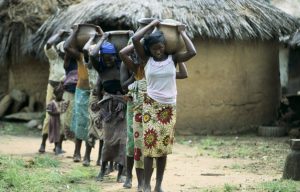
Operation Christmas ChildFor most of the world, Christmas comes once a year. A day full of red bows and snow glistening in the December sun. Not so for Samaritan’s Purse, a nonprofit headquartered in North Carolina. For them, Christmas is not merely a holiday, but a lifestyle. Operation Christmas Child began as a mom and pop project in the United Kingdom. It quickly grew into a worldwide phenomenon under the umbrella of Samaritan’s Purse. Over 150 countries annually take part in the program. Every year volunteers fill shoeboxes with toys, basic care items and a message of hope for the eager hands of boys and girls living in underdeveloped countries.
Volunteers from around the world spend the months leading up to Christmas filling boxes to the brim. Schools, churches, community organizations and individuals all work to bring a glimmer of light to poverty-stricken countries. Last year, Samaritan’s Purse was able to collect 10.5 million shoeboxes to give to the world’s poor.

Operation Christmas Child in Madagascar

One country in particular that reaps from Operation Christmas Child’s generosity is Madagascar. Madagascar is an African island nearly 800 miles from the shoreline of Mozambique. It is home to exotic species, the deciduous baobab trees and unfortunately, overwhelming statistical poverty. According to The World Bank, 70.7% of the population lived below the poverty line in 2012. Three factors that play a role in the rise of poverty in Madagascar are political crises, climate shocks and a sharp increase in global food prices.

With all the compounding factors that exacerbate poverty, Madagascar is a perfect destination for Operation Christmas Child to focus its energy.

Students in Madagascar

It was the summer of 2017. Mary Patton Murphy, a rising high school junior, packed her bags for her first trip across the world. Murphy is one of around thirty students that was able to be a part of the competitive week-long student vision trip with Samaritan’s Purse in 2017.

For years, Murphy had packed shoeboxes in the months leading to Christmas and dropped them off during National Collection Week. One year, a child that received one of her boxes sent Murphy a letter thanking her. This personal experience made her fall deeply in love with the organization. Murphy’s trip to Madagascar allowed her to see the ins and outs of the organization.

“It is such a well-run process,” says Murphy, “[the organization] truly maximize[s] their resources.” Murphy witnessed this first-hand during her time spent in Madagascar. Volunteers visited two distribution centers a day where each shoebox is diligently cared for and searched to ensure the safety of the delivery.

Murphy illustrated the process, noting that it “is a long one.” She expounded adding that “the shoeboxes travel to a local collection center. Then they are consolidated into carton boxes and sent to a processing center to make sure there isn’t anything harmful in any of the shoeboxes like toothpaste because the kids will try to eat it. They might add to a box if it is low on supplies or toys. Then the shoeboxes are shipped across the world. Some of these kids have never received a present before.”

Wrapping Up

Volunteers of all ages are the driving forcing behind this operation from beginning to end. They all advocate to make a difference in the lives of impoverished children across the globe. For individuals who would like to advocate on behalf of these children, they should visit this website.

The leaves fade from various shades of red and yellow and the morning air turns crisp and cool. The collection of shoeboxes for Operation Christmas Child will soon be underway. Make an early start to the season of giving with a mere shoebox, a few toys and a heart for the world’s poor.

– Chatham Kennedy
Photo: Flickr

November 7, 2020
https://borgenproject.org/wp-content/uploads/borgen-project-logo.svg 0 0 Lynsey Alexander https://borgenproject.org/wp-content/uploads/borgen-project-logo.svg Lynsey Alexander2020-11-07 01:30:362020-11-06 11:10:45Operation Christmas Child Visits Madagascar 
Charity, Global Poverty

KPOP Working to Make the World a Better Place

KPOP
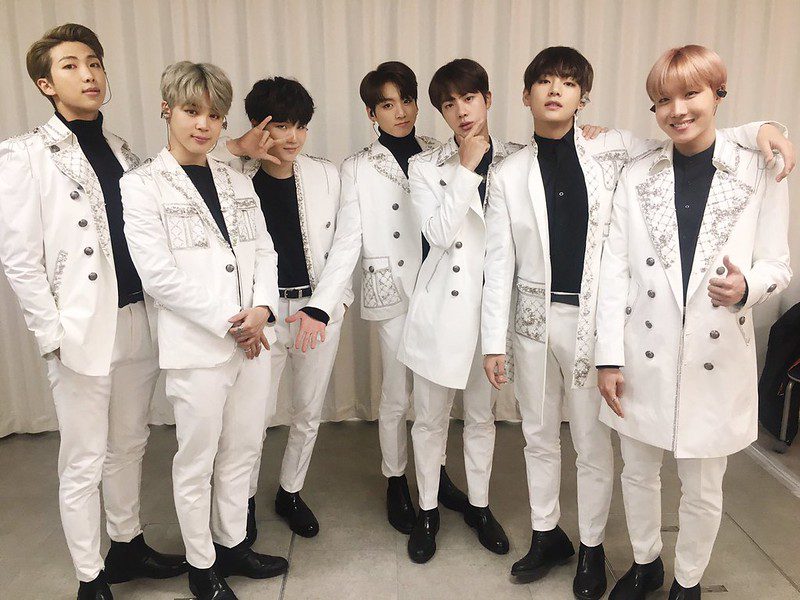
BTS, also known as Bangtan Boys, is a Korean boy band consisting of 7 members. Their style of music, popularly known as KPOP, or Korean Pop music has taken off. Debuting in 2013, BTS immediately gained a faithful and dedicated fanbase that they call ARMY. As BTS grew in popularity, their acts of charity became more frequent. With their popularity and influence,  ARMY soon followed in the KPOP group’s philanthropic footsteps.

Hope Delivery Food Bank

In South Korea, nearly 50% of the elderly population is living in poverty. The Organization for Economic Cooperation and Development reports that in 2015, 45.7% of South Koreans over the age of 65 lived in poverty. There is also a large number of children lacking necessities. Poverty and Social Exclusion reported that 13.5% of children in South Korea are living in poverty. To combat these numbers and give back to the community, BTS teamed up with Hope Delivery — a program under Love Food Bank that works to help the elderly and children in poverty by delivering food for them.

Jimin’s Busan School Donation

In April 2019, it was revealed that Jimin, a member of BTS, made a large donation to Busan’s office of education. Notably, the donation of 100 million won equates to about $84,000. Jimin has also made other generous donations. For example, he also donated to his alma mater, Busan High School of Arts, in February 2020. With his donation, he was able to provide 1,200 students with new desks and chairs.

Jin’s UNICEF Honors Club

In 2019, it was announced by UNICEF Korea that Jin became a member of UNICEF Honors Club. Jin had become a member by donating more than 100 million won. He had begun secretly donating in May 2018 and revealed he became a member of the UNICEF Honors Club to encourage others to follow in his footsteps.

Suga’s Hope Bridge Korea Disaster Relief Association

To fight the spread of COVID-19, Suga decided to donate 100 million won to the Hope Bridge Korea Disaster Relief Association. Suga initiated this donation after the cancellation of BTS’s tour, Map of the Soul. Many fans and would-be concert goers drew inspiration from Suga’s donation and followed suit. The outpour of donations from ARMY accumulated about 400 million won over a weekend in March 2020. Fans’ total donation amount may be much higher since not every donation went under BTS or ARMY.

J-Hope’s ChildFund Korea’s Green Noble Club

During August 2020, it was revealed that J-Hope, a member of ChildFund Korea’s Green Noble Club, donated 100 million won. The donation helped vulnerable children, especially those who are facing financial insecurities due to COVID-19. McKinsey & Company conducted a report revolving around the financial impact of COVID-19 on Asian countries. When focusing on the decrease in income in households, the report reveals that South Koreans have great concern. With this level of concern, J-Hope’s donation is likely to alleviate the stress among households.

ARMY Singapore Foodbank Charity

In honor of BTS’s 6th anniversary, fans have come together to do acts of charity. A Twitter handle by the name @btsborahaeteam had revealed on March 6, 2019, that a donation project has been formed. The purpose of the donation was to raise funds through Food Bank SG and distribute it to different charities and food kitchens in Singapore. On June 7, 2019, the fundraiser came to an end and more than $2,000 was raised. With the money raised, people put together 136 bundles of food and distributed it in Bedok North. In the name of KPOP and BTS, ARMY has come together and made a significant, financial impact.

– Ashleigh Jimenez
Photo: Flickr

October 25, 2020
https://borgenproject.org/wp-content/uploads/borgen-project-logo.svg 0 0 Kim Thelwell https://borgenproject.org/wp-content/uploads/borgen-project-logo.svg Kim Thelwell2020-10-25 01:30:252020-10-21 01:12:08KPOP Working to Make the World a Better Place
Charity, Food Insecurity, Global Poverty

Poverty among Canada’s Indigenous Population

canada's indigenous populationDespite being one of the wealthiest and most productive countries in the world, Canada does not provide equally for all of its citizens. Specifically, Canada’s Indigenous population constitutes 4% of the nation’s population of about 34.7 million. Despite their name of “First Peoples,” Indigenous people in Canada receive less priority for public aid and infrastructure. Canada’s Indigenous population disproportionately lives in poverty. For example, 25% of First Nations, Métis and Inuit people live in poverty. Out of the population of First Peoples’ children, 40% live below the poverty line as well.

The Housing Crisis

Many indigenous residences are overcrowded, often in poor and unsafe conditions. Overall, 20% of Canada’s Indigenous population lives in overcrowded households, both on and off reserves. Additionally, 25% of First Nations people live in housing that is substandard. Among Canada’s homeless population, 22% are First Nations.

While high rates of poverty among First Nations people are one major contributor to the housing crisis, the limited number of homes available to them is another large problem. Estimates suggest that Canada’s Indigenous population living on reserves needs anywhere from 130,000 to 175,000 new homes. It is even more difficult to gauge the number of housing units needed to accommodate the off-reservation First Nations population. Information for off-reservation housing extends to other Indigenous populations like the Métis and Inuit.

Food Deserts

Approximately 48% of First Nation households struggle to meet their daily food needs. This rate is higher in Canada’s Alberta province, where 60% of First Nations people find it difficult to feed their families. Both of these numbers are much higher among Canada’s Indigenous population compared to the national rate of 8.4%.

Within Canada’s Indigenous population, food insecurity continues to climb. This is especially true in remote areas with little to no access to a service center. When available, these centers help the Indigenous population with food, water, housing, health and education services.

While getting food is a struggle in itself, not all meals are equally nutritious. First Nations people have an even harder time getting healthy foods due to high demand, few centers and high prices. Traditional foods, like game and fish, are also hard to come by due to pollution and industry in Canada. However, these traditional foods generally lack the preservatives and artificial sugars found in much other food. As a result, many Indigenous adults suffer dietary issues. About 82% are overweight, while 20% suffer from diabetes. Again, these rates are disproportionately high among Canada’s Indigenous population relative to the overall population.

Education and Employment

Education remains one of the most effective ways for members of impoverished communities to lift themselves out of poverty. However, under a system that treats the Indigenous population like second-class citizens, quality education is scarce. This makes it more difficult for Canada’s indigenous population to improve their quality of life.

Less than 50% of First Peoples have a high school diploma. Further, just 6% have any kind of college degree. Canada has a history of investing fewer resources into Indigenous education than in its public education. Specifically, the disparity may be as severe as investing $8,000 less per Indigenous student than per Canadian student.

This disparity between First Peoples and Canada’s population continues to affect employment trends. Unemployment rates among the Inuit, Métis and First Nations are more than double Canada’s rate. In some areas, 80% of the Indigenous population relies on welfare. Reducing the educational gap (and consequently, the employment gap) would infuse an additional $36 billion into Canada’s economy by 2026.

Employment and education disparities also exist between on-reserve and off-reserve Indigenous people. As of 2007, the high school graduation rate was up to 70% for off-reserve First Peoples. By contrast, on-reserve rates rest at about 45%. Among the Inuit population, the high school graduation rate has decreased, falling from 52% to 41%.

The Gord Downie and Chanie Wenjack Fund

In a country that’s thriving, it can be hard to believe that there are populations so deprived of resources and opportunities. The Gord Downie and Chanie Wenjack Fund (DWF) strives to build people’s awareness about the marginalization of First Peoples. It also seeks to mend the relationship between Canada and its Indigenous population through teaching their history and culture.

The donations the DWF receives go to the creation of legacy schools and spaces. For example, its Legacy School program is a partnership between the DWF and certain schools. These legacy schools educate students on the history and culture of First Peoples. The Legacy Spaces program is a similar program that partners with organizations and corporations who are passionate about mending the divide between Canada’s non-Indigenous and Indigenous populations.

In focusing on building mutual understanding, the DWF seeks a more supportive relationship between Canada’s two populations. This would serve to preserve the culture of the First Peoples. Importantly, it would also help the Canadian government to finally recognize its duty to its most marginalized population.

– Catherine Lin
Photo: Flickr

October 23, 2020
https://borgenproject.org/wp-content/uploads/borgen-project-logo.svg 0 0 Kim Thelwell https://borgenproject.org/wp-content/uploads/borgen-project-logo.svg Kim Thelwell2020-10-23 11:57:182020-10-23 11:57:18Poverty among Canada’s Indigenous Population
Charity, Global Poverty

Baseball Players Helping to Fight Poverty

baseball players helping to fight povertyMajor League Baseball encompasses players from all around the world who go to North America to play the highest level of baseball. Players often come from humble beginnings and struggle along the way, in order to make it playing professional baseball. It isn’t uncommon for players to come from impoverished communities to play professional baseball. Players often want to give back to the people in their native communities who helped them achieve their dream, while also inspiring other athletes to help poverty-stricken communities. There are several professional baseball players helping to fight poverty. There are also baseball charity campaigns joining in the fight.

Baseball Players Helping to Fight Poverty

  1. David Ortiz: Ortiz grew up in the Dominican Republic and would later become a sports icon in Boston, winning three World Series titles with the Boston Red Sox. Ortiz founded the David Ortiz Children’s Fund to help children in Boston and his native country of the Dominican Republic have essential cardiac services that they need, like cardiac surgeries. To date, his children’s fund has provided over 1,600 low-income children with detection and screening for cardiac care, support for a regular rural outreach and detection program in the Dominican Republic and child life specialist support for over 4,000 children.
  2. Albert Pujols: Pujols also grew up in the Dominican Republic and is a three-time Most Valuable Player award winner and a two-time World Series Champion. In 2005, Pujols and his wife started the Pujols Family Foundation which aims to meet the needs of children with Down syndrome and improve the quality of life of impoverished people in the Dominican Republic. The foundation provides impoverished people in the Dominican Republic with health care, mentorship and education. The foundation set up a vocational school that teaches women how to sew and make jewelry. Over 18,000 people in the most desolate areas of the country have received medical care thanks to the foundation.
  3. Striking Out Poverty 2019: Throughout the 2019 baseball season, a number of individuals joined together to launch a campaign titled Striking Out Poverty 2019. The campaign is a joint initiative between Big League Impact and Food for the Hungry. Big League Impact helps impoverished communities have basic needs fulfilled like clean water, food and medical care. Food for the Hungry works in some of the poorest countries in the world, helping those most in need with food, along with educational and vocational training. Striking Out Poverty 2019 raised nearly $300,000 for these organizations through six sub-campaigns among individual players or teams.
  4. Luke Weaver: A pitcher for the Arizona Diamondbacks, Luke Weaver raised $132,610 through his 22X campaign, which will go towards helping Rohingya refugees. Weaver’s total amount raised came from his strikeout total which was 69. Through his donation and matching donations, each strikeout of his was worth $1,921.88.
  5. Nick Ahmed: Among the baseball players helping to fight poverty is Nick Ahmed. This shortstop for the Arizona Diamondbacks raised $104,575 from his Every Hit Makes a Difference campaign, part of which will go towards a community center in the Dominican Republic. The center will be a place for education and job training as well as a place to receive medicine. The total came through donations and his own contribution. Each hit of his amounted to $736.44 towards his campaign.

As an international sport that brings players together from all over the world and from all different backgrounds, baseball has the power to unite. Players like David Ortiz and Albert Pujols have given back to the communities that they grew up in, improving the lives of those who walk the same ground they walked before they were professional athletes. The Striking Out Poverty 2019 campaign has also helped individuals who are affected by poverty. The Professional baseball community and its fight against poverty shows the impact that can be made when individuals who have a platform help those in need.

– Zachary Laird
Photo: Flickr

October 7, 2020
https://borgenproject.org/wp-content/uploads/borgen-project-logo.svg 0 0 Kim Thelwell https://borgenproject.org/wp-content/uploads/borgen-project-logo.svg Kim Thelwell2020-10-07 03:14:252024-05-30 07:53:04Baseball Players Helping to Fight Poverty
Charity, Global Poverty

AmazonSmile: An Online Charitable Donation Platform

Online Charitable Donation PlatformThe AmazonSmile Foundation is a 501(c)(3) organization created by Amazon to administer the AmazonSmile program. This program allows customers to enjoy the same Amazon online shopping experience as the traditional Amazon online shopping platform, but now with the option of donating 0.5% of eligible purchases to various charitable organizations. The AmazonSmile program charges no additional cost to either the charitable organization or the customer. The new foundation from Amazon or rather, the online, charitable donation platform, represents a positive, philanthropic step forward for the company. This initiative has the potential to reach millions of Amazon users and hopefully, even more of the world’s poor will benefit.

How it Works

Signing up for AmazonSmile is a highly intuitive process for customers. It is available on any web browser under the URL: smile.amazon.com and it can even be activated from the Amazon shopping application. One of the program’s main features is that customers can choose the specific nonprofit to which they want to donate. Moreover, the online, charitable donation platform offers more than 1 million charitable organizations to choose from.

The charities included in the program must pass an approval process to guarantee that the customers’ donations only fund reputable organizations. Organizations hold valid registry and remain in solid standing with the IRS as a 501(c)(3) (also known as a registered nonprofit). Only then are charitable organizations eligible to register on AmazonSmile. Additionally, foundations must be public and located in either the U.S. or Washington D.C.

Yet, after all of this information, an important question remains — why are some Amazon customers hesitant to use this program when shopping?

The Problems with AmazonSmile

Enabling AmazonSmile seems like a simple way to help others. However, the program has already received some criticism. Since the donation is only 0.5% of a customer’s eligible purchase order, a customer would have to spend $5,000 on Amazon to donate just $25 to the organization of their choice. When taking a closer look at consumer spending, it is clear that this purchase-to-donation ratio is not necessarily skewed in favor of Amazon’s online charitable donation platform (and thus, the charities). For example, in 2018 Amazon Prime members only spent an average of $1,400 on purchase orders. Moreover, the purchase order value (on average) for consumers who were not Amazon Prime members was even less, at $600.

In 2015, the AmazonSmile Foundation donated just less than $13 million to charitable organizations. Although this figure undoubtedly represents a substantial amount of money, the fact remains that the company’s contribution was still less than 0.5% of Amazon’s total retail sales for that same year. The program donated about 0.00012% of Amazon’s total retail sales in 2015. Given Amazon’s extreme level of success, many people criticize the program for its minuscule donations (in proportion to the company’s total retail sales).

A Silver Lining

Regardless of its flaws, the AmazonSmile Foundation holds the potential to provide a simple way to substantially give back to charitable organizations. For those who want to make small contributions, often — transitioning to AmazonSmile is an effective way to accomplish philanthropic, retail goals while making a positive impact in the fight against world poverty.

– Danielle Wallman
Photo: Google Images

September 25, 2020
https://borgenproject.org/wp-content/uploads/borgen-project-logo.svg 0 0 Kim Thelwell https://borgenproject.org/wp-content/uploads/borgen-project-logo.svg Kim Thelwell2020-09-25 06:06:462024-06-06 00:43:15AmazonSmile: An Online Charitable Donation Platform
Charity, COVID-19, Food Security, Global Poverty, Homeless

4 Facts About Innovations in Poverty Eradication in Italy

Poverty eradication in ItalyMany programs are working toward innovations in poverty eradication in Italy. These programs include an income program instated by the government, a fuel poverty program partnership between two companies and charities that provide assistance to the needy. Here are four facts about innovations in poverty eradication in Italy:

4 Facts About Innovations in Poverty Eradication in Italy

  1. Italy’s welfare program: In 2019, Italy introduced a €7 billion income welfare program to help reduce poverty. As of 2018, 5.1 million people in Italy lived in poverty. This program targets those people, as well as Italian citizens, EU citizens and legal residents living in Italy for 10 years or more. Households whose annual income is equal to or below €9,360 are eligible. Those eligible receive €780 a month, which can help pay for essentials such as grocery, rent and utilities. In the program, individuals who are able-bodied are also required to sign up for job placement and training programs. Employers who hire individuals taking part in the program receive financial incentives.
  2. Reducing fuel poverty: Fuel poverty is present in Italy, but so are programs to help tackle it. Fuel poverty is defined by the European Energy Poverty Observatory as “the inability to keep the home adequately warm at an affordable cost.” This affects more than 3.9 million Italians per year. A U.K.-based company called PricewaterhouseCoopers (PwC) partnered with an international organization, Ashoka, to reduce low-income families living in fuel poverty in Italy. The project relies on social innovators and entrepreneurs to find novel methods of tackling fuel poverty and reducing it in Italy.
  3. Food stamps: Italian programs for food assistance are giving out free meals and food stamps. Particularly during the COVID-19 crisis, many Italians are facing unemployment, and about one million are in need of food assistance. Programs such as the Ronda della Solidarieta charity, which offers free dinners twice a week in Rome to those in need, and the Nona Roma association, which drops off boxes filled with food necessities to low-income Roman families, are helping reduce the amount of people who go hungry. In 2020, the prime minister of Italy, Giuseppe Conte, delegated €400 million for food stamps.
  4. Charities: Charities for the homeless and low-income are attempting to provide resources such as food and health items to those in need. The COVID-19 crisis can be especially difficult for homeless Italians, as closed restaurants and bars provide less access for them to wash their hands. Similarly, it can be difficult to obtain food while social distancing, and homeless people are sometimes stopped by the police for not abiding by quarantine laws. The Community for St. Egidio is a charity that keeps their soup kitchen open, and they distribute 2,500 meals per week. They are also seeking donations for face masks, hand sanitizers and food. 

There is still a long way to go in eradicating poverty in Italy, and COVID-19 may worsen the plight of low-income families in Italy. However, it is still important to note these programs as they help families in need and create innovations in poverty eradication in Italy.

– Ayesha Asad
Photo: Unsplash

September 18, 2020
https://borgenproject.org/wp-content/uploads/borgen-project-logo.svg 0 0 Kim Thelwell https://borgenproject.org/wp-content/uploads/borgen-project-logo.svg Kim Thelwell2020-09-18 09:30:042020-09-18 09:30:044 Facts About Innovations in Poverty Eradication in Italy
Aid, Charity, COVID-19, Global Poverty, Health

Latter-day Saint Charities Saves Lives Through Global Relief

latter-day saint charitiesLeprosy is a disease that plagues India. More than 1,000 leprosy colonies throughout the country house hundreds of thousands of its most vulnerable citizens, often unable to provide for their basic daily needs. The nation-wide shutdown due to the COVID-19 pandemic has only worsened this, forcing the leprosy colonies into a state of emergency. Fortunately, the support of Latter-day Saint Charities has helped lessen this dire situation.

The organization has provided food, soap and basic necessary medical supplies to more than 9,000 families in 228 of the most vulnerable colonies. Shawn Johnson, the vice president and director of operations for Latter-day Saint Charities, said, “It is our hope that this assistance helps these individuals and families to maintain their dignity as human beings and their divine value as children of God.”

A Global Religion with Global Reach

Latter-day Saint Charities is the humanitarian arm of The Church of Jesus Christ of Latter-day Saints. Headquartered in Utah, the global religion has more than 16 million members. The charity operates solely with donations from the church’s members and others around the world. Since the organization began in 1985, Latter-day Saints Charities has contributed more than $2 billion in assistance to 197 countries around the world.

“We seek to work with some incredible global partners in providing assistance, love and support to those in the greatest of need irrespective of their religion, ethnicity, background, etc.,” Johnson said. “This work includes critical emergency response efforts, longer-term development initiatives and signature programs, and community engagement and volunteerism efforts. All of these things work in harmony to help bless the lives of others.” 

The organization sponsors relief and development projects in countries and territories around the globe and operates “both independently and in cooperation with other charitable organizations and governments.” Latter-day Saint Charities’ various global projects include food security, clean water initiatives, vision care and refugee response. Johnson noted that the organization also has programs that provide wheelchairs and other mobility devices to individuals in need. Additionally, he said that Latter-day Saint Charities has helped provide immunizations to millions of children and has helped save thousands of babies and mothers through its “helping babies breathe” program.

COVID-19: The Largest Ever Humanitarian Project

In 2019 alone, Latter-day Saint Charities worked in 142 countries and territories on 3,221 projects. With more than 2,000 partners, the organization aided millions of people worldwide. But according to the church’s leader, President Russell M. Nelson, this year’s COVID-19 pandemic has become “the largest-ever humanitarian project of the church.”

“In 2020, just for the COVID-19 responses alone, we have completed (more than) 500+ projects in 130+ countries all over the world. The overall number of projects for 2020 will likely greatly exceed the number from 2019,” Johnson said. “These emergency relief efforts have included providing personal protective equipment, food, water and shelter to some of the most vulnerable populations.”

“We also had a volunteer effort where members of the church and local communities provided close to a million hours of volunteer service to produce more than five million masks for front-line caregivers. We also worked to transition a portion of a Church-owned textile factory to produce medical gowns for front-line healthcare workers as well,” he added.

Volunteers Around The World

Along with the church’s more than 60,000 full-time volunteer missionaries and more than 30,000 church service missionaries, the organization also has more than 10,000 volunteer humanitarian missionaries around the world.

Over the past 35 years, Latter-day Saint Charities has been providing humanitarian relief for hundreds of countries worldwide and surely will continue to make a global impact this year — especially with their COVID-19 relief projects — and in years to come.

– Emma Benson

Photo: Flickr

September 10, 2020
https://borgenproject.org/wp-content/uploads/borgen-project-logo.svg 0 0 Jennifer Philipp https://borgenproject.org/wp-content/uploads/borgen-project-logo.svg Jennifer Philipp2020-09-10 18:20:002024-05-29 23:22:42Latter-day Saint Charities Saves Lives Through Global Relief
Page 22 of 42«‹2021222324›»

Get Smarter

  • Global Poverty 101
  • Global Poverty… The Good News
  • Global Poverty & U.S. Jobs
  • Global Poverty and National Security
  • Innovative Solutions to Poverty
  • Global Poverty & Aid FAQ’s
Search Search

Take Action

  • Call Congress
  • Email Congress
  • Donate
  • 30 Ways to Help
  • Volunteer Ops
  • Internships
  • Courses & Certificates
  • The Podcast
Borgen Project

“The Borgen Project is an incredible nonprofit organization that is addressing poverty and hunger and working towards ending them.”

-The Huffington Post

Inside The Borgen Project

  • Contact
  • About
  • Financials
  • President
  • Board of Directors
  • Board of Advisors

International Links

  • UK Email Parliament
  • UK Donate
  • Canada Email Parliament

Get Smarter

  • Global Poverty 101
  • Global Poverty… The Good News
  • Global Poverty & U.S. Jobs
  • Global Poverty and National Security
  • Innovative Solutions to Poverty
  • Global Poverty & Aid FAQ’s

Ways to Help

  • Call Congress
  • Email Congress
  • Donate
  • 30 Ways to Help
  • Volunteer Ops
  • Internships
  • Courses & Certificates
  • The Podcast
Scroll to top Scroll to top Scroll to top