10 Apps That Aid Healthcare in Developing Countries
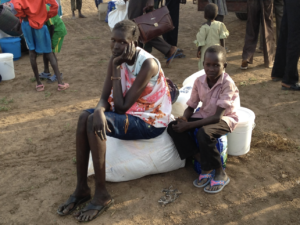 It can sometimes be difficult for people in developing countries to access healthcare, specifically those living in poverty. In order to address this problem, healthcare apps are being used to provide greater access. Here are 10 healthcare aid apps that are impacting access in developing countries.
10 Apps That Aid Healthcare in Developing Countries
- Peek has its sights set on helping people with vision impairment issues and blindness, a problem exacerbated in developing countries by a lack of resources. Peek can identify people with vision problems. The app then works with healthcare providers to pinpoint an economically feasible way to supply the treatment they need, before allocating the appropriate resources. Currently, Peek is being used by the International Centre for Eye Health at the London School of Hygiene and Tropical Medicine, which is administering a population-based survey of blindness and visual impairments in Cambodia.
- SASAdoctor focuses on making healthcare consultations more accessible in Kenya. In the country, only 12% of people are insured. About 8 million are reliant on the National Hospital Insurance Fund, leaving 35 million Kenyans uninsured. Available to all Kenyans with an Android smartphone or tablet (65% of Kenyans have one), SASAdoctor decreases the cost of an in-person consultation for the uninsured and makes it free for those with insurance. Patients will have their medical history, list of medications and other such medical notes in their ‘file’ on the app, so that whoever tele-consults with them will have the information they need to create an informed medical opinion. SASAdoctor can decrease the cost of uninsured visits with a doctor to Kes 495 (the equivalent of $4.66) for a projected 80% of Kenyans who are predicted to have smartphones in the next few years.
- iWander allows people to keep track of Alzheimer’s patients. Set with tracking technology that can be discretely worn by the patient, it offers whoever uses the app several options on how to deal with situations involving the patient. Solutions can range from a group calling session to making an emergency medical call or summoning a caregiver. iWander gives families more control over the care of a loved one, which can have a positive impact in countries where healthcare may be less accessible. In the US, the average cost of care for a single person is $174,000 annually. About 7 out of 10 individuals with dementia remain at home to receive care, where 75% of the costs fall to the family to pay. In helping families be proactive instead of reactive to crises, iWander can help in cutting these costs, especially in poorer countries, where many families are struggling to keep up with the high costs of at-home care.
- Kenek O2 allows the user to monitor their oxygen and heart rate while they sleep. Kenek O2, built for the iPhone, also requires a pulse oximeter which connects to the phone and retrieves the data to be stored in the app. Together, the cost for these two items is around $100, compared to the price of a regular hospital oximeter and other similar products, which could easily cost more than $500. Having effectively been used in North America, South America, Asia and Africa, Kenek O2 is currently working on developing a special COVID-19 device to watch for early signs of hypoxia, or the deficiency of oxygen reaching tissues.
- First Derm is an app that requires a smartphone-connected device, called a dermatoscope. This allows detailed pictures to be taken of skin conditions and lesions to better allow for remote, teleconsultations. In places where doctors are few and far between, and public transport is less reliable, this can make getting a second medical opinion much easier. So far, First Derm has helped in more than 15,000 cases from Sweden, Chile, China, Australia and Ghana, ranging from ages of just 3 days old to 98 years. Of these cases, 70% could be treated without a doctor, most often by over-the-counter treatments available at local pharmacies.
- Ada takes user-input symptoms and provides appropriate measures to take as a result, like a personal health assistant. It’s intended to assist those who don’t have the means to seek an in-person consultation right away. The app has been released in several languages, which makes it more accessible. Currently, 10 million people around the world are using Ada for symptom evaluation.
- Babylon is intended to mitigate the obstacle of going to see a doctor in person by allowing users to input symptoms or solve common health problems via teleconsultation with a doctor. Babylon specializes in non-emergent medicine, allowing patients to skip a trip to the doctor’s office entirely if their condition allows it. This is beneficial in places where doctors are sparse, or the patient lacks the financial means or a method of transportation in getting to the hospital. Babylon caters to users across the U.S., U.K., Canada, Rwanda and several countries across Asia-Pacific and the Middle East. The app aims to expand to more countries in the upcoming years.
- MobiSante, through its ultrasound device, allows versatility in diagnostic imaging by bringing the ultrasound to the patient. This allows quality, diagnostic imaging to be done outside the confines of a hospital or clinic. As a result, it provides more holistic and informed treatment where people may need it most but have previously struggled in accessing a healthcare center with the necessary technology. While having a computer at home with a desk is much less common in developing countries, the world’s increasing reliance on the internet is shifting the status of internet technology from a luxury to a basic necessity. This means that technology such as smartphones are becoming somewhat of a necessity in impoverished countries, making an app like MobiSante effective in using smartphones to make diagnostic imaging more accessible.
- Go.Data is a tool released by the WHO. It is specifically for collecting data during global health emergencies. During the Ebola outbreak in Africa, Go.Data was praised for tracing points of contact. The app also tracked infection trends and helped in arranging post-contact follow up.
- Mobile Midwife is a digital charting app that stores information in a cloud so that healthcare workers have access to all pertinent patient information. It works even in cases of power outages, or home births where internet connection may be less reliable. This app can help in areas where mother and infant mortality is higher, ensuring that healthcare providers can efficiently access patient information to ensure the best care. It can also cut the extra time it takes to find records that could otherwise make procedures more dangerous for both mother and child.
Bridging healthcare accessibility with smartphone apps isn’t a perfect solution, as it comes with accessibility issues of its own. However, these healthcare aid apps can help people without insurance, or who are physically unable to visit a physician, access health consultations. As a result, more people are provided access to healthcare, empowering a healthier (and more health-conscious) population.
– Catherine Lin
Photo: Flickr
