• Link to X
  • Link to Facebook
  • Link to Instagram
  • Link to TikTok
  • Link to Youtube
  • About
    • About Us
      • President
      • Board of Directors
      • Board of Advisors
      • Financials
      • Our Methodology
      • Success Tracker
      • Contact
  • Act Now
    • 30 Ways to Help
      • Email Congress
      • Call Congress
      • Volunteer
      • Courses & Certificates
      • Be a Donor
    • Internships
      • In-Office Internships
      • Remote Internships
    • Legislation
      • Politics 101
  • The Blog
  • The Podcast
  • Magazine
  • Donate
  • Click to open the search input field Click to open the search input field Search
  • Menu Menu

Archive for category: Africa

Africa, Global Poverty, HIV/AIDS

Prevention and Development: HIV in Eswatini

HIV in EswatiniThe priority of health and well-being is a privilege not all nations can embrace. Eswatini, located in the Southwest of the African continent, has faced significant setbacks in its quest for a healthier nation due to the devastating effects of an HIV epidemic in recent years. With a population of roughly 1.2 million, Eswatini has one of the highest HIV rates globally, leading to widespread suffering, death and low life expectancy. However, development and aid efforts, both governmental and global, are advancing steadily, bringing the prospect of a healthier nation within reach.

HIV in Eswatini

Eswatini has been at the top of the charts in regard to HIV prevalence in the past years. During the peak of the HIV epidemic in 2015, almost one out of every three people in the nation were living with HIV. Although treatment for HIV existed during the mid-’90s, not many citizens in Eswatini had access to the treatment. In 1995, no treatment was made available for the Swazis, leading to 73,000 people contracting the disease and 2,400 people dying that very same year.

The fight for controlling the epidemic has been difficult in the following years, with the implementation of various programs and treatments failing on a widespread level. Currently, the life expectancy for the Swazi people is 54.6 years. Although low in regards to the global comparison, this is actually progress for the nation. In Eswatini, the life expectancy in 2000 was 47 years, which means that it has improved by 7.55 years in the past 24 years.

Relief and Aid

A primary factor in the improvement of controlling the HIV epidemic, as well as increasing the life expectancy of the Swazis, has to do with the partnership between the Government of Eswatini and the United States (U.S.) Presidential Emergency Plan for AIDS Relief, more commonly known as PEPFAR. PEPFAR is the largest commitment by any nation addressing HIV in history, enabled by the support of the U.S. Congress, presidential administrations and many other powerful figures in the U.S. political sphere.

PEPFAR-funded programs such as the REACH and REACH II programs have focused on developing local organizations in the community. These organizations, such as Umliba Loya Embili and Insika ya Kusasa, have aided in the fight against HIV, addressing risks such as miseducation, poverty, child protection and more.

The increase in Swazis taking preventative medication for HIV has also been a major success in the decrease in HIV rates in recent years. The dissemination of drugs, in particular, pre-exposure prophylaxis, more commonly known as PrEP, has been a milestone in aiding the risk and containment of HIV. In 2016, the World Health Organization (WHO) globally recommended the introduction of PrEP among people at high risk of contracting HIV, including adolescent girls, young women and sex workers.

Eswatini was one of these countries and now the number of PrEP users is increasing yearly, going from 2,200 in 2018 to 32,750 in 2022. The increase in protection being available for citizens at their local clinic is a positive step in the right direction, which is openly decreasing the potential for Swazis to contract HIV.

The Future of Eswatini

Addressing the HIV epidemic in Eswatini will be a slow and incremental process, given that large-scale relief and aid have only recently been introduced. The transition from a lack of relief, education and medication to a growing support system marks progress in the fight against high HIV rates. Continued funding for education and medical care is essential for building a healthier future for the people of Eswatini.

– Oliver Martin

Oliver is based in Honolulu, HI, USA and focuses on Global Health for The Borgen Project.

Photo: Flickr

August 10, 2024
https://borgenproject.org/wp-content/uploads/borgen-project-logo.svg 0 0 Hemant Gupta https://borgenproject.org/wp-content/uploads/borgen-project-logo.svg Hemant Gupta2024-08-10 01:30:502024-08-09 08:01:18Prevention and Development: HIV in Eswatini
Africa, Food & Hunger, Global Poverty

TebuTebu: Changing Lives With Peanut Butter

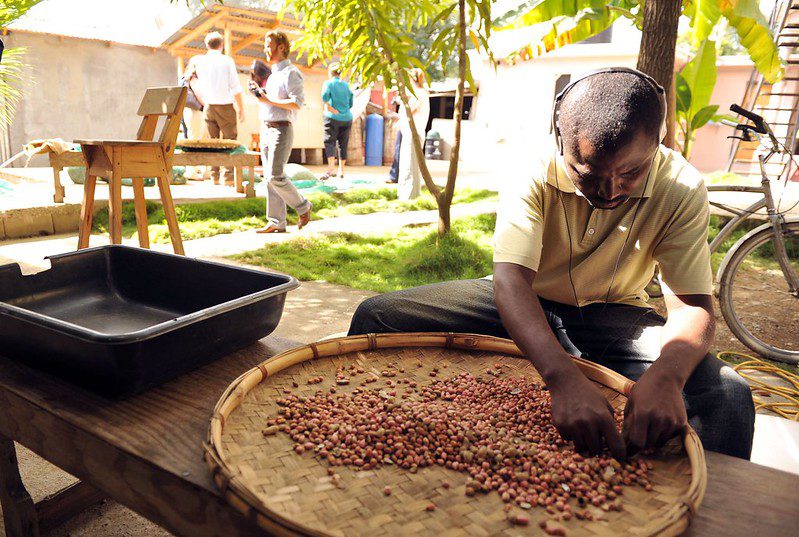
TebuTebuEdith Ndebele, a single mother from Zimbabwe, has changed her life using peanut butter. Using a metal drum in a junkyard in Bulawayo, Zimbabwe’s second-largest city, Ndebele has been producing peanut butter for her local community to support herself and her children and has since gone on to start her own company, TebuTebu Enterprises.

Why Is Peanut Butter the Answer?

As has been discovered, peanut butter can be used as a powerful weapon against global hunger, a strategy already implemented successfully in Malawi. Dr. Mark Manary recognized this potential and put his theory to the test. He observed a 95% success rate among his patients by feeding starving children fortified peanut butter. Peanut butter does not require cooking or refrigeration, is easy to transport and has a much longer shelf life than other foods for treating starvation. It is calorically dense, contains zinc and protein and is easy to digest.

Doctors even believe that allergies will not be an issue if children are exposed to peanuts at an early age. These factors present an irrefutably convincing case for the potential of peanut butter in the struggle against starvation. The World Health Organization (WHO) has recognized this potential and declared it a valuable treatment for malnutrition.

TebuTebu Enterprises

In 2021, amid the COVID pandemic, Ndebele was a single mother struggling to support her children. By 2024, she will own her own company and serve as the chair of a group of female entrepreneurs. She transformed her life using peanut butter. To improve her children’s lives, she began grinding and roasting peanuts to produce peanut butter to sell to her community.

Using a metal drum heated by firewood, she perfected her recipe. She can now produce peanut butter just the way her customers like it. Her product is available in various-sized containers. Ndebele carefully selects ingredients to maximize quality; she chooses the best peanuts to retain the iconic golden color.

TebuTebu Enterprises (named after her youngest son Teboho) also produces detergent due to her peanut butter success, providing the family with a steady income thanks to Ndebele’s efforts. The World Food Programme (WFP) noticed Ndebele’s innovation and donated a new roasting drum, allowing her to streamline production by cutting cooking time in half, saving both time and firewood. Not only has she turned her own life around, but she is also providing her community with a substance that has been proven to curb starvation.

In urban areas in Zimbabwe, only 10.4% of children receive the minimum nutrition they need, making Ndebele’s operation all the more critical.

The Problem of El Niño

El Niño, caused by the routine warming of the eastern Pacific Ocean, occurs once every seven years. It hit Zimbabwe and surrounding countries halfway through 2023, impacting rain cycles and prompting the governments of Zimbabwe, Malawi and Zambia to declare a national emergency. Like many, Ndebele has been affected by this phenomenon.

The lack of rainfall has created hardships for farmers, impacting peanut production. As a result, Ndebele has had to import peanuts from Zambia, leading to higher prices due to rising costs. Financial difficulties have forced her to reduce her workforce, letting go of one employee. Despite these challenges, Ndebele remains committed to improving her community’s lives and securing a better future for her children.

Summary

Despite the challenges posed by El Niño, Ndebele’s peanut butter production has been vastly beneficial for all parties involved. She has supported her children, lifted them out of poverty and provided her customers with a product that has been crucial in delivering vital nutrients. With the help of the WFP, Ndebele has changed her life and positively impacted her community using peanut butter.

– Molly Ralph

Molly is based in Dorset, UK and focuses on Good News and Global Health for The Borgen Project.

Photo: Flickr

August 8, 2024
https://borgenproject.org/wp-content/uploads/borgen-project-logo.svg 0 0 Hemant Gupta https://borgenproject.org/wp-content/uploads/borgen-project-logo.svg Hemant Gupta2024-08-08 07:30:572024-08-08 01:02:58TebuTebu: Changing Lives With Peanut Butter
Africa, Developing Countries, Global Poverty

Poverty and Population Growth in Tanzania

Population Growth in TanzaniaTanzania, located on the eastern coast of Africa, struggles with high rates of poverty. About 25.2 million Tanzanians lived in extreme poverty in 2022, based on the threshold of $1.90 a day. While the poverty rate has declined in the last few decades, the absolute number of Tanzanians living in extreme poverty has remained stagnant. A major reason for this is rapid population growth in Tanzania, which increases the number of people born into poverty. Tanzania has one of the highest fertility rates in the world, at 4.5 births per woman.

Population Growth in Tanzania and Its Effects on Poverty

According to the National Library of Medicine, rapid population growth tends to be more common in developing countries such as Tanzania due to higher unplanned pregnancy rates, social structure and economic prosperity levels. From 2015 to 2019, 46% of pregnancies in Tanzania were unintended. The nation also faces a high teen pregnancy rate. As of 2021, about one in four girls had become pregnant or given birth by age 18.

The Guardian, in an article on population growth in Tanzania, cites the low use of contraceptives as a major contributing factor. Poor sex education and misinformation about the effects of birth control reinforce these numbers. A high unplanned pregnancy rate not only increases the nation’s overall birth rate but also reduces career options for the women involved, limiting their ability to participate in the economy. Many women are unable to work full time given the added responsibility of child care. For teenage girls, pregnancies reduce their net years of employment considerably. This is an obstacle to overcoming poverty not just for women themselves but also for Tanzania as a whole.

Effect of Population Growth in Tanzania

According to the United Nations (U.N.), the current balance between economic and population growth is not working in Tanzania’s favor. While the nation’s economy has grown steadily in recent years, its agriculture sector still has untapped potential. As of February 2024, it contributes one-third to the gross domestic product (GDP) and employs two-thirds of Tanzania’s population.

A fertility rate as high as 4.5, however, which more than doubles the replacement rate of 2.1–2.3 births per woman, can put significant pressure on these resources. Suppose Tanzania does not realize the full potential of its agricultural sector. In that case, high population growth may push more and more people into poverty.

Reconciling Economic Growth with Population Growth

Addressing the intertwined problem of poverty and population growth in Tanzania requires two major approaches. The first is to improve sex education, increase the use of contraceptives and reduce Tanzania’s unplanned pregnancy rate. The second is to maximize economic growth, specifically to tap into the potential of Tanzania’s sizable agricultural sector to provide for a growing population.

SolidarMed focuses on the first approach. This nonprofit organization, concentrated on improving health throughout Africa, works specifically in Tanzania to train health workers in sexual health counseling and host awareness campaigns to promote sexual education. In March 2024, SolidarMed trained six young men and women to counsel adolescents. Furthermore, they examined flaws in the nation’s current sexual education system.

Building a Better Tomorrow: Youth and Women Initiative for Agribusiness (BBT-YIA) focuses on the second approach. An initiative championed by Tanzania’s Minister of Agriculture Hussein Bashe, this organization aims to increase youth participation in the agricultural sector. The initiative aims to boost productivity and enhance sustainable food systems. Youth (aged 15–35) account for roughly 56% of Tanzania’s active labor force. By 2030, BBT-YIA hopes to increase youth employment by 1.5 million people and grow the agricultural sector by 10%. As an 8-year plan, it also aims to set up at least one youth-led agribusiness in each of the nation’s 12,000 villages.

The United States Agency for International Development (USAID) has also recently introduced a program to reduce poverty and malnutrition in Tanzania by strengthening its agricultural sector. It will work with the Tanzanian government, nongovernmental organizations (NGOs) and other organizations to develop the industry in four key ways. These include boosting productivity and competitiveness through targeted investments and private sector engagement, improving nutrition through the Feed the Future program, building long-term sustainability and enhancing the sector’s business environment.

Looking Ahead

By increasing the productivity of the agricultural sector and improving sexual education for its population, Tanzania may enhance its economic growth. With the help of USAID, SolidarMed and BBT-YIA, the country may be able to provide for its rapidly growing population.

– Lana Swindle

Lana is based in Princeton, NJ, USA and focuses on Global Health and Politics for The Borgen Project.

Photo: Flickr

August 8, 2024
https://borgenproject.org/wp-content/uploads/borgen-project-logo.svg 0 0 Hemant Gupta https://borgenproject.org/wp-content/uploads/borgen-project-logo.svg Hemant Gupta2024-08-08 03:00:082024-08-08 00:56:27Poverty and Population Growth in Tanzania
Africa, Food & Hunger, Global Poverty

World Food Program Boosts Operations to Provide Food in Sudan

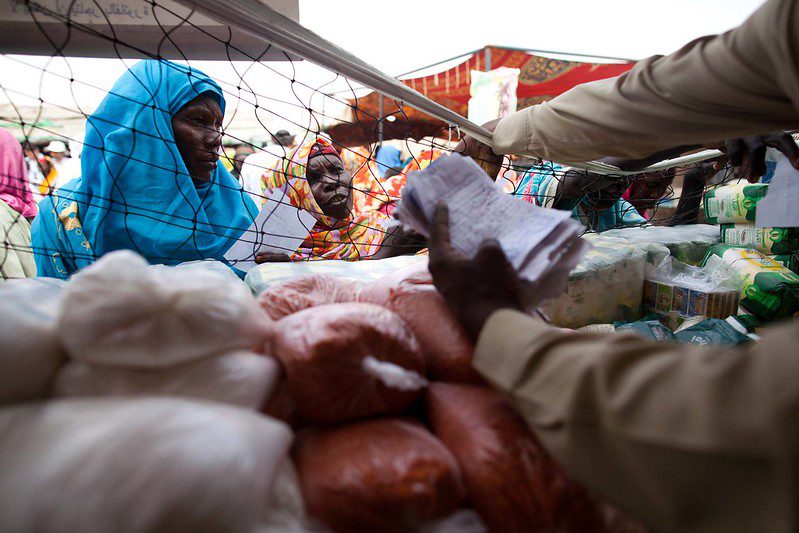
Food in SudanSudan is one of Africa’s poorest and most war-torn nations. When South Sudan seceded in 2011, Sudan lost a majority of its oil revenue, causing high rates of inflation and bringing the poverty rate to 51.07%. In April of 2023, a civil war between two factions of the nation’s military began. The war created the world’s worst displacement crisis to go along with one of the world’s worst hunger crises. Of its population of 48.1 million people, more than 25.6 million people face extreme hunger. Fourteen areas in nine states throughout Sudan have recently been declared at risk of famine. With more than 5 million people on the verge of starvation, the World Food Program (WFP) is urgently seeking support for the nation.

World Food Program in Sudan

WFP has been working in Sudan since 1963. Through the years, it has become “the logistics backbone of humanitarian response” throughout the country. By providing food to communities and internally displaced people, treating malnutrition for young children and providing farmers with agricultural training, WFP has helped Sudan avoid a hunger catastrophe. Despite these efforts, the escalating conflict has strained resources and complicated distribution efforts, resulting in famine in the country.

As the threat of famine continues to grow, WFP is rapidly expanding its emergency food and nutrition services. The nonprofit organization is scaling up to provide food and nutrition for five million people in Sudan by the end of 2024. Along with food and nutrition assistance, WFP will provide more than $1.2 million in cash to families in 12 Sudanese states. This cash injection aims to stimulate local economies by boosting farmers and markets, enabling communities to increase food production independently and reduce their reliance on external aid.

WFP’s comprehensive approach in Sudan not only addresses immediate needs but also fosters long-term resilience among affected communities. By supporting local agriculture and economies, WFP helps create sustainable solutions that empower Sudanese families to rebuild their lives and improve their self-sufficiency. This dual focus on urgent aid and structural support is crucial in stabilizing the region and mitigating the ongoing humanitarian crisis.

The Future

Since the war started in April 2023, WFP has assisted more than 6.7 million people across 18 states. As fighting continues, regions such as Khartoum, Gezira and others are at high risk of falling into famine if they do not receive assistance as soon as possible. The United Nations (U.N.) has identified two million people across 40 hotspots who are in desperate need of food and nutrition services. The program is in urgent need of $200 million to continue delivering assistance to the Sudanese for the rest of 2024. Without immediate financial support, the crisis could deepen, leading to even more severe humanitarian consequences and potentially unmanageable levels of suffering.

– Nicolas Mezzaucella

Nicolas is based in New Rochelle, NY, USA and focuses on Good News and Global Health for The Borgen Project.

Photo: Flickr

August 8, 2024
https://borgenproject.org/wp-content/uploads/borgen-project-logo.svg 0 0 Hemant Gupta https://borgenproject.org/wp-content/uploads/borgen-project-logo.svg Hemant Gupta2024-08-08 01:30:592024-08-08 00:47:48World Food Program Boosts Operations to Provide Food in Sudan
Africa, Agriculture, Global Poverty

Soilless Farming: Nigerian Entrepreneur Fights Food Insecurity

Soilless FarmingNigeria is renowned for its agricultural richness and significant role in the economy; 70.8 million hectares are used for growing crops, yet many challenges and factors inhibit the growth of the farming industry and stifle the sector, contributing to the country’s gross domestic product (GDP). Some of these factors include soil degradation, global warming, and micro-irrigation. The others are lack of up-to-date technology, low redistribution and high-cost production, and financial deficit. Nigerians face a staggering food insecurity problem, with a predicted 26.5 million people expected to experience acute hunger this year, a substantial increase from 18.6 million people last year.

Enterprise for Youth in Agriculture

Enterprise for Youth in Agriculture (EIYA), under the company Soilless Farm Lab, engages Nigerian youth and women in modern farming techniques to sustainably stabilize food production. Its main objective is to tackle poverty and hunger by making food affordable, growing it consistently, and ensuring it is accessible to everyone.

Soilless farming is a technique used for plants to absorb nutrients through irrigation without using soil. Soilless farming brings forth many benefits, such as reduced food loss, low pesticide utilization, consuming only 10% of the water needed in traditional farming, and saving land space.

Three Benefits of the EIYA Project

Soilless Lab Farm believes in the importance of apprentices knowing how to construct the foundation for hydroponic farming – which involves the growth of plants without soil. This allows the interns in prospects to have the skill of setting their soilless farms. However, the primary goal is to teach them how crucial it is to build a solid foundational structure for plants to thrive. Apprentices explore various adaptive plant-rearing techniques, such as yield mapping and predictive analytics, to gain insights into how plants respond to different environments and conditions. This comprehensive approach not only provides practical skills but also deepens their understanding of plant growth dynamics in controlled settings.

Many Nigerian farmers lack knowledge of the business aspects of farming. As of 2020, a staggering number of Nigerian farmers are considered smallholder farmers (SHFs), with 80% of farmers and 90% of agricultural produce deriving from SHFs. Therefore, the EIYA project presents a significant opportunity for aspiring female farmers to gain expertise in crucial areas such as customer care, market viability assessment, and profitability expansion.

Another benefit of the EIYA project is that it sponsors up to 4,000 apprentices each year and provides them with set-up kits. Each group of 50 participants has access to three hydroponics plots. During the three-month training, participants receive stipends and free accommodation. While women are the primary focus, all youth aged 18-29 are welcome to join. Once the first crop is produced, apprentices are connected to off-takers to sell their produce. EIYA has created 14,534 job opportunities, established 120 start-up companies, and skilled 13,265 Nigerian youth in hydroponics to date.

Final Remark

The EIYA Project is not only a place to learn and expand Nigeria’s agriculture industry but also to tackle food insecurity among citizens living below the poverty line. As Ogbole, the food wizard, aptly puts it, “Food production should not be seasonal because hunger is not.”

– Lydie Udofia

Lydie is based in London, UK and focuses on Technology and Solutions for The Borgen Project.

Photo: Flickr

August 7, 2024
https://borgenproject.org/wp-content/uploads/borgen-project-logo.svg 0 0 Hemant Gupta https://borgenproject.org/wp-content/uploads/borgen-project-logo.svg Hemant Gupta2024-08-07 03:00:592024-08-07 00:43:50Soilless Farming: Nigerian Entrepreneur Fights Food Insecurity
Africa, Developing Countries, Global Poverty

Poverty Reduction in Burkina Faso

Poverty Reduction in Burkina FasoLandlocked among other West African nations, Burkina Faso’s struggle against poverty spans centuries. Despite a past of radical politics, with serious efforts to redistribute wealth and reduce poverty, the country is considered to be one of the least developed in the world. Efforts in favor of poverty reduction in Burkina Faso are underway, but there are several hurdles to tackle. 

The country ranks 185th out of 193 others in the Human Development Index, which tracks levels of national development in health, education, income and living conditions. “More than 40% of the population lives below the national poverty line” due to limited natural resources, a lack of development and political instability.

History of Violence

Burkina Faso has faced considerable turbulence over the years. Originally a French colony, under self-governance the nation saw further political violence occur in several coup d’état’s with governments overthrown as recently as 2022.

Recently, armed Islamist groups propagating large-scale violence have contributed to widespread impoverishment. This has led to “over 237,000 people fleeing their homes in 2021” with the government struggling to care for the increasing number of displaced while maintaining suitable levels of stability and rule of law.

Policies for Poverty Reduction in Burkina Faso

Previous governments have made poverty reduction in Burkina Faso a primary political concern. Former president Thomas Sankara, for example, took several steps towards national self-reliance through legislation against his country’s impoverishment. This was seen with infrastructure projects, redistribution of land reform, or educational and healthcare development.

The contemporary political climate in Burkina Faso complicates proposals of poverty reduction. However, government initiatives alongside non-governmental organizations persist. In May 2024, USAID pledged “nearly $55 million in additional, urgent humanitarian assistance to continue addressing emergency food and nutrition needs of the most vulnerable.” At the same time, relief and development charities such as Christian Aid have worked since the 1970s in confronting the cause and consequences of poverty, with the latter operating across four provinces, thirteen municipalities and 353 villages. Poverty alleviation is implemented through strategic partnerships, emergence support, income generation and resilient farming techniques. These methods were utilized most recently with the “Breaking the Barriers” program. The program covered several other African nations with a key focus on women’s working and living conditions.

Currently, the European Commission highlights three key priorities: inclusive human development, a green, resilient economy and peaceful social cohesion. These recommendations, regardless of their applicability, are made less viable by the turbulent legal and political status of the country.

Political Rejuvenation

Since the successive coup attempts in 2022, Ibrahim Traore has governed Burkina Faso. A military leader with similar ideological influences and sensibilities to Sankara. Traore committed himself to dealing with both the terrorism from Islamist insurgents and the humanitarian crisis that it has produced.

As of 2024, the persistence of these issues – and poverty in the country on a wider level – prompted the Institute for Security Studies to critique Burkina Faso’s withdrawal from ECOWAS, a political and economic union of 15 West African Countries. Meanwhile, the current government demonstrates closer ties to Russia. This is evident by “the steady increase in Russian soldiers on missions, the landing of Russian aircraft, and a visit to the Kremlin in July 2023.”

Uncertainty prevails in Burkina Faso. However, efforts in favor of poverty reduction will continue. The viability of these efforts will depend upon resolving the present instability and violence. In doing so, efforts against poverty may be better implemented. Furthermore, this could lead to improving self-reliance, economic opportunity, and social cohesion in the country under a lasting peace.

– Cameron Bowles

Cameron is based in London, UK and focuses on Politics for The Borgen Project.

Photo: Flickr

August 6, 2024
https://borgenproject.org/wp-content/uploads/borgen-project-logo.svg 0 0 Jennifer Philipp https://borgenproject.org/wp-content/uploads/borgen-project-logo.svg Jennifer Philipp2024-08-06 07:30:232024-08-06 00:23:30Poverty Reduction in Burkina Faso
Africa, Agriculture, Global Poverty

Seaweed Farming in Zanzibar: Lifting Farmers Out of Poverty

Seaweed Farming in ZanzibarZanzibar, an archipelago in the Indian Ocean, is an autonomous part of the United Republic of Tanzania. Tanzania is one of the most populous countries in Africa and one of the fastest-growing economies on the continent. Key to its economic growth is the local seaweed industry. Seaweed farming in Zanzibar is one of the region’s largest sources of income, is women-run and has immense environmental benefits.

Warming sea temperatures due to adverse weather have recently disowned the industry’s future and farmers’ livelihoods. However, a joint operation between The Nature Conservancy, The C-Weed Corporation, Cargill and the Zanzibar government stepped in to train the farmers on more sustainable practices.

The Seaweed Boom

Only trailing behind tourism and clove production, seaweed farming in Zanzibar is the archipelago’s third-largest industry. An overwhelming majority of the seaweed is used to produce carrageenan. This thickening agent appears worldwide in ice cream, toothpaste and cosmetic products. According to a United Nations (U.N.) report in 2018, farmers produced 15,000 metric tons of seaweed, accounting for 90% of Zanzibar’s marine exports and bringing in $8 million a year.

Additionally, seaweed farming requires no fresh water, feed or land and creates no carbon emissions. “It’s incredible from an ecological standpoint,” said Robert Jones, director of The Nature Conservancy. Seaweed also acts like a sponge, removing excess waste from the sea, improving water quality and providing new habitats for fish and other aquatic life. Around 25,000 people are employed and 80% of these farmers are women. Wading out into the ocean every morning, the women farmers of Zanzibar plant cultivate their yield in shallow waters along the coast. Doing so has brought them an essential source of income, as a quarter of the Zanzibari population lives in poverty.

Excluded from fishing and tourism jobs because of their gender, Zanzibari women turned to seaweed farming, which required no need for a boat or knowledge of how to swim. “Seaweed farming gave us our independence. I want the same for the next generation,” said Mwanaishia, a seaweed farmer in Paje, a village in the southern Island of Unguja. “I can say that seaweed farming lifted us up as women in Paje.” She can earn up to $85 a month in a good year. From her income, Mwanaisha became a landowner and built a second house that she rented out.

A Helping Hand

In 2020, seaweed farming in Zanzibar took a heavy hit. Warming waters, coastal degradation and international competition threatened the livelihoods of the Zanzibari women. “When I would check the harvest, I found that a lot of it was rotten. That’s when I realized that the environment was no good,” said Sada Hemed Suleiman, a local seaweed farmer. In response, The Nature Conservancy, one of the largest environmental nonprofits in the world, along with Cargill, a global food giant and the largest privately held corporation in the United States (U.S.), partnered with the Zanzibari Government and a local seaweed corporation known as C-Weed to revitalize the industry.

They trained farmers in sustainable practices to protect the environment and boost productivity. Mondy Muhando, a seaweed farming trainer for The Nature Conservancy, explained that the training “taught farmers on better sight selections for their farms, as well as introduced a farming technique that increases production two to three times more.” Additionally, Cargill introduced red seaweed, a new and more resilient species to Zanzibar that performs better on the international market. In total, the initiative improved the management of 528 coastal areas. The Zanzibari government then started replicating the training in more villages.

A Bright Future

This year, the state-owned Zanzibar Seaweed Company (ZASCO), in cooperation with Tanzania’s NMB Bank, announced a $3 million project to build a new production facility. According to ZASCO director Dr. Masoud Rashid Mohomed, “this will become not only the largest seaweed processing plant in Tanzania but also across the entire African continent.” As a result, Zanzibar’s seaweed farmers will be better positioned to compete internationally, with the future of seaweed farming in Zanzibar poised for growth. The hard-working women farming in the shallow coastlines will earn more money, pull themselves out of poverty and increase their voices within their communities.

– Mason Borden

Mason is based in New York, NY, USA and focuses on Technology and Solutions for The Borgen Project.

Photo: Wikimedia Commons

August 5, 2024
https://borgenproject.org/wp-content/uploads/borgen-project-logo.svg 0 0 Hemant Gupta https://borgenproject.org/wp-content/uploads/borgen-project-logo.svg Hemant Gupta2024-08-05 03:00:312024-08-05 01:34:03Seaweed Farming in Zanzibar: Lifting Farmers Out of Poverty
Africa, Developing Countries, Global Poverty

Sudan’s Child Soldiers: Rehabilitation Efforts by World Vision

Sudan’s Child SoldiersSudan has experienced the largest displacement since the civil war outbreak in April 2023, affecting approximately 12 million civilians. The conflict between the paramilitary Rapid Support Forces (RSF), led by Janjaweed leader Hemedti and the Sudanese Armed Forces (SAF), under Abdel Fattah al-Burhan, has displaced more than 1 million children, primarily across South Sudan, Ethiopia and Egypt. This sudden instability has resulted in numerous deaths and disabilities and has brought the country to the brink of famine.

Child Soldiers

Child soldiers often come from poor backgrounds and are forcefully recruited and, in some cases, decide to join, having witnessed violent streaks in their villages under the influence of the warring parties. In 2000, the United Nations (U.N.) General Assembly warned militias. It recognized that the use and recruitment of children as child soldiers is a crime act. An optional protocol was initiated to protect children from recruitment.

Despite extra measures, the United Nations Children’s Fund (UNICEF) has accounted for 7,622 child soldiers in global conflicts as of 2022. The militia abducts and indoctrinates children to be porters, guards, cooks and combatants; the minors are also used as shields and for sexual exploitation, according to the U.N.

World Vision

World Vision is a Christian faith-based organization that seeks to create safe and harmonious environments for vulnerable children, irrespective of their backgrounds. It is dedicated to ending child exploitation in developing countries by tackling the root cause of poverty. World Vision’s main aim is to end all forms of child exploitation with a holistic approach, providing hope to Sudan’s former child soldiers.

Measures Set in Rehabilitating Child Soldiers

  1. Prevention: The primary focus of World Vision is to prevent child recruitment and ensure child safety by educating the affected communities on how family/community violence can lead to malleable decision-making. It believes that reinforcing protective measures can prevent recruitment. Furthermore, integrating tools and skills for young boys and girls in decision-making can lead to a more harmonious community.

    Elders and caregivers are encouraged to participate in social networks to eradicate harmful beliefs and help protect their youth. In partnership with civic organizations, community-based organizations and other nongovernmental organizations (NGOs), World Vision provides economic opportunities, social assistance, universal birth registration and family support funds.
  1. Reintegration: Despite the atrocities Sudan’s child soldiers have faced, many find hope in World Vision’s rehabilitation centers. So far, 2,000 children have recovered with the aid of UNICEF and the education sector in the two centers currently operating in South Sudan. Former war children receive counseling tailored to their traumas. Additionally, opportunities for a new life are created through access to formal education, various apprenticeships like tailoring and other vocational training.

    Additionally, World Vision has funded space in the Blue Nile region with a volleyball court, basketball court, board games and art equipment. Children-friendly spaces are important for the psychological development of former child soldiers, allowing them to feel like children again. One former child soldier, Grace, who was abducted at 17, shared her gratitude for the rehabilitation center and how she found hope again through tailoring.

Final Remark

World Vision’s efforts have transformed the lives of children who once knew only violence. By promoting social cohesion and providing access to education, the NGO aims to prevent further child exploitation. The long term goals is ensuring a better quality of life for the children and their communities.

– Lydie Udofia

Lydie is based in London, UK and focuses on Global Health and World News for The Borgen Project.

Photo: Flickr

August 4, 2024
https://borgenproject.org/wp-content/uploads/borgen-project-logo.svg 0 0 Hemant Gupta https://borgenproject.org/wp-content/uploads/borgen-project-logo.svg Hemant Gupta2024-08-04 07:30:102024-08-04 01:58:44Sudan’s Child Soldiers: Rehabilitation Efforts by World Vision
Africa, Education, Global Poverty

Beatrice Ayuru and Education in Uganda

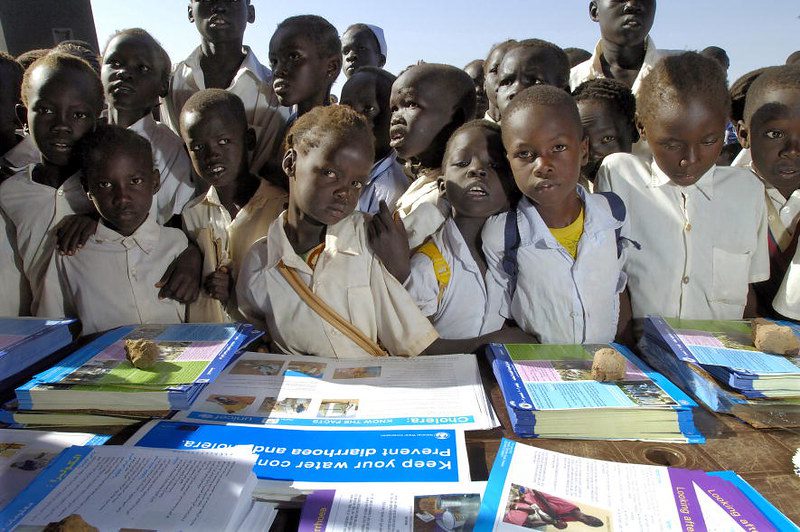
Education in UgandaEducation in Uganda faces challenges, with only four out of 10 children aged 3 to 5 years receiving early childhood education. However, initiatives like the school of Beatrice Ayuru provide hope, empowering children from impoverished backgrounds with skills and opportunities to break the cycle of poverty.

Ayuru has made a significant impact on education for children in Uganda, particularly those from impoverished backgrounds. As the first in her family to attend university, she was determined to improve education in Uganda. She founded a successful school that has helped thousands of students acquire skills to lift themselves out of poverty.

The Life of Beatrice Ayuru

Ayuru was born into a polygamous family of 16 children in rural Uganda. She left school at 16 after the birth of her first child. However, she later received a second chance at education, becoming the first university graduate in her family. Motivated by her own experiences, she aimed to create a school that not only combats illiteracy but also addresses poverty and advocates for girls’ rights.

Although raising money at the start was tough, Ayuru defied norms and traditions by building a business selling cassava. With support from her father, who gave her a piece of land, she used her profits to lay the first bricks for the school. She invested the money in teachers and resources. Ayuru established the Lira Integrated Nursery, Primary and Secondary School, which is a testament to her vision and determination.

Ayuru has received several awards for her ventures, including the United Nations Conference on Trade and Development (UNCTAD) Empretec Women in Business Award in 2010. In addition, the Federation of Uganda Employers honored her with the Employer of the Year award in 2011.

The Local School and Benefits to Uganda

The Lira school was founded in 2000 and offered teaching to children from low-income families and those affected by war and HIV/AIDS. The school provides nursery, primary, secondary, vocational and agricultural classes to more than 1,000 students. The school is partly funded by local business and agriculture ventures, allowing students to learn entrepreneurial skills. Additionally, Lira School offers financial aid to more than 100 families, recognizing that fees can be prohibitive for some. This support ensures that more children have the opportunity to attend school. The school has been recognized for its excellent teaching. It has earned a three-star rating from AFRO EDUCARE, the highest ranking for a private school in the district.

Conclusion

Ayuru is a remarkable example of someone creating long-lasting change for impoverished people. Ugandan children benefit from someone who was once in their position. Despite Ayuru acknowledging that the fight for universal education is far from over, her case demonstrates how quickly things can change when someone is willing to make a difference. Ayuru has shown Uganda that local-level poverty can be addressed by creating opportunities for local children.

– Rosie Miller

Rosie is based in Edinburgh, Scotland and focuses on Good News, Politics for The Borgen Project.

Photo: Flickr

August 1, 2024
https://borgenproject.org/wp-content/uploads/borgen-project-logo.svg 0 0 Hemant Gupta https://borgenproject.org/wp-content/uploads/borgen-project-logo.svg Hemant Gupta2024-08-01 07:30:322024-07-31 02:33:46Beatrice Ayuru and Education in Uganda
Africa, Aid, Global Poverty

USAID in the Sahel: Resilience and Security

USAID in the SahelThe Sahel region is at a crossroads. Poverty, inadequate infrastructure, armed conflict and environmental challenges create recurrent humanitarian crises. USAID in the Sahel aims to reduce chronic vulnerability by alleviating systemic issues while promoting resilience against economic shocks, natural disasters and conflict.

Background

The World Bank estimates one-third of development funding is lost to disasters and crises. Resilience measures enhance coping mechanisms for hardships like natural disasters, terrorism and failed harvests.

Economic vulnerabilities and a growing youth unemployment fuel grievances and radicalization. It is now the epicenter of terrorism according to the Global Terrorism Index. The Sahel experienced 47% of global terrorism deaths in 2023. The UNOCHA estimates that 35 million people in the Sahel need humanitarian assistance.  11.6 million are food insecure, 2.2 million children suffer from severe acute malnutrition, 5.6 million people are internally displaced and 1.7 million refugees, according to the 2024 Humanitarian Programme Cycle.

The Sahel is exceptionally vulnerable to natural disasters; rising temperatures and droughts worsen already poor agricultural conditions. These factors and flawed farming practices increase desertification and soil erosion, leading to unsustainable economic approaches and shock vulnerability.

The Impact of USAID in the Sahel Region

Working with civil society, international partners and local government, USAID helps provide humanitarian and development support. In 2022, the Sahel Regional Office managed approximately $235 million for development activities and USAID’s Bureau for Humanitarian Assistance (BHA) allocated $857 million for humanitarian assistance.

According to the 2023 Sahel Regional Office Factsheet, that year, USAID funding in the Sahel:

  • Provided health care to 405,000 mothers and newborns. Furthermore, funding treated 146,000 child diarrhea cases and 450,000 childhood pneumonia cases in Burkina Faso.
  • Helped 1.2 million individuals access improved water facilities.
  • Helped manage 508,000 hectares of farmland and helped 320,000 individuals learn management practices in agriculture in Burkina Faso and Niger since 2020.
  • Assisted more than 170,000 food-insecure individuals in Mauritania
  • Provided critical food assistance to nearly 1.8 million people in 2022, built 70 shelters and provided health and kitchen supplies to nearly 7,000 displaced people in Chad.

USAID spent $2.392 billion total in the Sahel in 2023, and $1.154 billion so far in 2024 for food, health, agriculture and governance assistance.

USAID and Resilience Measures

USAID’s Resilience in the Sahel Enhanced (RISE) initiative focuses “on systemic solutions” that coordinate relief and development efforts with international donors “to support country-led plans.” RISE focused on agricultural opportunities and disaster management for chronically vulnerable households, according to a 2022 USAID report.

The program’s first stage disbursed $348 million and reached 1.9 million of the Sahel’s most vulnerable people in Burkina Faso and Niger. It mitigated the rise in food insecurity and the effects of shocks by expanding access to loans and insurance, educating people on risk and disaster preparedness and supporting social cohesion networks.

The RISE I program directly prevented one in five extremely vulnerable individuals from experiencing severe food insecurity. It mitigated the increase in food security between 2017 and 2020 to a rate of 2.9% compared to 16.5% in non-RISE areas. The program also mitigated the increase in moderate to severe food insecurity between 2017 and 2020 to an increase of 35.6% compared to 74.6% in non-RISE households.

RISE II, implemented from 2019 to 2025, focused on building resilience to economic, natural, conflict and health shocks in Burkina Faso and Niger. It secured $446.3 million in funding through 2023.

USAID in the Sahel supported economic well-being by improving access to financial services and market infrastructure. It strengthened governance through natural resource, risk and conflict management programs. USAID improved health by improving water access, nutrition, family planning and sanitation.

Security Interests

USAID in the Sahel aims to strengthen state legitimacy and curb terrorist groups and adversarial powers. However, international counter-terrorism support and regional leadership are failing. Several Sahelian countries recently experienced coups or attempted coups, including Russia-supported military regimes.

Weak infrastructural power catalyzes conflict. States cannot provide adequate social services or security, increasing local armed group influence. For example, Mali’s backing of ethnic militias and Burkina Faso’s reliance on less civil and accountable security forces created rivalries over resources and territory.

USAID in the Sahel reduces regional conflict by improving disaster reliance and addressing underlying causes of terrorism. USAID serves U.S. foreign interests by supporting regional partnerships and counter-terrorism efforts to maintain the U.S.’s presence.

Conclusion

USAID in the Sahel helped those living in extreme poverty mitigate economic and environmental risks. RISE targeted the systemic causes of poverty and promoted resilience to shocks caused by climate change, conflict and economic shifts.

The U.S. has ceded significant regional influence and failed to prevent coups and radical insurgent groups.  USAID recognizes the Sahel’s security-environment-poverty nexus and has made substantial, lasting impacts on people living in extreme poverty.

– Luke Ravetto

Luke is based in Boston, MA, USA and focuses on Politics for The Borgen Project.

Photo: Pxhere

July 28, 2024
https://borgenproject.org/wp-content/uploads/borgen-project-logo.svg 0 0 Jennifer Philipp https://borgenproject.org/wp-content/uploads/borgen-project-logo.svg Jennifer Philipp2024-07-28 07:30:192024-07-27 10:27:01USAID in the Sahel: Resilience and Security
Page 15 of 24«‹1314151617›»

Get Smarter

  • Global Poverty 101
  • Global Poverty… The Good News
  • Global Poverty & U.S. Jobs
  • Global Poverty and National Security
  • Innovative Solutions to Poverty
  • Global Poverty & Aid FAQ’s
Search Search

Take Action

  • Call Congress
  • Email Congress
  • Donate
  • 30 Ways to Help
  • Volunteer Ops
  • Internships
  • Courses & Certificates
  • The Podcast
Borgen Project

“The Borgen Project is an incredible nonprofit organization that is addressing poverty and hunger and working towards ending them.”

-The Huffington Post

Inside The Borgen Project

  • Contact
  • About
  • Financials
  • President
  • Board of Directors
  • Board of Advisors

International Links

  • UK Email Parliament
  • UK Donate
  • Canada Email Parliament

Get Smarter

  • Global Poverty 101
  • Global Poverty… The Good News
  • Global Poverty & U.S. Jobs
  • Global Poverty and National Security
  • Innovative Solutions to Poverty
  • Global Poverty & Aid FAQ’s

Ways to Help

  • Call Congress
  • Email Congress
  • Donate
  • 30 Ways to Help
  • Volunteer Ops
  • Internships
  • Courses & Certificates
  • The Podcast
Scroll to top Scroll to top Scroll to top