• Link to X
  • Link to Facebook
  • Link to Instagram
  • Link to TikTok
  • Link to Youtube
  • About
    • About Us
      • President
      • Board of Directors
      • Board of Advisors
      • Financials
      • Our Methodology
      • Success Tracker
      • Contact
  • Act Now
    • 30 Ways to Help
      • Email Congress
      • Call Congress
      • Volunteer
      • Courses & Certificates
      • Be a Donor
    • Internships
      • In-Office Internships
      • Remote Internships
    • Legislation
      • Politics 101
  • The Blog
  • The Podcast
  • Magazine
  • Donate
  • Click to open the search input field Click to open the search input field Search
  • Menu Menu

Archive for category: Advocacy

Information and news on advocacy.

Advocacy, Global Poverty, Nonprofit Organizations and NGOs

10 Things You Should Know About Oxfam America

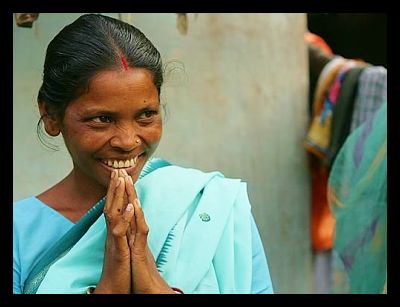
Oxfam AmericaFounded in 1970, Oxfam America works with people in more than 90 countries to create effective and lasting solutions to end poverty and campaign for social change. Here are 8 things you should know about the organization.

1. Oxfam America works on a global level to reduce poverty, hunger and injustice.

Oxfam America operates on the belief that poverty is wrong. They work on long-term solutions that address the underlying causes of poverty, and campaign for social change. Current Oxfam America projects include GROW, a movement that aims to build a better and more sustainable food system, and Aid Reform, which works to increase the U.S. government’s commitment to poverty-reducing foreign aid.

2. They are trustworthy.

Oxfam America is highly rated by several independent charity evaluators. The American Institute of Philanthropy and Charity Navigator have both given the organization high ratings.

3. They partner with local and national organizations.

Oxfam America aims to help local partners become self-sufficient by building alliances, networks and effective organizations. They create reciprocal relationships, learn about solutions to poverty from their partners, and providing them with funding and collaboration opportunities. Oxfam America works with their partners to provide communities with finance options, disaster and conflict relief, food security, and safe water sources, among many other things. Along with 17 other organizations, Oxfam America is united in the global effort to fight poverty; they work with 3,000 local partners in more than 90 countries and invest more than $1.1 billion annually to poverty-related causes.

4. They act on the belief that fighting poverty is about fighting injustice.

Oxfam America holds the strong belief that poverty usually arises from the violation of people’s basic rights. Acting on this belief, Oxfam America promotes the idea that knowledge is power. By educating individuals on their basic human rights, the organization helps create communities that keep their governments and government officials in check. Accountable governments change the systems that keep people trapped in poverty.

5. The projects they fund are community-driven.

By using solutions that are unique to the location and context of the problem, Oxfam America is developing the most sustainable and appropriate methods to combat global poverty.

6. Poverty puts people in harm’s way.

Oxfam America believes that poverty leaves people and communities in vulnerable conditions. They believe that poverty forces people to live in dangerous areas or build unstable houses in areas prone to natural disasters. Oxfam reports that the impacts of climate change will result in unprecedented pressure on global food prices, which will be a huge burden on the world’s poorest people who already have to spend up to 75% of their income on food.

7. They believe that laws, policies, and institutions have an enormous impact on poverty.

Much like the Borgen Project, Oxfam America works with decision-makers to encourage them to respect the views of the poor communities and to implement foreign aid programs that will be most effective in reducing poverty. By opening dialogues with the people who are directly affected by poverty, Oxfam America is giving a voice to those who need one the most.

8. Everyone can join in with Oxfam’s effort to fight against poverty and injustice.

Oxfam America believes that everyone has a part to play in the fight against poverty; by encouraging individuals to work together, the organization aims to raise awareness and inspire action on the world’s most urgent issues.

– Chloe Isacke

Sources: Oxfam America, The Guardian
Photo: Flickr

June 29, 2013
https://borgenproject.org/wp-content/uploads/borgen-project-logo.svg 0 0 Borgen Project https://borgenproject.org/wp-content/uploads/borgen-project-logo.svg Borgen Project2013-06-29 05:00:082020-08-21 11:41:2610 Things You Should Know About Oxfam America
Advocacy

5 Interesting Facts About Nelson Mandela

Interesting Facts About Nelson Mandela
Nelson Mandela was a Nobel Prize winner, icon of modern South Africa, and one of the most  respected world leaders of the 20th century. Below are interesting facts about Nelson Mandela.


5 Interesting Facts About Nelson Mandela


1) Nelson Mandela was born as Rolihlahla Dalibhunga Mandela. He was given the name Nelson by a school teacher, and is sometimes called Madiba.

2) Mandela graduated from the University of South Africa with a law degree in 1942 and is known as “the worlds most famous political prisoner” and “South Africa’s Great Black Hope.”

3) Mandela has been married three times. He was married to his first wife Evelyn from 1944-1958, his second wife, Winnie from 1958-1966, and his third wife, Graca, from 1998 to present day. The marriages have resulted in six children.

4) Mandela has established the Nelson Mandela Foundation. The Foundation was established in 1999 and focuses on three areas of work including the Life and Time of Nelson Mandela, Dialogue for Social Justice, and Nelson Mandela International Day.

5) Nelson Mandela has an international day named in his honor.  The day is celebrated every year on June 25th and is dedicated to his life’s work and that of his charitable organizations, helping to ensure his legacy continues. The day serves as a call to action for individuals to take responsibility for changing the world into a better place.

– Caitlin Zusy 
Sources CNN, Nelson Mandela Centre of Memory
Photo Guardian

June 29, 2013
https://borgenproject.org/wp-content/uploads/borgen-project-logo.svg 0 0 Borgen Project https://borgenproject.org/wp-content/uploads/borgen-project-logo.svg Borgen Project2013-06-29 04:00:102020-08-28 15:21:485 Interesting Facts About Nelson Mandela
Advocacy, Developing Countries, Foreign Aid, Global Poverty

Caterpillar’s Role in International Development

Caterpillar's Role in International Development

Caterpillar Inc. is an Illinois based company that plays a dominant role in energy, trade, and infrastructure for developing countries. Yet Caterpillar is more than just business. The philanthropic efforts of the Caterpillar Foundation, founded in 1952, have contributed more than $550 million towards human development around the world. The Foundation has partnered with a variety of key organizations to fund projects in the areas of environmental sustainability, access to education, and meeting basic human needs for food, shelter, and healthcare.

As a Fortune 100 company with 2012 sales and revenues of $65.875 billion, Caterpillar is the world’s leading manufacturer of construction and mining equipment, diesel and natural gas engines, industrial gas turbines, and diesel-electric locomotives. They are best known for their big, yellow tractors. Caterpillar’s global reach and presence are unmatched in the industry. They have a presence in more than 180 countries around the globe and over 500 locations worldwide. More than half of their sales are outside the United States. As a powerful multinational corporation, Caterpillar has a very influential role in human development.

The Caterpillar Foundation invested $3 million during 2012 in a partnership with a World Resources Institute (WRI) project to promote the development of sustainable cities in China, India and Brazil. Through this “smart cities” initiative, WRI will work with five cities on strategies to increase energy efficiency, curb greenhouse gas emissions, and improve water quality, urban mobility and land use.

Specific project goals include solutions that will reach one billion people with new public transportation options; avoid 617,000 metric tons of CO2 emissions in the transportation area; reduce nitrogen, phosphorus and ammonia water pollution by 15 percent; and provide more reliable energy to 11 million industrial, corporate and residential consumers. In total, the Caterpillar Foundation expects to support this project with $12.5 million over five years – all in an effort to curb the negative environmental side effects of rapid urbanization in the developing countries.

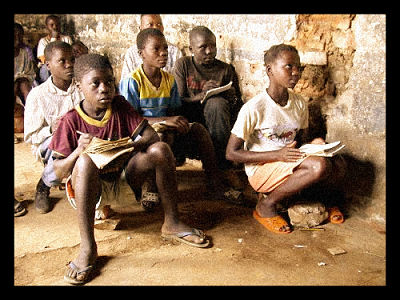
The Resource Foundation is another partner of the Caterpillar Foundation. This $3 million partnership will reach more than 11,000 children in Latin America and the Caribbean over three years, beginning in January 2013. Through a regional strategy targeting specific communities in 10 countries, the program seeks to improve academic achievement, gender equity and life skills among primary school-age boys and girls from 54 schools.

The Caterpillar Foundation has also been a long-time supporter of Opportunity International’s microfinance programs in more than 20 countries around the world. The Caterpillar Foundation’s investment has helped Opportunity International provide life-changing microloans to more than 75,000 small entrepreneurs, create 30,000 jobs and give more than 60,000 rural families access to basic banking services. A majority of Opportunity International’s clients are women who reinvest more of their earnings into health care, education and their communities, which helps break the cycle of generational poverty. As of July 2012, Opportunity International has four million clients, 17,600 employees, 2.3 million insurance policies, and a 95 percent loan repayment rate.

– Maria Caluag

Source: Caterpillar,CSR Wire
Photo: Companies and Markets

June 28, 2013
https://borgenproject.org/wp-content/uploads/borgen-project-logo.svg 0 0 Borgen Project https://borgenproject.org/wp-content/uploads/borgen-project-logo.svg Borgen Project2013-06-28 04:00:432024-12-13 17:53:46Caterpillar’s Role in International Development
Advocacy, Women and Female Empowerment

Zainab Salbi and Women for Women International

Zainab Salbi and Women for Women International

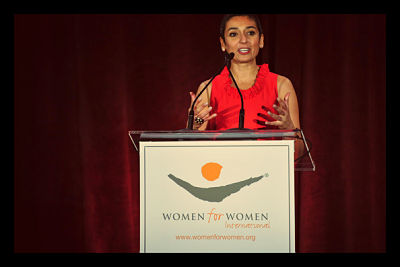
This is a global humanitarian Zainab Salbi. She is an Iraqi-born humanitarian that founded the organization Women for Women International. Salbi has dedicated the majority of her life to helping women in war-torn countries rebuild their lives and their communities. Growing up, her father was Saddam Hussein’s personal pilot and her family was firmly in the clutches of Hussein’s inner circle. After an unsuccessful arranged marriage in America to avoid the clasp of Hussein, Zainab remarried and founded Women for Women International.

In 1993 the news of rapes in concentration camps during the conflict in Bosnia propelled Salbi to found an organization to help female victims of war. The organization provides economic aid, emotional support, job skills training, and rights education to empower women and stop the cycle of violence.

Women for Women International currently works in eight war-torn countries. The organization provides a one-year program for women to receive job and business training, enabling them to earn a living. This program helps women understand their rights and liberties and provides them with the opportunity to become leaders in their communities.

Women for Women International has mobilized more than 300,000 people in 185 countries to support female victims of war. Their support has provided assistance to more than 351,000 women through education, microfinance programs, and small business development, as well as other initiatives. Women for Women International has been able to distribute $108 million in direct aid to women.

Women for Women International works in four modules. They aim to help women sustain incomes, be aware of their rights, be educated as family and community decision-makers, and provide them with social networks and safety nets for support.

Zainab Salbi has founded a massively successful and vitally important international aid organization. Women for Women International places female empowerment and recovery at the center of its philosophy to create positive social change in the world.

– Caitlin Zusy

Source: Women for Women International Ted Talk Profile
Photo: Zimbio

June 27, 2013
https://borgenproject.org/wp-content/uploads/borgen-project-logo.svg 0 0 Borgen Project https://borgenproject.org/wp-content/uploads/borgen-project-logo.svg Borgen Project2013-06-27 06:05:522024-06-05 01:53:34Zainab Salbi and Women for Women International
Advocacy, Education, Women and Female Empowerment

Design a Condom to Improve Contraception Access

Design a Condom to Improve Contraception Access
In 2013, 222 million women in the developing world still do not have access to modern contraception. That is 222 million women unable to responsibly plan their families; without the ability to control their own fertility, they are unable to plan a stable future for themselves.

In developing countries, complications from pregnancy and childbirth are leading causes of death for women. Responsible family planning would not only significantly impact maternal mortality rates, but would also provide the opportunity for millions of girls to stay in school and potentially lift entire communities out of poverty.

Global Poverty Project and Women Deliver have partnered to launch It Takes Two, a campaign focused on improving access to sexual and reproductive health information and services around the world. The campaign will use the Global Citizen online platform to extend its message and generate support. It Takes Two hopes to capitalize on the game-like atmosphere of Global Citizen’s points rewards system to attract a substantial crowd of supporters.

How has It Takes Two managed to turn modern contraception into a game?

Design your own condoms.

It Takes Two is sponsoring a contest in which participants submit a condom wrapper design by July 21st, and the 10 winning designers will receive free condoms featuring their personalized wrapper. Everyone who enters will have their design profiled in the It Takes Two condom gallery, and be entered for a chance to win tickets to concerts to over 70 participating artists such as Kings of Leon, Beyoncé, Tim McGraw or One Direction.

It Takes Two wants everyone, creative or not, to step up and help spread the word that everyone has the right to plan their lives because a woman’s choices shouldn’t be made for her based on her socioeconomic level or her country of origin.

– Dana Johnson

Source: Artist Direct, It Takes Two
Photo: Global Giving

June 27, 2013
https://borgenproject.org/wp-content/uploads/borgen-project-logo.svg 0 0 Borgen Project https://borgenproject.org/wp-content/uploads/borgen-project-logo.svg Borgen Project2013-06-27 04:00:032024-12-13 17:49:24Design a Condom to Improve Contraception Access
Advocacy, Aid Effectiveness & Reform

Food Aid Reform Act 2

Food Aid Reform Act 2
A proposal to improve U.S. efforts to fight global poverty and hunger by reforming U.S. food aid policies to reach more people at a lower cost, faster and more efficiently was rejected by the House of Representatives in June.

The amendment to the Farm Bill proposed giving the U.S. Agency for International Development (USAID) the option of “local and regional purchase” to buy food closer to the region and people that would ultimately receive it. The amendment was voted down 220 to 203.

Under current policies, nearly all U.S. food aid must be purchased from domestic producers and half of it must be shipped overseas on U.S. ships. The stringent requirements are hampering U.S. aid from reaching those that most need it in a timely manner, critics charge.

The amendment was a watered-down version of the proposed bipartisan Food Aid Reform Act (H.R. 1983) that was introduced in April by Congressman Ed Royce (R-Calif.) who chairs the House Foreign Affairs Committee, and Rep. Karen Bass (D-Calif.). President Obama has also proposed a similar overhaul of how the U.S. delivers food aid.

Proponents of food aid reform point out that the fight isn’t over. A full list of which representatives voted for and against the food aid reform is easily available and provides a great opportunity for supporters of changing the system to continue to push those who voted against the amendment. It was a close vote, with 220 Democrats and Republicans voting against the proposal, while 203 voted in favor of it. (Eleven members did not vote.)

Is your representative on the “no” list? See the full list below.

220 No Votes (Democrats in italics):

Robert Aderholt (R-Ala.)
Rodney Alexander (R-La.)
Robert E. Andrews (D-N.J.)
Ron Barber (D-Ariz.)

Lou Barletta (R-Pa.)
John Barrow (D-Ga.)
Joe Barton (R-Tex.)
Joyce Beatty (D-Ohio)
Dan Benishek (R-Mich.)
Sanford D. Bishop Jr. (D-Ga.)
Timothy Bishop (D-N.Y.)

Rob Bishop (R-Utah)
Charles W. Boustany Jr. (R-La.)
Robert Brady (D-Pa.)
Bruce L Braley (D-Iowa)

Paul C. Broun (R-Ga.)
Corrine Brown (D-Fla.)
Julia Brownley (D-Calif.)

Larry Bucshon (R-Ind.)
Cheri Bustos (D-Ill.)
Ken Calvert (R-Calif.)
Dave Camp (R-Mich.)
John Campbell (R-Calif.)
Shelley Moore Capito (R-W.Va.)
Michael E. Capuano (D-Mass.)
John Carney (D-Del.)

John Carter (R-Tex.)
William Cassidy (R-La.)
Kahty Castor (D-Fla.)
Judy Chu (D-Calif.)
William “Lacy” Clay Jr. (D-Mo.)
James E. Clyburn (D-S.C.)

Howard Coble (R-N.C.)
Mike Coffman (R-Colo.)
Tom Cole (R-Okla.)
Chris Collins (R-N.Y.)
K. Michael Conaway (R-Tex.)
Gerald E. “Gerry” Connolly (D-Va.)
Paul Cook (R-Calif.)
Tom Cotton (R-Ark.)
Joe Courtney (D-Conn.)
Kevin Cramer (R-N.D.)
Rick Crawford (R-Ark.)
Henry Cuellar (D-Tex.)
Elijah Cummings (D-Md.)
Rodney Davis (R-Ill.)
Suzan DelBene (D-Wash.)
Jeff Denham (R-Calif.)
Scott DesJarlais (R-Tenn.)
Mario Diaz-Balart (R-Fla.)
John Dingell (D-Mich.)
Mike Doyle (D-Pa.)

John J. Duncan Jr. (R-Tenn.)
Renee Ellmers (R-N.C.)
William Enyart (D-Ill.)
Blake Farenthold (R-Tex.)
Chaka Fattah (D-Pa.)
Stephen Fincher (R-Tenn.)
John Fleming (R-La.)
J. Randy Forbes (R-Va.)
Jeff Fortenberry (R-Neb.)
Rodney Frelinghuysen (R-N.J.)
Marcia L. Fudge (D-Ohio)
Tulsi Gabbard (D-Hawaii)
Pete Gallego (D-Tex.)
John Garamendi (D-Calif.)
Joe Garcia (D-Fla.)

Cory Gardner (R-Colo.)
Jim Gerlach (R-Pa.)
Bob Gibbs (R-Ohio)
Chris Gibson (R-N.Y.)
Bob Goodlatte (R-Va.)
Kay Granger (R-Tex.)
Sam Graves (R-Mo.)
Al Green (D-Tex.)
Gene Green (D-Tex.)
Tim Griffin (R-Ark.)
Morgan Griffith (R-Va.)
Raul Grijalva (D-Ariz.)
Michael Grimm (R-N.Y.)
Janice Hahn (D-Calif.)
Colleen Hanabusa (D-Hawaii)

Gregg Harper (R-Miss.)
Andy Harris (R-Md.)
Vicky Hartzler (R-Mo.)
Denny Heck (D-Wash.)
Jaime Herrera Beutler (R-Wash.)
Brian Higgins (D-N.Y.)
Ruben Hinojosa (D-Tex.)

Richard Hudson (R-N.C.)
Duncan D. Hunter (R-Calif.)
Darrell Issa (R-Calif.)
Sheila Jackson Lee (D-Tex.)
Lynn Jenkins (R-Kan.)
Henry C. “Hank” Johnson Jr. (D-Ga.)
Bill Johnson (R-Ohio)
Eddie Bernice Johnson (D-Tex.)
Sam Johnson (R-Tex.)
Walter B. Jones (R-N.C.)
David Joyce (R-Ohio)
Marcy Kaptur (D-Ohio)
William Keating (D-Mass.)
Robin Kelly (D-Ill.)

Mike Kelly (R-Pa.)
Daniel Kildee (D-Mich.)
Derek Kilmer (D-Wash.)

Steve King (R-Iowa)
Pete King (R-N.Y.)
Adam Kinzinger (R-Ill.)
Ann Kirkpatrick (D-Ariz.)
John Kline (R-Minn.)
Doug LaMalfa (R-Calif.)
James Lankford (R-Okla.)
Tom Latham (R-Iowa)
Robert E. Latta (R-Ohio)
Sander Levin (D-Mich.)
Daniel Lipinski (D-Ill.)

Frank LoBiondo (R-N.J.)
David Loebsack (D-Iowa)
Billy Long (R-Mo.)
Alan Lowenthal (D-Calif.)
Frank Lucas (R-Okla.)
Blaine Luetkemeyer (R-Mo.)
Stephen F. Lynch (D-Mass.)
Daniel Maffei (D-N.Y.)
Sean Patrick Maloney (D-N.Y.)
Jim Matheson (D-Utah)
Jim McDermott (D-Wash.)
Mike McIntyre (D-N.C.)

Buck McKeon (R-Calif.)
David McKinley (R-W.Va.)
Jerry McNerney (D-Calif.)
Pat Meehan (R-Pa.)
Michael Michaud (D-Maine)
Candice Miller (D-Mich.)
George Miller (D-Calif.)

Markwayne Mullin (R-Okla.)
Tim Murphy (R-Pa.)
Grace Napolitano (D-Calif.)
Richard E. Neal (D-Mass.)
Gloria Negrete McLeod (D-Calif.)

Randy Neugebauer (R-Tex.)
Kristi Noem (R-S.D.)
Rick Nolan (D-Minn.)
Devin Nunes (R-Calif.)
Alan Nunnelee (R-Miss.)
Bill Owens (D-N.Y.)
Steven Palazzo (R-Miss.)Bill Pascrell Jr. (D-N.Y.)
Ed Pastor (D-Ariz.)
Steve Pearce (R-N.M.)
Ed Perlmutter (D-Colo.)
Gary Peters (D-Mich.)
Collin C. Peterson (D-Minn.)
Mark Pocan (D-Wis.)

Ted Poe (R-Tex.)
Bill Posey (R-Fla.)
Nick Rahall (D-W.Va.)
Tom Reed (R-N.Y.)
David G. Reichert (R-Wash.)
Jim Renacci (R-Ohio)
Cedric Richmond (D-La.)
Scott Rigell (R-Va.)
Martha Roby (R-Ala.)
Mike Rogers (AL) (R-Ala.)
Mike Rogers (MI) (R-Mich.)
Tom Rooney (R-Fla.)
Ileana Ros-Lehtinen (R-Fla.)
Peter J. Roskam (R-Ill.)
Keith Rothfus (R-Pa.)
Jon Runyan (R-N.J.)
Dutch Ruppersberger (D-Md.)
Tim Ryan (D-Ohio)
Linda T. Sánchez (D-Calif.)
Loretta Sanchez (D-Calif.)

Steve Scalise (R-La.)
Kurt Schrader (D-Ore.)
Allyson Y. Schwartz (D-Pa.)

Austin Scott (R-Ga.)
Pete Sessions (R-Tex.)
Terri A. Sewell (D-Ala.)
Carol Shea-Porter (D-N.H.)
Brad Sherman (D-Calif.)

John Shimkus (R-Ill.)
Bill Shuster (R-Pa.)
Mike Simpson (R-Idaho)
Kyrsten Sinema (D-Ariz.)
Albio Sires (D-N.J.)

Jason Smith (R-Mo.)
Adrian Smith (R-Neb.)
Lamar Smith (R-Tex.)
Steve Southerland (R-Fla.)
Steve Stivers (R-Ohio)
Steve Stockman (R-Tex.)
Marlin Stutzman (R-Ind.)
Eric Swalwell (D-Calif.)
Bennie G. Thompson (D-Miss.)

Glenn W. Thompson (R-Pa.)
Mac Thornberry (R-Tex.)
Pat Tiberi (R-Ohio)
Dina Titus (D-Nev.)
Paul D. Tonko (D-N.Y.)

Michael Turner (R-Ohio)
Fred Upton (R-Mich.)
David Valadao (R-Calif.)
Juan Vargas (D-Calif.)
Marc Veasey (D-Tex.)
Filemon Vela (D-Tex.)
Peter Visclosky (D-Ind.)

Ann Wagner (R-Mo.)
Timothy J. Walz (D-Minn.)
Daniel Webster (R-Fla.)
Lynn A. Westmoreland (R-Ga.)
Ed Whitfield (R-Ky.)
Roger Williams (R-Tex.)
Robert J. Wittman (R-Va.)
Steve Womack (R-Ark.)
Robert Woodall (R-Ga.)
Kevin Yoder (R-Kan.)
Don Young (R-Alaska)

ABSTAINED/did not vote
Emanuel Cleaver (D-Mo.)
Alcee L. Hastings (D-Fla.)
Rush Holt (D-N.J.)
Mike Honda (D-Calif.)
Rick Larsen (D-Wash.)
Ed Markey (D-Mass.)
Carolyn McCarthy (D-N.Y.)

Gary Miller (R-Calif.)
Frank Pallone Jr. (D-N.J.)
Harold Rogers (R-Ky.)
Louise Slaughter (D-N.Y.)

– Liza Casabona

Sources: U.S. House of Representatives U.S. House Clerk’s Office Humanosphere OXFAM
Photo: Reuters

June 26, 2013
https://borgenproject.org/wp-content/uploads/borgen-project-logo.svg 0 0 Borgen Project https://borgenproject.org/wp-content/uploads/borgen-project-logo.svg Borgen Project2013-06-26 10:48:142024-05-25 00:00:14Food Aid Reform Act 2
Advocacy, Food & Hunger, Food Security

Think.Eat.Save: A Global Food Initiative

Think.Eat.Save: A Global Food Initiative
“Think.Eat.Save: Reduce Your footprint,” is a global initiative to reduce food loss and waste. It is a partnership between UNEP, FAO, and Messe Düsseldorf that seeks to spur widespread global, regional and national actions and inspire social awareness of the global “food footprint”. Through the exchange of ideas and projects, the Think.Eat.Save campaign raises awareness and showcases solutions to global food waste and food loss issues in both developed and developing countries.

Think.Eat.Save also provides a “one-stop-shop” for news and resources for consumers and producers featuring tips and facts. The website contains advice including how to eat sustainably and methods of preserving food. For producers and sellers of food, the site also offers suggestions for farming, processing and distribution, and restaurant management. Ultimately, the campaign urges everyone from the average consumer to retailers to think critically about food and take action.

In his statement for World Environment Day on June 5, United Nations Secretary-General Ban Ki-moon mentioned Think.Eat.Save. Ban state that approximately one-third of all food is wasted or lost through poor storage facilities and transportation in developing countries. In order to address this problem, Ban mentioned Think.Eat.Save as a means to create greater efficiency in the food industry.

Food shortages are only half of the global food problem. The other half is food waste and food loss. As tons and tons of precious food and water are dumped into the trash or spoiled in transportation, the world teeters on the brink of a food system failure.

What Think.Eat.Save promotes is a solution for existing issues of the global food system. Instead of producing more, the global community is encouraged to take more responsibility for environmentally and socially equitable food systems. By simply reducing the amount of waste produced, we can save resources and money, lessen environmental impacts, and preserve enough food to create a world in which everybody has enough to fill their stomachs.

– Grace Zhao

Source: Examiner,Think.Eat.Save.
Photo: 2Luxury2

June 26, 2013
https://borgenproject.org/wp-content/uploads/borgen-project-logo.svg 0 0 Borgen Project https://borgenproject.org/wp-content/uploads/borgen-project-logo.svg Borgen Project2013-06-26 05:12:502024-06-04 02:43:53Think.Eat.Save: A Global Food Initiative
Advocacy, Education, Health

Profile: the Better World Fund

Profile: the Better World Fund
The Better World Fund was founded in 1998 by media mogul, philanthropist, and humanitarian Ted Turner.  The man who brought us the cable station CNN started the Fund as an umbrella organization to facilitate public-private partnerships to address a range of global concerns, including health crises and environmental problems.  The fund also serves as an advocacy and outreach organization to support the work of the United Nations and to lobby for the US Government to provide political, financial and sometimes military support for UN humanitarian and peacekeeping efforts.

The major initiative of the Better World Fund is the Better World Campaign, whose publicity and advocacy work currently focuses on what the organization calls its “key issues.”  The top three of those issues are climate change, global health, and international security.

In each of these areas, the Better World Fund and the Better World Campaign work to build support for UN initiatives.  On climate change, they advocate for the adoption of the Copenhagen Accord, which establishes a registry to keep track of the ways that different nations are responding to climate change. The Accord also commits developed countries to provide up to $100 billion per year by 2020 to reduce emissions and take other measures to address climate change.

In the area of global health, the Better World Fund supports UN education and treatment efforts to combat HIV/AIDS and malaria, and it supports vaccination efforts to eradicate polio.  In the area of international security, the Fund advocates for UN efforts to end nuclear proliferation, to combat international terrorism, and to enforce maritime laws governing the activities of governments and businesses, and the management of marine natural resources.

The Fund’s Board of Directors includes former UN Secretary-General Kofi Annan, civil rights leader Andrew Young, and Her Majesty Queen Rania Al-Abdullah of Jordan.

– Délice Williams
Source: Better World Campaign, Charity Navigator
Source: Glogster

June 23, 2013
https://borgenproject.org/wp-content/uploads/borgen-project-logo.svg 0 0 Borgen Project https://borgenproject.org/wp-content/uploads/borgen-project-logo.svg Borgen Project2013-06-23 04:35:182024-05-24 23:59:24Profile: the Better World Fund
Advocacy

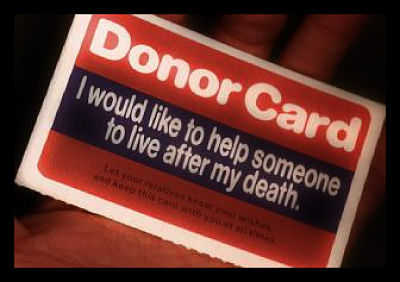
Donate Blood to Save Lives

Donate Blood to Save Lives
June 1st was World Organ Donor Day. Unfortunately, like many international holidays such as World Ocean Day, World Refugee Day, and World Blood Donor Day (all of which also take place in June) it was not widely celebrated. However, because as many as 15,000 kidneys are trafficked illegally each year according to traffickingproject.org, more people should be paying attention.
But, there are vital ways to help without giving up a kidney (right now).

  1. Become an organ donor today. The World Health Organization’s Dr. Luc Noel stated in a recent article that organ transplantation covers only ten percent of global need.
  2. Head to the doctor or hospital and become a member of the national bone marrow registry. It is as simple and painless as donating blood platelets, and could easily save someone’s life. Only two percent of Americans are on a marrow donor list, and every year 3,000 people in the U.S. alone die waiting for bone marrow transplants. The need is so great and the solution is so simple that there has even been talking about implementing legislation to compensating donors. You can learn more at marrow.org.
  3. Donate blood regularly. Every single day, 44,000 blood donations are needed at hospitals around the country. Blood is by far the most convenient and painless thing to donate, and each donation can help save up to three lives.

Around the world, millions are stuck in a cycle of chronic sickness and inadequate healthcare. By following these simple steps, everyone can set an example of how to meet these urgent needs in an efficient and ethical manner that will potentially spread throughout the world.

– Samantha Mauney

Source: DW,USA Today,Red Cross
Photo: Jewish Voice

June 22, 2013
https://borgenproject.org/wp-content/uploads/borgen-project-logo.svg 0 0 Borgen Project https://borgenproject.org/wp-content/uploads/borgen-project-logo.svg Borgen Project2013-06-22 06:17:322020-07-03 00:39:32Donate Blood to Save Lives
Advocacy, Development, Nonprofit Organizations and NGOs

Harvard Grads Rewarded for Taking Nonprofit Jobs

Harvard Grads Rewarded for Taking Nonprofit Jobs
This week, as some of the best and brightest students in the country graduated from Harvard, a select few received an additional bonus: $50,000 to use their degree to make the world a better place.

The 19 graduates who received the bonus have been part of the Harvard Business Leadership Fellow Program, which sets students up with one-year fellowships in nonprofit and public-sector organizations. Harvard subsidizes the fellowships, with each student receiving $50,000 in addition to the $45,000 paid by the organizations.

Since its inception in 2001, 106 students have been recipients of the grant and, after successful completion of the one-year programs, 90% of the students have been asked to stay on. According to the university, one-third of these students still work at the organization that hired them, and one-third have moved to a different job within the same sector.

This year, graduates will work at a variety of organizations including Oxfam America and Endeavor Global, a non-profit that helps emerging countries through its High-Impact Entrepreneurs program.

Since 1993, the Harvard Business School Social Enterprise Initiative has worked with students to create sustainable, high-impact social change. Thanks to Harvard Business School, these graduates will have the financial stability to work in the nonprofit industry, a sector that on average pays 30% less than for-profit organizations. “This program is a great opportunity for our graduating students to work in the nonprofit and public sectors,” said Harvard Business School professor Allen Grossman. “The program continues to grow as our students continue to give overwhelmingly positive feedback about working with partner organizations.”

– Chloe Isacke

Source: Impact,Harvard Business School
Photo: Bloomberg

June 22, 2013
https://borgenproject.org/wp-content/uploads/borgen-project-logo.svg 0 0 Borgen Project https://borgenproject.org/wp-content/uploads/borgen-project-logo.svg Borgen Project2013-06-22 05:48:312020-07-03 00:40:26Harvard Grads Rewarded for Taking Nonprofit Jobs
Page 70 of 77«‹6869707172›»

Get Smarter

  • Global Poverty 101
  • Global Poverty… The Good News
  • Global Poverty & U.S. Jobs
  • Global Poverty and National Security
  • Innovative Solutions to Poverty
  • Global Poverty & Aid FAQ’s
Search Search

Take Action

  • Call Congress
  • Email Congress
  • Donate
  • 30 Ways to Help
  • Volunteer Ops
  • Internships
  • Courses & Certificates
  • The Podcast
Borgen Project

“The Borgen Project is an incredible nonprofit organization that is addressing poverty and hunger and working towards ending them.”

-The Huffington Post

Inside The Borgen Project

  • Contact
  • About
  • Financials
  • President
  • Board of Directors
  • Board of Advisors

International Links

  • UK Email Parliament
  • UK Donate
  • Canada Email Parliament

Get Smarter

  • Global Poverty 101
  • Global Poverty… The Good News
  • Global Poverty & U.S. Jobs
  • Global Poverty and National Security
  • Innovative Solutions to Poverty
  • Global Poverty & Aid FAQ’s

Ways to Help

  • Call Congress
  • Email Congress
  • Donate
  • 30 Ways to Help
  • Volunteer Ops
  • Internships
  • Courses & Certificates
  • The Podcast
Scroll to top Scroll to top Scroll to top