• Link to X
  • Link to Facebook
  • Link to Instagram
  • Link to TikTok
  • Link to Youtube
  • About
    • About Us
      • President
      • Board of Directors
      • Board of Advisors
      • Financials
      • Our Methodology
      • Success Tracker
      • Contact
  • Act Now
    • 30 Ways to Help
      • Email Congress
      • Call Congress
      • Volunteer
      • Courses & Certificates
      • Be a Donor
    • Internships
      • In-Office Internships
      • Remote Internships
    • Legislation
      • Politics 101
  • The Blog
  • The Podcast
  • Magazine
  • Donate
  • Click to open the search input field Click to open the search input field Search
  • Menu Menu

Archive for category: Advocacy

Information and news on advocacy.

Activism, Advocacy, Development

5 Young Leaders making strides in combating global poverty

Young LeadersThe voices of young people have often been dismissed leaving many feeling powerless in the face of global challenges. Young people are frequently told they are too young to understand or affect meaningful change. Despite these barriers, youth activism is gaining momentum. Young people are driving change and their fresh perspectives have proven instrumental in driving progress on global issues, such as poverty. Youth activism is essential to amplify the voices of the marginalized and create long-lasting, transformative change. Here are five young leaders from around the world who are making significant strides towards combating global poverty.

Kelvin Doe – Sierra Leone

Kelvin Doe is an acclaimed young engineer from Sierra Leone. From the age of 10, Doe would scour trash and discarded materials to find parts to use for his innovative projects. He taught himself how to make items such as lights, generators and radios and even went on to create his radio station. He took on the stage name DJ Focus and used his radio station to share music and news about issues such as youth engagement. In addition, he is the founder of the Kelvin Doe Foundation, an NGO with the mission to “provide creative spaces, to nurture communities, ignite a culture of innovation, and inspire civic engagement.” Even with limited resources, Doe was able to utilize materials at his disposal and facilitate change in his community through his work.

Jose Adolfo Quisocala Condori – Peru

At just 7 years old, Jose Adolfo Quisocala Condori founded a bank that changed the trajectory of many kids in his community. Condori wanted to help eradicate poverty in his community while also protecting the environment, with this in mind he started a groundbreaking initiative called the Children’s Eco-Bank. The initiative incentivized students to recycle materials for monetary rewards that would be deposited into their bank accounts. The children’s Eco-Bank stands as a Beacon of Hope showcasing the remarkable impact that even the youngest individuals can have in fostering economic resilience and social change within their communities.

Webster Makombe – Zimbabwe

Webster Makombe is a global youth leader who focuses on improving nutrition and food security challenges. He began his activism career when he was working as a junior parliament member in high school. Through his activism, he dedicates time to lobbying and advocating for nutrition improvement in his home country of Zimbabwe and across the world. Makombe works closely with the movement Scaling up Nutrition, which works on furthering awareness and knowledge about food and nutrition issues. Now studying at the University of Zimbabwe, he focuses on human rights and global health law to deepen its understanding and drive meaningful change in the field

Kehkashan Basu – India/Canada

Kehkashan Basu is a “champion of women’s and children’s rights.” At the age of 12, she founded the Green Hope Foundation, an organization that works in 28 different countries to empower young people and women globally. The foundation aims to combine grassroots advocacy with policy reform to encourage education, development and sustainability for marginalized communities. Basu is a designated United Nations human rights champion and the youngest person to ever be designated as Global Coordinator for the U.N. Environment Program Major Group of Children and Youth. Through her unwavering support for global advocacy, Basu has shown what hard work and dedication can accomplish.

Jaden Lawen – Canada/Lebanon

Jaden Lawen was 17 years old when an explosion devastated his native city of Beirut, Lebanon. Thousands of miles away, in Ontario, Canada he found out about the drasticity of the situation through pictures and videos from friends who experienced the effects of the explosion, many of whom in hospitals. Moved to do something to help the catastrophe, he began the organization Halifax to Beirut with Love to spread awareness and raise funds. Through this Lawen was able to raise more than $100,000 which the Red Cross later distributed to the citizens. Lawen’s dedication to helping his community helped change thousands of lives, including those of his own family and friends.

Helping Shape Global Communities

Despite facing adversity, young leaders have proved time and time again that they can enact meaningful change throughout the world. Through initiatives that deal with economics, charity and advocacy these five young leaders are only some of many who are helping shape global communities. These young leaders enable the world to see what a future might look like if communities can mobilize their youth and inspire younger generations to make change.

– Adrita Quabili
Photo: Unsplash

April 14, 2024
https://borgenproject.org/wp-content/uploads/borgen-project-logo.svg 0 0 Naida Jahic https://borgenproject.org/wp-content/uploads/borgen-project-logo.svg Naida Jahic2024-04-14 07:30:362024-04-14 00:40:535 Young Leaders making strides in combating global poverty
Advocacy, Food Aid, Food Insecurity, Food Security, Global Poverty

Papatoetoe Food Hub Fights Food Insecurity in South Auckland

Papatoetoe Food Hub Fights Food Insecurity in South AucklandSouth Auckland, a highly diverse region of New Zealand, is home to numerous Māori communities like mana whenua and Pacific, Asian and European ethnic groups. Each of these groups holds significant food traditions that currently face the risk of increasing food insecurity. Data from the area reveal that one in seven children come from families facing moderate to severe food insecurity, with 30% of Māori children affected. The COVID-19 pandemic exacerbated food insecurity in South Auckland, with a local food bank reporting that most of its food parcel recipients were individuals who lost their jobs due to the pandemic.

Traditional Food Practices

Land ownership, or the lack thereof, has severely affected indigenous communities’ ability to access and cultivate food. This is especially true for Māori communities, where colonization and urbanization have hindered their ability to gather and prepare traditional kai (food). In addition, the respectful use of whenua (land) is central to food cultivation in these communities. However, maintaining these values is becoming more challenging in the context of contemporary food systems. Consequently, the struggle of indigenous communities to engage in environmentally friendly farming practices is a major factor in escalating food insecurity.

The Papatoetoe Food Hub

The Papatoetoe Food Hub set up shop in South Auckland to provide sustainable and affordable meals to the community while embracing traditional values of community and environmental stewardship. A key focus, as reported by the Food Hub, is promoting knowledge exchange on growing, harvesting and maintaining crops. To this end, it conducts on-site lessons about indigenous cooking methods. The hub also prioritizes sustainable food practices aligned with Māori values, rescuing and repurposing 18.6 tons of food between September 2019 and May 2021.

A Community-Led Success Story

The Papatoetoe Food Hub adopts a community-led strategy, working in close collaboration with local schools, universities and government agencies to benefit its local community. Knowledge Auckland conducted interviews with 30 individuals about the hub, seeking to understand its impact. The study revealed the value generated by every dollar spent at the hub:

  • $0.55 goes to the team, comprised of people hired from local communities.
  • $0.38 goes to the local economy, including the purchase of ingredients from local suppliers.
  • $0.07 goes toward government infrastructure.

Julio Bin of the Southern Initiative observed, “The Food Hub is a tangible demonstration of how we can do things differently.” Meanwhile, a local mom emphasized, “They base the menu on what the community wants.” The Papatoetoe Food Hub continues to thrive, attracting an increasing number of patrons and even received endorsement from former Prime Minister Jacinda Ardern. The hub aims to build on this success, with local stakeholder Gael Surgenor noting, “The biggest impact is yet to come.”

Looking Forward

The Papatoetoe Food Hub exemplifies the power of community-driven solutions in combating food insecurity while preserving cultural heritage. Addressing food insecurity in South Auckland, the hub intertwines traditional values with modern sustainable practices. It offers a beacon of hope for diverse communities, showcasing a scalable model for others to follow.

– Kayleigh O’Brien

Kayleigh is based in Leeds, UK and focuses on Good News and Global Health for The Borgen Project.

Photo: Unsplash

April 13, 2024
https://borgenproject.org/wp-content/uploads/borgen-project-logo.svg 0 0 Precious Sheidu https://borgenproject.org/wp-content/uploads/borgen-project-logo.svg Precious Sheidu2024-04-13 07:30:452024-04-12 15:33:07Papatoetoe Food Hub Fights Food Insecurity in South Auckland
Disease, Global Health, USAID

The Cure Tuberculosis Project In The Kyrgyz Republic

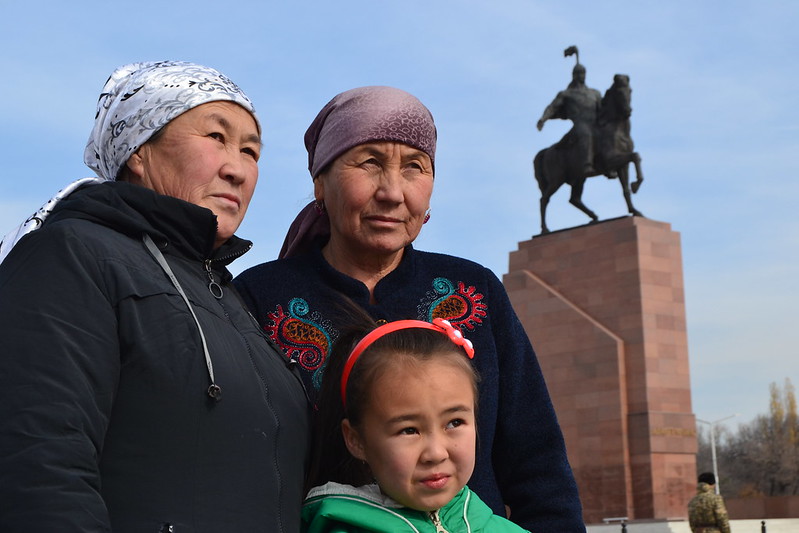
The Success Of The Cure Tuberculosis Project In The Kyrgyz RepublicIn the Kyrgyz Republic, a landlocked country in Central Asia, health officials diagnose 1,400 people with drug-resistant Tuberculosis (TB) annually. It ranks among the nations with the highest rates of drug-resistant TB. This prevalence underscores a significant health challenge across the country. To address this, the Cure Tuberculosis Project has dedicated its efforts to lowering the rates of drug-resistant TB infections and enhancing the treatment for affected patients.

The Struggle with Drug-Resistant TB

TB ranks among the most lethal infections, causing 1.3 million deaths in 2022 alone. It disproportionately affects those in lower-income households, exacerbating the cycle of poverty. Infected individuals often face reduced earning capacity, leading to diminished access to health care and increasing health issues.

In addition, people with TB often spend more time indoors, heightening the risk of spreading the illness among both adults and children. This transmission within households can perpetuate a cycle of poverty across generations. Moreover, drug-resistant TB poses a growing global concern as certain treatments lose effectiveness. In 2022, about 410,000 individuals contracted drug-resistant TB, but only 43% received treatment, highlighting the urgent need for more effective interventions.

The Kyrgyz Republic faces a significant challenge with drug-resistant TB, with 29% of new drug-resistant TB cases compared to the global average of 3.3%, according to the World Health Organization (WHO). In addition, several factors contribute to this high incidence, including ineffective health care services, a shortage of medical resources and widespread difficulties in accessing medication for drug-resistant TB.

Addressing Drug-Resistant TB

The U.S. Agency for International Development (USAID) supported the Kyrgyz people by funding the Cure Tuberculosis Project from 2019 to 2024. This initiative aimed to assist the Kyrgyz government in identifying and treating individuals diagnosed with drug-resistant TB. Additionally, the project focused on ensuring rapid diagnosis for drug-resistant TB patients and facilitating their access to treatment, collaborating closely with the Ministry of Health of the Kyrgyz Republic. Moreover, the Cure Tuberculosis Project focused on four key areas for improvement:

  1. Develop more effective strategies to improve drug-resistant TB detection.
  2. Treat more patients with drug-resistant TB.
  3. Reduce the number of drug-resistant TB infections.
  4. Enhance government legislation concerning drug-resistant TB.

Impacts of the Cure Tuberculosis Project

The Cure Tuberculosis Project achieved success in all four targeted areas.

  1. Develop more effective strategies to improve drug-resistant TB detection: In Batken, Chui and Naryn Oblasts, 12 hospitals successfully screened all patients for drug-resistant TB, ensuring treatment for those diagnosed.
  2. Treat more patients with drug-resistant TB: The project equipped all hospitals and 91 health care services with online medical record management. Furthermore, more than 2,100 patients with drug-resistant TB benefited from mental health assistance and financial support.
  3. Reduce the number of drug-resistant TB infections: The project enhanced infection control in hospitals in Naryn, Batken and Talas, successfully reducing the average hospital stay for patients by 12%. It also sought to change the behaviors and perceptions of patients with drug-resistant TB and their families. This included producing 28 educational films that share patients’ experiences to raise awareness about the infection.
  4. Enhance government legislation concerning drug-resistant TB: The project collaborated with the Mandatory Health Insurance Fund to develop financial strategies to enhance drug-resistant TB treatment. Among these advancements is the facilitation of sputum sample transfers to hospitals for drug-resistant TB testing.

Looking Ahead

The Cure Tuberculosis Project has laid a strong foundation for ongoing efforts to fight drug-resistant TB in the Kyrgyz Republic. This marks a significant stride toward health security and poverty reduction. Furthermore, sustained collaboration and innovation could be essential in consolidating these gains and ensuring a healthier future for the Kyrgyz people.

– James McAlinden

James is based in Rosehearty, Scotland and focuses on Global Health for The Borgen Project.

Photo: Flickr

April 9, 2024
https://borgenproject.org/wp-content/uploads/borgen-project-logo.svg 0 0 Precious Sheidu https://borgenproject.org/wp-content/uploads/borgen-project-logo.svg Precious Sheidu2024-04-09 07:30:252024-04-08 15:36:25The Cure Tuberculosis Project In The Kyrgyz Republic
Advocacy, Development, Global Poverty

Guardians of Everest: Poverty Amongst Sherpas

Guardians of Everest: Poverty Amongst SherpasThe Sherpa people, nestled in the majestic peaks of the Himalayas, have long been synonymous with mountaineering prowess. Yet, behind the façade of adventure and glory lies a harsh reality: the pervasive poverty and exploitation faced by these indigenous mountain communities. In 2023, the Fourth Nepal Living Standards Survey reported that Nepal had a poverty rate of 20.27%. Currently, an intricate web of factors contributes to poverty amongst Sherpas, primarily stemming from exploitation within the adventure industry.

A Legacy of Mountaineering Excellence

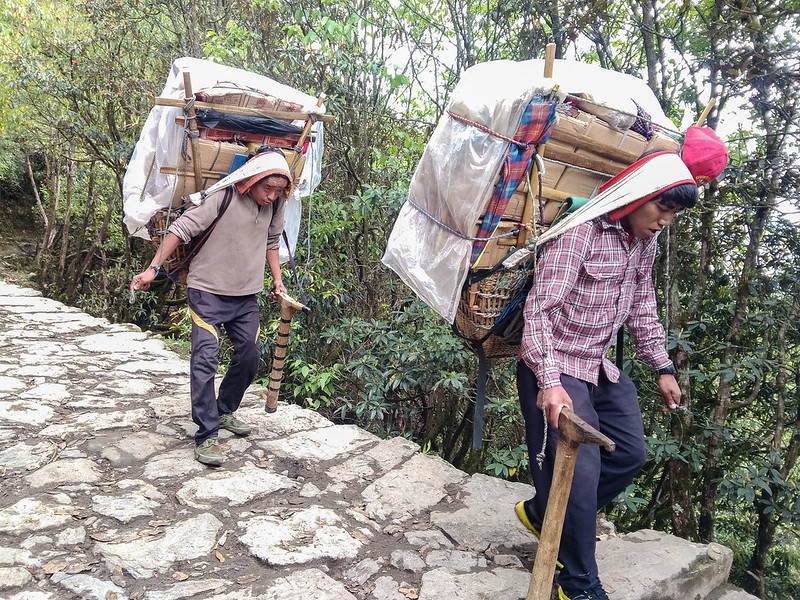
For generations, Sherpas have served as the unsung heroes of Himalayan expeditions, guiding climbers through treacherous terrain and shouldering the burdens of the ascent. Renowned for their unparalleled strength, resilience and intimate knowledge of the mountains, Sherpas play an indispensable role in facilitating the conquest of some of the world’s highest peaks.

Moreover, Mount Everest, known as Sagarmatha in Nepal, has become a bucket-list expedition for some and often requires a Sherpa guide to navigate the tough terrain. As a result, the central Sherpa community has undergone a lasting alteration of its cultural practices and means of sustenance. According to The Kathmandu Post, tourism employs 11.5% of the Nepals workforce— about 370,000 people. The majority of Sherpas work within this industry.

Disparity in Compensation

Despite their indispensable contributions, Sherpas often find themselves at the short end of the economic stick. While expedition leaders and adventure companies reap substantial financial rewards from high-priced mountaineering expeditions, Sherpas receive meager wages for their laborious work. This vast disparity in compensation underscores the exploitative dynamics within the adventure industry, where Sherpa labor is undervalued and under-compensated. According to National Geographic, a guided hike to Everest can cost anywhere between $30,000 and $120,000.

We Are Reckless reported that on average, Sherpa guides only make around $4000 for the whole climbing season. Furthermore, it noted that guides with Western backgrounds make around $50,000 comparatively. In fact, the wage gap between Western guides and Sherpa guides emphasizes the lack of regard for Sherpa’s lives that the tourism industry has and brings to light the reality of poverty among Sherpas.

Occupational Hazards and Lack of Protection

Mountaineering expeditions, fraught with altitude sickness, avalanches and extreme weather, pose inherent risks. Sherpas, pivotal to these ventures, often face these dangers without adequate protection, insurance, or compensation for injuries or fatalities. Their safety and well-being frequently take a backseat in the quest for summit achievements. Unfortunately, a tragic event occurred in 2014 when at least 13 Sherpa guides perished in an avalanche on Everest, trapped in a ‘human traffic jam’ while carrying equipment for clients. Nonetheless, Sherpas routinely navigate these hazardous zones to facilitate climbers, and this highlights the perilous conditions they endure to support expeditions.

Environmental Degradation and Cultural Erosion

The commodification of Everest and other Himalayan peaks has led to environmental degradation and the erosion of traditional Sherpa culture. Commercial mountaineering has transformed once-pristine landscapes into overcrowded tourist hubs, straining fragile ecosystems and diminishing the spiritual significance of sacred mountains. Depali Rai, writing for Protocol Mag, describes the gentrification of Everest’s base camp, claiming the “once remote misty villages some 3440 meters above sea level now host Irish pubs, import Korean Ramyun and serve Nepalese and Western fare in equal measure.”

Sherpas, deeply reverent of the natural world and profoundly connected to their ancestral homeland, are grappling with the loss of traditional livelihoods and cultural identity amid unchecked commercialization.

Looking Forward

As awareness of poverty amongst Sherpas grows, there is an increasing call for equitable treatment, fair wages and safer working conditions in the mountaineering industry. Moreso, concerted efforts to address these issues can lead to a more sustainable and respectful approach to Himalayan expeditions, ensuring the Sherpas are honored not just for their skill but also for their indispensable contribution to the adventure tourism economy.

– Lauren McKenna

Lauren is based in Manchester, UK and focuses on World News for The Borgen Project.

Photo: Flickr

April 6, 2024
https://borgenproject.org/wp-content/uploads/borgen-project-logo.svg 0 0 Precious Sheidu https://borgenproject.org/wp-content/uploads/borgen-project-logo.svg Precious Sheidu2024-04-06 07:30:012024-04-05 02:35:04Guardians of Everest: Poverty Amongst Sherpas
Developing Countries, Disease, Global Health, Global Poverty

Zambia’s Cholera Outbreak: The Battle for Public Health

Zambia’s Cholera OutbreakZambia’s recent cholera outbreak has been the catalyst for significant hardships for its population, with devastating consequences for public health. Since October 2023, there have been more than 10,887 cholera cases, with more than 432 reported deaths.

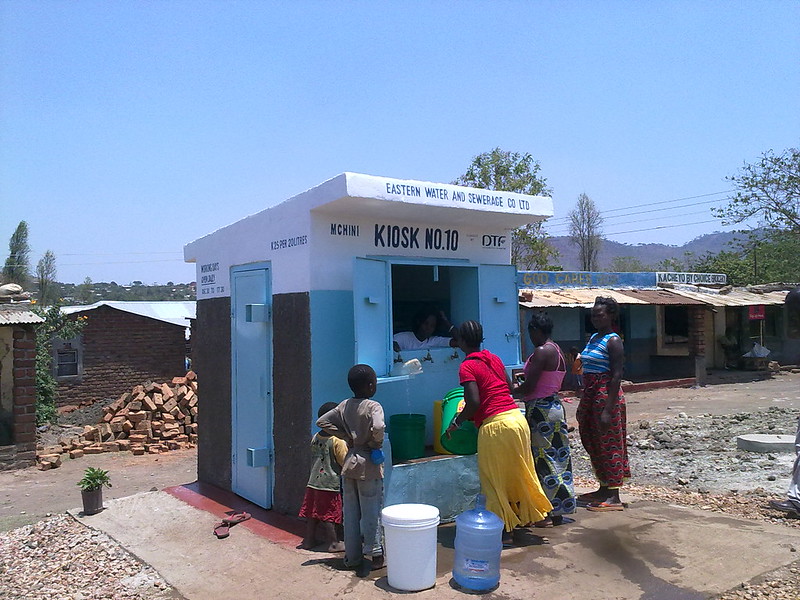
Cholera is a waterborne illness caused by the bacterium Vibrio cholerae, which produces a toxin in the small intestine, leading to loss of fluids and electrolytes. The bacterium manifests itself in contaminated water, which in turn affects underdeveloped countries lacking resources for proper water supplies and sewage disposal.

Densely populated areas such as Lusaka, with limited or no access to clean water and sanitation, are facing the worst consequences, with a devastating 4,443 cumulative cholera cases since October 2023.

Government Initiatives

In response to Zambia’s cholera outbreak, the Zambian government has taken decisive action through robust initiatives, including the Multi-sectoral Cholera Elimination Plan (MCEP) 2019-2025, with the aim to eliminate cholera by 2025. The MCEP has set six targets, including, but not limited to, improved surveillance of cases, reduction of the overall mortality rate of cholera by 90%, accelerated access to safe drinking water and conduction of oral cholera vaccination campaigns.

According to the World Health Organization and the United Nations Children’s Fund (UNICEF) Joint Monitoring Programme for Water Supply and Sanitation, 39% of Zambia’s population does not have access to basic drinking water services. In comparison, 69% do not have access to basic sanitation services. The MCEP has estimated that in order to reach its targets, Zambia will need to provide basic water supply to 660,000, basic sanitation to 1.16 million and basic hygiene services to 1.46 million people yearly. In order to do so, the MCEP has set a budget for $99,345,493 over seven years, with $67,877,076 dedicated directly to water supply, sanitation and hygiene.

NGOs and International Aid Efforts

In addition to government initiatives, nongovernmental organizations (NGOs) and international aid agencies have played a crucial role in addressing Zambia’s cholera outbreak. For example, Oxfam and the Keepers Zambia Foundation (KZF) are working together to train volunteers to be health promoters. Volunteers help people who fall ill with cholera get oral rehydration therapy, refer patients to the hospital and encourage people to practice good hygiene. Furthermore, Oxfam is working with KZF to provide oral rehydration salts and chlorine to treat unsafe water, as well as providing equipment such as soap and clean buckets to prevent the further spread of cholera.

Another example of international aid efforts comes from WaterAid. The organization calls on global governments and stakeholders to invest funds in sustainable water resources, sanitation and hygiene services to support Zambia both immediately and in the future. Moreover, WaterAid Zambia is working with local Zambian communities to fight against waterborne diseases such as cholera. This includes education on basic hygiene practices and promotion of community-led sanitation initiatives. These are sustainable, long-term changes that address the root causes of the cholera outbreak in order to prevent any possible future outbreaks.

Innovations in Cholera Prevention

There are currently three WHO pre-qualified oral cholera vaccines: Dukoral, Shanchol and Euvichol. All of these vaccines require two doses for full protection. Dukoral requires a buffer solution of 150ml of clean water and protects for two years. Shanchol and Euvichol, however, do not require a buffer solution and protect from cholera for three years.

The latter two are currently available for mass vaccination campaigns in areas with an outbreak through the Global Oral Cholera Vaccine (OCV) stockpile, supported by Gavi, the Vaccine Alliance. Currently, a mix of live, killed and conjugated vaccines are in development with the hopes of long-term protection and easy administration.

Conclusion

Zambia’s cholera outbreak has underscored the critical need for comprehensive public health interventions to address waterborne diseases effectively. While significant progress has been and continues to be made through government initiatives, NGO efforts and international aid efforts, challenges such as limited supplies and heightened demand persist. However, with sustained commitment, investment and community engagement, Zambia can work towards a future where the impact of cholera outbreaks is minimized and public health resilience is strengthened.

– Emily Weir
Photo: Flickr

April 5, 2024
https://borgenproject.org/wp-content/uploads/borgen-project-logo.svg 0 0 Lynsey 2 https://borgenproject.org/wp-content/uploads/borgen-project-logo.svg Lynsey 22024-04-05 01:30:572024-04-03 14:42:57Zambia’s Cholera Outbreak: The Battle for Public Health
Global Health, Global Poverty, Women and Female Empowerment

Period poverty in the Balkans

Period Poverty in Europe: The Balkan CaseWith half of the world’s population comprising of females, period poverty affects millions of women and girls on an ongoing monthly basis. Defined by ActionAid as the lack of access to safe, hygienic menstrual products and an inability to manage menstruation with dignity, period poverty remains prevalent in many least-developed and developing countries worldwide. But how common is period poverty in the Balkans?

PaRiter, a Croatian human rights organization and Jana Kocevska, a North Macedonian female rights activist and founder of Tiiit! Inc., collaborate to highlight and address inequality and period injustice affecting women and girls in the Balkans. Its efforts focus on raising awareness and advocating for systemic changes to address these challenges.

The Balkan Case

The Balkans, a region on Europe’s mountainous southeastern peninsula, includes countries like Albania, Bosnia and Herzegovina, Bulgaria, Croatia, Kosovo, North Macedonia, Romania, Serbia and Slovenia. Historically, this area has experienced long periods of instability and conflict, leading to significant disparities between these countries and the rest of Europe, particularly its Western counterparts.

Multidimensional poverty remains high, with 34% of people in Kosovo living below $6.85 per day according to the World Bank’s poverty line for upper-middle-income countries. In contrast, the number of people living below this threshold in the rest of Europe amounts to only 2%.

Period Poverty in Croatia

With this lack of socio-economic development, gender-based poverty has increasingly been scrutinized. A study conducted by PaRiter in 2021 indicated that 9.9% of participating women in Croatia sometimes did not have the financial resources to buy enough sanitary products, while 28.1% were forced to buy cheaper items of worse quality.

Until 2023, Croatia imposed a 25% tax on tampons, which was then reduced to 15%. This tax cut marks progress in combating period poverty, yet the ongoing stigma around menstruation and limited access to affordable, quality sanitary products still cause disparities. Many women and girls, due to these barriers, miss work or school, further increasing their vulnerability.

However, through PaRiter’s initiative, many educational institutions across Croatia have implemented a trial run providing free sanitary products to people who menstruate. In response, Marinella Matejcic, women’s rights and reproductive justice program lead from PaRiter, stated “We are happy not only with the fact that many educational institutions and local administrations have decided to take action but also because a paradigm shift has taken place regarding the topics considered suitable to be addressed in a public debate. The battle against period poverty is an issue of public interest that overcomes ideological differences.”

Interview with North Macedonian Female Rights Activist

Croatia sets an example for other Balkan countries with its advanced public and health care infrastructure. Unlike Croatia, nations like Bosnia and Herzegovina, North Macedonia, Kosovo and Serbia still grapple with limited access to modern gynecology and contraceptive methods. Rural areas in these countries often face challenges in accessing clean water and their health facilities, underdeveloped and burdened with outdated perspectives on female sexual and reproductive health, further exacerbate the disparities in women’s health care.

In an interview, North Macedonian Jana Kocevksa described that “Menstrual Justice is about opening the debate, acknowledging that menstruation is an important natural phenomenon related to sexual and reproductive health” and that “politics leading to ending menstrual poverty should be systematically supported by the national health program.”

On October 4, 2023, North Macedonia joined the UNECE-WHO/Europe Protocol on Water and Health as the 28th member, committing to enhance health and hygiene support in its minority and rural communities. This initiative marks a crucial step in addressing disparities in menstrual hygiene by focusing on clean water access. However, to fully combat period poverty, the country recognizes the need to expand education and awareness campaigns to dismantle the stigma associated with menstruation.

In its survey, PaRiter pointed out that a key factor of period poverty was that many women felt shame and embarrassment around menstruation, indicating a severe gap in the current education system. Kocevska suggests that the solution “can only be achieved with political and well managed public health politics, emphasizing that “Menstrual justice means that marginalized people and minorities, people in different age groups or urban or rural areas, should all have equal access to knowledge on menstruation, periods free of stigma and clean period products.”

Period Poverty: Destigmatization

Efforts by organizations like PaRiter and activists such as Kocevska have raised awareness of period poverty in the Balkans, yet ongoing discussions are crucial to identify further areas for development. Many countries in the region lag behind their European counterparts in health and education, often clinging to outdated views on menstrual and reproductive health.

Efforts to educate on sexual health and women’s reproductive rights may need to undergo systemic changes at both local and national levels. This is critical to dismantling the stigma associated with menstruation and women’s cycles, ultimately aiming to eradicate period poverty in the Balkans.

As PaRiter’s Matejcic states, “For the idea of menstruation as something dirty to be definitively deconstructed and or the menstrual cycle to be destigmatized, it is necessary to introduce sexual education in school to educate citizens. Embarrassment and shame are fought with knowledge.”

– Zoe Winterfeldt
Photo: Unsplash

March 14, 2024
https://borgenproject.org/wp-content/uploads/borgen-project-logo.svg 0 0 Precious Sheidu https://borgenproject.org/wp-content/uploads/borgen-project-logo.svg Precious Sheidu2024-03-14 07:30:112024-03-13 04:41:25Period poverty in the Balkans
Africa, Global Health, Global Poverty, Mental Health

Suicide Prevention in the Central African Republic

Suicide Prevention in the Central African RepublicTragically, 1 in 100 deaths results from suicide, with the Central African Republic among several countries experiencing a devastatingly high suicide rate. Suicide prevention in the Central African Republic is crucial, as countless families face devastation. Survivors of suicide attempts in the country continue to struggle with severe depression. Therefore, preventing suicide and providing care for individuals who have previously attempted suicide are essential in the Central African Republic.

Factors Contributing to the Decline in Suicide Rates

Fortunately, the Central African Republic has seen a 3.91% decline in suicide rates per 100,000 individuals. Addressing other problems like drug abuse, unemployment and food scarcity helps relieve depressed individuals from further stress, contributing to this decline.

In addition, between 2004 and 2008, the United Nations (U.N.) reported multiple drug seizures of cocaine and other illicit substances from parts of West Africa. By 2024, Amphetamine-type stimulants (ATS) and methamphetamine have become two of the most common forms of drug use in Africa, alongside cannabis.

Michael Groat, director of psychology at Silver Hill Hospital in New Canaan, explained that suicide and addiction stem from a desire to end pain. The combination of depression and drug use can be lethal, leading to addiction and possibly intentional or unintentional overdose.

Addressing Substance Abuse and Mental Health Issues

RehabPath has created a referral page for several treatment facilities for those struggling with substance abuse in the Central African Republic. Moreover, RehabPath recommends facilities like the Continental Brain Clinic and Synapse Azalea, which dedicate themselves to helping people recover from addiction and hopefully prevent some from committing suicide via drug overdose.

Drug use is not always the reason for suicide as mental health problems are considered one of the biggest factors for suicide. Mental health issues can include but are not limited to anxiety, depression, or bipolar disorder which can be situational-based or even genetically linked. Not every individual who suffers from depression or another form of mental illness will commit suicide however, it is still recommended that those who are struggling seek help before their health deteriorates further.

Funding Challenges for Mental Health

Those struggling with mental health in the Central African Republic have limited options due to low government investments. The African government lends 311.53 XAF, the United States (U.S.) equivalent of $00.50, to mental health practices. Strong Minds Uganda is currently trying to raise awareness of Africa’s unfunded mental health care system. In addition, the organization has managed to raise enough awareness for an article on the World Health Organisation (WHO) website.

Success of Group Therapy Initiatives

Recently, both WHO and Strong Mind have provided group therapy sessions to more than 160,000 women and young people in both Uganda and Zambia. Fortunately, approximately 80% of these figures have reported a significant levity in their depression. Whilst this news is encouraging there are thousands more who need help, especially men as it has been reported more males are likely to commit suicide than females on a 3:1 ratio.

Socio-Economic Factors and Suicide Rates

The men living in Africa are not the only ones who struggle. It is reported suicide rates have become increasingly high in multiple black communities including countries such as the U.S.Psychiatrist Patricia Harris, who is Everyday Health’s chief health and medical editor suggests multiple reasons for the increase including cyber-bullying, pressure to live up to a ‘strong black person’ image and the lack of representation in mental health services.

Moreover, the Central African Republic has an abysmal lack of funding. With 70% of the country living in extreme poverty, it is no surprise that men fall into despair and want to end their lives. The World Bank has suggested strengthening the human capital of Central Africa to invest in agricultural pursuits thus boosting agriculture further to decrease poverty.

Furthermore, this could potentially save lives as the people of the country will feel less pressure regarding feeding their families and maintaining a healthy household. For now, both men and women rely on the compassion of others. Interaction with other individuals can be beneficial to a person’s mental health and prolonged isolation can worsen symptoms of depression. Isolation can be caused by feeling unwanted or like an outcast around a particular group of people.

Efforts to Combat Mental Health Stigma and Isolation

The World Health Organization (WHO) started World Mental Health Day in 2022. This day is dedicated to raising awareness of suicide and mental illness in the Central African Republic. This campaign aimed to reach 10 million African people, help them seek treatment for any of their medical conditions and support their families and friends in the interim.

In 2024, the Central African Republic has put new plans into place to help the most isolated citizens. Plans include efforts for suicide prevention in the Central African Republic. These plans include vital multisectoral assistance to 1.9 million vulnerable people and localizing humanitarian responses. Looking forward, these plans with the help of donations from humanitarian organisations, should provide those struggling with their mental health some form of hope to achieve a healthier, happier future.

– Phoebe Vaughan
Photo: Unsplash

March 12, 2024
https://borgenproject.org/wp-content/uploads/borgen-project-logo.svg 0 0 Precious Sheidu https://borgenproject.org/wp-content/uploads/borgen-project-logo.svg Precious Sheidu2024-03-12 01:30:142024-03-11 06:59:20Suicide Prevention in the Central African Republic
Global Health, Global Poverty, HIV/AIDS

HIV/AIDS in Trinidad and Tobago

HIV/AIDS in Trinidad and TobagoIn the past three decades, HIV/AIDS in Trinidad and Tobago has been a defensive battle. In 1983, there were only eight registered cases of AIDS, however, a mere nine years later, Trinidad and Tobago ranked 17th out of 164 countries in reported cases per 100,000-person population.
National Planning

Alongside the Caribbean as a whole, Trinidad and Tobago began its work towards HIV/AIDS prevention. Multiple programs and national policy created noticeable positive changes in the spread of the virus as well as preventative testing and general education. The country’s HIV and AIDS coordinating committee implemented the National HIV/AIDS Strategic Plan in 2004. The plan incorporated youth empowerment programs, voluntary counseling, preventative testing and specific prevention of mother-to-child transmission. The government launched free antiretroviral treatment to manage infection for those who acquired the virus congenitally. This program led to dramatic decreases in the number of mother-to-child-related transmissions.

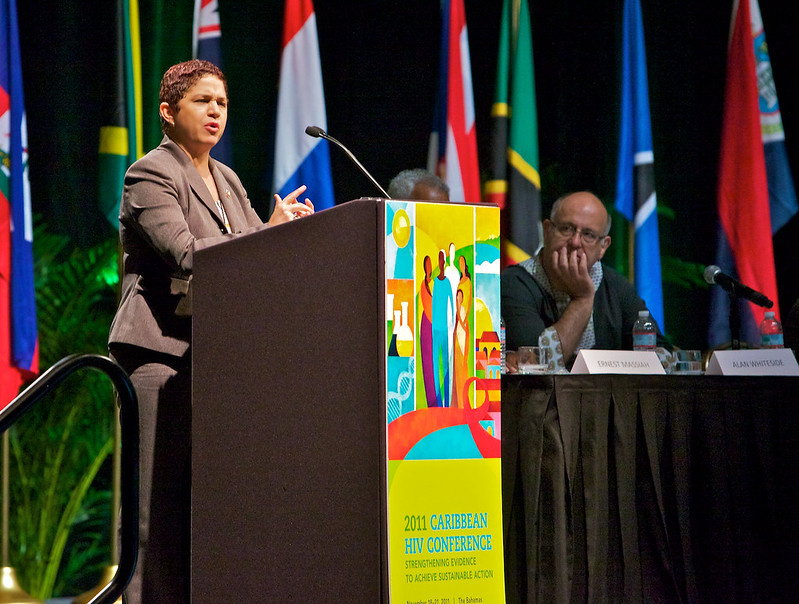
The island’s National Prevention and Control Program most recently created the National HIV/AIDS Policy 2020-2030. The policy places focus on key vulnerable populations at risk of infection. To achieve an end to HIV/AIDS in Trinidad and Tobago by 2030, the National AIDS Co-ordinating Committee (NACC) created objectives that include “universal access to comprehensive HIV prevention services/ programs/ interventions, an increased proportion of the population living with HIV that knows their status, increased coverage of testing, a decreased population that engages in risky sexual behaviors and increased use of technology in HIV prevention.”

UNICEF Support

In 2009, UNICEF brought support to the island’s fight against HIV and AIDS. An educational program “Kicking AIDS Out” began in Speyside by the Trinidad and Tobago Alliance for Sport and Physical Education. This organization uses games and sports to teach youth about the spread and prevention of HIV/AIDS in Trinidad and Tobago. Community members in that area of the country saw firsthand how AIDS can have a swift ripple effect. The increased testing and educated choices in the country’s youth made a noticeable impact on the amount of new HIV infections present within the population.

UNAIDS Regional Data

According to 2022 UNAIDS data, new infections of HIV have reduced by 15% in the Caribbean between 2010 and 2022 with stronger reductions among men. Virus-related deaths have decreased by 53% over the same time, yet are stronger among women. Sixty-three percent of the population living with HIV were on treatment in 2022 and 83% of the population living with HIV knew their status that same year. Antiretroviral therapy coverage increased from 19% to 63% among men since 2010, and from 21% to 74% among women.

Programs in place to prevent HIV transmission rose from 45% to 65%. However, these responses continue to rely on external sources. More than 70% of all available resources are received from international financing. According to UNAIDS, “transitioning to sustainable financing for HIV is crucial to build on the current progress and address the structural factors that limit access to services and increase HIV vulnerability in the region.”

Conclusion

These programs are creating positive change within Caribbean countries and Trinidad and Tobago specifically. By continuing to receive support from organizations such as UNAIDS and UNICEF, Trinidad and Tobago could potentially stop the spread of HIV and AIDS.

– Chloe Landry
Photo: Flickr

March 9, 2024
https://borgenproject.org/wp-content/uploads/borgen-project-logo.svg 0 0 Jennifer Philipp https://borgenproject.org/wp-content/uploads/borgen-project-logo.svg Jennifer Philipp2024-03-09 07:30:532024-03-08 02:31:21HIV/AIDS in Trinidad and Tobago
Global Health, Global Poverty, Mental Health

What To Know about Mental Health in Uzbekistan

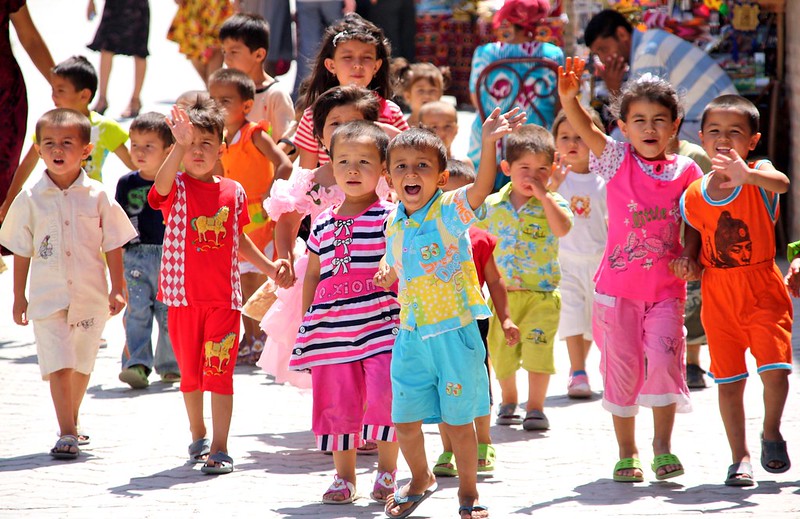
Mental Health in UzbekistanUzbekistan has taken a series of initiatives to address the mental health crisis, which affects one in eight people worldwide, according to the World Health Organization (WHO). Improving mental health in Uzbekistan has the potential to yield an impressive return on investment. The WHO estimates almost half a trillion Uzbekistani sum (UZS) return over the next decade. According to the International Psychiatry country profile, the Uzbek government has already made great strides in tackling the mental health crisis since it became a public health priority in Uzbekistan in November 1998.

Obstacles

Historically, mental health care in Uzbekistan has relied on institutions grappling with understaffing and inadequate funding. These obstacles have resulted in increased rates of mental health issues. This includes a 15% increase in registered mental disorders between 1991 and 2017 and a suicide rate being 8.0 per 100,000 people in 2019, according to WHO.

The journey to implement mental health reforms has been met with challenges. This has included stigmatization and low political support, according to the Central Asian Journal of Global Health. The stigma surrounding mental health is a global issue that hinders people’s ability to seek treatment.

Recent Initiatives

On April 20, 2023, the Uzbek Senate held a meeting to discuss the mental health and well-being of Uzbek youth. During this meeting, the working group for adolescent mental health discussed educational work to address the mental health crisis, bringing thousands of examples of how media can help this.

On June 19, 2023, Uzbek President Shavkat Mirziyoyev signed a decree outlining initiatives to improve the public mental health service. These initiatives include implementing the World Health Organization’s Mental Health Gap Action Programme (mhGAP) and integrating Social Emotional Learning (SEL) into school curriculums.

The Mental Health Gap Action Programme (mhGAP)

mhGAP consists of 48 recommendations that aim to empower nations in confronting the mental health crisis head-on, with a specific focus on addressing neurological, mental and substance abuse disorders. These evidence-based recommendations range from training and intervention strategies to medication guidance.

The training that mhGAP Intervention Guide (mhGAP-IG) provides has been particularly impactful. A 2020 International Journal of Mental Health Systems study revealed this training has the power to boost participants’ knowledge and skills in mental health care despite obstacles such as resistance among staff and lack of financial resources. Since this initiative has only been present in Uzbekistan since 2023, there is not yet a record of its impact. However, past studies paint a promising picture for the future of mental health in Uzbekistan.

Education and Social and Emotional Learning (SEL)

SEL can be a powerful tool in the prevention and early intervention of mental disorders by promoting general mental well-being. It consists of five components: “self-awareness, self-management, social awareness, relationship skills and responsible decision-making.” These pillars not only promote personal development and well-being but also contribute to fostering resilient communities.

A few examples of how this could look in Uzbek classrooms are mindfulness practices or intentionally integrating skills such as cooperation or listening into daily activities, according to Be You. Implementing SEL in secondary schools can reach more youth as a result of Uzbekistan’s recent education reforms.

Other preventative educational initiatives include training sessions and seminars that the Republican Specialized Scientific and Practical Medical Center for Narcology conducted in hundreds of schools aiming to assist students in identifying signs of substance abuse, according to the Uzbek Senate.

Regional Collaboration

Uzbekistan is not alone in the ongoing battle to tackle the mental health crisis. In April 2023, Uzbekistan hosted talks about strengthening mental health care in Central Asian countries through community-led initiatives and partnerships. Further collaborative efforts occurred in October 2023 when Uzbek mental health representatives and professionals joined three other Central Asian countries for a study visit to Trieste, Italy. There, they learned about community-based mental health reform.

Looking Forward

In the ongoing battle against the mental health crisis, Uzbekistan stands alongside fellow Central Asian countries striving to address the issue through evidence-based reforms. With each strategic step, more than 30 million Uzbeks move closer to enhanced mental wellness.

– Madison Paulus
Photo: Flickr

March 9, 2024
https://borgenproject.org/wp-content/uploads/borgen-project-logo.svg 0 0 Jennifer Philipp https://borgenproject.org/wp-content/uploads/borgen-project-logo.svg Jennifer Philipp2024-03-09 07:30:052024-03-08 02:27:09What To Know about Mental Health in Uzbekistan
Global Health, Global Poverty

Niger Eradicates River Blindness

Niger Eradicates River Blindness Onchocerciasis disease, or River Blindness, is a neglected tropical disease (NTD) plaguing Africa for years, thriving among poverty-ridden populations. The Gates Foundation, in partnership with other organizations, is combating this disease by making its medical treatment easily accessible. In 2023, Niger became the first African country to eliminate this disease, marking a significant achievement in public health. Niger eradicates river blindness, setting a precedent for other countries in the fight against NTDs.

River Blindness in Africa

River Blindness is a result of the bites of infected blackflies of the genus Simulium and its symptoms include visual impairment, intense itching, disfiguring skin conditions and permanent blindness. In 2018, onchocerciasis infection was most widespread in central and western Africa. The highest average infection rates at the national level were recorded in Ghana, with a prevalence of 12.2%. Furthermore, other countries with national infection rates exceeding 5% included Cameroon, the Central African Republic, the Democratic Republic of the Congo (DRC), Guinea-Bissau, Sierra Leone and South Sudan.

According to the Reaching the Last Mile Fund (RLMF), 240 million people are at risk of River Blindness and 99% of people infected with Onchocerciasis live in Africa. As stated earlier, Onchocerciasis is an NTD, which is a group of infectious diseases that primarily affect populations in tropical and subtropical regions, often characterized by limited health care access and insufficient attention from the global health community.

Moreover, as an NTD, River Blindness disproportionately affects the poorest populations, compounding the cycle of poverty by hindering access to preventive medicine and basic clinical care. The resulting blindness further limits economic opportunities for affected individuals, perpetuating the challenges faced by these communities. Addressing the complex interplay between health and socioeconomic factors is crucial to breaking this cycle and improving the overall well-being of those impacted by River Blindness.

Eliminating River Blindness in Niger

The primary approach for eradicating River Blindness involves population-based treatment using ivermectin, commonly referred to as mass drug administration (MDA). This strategy aims for a minimum therapeutic coverage of 80%. In regions with high and moderate endemicity (hyper and meso endemic areas), a sustained effort of 12-15 years of annual treatment is necessary to break the transmission cycle, aligning with the lifespan of the adult Onchocerca volvulus parasite.

Additionally, Merck generously donates the drug known as Mectizan®. Remarkably, the World Health Organization (WHO) has officially recognized four countries — Colombia in 2013, Ecuador in 2014, Mexico in 2015 and Guatemala in 2016 — as free from onchocerciasis after they successfully conducted elimination activities for several decades.

Globally, 1.8 million people now reside in areas where mass drug administration for onchocerciasis is no longer required. In 2023, Niger accomplished a significant milestone by becoming the initial African country to successfully halt the transmission of river blindness.

Looking Ahead

Senegal is on track to become the second African country to eliminate Onchocerciasis. Currently, the Gates Foundation collaborates with Reaching the Last Mile and other global partners to eliminate River Blindness and lymphatic filariasis in 39 countries across Africa and Yemen. In addition, this collaborative effort seeks to reduce the number of people needing treatment by 350 million. Niger eradicates river blindness, setting a significant precedent in the global health community’s fight against neglected tropical diseases.

– Lucciana Choueiry
Photo: Flickr

March 8, 2024
https://borgenproject.org/wp-content/uploads/borgen-project-logo.svg 0 0 Precious Sheidu https://borgenproject.org/wp-content/uploads/borgen-project-logo.svg Precious Sheidu2024-03-08 07:30:592024-03-07 01:48:59Niger Eradicates River Blindness
Page 15 of 77«‹1314151617›»

Get Smarter

  • Global Poverty 101
  • Global Poverty… The Good News
  • Global Poverty & U.S. Jobs
  • Global Poverty and National Security
  • Innovative Solutions to Poverty
  • Global Poverty & Aid FAQ’s
Search Search

Take Action

  • Call Congress
  • Email Congress
  • Donate
  • 30 Ways to Help
  • Volunteer Ops
  • Internships
  • Courses & Certificates
  • The Podcast
Borgen Project

“The Borgen Project is an incredible nonprofit organization that is addressing poverty and hunger and working towards ending them.”

-The Huffington Post

Inside The Borgen Project

  • Contact
  • About
  • Financials
  • President
  • Board of Directors
  • Board of Advisors

International Links

  • UK Email Parliament
  • UK Donate
  • Canada Email Parliament

Get Smarter

  • Global Poverty 101
  • Global Poverty… The Good News
  • Global Poverty & U.S. Jobs
  • Global Poverty and National Security
  • Innovative Solutions to Poverty
  • Global Poverty & Aid FAQ’s

Ways to Help

  • Call Congress
  • Email Congress
  • Donate
  • 30 Ways to Help
  • Volunteer Ops
  • Internships
  • Courses & Certificates
  • The Podcast
Scroll to top Scroll to top Scroll to top