• Link to X
  • Link to Facebook
  • Link to Instagram
  • Link to TikTok
  • Link to Youtube
  • About
    • About Us
      • President
      • Board of Directors
      • Board of Advisors
      • Financials
      • Our Methodology
      • Success Tracker
      • Contact
  • Act Now
    • 30 Ways to Help
      • Email Congress
      • Call Congress
      • Volunteer
      • Courses & Certificates
      • Be a Donor
    • Internships
      • In-Office Internships
      • Remote Internships
    • Legislation
      • Politics 101
  • The Blog
  • The Podcast
  • Magazine
  • Donate
  • Click to open the search input field Click to open the search input field Search
  • Menu Menu

Archive for category: Advocacy

Information and news on advocacy.

Africa, Global Health, Global Poverty

Clean Water Water Accessibility in Gabon

Clean Water Accessibility in the Cities of Gabon Gabon, a Central African nation, faces significant challenges in water accessibility despite its abundant natural resources. This disparity underscores the broader issues associated with urbanization, where a third of Gabon’s population resides in Libreville, leading to intense competition for resources, higher living costs and lower wages. Inefficiencies in water treatment infrastructure restrict widespread access, contributing to the 39.2% of Gabonese living below the poverty threshold.

Water Access Disparity and Infrastructure Development

Urbanization in Gabon, driven by superior infrastructure and facilities, manifests starkly in Libreville where more than 97% of residents have access to clean water. In contrast, less than 55% of the rural population enjoys similar access. Despite its wealth in water resources, with seven rivers and a potential annual water resource of 170 billion cubic meters, Gabon struggles with water accessibility. The per capita annual water resource stands at a high of 127,825 cubic meters. The core issue lies in inadequate water treatment infrastructure, which fails to distribute these abundant resources effectively to the Gabonese people.

The Role of the African Development Bank

In 2018, the African Development Bank allocated UA 96.95 million to tackle Gabon’s water issues, leading to the 2019 launch of the Integrated Drinking Water Supply and Sanitation Program. Now nearing completion, the program has refurbished the water networks and the hydraulic equipment and booster station at the SOTEGA water tower in Libreville. It also upgraded the Nzeng-Bourg water tower. New water towers in Ntoum and Bikele, along with 39 drinking fountains, mark further progress. Additionally, the installation of new water pipes and a new pumping station has improved water access in the cities of Nzeng-Ayong, Montalier, Ondogo, Alibadeng, Haut de Gue Gue and Bas de Gue Gue.

Economic and Social Impact

The Integrated Drinking Water Supply and Sanitation Program has significantly enhanced water accessibility in the cities of the Estuaire province, including Libreville, encouraging migration from the overcrowded capital to nearby cities. Set for completion by June 30, 2024, the program has already expanded water access to more than 20,000 residents. Improved water access in these cities is expected to attract investors, potentially spurring job creation and offering residents opportunities to break free from the cycle of poverty. This initiative not only aims to improve living conditions but also to foster economic development through enhanced water resource management, aligning with global efforts to ensure sustainable access to clean water for all.

Looking Ahead

Gabon is poised to make significant strides in bridging the water accessibility gap between urban and rural areas. With continued investments and the successful implementation of infrastructure projects, more communities could gain reliable access to clean water. This advancement could catalyze socioeconomic development, creating new employment opportunities and improved public health. Moreover, as the country moves toward more equitable water distribution, the potential for economic growth and poverty reduction increases. These ongoing efforts underscore Gabon’s commitment to sustainable development and enhancing the quality of life for all its citizens.

– Hafsa Dijoo

Hafsa is based in Sharjah, UAE and focuses on Good News for The Borgen Project.

Photo: Unsplash

May 21, 2024
https://borgenproject.org/wp-content/uploads/borgen-project-logo.svg 0 0 Precious Sheidu https://borgenproject.org/wp-content/uploads/borgen-project-logo.svg Precious Sheidu2024-05-21 07:30:132024-05-21 01:19:02Clean Water Water Accessibility in Gabon
Global Health, Global Poverty, HIV/AIDS

HIV/AIDS in Rwanda

HIV/AIDS in Rwanda The AIDS epidemic began in the early 1980s and has since become one of the world’s most difficult and devastating health hurdles to overcome. Due to the quick rise of HIV/AIDS in Rwanda, there was poor public understanding of how the disease spread, causing misinformation and fear. In Rwanda, before the turn of the century, there was little awareness of the dangers of HIV/AIDS and no prevention of mother-to-child transmission. From around 1996 to 1998, cases of HIV in the country peaked, only exacerbating the already permeating stigma and misinformation associated with the disease. Since 2005, however, rates of HIV/AIDS in Rwanda have relatively stabilized due to the persistent efforts of the Ministry of Health in Rwanda and international organizations.

Rwandan Ministry of Health Initiatives

The Ministry of Health combats the stigma surrounding HIV/AIDS by updating its HIV guidelines every two years to curb the spread of misinformation, the World Health Organization (WHO) reports. Furthermore, it promotes age-specific counseling and medical training to help patients who have contracted the disease. Their media campaigns like “STOP SIDA” have also spread awareness for HIV prevention and treatment. The Ministry has increased its HIV testing efforts to catch the disease earlier. Consequently, new HIV infections have decreased by 56% over the last 15 years, according to WHO.

United States Support

The United States President’s Emergency Plan for AIDS Relief (PEPFAR) is just one program that provides medical aid to combat HIV/AIDS in Rwanda. PEPFAR supports more than 50 countries around the world to prevent HIV infections and control the pandemic. Both PEPFAR and the Center for Disease Control and Prevention (CDC) partner with the Rwandan Ministry of Health in their efforts against the spread of HIV/AIDS. This has proven quite effective and the life expectancy of those with HIV who receive treatment has increased by more than 25 years as a result. Of approximately 250,000 infected persons in Rwanda, around 210,000 of them are actively being treated for HIV, a great increase from the 1990s when there was little awareness of the disease at all.

United Nations’ Efforts

The United Nations began the Joint United Nations Programme on HIV/AIDS (UNAIDS) in 1996 to fight AIDS around the world. In Rwanda, UNAIDS has expanded HIV testing services to 99% of the country’s health facilities and prioritized prevention. The program also encourages outreach in communities with high rates of HIV infections. Moreover, UNAIDS implemented the 90-90-90 target as its goal for 2020, which consisted of diagnosing 90% of all people infected by HIV, 90% of those diagnosed beginning antiretroviral therapy (ARV) and 90% of those on ARVs having fully suppressed viral load.

The Present Day

A 2018/2019 study found that HIV among adults in Rwanda was as low as 3%. Research also revealed lower rates of HIV in younger generations than their older counterparts, indicating successful prevention measures in the country. With a negative trend in cases of HIV, it is clear the efforts against HIV/AIDS in Rwanda have proven successful and will continue to decline over time.

– Hannah Hipólito

Hannah is based in Tampa, FL, USA and focuses on Good News and Politics for The Borgen Project.

Photo: Flickr

May 12, 2024
https://borgenproject.org/wp-content/uploads/borgen-project-logo.svg 0 0 Jennifer Philipp https://borgenproject.org/wp-content/uploads/borgen-project-logo.svg Jennifer Philipp2024-05-12 07:30:332024-05-12 01:53:31HIV/AIDS in Rwanda
Global Health, Global Poverty, Health

Traditional Health Systems Combatting Poverty

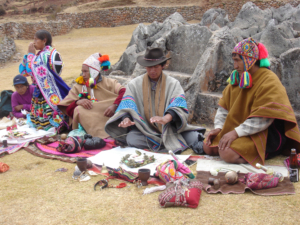
ntegrating Traditional Health Systems: Innovative Pathways to Combating PovertyDifferent conventional systems exist worldwide, from herbal and Indigenous traditional medicine to acupuncture and naturopathy. Traditional Health Systems (THS) are defined by the World Health Organization (WHO) as the “sum total of the knowledge, skill and practices based on the theories, beliefs and experiences indigenous to different cultures, whether explicable or not, used in the maintenance of health as well as in the prevention, diagnosis, improvement or treatment of physical and mental illness.”

Despite their global prevalence and influence on Western medicine, THS has constantly been ignored and uncredited by government-recognized health systems in the era of globalization. However, with escalating health care costs, chronic pain and illness and lack of opportunity for thorough examinations and one-to-one medical attention, interest in traditional health systems and their integration into primary health care has had a resurgence as an innovative path towards poverty reduction and increased affordable public health.

Health Promotion and Poverty Reduction 

There is no question that poverty and ill health are mutually reinforcing forces. Two kinds of poverty exist: Expense-induced poverty and income-induced poverty. The former is caused by sudden events such as diseases or medical emergencies. Moreover, “catastrophic health expenditure” refers to health care costs exceeding a certain percentage of a household’s income. Therefore, the risk of ailment involves much uncertainty, which can negatively impact capital.

Roughly half of the population in developing countries lacks adequate access to public health services. Despite this shortfall, many nations have rich traditions of indigenous medicine deeply intertwined with their history and culture. In regions where conventional health care is scarce, local traditional medicine often serves as a primary form of health care, highlighting its enduring cultural and social significance in addressing community health needs. THS, therefore, brings a ray of hope filled with indigenous knowledge and traditional ways of life to rural populations and low-income peoples across the globe.

Bringing Traditional Health Systems Back to the Forefront

While the Modern Western medicine (MWM) approach is rooted in pure scientific inquiry and evidence, focusing on treating the symptoms of a disease, THS tends to have a more holistic, integrative understanding of the body. It encapsulates knowledge, practices and beliefs acquired over generations to prevent, diagnose and treat physical and mental illness.

Fortunately, with traditional health medicines prevalent in most countries, the WHO has acknowledged their importance and groundbreaking potential contribution to enhancing modern health practices and systems. According to WHO’s Traditional Medicine Strategy Report (2014-2023), the integration of THS can help pave the way to achieve groundbreaking health coverage. They aid and overcome existing barriers faced by the accessibility of health care services -whether this is geographical, cultural, or organizational- and its lack of “patient-centredness.”

– Irene Suvillaga

Irene is based in Ontario, Canada and focuses on Technology and Solutions and Global Health for The Borgen Project

Photo: Flickr

May 11, 2024
https://borgenproject.org/wp-content/uploads/borgen-project-logo.svg 0 0 Lynsey 2 https://borgenproject.org/wp-content/uploads/borgen-project-logo.svg Lynsey 22024-05-11 07:30:072024-05-11 02:27:54Traditional Health Systems Combatting Poverty
Global Health, Global Poverty

3 Health Care Charities In Venezuela

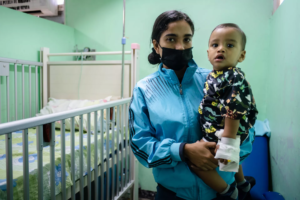
Health Care Charities In VenezuelaVenezuela, a country in South America, has been dealing with economic and democratic instability, which has led to millions of Venezuelans emigrating to neighboring countries. Consequently, there has been a significant reduction in trained professionals such as doctors and nurses, as well as inadequate funding for basic public health necessities. In fact, eight out of 10 Venezuelans do not have sustainable access to sanitation facilities and safe drinking water. However, issues that many Venezuelans face on a day-to-day basis are being combatted with the help of these three health care charities in Venezuela that provide efficient and life-changing care in the country.

Healing Venezuela

Healing Venezuela became a registered nongovernmental organization (NGO) in 2016 and provided several sustainable health care programs to help all sectors of society. Due to Venezuela’s current medical instability, Healing Venezuela has provided an allowance and sponsored junior doctors working in seven different hospitals around the country. This helps cover junior doctors’ expenses and makes it easier to see their patients without financial burdens.

In 2023 alone, up to 100 junior doctors were sponsored, which contributed toward the treatment of more than 120,000 Venezuelan patients. Helping Venezuela also advocates for women’s reproductive health by offering free contraceptive and sexual health devices to women as well as training doctors to specialize and perform portable ultrasounds in state hospitals. The initiative aims to improve the medical space in Venezuela by supporting and training doctors to help patients in need who are facing limited medical resources.

Cuatro Por Venezuela Foundation

Another one of the health care charities in Venezuela making a difference is Cuatro Por Venezuela. This foundation, formed in 2016, works and partners alongside other existing organizations to reach the needs of people in Venezuela by developing programs and sharing resources. The Cuatro Por Venezuela Foundation partnered with another organization in order to provide sustainable medication for Venezuelans who have epilepsy but do not have access to adequate treatment.

In 2021, up to 622 patients received seizure medication for the whole year in six areas in Venezuela. The foundation also has an ongoing program that gives children in rural areas three nutritious meals a day. Between 2021 and 2022, the organization provided 75,300 meals to people in the village of Camblanche in Eastern Venezuela, helping 60 children and 420 family members in the rural community.

Mercy Corps

Mercy Corps is a global group of humanitarians who all share the aim to “alleviate suffering, poverty and oppression by helping people build secure, productive and just communities.” This humanitarian team has been working in Venezuela since 2018 and has made considerable efforts to support hospitals by donating important medical equipment. In fact, in 2022, Mercy Corps donated more than 50,000 items, such as syringes and surgical gloves.

Currently, there has been a rise in maternal and infant mortality rates, whereby nine out of 10 pregnant women in Venezuela lack access to medical care. In response, Mercy Corps encourages qualified specialists such as doctors and nurses to stay and work in Venezuelan state hospitals, particularly neonatal intensive care units, by offering financial incentives. Mercy Corps proves to be effective in its aim to “alleviate suffering” by expanding medical access to many in Venezuela.

– Zaynab Yusuf

Zaynab is based in London, UK and focuses on Global Health for The Borgen Project.

Photo: UNICEF

May 10, 2024
https://borgenproject.org/wp-content/uploads/borgen-project-logo.svg 0 0 Lynsey 2 https://borgenproject.org/wp-content/uploads/borgen-project-logo.svg Lynsey 22024-05-10 01:30:122024-05-10 00:46:353 Health Care Charities In Venezuela
Disease, Global Health, Global Poverty

The New Innovative Meningitis Vaccine in Nigeria

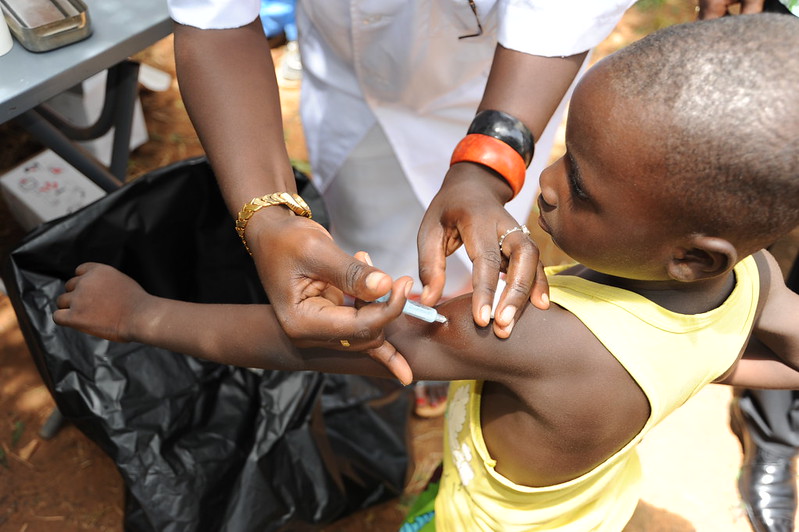
The New Innovative Meningitis Vaccine in NigeriaNigeria has the highest meningitis death rate among African countries. The most severe outbreaks typically occur in March and April, when intensified heat and airborne dirt contribute to the disease’s spread. To combat this, Nigeria has introduced an innovative meningitis vaccine to the public in a historic move. This vaccine promises to be more effective in eliminating meningitis and has the potential to significantly improve the lives of many Nigerians.

This achievement in Nigeria aligns with the World Health Organization’s (WHO) “Defeating Meningitis by 2030: A Global Road Map.” This strategy aims to eradicate meningitis outbreaks, reduce the mortality rate from the disease and improve the well-being of those recovering from meningitis.

Meningitis

Meningitis, a fatal illness, causes swelling of the membranes around the spine and brain. Various viruses, parasites and microbes can cause this disease. Bacterial meningitis, the most severe form, can be fatal within 24 hours of infection. It currently poses a significant threat to global health. Approximately one in six individuals who contract bacterial meningitis die and one in five survivors sustain a permanent disability after treatment.

Meningitis Challenge in Nigeria

Sub-Saharan Africa is described as the African Meningitis Belt, as this area is most prone to meningitis. Approximately 30,000 diagnoses are documented in the region annually.

Nigeria, located in the African Meningitis Belt, is highly susceptible to meningitis. Reports indicate that between Oct. 1, 2023 and March 11, 2024, there were 1,742 suspected meningitis cases in Nigeria, resulting in 153 deaths and 101 confirmed cases of the disease.

Introduction of the Men5CV Vaccine

Nigeria has become the first country to implement the Men5CV vaccine to combat meningitis, effectively protecting against the five meningococcal bacteria types—A, C, W, Y and X. This vaccine is a significant improvement over its predecessor, which only offered protection against strain A.

The WHO is assisting Nigeria with the rollout of the Men5CV vaccine for meningitis, including training health providers. The organization anticipates that this vaccine will significantly reduce the rate of meningitis diagnoses and support efforts to eventually eliminate the disease, especially in countries within the African Meningitis Belt. Projections suggest extensive advertising campaigns for the Men5CV vaccine throughout the African Meningitis Belt by 2025.

The Men5CV vaccine could help Nigerians avoid falling into poverty. Treating meningitis can cost a family three to four months of income, potentially pushing them into poverty due to the financial burden. Additionally, long-term effects of meningitis, such as deafness, can make it challenging to secure employment. Therefore, the Men5CV vaccine might reduce the economic impact of treating meningitis.

Optimism For The Future

In response to Nigeria’s significant progress, world leaders will convene at a global conference in Paris in April 2024. They celebrated Nigeria’s advancements and discussed future challenges. The conference will also provide an opportunity for other world leaders to commit to accelerating efforts to eradicate meningitis as a global issue by 2030.

The introduction of the Men5CV vaccine in Nigeria marks a pivotal advance toward eradicating meningitis globally. Dr. Nanthalile Mugala, PATH’s Chief of Africa Region, stated, “The introduction of MenFive [the “Men5CV vaccine”] in Nigeria heralds a transformative era in the fight against meningococcal meningitis in Africa. Building on the legacy of previous vaccination efforts, this milestone reflects over a decade of unwavering, innovative partnerships. The promise of MenFive [the “Men5CV vaccine”] lies not just in its immediate impact but in the countless lives it stands to protect in the years to come, moving us closer to a future free from the threat of this disease.”

– James McAlinden

James is based in Rosehearty, Scotland and focuses on Global Health for The Borgen Project.

Photo: Flickr

May 6, 2024
https://borgenproject.org/wp-content/uploads/borgen-project-logo.svg 0 0 Precious Sheidu https://borgenproject.org/wp-content/uploads/borgen-project-logo.svg Precious Sheidu2024-05-06 01:30:372024-05-30 22:32:55The New Innovative Meningitis Vaccine in Nigeria
Advocacy, Developing Countries, Global Poverty

Brazil’s Sound: Samba Music and Social Justice

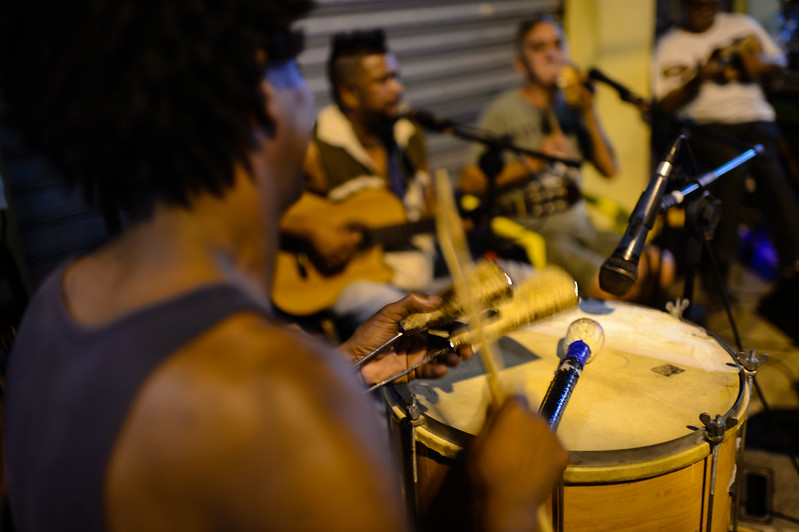
Social JusticeSamba music is a staple of Brazil’s urban culture, from influences found in African drum patterns brought over by enslaved people to the now world-famous Brazilian carnival. This style of music provides communities with opportunities for bonding and culture away from poverty. In recent years, communities brought together by Samba music have also become advocates for social justice. Amid Brazil’s political turmoil during the Bolsonaro years, jam sessions became both moments of release and powerful meeting points in favor of social justice.

A Brief History of Samba Music

Samba Music originates from drum patterns transported across the Atlantic by enslaved people taken from their homeland to work on the Brazilian plantations. Originally, the word Samba is thought to derive from the Kimbundu term “Semba” loosely translatable as “invitation to dance” or designating the informal parties held by slaves in Rio’s rural areas. In the early 20th century, following the abolition of slavery in 1888, Samba grew in popularity and enriched its tradition through exposure to other genres of popular music also brought to Brazil by immigration. German polka or Cuban Habanera brought song structure and lyrics to the rhythmic form leading to an early style of Samba popular among Brazil’s aristocracy, pairing slower tempos with melancholic and romantic lyrics.

However, it was during the ’50s in the favelas that Samba took on its most popular shape. In these poor urban areas, faster rhythms were oriented toward communal events like the Carnival, where bands of musicians would rehearse all year round to perform at the event. During the 50s, Brazil saw its music export grow considerably, with the likes of Gilberto and Jobin popularising Bossa Nova in cooperation with American jazz musicians. With the now world-renowned fame of the genre, urban populations have incorporated other styles of music into Samba, such as jungle drum patterns. Its strong association with the Carnival and urban popular culture pairs samba music and social justice deep within its roots.

Samba Music and Social Justice

As a style of music popular at its chore, the popularity of Samba intertwined its development with social justice struggles in the country. In the ’30s, during the dictatorship of General Getulio, Samba music offered a rallying crowd where protesters could mask socially engaged lyrics within the music and avoid censorship. This trend continued during the military dictatorship of the ’60s and ’70s. Carnivals offered moments of reversals of social structures, allowing a release for much of the grievances built out of social inequality and income disparity.

The music also grew as a tool for affirmation and protestation against racial injustices plaguing the country. The 1988 Carnival theme “One Hundred Years of Freedom: Reality or Illusion” asked burning questions amid the celebration of the 100 years of slavery’s abolition. The harsh conditions in urban slums were highlighted, pegging the question of true social evolution since the abolition of slavery.

Samba Music and Social Justice Today

Today, much of Brazil’s poverty remains urban. The United Nations (U.N.) reports that 72% of the country’s poor live in urban areas, with rates of informal settlements climbing as high as 22.15% in Rio de Janeiro and 54.47% in Belèm. Those tough circumstances are further reinforced by high rates of criminality in poor urban areas and high rates of inequalities across the country; Brazil clocks in as one of the most unequal countries in the world. Samba music in these underprivileged areas offers moments of community cohesion and peace.

Different institutions, such as the Renaissance Club in Rio de Janeiro, became a stronghold for social justice protests and community-led actions. Upholding, at its root, both the Afro-Brazilian roots of the music style and the historically underprivileged positions occupied in society as part of the same fight. Amid the COVID-19 crisis and the high death toll that struck poor urban communities hard, the Renaissance Club was a place in which the grievances of the community could be expressed through music and raise voices of social equality across race and economic backgrounds. The Club shows that samba music and social justice are still interlinked both by their heritage and current issues.

– Felix Stephens

Felix is based in London, UK and focuses on Business and New Markets and Politics for The Borgen Project.

Photo: Flickr

May 4, 2024
https://borgenproject.org/wp-content/uploads/borgen-project-logo.svg 0 0 Lynsey 2 https://borgenproject.org/wp-content/uploads/borgen-project-logo.svg Lynsey 22024-05-04 07:30:462024-05-04 00:31:20Brazil’s Sound: Samba Music and Social Justice
Global Health, Global Poverty

Unaffordable Medical Care in Nigeria

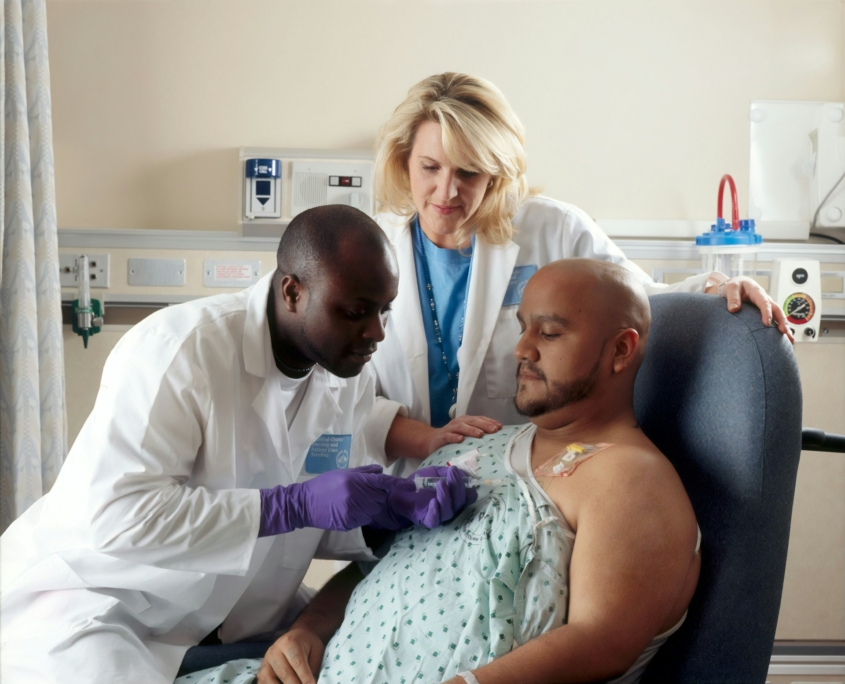
Unaffordable Medical Care in Nigeria: A Barrier to Accessing Treatment The cost of medical care in Nigeria is rising due to the ongoing economic downturn and a decline in living standards. While the average Nigerian cares about their health, their ability to access affordable medical care limits their options for proper medical attention.
The Nigerian Health Sector in Numbers

The Nigerian government’s investment in health care is minimal compared to the sector’s needs. From 2007 to 2020, Nigeria allocated an average of only 3% of its GDP to health care. As a result, most Nigerians must pay for medical care out-of-pocket, receiving little to no government support to make health care affordable.

An average Nigerian household spends up to 6% of its income on health care, with estimates even higher in rural areas. Most households, falling within the lower-income range, lack insurance coverage. This situation often forces many to self-medicate or delay seeking medical care until their condition worsens, potentially leading to death or severe financial strain due to medical complications. This underscores the severity of unaffordable medical care in Nigeria. More than 50% of Nigerian households risk falling into dire financial positions after a catastrophic health event.

The Reality of The Nigerian Health Sector

The Borgen Project spoke with a source, a medical doctor working at a state hospital in Ondo State, Nigeria, who chose to remain anonymous due to the sensitive nature of their work and their position. The source noted that “it only costs N1,000 to open a folder and meet with a doctor for consultation.” They added that “even though most people are aware of their medical needs and close to 50% of people come in early enough for medical attention, the problem lies with when further investigation is required or drugs are prescribed as inflation makes them unaffordable.”

Being a state hospital does not reduce the cost of medical investigations or medications; affordability stops at the consultation fee. The source stated “Doctors try their best to attend to patients who cannot afford medical care by treating them blindly and it helps if the clinical symptoms are clear. Other than that, there is little doctors can do to help.”

Challenges and Cost of Medication

Civil servants benefit from health insurance that covers free medication after consulting a doctor. However, they often encounter issues as many prescribed medications are unavailable for dispensing. Consequently, many must purchase their medication elsewhere, paying out of pocket without any expectation of reimbursement.

This indicates that unaffordable medical care in Nigeria is widespread, extending beyond access to affordable hospitals to include affordable medications. Even those with health insurance must pay the full price for medications, leaving them no better off than uninsured individuals who cannot afford medications.

In both public and private hospitals in Nigeria, advance payment is mandatory before any consultation or medical care. For instance, at Lagos University Teaching Hospital (LUTH) in the metropolitan city of Lagos, upfront payments range from N15,000 to N50,000 in the children’s ward and at least N100,000 in the ICU. Additionally, tests, which often number around three per case, cost between N1,500 and N20,000 each.

National Efforts to Mitigate Medical Care Costs

Various NGOs have developed programs to address unaffordable medical care in Nigeria. One notable example is the Nigerian Health Care Foundation (NHF), which aims to provide support and conduct medical services throughout the country.

NHF runs several programs to reduce unaffordable medical care in Nigeria. A key initiative is the Medical Mission Program, which aims to improve the health and social welfare of Nigerians. The foundation conducts two-week medical missions nationwide, serving an average of 400 patients daily, 95% of whom come from remote areas with limited or costly access to medical care. Additionally, NHF operates the Nigeria Smiles Campaign year-round, collecting medical, hygiene and school supplies to distribute to patients at temporary clinics across the country.

Local NGO Initiatives

The Centre for the Right to Health (CRH) is an NGO committed to creating a Nigeria where quality health care is available, affordable and accessible to every citizen. During World Immunization Week and World Malaria Day in 2024, CRH visited rural communities to test and educate residents about combating malaria and other diseases. This initiative is part of the organization’s effort to reduce unaffordable medical care in Nigeria and ensure equitable health access for all.

International Contributions to Health Care

International NGOs such as Médecins Sans Frontières (MSF), also known as Doctors Without Borders, have played a significant role in reducing unaffordable medical care in Nigeria. Since 1971, MSF has provided emergency medical aid and addressed major health crises in the country. It operates hospitals and clinics offering free health care services, especially in conflict-affected areas where many cannot afford proper medical care.

MSF supports the Noma Children’s Hospital in Sokoto, Nigeria, targeting noma—a disease primarily affecting children under 6 with weakened immune systems due to malnutrition and limited access to medical care. Those afflicted typically require acute medical care and reconstructive surgery. Besides surgery, MSF offers physiotherapy, nutritional and mental health support and conducts outreach to enhance early detection. In 2021, MSF performed 105 surgical interventions for individuals who otherwise could not afford surgery.

Looking Forward

The efforts of organizations like NHF and CRH, supported by international groups like Médecins Sans Frontières, are crucial in bridging the gap in health equity in Nigeria. These initiatives promise not only immediate relief but also long-term improvements in health care access and affordability for all Nigerians.

– Olusegun Odejobi

Olusegun is based in Norwich, UK and focuses on Global Health for The Borgen Project.

Photo: Flickr

May 4, 2024
https://borgenproject.org/wp-content/uploads/borgen-project-logo.svg 0 0 Precious Sheidu https://borgenproject.org/wp-content/uploads/borgen-project-logo.svg Precious Sheidu2024-05-04 01:30:132024-05-04 00:26:42Unaffordable Medical Care in Nigeria
Charity, Global Health, Global Poverty

Hank Green and Hodgkin Lymphoma

Hank Green and Hodgkin LymphomaHank Green, a science communicator, internet sensation, and advocate for authentic self-expression, recently underwent treatment for Hodgkin lymphoma. He not only faced his diagnosis publicly but also used the opportunity to educate others about inequitable cancer care. Additionally, he designed some whimsical cancer-themed socks.

Hodgkin Lymphoma

Hodgkin lymphoma, a type of blood cancer that develops in the lymphatic system, often leads to swollen lymph nodes. According to the National Health Service (NHS), this disease mainly affects people older than 75 and those between 20 and 40 years old. It is relatively uncommon in the United Kingdom (U.K.), with more than 2,000 new cases each year. However, it is relatively easy to treat; 80% of those diagnosed survive for more than five years after diagnosis.

Early diagnosis is important for all types of cancer, as it means that the cancers are less developed, are more likely to respond to treatments and require patients to have fewer treatments overall.

Inequitable Cancer Care

Treatment for Hodgkin’s Lymphoma is relatively inexpensive and accessible. However, these treatments are less available in countries with less robust health care systems. According to the American Cancer Society, “no screening rest has been shown to lower the risk of dying from [it].” This makes diagnosis challenging, as the most accurate method for detecting Hodgkin lymphoma is through a biopsy, which involves taking a tissue sample from a swollen lymph node and requires specialized care.

Cancer Socks

In response to his treatment and the global state of cancer care, Hank Green collaborated with Partners in Health (PIH) to design a set of interchangeable cancer socks. He directs 100% of the profits from this project toward making cancer care more equitable.

Mondeh Mansaray

Hank Green’s brother, John Green, visited Sierra Leone in 2019 as part of their joint work with PIH. During his visit, he encountered Mondeh, who had been incorrectly diagnosed with tuberculosis. The lack of diagnostic equipment in Sierra Leone — no MRI machines, CT scanners or even X-ray machines — prevented an accurate diagnosis. Four years later, a PIH doctor suspected Hodgkin lymphoma, enabling Mondeh to travel to the capital city for a biopsy. Despite the new diagnosis, Mondeh lacked access to the necessary IV chemotherapy in Sierra Leone and had to travel to Butaro Cancer Hospital in Rwanda for effective treatment.

Partners in Health

PIH financially supports families like Mondeh’s, making otherwise inaccessible treatments available. By strengthening health care systems and training community health workers—individuals passionate about improving their communities—PIH saves lives. Due to this organization, more than 3,000 people per year receive cancer care they would otherwise not access. This support is crucial because funding for cancer care globally does not align evenly with the cancer burden.

The organization does more than provide care; it integrates communities into the health care system’s development. For instance, at the Butaro Cancer Centre of Excellence, women held 30% of the construction jobs created in the local economy. Additionally, local stakeholders participated actively, assembling much of the furnishings on-site using locally sourced materials.

PIH operates in 11 countries, but its influence extends far beyond, as evidenced by Mondeh’s cancer treatment. The organization engages in on-the-ground treatment, advocacy and research, aiming to disseminate knowledge to practitioners worldwide.

Looking Forward

The collaborative efforts of influencers like Hank Green and organizations such as Partners in Health are pivotal in transforming the global landscape of cancer care. Their dedication to equity in health care continues to illuminate paths to improved access and treatment for all, regardless of geographic or economic barriers.

– Rachael Denton-Snape

Rachael is based in High Wycombe, UK and focuses on Global Health and Celebs for The Borgen Project.

Photo: Unsplash

April 29, 2024
https://borgenproject.org/wp-content/uploads/borgen-project-logo.svg 0 0 Precious Sheidu https://borgenproject.org/wp-content/uploads/borgen-project-logo.svg Precious Sheidu2024-04-29 07:30:142024-12-13 18:03:10Hank Green and Hodgkin Lymphoma
Global Health, Global Poverty, WHO

Neglected Tropical Diseases in Yemen

Neglected Tropical Diseases in Yemen Amid the civil conflict in Yemen, neglected tropical diseases such as dengue, leishmaniasis and schistosomiasis are severely impacting citizens and challenging the country’s public health sector. For a time, these diseases became prevalent across Yemen. Fortunately, interventions by international NGOs, including the World Health Organization (WHO) and the Drugs for Neglected Diseases initiative (DNDi), have been instrumental in curbing the spread of these diseases.

Dengue in Yemen

Dengue fever has significantly impacted Yemen, particularly over the past decade, with major outbreaks occurring in 2015 and 2019. Efforts to control the disease’s spread among Yemen’s conflict-affected population have been ongoing. In 2015 alone, Yemen experienced an unprecedented surge in dengue cases, with more than 6,777 suspected instances reported.

In 2019, Yemen reported 76,768 suspected dengue cases and 271 deaths, with 71% of all cases occurring in the Al Hodeidah region. This region alone recorded 5,524 cases and 11 deaths in the first month of 2019. Following the 2019 outbreak, the number of suspected dengue cases in 2020 surged to seven times the figures from 2019 and six times those from 2018.

Leishmaniasis

Leishmaniasis remains another neglected tropical disease in Yemen, which reports some of the highest case numbers worldwide. It is particularly prevalent in rural areas, with about 4,440 cases recorded in 2019. A 2023 study found that 33% of participants had active skin lesions or scars meeting the clinical criteria for leishmaniasis and 14.7% displayed suspected active lesions. The study confirmed a high prevalence of leishmaniasis in Yemen.

Schistosomiasis

Schistosomiasis remains a critical but neglected tropical disease in Yemen that urgently requires attention. In 2013, it was identified as the second leading cause of death after malaria, with an estimated 3 million cases. As of 2021, a survey revealed that the disease continues to affect a significant portion of the population. However, the risk of contracting schistosomiasis has decreased from one in five residents to fewer than one in 15.

Efforts of WHO and DNDi Programs

International organizations such as the WHO have long worked to address neglected diseases in Yemen. The WHO runs an elimination program for schistosomiasis and a control program for cutaneous leishmaniasis. These programs provide guidelines for case management, treatment, and mass drug administration, where appropriate, aiming to eradicate these neglected tropical diseases in Yemen.

The DNDi, a nonprofit organization, develops new treatments for neglected tropical diseases that primarily affect impoverished populations. It continues to research how to produce effective drugs and vaccines to treat and prevent neglected tropical diseases globally, with Yemen among the potential beneficiaries.

The ongoing conflict and humanitarian crisis in Yemen pose significant challenges to implementing and advancing programs for neglected tropical diseases. Despite these obstacles, WHO, in collaboration with local partners, continues to prioritize and support efforts to combat these diseases in the country.

Looking Forward

The combined efforts of WHO and DNDi are setting a hopeful trajectory toward mitigating neglected tropical diseases in Yemen. The innovative health strategies hold promise for improving the lives of Yemen’s most vulnerable populations.

– Olusegun Odejobi

Olusegun is based in Norwich, UK and focuses on Global Health for The Borgen Project.

Photo: Flickr

April 19, 2024
https://borgenproject.org/wp-content/uploads/borgen-project-logo.svg 0 0 Precious Sheidu https://borgenproject.org/wp-content/uploads/borgen-project-logo.svg Precious Sheidu2024-04-19 01:30:012024-04-18 05:19:13Neglected Tropical Diseases in Yemen
Global Health, Global Poverty, Water Sanitation

International Innovation: The Eradication of Water Poverty

International Innovation: The Eradication of Water PovertyWater is essential for all life on Earth. According to the United Nations (U.N.), 2.2 billion people worldwide live without access to safe drinking water. This challenge has persisted throughout human history, but the end of water poverty may be on the horizon.

Access to Clean Water

Innovative technology has solved numerous challenges, including providing drinkable water for many in the developed world. However, these innovations have not been evenly distributed, leaving many in the developing world to contend with dirty water as a health concern.

The United Nations Trade and Development (UNCTAD) department reports that 5.4 billion people lack access to well-managed water sanitation services or infrastructure. The department highlights the potential of cutting-edge technology to aid in the fight against water poverty significantly.

Harnessing New Technologies

AI and the Internet of Things, a network of interconnected objects that communicate through sensors and signals, aid in enhancing water supply infrastructure. Along with these advances, other readily deployable technologies increase the amount of usable water available to people. For instance, the Ecoloo is a portable toilet that reduces the water required for flushing and treats the water to make it suitable for agricultural use.

The Moroccan Fog Catchers and other Innovations

A simple yet effective innovation, the Moroccan Fog Catchers, allows people to collect clean, usable water with minimal expertise. This invention consists of large sheets of netted material that capture fog and dew in mountainous areas. For years, rural communities have used these devices to collect fresh water for drinking, washing and agriculture.

Swiss Fresh Water, a new start-up company, is also making significant strides in addressing water scarcity with innovative, sustainable technology. Its systems convert brackish and sea water into drinkable water, powered by renewable energy sources like solar panels. This approach not only provides fresh water to communities in need but also reduces environmental impact. Early results are promising, with installations in several remote areas demonstrating both the effectiveness and reliability of the technology in diverse conditions. Currently, the initiative provides more than 35,000 people access to drinking water.

The Canadian charity Fog Quest is another initiative that is actively building and maintaining fog collectors to support local populations.

Global Partnerships

The UNCTAD emphasizes the importance of global partnerships, stating, “Global partnerships are crucial not only to support access to Science, Technology and Innovation (STI) but also to enhance knowledge-sharing that fosters the scaling up of good practices domestically and internationally.” This call to action was underscored at the 26th annual UNCTAD conference, where nations worldwide proposed innovative solutions to the pervasive water crisis. The proposed solutions at the 2023 UNCTAD conference exemplify how such teamwork can pave the way to eradicating water poverty in the future.

Looking Forward

The commitment to harnessing new technologies and strengthening global partnerships heralds a promising future in the battle against water poverty. Innovations like AI and the Internet of Things are poised to unlock new sources and improve water management. As more communities gain access to tools like the Moroccan Fog Catchers, the ability to secure clean water could become more attainable for all.

– Charles McFadden

Charles is based in Glasgow, Scotland and focuses on Technology and Solutions for The Borgen Project.

Photo: Unsplash

April 18, 2024
https://borgenproject.org/wp-content/uploads/borgen-project-logo.svg 0 0 Precious Sheidu https://borgenproject.org/wp-content/uploads/borgen-project-logo.svg Precious Sheidu2024-04-18 01:30:392024-04-17 09:50:56International Innovation: The Eradication of Water Poverty
Page 14 of 77«‹1213141516›»

Get Smarter

  • Global Poverty 101
  • Global Poverty… The Good News
  • Global Poverty & U.S. Jobs
  • Global Poverty and National Security
  • Innovative Solutions to Poverty
  • Global Poverty & Aid FAQ’s
Search Search

Take Action

  • Call Congress
  • Email Congress
  • Donate
  • 30 Ways to Help
  • Volunteer Ops
  • Internships
  • Courses & Certificates
  • The Podcast
Borgen Project

“The Borgen Project is an incredible nonprofit organization that is addressing poverty and hunger and working towards ending them.”

-The Huffington Post

Inside The Borgen Project

  • Contact
  • About
  • Financials
  • President
  • Board of Directors
  • Board of Advisors

International Links

  • UK Email Parliament
  • UK Donate
  • Canada Email Parliament

Get Smarter

  • Global Poverty 101
  • Global Poverty… The Good News
  • Global Poverty & U.S. Jobs
  • Global Poverty and National Security
  • Innovative Solutions to Poverty
  • Global Poverty & Aid FAQ’s

Ways to Help

  • Call Congress
  • Email Congress
  • Donate
  • 30 Ways to Help
  • Volunteer Ops
  • Internships
  • Courses & Certificates
  • The Podcast
Scroll to top Scroll to top Scroll to top