• Link to X
  • Link to Facebook
  • Link to Instagram
  • Link to TikTok
  • Link to Youtube
  • About
    • About Us
      • President
      • Board of Directors
      • Board of Advisors
      • Financials
      • Our Methodology
      • Success Tracker
      • Contact
  • Act Now
    • 30 Ways to Help
      • Email Congress
      • Call Congress
      • Volunteer
      • Courses & Certificates
      • Be a Donor
    • Internships
      • In-Office Internships
      • Remote Internships
    • Legislation
      • Politics 101
  • The Blog
  • The Podcast
  • Magazine
  • Donate
  • Click to open the search input field Click to open the search input field Search
  • Menu Menu

Archive for category: Advocacy

Information and news on advocacy.

Advocacy, Education, Global Poverty

Education for Sustainable Development: The Renken Onlus Story

Education for Sustainable Development: The Renken Onlus Story In 2006, a transformative journey began when a group of young friends, inspired by a chance encounter in Senegal, decided to establish Renken Onlus. Emerging from a serendipitous idea to fight global poverty through education, it led to the simultaneous creation of sister associations in Italy and Senegal. Claudia Nicola, the president, reflects on its dual foundation: “It all started somewhat by chance, sparking a shared mission to empower communities.” Education for sustainable development became a central theme of its mission.

At the moment, Renken Onlus embodies a pioneering approach to education for sustainable development that extends beyond traditional classrooms, aligning closely with UNESCO’s global citizenship education (GCED) framework. By integrating these principles, which focus on preparing learners for inherently global challenges, the organization’s initiatives promote a sense of interconnectedness across cultures and geographies.

From scholarships to cultural integration and ecovillage development, Renken has unveiled a spectrum of projects that not only illuminate the path to sustainable development but also exemplify the profound impact of integrating education with actionable change across communities.

Local Leadership and Sustainable Development

Central to Renken’s success is its commitment to local leadership and community-driven initiatives. Ms. Nicola emphasizes the importance of equality in partnership and the avoidance of external imposition, ensuring that “everything is managed by the very communities they aim to support.”

This approach has led to significant strides toward financial autonomy, with a noteworthy shift from reliance on international funding to substantial local support, underscoring the effectiveness of local management in fostering sustainable outcomes. The World Bank and OECD recognize the impact of community-driven development and local empowerment as crucial to achieving sustainable development goals.

3 Community-Driven Development Goals

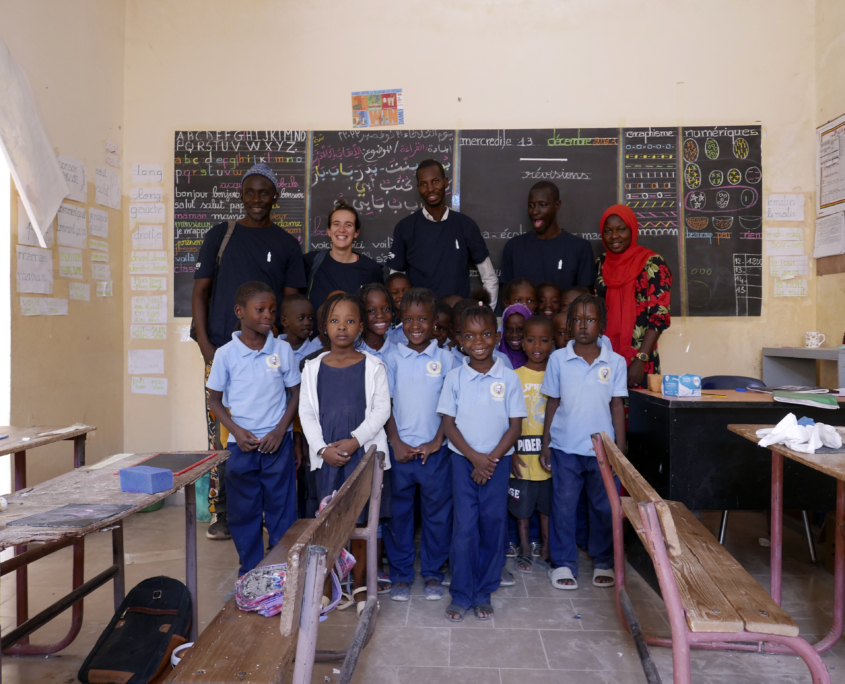
  1. From Scholarships to Building A School in Malika. In Malika, a suburb of Dakar, Renken Onlus has made remarkable strides in improving educational access and quality. From initiating scholarship programs to constructing a school managed by the local Senegalese Renken, the organization has established a sustainable framework for long-term academic support, even welcoming internships for teachers from other nations and student exchanges (despite critical challenges with the current VISA system). Renken embodies the global recognition of the importance of family engagement and comprehensive support systems in achieving sustainable development and economic independence – as highlighted by the National Association for the Education of Young Children (NAEYC) and UNICEF. Renken’s holistic approach to education for sustainable development extends to building strong family relationships and providing comprehensive support systems – including health and welfare assistance such as mosquito nets, mattresses, microloans and rent assistance, to ensure that economic challenges do not hinder educational development. “We personally know all 100 children…as well as all 40 mothers and all 40 fathers,” Ms. Nicola shares.
  2. Cultural and Culinary Integration in Turin. Meanwhile, Renken promotes African culture and cuisine in Turin. “We began by wanting to bring a more truthful image of Africa to Italy than what is commonly portrayed. We started inviting artists of various types, filmmakers, musicians, writers, to tell their own stories about the Africa everyone talks about.” The Jigeenyi circle was born from these cultural events, offering professional cooking training to African women and organizing cultural festivals. These initiatives not only facilitate job integration but also challenge stereotypes, promoting a nuanced and authentic perspective of African cultures. “Another objective is job integration and inclusion” through professional training courses mainly for foreigners, especially Afro-descendant women. This constitutes a crucial step in the current cultural diplomacy framework, whereby fostering cultural understanding via place-based arts and cultural practices, or creative placemaking, plays a crucial role in driving economic independence and leadership, employing education for sustainable development. In fact, it is by highlighting the economic significance of cultural diplomacy and creative industries that Renken’s initiatives support job creation and gender equality.
  3. The Ecovillage and Agroecology. Since 2017, Renken’s ecovillage in southern Senegal has intertwined tourism, job creation and environmental sustainability. This project, in a region called Casamance, not only fosters job opportunities and practical training in sustainable agriculture but also enhances awareness through immersive experiences that differ markedly from typical tour operator offerings. Aligning with the United Nations Environment Programme (UNEP) efforts to embed environmental sustainability within the Sustainable Development Goals (SDGs), Renken is set to demonstrate the crucial role of environmental stewardship in holistic development. By engaging in activities like agroecology and the cultivation of Moringa—a plant heralded for its nutritional properties against malnutrition—Renken extends its educational mission. “In Senegal, malnutrition is not due to lack of food but to lack of food variety”: the initiative addresses malnutrition with innovative solutions, serving as a permanent training center for sustainable practices and offering practical lessons in sustainable agriculture that resonate with a growing European interest in agroecology.

Looking Forward

Renken’s model offers a compelling blueprint for development that prioritizes economic independence, local leadership and sustainable growth. By centering the voices and leadership of those directly impacted, Renken not only addresses immediate needs but also lays the groundwork for long-term resilience and empowerment, demonstrating how innovative educational strategies can address the multifaceted challenges of global poverty and foster interconnected, sustainable communities.

As the organization looks to the future, making the ecovillage independent and stabilizing the new school in Malika, its commitment to education for sustainable development and community empowerment remains a guiding light. In an interconnected world, Renken stands as a testament to the transformative power of education in building more equitable communities.

– Matilde Liboni
Photo: Courtesy of Renken Onkus

March 8, 2024
https://borgenproject.org/wp-content/uploads/borgen-project-logo.svg 0 0 Precious Sheidu https://borgenproject.org/wp-content/uploads/borgen-project-logo.svg Precious Sheidu2024-03-08 03:00:342024-03-07 02:32:14Education for Sustainable Development: The Renken Onlus Story
Global Health, Global Poverty

Digital Health in Developing Nations: The Pioneering WHO Initiative

Digital Health in Developing NationsIn a historic development, the World Health Organization (WHO), in collaboration with the G20 India presidency, launched the “Global Initiative on Digital Health” (GIDH) in August 2023. This groundbreaking initiative signifies a united endeavor to strengthen digital health care services in both developing nations and across the globe. The GIDH has aligned with the Global Strategy on Digital Health 2020–2025 objectives, aiming for a transformative global shift in health systems through innovative digital solutions. This significant development was announced during the Health Minister’s Meeting at the G20 Summit in India, showcasing a global commitment to health advancements.

GIDH: A Network Spearheaded by WHO

The GIDH operates as a network overseen by the WHO, providing a vital platform for consolidating global standards, disseminating best practices and facilitating essential resources. This strategic collaboration is pivotal in accelerating the transformation of digital health systems in developing nations. The WHO serves as a secretariat for the initiative. Reaffirms its commitment to aiding countries in enhancing their health care capacities and ensuring access to quality digital health solutions.

The Evolution of Digital Health and COVID-19’s Impact

The digital health domain has significantly transformed since the WHO endorsed e-health in 2005. More than 120 members of the WHO have established national digital health policies or strategies, marking a worldwide trend toward integrating technology within the health care sector.

Before the outbreak of COVID-19, the field of digital health was steadily progressing. Telemedicine has shown significant potential in improving health care delivery and alleviating poverty in developing countries. Studies have indicated that telemedicine can effectively address health care needs in regions with limited resources and hard-to-reach populations. By offering remote medical services, telemedicine can ease the burden on overtaxed health care systems and relieve those most affected by health care costs.

In Africa, telemedicine is crucial for delivering health care to isolated villages without access to traditional medical facilities. It promotes social transformation and mobility while significantly enhancing the treatment of communicable and non-communicable diseases and supporting health infrastructure. Adoption of telemedicine in these regions can alleviate poverty among vulnerable groups.

In this context, the pandemic accelerated widespread adoption and integration into health care systems worldwide. This period has highlighted the crucial need for robust digital health infrastructures, emphasizing effective governance, well-developed policy frameworks and a proficient workforce that adapts and maintains digital health technologies.

During the G20 Health Ministers’ Meeting in August, participants emphasized the vital role of digital health in developing nations and across various national health care systems. For instance, the Health Minister of Saudi Arabia highlighted the significant contribution of telemedicine and the potential of innovative technologies like artificial intelligence in health care. The Indonesian representative discussed efforts to establish health databases, which are crucial for digitizing health records. Brazil’s Health Minister also underscored the importance of digital health in achieving universal health coverage, focusing on data protection and ensuring equitable access.

Goals and Focus of the GIDH

The GIDH is committed to achieving measurable outcomes through:

  • Developing priority-driven investment plans for digital health transformation.
  • Enhancing transparency and reporting in digital health.
  • Encouraging knowledge sharing and collaboration for rapid progress.
  • Advocating for integrated government approaches in digital health governance.
  • Boosting technical and financial support for implementing the Global Digital Health Strategy 2020–2025.

The Transformative Potential of Digital Health

The role of digital health initiatives in enhancing health care outcomes is gaining significant recognition, especially in achieving Universal Health Coverage and meeting Sustainable Development Goals by 2030. These digital interventions encompass a wide array of applications, ranging from aiding individuals in managing their health to assisting health care providers in upholding exemplary standards of care. Moreover, they are pivotal in fortifying health care systems by enhancing supply chain management and optimizing workforce efficiency.

A Milestone in Global Health Efforts

The G20 Health Working Group witnessed a historic moment with the inception of GIDH, showcasing a collective commitment by G20 nations toward a common health goal. This initiative, especially crucial amid the challenges posed by the COVID-19 pandemic, aims to promote collaboration, exchange of knowledge and the establishment of robust digital health infrastructures. It aligns with the overarching objective of improving health services delivery, significantly advancing global health cooperation and innovation, particularly in developing nations.

– Matilde Liboni
Photo: Pexels

March 5, 2024
https://borgenproject.org/wp-content/uploads/borgen-project-logo.svg 0 0 Lynsey 2 https://borgenproject.org/wp-content/uploads/borgen-project-logo.svg Lynsey 22024-03-05 07:30:492024-03-04 02:37:06Digital Health in Developing Nations: The Pioneering WHO Initiative
Advocacy, Charity, Global Poverty

Supporting North Korean Defectors: 5 South Korean Charities

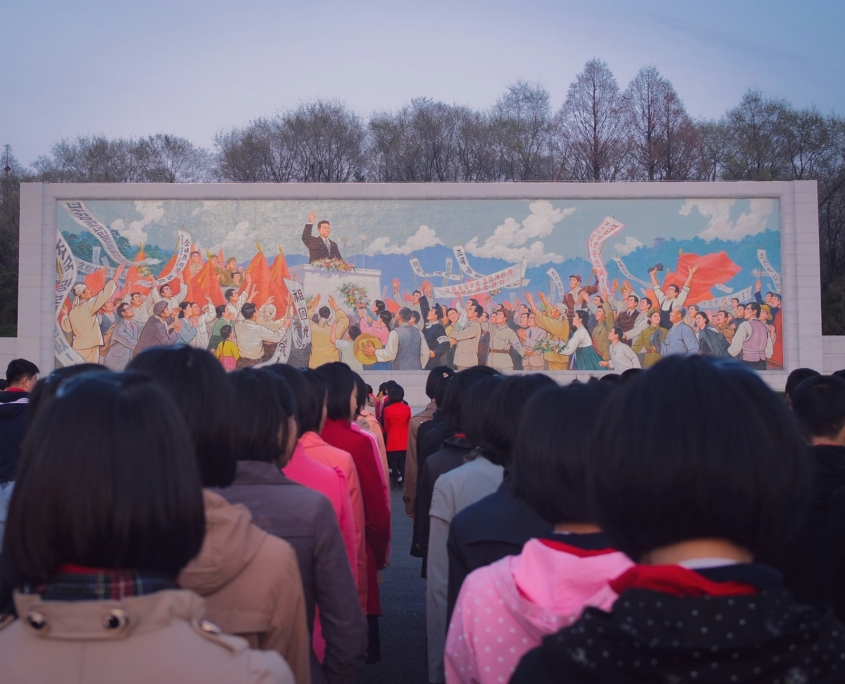
Supporting North Korean Defectors: 5 South Korean CharitiesIn North Korea, under the rule of Kim Jong-Un, the country stands as one of the world’s most repressive nations, where the government prioritizes collective interests over individual freedoms. Basic rights and freedoms are severely restricted, with citizens lacking access to what many consider everyday freedoms, including the choice of hairstyles, access to Western television, computers, phones and the enjoyment of foreign music. However, South Korean charities play a crucial role in addressing these challenges, offering support to those who manage to escape this oppressive environment.

Unfortunately, North Koreans caught engaging in activities deemed illegal, face imprisonment or even execution in public. Since the death of Kim Il-Sung from 1994 to 1998, a period referred to as “The Arduous March,” many citizens have suffered from malnutrition and health issues.

The Journey of North Korean Defectors

Many North Koreans face a daunting choice to defect in pursuit of a better life, risking immediate death if caught using secret escape routes. Hence, some resort to bribing brokers for assistance in crossing the Yalu River, yet even with such help, evading capture along the border remains uncertain.

Furthermore, those who escape to South Korea and seek asylum consider themselves fortunate, yet they encounter challenges adjusting to an unfamiliar environment. Defectors gain the freedom to listen to music, watch movies and make life choices not dictated by their previous government. However, navigating these changes proves difficult and stressful, particularly for individuals who flee alone, without the support of family or friends.

Following are five South Korean charities that focus on aiding North Korean defectors in starting anew.

Hanawon

A prominent resettlement center for North Korean defectors, often compared to a mix between a halfway house and a trade school, opened its doors in 1999 with funding from Korea’s Ministry of Unification. At Hanawon, defectors undergo a 12-week program where they learn essential skills like using ATMs and navigating banks, grocery stores and public transport. Raised in an atheistic environment where religious materials were banned to ensure allegiance to their leader, North Korean defectors at Hanawon receive visits from volunteers across various faiths—Buddhist, Catholic, Christian—who introduce them to religious beliefs and practices, offering services for those interested in exploring newfound religious freedom.

Teach North Korean Refugees (TNKR)

Moreover, a Seoul-based nongovernmental organization specializes in teaching English to North Koreans. Teach North Korean Refugees commits to aiding refugees through one-on-one tutoring, speech competitions and mentoring for employment and educational opportunities. Consequently, it equips North Korean refugees with the skills to thrive in any setting where English is the primary language.

People for Successful Corean Reunification (PSCORE)

A nonprofit, nongovernmental organization located in Seoul actively promotes human rights in North Korea. It offers English classes and tutoring programs for North Korean defectors, emphasizing its global mission to advocate for North Korean human rights. The organization states, “Our global mission revolves around advocacy for North Korean human rights, with a core focus on empowerment through education and tutoring programs.”

Liberty in North Korea

An international nongovernmental organization focuses on aiding North Korean refugees in adjusting to their new lives. Liberty in North Korea achieves success in its resettlement program by fostering self-efficacy. The organization pairs newly arrived North Korean refugees with resettled North Koreans as role models. These mentors offer advice and encouragement on managing stress and trauma, providing relatable support from someone who has faced similar challenges, thus facilitating growth and adaptation.

Saejowi

A nonreligious, nonprofit organization in South Korea specializes in refugee counseling licensing and documenting the medical needs of North Korean refugees. Reports indicate that “90% of North Korean refugees arrive with untreated physical illnesses and Post-Traumatic Stress Disorder (PTSD).” However, Saejowi supports North Korean refugees who wish to become counselors for their peers by offering classes to develop and practice counseling skills. Consequently, more than 220 counselors have received licenses, enabling them to provide counseling to fellow refugees.

Looking Ahead

These five South Korean charities are diligently working to help North Korean defectors adjust to their new lives, emphasizing self-care and the importance of recognizing their worth. These organizations assist defectors in discovering their passions and deciding on future pursuits. In addition, by offering safety and protection, South Korean charities support defectors through the process of change, acknowledging that while change can be exhilarating, it can also be daunting.

– Nevin Guler
Photo: Unsplash

March 5, 2024
https://borgenproject.org/wp-content/uploads/borgen-project-logo.svg 0 0 Precious Sheidu https://borgenproject.org/wp-content/uploads/borgen-project-logo.svg Precious Sheidu2024-03-05 07:30:152024-03-04 02:31:14Supporting North Korean Defectors: 5 South Korean Charities
Global Health, Global Poverty

Mental Health Challenges in Gabon

Mental Health in GabonIn the heart of Libreville, Gabon, the pulse of urbanization beats ceaselessly, creating a maze where individuals navigate the balance between tradition and modernity. The sounds of daily life, from the crowded markets to the congested streets, amplify the challenges of adapting to the rapid changes associated with contemporary living.

The pressures of modernity are real, as traditional values do not mix with the need for progress. For many, the struggle to find an equilibrium between the familiar echoes of cultural heritage and the ever-changing demands of the present creates a unique set of stressors. The forces that drive societal evolution — the surge of technology, the pursuit of economic prosperity and the appeal of a sophisticated lifestyle — become catalysts for mental health concerns.

Furthermore, urbanization deepens the complexity of mental health challenges in Gabon by eroding communal bonds. In a city where the pace of life often outstrips the time available for social connections, feelings of isolation can intensify. The once-strong support networks rooted in communal living may break down as the cityscape reshapes dynamics between residents, contributing to a sense of separation that becomes a burden for many.

Challenges of Mental Health That Undermine Solutions

Access to mental health services remains a significant issue, particularly in rural areas where resources are scarce, adding to the burden for those in need. Traditional beliefs, deeply rooted in Gabonese culture, come into conflict with modern perspectives on mental health, delaying necessary interventions. Economic strain, youth pressures and the disruptive effects of urbanization further compound the challenges, creating complexities for mental health challenges in Gabon. These challenges pose a tough barrier when seeking solutions. Bridging the urban-rural divide, dismantling cultural stigmas and fostering mental health awareness requires a comprehensive approach. As Gabon strives for progress, addressing the layers of mental health challenges becomes critical to ensure the well-being of its residents.

Mental Health Challenges From Rural Gabon

Beyond the pulsating urban heartbeat of Libreville, rural Gabon tells a story of unique mental health challenges. In these remote corners, the issue of unaddressed mental health issues weighs heavily on residents. The absence of readily available professionals, coupled with insufficient awareness about mental health, fosters an environment where struggles often go unnoticed. The modern standard of mental well-being becomes one of perseverance rather than active support, contributing to a cycle of silent suffering.

A Holistic Solution

Breaking down deeply rooted cultural stigmas surrounding mental health becomes vital in fostering an environment where individuals feel strong enough to seek help without fear of judgment. Educational campaigns aimed at dismissing misinformation, conducted at both community and national levels, can play a pivotal role in reshaping perceptions and normalizing conversations about mental health.

Establishing accessible mental health services involves increasing the number of available mental health professionals and locating services to reach both urban and rural areas. Telehealth solutions, community outreach programs and partnerships with local organizations can extend the reach of mental health services. This will ensure that every Gabonese citizen, regardless of their geographical location, has access to the support they need.

Conclusion

According to a Gabonese proverb, “Wisdom is like a baobab tree; no one individual can embrace it entirely.” This ancient wisdom holds a contemporary truth—addressing mental health in Gabon requires a collective embrace of understanding, support and empathy. As the nation paints its future on the canvas of progress, let it recognize the importance of nurturing the minds that shape its destiny.

– Mahima Bhat
Photo: Flickr

February 29, 2024
https://borgenproject.org/wp-content/uploads/borgen-project-logo.svg 0 0 Lynsey 2 https://borgenproject.org/wp-content/uploads/borgen-project-logo.svg Lynsey 22024-02-29 01:30:002024-02-28 02:57:44Mental Health Challenges in Gabon
Global Health, Global Poverty

Mental Health in Nigeria and Amaudo

Mental Health in NigeriaAccording to the National Institutes of Health (NIH), as of 2017, 792 million people globally report being impaired by mental health challenges. Those living in poorer communities and experiencing the struggles of poverty- financial stress, malnutrition, violence, trauma, physical health issues, etc. tend to experience a heightened rate of mental health struggles. Amaudo Itumbauzo began in 1989 as a response to the individuals in impoverished areas of Nigeria struggling with mental health issues.

Particularly in Nigeria and other low- to middle-class countries, there is an 80% treatment gap for those with mental illness. Only 20% of those struggling have received any treatment or care for their disorders. However, during the past nearly 40 years, Amaudo has grown and expanded to include many different projects and facilities (as listed below) for providing support to individuals struggling with mental health issues in Nigeria.

Amaudo Okopedi

Amaudo Okopedi (Amaudo One) is a rehabilitation facility accommodating up to 60 residents with 25 staff members. Coupled with poverty often comes homelessness. Within this community, residents coexist with each other and staff members, engaging in rehabilitation activities such as work, socializing, dining and receiving care simultaneously. In 2022, Amaudo hosted 40 residents at Amaudo Okopedi, with 20 individuals deemed eligible for discharge by December of the same year.

Amaudo Ntalakwu

Amaudo Ntalakwu, also known as Amaudo Two, functions as a facility that offers extended care for individuals with learning disabilities, those unable to reunite with their families and those requiring more intricate care. This facility provides prolonged treatment, education and flexibility to cater to the diverse needs of its residents. This facility is structured as a community with lots of smaller homes. In 2022, the organization housed 22 individuals, with 11 staff members supporting them.

Project Comfort

Project Comfort provides support to children with learning disabilities and other mental illnesses. This project employs fieldworkers who help train families and teachers to help provide care to students and children. In the year 2022, Project Comfort provided assistance to more than 95 students, offering a range of support services, including health care, counseling and help with school registration.

Community Mental Health Programme

The Amaudo Community Mental Health Programme (CMHP) has now grown to more than 70 clinics across four states in Nigeria. The program collaborates with the state government and other stakeholders to deliver easily accessible and affordable care to more than 5,000 individuals. The program also provides hundreds of placements annually to student nurses from across these states. Furthermore, it also “raises awareness, promotes good mental health and supports a growing network of Self Help Groups.”

Conclusion

Mental health is extremely important and it is crucial for our society to deepen its understanding of the consequences and risks associated with untreated mental health issues. The ongoing efforts of organizations like Amaudo are vital in sustaining treatments and programs that cater to the needs of those grappling with mental health challenges.

– Sophia Lovell
Photo: Pixabay

February 28, 2024
https://borgenproject.org/wp-content/uploads/borgen-project-logo.svg 0 0 Lynsey 2 https://borgenproject.org/wp-content/uploads/borgen-project-logo.svg Lynsey 22024-02-28 15:00:422024-02-27 05:10:12Mental Health in Nigeria and Amaudo
Global Health, Global Poverty

How Foreign Aid Is Addressing Tuberculosis in Tajikistan


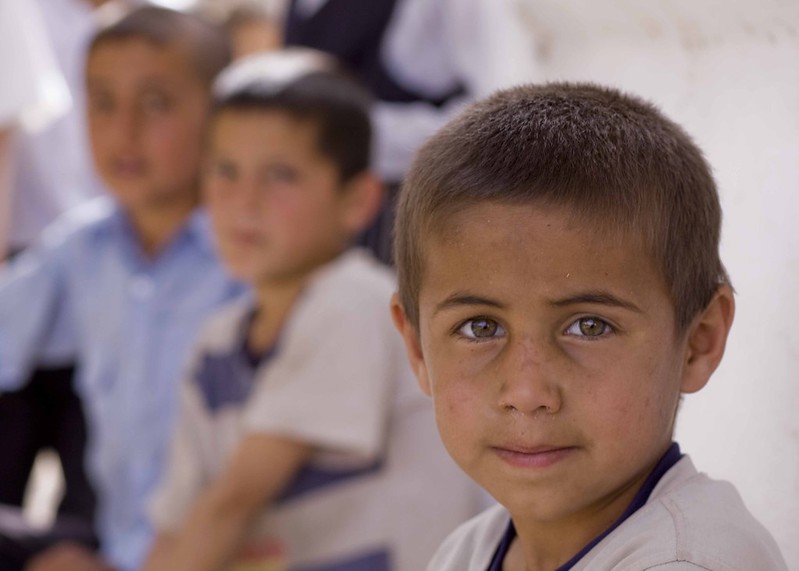
Tuberculosis in TajikistanThe landlocked country of Tajikistan has for years had one of the worst rates of drug-resistant tuberculosis (TB) cases anywhere in the world. Now, foreign aid to Tajikistan is helping to alleviate the country’s health burden.
A History of Tuberculosis Struggle in Tajikistan

Poverty is an influential determinant of TB. Poor living and working conditions directly increase the risk of transmission among people. For decades Tajikistan has had one of the worst rates of infection and TB mortality of any Central Asian country. However, a brief look at these rates offers signs of a promising future.

In 2002, the reported rate of TB per 100,000 people was 219. An encouraging downward trend saw the rate drop to 82 in 2019. This decrease in infection rates could be due to new successful treatments of the disease. By the time of recording in 2019, 91% of cases had been treated successfully, according to The Global Fund. Despite making significant progress in the past two decades, Tajikistan remains ranked 23rd out of the drug-resistant tuberculosis countries throughout the world.

The Front Line

Since 2011, Zufliya Dusmatova has worked for Médecins Sans Frontières (MSF) in Tajikistan as part of a program that focuses on pediatric TB. She knows all too well how hard the battle against the disease is in this part of the world. “Children have different symptoms of TB than adults…the symptoms in children often resemble other diseases and therefore pediatricians might treat children for viruses or diseases, like a cold or bronchitis,” she explained.

A considerable barrier to accurate diagnosis is the expense of CT scans in the region. Without the aid of life-saving equipment stopping the transference and growth of TB within patients can lead to death. Furthermore, the social stigma associated with the disease presents a further challenge to caregivers as those suffering from TB are less likely to seek treatment should it affect employment opportunities or even marriage prospects, MSF reports.

The World Health Organization (WHO) has since consolidated guidelines on drug-resistant TB treatment, doing much to help and identify those suffering from TB in Tajikistan, according to MSF.

Foreign Aid to Tajikistan

Foreign aid to Tajikistan is vital in the fight back against diseases like TB. As a low-income country largely reliant on labor remittances, any economic shock can be disastrous for health care initiatives in Tajikistan. This is why in 2020 state aid to Tajikistan from the U.S. continued to support the fight. The $51.3 million assistance, not including an additional $6.3 million for COVID-19 assistance, is essential in continuing to safeguard Tajikistan’s national health.

Furthermore, in 2021, USAID donated TB detection equipment to Tajikistan’s Ministry of Health. The equipment included smartphones, tablets, video conferencing devices and equipment for climate control.

In addition to U.S. support, the World Bank has agreed to support the new Tajikistan Millati Solim (Health Nation) project with $57.25 million. The project and funding will support improvements in primary health care services throughout the country. As well as to better prepare Tajikistan for any future health care emergencies.

A Brighter Future

The past two decades have seen many successes in Tajikistan’s battle to control TB infection within the country. However, that fight is not over. On March 24, 2023, the UNDP reaffirmed its commitment to eradicating TB in Tajikistan by celebrating World TB Day. The day’s theme of “Yes! We can end TB!” both provides hope for Tajikistan’s future and a reminder of how far the nation has come.

– Thomas Field
Photo: Flickr

February 28, 2024
https://borgenproject.org/wp-content/uploads/borgen-project-logo.svg 0 0 Jennifer Philipp https://borgenproject.org/wp-content/uploads/borgen-project-logo.svg Jennifer Philipp2024-02-28 01:30:572026-04-16 10:06:10How Foreign Aid Is Addressing Tuberculosis in Tajikistan
Global Health

What to Know About Drug Abuse in Iraq

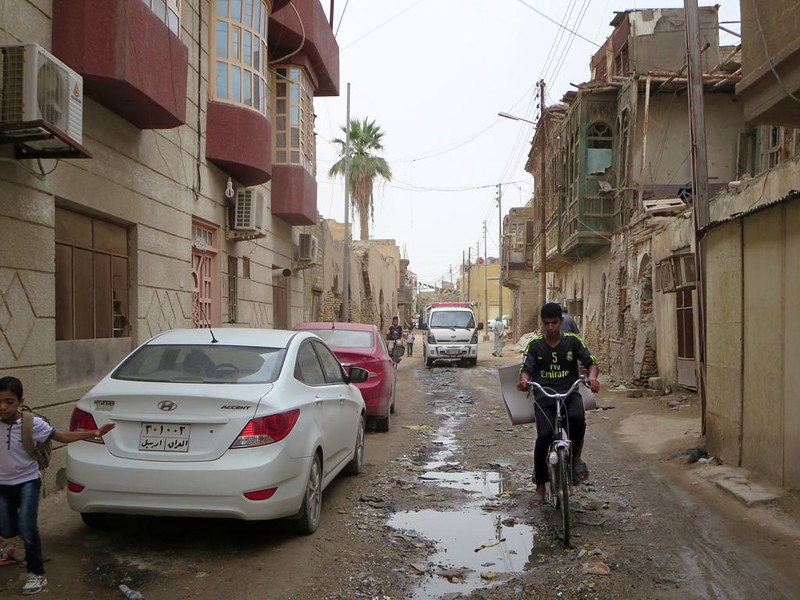
Drug Abuse in IraqIraq is a major political entity in the Middle East region and its proximity to the Tigris and Euphrates rivers has supported a long history of innovating civilizations. However, the aftereffects of war and political turmoil continue to threaten its population of 41 million. From 1979 to 2003, authoritarian president Saddam Hussein presided over the country until a U.S. invasion forced his removal and precipitated the Iraq War. Since then, Iraq has conducted parliamentary elections and made progress toward a transparent democracy.

However, ISIS-related conflicts and a lingering U.S. presence have hindered Iraq’s success and its governmental agencies have been slow to meet its citizens’ needs. Under Hussein, drug trafficking and recreational drug use were illegal, even punishable by death. However, since Hussein’s fall and the Iraq War, anti-drug policies have eased and the country’s economy has continued to struggle.

In 2022, according to Iraq’s Ministry of Planning, 25% of Iraqis lived below the poverty line. Similarly, the U.N. ‘s 2020 World Drug Report evidenced a steady increase in drug trafficking in Iraq since 2003, constituting a veritable crisis. Here’s what to know about drug abuse in Iraq.

High Unemployment Encourages Drug Abuse in Iraq

The U.S. invasion of Iraq in 2003 severely disrupted its local industry. Additionally, the succeeding conflicts of the past 20 years have only further stunted economic development, private sector growth and social security reform. In 2022, Iraq’s Ministry of Planning partnered with the International Labor Organization (ILO) to conduct a labor force survey.

The study reported a national unemployment rate of 16.5% or one unemployed person for every five employed persons. The unemployment rate proved particularly high amongst Iraqi youth, standing at 35.8%. In Basra, a vital port city in Iraq’s southern region, its appellate court found that among arrested drug offenders, roughly 90% were unemployed. As drug officials note, traffickers often target the country’s underprivileged, encouraging addiction and participation in the drug trade.

Crystal Meth Poses the Most Serious Threat

Under Hussein, the Iraqi drug trade existed mostly underground, deterred by harsh penalties and tight border control. However, after the U.S. invasion and Hussein’s deposing in 2003, the Iraqi borders have softened, allowing an influx of drugs from neighboring countries like Iran and Afghanistan.

Since 2017, Afghani drug manufacturers have accelerated the production of methamphetamine, utilizing the ephedra plant that grows naturally on Afghan hillsides. Iraq has proven a valuable market as it battles high unemployment and political instability. Crystal meth accounts for 60% of the Iraqi drug trade and many have sought the drug as an antidote to trauma or job insecurity, hoping to score more hours and better wages.

Widespread Corruption Prevents Anti-Drug Mobilization

Since 2003, anti-crime networks have deteriorated, particularly in Basra, where religious and tribal factions continue to vie for control. Like Iraq’s capital, Baghdad, Basra is at the center of the Iraqi drug problem and its designated anti-drug units are mobilized nightly. However, lack of funding, government corruption and inadequate technology have hindered the units’ efficacy.

Additionally, Iraq’s Popular Mobilization Units–militia groups formed in 2014 to combat ISIS–are allegedly complicit in the drug trade, exerting influence amongst traffickers and government officials alike. Tellingly, anti-drug units have yet to capture any high-level traffickers whose identities remain unknown or protected.

The Prison System and Drug Abuse in Iraq

The government’s response to drug abuse in Iraq has mostly consisted of criminal penalties, threatening up to three years in prison for individuals who use, possess or transport illegal drugs. In 2018, 1400 people in Basra alone were convicted of sale or possession of illegal drugs, predominantly crystal meth.

In the first six months of 2022, the Iraqi government arrested 8000 people on drug-related charges, overcrowding both pre-trial holding cells and state-run prisons. After release, many offenders are discriminated against for their addiction and criminal history and often struggle to find reliable work. Without employment opportunities, some return to the drug trade, aiming to save themselves and their families from poverty.

Road to Recovery

As a predominantly Muslim country, Iraq has struggled to address addiction openly, resorting instead to police crackdowns. Drug users who voluntarily seek treatment are exempt from criminal penalties, but space in rehabilitation facilities remains limited. For instance, Basra has just one rehab center, with only 44 available beds, despite its population of 4 million.

However, in July 2023, Iraqi Prime Minister Mohammed Shia’ al-Sudani ordered the establishment of rehabilitation facilities in all Iraqi provinces except the Kurdistan region. Similarly, al-Sudani ordered Iraq’s state media to organize awareness campaigns, explaining the toll of drug use and associated criminal penalties. In expanding its rehabilitation system, the government seeks to decrease repeat offenders and challenge widespread drug abuse in Iraq.

Final Remark

Ever since 2003, Iraq has struggled to maintain a functioning economy and its poverty and unemployment rates have accordingly spiked. Coping with both financial insecurity and recurring conflict, many Iraqis have turned to drugs, especially crystal meth, to provide salvation, straining Iraqi police forces and clogging its prison system. Government officials, recognizing the danger of drug abuse in Iraq, have promised an upgrade to its network of rehabilitation centers. However, critics note that drug abuse will decrease only when Iraq improves its economic outlook and offers its citizens a chance of success outside of the drug trade.

– Sydney Verdi
Photo: Flickr

January 31, 2024
https://borgenproject.org/wp-content/uploads/borgen-project-logo.svg 0 0 Lynsey 2 https://borgenproject.org/wp-content/uploads/borgen-project-logo.svg Lynsey 22024-01-31 03:00:362024-01-31 00:25:00What to Know About Drug Abuse in Iraq
Advocacy, Global Poverty, Migration

College Students Fight Poverty in India

Poverty in IndiaNowadays college students are trying to make a difference in many different ways. One of them is fighting poverty. In India, college students want to fight poverty at the grassroots level. According to the United Nations Development Program, the number of people who are in poverty dropped to 16.4% this year from 55% in 2005. Despite this positive news, many people in India are still living in poverty. Here is some information about poverty in India and what graduate students are doing about it.

About Poverty in India

There are many reasons for India’s poverty problem. India’s population is constantly increasing, with at least 17 million people born each year. Combined with employment issues, these factors conspire together to keep people in poverty. 

Poverty is also defined as the lack of basic resources such as health care, sanitation and electricity. The lack of these basic necessities can negatively impact life expectancy. The reduction of poverty in many places around the world, including India, will improve health for the overall population of the world. Many of the diseases that people get come from those living in poverty so it is best to decrease that amount by helping people in poverty.

Graduate Students’ Efforts

In an attempt to take care of poverty related issues, more than 50 graduate students at Kristu Jayanti College went on a mission to make changes at the grassroots level. Wanting to carry out the understanding, initiating and advocating important conversations on demanding economic issues, these students challenged themselves to address the internal migrant problem in India. The International Organization for Migration states that ‘migrant’ is a blanket term that is not defined under international law, reflecting the common understanding of a person who moves away from their place of residence. This term has a multitude of categories of people such as migrant workers. 

“Labor migration is one of the defining features of the contemporary world of work and is integral to the process of India’s social and economic development,” states the Decent Work Country Programme for India 2023-2027. Not only in terms of numbers but economic relevance, internal migration is an important issue in this country. The students were able to combine advocacy, dialogue and research. 

The Results of the Study

“In our study, we examined, for example, the potability of drinking water, and the findings were quite concerning as in our initial tests, most water samples were contaminated,” claimed a microbiology student. In the next phase carried out by the college, students created awareness campaigns based on their own research. Through in-person demonstrations the students explained the use of each element and how they purify the water. Without these elements, many people do not have access to clean water. The journey that these students took shows how effective teamwork and vision can make a difference.

– Hailey Spencer
Photo: Flickr

December 3, 2023
https://borgenproject.org/wp-content/uploads/borgen-project-logo.svg 0 0 Yuki https://borgenproject.org/wp-content/uploads/borgen-project-logo.svg Yuki2023-12-03 07:30:092023-11-30 17:22:58College Students Fight Poverty in India
Advocacy, Global Poverty, Poverty Reduction

How the Global Poverty Project Fights Poverty

Global Poverty ProjectThe Global Poverty Project, also called Global Citizen, aspires to achieve three main goals: Defeat Poverty, Demand Equity and Defend the Planet. The organization believes that extreme poverty will not be solved if charities or governments continue working alone and that the best way to fight and solve poverty is to educate people about their potential to help the planet. 

Current Strategy

Since the organization was founded in Australia in 2008, the Global Poverty Project has found great success in mobilizing people and raising awareness of those struggling with poverty and food insecurity. The GPP is made up of hundreds of action-takers and impact-makers who work together to not only fight poverty but also to make sure as many people are aware of these issues as possible. The organization writes stories about people suffering to give a voice to a group of people who would otherwise be voiceless, such as a piece about an Indigenous Mexican activist imprisoned for years due to her activism. 

GPP also writes about the impacts of poverty and the countries most affected by it, and, in 2020, they released a recovery plan for the world, which details how they hoped to end COVID-19 on a global scale. The most significant success that GPP has seen occurs during the annual Global Citizen Festival, which began in 2013 and brings like-minded people together with global leaders to raise money and discuss their plans to support suffering countries worldwide.

2022 Global Citizen Festival

The 2022 Global Citizen Festival, which was a nine-hour conclusion to the six-week campaign, taking place in both Accra (Ghana) and New York, managed to generate $2.4 billion to help end extreme poverty. In New York, members of Congress stood beside world leaders and philanthropists and publicly spoke about the work they would be doing to help those in need. The President of France, Emmanuel Macron, stated that France would allocate 30% of its Special Drawing Rights to the poorest countries in the world, focusing on the African continent. Additionally, The Netherlands promised €25 million for food and nutrition security in 2023, while Norway donated NOK 100 million to the African Development Bank’s Africa Emergency Food Production Facility, and Slovenia donated €1.23 million to civil society organizations that fight to end hunger in Sub-Saharan Africa.

The 2023 Global Citizen Festival was also successful, raising $290 million in commitments from world leaders. Some of the accomplishments made by the GPP include $240 million given to the International Fund for Agricultural Development. Antigua and Barbuda and Timor-Leste endorsed the Fossil Fuel Non-Proliferation Treaty, and France and Norway called on other countries to increase their investments in the fight against poverty, solidifying the GPP’s ability to mobilize others successfully.

The Future

However, GPP always has more goals to work toward. After the 2023 Global Citizen Festival concluded, the campaign continued, calling for several more actions from certain countries. These actions included mobilizing the U.S. and the U.K. to follow through on their commitments to address extreme weather conditions, asking governments to increase their contribution to the International Fund for Agriculture Development to end hunger with an aim of $2 billion and an overall goal of having more countries support the Fossil Fuel Non-Proliferation Treaty. 

The GPP has seen immense success and has the support of numerous celebrities and world leaders. Celebrities include Billie Eilish, Coldplay, Hugh Jackman, Idris & Samantha Elba, the Jonas Brothers, Miley Cyrus and Usher. The GPP fights for more than an end to poverty. The organization fights for equal rights among everyone and equal access to acceptable living conditions. Due to the success that the GPP has seen over the past decade, they have accumulated hundreds of thousands of Global Citizens who work to end these issues all around the world.

– Dylan Hubbard
Photo: Unsplash

November 5, 2023
https://borgenproject.org/wp-content/uploads/borgen-project-logo.svg 0 0 Yuki https://borgenproject.org/wp-content/uploads/borgen-project-logo.svg Yuki2023-11-05 03:00:142023-11-05 00:55:59How the Global Poverty Project Fights Poverty
Global Health, Global Poverty

Everything you need to know about the Marburg Virus Outbreak in Tanzania

Marburg Virus Outbreak in TanzaniaThe Ministry of Health (MOH) of the United Republic of Tanzania declared the end to its first documented Marburg virus outbreak on June 2, 2023. Over a 10-week period, there were a total of nine confirmed cases and six deaths.

History of the Marburg Virus

The first documented cases of the Marburg virus were in 1967 when laboratory workers in Germany and Yugoslavia (now Serbia) were exposed to African green monkeys imported from Uganda. The disease is also found in cave-dwelling Egyptian rousette bats, often infecting miners. Marburg is in a group of diseases called viral hemorrhagic fevers (VHF) and can also be passed from person to person.

Effect and Response

According to the International Trade Association, Tanzania has some of the lowest rates of access to health personnel in the world, and over 60% of its health care facilities are government-run. According to a journal by the National Library of Medicine, the Marburg virus outbreak has been a wake-up call to some things that Tanzania needs to improve regarding its health care system.

Improvements such as a more thorough screening process and stricter quarantine strategies are necessary to stop the spread of the virus. The journal also states that educational campaigns and programs must be implemented in Tanzania as a preventative measure.

Tanzania has initiated quarantines in the one district reporting Marburg cases. They need to obtain more protective gear for the safety of health care workers, who are the first exposed to such outbreaks.

In a Gavi article, Ahmed Ogwell Ouma, acting director of the Africa Centers for Disease Control and Prevention, states that re-emerging infectious diseases are a signal to improve the health care industry and strengthen their coping mechanisms. The MOH has detected a few weak links in the national response to the virus: The financial resources to combat the Marburg virus outbreak are insufficient, the health care industry is understaffed and inadequate tools to aid those affected.

Although efforts are being made to improve the health of those affected by Marburg virus, Tanzania is struggling to combat the repercussions because of its struggling health care system and largely impoverished population.

In 2019, 14 million people in Tanzania were living in poverty, up from 13 million in 2007. According to an Abbott article, around half the population is below the poverty line, making $1.90 a day. They have limited health care resources and only around three doctors for every 100,000 people.

Treatment

Although there is not yet a vaccine to treat Marburg, it is important to receive hospital therapy. Temporary remedies include rehydration and blood cell replacement. Replenishing electrolytes and making sure that oxygen and blood pressure levels are at a normal and stable level are also fundamental to the healing process.

The virus is contained for now, and there are a few medications that can be used to mediate pain and nausea such as acetaminophen and ondansetron.

– Alex Hasenkamp
Photo: Flickr

August 16, 2023
https://borgenproject.org/wp-content/uploads/borgen-project-logo.svg 0 0 Lynsey 2 https://borgenproject.org/wp-content/uploads/borgen-project-logo.svg Lynsey 22023-08-16 01:30:592024-05-30 22:32:15Everything you need to know about the Marburg Virus Outbreak in Tanzania
Page 16 of 77«‹1415161718›»

Get Smarter

  • Global Poverty 101
  • Global Poverty… The Good News
  • Global Poverty & U.S. Jobs
  • Global Poverty and National Security
  • Innovative Solutions to Poverty
  • Global Poverty & Aid FAQ’s
Search Search

Take Action

  • Call Congress
  • Email Congress
  • Donate
  • 30 Ways to Help
  • Volunteer Ops
  • Internships
  • Courses & Certificates
  • The Podcast
Borgen Project

“The Borgen Project is an incredible nonprofit organization that is addressing poverty and hunger and working towards ending them.”

-The Huffington Post

Inside The Borgen Project

  • Contact
  • About
  • Financials
  • President
  • Board of Directors
  • Board of Advisors

International Links

  • UK Email Parliament
  • UK Donate
  • Canada Email Parliament

Get Smarter

  • Global Poverty 101
  • Global Poverty… The Good News
  • Global Poverty & U.S. Jobs
  • Global Poverty and National Security
  • Innovative Solutions to Poverty
  • Global Poverty & Aid FAQ’s

Ways to Help

  • Call Congress
  • Email Congress
  • Donate
  • 30 Ways to Help
  • Volunteer Ops
  • Internships
  • Courses & Certificates
  • The Podcast
Scroll to top Scroll to top Scroll to top