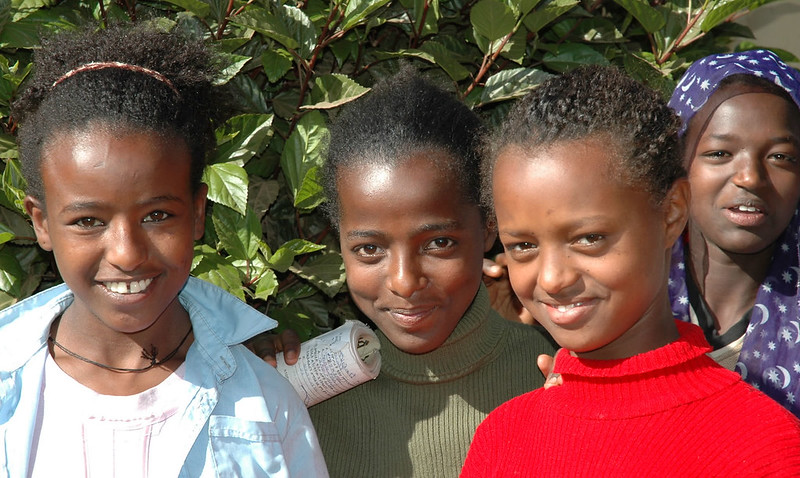
Thousands of refugees have fled the Tigray conflict in Ethiopia since early November 2020 to seek safety in eastern Sudan. This has resulted in a full-scale humanitarian crisis. Refugees, many of whom are children and women, have been arriving at remote border points that take hours to enter from the closest towns in Sudan. Most of them do not have any possessions and arrived exhausted from walking long distances over harsh terrain. The steady influx of daily arrivals is exceeding the existing capacity to provide assistance.
The Tigray Conflict
The Tigray conflict is an ongoing armed conflict between the Tigray People’s Liberation Front (TPLF) and Ethiopian Prime Minister Abiy Ahmed in the Tigray Region of Ethiopia. According to the International Crisis Organization think-tank, the violence in Tigray has left thousands dead and sent tens of thousands of refugees into Sudan. Estimates have determined that the conflict has displaced more than 222,000 people, in addition to the 100,000 people who experienced displacement prior to the conflict. Moreover, the loss of livelihoods, destruction of homes and lack of resources have affected local neighborhoods. As a result, people living in those areas urgently need shelter, food, water, sanitation, and hygiene, as well as health and protection.
Humanitarian Efforts
While humanitarian efforts are emerging to provide aid after the Tigray conflict, they remain challenged by the insecurity and bureaucratic constraints throughout the region. As a result, it can be challenging for humanitarian groups to access countrysides as well as Shimelba and Hitsats refugee camps.
The U.N. is working with Ethiopia’s government and all relevant interlocutors to aid in the safe passage of humanitarian personnel and the provision of supplies to all parts of the Tigray region. Meanwhile, health facilities in major cities are partially working with limited-to-no stock of supplies and the absence of health workers and facilities outside major cities are not operational.
In addition, UNHCR and Sudan’s Commission for Refugees are continuing to relocate refugees from the border to designated refugee camps. These are further inland in Sudan’s Gedaref State, in support of the government-led response in Sudan. Um Rakuba refugee camp is approaching its full capacity. UNHCR and its partners are swiftly relocating refugees to a newly opened refugee camp, Tunaydbah, in order to keep refugees safe and offer them better quality living conditions.
Humanitarian Funding
In 2020, the U.N. High Commissioner for Refugees, Filippo Grandi, launched an appeal for $147 million to support as many as 100,000 people fleeing Ethiopia’s Tigray region into neighboring Sudan. In its appeal document, UNHCR said that it took an anticipated increase of refugees into account during its planning. At the minimum, it planned to be able to help a total of 100,000 by April 2021, whereas at the maximum, it intended to be able to provide aid to an influx of 200,000 refugees.
In November 2020, UNHCR began airlifting aid to refugees, sending the first of four planeloads of supplies to Khartoum. One of the flights to Khartoum brought 100 tonnes from Dubai comprising mosquito net, blankets, plastic sheets, solar lamps, tents and prefabricated warehouses. The intention behind the appeal for $147 million was to fund UNHCR so that it could help Sudan manage the humanitarian crisis over the following six months.
Looking Ahead
CSW’s founder and president, Mervyn Thomas, urged Ethiopia’s prime minister, Abiy Ahmed, to prioritize the protection of refugees within Ethiopia’s borders. These refugees’ forcible return to a country that many deem to have committed crimes against humanity is an appalling violation of international law and humanitarian norms.
Abiy Ahmed needs to take immediate steps to de-escalate the conflict and enter into meaningful dialogue with regional representatives who the people of Tigray recognize. People can also call on the government of Eritrea to withdraw its forces from Tigray immediately and end its egregious violations of the rights of Eritreans, both at home and abroad. More nations also need to step up their humanitarian support for the region, including Sudan, which is suffering the brunt of the refugee wave from Tigray.
– Aining Liang
Photo: Flickr

Impact of COVID-19 on Poverty in Ethiopia
COVID-19 in Ethiopia
As of May 14, 2021, Ethiopia had almost 265,000 confirmed cases of COVID-19 and almost 4,000 recorded deaths, straining an already fragile health system and delaying access to other crucial medical care. The pandemic has also caused delays in distributing childhood vaccines for polio and measles. Furthermore, it is also likely to increase the morbidity rates of other common diseases. In April 2020, half of all households in Ethiopia saw their incomes reduce or disappear entirely. Urban areas were formerly the foundations for Ethiopia’s economic growth. These areas have been the most affected by COVID-19 as employment and income have fallen.
The economic setback of COVID-19 may have lasting repercussions for Ethiopia’s future. The pandemic’s impact on education has become an even more significant concern. Schools in Ethiopia closed in March 2020 and an estimated 26 million students lost access to primary and secondary education. Such a halt in education puts many children at risk of dropping out or being forced into child labor or child marriage. According to a survey in 2018, roughly 16 million children between 5 and 17 are involved in child labor across Ethiopia. While schools began to reopen in October 2020, there are still concerns over the lost time and how it might affect students’ success later in life.
COVID-19 and Civil Conflict
The impact of COVID-19 on poverty in Ethiopia may be the highest in the Tigray region. Conflict erupted in November 2020 as tensions rose following a delay in national elections. By January 2021, about two million people were displaced by the violence, many of whom have fled to neighboring Sudan. The fighting has negatively impacted the availability of healthcare. At one point, only five out of 40 hospitals in the region were accessible. This dramatically increases the challenge of responding to the pandemic and makes it difficult to assess the full extent of COVID-19 in the area.
Food scarcity is another significant problem following extensive crop losses caused by swarms of desert locusts. Some farmers lost up to half of their harvests due to locust plagues. At the same time, the conflict has made it very difficult to procure food from outside of the region. Malnutrition is a real risk, especially for children. Many families are already experiencing decreased income and are unable to afford the rising food prices. The effects of the conflict, pandemic and food insecurity have placed an estimated 4.5 million people in need of humanitarian assistance.
Humanitarian Aid
Through a partnership with the World Bank, the Ethiopian government has been able to fund a comprehensive response plan to improve the country’s ability to address the impact of COVID-19 on poverty. The Ethiopia COVID-19 Emergency Response Project’s primary focus is increasing resources and testing capacity. Now, there are 69 testing laboratories across Ethiopia. This is in addition to the establishment of contact tracing systems, 50 quarantine facilities, 332 isolation wards and 64 treatment centers. Public awareness and health education are prioritized with door-to-door campaigns to reach vulnerable populations.
It is also vital to stimulate the economy by focusing on supporting the small businesses that the pandemic has hit hardest in order to see true poverty reduction. Because of the uncertain nature of the outbreak, a recovery plan will have to be adaptable. Addressing poverty in Ethiopia, and Tigray specifically, will also require a peaceful resolution to the ongoing conflict in the region, an act that multiple world leaders encourage. These goals can mitigate the impact of COVID-19 on poverty in Ethiopia, furthering recovery progress.
– Nicole Ronchetti
Photo: Unsplash
Reducing Poverty Through Social Ecology in Rojava
Rojava in Action
Rojava functions as a confederated system of local communities. Political decisions are implemented by democratic means and policy is decided from the ground up. Members of the immediate community have the first and final say on policies and practices that affect their communities directly. This political method of local autonomy relies on a specific degree of local sustainability and social responsibility. Communities take an active role in ensuring each member can access essential resources such as food and clean water.
Ecological sustainability is strong at play. Communities in Rojava aim to transform the landscape back into a more ecologically diverse and fertile area. This will mean reversing land practices inherited from the Assad regime. Groups such as the Internationalist Commune of Rojava, and its project, Make Rojava Green Again, focus efforts on this transformation. This is the crux of how Rojava hopes to reduce poverty through social ecology.
The Problem
Under the Assad regime, Northern Syria became deforested and transformed into monoculture croplands. One example of the practice is the deforestation of Afrin in favor of planting olive trees. This practice, along with the use of chemical fertilizers and unnatural water sources, destroyed the quality of topsoil and degraded the overall fertility of the land. Such practices also forced the population to rely on supermarket-based systems of distribution to purchase food and other essentials, decreasing local access to resources in favor of international markets. This form of politically-induced scarcity increased poverty rates in the Kurdish regions of Northeastern Syria.
Making a Change
After the withdrawal of the Syrian Government in 2011, lands once used for monoculture cultivation were expropriated by local farming cooperatives. These cooperatives form the basis of the economic system that now functions in Rojava. Each cooperative includes roughly 25 to 35 people. The priority of each cooperative is to provide for the basic needs of the region’s most impoverished citizens. The reallocation of resources and land back to local communities has seen success.
The localization of food production has notable environmental and social benefits. According to a study conducted in 2019, eggs supplied by local cooperatives required less than 2% of the monetary cost and energy needed for eggs supplied by modern supermarket supply chains. This means the people in Rojava have improved access to food, and, at a substantially reduced cost.
The Make Rojava Green Again project has spearheaded multiple ecological initiatives throughout Northeastern Syria aimed at reducing poverty by encouraging practices of ecological sustainability at the local level. Examples of such initiatives include efforts to rebuff rivers with the reforestation of native plant species. This will create wider access to clean water for communities that rely on such rivers. Other examples include reusing water for irrigation and planting urban gardens in order to grow food for impoverished members of the community who cannot grow their own. This will increase food security for otherwise vulnerable areas.
Continuing Forward
Despite the threat of military annihilation, Rojava continues to implement a green future for its citizens. Ecological initiatives have increased access to natural resources for populations in both urban and rural environments. The effort to reduce poverty through social ecology in Rojava is an ongoing initiative that requires international support if it is to survive. Nevertheless, Rojava has already demonstrated the effectiveness of such measures, and in doing so, has provided the rest of the world with a model for a green future.
– Jack Thayer
Photo: Flickr
Oil and Poverty in Kazakhstan
Oil and poverty in Kazakhstan have an inextricable link. Kazakhstan is located in Central Asia with a population of over 19 million people. The last country to declare independence from the Soviet Union, Kazakhstan spent its first years as an independent nation focused on nation-building rather than economic policy. However, thanks to the development of the country’s oil and gas resources and a focus on exports at the turn of the century, the country became one of the top 10 fastest-growing economies in the world as recently as 2015.
This dependence on oil exports has created challenges for the country. In 2014 and 2015, large drops in oil prices cut export revenues in Kazakhstan by almost half. The deficit that followed caused the government to take quick action. It reduced or delayed previously planned spending on infrastructure and tightened exchange rate policies.
Poverty in Kazakhstan
The statistics on poverty in Kazakhstan are hopeful. In 2018, only about 4.3% of the population lived below the poverty line and the unemployment rate was only 4.8%. This is an impressive improvement from the 48.9% poverty rate in 2005. The improvement is largely due to new employment opportunities from the oil industry that have allowed more people to have a steady income.
While this decrease in poverty has been inarguably a good development, the rate at which the increase has happened has led many to worry that the country could just as quickly fall back into decline. With so much of the economy dependent on oil prices, a very volatile industry, the impact of oil and poverty in Kazakhstan is something that experts are very concerned with.
On top of the regular fluctuations in oil prices, the COVID-19 pandemic had a huge impact on the economy of Kazakhstan. The pandemic brought activity across the globe to a halt. As stay-at-home orders went into place, the demand for oil dropped significantly, which caused oil prices to drop.
The Good News
Despite the link between oil and poverty in Kazakhstan, there is good news. According to the World Bank, the life expectancy in Kazakhstan is 73 years. This has been steadily rising since the country became independent in 1991. Infant and maternal mortality rates have also been in decline in recent years.
Kazakhstan has also improved the basic necessities of its citizens. About 97.4% of the population now has access to clean drinking water and 99.9% have access to sanitation facilities. Meanwhile, 100% of citizens have access to electricity. Education, which has a direct link to economic growth, is doing well with 99.8% of people over 15 being able to read and write.
Looking to the Future
Looking forward, there are ways for Kazakhstan to mitigate the damage fluctuations in oil prices can cause to its citizens. Oil and poverty in Kazakhstan will always have a link. However, diversifying the economy is a major step to reducing the impact of changing oil prices on the country. The country must focus on the non-oil economy by implementing new policies that will focus on investing in infrastructure and human capital. By focusing on expanding the economy, decreases in oil prices will not result in such massive deficits in the future.
– Taryn Steckler-Houle
Photo: Flickr
Foreign Aid in the Philippines
Top Aid Givers
Some notable givers of foreign aid in the Philippines are Japan, the United States, Australia, Korea, the World Bank and the Asian Development Bank (ADB). As of 2018, Japan was still the largest source of foreign aid in the Philippines. The aid comes in the form of grants and loans that total $5.98 billion for projects throughout the country. One notable project is a subway in Manila, Philippines. The World Bank comes in next with $3.13 billion, followed by the ADB with $2.24 billion.
The United States is another large investor of foreign aid in the Philippines. The aid provided is used to advance democratic values, promote peace and security and improve education and health. Disaster relief and recovery have become a large part of aid to the Philippines. The U.S. donated more than $143 million to help the country recover from the devastating typhoon in 2013.
The Philippines and Papua New Guinea
In 2018, the Philippines, usually a receiver of foreign aid, had the chance to give foreign aid to another country. Papua New Guinea struggled with the drop in oil prices worldwide; oil was a major export for the country. Papua New Guinea needed to diversify its economy, and the government of the Philippines agreed to give aid to the struggling country through a partnership. The aid took the form of helping with industrial crops, inland fish farming and agriculture, particularly rice production.
Growing rice in tropical countries can be particularly tricky. The Philippines, however, has expertise in many different strains of rice — some of which can even hold up in severe weather like typhoons — and has even previously passed on knowledge to other countries in Africa and Brunei. Through the cooperation between the Philippines and Papua New Guinea, President Duterte believes food security can be ensured.
COVID-19 Aid to the Philippines
As the COVID-19 pandemic spread across the globe, 14 countries sent foreign aid to the Philippines, either in cash or through in-kind aid, such as medical supplies. These countries include Singapore, Taiwan, Vietnam, France, Israel and the United Arab Emirates, among others. Many of the countries donated personal protective equipment (PPE), face masks, test kits and ventilators to help the Philippines combat the novel coronavirus.
China sent a team of experts to help treat patients and shared packs of rice in remembrance of the 45th anniversary of diplomatic ties. Japan sent experts as well, and the U.S. made monetary donations of approximately $4 million and $5.9 million respectively to help prepare labs to process novel coronavirus test kits and to help local governments respond to the outbreak.
South Korea has donated more than $5 million in humanitarian assistance to the Philippines during the pandemic. Korean Ambassador Han Dong-Man said this was to honor what the Filipino soldiers did to help in the Korean War. South Korea has helped with foreign aid in the Philippines for the past 70 years, for disasters both natural and man-made.
The Philippines has been knocked down due to the COVID-19 pandemic, but there is still potential for the country to recover. There is a vast, young workforce and a growing middle class to bolster efforts to regain footing in the country. Foreign aid in the Philippines can help the country regain the progress it had been making leading up to 2020.
– Courtney Roe
Photo: Flickr
The Gender Wage Gap in Iran
Today, the gender wage gap in Iran is so large that, on average, a woman can expect to make just 18% of what a man does. To make matters worse, the COVID-19 pandemic has widened the already severe gender wage gap in Iran. According to the 2021 Global Gender Gap Report from the World Economic Forum, the pandemic has made a major impact on gender inequality, as “closing the global gender gap has increased by a generation from 99.5 years to 135.6 years.” This shift disproportionately targets countries with large pre-existing gender wage gaps, such as Iran. As a result, gender wage gaps will only continue to persist and worsen until the end of the global pandemic. While the outlook for closing the gender wage gap in Iran is currently grim, the advent of the COVID-19 vaccine offers a ray of hope for restarting the movement towards gender equality.
Gender Inequality in Iran
Many consider the Islamic Republic of Iran to be an authoritarian state and it has notably restricted the rights of women since undergoing an Islam-oriented Cultural Revolution in 1980. As a result, Iranian society has since relegated women to domestic roles. Women’s political power in Iran has severe limitations. According to the World Economic Forum, the number of women in Parliament is a paltry 5.6%. Additionally, the number of women participating in the labor force stands at a mere 18.9% in 2021, compared to 39% in 2006.
With restricted rights and limited representation in politics, intervention is critical in reducing the massive gender inequality that is present. A paper that the United Nations published on the subject argues just that, saying, “remedial policy is required if Iran is to pursue socio-economic development and redistributive justice.”
One organization fighting for gender equality in Iran and other Middle Eastern countries is the Women’s Initiative in Spirituality and Equality (WISE). This NGO fights against unjust interpretations of the Quran. This includes the idea that men should be above women in society and relationships in Islam. Through the promotion of a more just interpretation of the Quran, WISE helps nations create legislation that will open doors for women in the workforce, politics and society.
How the Gender Wage Gap in Iran has Changed Over Time
While the situation in Iran is far from ideal, some societal improvements lend hope for a better future. Particularly, the increases in education. Education lays the foundation for an elevation of the role of women in society. In the past 15 years, literacy rates for women have increased from 70% to 80.8%. This is due to increased educational resources for women in the country. Women have also increased their presence in parliament, which increased from 4% to 5.6%.
The movement towards gender equality is making modest headway in some regards, despite the widening gender wage gap in Iran in that same timeframe. However, the ongoing pandemic is stalling much of this progress. The World Economic Forum estimates that since 2018, Iran’s Gender Gap Index, a scale of one to seven showing how severe the gender gap in a country is, has fallen from .589 to .582. This is mostly due to the impact of COVID-19. It shows how the pandemic is turning the tides away from gender equality.
Despite some success in recent years, COVID-19 has undone much of this positive change. The impact of COVID-19 is especially harmful to women in the workforce. Solving the issues presented by the pandemic is key for closing the gender wage gap in Iran. Since the gap is actively widening, it is crucial to stop the spread of COVID-19 as soon as possible.
How COVID-19 Vaccines Can Help Close the Gender Wage Gap in Iran
It is clear that the COVID-19 pandemic is pushing open the gender gap in Iran rather than closing it. The good news is that vaccines present a route out of the pandemic for the country. If Iran can vaccinate according to WHO’s critical mass figure of 80% of the population, the country can achieve herd immunity and return to functioning as normal.
In fact, the devastation of the pandemic has left a greater demand for labor. The roughly 34 million unemployed women in Iran could meet this demand. The sheer volume of unemployed women demonstrates the overwhelming disadvantage women are at in Iran’s workforce. However, the need for mass vaccinations to allow for more women to work is clear as well.
As of May 20, 2021, only 2.4% of the population has received a dose and only 0.4% of the population is fully vaccinated. Iran has a long way to go to vaccinate enough people to return to normal and increase the chances of women in the workforce. It is important for world leaders to prioritize the distribution of vaccines worldwide. This will not only help to end the pandemic but help stop the rising gender inequality that has stemmed from it.
Looking Ahead
Data from the World Economic Forum proves that the pandemic has created a devastating impact on the gender wage gap in Iran. The data shows why vaccinations must experience as much promotion as possible to stop the spread. Without swift action, the gap will only widen. Change in legislation can help bring gender equality in Iran. As of now, though, the next step in working toward that goal is to end the pandemic.
– Jeremy Long
Photo: Flickr
Providing Aid to Victims of the Tigray Conflict
Thousands of refugees have fled the Tigray conflict in Ethiopia since early November 2020 to seek safety in eastern Sudan. This has resulted in a full-scale humanitarian crisis. Refugees, many of whom are children and women, have been arriving at remote border points that take hours to enter from the closest towns in Sudan. Most of them do not have any possessions and arrived exhausted from walking long distances over harsh terrain. The steady influx of daily arrivals is exceeding the existing capacity to provide assistance.
The Tigray Conflict
The Tigray conflict is an ongoing armed conflict between the Tigray People’s Liberation Front (TPLF) and Ethiopian Prime Minister Abiy Ahmed in the Tigray Region of Ethiopia. According to the International Crisis Organization think-tank, the violence in Tigray has left thousands dead and sent tens of thousands of refugees into Sudan. Estimates have determined that the conflict has displaced more than 222,000 people, in addition to the 100,000 people who experienced displacement prior to the conflict. Moreover, the loss of livelihoods, destruction of homes and lack of resources have affected local neighborhoods. As a result, people living in those areas urgently need shelter, food, water, sanitation, and hygiene, as well as health and protection.
Humanitarian Efforts
While humanitarian efforts are emerging to provide aid after the Tigray conflict, they remain challenged by the insecurity and bureaucratic constraints throughout the region. As a result, it can be challenging for humanitarian groups to access countrysides as well as Shimelba and Hitsats refugee camps.
The U.N. is working with Ethiopia’s government and all relevant interlocutors to aid in the safe passage of humanitarian personnel and the provision of supplies to all parts of the Tigray region. Meanwhile, health facilities in major cities are partially working with limited-to-no stock of supplies and the absence of health workers and facilities outside major cities are not operational.
In addition, UNHCR and Sudan’s Commission for Refugees are continuing to relocate refugees from the border to designated refugee camps. These are further inland in Sudan’s Gedaref State, in support of the government-led response in Sudan. Um Rakuba refugee camp is approaching its full capacity. UNHCR and its partners are swiftly relocating refugees to a newly opened refugee camp, Tunaydbah, in order to keep refugees safe and offer them better quality living conditions.
Humanitarian Funding
In 2020, the U.N. High Commissioner for Refugees, Filippo Grandi, launched an appeal for $147 million to support as many as 100,000 people fleeing Ethiopia’s Tigray region into neighboring Sudan. In its appeal document, UNHCR said that it took an anticipated increase of refugees into account during its planning. At the minimum, it planned to be able to help a total of 100,000 by April 2021, whereas at the maximum, it intended to be able to provide aid to an influx of 200,000 refugees.
In November 2020, UNHCR began airlifting aid to refugees, sending the first of four planeloads of supplies to Khartoum. One of the flights to Khartoum brought 100 tonnes from Dubai comprising mosquito net, blankets, plastic sheets, solar lamps, tents and prefabricated warehouses. The intention behind the appeal for $147 million was to fund UNHCR so that it could help Sudan manage the humanitarian crisis over the following six months.
Looking Ahead
CSW’s founder and president, Mervyn Thomas, urged Ethiopia’s prime minister, Abiy Ahmed, to prioritize the protection of refugees within Ethiopia’s borders. These refugees’ forcible return to a country that many deem to have committed crimes against humanity is an appalling violation of international law and humanitarian norms.
Abiy Ahmed needs to take immediate steps to de-escalate the conflict and enter into meaningful dialogue with regional representatives who the people of Tigray recognize. People can also call on the government of Eritrea to withdraw its forces from Tigray immediately and end its egregious violations of the rights of Eritreans, both at home and abroad. More nations also need to step up their humanitarian support for the region, including Sudan, which is suffering the brunt of the refugee wave from Tigray.
– Aining Liang
Photo: Flickr
Addressing Human Trafficking in Cuba
Human trafficking in Cuba is a very present and ongoing issue. It has been on the rise for years, especially in regards to forced labor and government-sponsored labor export programs. Studies have revealed that the government forced and bribed as many as 30,000 Cuban doctors and medical professionals into human trafficking situations in over 50 countries. Traffickers frequently exploit Cuban victims abroad in South America and the Caribbean as well as the United States. They also exploit domestic and foreign victims in Cuba making the claim that it is to pay off travel debts.
The Problem
The Cuban government has instigated international medical missions that many refer to as a contemporary form of slavery. These have been a source of income for the Castro regime for years, with the Cuban government collecting income on each medical professional’s services. As a result, medical professionals in Cuba typically receive only a small portion of their money, which goes into accounts that they do not have control over. Research has shown that participants frequently do not receive adequate information about the conditions of their contracts before entering into them. The government even withholds some of their documents as a form of blackmail. The participants of these labor export programs often work long hours with no rest in dangerous living conditions.
Government involvement in human trafficking in Cuba has become apparent. This is due to the government’s lack of interest in addressing or eliminating these programs. The Cuban government is not making significant efforts to eliminate these practices. Because of this, it has received Tier 3 status in the U.S. Department of State’s Trafficking in Persons report due to how little it has done to eliminate human trafficking. However, efforts are in progress to eradicate these practices. Law enforcement criminalized some forms of labor trafficking and began prosecuting human traffickers. Additionally, international trafficking relating to forced labor or similar activities is now a punishable offense, potentially leading to the penalty of imprisonment from seven to 15 years. This is a deterrent to traffickers as statistics have shown a decline in prosecutions over the past few years.
Solutions
Some NGOs have identified trafficking victims to state authorities and provided them with psychological treatment. They also provided healthcare and other resources. Some of these NGOs include the Federation of Cuban Women (FMC), the Cuban Commission of Human Rights and National Reconciliation, the Prevention and Social Assistance Commission and the Committees for the Defense of the Revolution.
The FMC began in 1960, involving itself in the human trafficking situation in Cuba shortly after. The Cuban Commission of Human Rights and Reconciliation revealed in an interview in 2017 that it had actively become involved in monitoring arrests of traffickers, and even suggested that specific healthcare and education benefits can help reduce trafficking victims. It began in 1960 and has responded to internal and external threats with the goal of unifying the people.
The Cuban government funded protection and guidance centers for families who human traffickers had victimized. There are at least seven global anti-trafficking organizations working to provide relief to victims of forced labor and modern-day slavery in Cuba and other countries worldwide. Although very small numbers of forced labor victims actually seek help, these organizations offer different policies and programs to offer support or benefits and help survivors resist re-traumatization. Cuban law authorized courts to allow restitution to trafficking victims.
US Involvement
In another attempt to address forced labor and human trafficking in Cuba, some U.S. Senators sent a letter to the Secretary of State expressing their concern about the forced labor and human trafficking situation in Cuba. They suggested ideas such as directing U.S. Embassies to different countries to advise and inform them on Cuba’s forced labor programs.
The Cuban government involves people in forced labor and labor export programs. However, some human traffickers are now experiencing prosecution for their crimes. In addition, help became readily available to victims of human trafficking and U.S. officials have increased their involvement.
– Annamarie Perez
Photo: Flickr
How Soap Operas Fight Poverty Through Influence
Television’s Role
Television has become an integral part of people’s daily lives and an everyday accessory for every household. Televisions provide access to entertainment, but they also keep societies informed about events in other parts of the world. Additionally, technology allows people around the world to support one another and celebrate historical moments. Television programs, such as documentaries, provide information and education. Specific programs aim to promote intellectual growth in children. These shows also teach children moral values and social skills. Through movies and TV shows, people spark new conversations and begin to form new communities. Television creates a safe way to introduce different values into foreign countries. Storytelling is the easiest way to challenge social norms, which makes soap operas valuable tools.
Soap Opera’s Rising Influence
In the United States, soap operas may have lost their place as a popular type of television program. However, soap operas are a viable option in other countries, drawing in most of the community. Soap operas can attract a broad range of people, from those with high to little education. From Riyadh, Saudi Arabia to Casablanca, Morocco, 80 million people regularly watch at least one soap opera episode. The number of people viewing increases during Ramadan, a time of fasting. In the past, after the fast, people would traditionally listen to a “hakawti,” or storyteller, who recounts old tales. Soap operas have now taken the place of these storytellers.
These soap operas follow the same ideas as U.S. soap operas, with intricate plot lines and dramatization. Moreover, people can relate to the main characters because the characters battle adversities people see in their current societies. Topics that are considered too taboo or sensitive are often turned into storylines. The dramas have taken the place of fables by providing entertainment and education. These types of shows can bring about behavioral change within a culture and break stereotypes.
How Dramas Raise Awareness
Several television dramas have affected various issues using characters and plotlines to raise awareness. For example, one drama increased the use of condoms in South Africa after highlighting sexual practices and risks. Viewers of the program were four times more likely to use condoms to protect themselves. Another soap opera expanded involvement in literacy classes in Mexico City by nine times because the storyline involved a relatable character who was learning how to read. Additionally, a soap opera discussed the importance of children’s health insurance for low-income households and how to go about accessing it, which then increased applications for the specific insurance in the U.S. state of Colorado.
Soap operas have an important place in the Middle East. One can tackle a range of issues through television dramas, and in Arab societies, poverty is an important issue. The World Bank reported that more than 25% of children in poverty in Syria, Egypt and Morocco suffer from malnutrition. Unfortunately, the subsidies used to protect impoverished people end up in the hands of those that do not need them. Although the effectiveness of subsidies has shown itself in other countries, people in these areas resist subsidy reform. Introducing poverty reform education into soap operas could help the government educate people about how society can better fight poverty.
By introducing poverty-related reforms within television dramas, soap operas can fight global poverty. Employing these ideas in television dramas can break down the walls between different classes and introduce new ways to improve society.
– Solomon Simpson
Photo: Flickr
Healthcare in Liberia Since the Ebola Outbreak
The World Bank’s Involvement
After recognizing the struggles of Liberia’s healthcare system during the Ebola epidemic, the World Bank devised specific ways to assist Liberia. For example, in May 2020, the World Bank approved the Institutional Foundations to Improve Service for Health Project for Liberia (IFISH). The four-component program focuses specifically on improving health services and outcomes for women, children and adolescents. The six-year program costs $84 million, of which $54 million of funding comes from the United States. Roughly 50% of the budget will be dedicated to health facilities and construction in Liberia. The program also attempts to lay the groundwork for future Liberian healthcare officials. The program includes training health workers and financing certain undergraduate and postgraduate faculties.
The Yale Capstone Project
For multiple years, the Yale Jackson Institute for Global Affairs has worked alongside the Yale Global Health Institute to create a project-based global health course for Yale seniors. The program allows students to explore the intersection of public health and policy. The students of this program have contributed to recovery efforts in Liberia. The program has assisted in establishing proof to encourage partners and policymakers to undertake significant changes in Liberia’s main medical school. The 2015 class conducted case studies on Rwanda and Ethiopia to generate targeted policy solutions in Liberia. Overall, the partnership was deemed a “win-win” for Liberia and the students involved.
CDC Field Epidemiology Training Program
The Centers for Disease Control and Prevention (CDC) has been actively aiding healthcare in Liberia since 2007. However, it did not expand its Liberian focus until the Ebola outbreak. Accompanied by more traditional CDC programs such as malaria intervention and the provision of vaccines, Liberia receives assistance through the CDC’s Field Epidemiology Training Program (FETP). The three-tiered educational initiative aims to equip Liberian healthcare workers with the knowledge and tools to investigate and respond to disease outbreaks. At the close of 2016, Liberia had 115 FETP-trained staff. The FETP graduates will go on to provide field support in response to disease outbreaks across Liberia. With graduates from all 15 counties and 92 health districts in Liberia, fellows of FETP work to contain outbreaks and prevent them from turning into local or global epidemics.
Room for Improvement
Healthcare in Liberia is improving due to Liberia’s coordinated recovery efforts with multiple organizations. Nevertheless, Liberia still battles with increasing civilian access to healthcare and the funding of critical health institutions. For example, two-thirds of rural families need to travel for more than an hour to access a health center. These extended travel times can significantly impact the healthcare outcomes of Liberians. Moreover, hospitals are struggling to survive because funding from donors has slowed since the Ebola outbreak. In Liberia’s health system, primary healthcare facilities are largely underfunded.
While these struggles persist, they should not overshadow the significant improvements made since the Ebola outbreak. With aid, commitment and effort, healthcare in Liberia can improve further.
– Kendall Carll
Photo: Flickr
GirlsGoIT Promotes Teaching Girls about Tech
GirlsGoIT is an organization based in Moldova that encourages girls and young women to explore IT careers. Particularly reaching out to girls with disabilities or from rural areas, the organization helps introduce girls to tech fields through workshops, summer camps and large community events. Through the work of the organization, GirlsGoIT promotes teaching girls about tech and helping them see that there is a place for them in the tech industry. The tech industry needs girls’ voices, creativity and ideas to continue to thrive and grow.
How GirlsGoIT Promotes Teaching Girls About Tech: Work and Events
A major event in the Girls GoIT program is the summer camps the organization holds, where the organization invites girls aged 16 to 20 from all over the country to spend time learning the basics of IT work, how to use different computer programs and how to create their own software. The camps also give young women a fuller scope of tech work by inviting professionals to work with the girls. These include web designers, copywriters and social media analysts. Working with the professionals gives the girls a chance to conceptualize different careers and think of the different possible career paths in the world of tech IT.
The hope with the camps is that the girls will continue to research and practice for a career in tech. The girls will build connections with professionals and peers and will pass on their knowledge to other young people in their communities. In fact, many of the girls become GirlsGoIt ambassadors, where they establish and run local computer clubs in their communities.
Throughout the year, however, GirlsGoIT continues to have programs to help introduce more girls to the world of tech. The organization often has workshops in the spring and summer and has expanded its work to include creating and programming robotics and learning how to 3D print and model. GirlsGoIT also has many live discussions for adults in which it advises parents, educators and other professionals about encouraging more young women to involve themselves with IT. It often holds informative lectures about what people can do to help create a more inclusive tech workforce.
Work During the Pandemic
With COVID-19 preventing many in-person events, many GirlsGoIT annual events had to reform and take on a new shape. But even with these setbacks, GirlsGoIt was still able to hold successful events and create new opportunities for the participants of its program.
Even before the pandemic, the team at GirlsGoIt was looking for ways to combine in-person education with the digital sphere. So, the organization embraced this and moved its typical seasonal workshops online in 2020. In the autumn workshop in October 2020, around 155 participants joined. For the spring workshop, which was from the end of March to early April 2021, more than 922 people applied. This represents the largest number of applicants the workshop has had.
GirlsGoIT Collaborations and Campaigns
In 2020, GirlsGoIT partnered with different organizations to host new events and give participants of its programs new opportunities. One of the organizations was Crunchyroll Moldova. Both organizations host a discussion event about STEM education’s importance in our new generation. In addition, Crunchyroll also offers internships to participants of GirlsGoIt. The internship provides experience and helps the girls continue in their careers with a letter of recommendation and a diploma.
In 2021, GirlsGoIT released a new campaign titled “It’s Not Just About the Code!” The campaign intends to show that people with different interests and fields ranging from tech-based to artistic careers can involve themselves in GirlsGoIT. A variety of professions and fields use IT skills. It also emphasizes that learning how to code is just the first step in working in IT. Other skills include being able to communicate efficiently, creating a good product and considering the customer’s needs that are necessary to succeed in the tech field. GirlsGoIT emphasizes that the program is about teaching all the skills young women would need to be successful in the industry.
Impact and Importance
Predictions have determined that soon, 90% of all jobs will require some form of ICT skills. However, as of 2018, women held only 25% of all tech jobs. Upon further examination, only 19% of entry-level or mid-level tech jobs contain women. Women had 16% of senior-level jobs and filled only 10% of executive positions in the tech industry.
The low women-held tech positions directly tie into young women choosing to study IT or STEM-related fields in the teenage as young adult years. Many young women reported avoiding the subjects because they believed they were not good at IT subjects. The women did not think that the subjects were interesting or did not believe they wanted a tech career.
The fewer women in the tech industry, the more it feels to people that women do not belong in this field. GirlsGoIT’s work is important because of how the organization teaches girls to code, create software and build robotics. The organization is also important because it shows young women and their communities that women belong in the world of tech and that the world needs their voices and ideas.
In Conclusion
Many of the young women who participated in GirlsGoIt and became ambassadors for the program did not know they wanted a career in tech before they joined. Some of the women even said they were sure they were not good at STEM subjects before participating. The program also helped win over many parents. Seeing their daughters participate in the programs helped people realize the importance of increasing the number of women in the tech industry. The women started to encourage other parents that they knew to support their children in STEM and IT subjects. GirlsGoIt promotes teaching girls about tech and is taking an important step to help make the tech industry a more equal and fair workspace.
– Mikayla Burton
Photo: Flickr