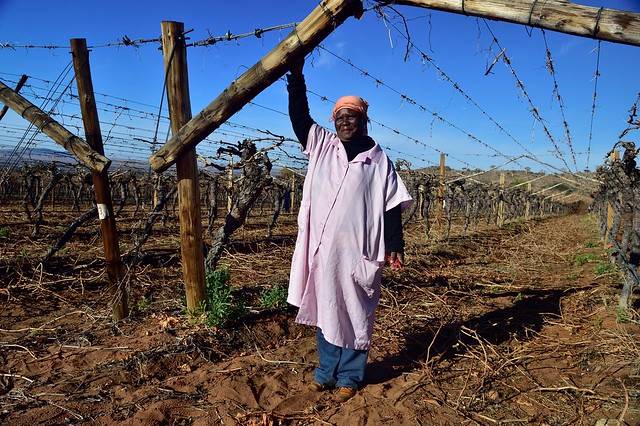
 Several factions surround globalism, some cite statistical reduction in poverty, while others decry effects on local communities. As in all reductive thinking, oversimplification misstates the complexity, succumbing to the facility of a universal perspective. What is absolutely clear, however, is the initial decades of global trade created categorical winners and losers — the most impoverished 5% gained $.07 in daily income, while the top 1% averaged $70. The theory that globalism reduces poverty is multifaceted, and such, globalism is best described as a “two-way street.”
Global Inequality
As the global pool of wealth undeniably grows, financial resources are increasingly concentrated among a powerful economic cadre, actually increasing global inequality. Subsequently, inter-national economies are seeing more parity, but intra-national wealth distribution is increasingly unequal.
Absent the economic investment from global trade, however, developing nations struggle to modernize. Lacking foreign capital investment to create sustainable industries, an estimated 95% of Indian youth are forced into informal child labor. In the nation-state equivalent of “Sophie’s Choice,” governments are forced to participate while the premise that globalism reduces poverty remains dubious.
Relative and Absolute Poverty
Early returns from globalism showed a reduction in extreme poverty from 36% to 19% between 1990-2008 and capitalists trumpeted imminent eradication of poverty by the benevolent “invisible hand” of market forces. Undoubtedly a monumental achievement, millions have benefited from access to foreign markets.
As always, the devil is in the details. Poverty is an indiscriminate measure, a theoretical categorization defines the powers that be. For the World Bank, poverty is a function of daily income. But, between 1990-2018, the threshold indicating extreme poverty has preposterously risen a mere $0.90 while global GDP grew by $60 trillion during the same period. Given such disproportionality, it is difficult to see how globalism reduces poverty.
Global Poverty or Global Inequality
Ambiguous poverty metrics belie a true consequence of globalism, that the top percentile claimed more than 60% of growth. To retain these substantial gains, it is the providence of influential international corporations and institutions to promote globalism. Exceedingly fungible, poverty metrics become a prism through which various interests and policymakers justify exploitative agendas, often accompanied by stifling conditionalities.
As the International Monetary Fund and European Union counsel draconian measures to fledgling economies, local “governments often find it politically easier to cut the public expenditures for the voiceless” impoverished as connected wealthy classes are “disinclined to share in the necessary fiscal austerity.”
Equally as true in developing nations, entrenched hegemonies have little incentive to shoulder the burden of globalism and frequently siphon economic growth for personal enrichment. Irresponsible stewardship of finances and resources, as always, disproportionately affects voiceless and impoverished communities.
Generations after the ouster of foreign monopoly United Fruit Company from Latin America, indigenous farmers’ share of profit is essentially stagnant as corrupt domestic entities pocket revenue. Globalism reduces poverty only when sufficient protection is guaranteed to populations most at risk of exploitation and achieved only when international, federal, corporate and municipal institutions communicate with disenfranchised communities.
Paternalism in South Africa
Under the best of circumstances, sudden inundation of investment and foreign influence is devastating. For countries without robust legislative institutions, it is cataclysmic. The hyper-racialized-apartheid bureaucracy of South Africa was particularly ill-prepared for the rapid modernization required by globalism.
Despite democratic revolution, political bodies could not address the dual responsibilities of erasing paternalistic and racist policies while simultaneously reentering international trade. After centuries of protectionism and isolation, South African society was a manicured house of cards temperamentally opposed to foreign influence.
The draconian society, which enslaved the Black majority, created a delicate homeostasis and the post-apartheid government was manifestly incapable of protecting the citizenry as globalism began in earnest. A systematically underprivileged class was ripe for exploitation.
Skills-Based Bias
During apartheid, underpaid, low-skill labor provided the engine for economic growth in South Africa. Known as “lumpenproletariat,” these peri-urban shantytown workers relied on the largesse of landed aristocracy for survival.
As a matter of course, economic opportunities through education represented an existential threat to White hegemonies. Because “it is surely the lack of opportunities of the less advantaged that is the real concern” in reducing poverty, undereducated South Africans were dispositionally unable to profit from economic growth.
Compounded by exclusion from land ownership, Black South Africans possessed neither the capital nor the skills for socio-economic gain. Various policy initiatives for Black Economic Empowerment (BEE) have targeted inequality, but generations of subjugation cannot be erased during the short lifespan of South African democracy.
Case Study: South African Winemakers
Overregulation and heavy subsidies throughout the 20th century created an extremely inefficient South African wine industry. Traditional focus on bulk production for domestic markets encouraged widespread plantation of high-yield, low-quality cultivars that were antithetical to international demand for higher quality. With a contorted supply chain entirely unfit for global competition, South African winemakers responded by replanting 50% of vineyards between 1990 and 2005.
To finance these changes, producers required foreign investment. At the behest of multinational distributors, conglomeration through a spate of mergers destabilized traditional market structures — the consolidation of Distillers and Stellenbosch Farmers Winery eliminated 2,000 jobs alone.
Moreover, a weak currency forced producers to rely on foreign capital for infrastructure improvements to replace apartheid-era slave labor. As South African winemakers became increasingly dependent on external financing, mechanization reduced permanent employment by 60%.
The Unequal Distribution of Benefits
Nonetheless, foreign investment allowed the wine industry to grow. Exports increased tenfold during the 90s, and by 2002, South Africa was the fastest-growing sector in the all-important British market. Representing 45% of domestic exports, the fortunes of South African winemakers were existentially linked to unpredictable foreign markets.
But, native producers have seen little benefit. As of 2018, the average return on investment for those costly infrastructure upgrades is an abysmal 2%. And after three decades of democratic rule and countless land reforms, Black ownership in the wine industry is 3%. However, a goal of 20% by 2025 was established in 2007.
A Two-Way Street
In the hyper-competitive wine trade, “survival is not made any easier by the fact that globalization is a two-way street.” The South African wine industry is just one example of countless local communities at the mercy of free markets.
Nonetheless, increased trade and economic growth from globalism affect poverty. The 21st century will be judged by how well the fruits of international wealth are distributed to the most vulnerable populations. As early growing pains subside, poverty eradication is within grasp if the world so chooses.
–Kit Krajeski
Photo: Flickr

Globalism Reduces Poverty: Insights From South Africa
Global Inequality
As the global pool of wealth undeniably grows, financial resources are increasingly concentrated among a powerful economic cadre, actually increasing global inequality. Subsequently, inter-national economies are seeing more parity, but intra-national wealth distribution is increasingly unequal.
Absent the economic investment from global trade, however, developing nations struggle to modernize. Lacking foreign capital investment to create sustainable industries, an estimated 95% of Indian youth are forced into informal child labor. In the nation-state equivalent of “Sophie’s Choice,” governments are forced to participate while the premise that globalism reduces poverty remains dubious.
Relative and Absolute Poverty
Early returns from globalism showed a reduction in extreme poverty from 36% to 19% between 1990-2008 and capitalists trumpeted imminent eradication of poverty by the benevolent “invisible hand” of market forces. Undoubtedly a monumental achievement, millions have benefited from access to foreign markets.
As always, the devil is in the details. Poverty is an indiscriminate measure, a theoretical categorization defines the powers that be. For the World Bank, poverty is a function of daily income. But, between 1990-2018, the threshold indicating extreme poverty has preposterously risen a mere $0.90 while global GDP grew by $60 trillion during the same period. Given such disproportionality, it is difficult to see how globalism reduces poverty.
Global Poverty or Global Inequality
Ambiguous poverty metrics belie a true consequence of globalism, that the top percentile claimed more than 60% of growth. To retain these substantial gains, it is the providence of influential international corporations and institutions to promote globalism. Exceedingly fungible, poverty metrics become a prism through which various interests and policymakers justify exploitative agendas, often accompanied by stifling conditionalities.
As the International Monetary Fund and European Union counsel draconian measures to fledgling economies, local “governments often find it politically easier to cut the public expenditures for the voiceless” impoverished as connected wealthy classes are “disinclined to share in the necessary fiscal austerity.”
Equally as true in developing nations, entrenched hegemonies have little incentive to shoulder the burden of globalism and frequently siphon economic growth for personal enrichment. Irresponsible stewardship of finances and resources, as always, disproportionately affects voiceless and impoverished communities.
Generations after the ouster of foreign monopoly United Fruit Company from Latin America, indigenous farmers’ share of profit is essentially stagnant as corrupt domestic entities pocket revenue. Globalism reduces poverty only when sufficient protection is guaranteed to populations most at risk of exploitation and achieved only when international, federal, corporate and municipal institutions communicate with disenfranchised communities.
Paternalism in South Africa
Under the best of circumstances, sudden inundation of investment and foreign influence is devastating. For countries without robust legislative institutions, it is cataclysmic. The hyper-racialized-apartheid bureaucracy of South Africa was particularly ill-prepared for the rapid modernization required by globalism.
Despite democratic revolution, political bodies could not address the dual responsibilities of erasing paternalistic and racist policies while simultaneously reentering international trade. After centuries of protectionism and isolation, South African society was a manicured house of cards temperamentally opposed to foreign influence.
The draconian society, which enslaved the Black majority, created a delicate homeostasis and the post-apartheid government was manifestly incapable of protecting the citizenry as globalism began in earnest. A systematically underprivileged class was ripe for exploitation.
Skills-Based Bias
During apartheid, underpaid, low-skill labor provided the engine for economic growth in South Africa. Known as “lumpenproletariat,” these peri-urban shantytown workers relied on the largesse of landed aristocracy for survival.
As a matter of course, economic opportunities through education represented an existential threat to White hegemonies. Because “it is surely the lack of opportunities of the less advantaged that is the real concern” in reducing poverty, undereducated South Africans were dispositionally unable to profit from economic growth.
Compounded by exclusion from land ownership, Black South Africans possessed neither the capital nor the skills for socio-economic gain. Various policy initiatives for Black Economic Empowerment (BEE) have targeted inequality, but generations of subjugation cannot be erased during the short lifespan of South African democracy.
Case Study: South African Winemakers
Overregulation and heavy subsidies throughout the 20th century created an extremely inefficient South African wine industry. Traditional focus on bulk production for domestic markets encouraged widespread plantation of high-yield, low-quality cultivars that were antithetical to international demand for higher quality. With a contorted supply chain entirely unfit for global competition, South African winemakers responded by replanting 50% of vineyards between 1990 and 2005.
To finance these changes, producers required foreign investment. At the behest of multinational distributors, conglomeration through a spate of mergers destabilized traditional market structures — the consolidation of Distillers and Stellenbosch Farmers Winery eliminated 2,000 jobs alone.
Moreover, a weak currency forced producers to rely on foreign capital for infrastructure improvements to replace apartheid-era slave labor. As South African winemakers became increasingly dependent on external financing, mechanization reduced permanent employment by 60%.
The Unequal Distribution of Benefits
Nonetheless, foreign investment allowed the wine industry to grow. Exports increased tenfold during the 90s, and by 2002, South Africa was the fastest-growing sector in the all-important British market. Representing 45% of domestic exports, the fortunes of South African winemakers were existentially linked to unpredictable foreign markets.
But, native producers have seen little benefit. As of 2018, the average return on investment for those costly infrastructure upgrades is an abysmal 2%. And after three decades of democratic rule and countless land reforms, Black ownership in the wine industry is 3%. However, a goal of 20% by 2025 was established in 2007.
A Two-Way Street
In the hyper-competitive wine trade, “survival is not made any easier by the fact that globalization is a two-way street.” The South African wine industry is just one example of countless local communities at the mercy of free markets.
Nonetheless, increased trade and economic growth from globalism affect poverty. The 21st century will be judged by how well the fruits of international wealth are distributed to the most vulnerable populations. As early growing pains subside, poverty eradication is within grasp if the world so chooses.
–Kit Krajeski
Photo: Flickr
The Impact of COVID-19 on Poverty in the DRC
The intersection of COVID-19 and poverty in the Democratic Republic of the Congo (DRC) has worsened health and economic crises. In 2019, after years of political dissent, Félix Tshisekedi became president of the DRC. Prior to 2019, the nation had faced human rights violations as the previous president, Joseph Kabila, delayed elections and violently squandered peaceful protests to maintain his power beyond the constitutional two-term limit. Kabila killed hundreds of civilians in his quest to stay in power. Rebel groups have also displaced citizens and targeted healthcare workers for decades. Because of those groups and a new and fragile government, the DRC was particularly vulnerable to both COVID-19 and high poverty rates. Here is some information about the impact of COVID-19 on poverty in the DRC.
COVID-19 and Poverty in the DRC
When the coronavirus first appeared in the DRC, restrictions provided hope that conflicts would pause in the name of public health. However, rather than being able to safely receive necessary medical attention, persisting conflicts displaced at least 300,000 Congolese in Ituri Province. The mass displacement of Congolese made social distancing guidelines difficult to uphold, increasing individuals’ susceptibility to the virus. As of July 2021, the World Health Organization (WHO) reported there have been 43,333 confirmed coronavirus cases and 973 deaths in the DRC since January 2020.
The pandemic reinforced the link between poverty and disease in the DRC. The DRC has the third-largest population of people in poverty globally – an estimated 73% of Congolese lived on less than $1.90 per day in 2018. Furthermore, particularly high numbers of people in the eastern part of the country are battling preexisting conditions ranging from diabetes and high blood pressure to Ebola, putting them at an elevated risk of contracting COVID-19. In a study of 766 COVID-19 cases in the DRC, only 2.6% of patients with mild or moderate health conditions died from the virus, compared with 45% of patients with a severe condition. The DRC’s struggle against other public health issues exacerbates the threat of COVID-19, especially among those living in poverty.
Economic Growth During COVID-19 Pandemic
In addition to the threat of increased COVID-19 cases and deaths, the impact of COVID-19 on poverty in the DRC has thus far been drastic. In 2020, the unemployment rate reached 4.6%, a 10.17% jump from the previous year. As of October 2020, expectations determined that COVID-19 would push approximately 4 million people into poverty by the end of that year.
The DRC’s rate of economic growth fell from 4.4% before the pandemic to 0.8% in 2020. The contribution of extractive industries such as mining to the DRC’s economic growth fell from 0.28% in 2019 to 0.17% in 2020. Attempts to contain the virus via government restrictions also impacted the manufacturing and commerce sectors. According to the African Development Bank Group, non-extractive sectors’ contribution to economic growth fell from 4.1% in 2019 to -1.9% in 2020. However, recent analyses are pointing toward a relatively quick recovery in 2021 and 2022.
Vaccine Rollout in the DRC
Vaccine rollouts are increasing globally, a trend that predictions have determined could continue. At the G7 Summit in 2021, the United States shared its plan to donate 19 million vaccine doses to the WHO initiative COVAX, which will distribute them to low- and middle-income countries. In March 2021, the DRC received 1.7 million Oxford-AstraZeneca doses from COVAX, but returned them due to potential health concerns. Around the same time, many European countries had also suspended the rollout of the AstraZeneca vaccine because of possible blood clots. In early July, the health minister of the DRC reported the country was in its third wave of COVID-19. Donating new vaccine doses to the DRC is vital.
Community Efforts to Increase Vaccination Rates
Even with vaccines available, Congolese must elect to receive them. Bélle-Surprise Makaya, a health worker native to North Kivu, advocates for vaccines in local communities. She and colleagues initiated their campaign in April 2021, when the first shipment of Oxford-AstraZeneca vaccines arrived in the DRC.
Makaya recognizes many Congolese people’s anxiety about receiving the “jab.” She told Gavi, an organization that works to provide immunizations to low-income countries, that she is “committed to dispelling such hesitations.” Makaya notes that her coalition has led to higher turnout among local populations and not just healthcare workers.
The impact of COVID-19 on poverty in the DRC has been drastic. However, initiatives like COVAX are providing vaccines, and Congolese people are learning why they should receive the vaccine. More vaccinations will not only slow the spread of the virus, but will also aid economic recovery as the country will spend less money on public health. Economic recovery is undoubtedly on the horizon in the DRC as long as vaccine rollout continues.
– Krystal Koski
Photo: Flickr
The Impact of COVID-19 on Poverty in Madagascar
Madagascar, an island enriched with a culture of religious diversity, castes and classes and growing tourism, is the fifth poorest country in the world. In fact, the pandemic has raised Madagascar’s poverty rates from 75% to 78%. The impact of COVID-19 on poverty in Madagascar has been significant but the country is working to slow the spread of the virus.
Before the Pandemic
Prior to the COVID-19 pandemic, Madagascar was seeing an economic boom with a growth rate of 4.9% in 2019, its highest level in over a decade. The country made such economic progress largely due to an increase in exportation activity. Despite significant improvements, barriers such as inadequate infrastructure, lack of competition in key sectors, poor governance and slow progress in human capital development continued to restrict further economic growth in Madagascar.
During the Pandemic
The impact of COVID-19 on poverty in Madagascar has restricted global trade and hindered Madagascar’s major industries. This sent the country into a sudden, spiraling recession. Madagascar’s economic progress has faced a sharp decline due to the pandemic. The country is dealing with a GDP deflation of -4.2%. This economic loss is due to unemployment and other poverty-causing factors such as loss in trade and tourism revenue.
From 2017-2019, Madagascar’s unemployment rate was 1.7%. This rate increased to 1.9% in 2020. Madagascar’s current total number of COVID-19 cases is 42,216, far fewer than many other African countries. However, the CDC classifies Madagascar as having very high levels of COVID-19 cases, as cases have been rising recently.
A deeper look at pandemic caused factors that are affecting Madagascar’s economy and increasing poverty rates:
The Future
Although the impact of COVID-19 on global poverty in Madagascar continues to be a prevalent problem, getting Madagascar back to a state of economic growth is a reachable goal for a lot of groups. A group of private Magalyze companies holds optimistic goals for the future, expecting Madagascar to achieve a 5% growth rate through the collaboration of public authorities. Rebuilding Madagascar’s economy requires political governmental action to mobilize domestic resources and stimulate Madagascar’s struggling but essential industries.
The World Bank estimates that Madagascar will gradually recover by 2023. During this recovery time, mass testing and contact tracing should help reduce the effects of the pandemic. President Andry Rajoelina made a statement in March 2021 against mass vaccinations, calling for an “herbal remedy.” The World Bank says that a vaccination-centered campaign is necessary to ensure that the country does not experience a resurgence of cases. Vaccination is among the most effective ways to help developing countries recover from the economic, health and social impacts of COVID-19.
As of June 2021, 0.68% of Madagascar’s population has received at least one dose of the vaccine. In early May 2021, Madagascar received its first batch of 250,000 COVID-19 vaccinations because of the global COVAX initiative, which plans to cover vaccines for 20% of Madagascar’s population.
Solutions
UNICEF has been working to combat the impact of COVID-19 on poverty in Madagascar through holistic efforts. In May 2021, UNICEF received 200 new oxygen concentrators which Madagascar used to help those suffering from COVID. These oxygen concentrators will help COVID-19 healthcare as healthcare facilities in Madagascar often run out of medical supplies. Additionally, UNICEF is working to rebuild Madagascar through advocacy that addresses malnutrition, healthcare access and poverty. These sectors of advocacy are interconnected as 60% of those living in Madagascar live over 5 km from a healthcare facility and often lack reliable transportation and roads to reach such facilities. Access disproportionately affects those living in poverty and has links to gender and literacy inequalities as well.
The Ministry of Public Health is working with UNICEF to promote public engagement and communication in relation to COVID-19 risks. This includes updating databases and preparation plans to deal with further cases and the next winter period.
Founded in 1999, SEED Madagascar (Sustainable, Environment, Education & Development) is a charity dedicated to addressing Madagascar’s distinct needs through sustainable development. SEED has already reached over 2,380 community members through COVID-19 informational sessions and 16,533 people on proper handwashing demonstrations. The organization has been working to train health workers and school teachers on COVID-19 prevention.
Looking Ahead
Prior to COVID-19, poverty rates in Madagascar were dropping as its economy grew. This growth stunted once the pandemic hit Madagascar’s communities. As the GDP fell, more and more civilians stumbled into poverty because of job loss and health expenses. Various organizations have been partnering with Madagascar’s government to lift people out of poverty and help the country reduce COVID-19 outbreaks and deaths. As trade networks strengthen and the tourism industry picks up again, leaders are hopeful of returning growth to Madagascar’s economy and further reduction of poverty rates.
– Sarah Eichstadt
Photo: Flickr
Bolivia’s Uru People Fight Through Pollution
For many years, Lake Poopo, Bolivia’s second-largest lake, has supported the Uru people, also known as the “people of the lake.” Large in size, the lake has always fluctuated, from a mere 1,000 square kilometers to over 3,500 square kilometers in its peak in the late 80s. With such a sizable resource, the Uru people were able to create a unique culture that enabled them to dominate the lakeshore and surrounding regions. In their culture, when two Uru would decide to marry, traditional customs called for the building of a “family of reeds” on Lake Poopo, surviving off what they could forage along the lakeshore. Fish, eggs and hunted birds supported the local populace, keeping the environment in a rich, harmonic relationship that the Uru people thought would last for their entire lifetimes.
This thought is now little more than a memory to Luis Valero, a local Uru community leader who remembers when his grandfather saw the Lake as sustaining him and his people for all of their lives. The memory is now slowly draining away as Lake Poopo suffers from human-accelerated pollution. It is leaving the waters dried up and the Uru people are floundering and grasping for anything to sustain them.
How Poverty Began
For generations, the Uru people lived off the bounty of the Lake, but after Lake Poopo dried up in 2015, things took a turn for the worse, forcing the Uru people to settle on what remains of a lakeshore. The Uru people survived largely from an independent lifestyle tin which they did not need to generate extraneous products for trade. The men would support their families through hunting and fishing while the women largely worked in small crafts and trades. Now, with Lake Poopo suffering from human-accelerated pollution, many of the local men, unable to sustain their families or entertain the possibility of one, leave and look for work elsewhere. The results of water diversion projects for farming have drained Lake Poopo of its vitality and accelerated the Uru people to poverty as more continue to face a new reality they did not anticipate.
Effects of a Global Pandemic
The effects of the COVID-19 pandemic have only strained community bonds as the Uru people strive to replenish their cultural identity in the midst of deterioration. One of the consequences of the Lake’s accelerated pollution is the migration of cultural identity in the form of language. Speakers of the Uru-Cholo language have become less plentiful as young men, unable to find work around the lake as it dries up, explore opportunities outside the community in the mines and surrounding towns. This slow migration dissipates the community structure, leaving many women and men fighting to stay out of poverty. Their efforts have not gone unnoticed, though, as the Bolivian government has teamed up with local organizations in an effort to keep the Uru people’s language alive.
The Good News
Bolivia’s industrialization has created more wealth for the country and its workers. However, as more Bolivians have moved to the cities for opportunities working in salt and mineral mines, more pollution emerged. The level of pollution has deeply affected Lake Poopo and the surrounding shoreline communities of the Uru people, so when a severe drought in 2016 deeply depleted Lake Poopo of water, local volunteers banded together with one goal in mind: clean up the surviving lakes.
The humanitarian effort to clean the lakes drew hundreds of diligent volunteers from around the world, even attracting a French social media personality. Many people are hopeful the Lake can be improved, with some like local volunteer Magali Huarachi saying, “I think that if we all do our little bit, by picking up our garbage or coming to help here, then we are going to make this place beautiful in a while.” The Bolivian government is on their side, taking steps along with local organizations to continue preserving the community’s language to the Uru children through local teachers.
– Alex Pinamang
Photo: Flickr
6 Facts About COVID-19 Vaccination in the United Kingdom
6 Facts About COVID-19 Vaccination in the United Kingdom
Looking Ahead
Overall, COVID-19 vaccination in the United Kingdom shows success as more than 79.3 million people have received at least one dose of the vaccine. People receive these vaccines in community pharmacies, hospitals, local general practices and other vaccination sites around the country. As a result, the U.K. government is currently on track to vaccinate all adults soon.
In the words of British vaccines minister Nadhim Zahawi, this constitutes a “fantastic milestone and cause for celebration.” As more people get vaccinated, the U.K. government will be able to ease lockdown restrictions and reintroduce a sense of normalcy in society.
– Chloe Young
Photo: Flickr
COVID-19 and Poverty in Israel
In 2020, poverty in Israel increased as the COVID-19 pandemic spread throughout the world. At the beginning of 2021, at least 2 million Israelis were living below the poverty line. Israel’s poverty rate increased from 22.4% in 2019 to 23% in 2020. In addition, Israel’s economy took a 2.4% contraction in 2020, resulting in high unemployment. The wealth divide became more evident during the pandemic as poverty in Israel continued to grow. However, as poverty devastated the economy, there have been significant efforts for recovery. This article explores the relationship between poverty and COVID-19 in Israel along with some organizations’ efforts to provide aid.
The Poverty Rate in Israel
Before the pandemic began, many Israeli citizens were already living in poverty. At least 1.8 million people lived under the poverty line in 2018, with 841,000 of those being children. Their standard of living dipped significantly throughout 2020 as well. Fortunately, government handouts and unemployment benefits have helped reduce poverty rates for many low-income and middle-class people. Thus, government aid played an instrumental role in reducing poverty rates and helping Israelis during the COVID-19 pandemic.
The beginning of 2021 saw some growth in the economy. In December 2020, Israel began its vaccination drive, hoping to vaccinate at least 60,000 people a day to combat the coronavirus.
Economy in Israel
With the Israeli economy reopening and most citizens having received the COVID-19 vaccine, there were only around 400 active infections at the end of March 2021, the lowest since June 2020. Serious infections also hit a three-month low. As of early July 2021, around 5.2 million people received both doses of the COVID-19 vaccine. With most of its vulnerable population vaccinated, Israel emerged from its third national lockdown in February 2021.
While Israel’s economy is starting to recover and lockdowns and restrictions are slowly starting to ease, the pandemic plunged 15% of its middle class plunged into poverty. The need for financial aid rose to 70% in the wake of the COVID-19 outbreak.
Despite the surge in poverty, however, there is still hope for Israelis suffering from the pandemic. Various organizations are currently implementing solutions to aid impoverished communities in Israel. An Economic Survey of Israel has identified solutions that can help Israel recover from the pandemic. The presented measures and reforms in the survey included upgrading infrastructure, improving educational outcomes, supporting the poor, simplifying taxes, reducing economic distortions and reducing health risks by improving the environment.
IMPROVATE Innovative Conference
Israel is currently using Israeli technology to help it get out of its COVID-19 crisis. An IMPROVATE Innovative conference occurred in early 2021 where Israeli Innovative and Technology companies met to discuss how their companies can assist Israelis in the aftermath of the COVID-19 crisis. IMPROVATE launched in September 2020 to connect world leaders in the advancement of global progress. With these meetings taking place, it seems as if technological advances will play a role in helping to reshape Israel after its economic crisis.
Latet
Nonprofit organizations have also stepped in to help with the economic disaster. Latet has been the leading NGO fighting poverty in Israel for the past 24 years. It is continuing to help the people of Israel by assisting its most vulnerable populations that the pandemic devastated. Latet believes the Israeli government should be doing more to combat inequality and improve access to resources in Israel.
The nonprofit launched an emergency response during the pandemic to help Israel’s elderly population. With help from volunteers, Latet has provided packages including food, hygiene products and entertainment items to the homes of older people to reduce the spread of COVID-19. The nonprofit has also launched a hotline for populations that need assistance with food or other necessities. Latet has distributed 45,000 emergency packages in addition to its regular program, which helps 60,000 families in need.
Hope for the Future
While COVID-19 has increased poverty in Israel, hope still exists for economic recovery. Millions of Israelis are receiving vaccinations, the economy is slowly reopening and technology companies and NGOs are willing to help the nation deal with the aftermath of COVID-19. While some economic progress for Israel has occurred, the push for further progress must continue.
– Jose Ahumada
Photo: Flickr
USAID in Ethiopia Offers Assistance Amid Civil War
USAID is concerned about Ethiopia’s civil war as the severity of humanitarian assistance needed continues to rise in Tigray, Ethiopia. Millions of civilians are displaced, and health access is critically disrupted across the region. In response to these conditions, USAID in Ethiopia officially launched the Disaster Assistance Response Team (DART). This team intends to mediate assistance and data analysis to provide much-needed humanitarian aid. Tigrayans continue to endure a civil war that has left millions shackled to poverty, terror and a lack of proper assistance.
Tensions Create a Civil War
The Tigray People’s Liberation Front (TPLF) governs Tigray, the populous region in Northern Ethiopia. TPLF is a large political party that has militarily enforced the autonomy of Tigray for 46 years, as it seeks to make Tigray a separate kingdom. In 2018, Prime Minister Abiy Ahmed overtook the election and proceeded to minimize the TPLF’s influence in ruling coalitions. However, federal troops met him with opposition in Tigray. In response, the prime minister launched a domestic law and order operation on TPLF on November 4, 2020. The operation was only set to last for five days. Yet, as tension grew, Ahmed joined military forces with Eritrea to disarm the TPLF troops. Eritrean forces committed the majority of the human rights violations that followed during the five-day operation that turned into a five-month war.
Disaster Assistance Response Team in Ethiopia
USAID in Ethiopia launched DART to assess conditions within the country. The organization reported, “[DART is] identifying priority needs for the scale-up of relief efforts and working with partners to provide urgently-needed assistance to conflict-affected populations across the region.” The population in Tigray is roughly six million. Approximately one million civilians require assistance amid the civil conflict, and four million require urgent food aid. As conditions and access allow, DART conducts humanitarian health programs around the regions. Red Cross assists by distributing medical supplies and essential medicines.
The Stance of Ethiopia’s Government
Some Ethiopians feel deceived by Prime Minister Abiy Ahmed. Since the declaration of war on Tigrayans on November 4, 2020, Ahmed has used Twitter to state his stance against any mediation offers from neutral parties and the international pressure for an inclusive dialogue with all parties involved.
On November 28, 2020, Ahmed tweeted the victory of Ethiopia against the TPLF forces. He stated, “I am pleased to share that we have completed and ceased the military operations in the Tigray region.” The Ahmed administration is reportedly rebuilding the region. However, the war has yet to cease. The following are current predicaments since November 4, 2020:
Progress of USAID
DART has monitored the conditions in Tigray with uplifting progress. The U.N. reports that 16% of Tigray’s hospitals are functioning. Of those functioning, 22% offer vaccination services. Thus, by increasing analysis and focus on critical areas, DART has successfully secured numerous smaller regions in Tigray. Prime Minister Ahmed requested that the Eritrean troops evacuate Tigray due to increased rates of gender-based violence which generated concern for USAID relief workers. Food also remains a critical issue. Other relief organizations, such as the Catholic Relief Services, contribute food and other commodities, in addition to assistance from USAID in Ethiopia.
– Ayesha Swaray
Photo: Flickr
El Salvador: The First Country to Use Bitcoin as Legal Tender
The Benefits of Bitcoin
The authorization of bitcoin as legal tender may be a developing trend across emerging economies. This is because bank penetration and access to traditional financial institutions are remarkably low. In El Salvador, more than 70% of the population lacks any connection to traditional financial services. It is due to these circumstances that Salvadorians have found themselves so reliant on remittances. In the past year alone, remittances contributed a fifth of El Salvador’s total GDP. With the domestic economy so dependent on remittances, it is clear why Bukele would craft a bill intended to ease the process for sending money back home from abroad.
Through cryptocurrency, Salvadorians will be able to send money to impoverished loved ones at a more affordable and quicker rate. No longer will those working in the global north have to rely on remittance firms. Rather, converting local currencies to and from bitcoin requires only an informal broker.
President Bukele will use significant domestic resources to help train the Salvadorian population to carry out bitcoin transactions. El Salvador’s commitment to cryptocurrency will not only forecast the future relevancy of cryptocurrency but act as a case study for other emerging economies that may be interested in eventually adopting bitcoin as legal tender. “The market will now be focused on adoption through El Salvador and whether other nations follow,” said Richard Galvin of crypto fund Digital Asset Capital Management. “This could be a key catalyst for bitcoin over the next two to three years.”
Moving Forward
In the past, people have criticized bitcoin mining for its harmful environmental footprint. However, El Salvador has made a concerted effort to ensure its bitcoin operation uses complete renewable energy. President Bukele has repeatedly stated that El Salvador’s state-run geothermal energy mechanisms will convert power derived from volcanoes for bitcoin mining. Scorching steam generates the power that can spin turbines and generate electricity. Going forward, bitcoin holds enormous potential in driving renewable energy projects across the world, especially in emerging economies.
– Conor Green
Photo: Flickr
How Sephora is Fighting Global Poverty
4 Ways Sephora is Fighting Global Poverty
Sephora’s initiatives like Sephora Accelerate and Charity Rewards help fight global poverty by jumpstarting people’s careers and supporting nonprofit organizations. Additionally, Sephora is fighting global poverty by donating $10 to any legally recognized charity for every hour an employee volunteers at a nonprofit organization. Overall, these measures prove Sephora goes beyond selling cosmetic products, using its worldwide influence to help people in need.
– Chloe Young
Photo: Flickr
Period Poverty in South Africa
Many women menstruate monthly for an average of 40 years of their lives. In many countries, like South Africa, women do not have access to the sanitary products they need each month. Period poverty in South Africa affects girls and women by preventing them from working and going to school. This creates stigma surrounding periods and has a negative effect on their overall hygiene. However, several organizations are working to combat each of these components of period poverty.
Since up to 7 million South African girls do not have access or cannot afford to buy sanitary products, many of them must stay home. Many also report using old clothes and newspapers as sanitary pads when they cannot use sanitary products meant for periods. This is unhygienic and can cause other health problems and infections. Often, girls and women must choose between buying food and sanitary products because of the costs. When faced with this difficult choice, many choose to purchase food as it takes more of a priority. As a result, many must face the health and social consequences of not having sanitary products.
Period Poverty in Schools
An estimated 30% of South African girls do not attend school while they are on their period because they do not have sanitary products. Many often experience teasing in school when they attend while on their periods. The frequency of period-related mishaps increases when girls do not have access to the proper sanitary products. In turn, this causes teasing and also reinforces a stigma surrounding periods. This makes it more difficult for women and girls to voice their concerns about their periods. Many lack access to period products out of fear of others ignoring or ridiculing them.
As more girls miss school while menstruating, it is more difficult for them to learn. With limited education, there is less of a chance for girls to lift themselves and their communities out of poverty. This is the crux of period poverty in South Africa.
Organizations Helping
While there are many problems that come with period poverty in South Africa, many organizations are using their platforms to increase access to sanitary products. They are also aiming to reduce the stigma surrounding periods.
In 2018, a group of student activists organized protests under the slogan and hashtag #BecauseWeBleed to end the 15% Value Added Tax on period products. In 2019, the South African government dropped the tax thanks to the efforts of these students and others.
Project Dignity is an organization that distributes reusable sanitary pads and has been reducing period poverty in South Africa since 2010. The name of these sanitary pads is Subz and they come in a pad and underwear duo which keep moisture away from the body and last up to five years. Project Dignity distributed 65,000 Subz to South African students. The founders also provide education about hygiene, menstruation and HIV.
Like Project Dignity, Qrate Za educates young women about menstruation. In 2018, its founder, Candice Chirwa started creating resources for parents and teachers to educate their children about menstruation. She now conducts workshops to show hundreds of girls how to speak openly about their periods, effectively reducing the stigma surrounding periods. This is an important step in creating a conversation about period poverty in South Africa.
Looking Ahead
Each of these organizations has brought South Africa a step closer to ending period poverty, whether it is through ending the added tax, creating a sustainable sanitary product or educating about menstruation. This work is a pillar in bringing women and girls in South Africa a sustainable lifestyle where their periods do not have to put their health or education at risk.
– Sana Mamtaney
Photo: Flickr