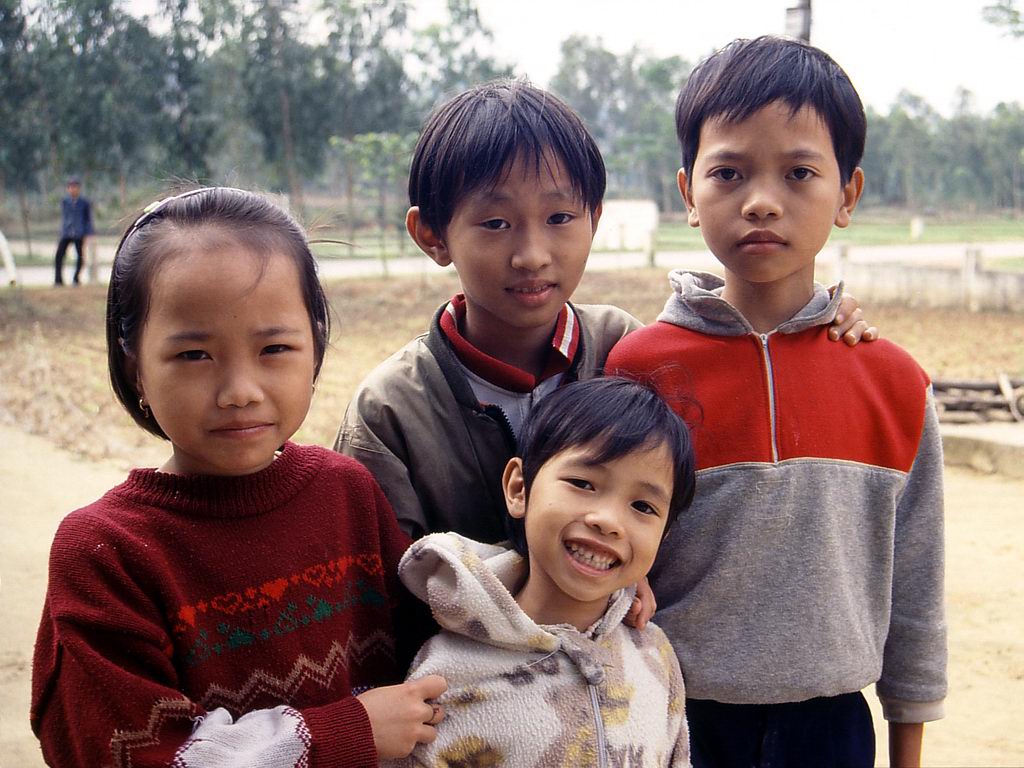
 In the heart of Vietnam, a shadow of violence that knows no boundaries looms over the innocence of countless young souls. However, a beacon of hope shines bright amid this darkness: World Vision Vietnam. This Christian organization stands unwavering, committed to lifting the burdens from the shoulders of vulnerable children. Led by Mr. Doseba Sinay, the National Director, World Vision Vietnam extends its arms to aid, develop and advocate for those most in need. In a recent conversation with The Borgen Project, Sinay sheds light on the harrowing implications of violence against children in Vietnam, reaffirming the organization’s tireless dedication to fostering change and restoring hope.
Violence Against Children in Vietnam
Violence against children in the nation stands as a critical and deeply entrenched societal challenge, demanding immediate action. Despite strides made in areas such as economic advancement and education, the specter of violence persists, casting a dark shadow over the nation’s youth. From physical mistreatment and neglect to emotional and sexual abuse, children across the country endure a spectrum of harmful experiences with far-reaching implications.
According to the Ministry of Labor, War Invalids and Social Affairs Children’s Bureau, between 2020 and 2022 alone, 120 children fell victim to fatal violence, with many subjected to multiple forms of abuse. Alarmingly, approximately 2,000 cases of child abuse occur annually, often perpetrated by individuals known and trusted by the victims, leaving countless more incidents unreported and unchecked.
Violent disciplining remains prevalent in the territory, as reported by the United Nations Children’s Fund (UNICEF) Vietnam, with more than 68% of children aged 1 to 14 enduring some form of violence at home from their parents or caregivers. The national hotline for Children’s Protection 111 receives approximately 30,000 calls monthly. However, during the COVID-19 pandemic, when lockdowns, social distancing and economic strain have contributed to a surge in domestic violence globally, the nation witnessed a corresponding increase in child abuse cases. The number of hotline calls has surged to 40,000-50,000 monthly, underscoring the heightened vulnerability of children in these challenging times.
Many advocates propose establishing a structured system. This system would involve professionally trained social workers collaborating with law enforcement officers and child-friendly judicial entities to identify, intervene, respond to and safeguard children effectively. UNICEF is actively engaged in partnering with pertinent government agencies and provincial authorities to develop a comprehensive child protection framework capable of addressing the diverse causes and manifestations of violence.
Effects of Prolonged Abuse on Children
Children subjected to violence face an elevated risk of various negative consequences, such as compromised physical and mental health, decreased academic achievement and a heightened likelihood of engaging in risky behaviors in the future. Furthermore, the trauma resulting from violence can contribute to a cycle of abuse, as victims are more prone to becoming perpetrators themselves. Research examining brain activity patterns in institutionalized children indicates that severe neglect may lead to delays or deficits in cortical development.
Moreover, children often exhibit internalizing symptoms like anxiety and depression, as well as externalizing symptoms such as conduct disorder and substance use. Behavioral and emotional difficulties observed in abused and neglected children are consistent with effects on the amygdala, including heightened emotional reactivity and deficits in emotional processing. While structural changes in the amygdala due to abuse or neglect are not consistently found in most studies, Functional magnetic resonance imaging (fMRI) studies suggest that early adversity sensitizes the amygdala.
Speaking With Mr. Sinay
In an exclusive interview with Sinay, he underscored the critical importance of combating violence against children. “Violence against children not only causes immediate harm but also leaves lasting scars that can affect them for a lifetime,” Sinay asserts. He stressed the urgency of prioritizing the protection and well-being of vulnerable children, emphasizing that every child deserves a safe and nurturing environment to flourish. “At World Vision Vietnam, we are steadfast in our commitment to eradicating all forms of violence against children,” Sinay explains.
Sinay elaborated on the comprehensive approach adopted by World Vision Vietnam to address parental abuse, stress and children’s mental health issues. “Prevention is paramount,” he emphasized, outlining the organization’s proactive efforts to raise awareness and educate communities about positive parenting practices and non-violent disciplinary methods. Additionally, Sinay emphasized providing support and resources to families facing stressors that may contribute to harmful behaviors. “By tackling the root causes of violence and offering holistic support to families, we aim to break the cycle of abuse and foster a nurturing environment conducive to children’s well-being,” he affirmed.
Regarding mental health challenges among children affected by violence, Sinay stressed the importance of comprehensive support systems. “Children exposed to violence often endure significant emotional and psychological trauma,” he acknowledged. To address these issues, World Vision Vietnam implements specialized programs and services to provide trauma-informed care, counseling and psychosocial support to affected children and their families. “Through our collaborations and network, we strive to heal the wounds of violence and empower children to overcome adversity and fulfill their potential,” Sinay concluded, underscoring the organization’s unwavering commitment to safeguarding the rights and dignity of every child in the nation.
Conclusion
Addressing the issue of violence against children in developing countries requires urgent and coordinated efforts. With a considerable number of children enduring different forms of abuse, the repercussions echo across generations, impeding the progress and well-being of societies. Nonetheless, by placing the protection and welfare of its youth at the forefront, these nations have the opportunity to disrupt the cycle of violence. Through collective actions and a steadfast dedication to upholding children’s rights, we can forge safer and more supportive environments conducive to the flourishing of every child.
– Mahima Bhat
Photo: Wikimedia Commons

World Vision Is Alleviating Violence Against Children in Vietnam
Violence Against Children in Vietnam
Violence against children in the nation stands as a critical and deeply entrenched societal challenge, demanding immediate action. Despite strides made in areas such as economic advancement and education, the specter of violence persists, casting a dark shadow over the nation’s youth. From physical mistreatment and neglect to emotional and sexual abuse, children across the country endure a spectrum of harmful experiences with far-reaching implications.
According to the Ministry of Labor, War Invalids and Social Affairs Children’s Bureau, between 2020 and 2022 alone, 120 children fell victim to fatal violence, with many subjected to multiple forms of abuse. Alarmingly, approximately 2,000 cases of child abuse occur annually, often perpetrated by individuals known and trusted by the victims, leaving countless more incidents unreported and unchecked.
Violent disciplining remains prevalent in the territory, as reported by the United Nations Children’s Fund (UNICEF) Vietnam, with more than 68% of children aged 1 to 14 enduring some form of violence at home from their parents or caregivers. The national hotline for Children’s Protection 111 receives approximately 30,000 calls monthly. However, during the COVID-19 pandemic, when lockdowns, social distancing and economic strain have contributed to a surge in domestic violence globally, the nation witnessed a corresponding increase in child abuse cases. The number of hotline calls has surged to 40,000-50,000 monthly, underscoring the heightened vulnerability of children in these challenging times.
Many advocates propose establishing a structured system. This system would involve professionally trained social workers collaborating with law enforcement officers and child-friendly judicial entities to identify, intervene, respond to and safeguard children effectively. UNICEF is actively engaged in partnering with pertinent government agencies and provincial authorities to develop a comprehensive child protection framework capable of addressing the diverse causes and manifestations of violence.
Effects of Prolonged Abuse on Children
Children subjected to violence face an elevated risk of various negative consequences, such as compromised physical and mental health, decreased academic achievement and a heightened likelihood of engaging in risky behaviors in the future. Furthermore, the trauma resulting from violence can contribute to a cycle of abuse, as victims are more prone to becoming perpetrators themselves. Research examining brain activity patterns in institutionalized children indicates that severe neglect may lead to delays or deficits in cortical development.
Moreover, children often exhibit internalizing symptoms like anxiety and depression, as well as externalizing symptoms such as conduct disorder and substance use. Behavioral and emotional difficulties observed in abused and neglected children are consistent with effects on the amygdala, including heightened emotional reactivity and deficits in emotional processing. While structural changes in the amygdala due to abuse or neglect are not consistently found in most studies, Functional magnetic resonance imaging (fMRI) studies suggest that early adversity sensitizes the amygdala.
Speaking With Mr. Sinay
In an exclusive interview with Sinay, he underscored the critical importance of combating violence against children. “Violence against children not only causes immediate harm but also leaves lasting scars that can affect them for a lifetime,” Sinay asserts. He stressed the urgency of prioritizing the protection and well-being of vulnerable children, emphasizing that every child deserves a safe and nurturing environment to flourish. “At World Vision Vietnam, we are steadfast in our commitment to eradicating all forms of violence against children,” Sinay explains.
Sinay elaborated on the comprehensive approach adopted by World Vision Vietnam to address parental abuse, stress and children’s mental health issues. “Prevention is paramount,” he emphasized, outlining the organization’s proactive efforts to raise awareness and educate communities about positive parenting practices and non-violent disciplinary methods. Additionally, Sinay emphasized providing support and resources to families facing stressors that may contribute to harmful behaviors. “By tackling the root causes of violence and offering holistic support to families, we aim to break the cycle of abuse and foster a nurturing environment conducive to children’s well-being,” he affirmed.
Regarding mental health challenges among children affected by violence, Sinay stressed the importance of comprehensive support systems. “Children exposed to violence often endure significant emotional and psychological trauma,” he acknowledged. To address these issues, World Vision Vietnam implements specialized programs and services to provide trauma-informed care, counseling and psychosocial support to affected children and their families. “Through our collaborations and network, we strive to heal the wounds of violence and empower children to overcome adversity and fulfill their potential,” Sinay concluded, underscoring the organization’s unwavering commitment to safeguarding the rights and dignity of every child in the nation.
Conclusion
Addressing the issue of violence against children in developing countries requires urgent and coordinated efforts. With a considerable number of children enduring different forms of abuse, the repercussions echo across generations, impeding the progress and well-being of societies. Nonetheless, by placing the protection and welfare of its youth at the forefront, these nations have the opportunity to disrupt the cycle of violence. Through collective actions and a steadfast dedication to upholding children’s rights, we can forge safer and more supportive environments conducive to the flourishing of every child.
– Mahima Bhat
Photo: Wikimedia Commons
5 Charities in Sudan
Save the Children
Save the Children, which has been operating in Sudan since 1983 and was founded by sisters Eglantyne Jebb and Dorothy Buxton, is dedicated to supporting communities in need. With a focus on delivering essential medical supplies and emergency trauma kits, Save the Children operates mobile health clinics within displaced camps. Additionally, it addresses malnutrition by distributing nutrition supplements to children in need. Recognizing the profound impact of psychological trauma on children, the organization also provides recreational activities and games to aid in their recovery. The nonprofit helped more than two million people, including 1.5 million children, in 2022.
Islamic Relief
Islamic Relief, operating in Sudan since 1984 and founded by Dr. Hany El-Banna and some students from the University of Birmingham, is adamant about reducing the practice of Female genital mutilation (FGM) in Sudan. Despite facing formidable challenges due to ongoing conflict in the region, Islamic Relief remains committed to this cause.
Sudan’s struggle with FGM is pronounced, with the United Nations Children’s Fund (UNICEF) reporting an alarming statistic: 86.6% of women in the region have been subjected to this harmful practice. It’s frequently the harshest form of FGM that women are put through and young girls aged 5-9 years old often fall prey to this practice.
The procedure is a breach of fundamental human rights. Therefore, it should be advocated against on a much larger scale than it is now, which is why the work of Islamic Relief is essential. Islamic Relief supports 26 health centers nationwide, providing health care and medicine access to 55,261 people. The nonprofit also offered food aid to 116,975 people. Further, it also provided shelter assistance to 2,395 people.
Doctors Without Borders (MSF)
Doctors Without Borders, which has been present in Sudan since 1971 and founded by Max Recaimer and Bernard Kouchner, both volunteer doctors working with the International Committee of the Red Cross funding, operate in 11 of the 18 Sudanese states. “An estimated 11 million people in Sudan need urgent health assistance,” according to the World Health Organization.
Since the conflict started in April 2023, the organization has donated medical equipment, fuel, oxygen, water tanks and other vital tools to hospitals and other health facilities in different parts of Sudan. MSF has successfully provided 586,800 outpatient appointments, delivered 350 tonnes of medical supplies and assisted in 1,950 births.
Muslim Aid
Muslim Aid, founded in 1985 by 17 Islamic organizations and operating in Sudan since 1991, works to improve the country’s overall state. In 2022, the organization prioritized several key areas to uplift communities across Sudan. Among these initiatives was a concerted effort to enhance access to education by supporting 2000 children. Additionally, the nonprofit supported economic empowerment, aiding in the restoration of independent businesses and offered regular child sponsorship starting from £30 ($38.17) per month. The country office for the charity is considered one of the “main partners of UNHCR in addressing asylum seekers from Eastern Sudan.” More than 100,000 people have been beneficially impacted by “key projects” set up by Muslim Aid.
International Committee of the Red Cross (ICRC)
Founded in 1859 by Henry Dunant, ICRC, a nonprofit organization, has been active in Sudan since 1978. In 2023, the ICRC provided essential household items to 20,700 individuals and facilitated 66,500 phone calls between separated family members. Furthermore, it assists farmers by providing seeds and tools and vaccinating pastoralist livestock against diseases. The organization also plays a pivotal role in facilitating the release of detainees. It offers them necessities like clothing and resources to aid in returning to their respective areas of origin.
Many more charities are operating in Sudan due to the intensity of the current conflict. These charities have been on the ground in Sudan for decades and continue to make a positive impact.
– Uswah Khan
Photo: Pexels
Strides Towards Women’s Rights in Saint Lucia
Concerns for Women in Saint Lucia
Top concerns in this country include domestic violence, educational attainment, low wages, instability in the workforce and holding positions of power.
A Women Count Data Hub research study found a difference in unemployment rates between men and women in Saint Lucia. The unemployment rate for women was 17%, compared to men’s 13.8%.
In addition, a 2019 national report by the Generation Equality Forum, a convention that prioritizes global gender equality, identified legal reform as a significant factor contributing to such problems.
Legal Reforms for Women’s Rights in Saint Lucia
A slowdown in the judicial process contributes to challenges relating to the mistreatment of women, including an uptick in crime and violence, low prosecution rates for criminals and limited services for processing sex-related crimes. In 1955, the United Nations introduced the Beijing Declaration and Platform of Action Act (BPfa), which highlights specific challenges in the fight for women’s rights worldwide, including Saint Lucia.
Beyond identifying specific obstacles, the Beijing Declaration and Platform of Action Act outline recommendations that would address gender inequities related to victims of sexual violence, financial literacy, building enterprise and more.
Raise Your Voice Saint Lucia
Additional measures have been taken on the ground. Most notable is Raise Your Voice Saint Lucia, an organization founded in 2012 that is led by women and for women. According to the organization’s mission statement, the purpose is to empower women and children victims of domestic violence through resources that will provide them with the necessary economic and social skills to thrive.
To combat food insecurity among women and children, the organization established the Food Box Program, assisting over 3,000 women and children in Saint Lucia in gaining access to food.
In addition, the organization established a safe housing project and documented helping over 100 victims of abuse and domestic violence. The organization provides victims of gender-based violence with access to secure housing and rental support, empowering self-autonomy among women in abusive scenarios. This initiative paints a clear picture; support for women experiencing violence and abuse is highly critical.
Beijing Declaration and Platform of Action Act (BPfa)
A poverty assessment report found that 17.4% of households led by men were poor. In contrast, 20.4% of households led by women were poor. This divide shows an apparent inequity between men and women when it comes to poverty levels. Such measures outlined in the BPfa suggest that eliminating poverty among women is a top priority as strategic initiatives and solutions are put in place by the government and organizations doing the groundwork.
Other problems, including hunger and domestic violence, can be traced back to poverty. It is an all-encompassing term that can lead to further instability in the lives of individuals.
On a broader scale, the Ministry of Education, Sustainable Development, Innovation, Science, Technology, and Vocational Training serves to help all citizens of Saint Lucia access equitable educational experiences.
While not explicitly geared towards women, the ministry offers a variety of resources, including Book Bursary Programmes. This program was introduced in 2002 and actively works toward assisting parents and guardians of children who are unemployed. It provides textbooks and builds literary skills to help women gain the skills needed to attain a more diverse job.
The BPfA also outlines the importance of expanding access to technology. This will encourage job diversification amongst women due to job segregation among women and women in the workforce.
Access to such resources continues to expand. In 2019, five information communication and technology centers opened in Gros Islet, a village in Saint Lucia. ICT centers are facilities that provide technological services, typically to larger communities.
A Look Ahead
Overall, there will always be achievements, setbacks and significant challenges in addressing global poverty. Increased government support can play a critical role in tackling gender inequities and poverty in Saint Lucia. Continued support from government and federal agencies is necessary to advance women’s rights and eradicate poverty everywhere.
– Dominic Samaniego
Photo: Flickr
Poverty Reduction in Ethiopia
Additionally, the issue of poor housing poses an urgent danger to the health and sanitation of many Ethiopians, as 70% of houses require total replacement. These staggering numbers emphasize the urgency for assistance in Ethiopia, where the public health crisis is worsening. However, significant efforts have been made internationally to combat poverty in Ethiopia and the public health crisis.
The Productive Safety Net Program
One major catalyst for poverty in Ethiopia is food insecurity, which affects millions of Ethiopians. Food insecurity is rapidly growing in the nation due to a drastic increase in droughts since 1999. Ultimately, this impacts Ethiopia’s crop and livestock production, which accounts for nearly 60% and 25% of the Ethiopian agricultural income.
The Productive Safety Net Program (PSNP), implemented by the Government of Ethiopia in 2015, targets households without secure access to food, providing short-term relief and long-term solutions. For example, financial opportunities through cash transfers, reducing food insecurity and increasing resilience to a crisis in Ethiopia.
As a safety net, it prevents starving Ethiopians from selling important assets to overcome food shortages. Since 2015, there have been clear improvements to poverty in Ethiopia; statistics of Ethiopians who live below the poverty line have reduced by 21% and there is a significant reduction in food insecurity.
International Humanitarian Support
The U.S. and the U.K. are continuously making significant efforts to provide vital humanitarian assistance to the people of Ethiopia. They are funding millions to protect their health and improve the quality of life for Ethiopians who are affected daily by poverty.
As the largest single-country provider of Ethiopia, the U.S. has funded more than $331 million in humanitarian assistance towards the country’s poverty crisis in 2023. The funding supports Ethiopians affected by droughts and food insecurity, providing life-saving support such as food, shelter, sanitation and safe drinking water.
In addition, the U.K. has funded £100 million (approximately $126 million) since 2023, focusing on ending preventable deaths targeted at children as well as pregnant women. The U.K.’s objective is to help around three million individuals. Additionally, 75 health centers will be aided in tackling malnutrition and deadly diseases such as malaria and cholera.
Improvements to Sanitation and Housing
Addressing the difficult living conditions generated by poverty in Ethiopia is important. Poorly built housing has a major impact on the public health of Ethiopians, where a staggering 70% of houses require complete replacement. The houses are made of wood and mud with cracked walls, dirt floors and unstable roofs, which are at risk of leaks. Further, only 28% of homes have access to sufficient sanitation facilities, 38% of Ethiopians have no toilet facilities and 48% use open pits or latrines.
Habitat for Humanity has been assisting vulnerable Ethiopians living in poverty since 1993, providing safe homes with water facilities and access to sanitation. Multiple projects provide different objectives to improve the health of Ethiopia, such as the urban slum upgrading project, the water and sanitation project and the Resilience Building Assistance Network (RBDC). Statistics show that since 2022, Habitat for Humanity has been serving more than 97,000 struggling Ethiopians, building more than 65 new homes and improving more than 96,000 homes in need of urgent repair.
Poverty Reduction in Ethiopia
Over the years, Ethiopia has shown remarkable progress. Ethiopians living below the poverty line have decreased by 21% as a result of many factors, including international support and PSNP. However, poverty persists due to natural disasters and extreme population growth, which pose a serious risk to the lives of many. Poverty in Ethiopia is complex and requires continuous support and sustainable solutions for a lasting impact.
– Emily Whatley
Photo: Flickr
Policy Is Promoting a Revolution of Renewable Energy in Eswatini
The transformative journey culminated at the COP26 conference, where Eswatini committed to an ambitious 50% surge in renewable energy production by 2030. This pledge signifies a crucial step toward Swazi energy independence, bridging the stark urban-rural economic divide and promising new employment and educational opportunities.
The commitment is more than a superficial gesture. In collaboration with private entities and foreign aid programs, the Swazi government is taking crucial and necessary steps to advance its energy infrastructure and deliver power to the 17% of the population (more than 200,000 people) living without it.
By investing in renewable energy and expanding electric connectivity, the government aims to liberate unelectrified Swazi citizens from the energy poverty trap, enabling them to realize their untapped potential. These are the four key sectors of renewable energy in Eswatini that are receiving strategic government investments and support.
Biomass Energy
In 2020, bioenergy from burning natural materials such as wood and sugar cane waste constituted 97% of the supply of renewable energy in Eswatini. The government issued an Independent Power Producer (IPP) license to Ubombo Sugar Limited (USL), a private sugarcane agricultural company with a 40% government stake, marking a significant milestone in expanding the bioenergy sector.
USL’s connection to Eswatini’s national grid now contributes 31% of local grid-electricity production, pivotal in the country’s impressive 32% point increase in electricity access between 2011 and 2021.
To electrify the whole population, Eswatini initiated the Partnership for Affordable Renewable Energy in Swaziland (PARES) in 2018. Through public-private partnerships (PPPs), PARES aims to promote sustainability in the bioenergy industry while addressing crucial issues such as investment reliability and unemployment, particularly among the country’s marginalized youth.
Solar Panels
Photovoltaic (PV) solar cells are increasingly prominent sources of small-scale electricity production in Eswatini. The government actively encourages the adoption of solar panels in residential and commercial buildings to provide both electricity and water heating. Continued innovation drives down PV cell prices, promoting off-the-grid power and easing the strain on electricity imports. This individualized approach empowers rural communities, increasing access to education, health care and entrepreneurial opportunities.
Shifting focus to larger-scale projects, such as the Eswatini Solar-Storage Project by Frazer Energy, by granting IPP licenses is poised to increase electricity access, create jobs and even export power to communities throughout Southern Africa. Additionally, the government-owned Eswatini Electric Company (EEC) completed the Lavumisa Solar PV Plant in 2021. Projects such as these conserve millions of liters of fuel throughout their lifetime and ensure year-round reliable and sustainable electrification for public facilities.
Hydroelectric Power
Hydroelectric power currently stands as one of the most prominent energy sources in Eswatini. The EEC operates four hydropower plants, constituting 15% of the country’s electricity production and plans to bolster the existing infrastructure. The EEC and the Public Service Pension Fund (PSPF) have expressed interest in conducting feasibility tests and environmental impact assessments on further investment in hydroelectric energy and project expansions.
The government also granted an IPP to Middle Lusutfu Hydropower Ltd., an energy company aiming to increase Swazi hydroelectricity production by more than 20%. These initiatives showcase the government’s endorsement of investments toward long-term economic growth and providing the impoverished with the resources they need to thrive.
Wind Turbines
While wind energy production in Eswatini is negligible, the country’s mountainous regions hold immense potential for installing wind turbines. Government feasibility studies in the Lubombo Plateau, a largely uninhabited and undeveloped region near the border with Mozambique, are ongoing. No official data from these studies or information regarding international collaboration is publicly available. However, the Swazi government’s engagement with the possibility is a testament to its commitment to energy security and independence.
Through hands-on investment and partnerships with private corporations, the Swazi government exemplifies how emerging economies can electrify their populations with cutting-edge renewable energy technology. There is still much work and foreign investment can accelerate the process. Eswatini offers numerous foreign business incentives, including tax deductions, duty-free imports of machinery and repatriation of profits, ensuring mutual benefits for investors and the Swazi people.
Final Remark
The electrification of Eswatini promises its energy-deprived citizens more than just basic household power. It heralds a new era of economic expansion, immediately offering job prospects in construction and laying the groundwork for internet-driven startups to flourish. Electricity also plays a pivotal role in bolstering health care and education, empowering communities to chart a path towards prosperity. Furthermore, reliable access to electricity will strengthen social bonds, nurturing a sense of belonging and active engagement within the wider Southern African economy.
Eswatini’s energy revolution is a testament to its dedication to sustainability and self-sufficiency. As Eswatini strides into the future with renewable energy, the convergence of local innovation, international collaboration and growth-oriented policies promises to illuminate every corner of the nation. This positions Eswatini as a beacon of inspiration for other developing nations navigating toward a self-reliant future.
– Matthew Candau
Photo: Unsplash
5 Charities Operating in Rwanda
In Rwanda, 45% of people depend on small-scale farming and there is a limited electricity supply, leading to women and children gathering water and firewood for multiple hours daily. However, there is more that needs to be done. Here are five charities operating in Rwanda that are tackling poverty. Of these charities, three focus on education in Rwanda because primary school children perform poorly on literacy and numerical tests.
Forward Africa Education Trust
The Forward Africa Education Trust aims to educate deprived children in Rwanda. This Trust focuses explicitly on the educational attainment among girls rather than boys and children who are orphans. The charity has many sessions focusing on various topics, such as conflict management, mental well-being and transferable skills. By completing these workshops, the children will improve their job prospects.
Under this Trust, six students gained exam grades, placing them in the top quadrant. Additionally, another 15 disadvantaged students continued in school and did not withdraw. The Trust provides academic qualifications and a road to higher education and employment for the youth in Rwanda. This will help people escape poverty and have a secure future.
Children like Christella are success stories. Her mother passed away in August 2018 and with her father being very unwell, her family had very little money. When Christella received funding from the Forward Africa Education Trust, she was able to finish school. Afterward, she wished to receive training to become a nurse to help his local area.
Education Development Trust
In 2001, the Education Development Trust began working with government officials to improve Rwanda’s education quality. This organization had implemented a five-year scheme called the “Building Learning Foundations.” This scheme aimed to improve all primary school children’s English and mathematics skills in Rwanda. This included training teachers to deliver English and mathematics lessons.
This scheme has been successful, given the statistics:
Consequently, 59% of primary three school children were age-level competent in their English skills and 46% were competent in mathematics in 2023.
Solace Ministries
Solace Ministries is a Christian organization that supports people impacted by negative experiences. It aims to improve resilience and promote a feeling of belonging and inclusiveness. The initiative offers many programs, one of which is called the “Child-care and Development” program. This program aims to help children within the education system, from nursery school to higher education.
The drop-out level among students has been increasing in recent years in Rwanda. For example, the drop-out level among primary school children was 7.8% in 2018/2019. This increased to 9.5% in 2019/2020. To combat this problem, Solace Ministries offers free school fees to children from deprived backgrounds to avoid the poverty cycle. The organization provides $109.51 to primary school children and $273.76 to secondary school children per year.
Gardens for Health International
Founded by Julie Carney, Emma Clippinger and Dr. Emily Morell, the Gardens for Health International aims to eliminate malnourishment and promote thriving communities in Rwanda. The mission of this organization is to train Rwandan families with important facts, knowledge and agricultural strategies to ensure their nutritional requirements are met.
In 2020, 33% of children in Rwanda were deemed malnourished. To address this problem, the Gardens for Health International has expanded its coalition. In 2016, the nonprofit partnered with 675 organizations, which increased to 93,046 in 2020. As a result, 22,000 children and 4,300 families were fed, according to its 2022 impact brief.
Health Builders
From 2015 to 2021, Rwanda witnessed an improvement in the survival rates of children. However, as of August 2023, Rwanda is off track in achieving its Sustainable Development Goal on the survival rates of children aged less than 5. Health Builders works with the Rwandan government to create and maintain effective health care services. This is so everyone has access to adequate medical care.
This organization has sufficient technology and equipment to provide timely medical care to Rwandans. As a result, the nonprofit has been able to:
Rwanda has made great progress over the years. However, as mentioned, the poverty rate in Rwanda is still high, according to the World Bank. The efforts of these five charities operating in Rwanda have made significant differences. Altogether, this will promote a better future for Rwandans and the chance for the country to eliminate poverty.
– James McAlinden
Photo: Unsplash
Everything You Need To Know about Child Poverty in Palau
Palau’s Economic Landscape
Palau’s economic landscape predominantly revolves around tourism, supported by agriculture and fishing. Palau is an upper-middle-income country with a Gross Domestic Product (GDP) per capita of US$13,230 in 2023. However, extreme poverty persists, particularly in rural regions with limited access to resources. The causes of family and subsequent child poverty in Palau are multifaceted and volatile. Palau also faces challenges similar to those of other PICTs. Theses include limited access to global markets, fragile resource bases, limited economies of scale, vulnerability to global economic changes and natural disasters that cause economic shocks.
The Extent of Child Poverty in Palau
The United Nations (U.N.) finds approximately 30% of children aged less than 14 living below the basic needs poverty line as of 2006. This is a huge indicator of child poverty in Palau. Children who grow up in poverty lack the necessities of life, such as food, cleanliness, shelter, health care and education. Globally, around one billion children are “multidimensionally” impoverished, which means they lack basic requirements such as nutritious food and safe water.
There is an absence of comprehensive data on childhood wasting and stunting, which is hindering efforts to address malnutrition and its adverse effects on child development. Equally concerning is the prevalence of obesity among Palauan youth, with a staggering 35% of them being classified as overweight or obese. These statistics prove that there is an urgent need for action to address not only material deprivation but also nutritional provision in food and underlying health disparities among Palau’s children.
Efforts to Combat Child Poverty in Palau
In response to these challenges, in collaboration with governmental and nongovernmental entities, the National Youth Council (NYC) of Palau plays an imperative role in advocating for youth empowerment and social inclusion. In the long run, this can be seen as a benefit to upskilling the youth. It provides them with better employment opportunities and, hence, leaves them less vulnerable.
NYC Palau, established in 2004, is dedicated to empowering youth by collaborating with government and NGOs to offer various services and activities. Through extensive research and database management, it monitors youth engagement in various sectors, assesses their well-being and addresses issues such as substance abuse, unemployment and conflicts with the law. Using this data, NYC Palau formulates policy mandates to achieve youth empowerment goals, setting targets for partner organizations.
President Tommy Remengesau also declared 2016 the “Year of the Youth” to prioritize youth welfare and enable an environment for their development. The declaration aims to implement a comprehensive youth strategy through the council that promotes all organizations to better identify and serve the interests of Palau’s youth. Additionally, NYC Palau implements career counseling programs, school-specific initiatives and schemes to enhance Palau’s labor market, which are often supported by grants.
Palau’s Commitment to Child Rights
Palau’s commitment to combating child labor, a grave reality and consequence of child poverty, is also displayed by its ratification of Convention No. 182 by the International Labour Organization (ILO). The 182nd Convention of ILO addresses the prohibition and elimination of the worst forms of child labor. This includi slavery, sexual exploitation, the involvement of children in armed conflict, prostitution, pornography and drug trafficking that endanger children’s health, morality or psychological well-being.
In 2019, Palau took significant steps to protect children from the worst forms of child labor by enacting a new Penal Code. This legislation specifically targets child pornography and the trafficking of children for labor exploitation, underscoring Palau’s commitment to safeguarding children’s rights and welfare. This is in addition to its impressive Realization of Children’s Rights Index score of 8.17 out of 10.
Final Remark
Child poverty in Palau is a multifaceted issue that demands nuanced solutions and collaborative efforts across sectors. Palau can chart a path toward sustainable development and social justice by continuing to address the underlying determinants of poverty, investing in education and health care and prioritizing youth empowerment.
– Malaikah Niyazi
Photo: Flickr
Hunger in Tokelau
Life on the Remote Atolls
About 1,500 people live on the coast of the three atolls: Atafu, Nukunonu and Fakaofo. The remote islands depend on boats and planes for transportation and trade. This makes it hard for them to get food from other places and limits their economic opportunities. Most people rely on fishing and subsistence farming for their livelihoods. However, these are threatened by changing weather patterns and environmental degradation.
Nutritional Challenges in Tokelau
Shifting weather patterns, a grim consequence of the changing climate, dramatically reshape Tokelau’s once-predictable island life. Rising sea levels fueled by warming waters threaten coastal areas with erosion and flooding. Droughts and storms, once infrequent visitors, have become unwelcome regulars, disrupting freshwater supplies and agricultural practices. Saltwater intrusion, a silent invader, contaminates freshwater sources and soils, jeopardizing food security and traditional livelihoods.
Addressing the impact of changing weather patterns on Tokelau’s small atolls requires a multifaceted approach, including a shift in community mindsets and behavior. The island needs adaptation measures for essential service provision and increased capital investment to strengthen infrastructure against the changing climate.
Further, recent decades have witnessed a cultural shift that has contributed to hunger in Tokelau. Increased access to imported, processed foods has led to the gradual loss of traditional knowledge and skills for growing and preparing local fare. While often cheaper and more convenient, these imported options are laden with sugar, fat and salt, lacking essential vitamins and minerals.
This shift has fueled a rise in diet-related diseases like obesity, diabetes and heart problems, with children most susceptible due to their critical need for proper nutrition for growth and development. A United Nations Children’s Fund (UNICEF) situation analysis of children in Tokelau found that obesity and related non-communicable diseases are major public health concerns. Data from 2010 suggests that 74% of the population aged more than 16 and 33% of children aged 0-15 were obese.
Initiatives To Fight Hunger in Tokelau
Despite the challenges, there is hope for Tokelau to overcome hunger and achieve food security. The Food and Agriculture Organization of the United Nations (FAO) initiatives and programs address the problem from different angles. FAO has been partnering with Tokelau since 2011 as an Associate Member. The organization’s assistance to Tekolau has helped sustain natural resources and food security in the past few years.
FAO tailors its aid to Tokelau through the 2013-2017 Country Programming Framework. This framework addresses the regional needs of 14 Pacific Island Countries, including Tokelau, while focusing on five key areas:
In Tokelau specifically, FAO prioritizes building food security and climate resilience through two outcomes. The organization works to integrate environmental sustainability and adaptation to the changing climate into policies. Also, it wants to enhance environmental sustainability and resilience through improved coastal area management and sustainable land-use planning.
Tokelau’s Land Management Challenges and FAO’s Support
Tokelau’s low-lying atolls (three to five meters above sea level) face significant challenges due to coastal erosion. The limited land fertility and few natural resources further complicate food security and sustainable development.
Recognizing these challenges, FAO provided technical assistance to develop Tokelau’s first land-use plan. This plan, informed by land resource assessments and alternative scenarios, outlines sustainable land management practices and designates specific areas for various purposes, including tree planting, agriculture, infrastructure, housing, protected reserves and coastal development.
The Future of Tokelau
Tokelau’s struggle with hunger exemplifies the global need to achieve SDG 2. By working towards this goal, the international community can support vulnerable communities like Tokelau in building a future free from hunger and malnutrition, ensuring a healthy and sustainable future for all.
– Adewumi Adewale
Photo: Flickr
Being Poor in Georgia
The government aims to reduce poverty despite harsh circumstances by combining targeted social assistance, fiscal policy measures and collaboration with the United Nations (U.N.) to eradicate extreme poverty as part of the 2030 Sustainable Development Goals (SDGs). Specific attention is paid to vulnerable population segments, such as women and children.
Poverty in Georgia
In 2022, Georgia’s poverty headcount ratio reached 15.6% of its population at the national poverty line, its lowest in history. As a middle-upper-income country, Georgia has made huge strides in reducing its poverty rate in recent years. The nation, however, faces some structural deficiencies. The World Bank reports that limited high-quality job creation persists. At the same time, a third of the population still relies on low-productivity agriculture for income.
Education in Georgia
Part of these structural issues stems from the state of education in Georgia. As a country, Georgia spends less than countries with similar Gross domestic product (GDP) on education. The United Nations Children’s Fund (UNICEF) pointed out that on top of low spending, bad resource allocation and low quality of teaching impair students’ ability to reach their full potential.
This is particularly true for students from rural and poor backgrounds, where completing upper secondary school is reported at 50% for rural students and 43% for students from poor backgrounds. Being poor in Georgia or from a rural area of the country means fewer chances of income growth through education. Thus, it is ostracizing already marginalized population segments from education-led social mobility.
Women and Poverty
Being poor in Georgia is not a condition equal across both sexes. Although poverty rates are similar among men and women, other sets of factors render women much more vulnerable to precarious situations. A U.N. report pointed out the large share of women who perform unpaid household work. About 49% of women cite unpaid care work as the principal reason for not having formal employment. This lack of revenue, specifically for poor women, exacerbates extreme risks of poverty as dependent upon the husband’s income.
Moreover, lack of formal work experience often leads to precarious job situations with a 14.7% hourly pay gap between men and women. In all, households headed by women are 20% more likely to face absolute poverty compared to male-headed households. This gender disparity also affects future generations; as the U.N. points out, children of poor households are more likely to remain in poverty; thus, gendered poverty undermines poverty reduction efforts.
SDGs 2030 and Georgia
Georgia, in 2015, committed to implementing the 2030 SDGs, setting 95 national targets to reach the 17 SDGs. Starting in 2015, Georgia identified its national strategy with the joint help of the U.N., producing numerous reports on the country’s growth and sectoral weaknesses. In particular, reports pointed out the prevalence of rural-to-urban income inequalities and the importance of social assistance to vulnerable population segments. These reports allowed targeted initiatives to accomplish SDG 1 on reducing extreme poverty.
For instance, in collaboration with the United Nations Development Programme (UNDP) and the European Union (EU), Georgia has implemented national strategies to render small to medium-sized businesses more sustainable and productive in rural areas. One of these success stories comes in the tea production area. The EU’s Innovative Action for Private Sector Competitiveness in Georgia, implemented with the help of the UNDP, has invested up to €5.7 million (approximately $6 million) in sustainable tea culture in the northern part of the country. This initiative has helped Georgian tea companies export to countries like Germany, growing income in rural parts of the country.
CARE International, an NGO working in Georgia
CARE International began its work in Georgia in 1992, supporting economic growth and civil society development amid the Soviet Union’s collapse. In 2008, CARE played a crucial role in supporting displaced persons as armed conflicts broke out in the region. The organization has since tailored its involvement to economic growth and implementing the 2030 SDGs in Georgia.
It emphasizes women’s empowerment in leadership and economic opportunities and support for rural households at risk of falling or already below the poverty line. CARE International has successfully reached 24,233 people, 57% of whom are women. The organization estimates its direct impact on implementing the 2030 SDGs since 2015 to have reached more than 100,000 people, reducing the likelihood of being poor in Georgia.
Looking Ahead
Georgia’s dedication to fighting poverty has shown encouraging results in the last decade. Although a range of structural issues related to education or women’s rights remain salient, the government’s commitment to improving the country’s population’s living standards sets it on the right track.
In December 2023, following an application to enter the EU, Georgia was granted candidate status, meaning the country meets the requirements and is eligible. This strengthening of EU relationships has prompted numerous cooperations in areas such as health care and economic partnership. With the ongoing process, Georgia’s decision to apply for EU membership is already bearing its fruits and helping eradicate extreme poverty.
– Felix Stephens
Photo: Flickr
Malta’s Foreign Aid
Mainly, foreign aid assists in times of need. It has multiple benefits for both the receiving country and the country assisting. A key benefit can stimulate economic growth and help fight poverty in the developing country through the support of education and health care, as well as the funding of infrastructure, which can create jobs and improve living standards. Another benefit is that the country providing foreign aid improves its security, as it helps cultivate relationships between the countries – this can lead to the possibilities of investment and trade.
Foreign aid is a key way countries are helping to fight poverty in developing countries. Malta is one of those countries helping. Malta’s foreign aid exhibits its commitment to international solidarity and humanitarianism.
Malta’s Foreign Aid
The Order of Malta uses the Foreign Aid Service (FAS) to raise funds for those in need abroad. It focuses on humanitarian aid and missions run around the world. It raises money to support the disadvantaged, such as the elderly and disabled people, the homeless and refugees. Also, it helps countries that have gone through disasters and emergencies.
Some types of foreign aid Malta provides include:
A subsection of the Order of Malta called Malteser International is a humanitarian aid organization dedicated to working on the frontlines, providing relief and rehabilitation for those who need it after disasters. Its mission is to “serve the poor and the sick.”
Example of Malta’s Foreign Aid
Most recently, the Order of Malta has raised funds for the earthquake in Syria and Turkey, one of the region’s worst earthquakes in years. More than 15 million people were impacted by the quake, with around 130,000 people injured and 55,000 people dead. In response, Malteser International provided immediate aid, as a team was already working on a regional project. An emergency relief team was organized to bring supplies to the people affected by the earthquake.
Malteser International and How It Helps
Most of Malta’s foreign aid consists of services Malteser International carries out. The organization provides support on many continents, including Africa and Asia. One of Malteser International’s African initiatives involves fighting AIDS and tuberculosis in Kenya. Since 2001, Malteser International has been working in the health field to educate the residents of the slums in Nairobi about diseases, improving diagnosis, treatment and prevention. More than 60% of the population of Nairobi lives in the slums, with low and irregular incomes from day labor.
Due to AIDS being a common disease in the slums of Nairobi, many of the residents have weakened immune systems. They are very vulnerable to diseases like tuberculosis, which spread quickly in the overcrowded slums. Some measures Malteser International is undertaking to help residents include creating awareness by educating the residents about tuberculosis and giving health and nutrition advice to tuberculosis patients.
In Asia, Malteser International has been providing support to people in the Thar Desert since 2010. The nonprofit partnered with UNNATI, an Indian organization for Development Education, to improve food security in 50 villages.
Many women and children in areas with poor hygiene conditions are malnourished. Not only is there a water scarcity in the Thar Desert due to low rainfall and high temperatures, but the lack of access to clean water, which is often contaminated and the unsanitary conditions lead to an increased risk of malnourishment.
Malteser International and UNNATI are working to improve healthy nutrition and hygiene, especially for women and younger girls, to prevent malnourishment. They also work with farmers to improve cultivation methods to adapt to climate change.
Final Remark
Foreign aid is essential for addressing global challenges, like reducing poverty and promoting sustainable/economic development. Malta’s foreign aid contribution provides vital assistance in countries’ times of crisis. It supports long-term development projects that help countries reduce their poverty levels and allow them to develop economically. Malta’s foreign aid efforts are a reminder of the importance of international solidarity and humanitarianism in the fight to provide a more sustainable future for all.
– Isabella Green
Photo: Flickr