Charity: Water is Providing Clean Water Access in Mali
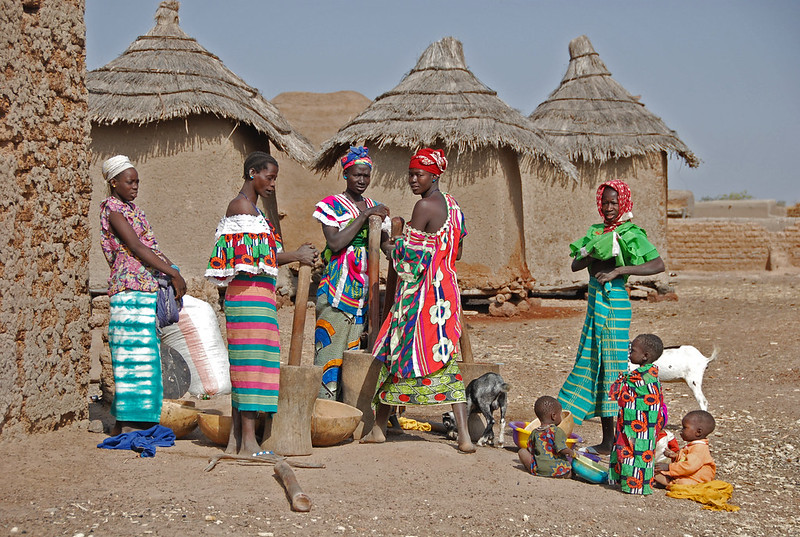 Clean water access in Mali is a critical issue. The landlocked country surrounded by Algeria, Niger, Mauritania and other African countries, confronts numerous challenges, with clean water access being paramount. Mali’s predominantly dry climate, coupled with recurring droughts, exacerbates water scarcity. Unfortunately, the situation has recently deteriorated with the drying up of Lac Faguibine, Mali’s only freshwater lake. In rural areas, not only are water sources unclean, but they are also becoming increasingly scarce, making them both critically needed and limited.
Founded in 2006 by Scott Harrison, Charity: Water has dedicated itself to ending the global water crisis. Partnering with local organizations and supported by donor contributions, in addition, the charity has launched 152,665 clean water projects in 29 countries, estimated to serve 18.4 million people. Recently, it has focused efforts on improving clean water access in Mali, demonstrating a commitment to addressing water scarcity and ensuring sustainable water solutions for those in need.
Poverty in Mali
Mali, facing economic challenges, is classified by The World Bank as low-income and undiversified. The extreme poverty rate surged from 15.9% in 2021 to 19.1% in 2022, with a larger portion, 49.3%, living below the general poverty line. Rural areas, home to the majority of Mali’s 21.5 million people, see 37.13% without clean drinking water and 78.5% without sanitation. Moreover, these statistics underscore the pressing need for infrastructure and services improvement, especially in the southern rural regions where most Malians reside and the situation continues to worsen.
In rural Mali, waterborne diseases pose a significant threat, exacerbated by inadequate sanitation and limited medical access. In addition, the country has one of the highest infant mortality rates, ranking 11th highest in the world. This is largely due to waterborne illnesses like lower respiratory infections and diarrheal diseases. Thus, ensuring clean water access in Mali emerges as a critical need for the country’s population.
Expanding Access to Clean Water: The Banko Community
Since launching its operations in Mali in 2014, Charity: Water has made significant strides. It has empowered approximately 318,980 people with access to clean water through the completion of 650 water projects, which include drilled wells and piped water systems. The organization has invested $11.6 million toward improving clean water access in Mali. According to its 2022 Annual Report, Charity: Water’s efforts in rural Mali have allowed an additional 65,621 individuals to access clean water, contributing to the progress of 210 clean water projects.
In September 2023, the Banko community in southwestern Mali gained access to clean water thanks to Charity: Water and its local partner, HELVETAS USA. By evaluating the specific needs of each community, they installed a well with a hand pump for nearly 700 residents. Furthermore, this improvement not only enhances health and sanitation but also positively impacts education and income levels. Moreover, access to clean water proves essential for the well-being and development of communities like Banko.
Looking Forward
In Mali, the collaborative efforts of organizations like Charity: Water, alongside significant contributions from the World Bank and USAID, are marking a turning point in the battle for clean water access. The strides made in regions like Bamako illuminate the path to a healthier, more sustainable future for Mali’s rural and urban communities. Above all, with each well drilled and each sanitation facility built, the foundation for overcoming water scarcity strengthens, promising a ripple effect of improved health, education and economic opportunity. As Mali looks forward, the continued dedication of global and local partners to addressing water access challenges holds the key to unlocking a brighter future for its people.
– Isaac Songster
Isaac is based in Wheaton, IL, USA and focuses on Technology and Solutions and Global Health for The Borgen Project.
Photo: Flickr
