The Life You Can Save: Charities in Bangladesh
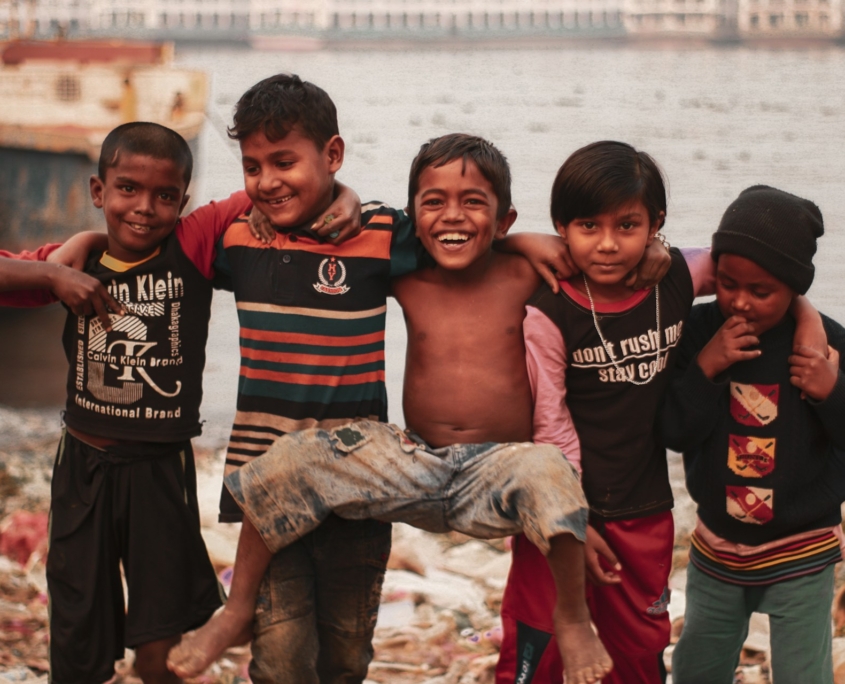 Bangladesh has made significant progress in welfare and poverty reduction since the 2000s. The country’s poverty rate decreased from 13.47% in 2016 to 10.44% in 2022. Additionally, a recent World Bank report from 2016-17 shows that 24.3% of people live below the upper poverty line and 12.9% below the extreme poverty line. However, the country faces natural disasters and limited access to health care and education, presenting significant challenges to its development and welfare improvement efforts. In the face of these hardships, charitable organizations play a crucial role in supporting vulnerable communities amidst these challenges. In an interview about charities in Bangladesh, The Borgen Project spoke with Katie Stanford, Research Director of The Life You Can Save, highlighting its efforts to alleviate poverty, improve health care and empower individuals to build a better future for themselves and their families.
The Life You Can Save
The Life You Can Save, established in 2013, champions effective charitable giving to combat poverty. This organization rigorously evaluates and endorses high-impact charities, ensuring donors contribute to the most effective causes. To date, it has facilitated more than $100 million in donations. Furthermore, The Life You Can Save supports several charities in Bangladesh, each addressing poverty in diverse and impactful ways. The following are some of the charities:
Fistula Foundation
The Maternal Morbidity Validation Study (MMVS) revealed that in Bangladesh, the adjusted prevalence rate of obstetric fistulas among women aged 15 to 49 is 38 per 100,000. The study revealed that 4,081 women aged 50 to 64 suffer from this condition, totaling 17,457 affected women between ages 15 and 64. This data underscores the significant health challenge obstetric fistula poses to women in Bangladesh. The Fistula Foundation leads in treating obstetric fistula worldwide. A fistula is a severe birth injury that often leads to incontinence and social ostracization for women. Beyond covering surgery costs, the foundation supports surgeon training, provides facility equipment, engages in grassroots community initiatives and ensures comprehensive post-surgery recovery. Annually, it facilitates more than 10,000 surgeries to repair childbirth injuries, highlighting its significant impact in restoring dignity and health to affected women.
Malaria Consortium
In the late 1990s, Bangladesh reported up to 70,000 laboratory-confirmed malaria cases, 900,000 clinical cases and more than 500 deaths annually, with suspected unreported cases possibly exceeding 250,000 annually. A 2007 survey in the 13 endemic districts revealed a 4% crude prevalence, with Plasmodium falciparum responsible for more than 90% of the cases. The Chittagong Hill Tracts showed the highest infection rates. This highlights the significant public health challenge malaria poses, necessitating targeted interventions to reduce transmission and fatalities.
The Malaria Consortium provides initiatives that shield the most vulnerable and impoverished children in Asia and Africa from a variety of fatal illnesses, such as pneumonia and malaria. In addition, the Seasonal Malaria Chemoprevention (SMC) project is an incredibly economical and scientifically supported method of preventing malaria in children under the age of 5. Moreover, its annual demonstrated impact includes delivering seasonal malaria chemoprevention to 24 million children, significantly more than 20 million in the previous year.
Helen Keller Intl.
Vitamin A deficiency poses a serious health risk to Bangladesh’s children, leading to blindness and increased mortality among those under 6 years of age. Annually, around 30,000 children may become blind from this deficiency, with many dying shortly thereafter. Helen Keller Intl. addresses this through its annual global vitamin A supplementation programs, benefiting 32 million children under the age of 5 each year and supporting 388,000 families with resources to grow and sell vitamin A-rich foods. In addition, this approach significantly improves child health and nutrition, highlighting the need for ongoing nutritional interventions.
Life You Can Save: Charities Research and Evaluation
The Life You Can Save supports several charities in Bangladesh, including the Fred Hollows Foundation, Seva Foundation, Oxfam and Innovations for Poverty Action (IPA). The organization ensures aid reaches those most in need in the most effective ways. It rigorously analyzes data to identify the best interventions for various aspects of poverty, focusing on the highest-impact charities. The rigorous research and continuous assessments equips donors with detailed information to enhance their philanthropic impact. Moreover, the process involves evaluating donor interventions based on their evidence, reach, depth and lasting effects while assessing charities by their evidence quality, reporting, track record, cost-effectiveness, transparency, community understanding and commitment to upholding the dignity of its beneficiaries.
Looking Ahead
Bangladesh continues to forge a path toward a brighter future, bolstered by the crucial support of impactful charities and organizations like The Life You Can Save. Above all, the collaborative endeavors of local and international partners signify a beacon of hope for the millions striving for a life free from poverty and disease in Bangladesh.
– AuiCha Conley
AuiCha is based in Detroit, MI, USA and focuses on Health and Charity for The Borgen Project.
Photo: Unsplash
