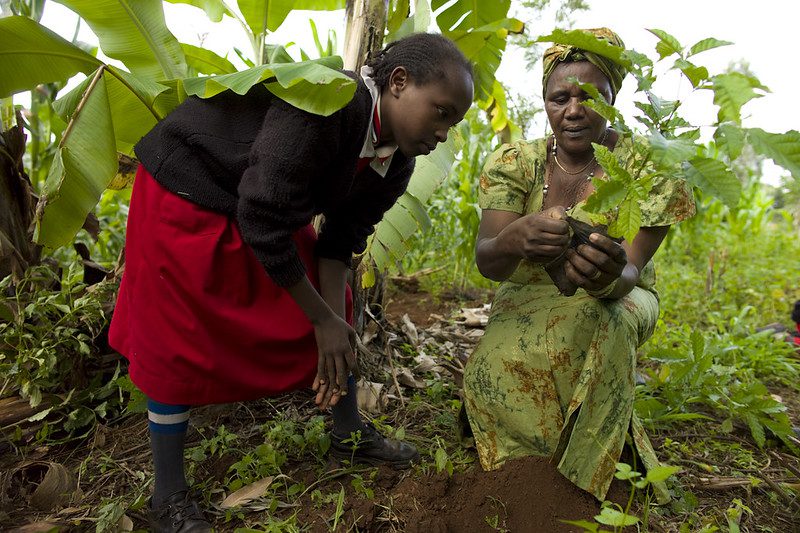
 In Sub-Saharan Africa, where farming engages 52% of the workforce, agroforestry is gaining traction as a transformative agricultural practice. This part of agriculture entails interspersing trees among other crops or grazing lands and holds great promise for diversifying production while enhancing agricultural output and substantially boosting practitioners’ income. Addressing food insecurity and poverty, tree planting in Africa offers substantial benefits to smallholder farmers. With support from local government subsidies and foreign aid, more agricultural workers are adopting agroforestry, driving positive change for millions.
Enhancing Productivity Through Agroforestry
Tree planting in Africa offers farmers a versatile agricultural method, allowing them to choose from a variety of native tree species. These species fall into three primary categories: fertilizer, fruit or nut-bearing and fuelwood. Fertilizer trees increase soil fertility and nutrient density, often more effectively than synthetic alternatives. By integrating these species through intercropping techniques, farmers significantly improve agricultural productivity and enhance crop resilience to flooding and other challenging conditions.
Diversifying Income through Tree Planting
Fruit- and nut-bearing trees provide rural Africans with a significant opportunity to earn extra income by selling their byproducts. For livestock farmers, these trees are especially valuable. The foliage serves as important feed, improving the productivity of grazing animals. These trees offer crucial shade and shelter for livestock during hot seasons or droughts.
Fuelwood trees, also known as timber trees, are known for their fast growth rates. Although not directly integrated into agricultural practices, these trees provide significant benefits. Farmers can sell their wood for fuel or construction. They can also use the timber to make furniture or other goods for sale, thereby increasing and diversifying their income opportunities.
Regardless of the tree variety each farmer prioritizes, tree planting in Africa provides significant economic benefits. African governments and international aid initiatives recognize agroforestry’s potential, offering subsidies, grants and educational programs to encourage farmer participation. These programs are often organized by region, with a focus on initiatives in Western and Southeastern Africa.
Agroforestry in West Africa
Agroforestry stands out as a key agricultural method in West Africa, especially in countries like Mali, Burkina Faso and Ghana. Burkina Faso and Mali lead the way, with about 50% of households engaging in agroforestry. This contributes to tree-based products making up roughly 25% of their income. These countries actively use agricultural subsidies and capacity-building initiatives to strengthen their farming communities. This support spurs economic growth and helps reduce poverty among rural populations.
Foreign aid plays a pivotal role in supporting farmers across these countries with grants and educational programs. A key example is the Africa Research in Sustainable Intensification for the Next Generation (Africa RISING) Program, backed by USAID under the U.S. government’s Feed the Future initiative. This program assists farmers in adopting innovative agricultural practices, such as tree planting in Africa. Focused on adding value, improving market access, and forging partnerships, Africa RISING has made significant progress in West Africa and beyond, targeting 1.1 million households between 2016 and 2021.
USAID further collaborates with Mali’s government through its Country Development Cooperation Strategy, which aims to provide agroforestry assistance to more than 64,000 farmers by subsidizing improved technologies and offering education on enhanced management practices. With the potential to benefit nearly 200,000 individuals, this initiative alone is anticipated to decrease the prevalence of hunger in Mali by a substantial 14%.
Initiatives in Southeast Africa
In Tanzania, land productivity has dropped by a staggering 70% in the last 15 years. To alleviate this, Africa RISING developed a Land Degradation Index (LDI), which has facilitated effective mapping of areas that stand to gain substantially from the adoption of agroforestry. Comprehensive strategies such as these are essential for engaging with farmers and swiftly addressing issues related to diminished output and are crucial steps toward mitigating the severe impacts of food insecurity and poverty.
Research conducted by CIFOR-ICRAF, an internationally-funded agroforestry organization, has played a pivotal role in supporting Zambia’s endeavors to establish a National Agroforestry Policy. With approximately 80% of Zambia’s population relying directly on natural resources for sustenance, several CIFOR-ICRAF-supported programs are making significant strides in aiding citizens. These initiatives encompass the provision of grants, upscaling activities and facilitating connections between private producers and local entities.
Looking Ahead
Agroforestry in Sub-Saharan Africa represents a beacon of hope for sustainable agriculture and poverty alleviation. With increasing support from local governments and international aid, more farmers are poised to embrace this transformative practice, unlocking new economic possibilities and enhancing food security. The commitment to expanding agroforestry initiatives promises to empower communities, foster environmental resilience and pave the way for a greener, more prosperous future across the continent.
– Matthew Candau
Matthew is based in Fife, UK and focuses on Technology and Solutions for The Borgen Project.
Photo: Flickr

Child Poverty in Guinea-Bissau
Child Labor and Poverty
Poverty in this sense is not just measured in fiscal terms but rather in access to opportunities and resources. SOS Children’s Village estimates that 75% of children may not have access to housing, clean water or education. Additionally, child labor is a routine and necessity for many families. As many as 17% of children in Guinea-Bissau are child laborists which can cause both physical and mental harm.
Child labor can also lead to other exploitations; sexual, economic or slavery. This also affects children attending school. Currently, around 200,000 children in Guinea-Bissau have to work. Female children are particularly at risk of child marriage, violence and female genital mutilation which becomes a contributing factor to child poverty in Guinea-Bissau, according to SOS Children’s Village.
A Fragile Country
The World Bank defines Guinea-Bissau as “fragile,” which some have argued as a challenge for development tactics, whereas UNICEF argues the context of risk requires different approaches to international aid and development to adapt. Some argue that fragile countries have weaker trust in institutions. This creates a very difficult environment for those trying to help alleviate child poverty in Guinea-Bissau, however in recent years the EU’s Multi Indicative Programme 2021-2027 intends to improve cooperation from the EU to Guinea Bissau. In particular, the EU plans to intervene with three strategic priorities in Guinea-Bissau including: “Support[ing] Reproductive, Maternal and Child Health towards a Universal Health Coverage System – DAC 120” and “Enhance[ing] the Governance of the Education System and contribute to developing Technical and Vocational Education and Training (TVET) – DAC 110.”
The Government tried to rectify the issue of child poverty through the Convention on the Rights of the Child which aimed to create an effective child protection system but due to the political and military instability of the state the Convention has made slow progress. The United Nations has indicated that high illiteracy rates and cultural traditions mean that the Convention’s policies and changes have been delayed in their implementation. Additionally, Guinea-Bissau has slowed down the progress of the Convention by not officially translating the most common languages forcing those organizations still fighting for children in Guinea-Bissau to use ad-hoc and potentially inaccurate translations of the Convention.
Solutions
SOS Children Villages describe the children of Guinea-Bissau as being at risk due to the country’s difficult political and social situation but offers hope as recently have acknowledged that child mortality rates have improved. As many as 270 children and young people grow up under SOS Children’s Villages’ care in its flagship program to reduce child poverty in Guinea Bissau. SOS Children’s Villages has a dedication to improving the lives of children without parental care/at risk of losing parental care. It achieves this through their three step mantra; prevention, protection and advocacy. Prevention aims to keep families together to avoid child-parent separation while protection includes training foster parents in care standards and supporting young people with self-reliance. Finally, its advocacy focuses on making systemic change through policies by bringing the discussion of child poverty in Guinea-Bissau to the forefront of various platforms.
Other thinktanks such as The World’s Children’s Prize encourage the general public to speak out against child poverty in Guinea-Bissau by enfranchising people’s agency to say what they think and vocally speak out against child poverty.
– Sona Nikoghosyan
Photo: Flickr
Cacao Pods: Repurposed to Alleviate Poverty in Africa
Sustainable Utilization of Cacao Pods
Collecting and repurposing the husk, pulp and shell of cacao pods results in several uses. For instance, the pulp can be processed into a nutritious and delicious beverage, creating new market opportunities within the chocolate industry. Additionally, cocoa bean shells can be transformed into cocoa flour, a healthy, gluten-free alternative to traditional flour. These innovative uses of cacao pod byproducts provides farmers with additional products to sell beyond chocolate, as well as, enhance their profits, diversify their produce and also enjoy environmental benefits. Cocoa bean shells can be used as fertilizer and mulch, helping to suppress weeds and retain soil moisture, thus improving soil health. Moreover, enhanced soil quality supports increased production and helps farmers achieve larger yields, contributing to poverty alleviation among cocoa farmers.
Animal Feed and Soil Health Improvement
Repurposing cacao pods not only helps reduce soil degradation, providing farmers with more reusable land for crop planting but also serves as a cost-effective animal feed source. This dual benefit enhances agricultural productivity and contributes to reducing poverty among cocoa farmers by lowering animal husbandry expenses.
Cacao Pods for Clean Energy Production
A study identified cacao pod husks as a viable source for electricity generation in Uganda. Methods such as direct combustion, gasification, pyrolysis, anaerobic digestion and hydrothermal carbonization can convert these husks into energy. Utilizing cacao pods for power could significantly benefit rural areas in Uganda by providing electrification. This shift has the potential to reduce deforestation, mitigate climate change and preserve biodiversity, transforming the socio-economic landscape of these communities.
Innovative Projects for Cacao Pod Waste Repurposing
The Circular Economy Cocoa: From Bean to Bar Project and the Cote d’Ivoire Biomass Electricity Production initiative are pioneering new methods to repurpose cacao pod waste for more sustainable production. The Cote d’Ivoire initiative focuses on a power plant that uses cacao pod waste to generate clean energy, as outlined by the Private Financing Advisory Network (PFAN). Meanwhile, the Circular Economy Cocoa program in Helvetas Vietnam aims to transform Vietnam’s cocoa production into a renewable sector. This transformation involves recycling cocoa waste as an energy source, eliminating harmful chemicals in manufacturing, reducing the intensity of resource production and introducing eco-friendly packaging solutions.
Looking Forward
Embracing innovative approaches to repurpose cacao pod waste marks a promising step toward sustainable agriculture and energy production, offering cocoa farmers in regions like Ivory Coast, Ghana and Uganda a brighter future. These initiatives not only aim to elevate farmers’ livelihoods but also set a precedent for environmental stewardship in the cocoa industry, steering toward a more sustainable and prosperous path for all involved.
– Erika David
Photo: Unsplash
Tackling Child Labor in Africa
Child Labor
Child labor is defined by the International Labour Organisation (ILO) as “work that deprives children of their childhood, their potential and their dignity and that is harmful to physical and mental development.” Many millions of children are involved in child labor. A staggering 79 million children aged 5 to 17 engaged in hazardous work as of 2020. The predominant sphere of such exploitation is agriculture, accounting for a staggering 85%. In this sector, children are subjected to hazardous conditions as they engage in tasks ranging from herding livestock to subsistence and commercial farming, jeopardizing their well-being and safety.
Causes
Many factors cause child labor, ones that are intertwined and reinforce one another. However, poverty is the most significant cause of child labor. It pushes families to rely on children for income to fulfill their basic needs like food, shelter and health care. So, for the survival of the family, children are sent to work instead of school to contribute to household income. Similarly, aspects such as job loss or the loss of primary income, as well as parental illness, can increase pressure on children to work and contribute financially to help support the family.
Limited access to education is also an important consideration. Inadequate facilities and poor quality of schooling lead to the perception of education being unnecessary to both parents and children. This perception can force children into labor at a young age. Without access to education, children have fewer opportunities to advance their futures – thus continuing this cycle of poverty.
Further, cultural and social norms significantly contribute to perpetuating child labor. In some communities, some beliefs work contributes to children’s “character-building and skill development.” Cultural norms and practices of child labor are so entrenched that parents and children do not perceive the adverse effects on children’s well-being and rights.
Fairtrade’s Help
Fairtrade understands the importance of effectively addressing child labor issues by considering several key factors. These include improving family incomes and enhancing access to quality education. Additionally, it combats discrimination and exploitation, promoting awareness of child rights, implementing legal interventions and fostering social changes within communities.
By improving income for farmers through Fairtrade Minimum Prices and Premium, Fairtrade is confronting poverty as a primary factor of child labor. These initiatives play a crucial role, as producers can reinvest in their communities with their financial exploits. This reinvestment includes constructing schools, enabling children to pursue higher education and protecting children from the detrimental impact of child labor.
World Vision’s Help
World Vision is tackling child labor through education. By teaching children their rights, the organization is empowering them with knowledge and skills to advocate for their rights and protect themselves from exploitation. It uses initiatives like vocational, life skills and entrepreneur training to improve opportunities for their future.
Community mobilization is also a key approach to World Vision tackling child labor, as it helps break down the cultural and social norms that cause child labor to persevere. World Vision trains people, like parents and faith leaders, in the community to bring about positive change and address damaging cultural and social norms.
Further, World Vision supports children and families through donations. It allows the organization to improve food security and incomes for families. Additionally, children do not need to resort to working to generate revenue for the family. Furthermore, World Vision also advocates and lobbies for national policies so children’s rights are prioritized.
The issue of child labor in Africa remains a significant challenge, with millions of children deprived of their rights. Rooted in poverty, social norms and limited access to education, child labor perpetuates cycles of poverty and inequality. However, organizations like Fairtrade and World Vision are at the forefront of efforts to tackle child labor in Africa and address these root causes.
– Isabella Green
Photo: Flickr
3 Facts About Maternal Mental Health in Iran
Despite these positive advancements, the act of giving birth is seen as a practice that only women can witness. Therefore, fathers and male doctors do not partake or aid the mother while she is in labor. Midwives are present at some hospitals, but not enough to attend to every mother. Often, the mothers are left to give birth alone. This instills significant anxiety in new mothers: “According to a study in a health care center in Tehran, 46.5%, 12.1% and 11.1% of mothers experience post-trauma stress disorders, anxiety and depression respectively four to six weeks after a traumatic birth.”
Attitudes Around Mental Health in Iranian Women
Roughly a quarter of Iranian women suffer from mental health complications, such as depression and anxiety. Based on a study in the Iranian Journal of Public Health, women in Iran conceptualize mental health as emotional stability and the ability to function in day-to-day life with a sense of fulfillment. Mental health also includes sound decision-making, a lack of behavioral problems and a healthy family dynamic.
The journal notes, “According to participants’ views, people with high self-esteem, realistic beliefs, sense of control, essence or spirituality are satisfied.” Key concerns regarding mental health include poverty, marital issues, parental divorce, patriarchal attitudes, social stigmas and lack of religion/faith. Many women also believe that personal failings, such as jealousy or egoism, contribute to mental dysregulation.
Demographics and Maternal Mental Health
In terms of maternal mental health in Iran, especially in new mothers, a large theme is a sense of helplessness. In a study by the Iranian Journal of Psychiatry, many new mothers explain that, despite calling for help, they were not given attention. This experience resulted in them feeling alone and afraid. Additionally, they felt that if a birth complication should arise, they would not be assisted, resulting in their death or the death of their child. Many conceptualize this feeling as a “loss of control.”
They also note that the hospitals are not a comforting or suitable environment for childbirth. Some mothers note that this experience dissuades them from wanting to give birth again, resulting in a sense of insecurity. The journal notes that this experience is prevalent across demographics: “Regardless of their education, knowledge, socioeconomic status and place of delivery, they expressed their fear.”
Resources for Iranian Mothers Through Midwifery
Increasing and supporting access to reproductive health resources is the most direct way to accommodate maternal mental health in Iran. A study conducted by the World Health Organization (WHO) urges developing the roles of midwives beyond aiding women in hospitals during labor: “Midwives are well placed within communities; therefore, defining and expanding their roles will result in better accessibility and availability of sexual and reproductive health care.”
Midwives need to be accessible beyond the hospital context and be more engaged on a community level. This can be done through house visits, general education and skill-sharing. The study notes that midwives could also be used as a source of information and education. This would prepare new mothers for labor and inform them of the process prior to their due date. The study also explains that many midwives are given training that they do not implement in the hospital sphere. Ultimately, this results in the loss of these skills. WHO suggests that additional training courses be provided to these midwives, specifically to better deal with pregnancy complications and stressors surrounding labor.
While poor maternal mental health in Iran is a concern, there are accessible modes of combating these complications through education and community. Midwives are a staple in the birthing process. With advancements in the roles of Iranian midwives, new mothers will be better prepared and can avoid unnecessary stressors during childbirth.
– Anna Williams
Photo: Pexels
How Tree Planting in Africa is Revolutionizing Agriculture
Enhancing Productivity Through Agroforestry
Tree planting in Africa offers farmers a versatile agricultural method, allowing them to choose from a variety of native tree species. These species fall into three primary categories: fertilizer, fruit or nut-bearing and fuelwood. Fertilizer trees increase soil fertility and nutrient density, often more effectively than synthetic alternatives. By integrating these species through intercropping techniques, farmers significantly improve agricultural productivity and enhance crop resilience to flooding and other challenging conditions.
Diversifying Income through Tree Planting
Fruit- and nut-bearing trees provide rural Africans with a significant opportunity to earn extra income by selling their byproducts. For livestock farmers, these trees are especially valuable. The foliage serves as important feed, improving the productivity of grazing animals. These trees offer crucial shade and shelter for livestock during hot seasons or droughts.
Fuelwood trees, also known as timber trees, are known for their fast growth rates. Although not directly integrated into agricultural practices, these trees provide significant benefits. Farmers can sell their wood for fuel or construction. They can also use the timber to make furniture or other goods for sale, thereby increasing and diversifying their income opportunities.
Regardless of the tree variety each farmer prioritizes, tree planting in Africa provides significant economic benefits. African governments and international aid initiatives recognize agroforestry’s potential, offering subsidies, grants and educational programs to encourage farmer participation. These programs are often organized by region, with a focus on initiatives in Western and Southeastern Africa.
Agroforestry in West Africa
Agroforestry stands out as a key agricultural method in West Africa, especially in countries like Mali, Burkina Faso and Ghana. Burkina Faso and Mali lead the way, with about 50% of households engaging in agroforestry. This contributes to tree-based products making up roughly 25% of their income. These countries actively use agricultural subsidies and capacity-building initiatives to strengthen their farming communities. This support spurs economic growth and helps reduce poverty among rural populations.
Foreign aid plays a pivotal role in supporting farmers across these countries with grants and educational programs. A key example is the Africa Research in Sustainable Intensification for the Next Generation (Africa RISING) Program, backed by USAID under the U.S. government’s Feed the Future initiative. This program assists farmers in adopting innovative agricultural practices, such as tree planting in Africa. Focused on adding value, improving market access, and forging partnerships, Africa RISING has made significant progress in West Africa and beyond, targeting 1.1 million households between 2016 and 2021.
USAID further collaborates with Mali’s government through its Country Development Cooperation Strategy, which aims to provide agroforestry assistance to more than 64,000 farmers by subsidizing improved technologies and offering education on enhanced management practices. With the potential to benefit nearly 200,000 individuals, this initiative alone is anticipated to decrease the prevalence of hunger in Mali by a substantial 14%.
Initiatives in Southeast Africa
In Tanzania, land productivity has dropped by a staggering 70% in the last 15 years. To alleviate this, Africa RISING developed a Land Degradation Index (LDI), which has facilitated effective mapping of areas that stand to gain substantially from the adoption of agroforestry. Comprehensive strategies such as these are essential for engaging with farmers and swiftly addressing issues related to diminished output and are crucial steps toward mitigating the severe impacts of food insecurity and poverty.
Research conducted by CIFOR-ICRAF, an internationally-funded agroforestry organization, has played a pivotal role in supporting Zambia’s endeavors to establish a National Agroforestry Policy. With approximately 80% of Zambia’s population relying directly on natural resources for sustenance, several CIFOR-ICRAF-supported programs are making significant strides in aiding citizens. These initiatives encompass the provision of grants, upscaling activities and facilitating connections between private producers and local entities.
Looking Ahead
Agroforestry in Sub-Saharan Africa represents a beacon of hope for sustainable agriculture and poverty alleviation. With increasing support from local governments and international aid, more farmers are poised to embrace this transformative practice, unlocking new economic possibilities and enhancing food security. The commitment to expanding agroforestry initiatives promises to empower communities, foster environmental resilience and pave the way for a greener, more prosperous future across the continent.
– Matthew Candau
Photo: Flickr
The Venezuelan Exodus
Colombia’s Role as a Host
Venezuela’s neighbor, Colombia, has historically experienced fluctuating relations with Venezuela and now stands at the center of the Venezuelan exodus. A World Bank report revealed that as of October 2022, Colombia hosted approximately 2.9 million Venezuelan migrants. The country addresses the challenges of mass immigration by implementing policies that integrate migrants into the broader Colombian population economically and socially. Colombia remains committed to ensuring migrants’ rights to work, live and integrate fully into society.
Institutional Support for Migrants
Colombia’s response to the increased amount of migration encompasses the establishment of a more solid legal and institutional framework to protect and facilitate the long-term integration of migrants in host regions. Central to this effort was the creation of the Presidential Border and Migration Management Office. This office issues necessary permits for the transit and stay of migrants within Colombia. They aim to regularize the migratory status of newcomers. Through the implementation of this office, more migrants gain access to vital markets and services they might otherwise lack. The services of the Migration Management Office include health care, education, social welfare, employment and housing. Other efforts have also been made to deploy services developed to protect vulnerable populations, such as initiatives for family reunification, child protection and aiding victims of human trafficking.
A Comprehensive Approach to Integration
Colombia has managed the Venezuelan exodus in three phases. Initially, in 2015, the country focused on humanitarian efforts for Colombian returnees and incoming Venezuelan migrants. It then shifted to a sustainable strategy aimed at ensuring migrants’ access to essential social services. The third phase involved a comprehensive, long-term approach, emphasizing mass regularization along with social and economic integration of Venezuelan migrants. Moreover, a key element of Colombia’s most recent phase is the Temporary Protected Status for Venezuelan Migrants (ETPV) launched in 2021. ETPV grants migrants permits to stay and work in Colombia for up to 10 years. The permits facilitate their integration into the host country and offer an escape from vulnerability and poverty.
Effective Migrant Integration Strategies in Colombia
Colombia’s clear and enduring regularization procedures enhance migrant integration. They drive positive development outcomes, leading to higher wages and employment rates. The adaptation of institutional frameworks, such as the Presidential Border and Migration Management Office, streamlines integration efforts at both national and local levels. Colombia’s ongoing response to the Venezuelan exodus establishes a significant standard for success that other countries might adopt.
– Ani Gonzalez Ward
Photo: Flickr
Women in Mission: Lutheran Women’s Missionary League
LWML’S History
In 1942, amid the difficulties of World War II, more than 100 women from 15 districts of The Lutheran Church-Missouri Synod gathered in Chicago, Illinois, to establish the Lutheran Women’s Missionary League (LWML). This significant meeting laid the foundation for a group committed to fostering mission work and supporting global missions by gathering funds. They drafted a constitution, coined the organization’s name, initiated projects and set up a publishing committee for books, magazines and programs. They aimed to enhance mission awareness among women and raise funds for global mission work, making LWML an official auxiliary of The Lutheran Church-Missouri Synod (LCMS).
Mission Grants
LWML holds a national convention every two years, where delegates from each district vote on mission grants to support for the next biennium. These projects, originating both within the U.S. and internationally, are selected with a financial goal in mind, aimed to be met over the two years. Moreover, this process ensures LWML’s continued funding and support for a wide range of mission projects around the world, reflecting its commitment to global outreach and support. Here are some examples of the missions that were chosen for the 2023-2025 mission year:
Encouraging Women to Action
LWML members receive a Mites box designed specifically for the organization, they are encouraged to contribute any amount, even small daily pocket change. These boxes, collected within LCMS churches, support national mission grants. The organization provides monthly updates on the Mite offerings through its website. In addition, the LWML created the Young Woman Representative (YWR) program to attract more women. This initiative allows districts to sponsor young women at national conventions, offering them a firsthand experience of the organization’s impact.
Heart to Heart: Sisters of All Nations
The LWML has launched the Heart to Heart program to foster relationships among women from diverse cultural backgrounds, enhancing the diversity in mission work. In addition, this initiative aims to prevent the isolation of women from different cultures or those who speak different languages, fostering stronger fellowship and more effective mission work. Moreover, the Heart to Heart Program includes participants from various countries, reflecting its commitment to inclusivity and leveraging varied gifts in serving the organization’s multicultural missions.
Looking Ahead
The Lutheran Women’s Missionary League (LWML) continues to forge pathways of hope and service across the globe, guided by a steadfast commitment to faith-driven action. Through innovative programs like “Heart to Heart” and impactful mission grants, LWML empowers communities from Haiti to Kenya, ensuring that the spirit of giving and service transcends borders and cultural divides.
Furthermore, as the organization looks to the future, its ongoing mission to nurture, support and inspire women in their faith and service endeavors promises to bring about transformative changes, enriching lives and spreading hope wherever there is need.
– Heather Gisi
Photo: Unsplash
Mental Health Crisis in Irish Travelers Community
This historic and culturally rich population continues to face some of the worst discrimination and poverty of any ethnic group in Europe. Their ongoing struggle, in turn, has engendered a widespread mental health crisis among Travelers groups. In a 2021 report conducted by an Irish parliamentary committee, it was found that 11% of all Travelers die from suicide and have a suicide rate six times higher than their stationary counterparts.
Life expectancy among the Travelers community is up to 15 years shorter than that of the wider population and only 3% live past age 65. These statistics, compounded with an alarming 80% unemployment rate, societal discrimination and lack of education, make the mental health struggles of Irish Travelers a glaring issue that has only been more thoroughly addressed in recent times.
Causes
One of the primary origins of this mental health crisis is the negotiation Travelers must have between assuming their cultural identity and adhering to settled Irish societal norms. This complex and often unbalanced dynamic is exacerbated by legislative measures that impinge upon Travelers and their traditional lifestyle. This includes making it illegal for Travelers to camp on land where they have been for generations and forcing them to rest in halting sites and purpose-built residential accommodations for travelers. Furthermore, economic shifts have rendered traditional Traveler employment scarce, heightening stress and anxiety within the community.
There have even been cases of physical segregation being put into effect, such as walls to separate Travelers from settled people, further symbolizing their social marginalization and actively deepening the population’s feelings of exclusion. Furthermore, pervasive prejudice and discrimination against Travelers persists and profoundly impacts the mental well-being of this group.
The complex and systemic marginalization of this indigenous Irish population by their government and their settled counterparts demands further attention. It calls for a more excellent representation of Travelers in legislative spaces where they can actively challenge the discriminatory practices they are facing.
Efforts
Recognizing the disparities Travelers face, the Minister for Health, Stephen Donnelly, along with other government officials and the Health Service Executive (HSE), unveiled the National Travelers Health Action Plan (NTHAP) 2022-2027. This initiative marks a significant step towards addressing the mental health crisis the Irish Travelers population faces.
In line with the broader objectives of enhancing healthcare accessibility, the plan underscores the importance of preventive measures, promoting healthcare and fostering collaborative engagement with Traveler communities. The comprehensive inclusion of various mental health interventions and robust monitoring mechanisms within the NTHAP can address the vulnerability and risks that Travelers encounter in their efforts to maintain their traditional way of life for hundreds of years.
Final Remark
Through sustained collaboration and investment, the NTHAP represents a landmark initiative fostering mental health resilience and inclusivity within the Travelers community. By addressing systemic factors perpetuating mental health challenges, the plan heralds a future of improved outcomes and greater societal equity for Irish Travelers.
– Ani Gonzalez Ward
Photo: Pexels
Tuberculosis in Kenya
The World Health Organisation (WHO) recognizes common symptoms of TB include prologued cough with blood, chest pain, weakness, fatigue, weight loss, fever and night sweats. In recognition of the 32% undiagnosed and untreated TB patients in Kenya reported in 2023, the Ministry of Health launched the 2023/24 – 2027/28 National Strategic Plan (NSP) for TB, Leprosy and Lung Health. This program aims to put an end to the devastating impact of TB on Kenya’s communities.
Diagnosis and Treatment
Doctors treat tuberculosis with antibiotics. In Kenya, the primary antibiotics improving TB patients’ health are isoniazid, rifampin, pyrazinamide, ethambutol and streptomycin. Patients must take these medications daily for four to six months. WHO advises anyone experiencing symptoms of TB to seek medical attention immediately.
Ministry of Health Support to End Tuberculosis
During its launch, Mary Muthoni, the Principal Secretary for Public Health and Professional Standards, emphasized the 2023/24-2027/28 National Strategic Plan’s commitment to a people-centered approach in addressing tuberculosis in Kenya. In her February 2024 speech to the National Assembly Committee on Delegated Legislation, Mary announced the start of a community-centered Universal Health Coverage (UHC) initiative, to deploy 100,000 Community Health Promoters. This initiative aims to enhance household screenings proactively and strengthen the government’s battle against TB. Furthermore, the program seeks to eliminate TB, leprosy and other lung complications by 2030.
Facilitating Gender Responsive Policies
The Division of National Tuberculosis, Leprosy, and Lung Disease Program (DNTLD-P) has collaborated with the LIGHT consortium since 2020 to enhance the Kenyan government’s efforts in addressing gender discrimination among TB patients. This partnership aims to fill gaps identified in Kenya’s previous NSP for 2019-2023, which lacked initiatives targeting gender-specific barriers to TB care and treatment.
The government has evaluated gender-equality approaches to ensure TB patients in Kenya receive fair treatment, regardless of gender. LIGHT, a global health research program, focuses on supporting TB treatment policies and practices in Kenya, Malawi, Nigeria and Uganda, with an emphasis on gender inclusivity. Its research demonstrates that improved access to TB care for men has decreased TB-related deaths, curbed transmission within communities and reduced the financial strain of TB treatment in Kenya. In response to LIGHT’s policy enhancement efforts, the NSP for 2023/24–2027/28 outlines specific initiatives aimed at assisting male TB patients in Kenya through the following targeted implementations:
A Healthier Kenya
Initiatives like the NSP for TB and the LIGHT consortium’s efforts illuminate the path toward ending tuberculosis by fostering inclusivity and community support. These strategies are poised to transform health and tuberculosis care in Kenya and signal a promising future where access to treatment transcends gender barriers, enabling a united fight against this persistent disease.
– Kasia Flisiuk
Photo: Flickr
Facts You Did Not Know about Period Poverty in the CAR
Limited Access To Menstrual Products
Limited access to menstrual products in the CAR exacerbates challenges faced by women and girls, hindering their ability to manage their menstrual health effectively. The United Nations Children’s Fund (UNICEF) warned ahead of Menstrual Hygiene Day in 2014, highlighting the dire consequences of stigma, poverty and inadequate access to essential services such as toilets and water on menstrual health and hygiene for women and girls.
Particularly affected are the poorest, ethnic minorities, refugees and individuals with disabilities. Although menstrual materials are widespread, ranging from 81% to 100% across most countries surveyed, some rely on inadequate substitutes like paper or nothing. Additionally, access to private spaces for washing and changing varies greatly, with significant disparities between rural and urban areas and ethnic groups facing even more critical challenges and limitations in emergency settings.
The Educational Barriers
CAR significantly impedes educational opportunities for young women. One in four miss school due to substandard facilities for menstruation and a lack of menstrual education. This absence of proper menstrual hygiene management not only hampers students’ education but also perpetuates the stigma and shame surrounding menstruation.
Health Implications
The deficient management of menstrual hygiene poses significant health risks for young women. Insufficient menstrual hygiene increases the likelihood of infections and reproductive health issues, potentially leading to long-term health complications. Furthermore, poor menstrual hygiene can contribute to social stigma and discrimination, exacerbating the mental and emotional well-being challenges faced by young women.
Cultural taboos surrounding menstruation persist in the CAR, exacerbating challenges for women and girls. The enduring stigma attached to this issue fosters silence, further complicating the establishment of effective policies concerning menstrual health.
Additionally, economic disparities worsen period poverty, particularly affecting women and girls from low-income households. Affording menstrual products becomes a challenge, perpetuating a cycle of poverty that obstructs their opportunities for advancement.
NGO Interventions and Future Prospects
Nonprofit organizations (NGOs) actively assist girls and women in the CAR who face challenges due to period poverty. NGOs like Days for Girls are at the forefront, educating about menstrual health, distributing hygiene products and challenging stigmatizing beliefs surrounding menstruation.
Period poverty in the CAR is a multifaceted challenge demanding attention, awareness and unified action. Despite progress, sustained efforts and partnerships with local communities and the government are essential for lasting change.
– Jayde Andrews
Photo: Flickr