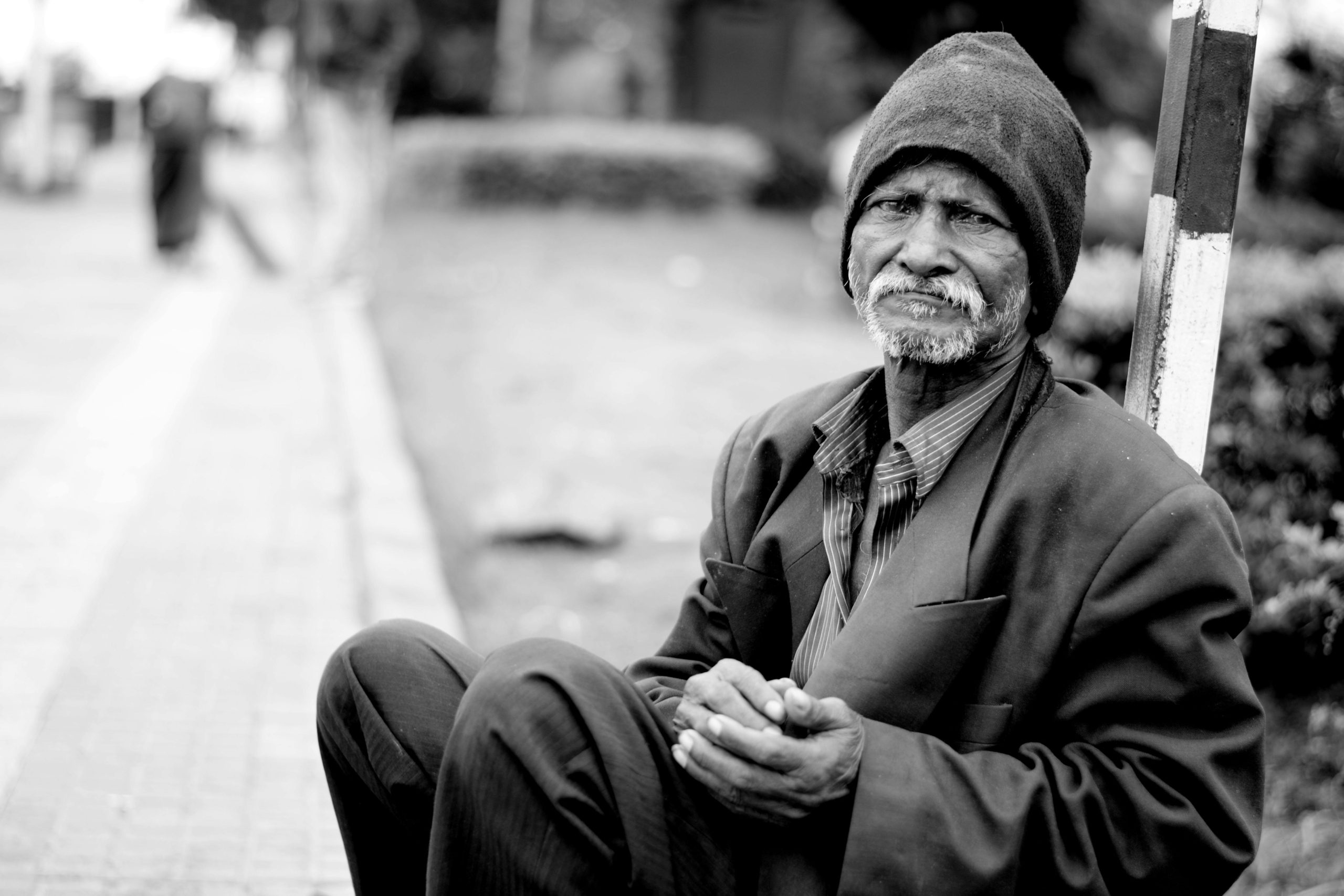
In today’s world, which is filled with newfound technological advancement, widespread wealth and endless opportunities for many, it can be both confusing and distressing that millions still live in poverty. Therefore, while we tend to celebrate the advancements of the modern world, a significant portion of humanity struggles to meet their most basic needs.
In describing the consequences of widespread poverty, Regis University Professor tells The Borgen Project in an interview, “There are many negative consequences of poverty, both for individuals and for society at large. Poverty is not only associated with exploitation, lack of decent housing, lack of access to health care and lack of access to education, which all impact life expectancy and life satisfaction at the individual level, but it has huge impacts on whole societies. Poverty correlates with high criminality, criminal gang membership and recruitment, civil war onset, with various forms of radicalization and even some forms of gender-based violence.”
As a result, the persistence of global poverty is a challenge that demands immediate attention from every corner of the globe. This being said, here are further reasons why solving global poverty is everyone’s concern.
Moral Concerns
At its core, the fight against global poverty is an urgent moral concern. This is because every individual, regardless of their circumstances, deserves the right to live a life of security and equal opportunity. Nonetheless, widespread poverty continues to undermine these moral principles by depriving individuals of access to food, clean water, education and health care, all of which are essential human rights.
In expressing these inequalities, Regis University Professor tells The Borgen Project, “Of course, we should all care about poverty because it is a moral issue and we should strive for a more just world where people have access to their basic needs at the very least. It is important to point out too that we in rich countries should reflect more often on how our consumerism and choices perpetuate poverty and rely on the oppression of poor individuals in poorer nations.”
Adding to this statement, a report by the United Nations Development Programme (UNDP) emphasizes how poverty remains a significant obstacle to achieving basic human rights globally. For example, poverty often deprives individuals of access to fundamental necessities such as food, clean water, education and health care, all thereby impeding their ability to lead dignified lives. Finally, poverty can exacerbate existing inequalities and perpetuate systemic injustices, injustices we remain complicit in perpetuating if we fail to recognize why solving global poverty is everyone’s concern.
Global Interconnectedness
As our world becomes increasingly interconnected, the impacts of poverty also extend far beyond the communities where it is most prevalent. Poverty is something that breeds instability, perpetuates conflict, fuels migration across the globe and, as a Regis University professor tells The Borgen Project, “can be one variable explaining civil wars. Scholars have found, for example, that civil wars can spread to neighboring countries through the inflow of arms, ideas and combatants across borders. Thus, this is a very real way in which poverty can be a backdrop explaining civil war and the contagion of other neighboring countries, generating regional instability.” Therefore, the eradication of poverty is not only a matter of social justice but also a matter of global security and stability and it is a key reason why solving global poverty is everyone’s concern.
Economic Growth and Prosperity
Despite many traditional beliefs, poverty is not simply a consequence of underdevelopment. It also poses significant obstacles to all types of development. For example, poverty hinders economic growth by depriving communities of human capital and productive resources. Moreover, when individuals lack access to education and health care, their potential contributions to the economy can never be realized. In this way, poverty creates a cycle of hardships that leads families and communities into a state of continuous struggle.
Nonetheless, working to reduce poverty has the potential to break this cycle. The Department for International Development (DFID) highlights, for example, that “strong economic growth therefore advances human development, which, in turn, promotes economic growth.” Therefore, by contributing to poverty alleviation efforts and recognizing why solving global poverty is everyone’s concern, we are able to realize the economic potential of all people, leading to greater prosperity for society as a whole.
Environmental Sustainability
The alleviation of poverty is also inherently connected to environmental sustainability. Research conducted by the Intergovernmental Panel on Climate Change (IPCC) specifically describes this intricate relationship between poverty alleviation and environmental sustainability. The IPCC reports that poverty often compels individuals and communities to engage in unsustainable practices, such as deforestation and overexploitation of natural resources, as a means of survival.
These activities then contribute to environmental degradation, including habitat destruction and loss of biodiversity, intensifying the effects of climate change on the most vulnerable populations. As a result, impoverished communities are disproportionately affected by the negative impacts of poverty, such as extreme weather events and declining agricultural productivity. However, by helping to lift people out of poverty and providing them with paths to more prosperous livelihoods, we can promote sustainable practices that protect the planet for future generations.
Long-Term Stability
Finally, working to eradicate poverty is not merely a short-term fix. It is an investment in long-term stability and prosperity. Therefore, by realizing why solving global poverty is everyone’s concern and addressing the underlying structural factors that perpetuate it, we are able to create the conditions for sustainable development and lasting change. Improving education, health care and economic opportunities, for example, serve as platforms for societies to withstand future challenges relating to poverty.
In regard to creating these long-term solutions, Regis University Professor tells The Borgen Project, “As citizens in a democracy, we should recognize more fully the power we have to shape policy. We can form advocacy or lobbying groups, join social movements or create them and donate to international organizations that are credible in fighting poverty. We can also demand better policy-making around this area. In the United States (U.S.), a very tiny percentage of taxes are used for foreign aid through the USAID (U.S. Agency for International Development). We must demand more transparency on how funds are allocated and programs evaluated so we understand which projects and programs are more effective in poverty alleviation.” In these ways, we can lay the groundwork for a more equitable world that will prosper for years to come.
– Olivia Pitrof
Photo: Pexels

Poverty in Ghana: Challenges and Solutions
Agricultural Reliance and Poverty in Ghana
In Ghana, the United Nations International Children’s Emergency Fund (UNICEF) reports indicate significant nutritional deficiencies among children. It highlights that one in five children experience stunted growth, while two-thirds of those aged 6 months to 2 years lack sufficient nutrition. Malnutrition compromises their immunity, increases susceptibility to infections, impacts brain development and can be fatal. Hence, the World Food Program (WFP) partners with Ghana’s government to bolster food security and nutrition, mitigate malnutrition and improve the food system. This initiative is vital, as the visible undernourishment of many Ghanaian children underscores poverty’s profound effect on youth.
Thinkers Fighting Extreme Poverty
Rory Stewart and Peter Singer
Peter Singer is an Australian utilitarian philosopher and activist fighting extreme poverty. He founded “The Life You Can Save” and is one of the most vital public voices arguing for GiveDirectly. Rory Stewart is a British politician and advisor to GiveDirectly as of January 2024. These influential advocates fighting against extreme poverty promote a highly successful Unconditional Cash Transfer program in Kenya, Uganda and Rwanda. They frequently appear on popular podcasts, speak with journalists and lecture at conferences.
GiveDirectly’s research page highlights the benefits of the program. Research from independent sources like GiveWell, The World Bank, MIT and the University of Chicago finds that UCTs effectively reduce poverty, are not wasted, allow individuals and families to spend money on things they need and improve nearly all measurable aspects of life. Additionally, UCTs have positively impacted several measurable aspects of life, including health, education, employment and economic circumstances.
Will MacAskill & Tony Ord
Will MacAskill and Tony Ord are philosophers, activists and thinkers fighting extreme poverty. Born in Scotland, MacAskill is an Oxford’s Global Priorities Institute member. Ord, an Australian, is also at Oxford as a Senior Research Fellow. The men co-founded Effective Altruism, a movement that uses science to help others most effectively.
They also co-founded Giving What We Can, a pledge to donate 10% of one’s annual pre-tax income or 2.5% of one’s yearly net worth (whichever is larger) to the world’s most effective charities. Effective Altruism is estimated to have raised more than $1 billion between 2014-2022, with most going to global health.
Rob Wiblin
Rob Wiblin is the Head of Research for 80,000 Hours and hosts its podcast. One of the main topics he supports on the podcast is the fight against poverty through Effective Altruism. He frequently interviews thinkers who are working to combat extreme poverty, such as Holden Karnovsky, the founder of GiveWell and Open Philanthropy; Alexander Berger, the Global Health and Well-being Program Lead at Open Philanthropy; EA activist Benjamin Todd and EA co-founders MacAskill and Ord. The 80,000 Hours podcast has 16.5 thousand subscribers and 2.3 million views on YouTube.
Sam Harris
The American philosopher and neuroscientist Sam Harris regularly promotes charities and thinkers fighting extreme poverty on his podcast, Making Sense. He has promoted Giving What We Can, GiveWell and GiveDirectly and has taken the Giving What We Can pledge. His organization, the Waking Up Foundation, was the first business to take the pledge. Harris has interviewed guests such as Stewart, Singer, Steven Pinker, Will McAskill, Ord and Chris Anderson. During Harris’ 2020 podcast with MacAskill, Harris shared that GiveWell expected to receive at least $1 million in donations from his listeners by the end of 2021. Harris also shared that his first podcast with MacAskill resulted in $150,000 in donations to the Against Malaria Foundation.
Steven Pinker
Pinker, a psychologist at Harvard University and public advocate against extreme poverty, global hunger and preventable diseases, highlighted the fight to end extreme poverty in his best-selling 2018 book “Enlightenment Now: The Case for Reason, Science, Humanism and Progress.” Pinker explains why there have been sharp declines in extreme poverty and hunger since the Industrial Revolution, especially in recent decades. He argues that open economies, investment in the developing world and international cooperation can continue to reduce extreme poverty, hunger and disease.
Chris Anderson
Anderson, the Head of TED, uses public appearances, the TED conference and his 2024 book “Infectious Generosity: The Ultimate Idea Worth Spreading“ to focus the attention of middle and upper-income people on charitable giving to the extremely impoverished. In the book, Anderson discusses times when generosity has “gone viral” and how positive emotions, creativity and courage can be used to spread generosity.
A 2024 podcast with Harris, Anderson expands on the ideas in his book by arguing that infectious generosity can be applied to a culture of charitable giving by the ultra-wealthy to those living in extreme poverty. In January 2024, Giving What We Can announced that Anderson had taken its pledge.
– Joey T. McFadden
Photo: Flickr
Child Hunger in Brazil – The Sesc Mesa Programme
Sesc Mesa and Its Mission
Sesc Mesa operates more than 95 units nationwide to ensure children in Brazil attend school, nursery or play groups well-nourished. A key depot in Rio de Janeiro serves as a prime example of how organizations like Sesc Mesa address Brazil’s food shortage on a national scale. Covering 400 square feet in Rio’s northern suburbs, the program’s depot recovers unsellable food from supermarkets and collects wonky or otherwise deemed unfit produce from farms, where most of Brazil’s food wastage happens, for supermarkets and restaurants.
Cida Pessoa, program manager for Sesc Mesa in Rio, says, “People want nature to be completely uniform, for carrots to grow in the same way, for papayas to come without spots, for apples to be identical,” leading to vast amounts of perfectly good produce being wasted. This could otherwise help solve Brazil’s undernourishment crisis. After gathering the undesirable produce, Sesc Mesa donates it to soup kitchens, schools, nurseries and other institutions that provide free meals, ensuring daily nourishment for those in need. Due to the program’s success, Sesc Mesa is relocating to a facility 12 times larger. Moreover, this expansion means the potential to feed 12 times more children. With Sesc Mesa feeding 2.1 million people monthly in 2023, the impact of this growth is unmistakable.
Educational Events
Sesc Mesa also organizes educational activities, including courses, classes, seminars and workshops for corporate donors, social institutions and communities. These programs aim to offer information, guidance and training on food hygiene and proper handling. The goal is to maximize the use of foods for preparing safe, healthy and balanced meals for Brazil’s hungry population.
Expanding the Program’s Success
Looking ahead, the efforts to combat child hunger in Brazil by organizations like Sesc Mesa illuminate a path toward a more nourished and prosperous nation. Through its innovative approach to redistributing food waste, it is not only addressing immediate nutritional needs but also fostering a culture of sustainability and care. The potential for international collaboration opens new avenues for expanding its impactful work, moving Brazil closer to eradicating hunger. As Sesc Mesa continues to grow, its model serves as a beacon for other countries grappling with similar issues, showcasing the transformative power of community-driven solutions. Ultimately, the fight against hunger in Brazil is a critical step toward enhancing education, employment and economic vitality in the post-pandemic world.
– Ethan Leyden
Photo: Unsplash
5 Charities Operating in Romania
5 Charities Operating in Romania
Looking Ahead
The efforts of these five charities operating in Romania signal a hopeful future for the country’s most vulnerable children. Through compassionate care, innovative programs and unwavering dedication, these organizations are not just addressing immediate needs but are also laying the groundwork for systemic change. Moreover, they continue to transform lives and challenge the status quo. Their collective impact promises to reshape Romania’s approach to childcare and family support, ensuring a brighter, more inclusive future for all children.
– Nevin Guler
Photo: Flickr
Anno’s One Fine Day: Healing through the Arts
Poverty in Kenya
Rapid urbanization in Kenya has widened the gap between the upper and lower classes. According to the Academic Review of Humanities and Social Sciences (ARHUSS), 16% of the population lived below the national poverty line of $1.90 a day in 2021. Moreover, the COVID-19 pandemic hindered efforts to eliminate extreme poverty by 2020, with little change from the 17% level of extreme poverty. The World Bank does not foresee the elimination of poverty in Kenya by 2030.
Anno’s Africa Origin and One Fine Day
Founded in 2006 by Bee Gilbert in memory of her creative son Anno, Anno’s Africa focuses on empowering Kenyan youth through the arts. Intending to provide creative access similar to Anno’s upbringing, the U.K.-based organization, alongside the German charity One Fine Day—co-founded by Marie Steinmann and Tom Tykwer—merged in 2018 to enhance arts education in Nairobi’s informal settlements. In addition, Krysteen Savane has played a significant role in the organization’s outreach and impact from the start.
Empowering Through Creativity
Anno’s One Fine Day focuses on aiding children living in Kenya and Malawi’s slums. These children face poverty, leading to childhood mortality, illness, hunger and lack of education. The organization provides creative outlets for self-expression and discovering talents through courses in dance, art, drama, creative writing, music and circus skills.
Savane explains that in addition to its creative outlets, the program for young adults offers career-focused training in music production, fashion design, podcasting and digital skills. The organization collaborates with various groups to deliver these training sessions, equipping young adults for practical, creative careers in the real world.
Additionally, the organization established an Arts Centre in Kibera, Nairobi’s largest slum with a population exceeding 300,000. According to Savane, this center serves as a haven for more than 1,500 students weekly, offering them space to engage creatively. Moreover, regular showcases allow these students to present their work to family, friends and the broader community, celebrating their artistic achievements and learning experiences.
Transformative Power with Anno’s One Fine Day
Anno’s Africa One Fine Day stands as a testament to the transformative power of art, offering hope and new perspectives to Kenya’s youth amid the challenges of poverty. Through its diverse programs, the organization has not only nurtured artistic talent but has also facilitated emotional healing and personal growth. Moreover, the success stories of students advancing to secondary education on scholarships and making marks on international stages underscore the impactful role of arts education in unlocking potential. Looking ahead, the continued expansion and support for Anno’s Africa One Fine Day promise to empower even more children and young adults in Kenya, fostering a community where dreams are pursued and abilities are explored. This journey of creativity and care paves the way for a brighter, more inclusive future for all involved.
– Sophia Lovell
Photo: Flickr
3 Initiatives Improving Mental Health in Kuwait
Kuwait’s First Mental Health Law
The Kuwait government issued Law No. 14 in February 2019 to protect individuals with mental health issues. This marked a major stride in the country’s efforts to improve its response to mental health concerns, mainly because there was no previous law governing mental health in Kuwait. Before the implementation of the Mental Health Law, individuals experiencing mental health challenges couldn’t be held at a facility, even if leaving posed a risk of harm. However, Article 11 of the Mental Health Law grants physicians the authority to detain patients for up to 72 hours during an evaluation period (the “Assessment Period”). This detention protects patients and others around them from danger. It also provides a clear guideline for what to do when one is incapable of self-care or consenting to voluntary assessment or treatment.
Additionally, the law sparked the creation of the Mental Health Coordinating Council (MHCC), whose members are responsible for following up on the application of the law and its regulations. The implementation of the MHCC means that for mental health in Kuwait, there is a body of individuals dedicated to protecting the rights of mental health patients by developing policies in their best interests. One of these rights includes the fact that, under the Mental Health Law, those with mental health conditions should not be prohibited from obtaining a job, marking the law’s intent to prevent stigma and isolation for mental health patients in the workforce.
Kuwait’s Response to the Impact of the COVID-19 Pandemic
As a result of the pandemic, rates of anxiety and depression, especially among the elderly and those with disabilities, increased, possibly due to fears about harboring the disease in conjunction with isolation and lockdowns limiting access to medical support. In response, the Kuwait Ministry of Health, through the country’s Center for Mental Health and Central Administration for Primary Care, launched several new initiatives to both improve health care access and overcome the limitations of isolation and lockdowns:
Nonetheless, it’s crucial to acknowledge that migrant workers and stateless individuals residing in Kuwait, often living in close-knit communities, have disproportionately felt the impact of COVID-19. This is due to their disadvantaged position, as they do not have access to free secondary health care. Access to mental health services remains a significant issue for this demographic, given the steep costs associated with diagnosis, psychiatric consultations and therapy sessions, which are considerably higher than those for Kuwaiti nationals.
The Improvement of Mental Health and Wellness Services in Kuwait
The Fawzia Sultan Health Care Network (FSHN), founded in 2006, is Kuwait’s first and only nonprofit mental health provider. It has been providing many health care services, including family medicine, cardiology, physiotherapy, occupational therapy, speech therapy and psychological services in research and education settings.
While it started as a specialized physiotherapy clinic, the organization soon realized that the health care needs of Kuwait ran much deeper. So, its approach expanded and became much more multidisciplinary. This expansion marked a shift in attitudes regarding mental health in Kuwait and is likely one of the factors that ultimately led to the creation of the Mental Health Law in 2019. The early efforts of FSHN and the later development of the Mental Health Law serve as evidence of the impact that dedication to a specific cause can have, even if that impact is only realized years later.
Final Remark
In a region where mental illness is still considered taboo, the Mental Health Law, along with the impact of health organizations and wellness services, highlights a continuous effort in Kuwait to improve protections for patients with mental illnesses.
– Avery Fuller
Photo: Pexels
Why Solving Global Poverty Is Everyone’s Concern
In today’s world, which is filled with newfound technological advancement, widespread wealth and endless opportunities for many, it can be both confusing and distressing that millions still live in poverty. Therefore, while we tend to celebrate the advancements of the modern world, a significant portion of humanity struggles to meet their most basic needs.
In describing the consequences of widespread poverty, Regis University Professor tells The Borgen Project in an interview, “There are many negative consequences of poverty, both for individuals and for society at large. Poverty is not only associated with exploitation, lack of decent housing, lack of access to health care and lack of access to education, which all impact life expectancy and life satisfaction at the individual level, but it has huge impacts on whole societies. Poverty correlates with high criminality, criminal gang membership and recruitment, civil war onset, with various forms of radicalization and even some forms of gender-based violence.”
As a result, the persistence of global poverty is a challenge that demands immediate attention from every corner of the globe. This being said, here are further reasons why solving global poverty is everyone’s concern.
Moral Concerns
At its core, the fight against global poverty is an urgent moral concern. This is because every individual, regardless of their circumstances, deserves the right to live a life of security and equal opportunity. Nonetheless, widespread poverty continues to undermine these moral principles by depriving individuals of access to food, clean water, education and health care, all of which are essential human rights.
In expressing these inequalities, Regis University Professor tells The Borgen Project, “Of course, we should all care about poverty because it is a moral issue and we should strive for a more just world where people have access to their basic needs at the very least. It is important to point out too that we in rich countries should reflect more often on how our consumerism and choices perpetuate poverty and rely on the oppression of poor individuals in poorer nations.”
Adding to this statement, a report by the United Nations Development Programme (UNDP) emphasizes how poverty remains a significant obstacle to achieving basic human rights globally. For example, poverty often deprives individuals of access to fundamental necessities such as food, clean water, education and health care, all thereby impeding their ability to lead dignified lives. Finally, poverty can exacerbate existing inequalities and perpetuate systemic injustices, injustices we remain complicit in perpetuating if we fail to recognize why solving global poverty is everyone’s concern.
Global Interconnectedness
As our world becomes increasingly interconnected, the impacts of poverty also extend far beyond the communities where it is most prevalent. Poverty is something that breeds instability, perpetuates conflict, fuels migration across the globe and, as a Regis University professor tells The Borgen Project, “can be one variable explaining civil wars. Scholars have found, for example, that civil wars can spread to neighboring countries through the inflow of arms, ideas and combatants across borders. Thus, this is a very real way in which poverty can be a backdrop explaining civil war and the contagion of other neighboring countries, generating regional instability.” Therefore, the eradication of poverty is not only a matter of social justice but also a matter of global security and stability and it is a key reason why solving global poverty is everyone’s concern.
Economic Growth and Prosperity
Despite many traditional beliefs, poverty is not simply a consequence of underdevelopment. It also poses significant obstacles to all types of development. For example, poverty hinders economic growth by depriving communities of human capital and productive resources. Moreover, when individuals lack access to education and health care, their potential contributions to the economy can never be realized. In this way, poverty creates a cycle of hardships that leads families and communities into a state of continuous struggle.
Nonetheless, working to reduce poverty has the potential to break this cycle. The Department for International Development (DFID) highlights, for example, that “strong economic growth therefore advances human development, which, in turn, promotes economic growth.” Therefore, by contributing to poverty alleviation efforts and recognizing why solving global poverty is everyone’s concern, we are able to realize the economic potential of all people, leading to greater prosperity for society as a whole.
Environmental Sustainability
The alleviation of poverty is also inherently connected to environmental sustainability. Research conducted by the Intergovernmental Panel on Climate Change (IPCC) specifically describes this intricate relationship between poverty alleviation and environmental sustainability. The IPCC reports that poverty often compels individuals and communities to engage in unsustainable practices, such as deforestation and overexploitation of natural resources, as a means of survival.
These activities then contribute to environmental degradation, including habitat destruction and loss of biodiversity, intensifying the effects of climate change on the most vulnerable populations. As a result, impoverished communities are disproportionately affected by the negative impacts of poverty, such as extreme weather events and declining agricultural productivity. However, by helping to lift people out of poverty and providing them with paths to more prosperous livelihoods, we can promote sustainable practices that protect the planet for future generations.
Long-Term Stability
Finally, working to eradicate poverty is not merely a short-term fix. It is an investment in long-term stability and prosperity. Therefore, by realizing why solving global poverty is everyone’s concern and addressing the underlying structural factors that perpetuate it, we are able to create the conditions for sustainable development and lasting change. Improving education, health care and economic opportunities, for example, serve as platforms for societies to withstand future challenges relating to poverty.
In regard to creating these long-term solutions, Regis University Professor tells The Borgen Project, “As citizens in a democracy, we should recognize more fully the power we have to shape policy. We can form advocacy or lobbying groups, join social movements or create them and donate to international organizations that are credible in fighting poverty. We can also demand better policy-making around this area. In the United States (U.S.), a very tiny percentage of taxes are used for foreign aid through the USAID (U.S. Agency for International Development). We must demand more transparency on how funds are allocated and programs evaluated so we understand which projects and programs are more effective in poverty alleviation.” In these ways, we can lay the groundwork for a more equitable world that will prosper for years to come.
– Olivia Pitrof
Photo: Pexels
Multidimensional Poverty in the Maldives
Broadening Poverty Measures
A 2020 United Nations International Children’s Emergency Fund (UNICEF) report revealed that 28% of people in the Maldives are considered multidimensionally poor, meaning three out of 10 people are affected. This indicates significant deprivations beyond mere income. Multidimensional poverty encompasses those who exceed the monetary poverty threshold but lack access to essential services, thereby impacting their overall quality of life. A broader measure of poverty considers various factors, such as health, education and living standards. It offers a more comprehensive understanding of individuals’ challenges in achieving a decent standard of living.
The Invisible Struggles Beyond Income
Studies show that individuals can face significant quality-of-life challenges without being in traditional poverty. Monetary sufficiency does not shield individuals from barriers in areas often overlooked, such as mental and dental health coverage, internet access and more. These factors broaden the understanding of what constitutes deprivation, beyond just financial constraints, impacting a person’s overall well-being.
The lack of public visibility for Multidimensional Poverty Index (MPI) data may contribute to an inflated perception of living standards, thereby lessening the urgency for policy intervention. Acknowledging a country’s MPI appears to be necessary, particularly in regions like the Maldives where the poverty rate is potentially misleading. Without acknowledging multidimensional poverty, the complexities of deprivation remain unaddressed, fostering an inaccurate perception of well-being. In addition, the oversight could hinder the necessary push for comprehensive policy solutions, essential for addressing the nuances of poverty not captured by traditional metrics.
Advancing Poverty Reduction Strategies in Maldives
Maldives has shown considerable progress in addressing poverty by adopting innovative strategies that other nations could emulate. A pivotal moment came in 2020 when President Ibrahim Mohamed Solih implemented the MPI for policy formulation, marking a departure from traditional resource allocation methods. The government’s commitment, supported by insights from the Oxford Poverty and Human Development Initiative (OPHI) and UNICEF, has been key to these advancements.
Enhancing Digital and Mental Health Access
The country’s crucial need for stable internet access, highlighted by the COVID-19 pandemic is proof of multidimensional poverty. With its expansive archipelago, maintaining internet connections for basic needs is vital. Efforts to address this aspect of multidimensional poverty have been propelled by nongovernmental initiatives like Ookla for Good, which advocates for reliable global internet access, and underlines the importance of digital connectivity in contemporary society.
Furthermore, the perception that mental health care is as essential as access to clean water and food is not yet widespread in the Maldives. Multidimensional poverty extends beyond traditional health care needs to include mental health, which often goes unaddressed. To recognize the additional stress poverty places on individuals who need extra care, the Maldives Health Ministry and the World Health Organization (WHO) implement initiatives to advocate for mental health rights. Its ongoing initiative, Central and Regional Mental Health Services and Development Plan aims for completion by 2025 and seeks to meet the crucial needs of mental health patients.
Looking Ahead
As efforts to tackle multidimensional poverty in the Maldives continue to evolve, the nation stands at a pivotal juncture, embracing a holistic approach to eradicating deprivations that extend far beyond mere financial constraints. By addressing the nuanced challenges of multidimensional poverty, from access to health care and education to digital connectivity, the Maldives sets a promising precedent for integrated poverty alleviation strategies. In addition, with sustained commitment from both governmental and nongovernmental sectors, the Maldives is poised to make significant strides in enhancing the well-being of its residents, ensuring that progress encompasses all dimensions of poverty.
– Antonio Muhs
Photo: Flickr
World Vision Is Alleviating Violence Against Children in Vietnam
Violence Against Children in Vietnam
Violence against children in the nation stands as a critical and deeply entrenched societal challenge, demanding immediate action. Despite strides made in areas such as economic advancement and education, the specter of violence persists, casting a dark shadow over the nation’s youth. From physical mistreatment and neglect to emotional and sexual abuse, children across the country endure a spectrum of harmful experiences with far-reaching implications.
According to the Ministry of Labor, War Invalids and Social Affairs Children’s Bureau, between 2020 and 2022 alone, 120 children fell victim to fatal violence, with many subjected to multiple forms of abuse. Alarmingly, approximately 2,000 cases of child abuse occur annually, often perpetrated by individuals known and trusted by the victims, leaving countless more incidents unreported and unchecked.
Violent disciplining remains prevalent in the territory, as reported by the United Nations Children’s Fund (UNICEF) Vietnam, with more than 68% of children aged 1 to 14 enduring some form of violence at home from their parents or caregivers. The national hotline for Children’s Protection 111 receives approximately 30,000 calls monthly. However, during the COVID-19 pandemic, when lockdowns, social distancing and economic strain have contributed to a surge in domestic violence globally, the nation witnessed a corresponding increase in child abuse cases. The number of hotline calls has surged to 40,000-50,000 monthly, underscoring the heightened vulnerability of children in these challenging times.
Many advocates propose establishing a structured system. This system would involve professionally trained social workers collaborating with law enforcement officers and child-friendly judicial entities to identify, intervene, respond to and safeguard children effectively. UNICEF is actively engaged in partnering with pertinent government agencies and provincial authorities to develop a comprehensive child protection framework capable of addressing the diverse causes and manifestations of violence.
Effects of Prolonged Abuse on Children
Children subjected to violence face an elevated risk of various negative consequences, such as compromised physical and mental health, decreased academic achievement and a heightened likelihood of engaging in risky behaviors in the future. Furthermore, the trauma resulting from violence can contribute to a cycle of abuse, as victims are more prone to becoming perpetrators themselves. Research examining brain activity patterns in institutionalized children indicates that severe neglect may lead to delays or deficits in cortical development.
Moreover, children often exhibit internalizing symptoms like anxiety and depression, as well as externalizing symptoms such as conduct disorder and substance use. Behavioral and emotional difficulties observed in abused and neglected children are consistent with effects on the amygdala, including heightened emotional reactivity and deficits in emotional processing. While structural changes in the amygdala due to abuse or neglect are not consistently found in most studies, Functional magnetic resonance imaging (fMRI) studies suggest that early adversity sensitizes the amygdala.
Speaking With Mr. Sinay
In an exclusive interview with Sinay, he underscored the critical importance of combating violence against children. “Violence against children not only causes immediate harm but also leaves lasting scars that can affect them for a lifetime,” Sinay asserts. He stressed the urgency of prioritizing the protection and well-being of vulnerable children, emphasizing that every child deserves a safe and nurturing environment to flourish. “At World Vision Vietnam, we are steadfast in our commitment to eradicating all forms of violence against children,” Sinay explains.
Sinay elaborated on the comprehensive approach adopted by World Vision Vietnam to address parental abuse, stress and children’s mental health issues. “Prevention is paramount,” he emphasized, outlining the organization’s proactive efforts to raise awareness and educate communities about positive parenting practices and non-violent disciplinary methods. Additionally, Sinay emphasized providing support and resources to families facing stressors that may contribute to harmful behaviors. “By tackling the root causes of violence and offering holistic support to families, we aim to break the cycle of abuse and foster a nurturing environment conducive to children’s well-being,” he affirmed.
Regarding mental health challenges among children affected by violence, Sinay stressed the importance of comprehensive support systems. “Children exposed to violence often endure significant emotional and psychological trauma,” he acknowledged. To address these issues, World Vision Vietnam implements specialized programs and services to provide trauma-informed care, counseling and psychosocial support to affected children and their families. “Through our collaborations and network, we strive to heal the wounds of violence and empower children to overcome adversity and fulfill their potential,” Sinay concluded, underscoring the organization’s unwavering commitment to safeguarding the rights and dignity of every child in the nation.
Conclusion
Addressing the issue of violence against children in developing countries requires urgent and coordinated efforts. With a considerable number of children enduring different forms of abuse, the repercussions echo across generations, impeding the progress and well-being of societies. Nonetheless, by placing the protection and welfare of its youth at the forefront, these nations have the opportunity to disrupt the cycle of violence. Through collective actions and a steadfast dedication to upholding children’s rights, we can forge safer and more supportive environments conducive to the flourishing of every child.
– Mahima Bhat
Photo: Wikimedia Commons
5 Charities in Sudan
Save the Children
Save the Children, which has been operating in Sudan since 1983 and was founded by sisters Eglantyne Jebb and Dorothy Buxton, is dedicated to supporting communities in need. With a focus on delivering essential medical supplies and emergency trauma kits, Save the Children operates mobile health clinics within displaced camps. Additionally, it addresses malnutrition by distributing nutrition supplements to children in need. Recognizing the profound impact of psychological trauma on children, the organization also provides recreational activities and games to aid in their recovery. The nonprofit helped more than two million people, including 1.5 million children, in 2022.
Islamic Relief
Islamic Relief, operating in Sudan since 1984 and founded by Dr. Hany El-Banna and some students from the University of Birmingham, is adamant about reducing the practice of Female genital mutilation (FGM) in Sudan. Despite facing formidable challenges due to ongoing conflict in the region, Islamic Relief remains committed to this cause.
Sudan’s struggle with FGM is pronounced, with the United Nations Children’s Fund (UNICEF) reporting an alarming statistic: 86.6% of women in the region have been subjected to this harmful practice. It’s frequently the harshest form of FGM that women are put through and young girls aged 5-9 years old often fall prey to this practice.
The procedure is a breach of fundamental human rights. Therefore, it should be advocated against on a much larger scale than it is now, which is why the work of Islamic Relief is essential. Islamic Relief supports 26 health centers nationwide, providing health care and medicine access to 55,261 people. The nonprofit also offered food aid to 116,975 people. Further, it also provided shelter assistance to 2,395 people.
Doctors Without Borders (MSF)
Doctors Without Borders, which has been present in Sudan since 1971 and founded by Max Recaimer and Bernard Kouchner, both volunteer doctors working with the International Committee of the Red Cross funding, operate in 11 of the 18 Sudanese states. “An estimated 11 million people in Sudan need urgent health assistance,” according to the World Health Organization.
Since the conflict started in April 2023, the organization has donated medical equipment, fuel, oxygen, water tanks and other vital tools to hospitals and other health facilities in different parts of Sudan. MSF has successfully provided 586,800 outpatient appointments, delivered 350 tonnes of medical supplies and assisted in 1,950 births.
Muslim Aid
Muslim Aid, founded in 1985 by 17 Islamic organizations and operating in Sudan since 1991, works to improve the country’s overall state. In 2022, the organization prioritized several key areas to uplift communities across Sudan. Among these initiatives was a concerted effort to enhance access to education by supporting 2000 children. Additionally, the nonprofit supported economic empowerment, aiding in the restoration of independent businesses and offered regular child sponsorship starting from £30 ($38.17) per month. The country office for the charity is considered one of the “main partners of UNHCR in addressing asylum seekers from Eastern Sudan.” More than 100,000 people have been beneficially impacted by “key projects” set up by Muslim Aid.
International Committee of the Red Cross (ICRC)
Founded in 1859 by Henry Dunant, ICRC, a nonprofit organization, has been active in Sudan since 1978. In 2023, the ICRC provided essential household items to 20,700 individuals and facilitated 66,500 phone calls between separated family members. Furthermore, it assists farmers by providing seeds and tools and vaccinating pastoralist livestock against diseases. The organization also plays a pivotal role in facilitating the release of detainees. It offers them necessities like clothing and resources to aid in returning to their respective areas of origin.
Many more charities are operating in Sudan due to the intensity of the current conflict. These charities have been on the ground in Sudan for decades and continue to make a positive impact.
– Uswah Khan
Photo: Pexels