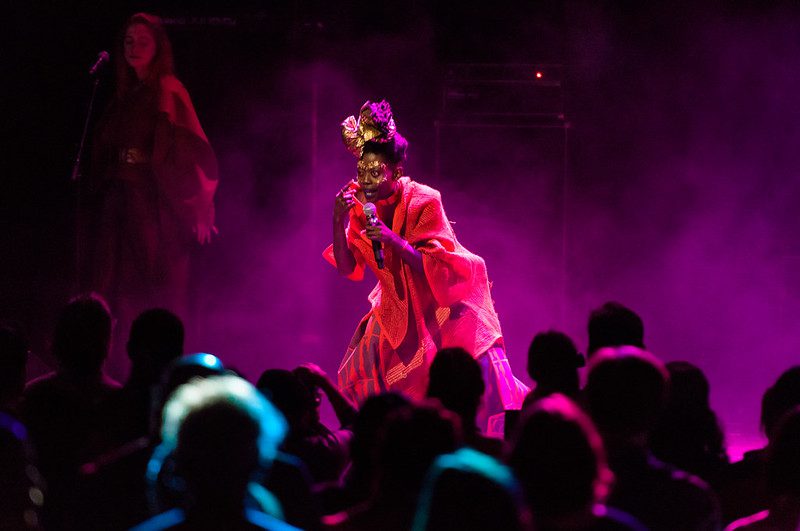
 Many believe music, as a universal language, can break down barriers and facilitate communication. In tumultuous times, it is plausible that music may catalyze bringing people together. It serves as a conduit for expressing solidarity in politics and conveying messages about inequality and injustice to broad audiences.
Music as a Creative Outlet
Hip-hop originated from inner-city New York youth facing real-life challenges early in life. It began modestly but grew into a diverse genre with numerous art forms and subgenres. For thousands grappling with poverty and its associated struggles, hip-hop provides an outlet to express both negative and positive emotions about their upbringing and surroundings. The significance of hip-hop’s portrayal of poverty lies in its ability to provide a platform for marginalized voices to share their experiences with a global audience.
By addressing issues like drug use, gang violence, lack of education and incarceration, hip-hop artists not only shed light on the harsh realities of poverty but also challenge societal perceptions and stimulate discussions about systemic inequalities. This representation of music and global poverty fosters empathy and understanding across cultures and borders. It amplifies the voices of those affected by poverty. It also contributes to a more nuanced understanding of its complexities on a global scale. In doing so, hip-hop serves as a powerful tool for social commentary and advocacy, potentially inspiring positive change and greater solidarity in addressing global poverty issues.
Despite evolving, hip-hop remains rooted in the experiences of those who have faced poverty, offering a means of connection and expression for individuals sharing similar backgrounds. This connection between hip-hop and poverty underscores the need for greater societal awareness and action to address the root causes of poverty and its consequences. Moreover, research suggests that music education, particularly in lower socioeconomic communities, can enhance cognitive skills and provide constructive outlets for youth. By investing in music programs and advocating for policies that support arts education, communities can empower future generations to thrive beyond the confines of poverty.
Music and Nongovernmental Organizations’ Marketing
Nongovernmental Organizations (NGOs) are often involved in humanitarian, social, environmental or developmental work. They usually aim to address various issues and needs in society, such as poverty alleviation, human rights advocacy, environmental protection, health care, education and community development.
A study was conducted to analyze English-language videos from NGOs based in the United Kingdom (U.K.), the United States (U.S.) and Canada. The study focused on the emotions evoked by the soundtracks, the narratives about music and global poverty and development conveyed through these emotions, the musical structure employed and whose voices are heard in the videos.
The findings reveal how these emotions are strategically used to reinforce persistent stereotypes about global poverty and development. These stereotypes include portraying the global South as sad and frightening or as poor but happy and depicting NGOs from the global North as the solution to global poverty through the “white savior” narrative.
This narrative is a common trope in literature, films and other forms of media where a white person is portrayed as heroic or benevolent and intervenes to help people of color, particularly in non-Western or developing countries. This often reinforces stereotypes and power dynamics, portraying white individuals or institutions from developed countries as the primary solution to the problems faced by people of color in less developed regions.
Music structure, including tempo, mode, dynamics and instrumentation, is used strategically to evoke specific emotions and reinforce such narratives. For instance, sadness is often conveyed through slow tempo, soft dynamics, minor scales, sparse instrumentation and descending melodic lines. In contrast, joy is represented by a fast tempo, major scales, loud dynamics, ascending melodic lines and increased instrumentation. The analysis also highlights the use of dynamic silence in the final moments of the videos to enhance message retention.
The study suggests further interdisciplinary research using music and sound to represent global poverty and development. It indicates the need for expanded sample sizes, engagement with video producers and the development of ethical guidelines for using music and sound in NGO communications to ensure more responsible and inclusive representations.
Music and Economic Development
While traditionally not a focus of Least Developed Countries (LDCs) policy agendas, music presents new opportunities for economic development and trade in today’s globalized economy. With the global music market exceeding that of traditional commodities like coffee and tobacco, LDCs stand to benefit from exploring the connection between music and global poverty by exporting their musical talent.
Although many developed countries have already capitalized on their music industries, notable musicians from LDCs have gained recognition in Western markets. Yet, the challenge lies in transforming local talent into successful export-oriented businesses. Large international corporations largely dominate the global music industry, preventing LDCs from entering global markets. Additionally, many LDCs lack the necessary entrepreneurial skills and infrastructure to compete in the industry. However, there are newfound opportunities for LDCs to access global markets.
Some musicians, like Youssou N’Dour and Salif Keita, have established their own music companies in LDCs, demonstrating promising efforts to cultivate domestic music businesses. Additionally, The United Nations Conference on Trade and Development (UNCTAD) proposes the Music Industry Development Initiative (MIDI) to address these challenges and opportunities. This initiative aims to build the capacity of LDCs to commercialize their music products through education and training in business skills, marketing and exporting. By empowering LDCs in the music industry, MIDI seeks to combat economic isolation and poverty in the world’s poorest countries.
– Avery Fuller
Avery is based in Princeton, NJ, USA and focuses on Business and New Markets and Technology and Solutions for The Borgen Project.
Photo: Flickr

N.C. State Research Addressing Global Health and Sanitation
Global WaSH in Zambia
In 2017, the Global WaSH team from N.C. State introduced a more sanitary and efficient method for removing human waste from latrines in Zambia, called the Flexcrevator. This device has developed from several prototypes, the original of which N.C. State alumnus Tate Rogers invented in 2011. Rogers later founded the Triangle Environmental Health Initiative.
Nearly two billion people worldwide use pit latrines, exposing those who manually remove waste and trash from these latrines to dangerous pathogens. Mechanized methods for removing raw sewage are often costly and ineffective as they easily clog. In Zambia, however, the introduction of the flexcrevator has revolutionized this process. This vacuum-like device efficiently removes waste along with debris such as plastic bags, bottles and hair. Waste is vacuumed into a drum via a hose and an attached trash excluder pushes trash aside during the waste pumping process, making the process safer and cleaner.
Global WaSH has received funding and support from the Bill and Melinda Gates Foundation for its initiatives in Zambia. Additionally, the team collaborated with a German development agency to test prototypes. It has established field testing sites across the African continent.
The Man Behind the Mission
Dr. Francis de los Reyes, a professor of Civil, Construction and Environmental Engineering at N.C. State leads the Global WaSH Cluster. He has published more than 130 peer-reviewed papers detailing N.C. State’s research contributions to global health and sanitation. He has also educated both faculty and students about the significance of improving sanitation in underserved communities already burdened by poverty.
Dr. Reyes and his team earned recognition for their flexcrevator technology, receiving the RELX Group Environmental Challenge Award in 2018 and the Patents for Humanity Award in 2020. The Global WaSH program at N.C. State prioritizes sustainability and environmental research, actively addressing global health and sanitation through faculty and student collaboration. “I see the cluster as continuing to lead in education, research and extension in this field and making an impact directly and indirectly to the lives of millions who are underserved,” Reyes stated.
Looking Forward
The innovative efforts of N.C. State’s Global WaSH program is poised to enhance health and sanitation for millions in underserved areas around the world. Moreover, with continued support and development, technologies like the Flexcrevator promise to revolutionize waste management and improve public health in vulnerable communities.
– Jacob Buckner
Photo: Unsplash
Brazil’s Sound: Samba Music and Social Justice
A Brief History of Samba Music
Samba Music originates from drum patterns transported across the Atlantic by enslaved people taken from their homeland to work on the Brazilian plantations. Originally, the word Samba is thought to derive from the Kimbundu term “Semba” loosely translatable as “invitation to dance” or designating the informal parties held by slaves in Rio’s rural areas. In the early 20th century, following the abolition of slavery in 1888, Samba grew in popularity and enriched its tradition through exposure to other genres of popular music also brought to Brazil by immigration. German polka or Cuban Habanera brought song structure and lyrics to the rhythmic form leading to an early style of Samba popular among Brazil’s aristocracy, pairing slower tempos with melancholic and romantic lyrics.
However, it was during the ’50s in the favelas that Samba took on its most popular shape. In these poor urban areas, faster rhythms were oriented toward communal events like the Carnival, where bands of musicians would rehearse all year round to perform at the event. During the 50s, Brazil saw its music export grow considerably, with the likes of Gilberto and Jobin popularising Bossa Nova in cooperation with American jazz musicians. With the now world-renowned fame of the genre, urban populations have incorporated other styles of music into Samba, such as jungle drum patterns. Its strong association with the Carnival and urban popular culture pairs samba music and social justice deep within its roots.
Samba Music and Social Justice
As a style of music popular at its chore, the popularity of Samba intertwined its development with social justice struggles in the country. In the ’30s, during the dictatorship of General Getulio, Samba music offered a rallying crowd where protesters could mask socially engaged lyrics within the music and avoid censorship. This trend continued during the military dictatorship of the ’60s and ’70s. Carnivals offered moments of reversals of social structures, allowing a release for much of the grievances built out of social inequality and income disparity.
The music also grew as a tool for affirmation and protestation against racial injustices plaguing the country. The 1988 Carnival theme “One Hundred Years of Freedom: Reality or Illusion” asked burning questions amid the celebration of the 100 years of slavery’s abolition. The harsh conditions in urban slums were highlighted, pegging the question of true social evolution since the abolition of slavery.
Samba Music and Social Justice Today
Today, much of Brazil’s poverty remains urban. The United Nations (U.N.) reports that 72% of the country’s poor live in urban areas, with rates of informal settlements climbing as high as 22.15% in Rio de Janeiro and 54.47% in Belèm. Those tough circumstances are further reinforced by high rates of criminality in poor urban areas and high rates of inequalities across the country; Brazil clocks in as one of the most unequal countries in the world. Samba music in these underprivileged areas offers moments of community cohesion and peace.
Different institutions, such as the Renaissance Club in Rio de Janeiro, became a stronghold for social justice protests and community-led actions. Upholding, at its root, both the Afro-Brazilian roots of the music style and the historically underprivileged positions occupied in society as part of the same fight. Amid the COVID-19 crisis and the high death toll that struck poor urban communities hard, the Renaissance Club was a place in which the grievances of the community could be expressed through music and raise voices of social equality across race and economic backgrounds. The Club shows that samba music and social justice are still interlinked both by their heritage and current issues.
– Felix Stephens
Photo: Flickr
Improving Access to Electricity in Liberia
The Work of SEforALL
SEforALL was established by the former United Nations (U.N.) Secretary-General Ban Ki-moon in 2011. It is an important organization that creates multifaceted approaches to improving access to African countries, tailoring it to each country’s specific needs. This means that the charity also aims to improve the energy sector of other African countries, such as Nigeria and Zimbabwe. In the case of Liberia, which has “limited electricity generation,” the organization’s strategy to increase access to electricity revolves around utilizing renewable energy sources, such as hydro biomass and solar energy.
These plans are projected to have positive knock-on effects, benefit individuals by making day-to-day tasks easier and providing access to sanitary and more convenient home appliances. In addition, electricity in Liberia will have positive implications for businesses that manufacture exportable materials. For instance, industries with access to electricity in Liberia will allow them to make goods faster, positively affecting the economy and workers.
Sustainability
SEforALL highlights the importance of sustainability in its public statement (as well as its name), emphasizing the importance of improving Africa’s energy sector while acknowledging environmental considerations. Central to the efforts of SEforALL is its mission to provide specialist support, expertise and technology to “accelerate action on Sustainable Development Goal (SDG) 7.” Adequate electricity generation cultivates a higher standard of living for Liberian individuals and the NGO is committed to achieving this sustainably.
This is primarily done by utilizing renewable sources instead of exploiting damaging non-renewable sources because “there is unequivocally no sustainable future in fossil fuel-based power generation.” This is because fossil fuels are enormous contributors to climate change. Liberia is already vulnerable to the adverse effects of global warming due to the country’s “high dependence on climate change sensitive sectors, such as agriculture, fisheries, mining and forestry.”
Recording Positive Changes
Research has shown that Liberian land possesses natural energy sources, such as hydro biomass, which needs to be more effectively harvested. Therefore, the efforts of SEforAll, which plans to improve access to electricity in Liberia and aims for “electricity production to reach 5000 GWh by 2030,” are creating better lives in West Africa. This is because the organization acknowledges the need for electricity in Liberia to meet the population’s needs, especially in the digital age, which is driven by technology and powered by electricity.
– Amelie Bunce
Photo: Flickr
Charities Fighting Global Poverty That You Need To Know About
In this exploration of grassroots activism and compassion, we highlight three remarkable small charities fighting global poverty. These organizations not only exemplify the power of one person’s determination but also serve as tangible manifestations of the collective desire to alleviate poverty and injustice on a global scale.
Concern Worldwide
Founded by John and Kay O’Loughlin Kennedy in 1968, Concern Worldwide emerged from the heart of Ireland during a tumultuous period known as the Troubles. Despite the challenges in their own homeland, the couple was deeply moved by the crisis unfolding in Biafra and felt compelled to take action. Over the years, Concern has grown into a formidable force for good, reaching an astounding 36 million people globally with its humanitarian efforts in 2022.
Operating in 26 countries, primarily in Africa and the Middle East, Concern’s impact resonates across continents. Its dedication to alleviating suffering and addressing the root causes of poverty is evident in its latest endeavor in Sierra Leone, where it established a pioneering program aimed at strengthening food systems to combat nutritional insecurity. Through its tireless work and unwavering commitment, Concern Worldwide continues to be a beacon of hope for millions around the world.
Green Shoots Foundation
Jean-Marc Debricon established the Green Shoots Foundation in October 2010. The charity began its journey with a focus on microfinance, a tool described by Habitat for Humanity as vital in providing financial services to socially excluded populations. Over the years, the organization has expanded its vision, evolving into a beacon of hope for impoverished communities across Asia. With a multifaceted approach encompassing education, medical aid and economic empowerment, Green Shoots is dedicated to alleviating poverty at its roots.
The Green Shoots Foundation is present in seven countries across the region. From providing nearly 7,000 hours of training for health care professionals in Myanmar to empowering 5,500 students through its Food and Agriculture program in the Philippines and Cambodia, Green Shoots Foundation is sowing seeds of change and fostering sustainable development in some of Asia’s most vulnerable communities.
World Cow
Nestled in the picturesque landscape of Vermont, USA, World Cow stands as a testament to the power of art and altruism. Founded by D.J. Barry, this organization is on a mission to spread a message of unity encapsulated in its poignant slogan, “We’re all spots on the same cow.” In an interview with The Borgen Project, Barry noted that his inspiration stemmed from his deep love for street art and the serene beauty of Vermont, culminating in the creation of the iconic image of a Holstein cow adorned with the world map as its spots.
What began in 2015 as “Cow For A Cause,” a humble initiative by Barry and his family to raise funds for local charities addressing poverty in Vermont, has blossomed into a global movement. World Cow’s reach now extends far beyond Vermont’s borders, with impactful projects in diverse regions such as the Democratic Republic of Congo, where it nurtures the art movement and in India, where it provides essential resources like food, stationery and clothing to those in need.
Barry’s impact is global and everlasting. He described World Cow as “not something that can just go away because you see tattoos of it or these murals that are lasting for decades. It’s being printed everywhere and I think that the herd story, even long after I’m gone, will continue to inspire and grow, so I’m leaving that mark everywhere.” By fostering the arts in vulnerable communities, World Cow provides inspiration, enrichment and motivation for people suffering from the multifaceted dimensions of poverty. Through this innovative blend of art and activism, World Cow continues to sow seeds of hope and solidarity across continents.
Final Remark
The collective efforts of small charities fighting global poverty serve as a testament to the power of grassroots initiatives and individual determination. Despite limited resources, these organizations have managed to create significant impacts, reaching vulnerable populations and addressing systemic issues at the local and global levels. Through innovative approaches, unwavering dedication and a deep commitment to social justice, they have brought hope and tangible change to countless lives.
These efforts are working. Since 1990 the percentage of people living in poverty has declined from more than 50% to around 35%. Finally, as we celebrate their achievements, it becomes clear that the fight against poverty is not insurmountable and that every contribution, no matter how small, plays a vital role in building a more equitable world.
– Lauren Mckenna
Photo: Unsplash
Unaffordable Medical Care in Nigeria
The Nigerian Health Sector in Numbers
The Nigerian government’s investment in health care is minimal compared to the sector’s needs. From 2007 to 2020, Nigeria allocated an average of only 3% of its GDP to health care. As a result, most Nigerians must pay for medical care out-of-pocket, receiving little to no government support to make health care affordable.
An average Nigerian household spends up to 6% of its income on health care, with estimates even higher in rural areas. Most households, falling within the lower-income range, lack insurance coverage. This situation often forces many to self-medicate or delay seeking medical care until their condition worsens, potentially leading to death or severe financial strain due to medical complications. This underscores the severity of unaffordable medical care in Nigeria. More than 50% of Nigerian households risk falling into dire financial positions after a catastrophic health event.
The Reality of The Nigerian Health Sector
The Borgen Project spoke with a source, a medical doctor working at a state hospital in Ondo State, Nigeria, who chose to remain anonymous due to the sensitive nature of their work and their position. The source noted that “it only costs N1,000 to open a folder and meet with a doctor for consultation.” They added that “even though most people are aware of their medical needs and close to 50% of people come in early enough for medical attention, the problem lies with when further investigation is required or drugs are prescribed as inflation makes them unaffordable.”
Being a state hospital does not reduce the cost of medical investigations or medications; affordability stops at the consultation fee. The source stated “Doctors try their best to attend to patients who cannot afford medical care by treating them blindly and it helps if the clinical symptoms are clear. Other than that, there is little doctors can do to help.”
Challenges and Cost of Medication
Civil servants benefit from health insurance that covers free medication after consulting a doctor. However, they often encounter issues as many prescribed medications are unavailable for dispensing. Consequently, many must purchase their medication elsewhere, paying out of pocket without any expectation of reimbursement.
This indicates that unaffordable medical care in Nigeria is widespread, extending beyond access to affordable hospitals to include affordable medications. Even those with health insurance must pay the full price for medications, leaving them no better off than uninsured individuals who cannot afford medications.
In both public and private hospitals in Nigeria, advance payment is mandatory before any consultation or medical care. For instance, at Lagos University Teaching Hospital (LUTH) in the metropolitan city of Lagos, upfront payments range from N15,000 to N50,000 in the children’s ward and at least N100,000 in the ICU. Additionally, tests, which often number around three per case, cost between N1,500 and N20,000 each.
National Efforts to Mitigate Medical Care Costs
Various NGOs have developed programs to address unaffordable medical care in Nigeria. One notable example is the Nigerian Health Care Foundation (NHF), which aims to provide support and conduct medical services throughout the country.
NHF runs several programs to reduce unaffordable medical care in Nigeria. A key initiative is the Medical Mission Program, which aims to improve the health and social welfare of Nigerians. The foundation conducts two-week medical missions nationwide, serving an average of 400 patients daily, 95% of whom come from remote areas with limited or costly access to medical care. Additionally, NHF operates the Nigeria Smiles Campaign year-round, collecting medical, hygiene and school supplies to distribute to patients at temporary clinics across the country.
Local NGO Initiatives
The Centre for the Right to Health (CRH) is an NGO committed to creating a Nigeria where quality health care is available, affordable and accessible to every citizen. During World Immunization Week and World Malaria Day in 2024, CRH visited rural communities to test and educate residents about combating malaria and other diseases. This initiative is part of the organization’s effort to reduce unaffordable medical care in Nigeria and ensure equitable health access for all.
International Contributions to Health Care
International NGOs such as Médecins Sans Frontières (MSF), also known as Doctors Without Borders, have played a significant role in reducing unaffordable medical care in Nigeria. Since 1971, MSF has provided emergency medical aid and addressed major health crises in the country. It operates hospitals and clinics offering free health care services, especially in conflict-affected areas where many cannot afford proper medical care.
MSF supports the Noma Children’s Hospital in Sokoto, Nigeria, targeting noma—a disease primarily affecting children under 6 with weakened immune systems due to malnutrition and limited access to medical care. Those afflicted typically require acute medical care and reconstructive surgery. Besides surgery, MSF offers physiotherapy, nutritional and mental health support and conducts outreach to enhance early detection. In 2021, MSF performed 105 surgical interventions for individuals who otherwise could not afford surgery.
Looking Forward
The efforts of organizations like NHF and CRH, supported by international groups like Médecins Sans Frontières, are crucial in bridging the gap in health equity in Nigeria. These initiatives promise not only immediate relief but also long-term improvements in health care access and affordability for all Nigerians.
– Olusegun Odejobi
Photo: Flickr
Period Poverty in Somalia
What Is Period Poverty?
Period Poverty is a global issue. According to the World Bank, as many as 500 million people across the globe face Period Poverty. Consequently, 500 million girls and women have a lack of access to menstrual hygiene products (commonly pads, tampons and menstrual cups), sanitation facilities (disposal and washing) and education/information regarding menstruation and period products.
Examining Period Poverty in Somalia
In Somali society, people often consider menstruation a taboo. Menstruating girls and women are viewed as unclean, making them deemed unfit for regular daily activities. This lack of awareness surrounding menstruation contributes to a shortage of proper sanitary hygiene products in Somalia. Furthermore, this lack of understanding makes girls and women refrain from seeking necessary treatment for menstrual pain.
Consequently, numerous girls and women turn to utilizing leaves, aged fabric, socks, the interiors of worn-out mattresses and newspapers. The results of such desperation are heartbreaking. The use of unhygienic materials as sanitary products heightens the risk of urogenital symptoms and infections among Somali girls and women.
Period poverty in Somalia significantly impacts girls’ education. Many girls in the Somali capital regularly miss classes during menstruation. The lack of access to sanitary products leaves them feeling uncomfortable and fearful of potential embarrassment or staining their clothes. This disadvantage faced by females in Somalia hinders their academic progress and diminishes their prospects for future success, further perpetuating gender inequality.
Positive Action
The Youth Peer Network supported by UNFPA Somalia has initiated a campaign addressing sexual reproductive health for young people. Launched in 1999 and established in 2011, the Youth Peer Network has branches in more than 50 countries around the world.
The campaigns main priority is menstrual hygiene. Mohamed Arshad Ibrahim, a peer educator for the Youth Peer Network, states, “We aim to eradicate the lack of menstrual hygiene products, and we have distributed reusable sanitary pads to many vulnerable girls for use during their periods, which allows them to stay in school.”. The campaign has been carried out in several schools and universities. Over 2,000 girls suffering from period poverty in Somalia, have benefitted from packs of reusable sanitary supplies. These reusable sanitary supplies are included in the campaign’s dignity kits. The kits include disposable and reusable menstrual pads, underwear, soap and other essentials.
Founded in 2005, the GBV Area of Responsibility currently has operational presence in 44 countries across 5 regions of the world. GBV Area of Responsibility is actively working to distribute dignity kits to vulnerable women and girls throughout Somalia. In 2020, GBV Area of Responsibility provided 12,816 people with dignity kits in 17 coordination hubs across Somalia. Upon receiving these kits, women and girls gain access to essential items such as soap and hand sanitizers, contact details for GBV service providers, laundry soap, baby-safe antibacterial wipes, chamber pots with privacy shields and sanitary products.
A Look Ahead
Unfortunately, the Somalian government has shown no initiative in providing support for women regarding healthcare needs and finances. The commendable efforts made by organizations such as UNFPA and GBV Area of Responsibility to aid women and girls in Somalia should be greatly applauded.
– Libby Jackson
Photo: Flickr
Updates on SDG 1 in Algeria
Sustainable Developed Goals (SDG)
In 2015, the U.N. developed 17 Sustainable Development Goals (SDG) to “ensure that by 2030 all people enjoy peace and prosperity,” covering not only poverty but also hunger, disease and discrimination against women and girls among other issues.
SDG 1 in Algeria and globally targets the poverty line and extreme poverty. Across different countries, there are different official poverty lines based on what is needed to survive in each country. However, extreme poverty is defined generally as having less than $2.15 per person per day and the poverty line is set at $3.65 (at 2017 purchasing power parity).
Poverty in Alegria
According to the UNDP, in 2021 1.4% of Algeria’s population was multidimensionally poor, with another 3.6% vulnerable. This means that portions of the population while over the monetary poverty line may still have low standards of living, education and health.
For example, 43% of households have at least one child either not in education or training, or without the mandated nine years of free education, according to the Economic Research Forum (ERF). This is particularly significant as the poverty rate reduces in the population with higher levels of education, with rates being between 13% and 16% for those with only a primary education whereas rates are 1% and 2% for those with high education, ERF reports. Further, increased education reduces the difference in poverty rates between male and female Algerians.
With regards to distribution, multidimensional poverty is not evenly spread throughout the country, with rural areas much more affected than urban areas with rates of more than 30% in the High Plateau Center, High Plateau East and High Plateau West regions, according to the ERF.
Achieving SDG 1 in Algeria
According to the SDG Index, SDG 1 in Algeria has been achieved, and the country is on track to maintain its (monetary) poverty headcount ratio at $2.15. Moreover, Algeria has reduced the percentage of the population living on less than $3.65 per day from 4.06% to 1.78% between 2010 and 2023.
Algeria achieved SDG 1 through continued efforts that included investing in infrastructure, social politics and diversifying the economy away from relying on hydrocarbon production which currently accounts for 19% of GDP and 93% of exports, according to the World Bank.
Algeria has invested in several projects that aim to lift rural communities out of poverty and keep them there. One such project is the “integrated management project of the Guerbes Wetlands,” where the Algerian Ministry of Agriculture, Rural Development and Fisheries collaborated with the General Forest Authority, the UNDP and the WWF.
The U.N. Global Compact calls it “vital to the well-being of the local people and species” because of the impact on food sources as well as empowering rural women and youth economically, alongside its positive environmental benefits.
While the project mainly covered SDG 6, it did have positive outcomes for SDG 1. According to UNDP Algeria, Nadira Boukerma, a rural project manager, took about 10 unemployed young people and trained them in beekeeping. With their new knowledge and the introduction of modern hives, honey production in the region could significantly increase.
Utilizing Natural Ecosystems
Algeria’s push towards a more diversified economy also involves utilizing natural ecosystems to promote eco-tourism. Taza National Park, through the SEA-Med project, implemented sustainable tourism practices that had positive effects on the local people and engaged both private and non-profit stakeholders. Some achievements are;
While the area received more than 5 million visitors a year, the SEA-Med project also encouraged tourism from within Algeria. For example, in 2011 local diving clubs organised the first underwater photo and video contest on the Jijelian coast in collaboration with park authorities, according to the World Wildlife Fund (WWF) report.
The Future
According to WorldPoverty.io, in 2023 Algeria had 15%% of its population categorized as “living in highly vulnerable conditions” i.e. under $6.85 per day per person. A reduction of this percentage could be the next step in continuing to achieve SDG 1 in Algeria.
– Rachael Denton-Snape
Photo: Wikimedia Commons
The Future of Renewable Energy in Kosovo
The Current Energy Situation
Europe’s newest country is ranked 166th by size. But, within its 4,203 square miles, there are 12.44 Megatons of lignite coal. Kosovo has the world’s fifth-largest proven reserve of this type of coal. Kosovars have been dependent on this lignite coal since Yugoslav times. Even today, two lignite coal power plants – Kosova A and Kosova B – produce over 90% of Kosovo’s electricity. This current setup is facing problems in 2024.
Ageing Infrastructure and Energy Importation
Yugoslavia built Kosova A in 1962 and B in 1983, respectively. Today, the plants are inefficient and in need of modernization. There are frequent blackouts at the two plants as they struggle with demand.
The power grid is also in bad condition. Some rural villages report that they do not receive electricity for six months of the year. Two-thirds of people in poverty in Kosovo live in the countryside. Economic growth is nearly impossible without a reliable energy supply. Kosovo’s current energy problems are trapping people in the cycle of poverty.
Kosovo has had to import energy as the power plants cannot provide the required levels in their current state. In 2022, Kosovo spent 12.5% of its GDP on importing energy, according to the International Monetary Fund (IMF) paper. This is a high percentage for a growing economy like Kosovo. It harms their ability to provide basic services for their citizens. For example, Kosovo only spends 3.5% of its GDP on health care while the EU average is 19.5%. Energy importation is a large burden on the Kosovo economy.
Furthermore, expensive energy importation is having a subsequent effect on citizens as well. Many reports estimate that 40% of Kosovars live in energy poverty, according to a 2022 article by Ana Krstinovska. Energy importation drives the price of energy up in Kosovo and leads to locals not being able to afford basic energy necessities.
Poor Air Quality
Kosovo has some of the most polluted air in Europe. Kosovo’s carbon intensity – CO2 emissions released per unit of electricity- is four times the rest of Europe, according to the IMF paper. The consensus is that Kosova A and B are the sources of this poor air quality. Their inefficiency and high usage make them two of Europe’s most polluting power plants, according to Intellinews.
Next to these coal power plants is the town of Obiliq. The citizens here suffer due to bad air quality. In 2020, environmental NGO Bankwatch studied dust concentration in Obiliq. The level of harmful toxins in the air surpassed the EU-required limit in 17 of the 26 days of the study.
Bankwatch specifically measured dangerous particulate matter (PM2.5) in the air. Long-term exposure to PM2.5 can lead to respiratory, pulmonary and heart diseases. In 2019, long-term PM2.5 exposure caused 4.14 million deaths worldwide.
In 2024, Kosovo has made some steps towards a more sustainable energy grid already. Two years ago, Kosovo opened its biggest wind farm. The Selac Wind Farm has 27 turbines and provides electricity for around 10% of Kosovars.
The project employed mostly workers from the local communities around the wind farm site. Contractors were contractually obliged to limit the amount of foreign workers during the project and the project brought much-needed jobs to this region.
The Future of Energy in Kosovo
The Kosovo leadership has provided mixed messages on its commitment to a renewable future. The current government wants to modernize Kosova B and two units of Kosova A. A refurbishment would make the plants less polluting and increase energy production. This plan would allow Kosovo to be less reliant on importing energy. Bankwatch says the plans “would be an improvement, though less optimal than investment into renewable,” Intellinews reports.
The refusal to phase out coal is a controversial decision. In 2023, an environmental watchdog called it a “critical gap in Kosovo’s commitment to decarbonization,” according to Reuters. Kosova A and B are likely to remain in use beyond 2040.
The strategy, whilst controversial for what it does not include, does provide proof of plans for a more renewable future. The Kosovo government set out these targets for 2031:
The World Bank describes this strategy as “laying the foundations for greener growth in Kosovo,” Intellinews reports. Renewable energy in Kosovo could provide a safer and healthier environment. A renewable future in Kosovo could have a lower level of PM2.5 in the air than any future with fossil fuels.
The refurbishment of Kosova A and B means they could become less polluting and produce more energy. This could mean better air quality and less energy imports. However, it could keep coal part of Kosovo’s energy production for the foreseeable future. The emergence of renewable energy in Kosovo is exciting but could continue to be alongside coal instead of replacing it.
– Richard Sartor
Photo: Flickr
How the Papa Johns Foundation Is Combating Poverty
The Shaq-O-Roni Pizza
Papa Johns and Papa Johns Foundation collaborated with former NBA Basketball player Shaquille O’Neil to create the Shaq-O-Roni pizza. The Shaq-O-Roni was an extremely palatable pizza, which was 15.5″ in size and always prepared fresh. The pizza astonished customers with more than 60 slices of pepperoni per pizza and extra toppings of cheese. The pizza was cut into eight large slices and was the biggest-sized pizza the Company has ever offered. For three years in a row, $1 from every Shaq-O-Roni pizza was donated to community organizations. This has resulted in donations of $9.6 million for the organizations.
Where the Papa Johns Foundation Funds Are Delivered
Since its start in 2019, Papa Johns Foundation has served many philanthropic efforts through the support of grants. The foundation has awarded more than $4 million to its partner, the America Boys and Girls Club, which aims to support youths through high school and plan for their future. Papa Johns Foundation also works with the United Negro College Fund (UNCF). It has supported 250 of its students through college by providing financial aid and scholarships.
The Food Recovery Network (FRN) is also partnered with the Papa Johns Foundation and they share a familiar goal. FRN restores food surplus from restaurants and food supply chains and donates them to local nonprofit organizations that give food to people who are suffering from hunger. The Papa Johns Foundation donates grants and excess food to support the FRN.
Another partner of the foundation is World Central Kitchen, an organization that works to combat hunger by providing meals to survivors of crises. This includes people affected by climate and humanitarian disasters around the world. Besides its partners, the foundation has given close to $1.4 million to 270 nonprofit organizations with a similar objective. In 2019, it generously donated $500,000 to the American Association of Colleges and Universities and Truth, Racial Healing and Transformation centers.
Who Wants the Last Slice?
The Papa Johns Foundation is committed to finding innovative solutions to address hunger. In 2010, Papa John’s reported that it had donated 3.4 million meals and it has continued to do so. In 2022, the foundation announced its plan to donate a total of 10 million meals over the course of five years to people in need. The foundation has stated that it will achieve its goal by donating Papa Johns meals and awarding grants to nonprofit organizations.
Papa John’s employees also contribute to the fight against hunger as the pizza restaurant encourages its franchisees to volunteer. The initiative has been remarkably successful in assisting those in need. Additionally, it continues its outstanding efforts by introducing its Harvest Program. The program donates excess food from Papa Johns to support its goal of donating 10 million meals by 2027.
– Raquel Smith
Photo: Wikimedia Commons
Music and Global Poverty
Music as a Creative Outlet
Hip-hop originated from inner-city New York youth facing real-life challenges early in life. It began modestly but grew into a diverse genre with numerous art forms and subgenres. For thousands grappling with poverty and its associated struggles, hip-hop provides an outlet to express both negative and positive emotions about their upbringing and surroundings. The significance of hip-hop’s portrayal of poverty lies in its ability to provide a platform for marginalized voices to share their experiences with a global audience.
By addressing issues like drug use, gang violence, lack of education and incarceration, hip-hop artists not only shed light on the harsh realities of poverty but also challenge societal perceptions and stimulate discussions about systemic inequalities. This representation of music and global poverty fosters empathy and understanding across cultures and borders. It amplifies the voices of those affected by poverty. It also contributes to a more nuanced understanding of its complexities on a global scale. In doing so, hip-hop serves as a powerful tool for social commentary and advocacy, potentially inspiring positive change and greater solidarity in addressing global poverty issues.
Despite evolving, hip-hop remains rooted in the experiences of those who have faced poverty, offering a means of connection and expression for individuals sharing similar backgrounds. This connection between hip-hop and poverty underscores the need for greater societal awareness and action to address the root causes of poverty and its consequences. Moreover, research suggests that music education, particularly in lower socioeconomic communities, can enhance cognitive skills and provide constructive outlets for youth. By investing in music programs and advocating for policies that support arts education, communities can empower future generations to thrive beyond the confines of poverty.
Music and Nongovernmental Organizations’ Marketing
Nongovernmental Organizations (NGOs) are often involved in humanitarian, social, environmental or developmental work. They usually aim to address various issues and needs in society, such as poverty alleviation, human rights advocacy, environmental protection, health care, education and community development.
A study was conducted to analyze English-language videos from NGOs based in the United Kingdom (U.K.), the United States (U.S.) and Canada. The study focused on the emotions evoked by the soundtracks, the narratives about music and global poverty and development conveyed through these emotions, the musical structure employed and whose voices are heard in the videos.
The findings reveal how these emotions are strategically used to reinforce persistent stereotypes about global poverty and development. These stereotypes include portraying the global South as sad and frightening or as poor but happy and depicting NGOs from the global North as the solution to global poverty through the “white savior” narrative.
This narrative is a common trope in literature, films and other forms of media where a white person is portrayed as heroic or benevolent and intervenes to help people of color, particularly in non-Western or developing countries. This often reinforces stereotypes and power dynamics, portraying white individuals or institutions from developed countries as the primary solution to the problems faced by people of color in less developed regions.
Music structure, including tempo, mode, dynamics and instrumentation, is used strategically to evoke specific emotions and reinforce such narratives. For instance, sadness is often conveyed through slow tempo, soft dynamics, minor scales, sparse instrumentation and descending melodic lines. In contrast, joy is represented by a fast tempo, major scales, loud dynamics, ascending melodic lines and increased instrumentation. The analysis also highlights the use of dynamic silence in the final moments of the videos to enhance message retention.
The study suggests further interdisciplinary research using music and sound to represent global poverty and development. It indicates the need for expanded sample sizes, engagement with video producers and the development of ethical guidelines for using music and sound in NGO communications to ensure more responsible and inclusive representations.
Music and Economic Development
While traditionally not a focus of Least Developed Countries (LDCs) policy agendas, music presents new opportunities for economic development and trade in today’s globalized economy. With the global music market exceeding that of traditional commodities like coffee and tobacco, LDCs stand to benefit from exploring the connection between music and global poverty by exporting their musical talent.
Although many developed countries have already capitalized on their music industries, notable musicians from LDCs have gained recognition in Western markets. Yet, the challenge lies in transforming local talent into successful export-oriented businesses. Large international corporations largely dominate the global music industry, preventing LDCs from entering global markets. Additionally, many LDCs lack the necessary entrepreneurial skills and infrastructure to compete in the industry. However, there are newfound opportunities for LDCs to access global markets.
Some musicians, like Youssou N’Dour and Salif Keita, have established their own music companies in LDCs, demonstrating promising efforts to cultivate domestic music businesses. Additionally, The United Nations Conference on Trade and Development (UNCTAD) proposes the Music Industry Development Initiative (MIDI) to address these challenges and opportunities. This initiative aims to build the capacity of LDCs to commercialize their music products through education and training in business skills, marketing and exporting. By empowering LDCs in the music industry, MIDI seeks to combat economic isolation and poverty in the world’s poorest countries.
– Avery Fuller
Photo: Flickr