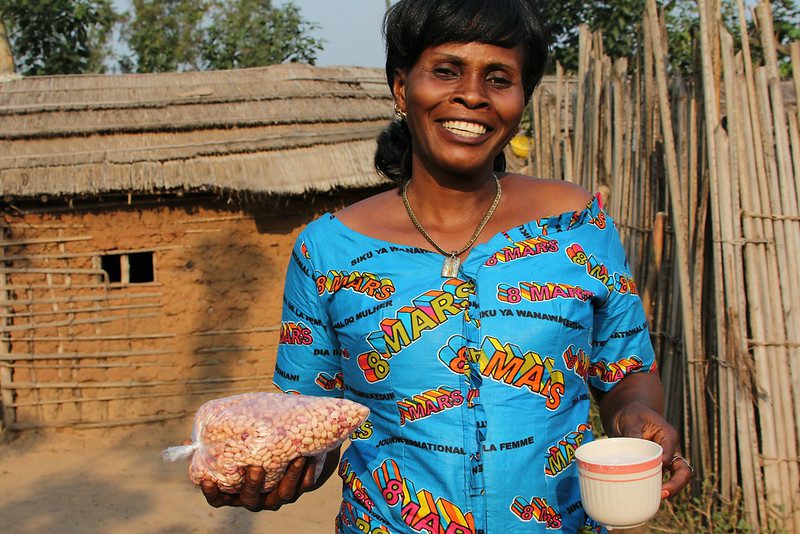
 In the vast and diverse landscapes of the Democratic Republic of Congo (DRC), women’s health has long been a pressing concern. The DRC presents a formidable challenge with a history of conflict, limited health care access and staggering maternal mortality rates. This narrative explores the profound impact of Doctors Without Borders on women’s health in the DRC, a story encompassing life-saving interventions and women’s empowerment woven intricately into the fabric of this remarkable journey.
Maternal Health and Sexual Violence
The Democratic Republic of Congo (DRC) grapples with a profound and interconnected women’s health crisis, characterized by two critical dimensions: maternal health challenges and the scourge of rampant sexual violence. This crisis paints a harrowing picture, with the DRC consistently ranking among the countries with the highest maternal mortality rates globally. The startling figure of 547 maternal deaths per 100,000 births, as classified by the World Health Organization, underscores the severity of this issue, marking it as “very high” on the global scale.
Factors contributing to this dire situation include a shortage of skilled health care providers, limited access to quality maternal care in remote regions and the enduring consequences of armed conflict that have ravaged the nation’s health care infrastructure. These barriers encompass health care infrastructure, socio-economic hurdles and weak health governance, making it a multifaceted challenge.
Unfortunately, many women continue to depend on traditional birth attendants, resulting in critical delays when complications arise. These delays often lead to devastating outcomes such as stillbirths and obstetric fistulas, inflicting severe health consequences on mothers and infants. Moreover, the lack of timely access to cesarean sections remains a significant challenge, further underscoring the urgency of improving maternal health care services in the region.
In tandem with maternal health issues, sexual violence has cast a long shadow over the DRC, leaving countless women physically and psychologically scarred. Shockingly, one in two women in the DRC reports having experienced physical or sexual abuse at least once.
Rape, disturbingly, has been weaponized as a tool of war, with dire consequences resonating throughout communities, perpetuating cycles of trauma and stigma. Indeed, multiple warring factions, including the Congolese Army and various rebel groups, have employed rape as a deliberate warfare strategy, amplifying the urgency of this complex and interconnected women’s health crisis.
Doctors Without Borders’ Approach to Women’s Health
In the face of the escalating conflict in 2022, Doctors Without Borders (Médecins Sans Frontières or MSF) exhibited unwavering commitment to women’s health in the DRC. Operating in challenging environments, MSF embarked on a multifaceted approach to address women’s pressing health care needs.
In the conflict-affected regions of Rutshuru, Binza, Kibirizi and Bambo, MSF provided crucial support to local health facilities. Their interventions spanned a wide spectrum of medical activities, including providing intensive care, surgical procedures, therapeutic nutrition and specialized treatment for survivors of sexual violence. The organization’s presence and dedication were instrumental in ensuring that women in these regions had access to life-saving medical care despite the challenging circumstances.
Moreover, MSF’s commitment extends beyond immediate medical needs. They focused on the comprehensive well-being of women, including their sexual and reproductive health. This focus encompassed vital services such as HIV and tuberculosis treatment, sexual and reproductive health care, safe abortion care and mental health services. By providing a holistic range of services, MSF aims to address existing health issues and empower women to make informed decisions about their bodies and well-being.
In Salamabila, MSF introduced innovative programs such as “husband schools” and awareness sessions on sexual violence. These initiatives aimed to tackle the root causes of gender-based violence and promote gender equality. By engaging with both women and men in the community, MSF sought to challenge traditional norms and behaviors contributing to sexual violence and discrimination.
The Organization’s Impact
Doctors Without Borders has made an indelible impact on women’s health in the Democratic Republic of Congo (DRC), exemplifying their commitment to saving lives and empowering women. In their tireless efforts, MSF treated a staggering 10,000 patients for sexual violence, a testament to their unwavering dedication to addressing this critical issue.
Since the resurgence of conflict in 2022, MSF’s teams have remained steadfast in their mission. Between April 17 and 30, 2023, they provided critical care to 314 victims of sexual violence in Bulengo, Lushagala, Kanyaruchinya, Eloime and Munigi camps — areas that have faced a shortage of humanitarian assistance. This timely intervention offered much-needed medical and psychological support to survivors and underscored MSF’s commitment to reaching the most vulnerable, even in the most challenging environments.
With a dedicated team of over 2,670 full-time staff, Doctors Without Borders’s impact on women’s health in the DRC has been monumental. Their holistic approach, spanning medical care, trauma support, community engagement and awareness initiatives, has saved lives and nurtured empowerment and resilience among women. MSF’s unwavering dedication and adaptability in the face of evolving health care challenges continue to be indispensable in pursuing a brighter and healthier future for Congolese women. Their work is a source of inspiration, illuminating the path toward improved women’s health and gender equality in the DRC.
Moving Forward
However, comprehensively addressing the crisis goes beyond infrastructure development. Political change and reform are vital components of a sustainable solution. In certain African nations, like Mauritania and Kenya, governments have taken bold steps by prohibiting home births to reduce serious complications due to home deliveries in remote areas, a doctor working for the organization explained in the interview. Such policies aim to ensure safer deliveries and reduce maternal mortality, highlighting the potential impact of political initiatives in addressing the challenges faced by women in health care access.
Doctors Without Border’s work exemplifies the path to a brighter and healthier future for Congolese women. This collective effort, driven by compassion, dedication and a commitment to justice, is essential for progress in the challenging health care landscape of the DRC.
– Hannah Klifa
Photo: Flickr

Niger’s HIV/AIDS Prevention Strategies and Government Initiatives
According to reports by Global Fund, the rise in new cases has significantly fallen by three-quarters since 2002. This progress can be attributed to the collaborative efforts of the government and international nongovernmental organizations (NGOs), which have played pivotal roles in advancing Niger’s fight against HIV/AIDS over the years.
Efforts by Niger Government
In 2011, the Niger government committed to preventing mother-to-child transmission (PMTCT) of HIV, with the aim to eliminate HIV infections in infant children by 2015. This commitment is evident in the increased funding allocated to expand Niger’s PMTCT services, which rose from 2.6% of its total budget in 2010 to 15.9% in 2011. Similarly, Niger expanded its PMTCT pilot sites from seven in 2003 to 651 in 2012. Currently, HIV/AIDS infection among exposed infants is nearly non-existent, with 26,000 children born to HIV-positive mothers remaining uninfected and the current HIV prevalence rate among infants is 5%.
Additionally, condom social marketing was introduced in Niger in 2003 as part of the government’s efforts to combat HIV/AIDS. Targeted distribution of condoms has been a key strategy, with mobile vendors and kiosks providing access to condoms even along major transportation routes. The provision of free condoms has led to positive changes in sexual behavior. Between 2006 and 2011, there was a significant increase in the percentage of young men engaging in protected casual sex, rising from 38% to 66%.
Furthermore, in Niger, the health care sector offers HIV counseling and testing (HCT) as an integrated part of health services, available at blood transfusion centers and PMTCT sites. In 2008, the country had 172 HCT sites. However, by 2012, only 7-8% of females and 3% of males had undergone HIV testing. The higher percentage among women is attributed to PMTCT-related HCT services. The same year, the government allocated specific resources for provider-initiated counseling and testing (PICT). This initiative aimed to target individuals who were already in contact with the health sector and those at risk of HIV infection due to factors like multiple sex partners, unprotected sex or a history of sexually transmitted infections (STIs).
Efforts by External Support
The Global Fund plays a critical role as a significant grant provider for Niger’s HIV/AIDS initiatives. Out of the total active grants amounting to €153.50 million (about $165 million) from 2021 to 2024, about 10% is directly allocated for HIV interventions in the country. Despite the relatively low prevalence of HIV/AIDS in Niger, specific key populations, such as prisoners, sex workers and homosexual individuals, remain disproportionately affected. Testing rates also continue to be low, with approximately 25% of adults and 50% of children unaware of their HIV status.
Between 2007 and 2012, the Global Fund grants accounted for 28% of the country’s spending on HIV/AIDS interventions. The Global Fund grants aim to achieve ambitious targets such as reducing new HIV infections and mortality rates, enhancing living conditions for people living with HIV and strengthening both the demand for and supply of quality health care and services for the entire population.
The United Nations Children’s Fund (UNICEF) also supported the Niger government in its fight against HIV and AIDS in 2018. UNICEF worked on a plan to increase HIV testing, treatment and PMTCT. By the end of the year, 96% of health facilities were providing PMTCT services. However, only 10% of babies born to HIV-positive moms were tested for HIV within two months of birth. This was because of limited medical equipment to carry out the tests.
To address this issue, UNICEF intervened by promoting the use of GeneXpert Point of Care machines already present in 12 laboratories nationwide. UNICEF also provided training and materials to 24 laboratory technicians, which enabled all regions of Niger to test HIV-exposed babies. UNICEF’s support to the government has led to 342,820 out of 417,393 women attending their first antenatal consultation to receive counseling and testing for HIV.
– Teniola Yusuf
Photo: Flickr
Participatory Photography and Poverty Documentation
The idea, however, is to place the cameras in the hands of those you wish to document. Participatory photography and poverty documentation seek more organic results, as they represent not just the livelihoods of the participants but also the specific needs and issues that they deem important. Participatory photography often yields results that de-dramatize livelihoods and offer depictions that leave the aesthetic narrative of victimization.
The emphasis is also placed on ownership and control of the dissemination of photographs. Not only are participants meant to be in control of their image and what they want to show, but they also become active actors in the economic benefits mediatization might offer.
Organizing Participatory Photographic Projects
Photovoice, founded in 1999, based its practice on the 1997 research paper written by Wang and Burris, which highlighted participatory photography as an effective research method to document needs as perceived by a community. With its methodological approach and ethical statement, Photovoice blends advocacy and research insight to promote social change for marginalized and poor communities. Although the organization started with projects in the United Kingdom (U.K.), it has now branched out internationally. It has worked with the likes of Save The Children and Oxfam.
In 2017, Photovoice trained rural impoverished communities in Zimbabwe in participatory photographic and poverty documentation methods as part of a joint project with the British Red Cross and the Zimbabwean Red Cross to evaluate the impact of the Food Security and Livelihood (FSL) program. With the help of participatory photographic methods, the community was empowered to identify key program areas that mattered greatly to their well-being, such as the development of micro-finance institutions or livestock security.
Most participants also highlighted the positive impact the project had on the community’s cohesion and cooperation environment. All participants also agreed that the project had successfully raised awareness about best practices and important issues in their community.
The Future of Participatory Photography
Participatory photography and poverty documentation fit right together. The practice’s development is already granting local impoverished communities worldwide more and better agency to voice their situations and concerns that are particularly important to them. Participatory photography is confined to policy evaluation and programs that work in NGOs, needing more reach and impact than traditional photography has in media coverage. However, the ethical benefits and effectiveness in raising awareness for the right issues show that participatory photography has a bright future in advocating for the world’s poor.
– Felix Stephens
Photo: Flickr
Alleviating Child Poverty in Eswatini
HIV Infections Among Swazi Children
HIV is a particularly cruel form of child poverty in Eswatini. With one of the highest rates of HIV infections globally, the country is grappling with the devastating impact of this disease. Currently, approximately 26% of Swazis suffer from this disease. In 2020, more than 13,000 children between the ages of 0 and 14 were living with HIV.
Fortunately, Eswatini has made significant progress in its war on HIV. It is one of two African nations in history to not only meet but exceed the 95-95-95 global HIV treatment targets in 2020 and the number of HIV infections is declining every year. In 2022, the Pact organization reported that more than 6,000 Swazi children were supported with HIV services through its Ready, Resourceful, Risk Aware project.
Further, in 2023, through a mobile clinic, the World Food Programme (WFP) provided treatment literacy training to 135 caregivers and 1,800 children at 46 neighborhood care points (NCPs) in Eswatini. Working with Eswatini’s government, the WFP created safety nets for Swazis affected by poverty and HIV/AIDS. The target of these safety nets was 27,000 at-risk children at NCPs and specific Swazi schools.
Malnutrition Among Swazi Children
Malnutrition is a prevalent issue among children in developing countries, representing a significant aspect of child poverty in Eswatini. One consequence of chronic malnutrition among Swazi children is stunting, which occurs when a child is shorter than average for their age. In 2022, the stunting rate for Swazi children stood at 20%. Additionally, malnutrition contributes to child wasting, a condition characterized by thinness relative to height and a weak immune system. About 2% of Swazi children aged less than 5 experience wasting and one in 20 is underweight.
Many nongovernmental organizations (NGOs) are helping Swazis fight against child malnutrition, with one standout leader being the WFP. In 2023, the WFP played a pivotal role in addressing child malnutrition in Eswatini through various initiatives. By identifying the most undernourished populations across the country, the WFP targeted its efforts where they were most needed.
Through the innovative home-grown school feeding program pilot, nutritious meals were provided to NCPs, which serve as a combination of soup kitchens and informal preschools offering food, daycare and education to orphaned and vulnerable children. By implementing this program and working with Eswatini’s Ministry of Education, the WFP provided 23,000 school children with healthy food.
Clean Water and Sanitation for Swazi Children
One in three Swazis does not have access to clean water. Consequently, more than 200 Swazi children aged less than 5 die yearly from diarrhea caused by poor toilets and dirty water. Therefore, to attain number six on the United Nations (U.N.) list of Sustainment Development Goals, Eswatini has determined to provide all Swazis with fair and universal access to clean, safe, affordable water, sanitation and hygiene by 2030.
Further, many organizations, such as World Vision and WaterAid, are working to provide Swazi children with clean water and better sanitation. In 2022, World Vision and WaterAid provided clean water to local regions throughout Eswatini, enabling more children to enroll in Eswatini’s schools and spend more time learning.
Final Remark
Many Swazi children continue to find everyday life difficult. However, men and women in and outside Eswatini work night and day to create a brighter future for these children.
– Jacob Stubbs
Photo: Flickr
Helping Schoolchildren in Uganda Using Simple Technology
Water Problems in Uganda
In Uganda, water is a scarce resource. In rural areas, it is difficult for citizens to get any water. Some estimates state that one in four people lack access to clean water. Women and children usually travel long distances to collect water for themselves and their families to survive. On average, they trek six kilometers and spend two hours each day getting water.
This grueling task deprives children of education, as they must prioritize fetching water over schooling and poses serious health risks. Schoolchildren in Uganda burdened with transporting heavy 10-kilogram jerrycans of water unaided suffer from spinal pain, with a study revealing that 62% of them experience such discomfort.
Moreover, the lack of paved sidewalks on rural roads exacerbates the dangers faced by these children. Forced to walk alongside cars, they are constantly at risk, with statistics highlighting the alarming rate of fatalities due to road accidents. In Uganda, for instance, an average of 12 people per day lost their lives in car accidents in 2022, compared to five per day in Britain during the same period. The unsafe conditions of these roads further compound the challenges encountered by children in their daily lives.
Jerrycan Bags
The Jerrycan bag is a waterproof backpack that fits a Jerrycan. It eases the burden for kids while they are transporting water. The bag features a reflective “SLOW DOWN” sign to notify drivers to combat the dangerous roads. Jerrybag adopts a holistic approach by empowering local women in Kampala through employment opportunities. By hiring these women to produce the bags, the company not only improves the lives of children but also contributes to economic empowerment in the community.
In recognition of its impactful work, Jerrybag received the prestigious Seoul Design Award in 2023. The award is given to projects that create sustainable solutions to everyday problems, underscoring the significance of Jerrybag’s work. Funding its operations in Uganda through its South Korea website, Jerrybag sustains its mission by selling merchandise and allocating a portion of the proceeds to its studio in Uganda. As the company’s popularity grows, it can scale up production to provide more bags for children in need. Jerrybag currently produces more than 400 bags monthly, exemplifying its commitment to making a tangible difference in the lives of children and communities in Uganda.
Jerrybag’s impact extends beyond providing water-carrying solutions in Uganda; the company has also played a significant role in supporting the nation during the COVID-19 pandemic. Demonstrating its commitment to community welfare, Jerrybag generously donated 4,870 hygiene kits and 14,160 masks, aiding the country’s efforts to combat the spread of the virus. Furthermore, Jerrybag engages in initiatives to empower disadvantaged children through design workshops, fostering creativity and skill development.
Final Remark
Jerrybag is a simple but creative solution to the struggle schoolchildren in Uganda face. The company’s success shows how basic changes like a new backpack can make a difference.
– Richard Sartor
Photo: Wikimedia Commons
How International Child Care is Transforming Lives in Haiti
Since 1967, International Child Care has dedicated itself to transforming the lives of Haiti’s children and families through various programs centered on health and wellness. With one in 11 children dying before the age of 5 due to malnutrition and disease, the organization prioritizes health care and empowerment. Its programs aim to prevent illness, promote health and facilitate restoration.
Grace Children’s Hospital
Grace Children’s Hospital, operated by International Child Care, is Haiti’s premier medical facility, serving about 400 patients daily. It features both inpatient and outpatient clinics. The inpatient clinic, staffed entirely by Haitian professionals, provides essential care for children facing various health issues, including malnutrition, tuberculosis, HIV/AIDS and general health care needs, as well as maternal health services. Children typically stay for three months, during which they receive comprehensive medical care, nutritious meals and support from nurses’ aides. Some children, as they begin to recover, have the opportunity to attend school at the hospital, often receiving their first formal education.
The outpatient clinic at Grace Children’s Hospital delivers essential health care services to the local community, offering treatments and support for conditions such as tuberculosis in children and adults, HIV/AIDS, as well as providing eye exams, reproductive health care, nutrition advice and pediatric care. The hospital’s pharmacy ensures that patients receive the necessary medications. Additionally, the hospital operates the Urban Community Health program, which delivers health care services directly to residents of Port-au-Prince and its tent cities. Committed to the community’s health and well-being, the hospital guarantees care for all patients, regardless of their ability to pay.
Integrated Community Health
International Child Care operates Integrated Community Health programs that significantly impact vulnerable communities in Haiti by empowering residents to enhance their health and well-being. The organization partners with local communities to provide education and promote health and wellness, equipping them with the necessary knowledge and resources to fight disease and malnutrition. Through initiatives such as immunization and child health clinics, these programs extend aid to even the most remote areas. Emphasizing grassroots participation, the program aims to guide and lead communities toward improved health outcomes.
Education Programs
International Child Care actively combats poverty in Haiti by emphasizing education alongside health care. The organization operates a simulation laboratory (SimLab) and training center that offers hands-on experience to students, nurses and health care workers. These facilities equip them with the skills necessary to provide high-quality care to children and families in Haiti, allowing them to practice crucial skills in a controlled environment where mistakes carry no severe consequences. Funded by the United Methodist Women, the SimLab features CPR manikins for infants, children and adults, French-speaking automated external defibrillators (AEDs) for rapid response training in cardiac emergencies and specialized training provided by U.S. volunteers, including nurses and doctors. These educational programs ensure health care workers are well-prepared to meet the health care needs of Haitian communities.
Looking Forward
International Child Care continues to make strides in fostering sustainable health and education solutions for Haiti’s most vulnerable. By providing comprehensive care and education through initiatives like Grace Children’s Hospital and the Integrated Community Health programs, the organization plays a critical role in breaking the cycle of poverty. These ongoing efforts not only enhance immediate health outcomes but also build the foundation for long-term community resilience and empowerment.
– Isabella Green
Photo: Flickr
Doctors Without Borders’ Impact on Women’s Health in the DRC
Maternal Health and Sexual Violence
The Democratic Republic of Congo (DRC) grapples with a profound and interconnected women’s health crisis, characterized by two critical dimensions: maternal health challenges and the scourge of rampant sexual violence. This crisis paints a harrowing picture, with the DRC consistently ranking among the countries with the highest maternal mortality rates globally. The startling figure of 547 maternal deaths per 100,000 births, as classified by the World Health Organization, underscores the severity of this issue, marking it as “very high” on the global scale.
Factors contributing to this dire situation include a shortage of skilled health care providers, limited access to quality maternal care in remote regions and the enduring consequences of armed conflict that have ravaged the nation’s health care infrastructure. These barriers encompass health care infrastructure, socio-economic hurdles and weak health governance, making it a multifaceted challenge.
Unfortunately, many women continue to depend on traditional birth attendants, resulting in critical delays when complications arise. These delays often lead to devastating outcomes such as stillbirths and obstetric fistulas, inflicting severe health consequences on mothers and infants. Moreover, the lack of timely access to cesarean sections remains a significant challenge, further underscoring the urgency of improving maternal health care services in the region.
In tandem with maternal health issues, sexual violence has cast a long shadow over the DRC, leaving countless women physically and psychologically scarred. Shockingly, one in two women in the DRC reports having experienced physical or sexual abuse at least once.
Rape, disturbingly, has been weaponized as a tool of war, with dire consequences resonating throughout communities, perpetuating cycles of trauma and stigma. Indeed, multiple warring factions, including the Congolese Army and various rebel groups, have employed rape as a deliberate warfare strategy, amplifying the urgency of this complex and interconnected women’s health crisis.
Doctors Without Borders’ Approach to Women’s Health
In the face of the escalating conflict in 2022, Doctors Without Borders (Médecins Sans Frontières or MSF) exhibited unwavering commitment to women’s health in the DRC. Operating in challenging environments, MSF embarked on a multifaceted approach to address women’s pressing health care needs.
In the conflict-affected regions of Rutshuru, Binza, Kibirizi and Bambo, MSF provided crucial support to local health facilities. Their interventions spanned a wide spectrum of medical activities, including providing intensive care, surgical procedures, therapeutic nutrition and specialized treatment for survivors of sexual violence. The organization’s presence and dedication were instrumental in ensuring that women in these regions had access to life-saving medical care despite the challenging circumstances.
Moreover, MSF’s commitment extends beyond immediate medical needs. They focused on the comprehensive well-being of women, including their sexual and reproductive health. This focus encompassed vital services such as HIV and tuberculosis treatment, sexual and reproductive health care, safe abortion care and mental health services. By providing a holistic range of services, MSF aims to address existing health issues and empower women to make informed decisions about their bodies and well-being.
In Salamabila, MSF introduced innovative programs such as “husband schools” and awareness sessions on sexual violence. These initiatives aimed to tackle the root causes of gender-based violence and promote gender equality. By engaging with both women and men in the community, MSF sought to challenge traditional norms and behaviors contributing to sexual violence and discrimination.
The Organization’s Impact
Doctors Without Borders has made an indelible impact on women’s health in the Democratic Republic of Congo (DRC), exemplifying their commitment to saving lives and empowering women. In their tireless efforts, MSF treated a staggering 10,000 patients for sexual violence, a testament to their unwavering dedication to addressing this critical issue.
Since the resurgence of conflict in 2022, MSF’s teams have remained steadfast in their mission. Between April 17 and 30, 2023, they provided critical care to 314 victims of sexual violence in Bulengo, Lushagala, Kanyaruchinya, Eloime and Munigi camps — areas that have faced a shortage of humanitarian assistance. This timely intervention offered much-needed medical and psychological support to survivors and underscored MSF’s commitment to reaching the most vulnerable, even in the most challenging environments.
With a dedicated team of over 2,670 full-time staff, Doctors Without Borders’s impact on women’s health in the DRC has been monumental. Their holistic approach, spanning medical care, trauma support, community engagement and awareness initiatives, has saved lives and nurtured empowerment and resilience among women. MSF’s unwavering dedication and adaptability in the face of evolving health care challenges continue to be indispensable in pursuing a brighter and healthier future for Congolese women. Their work is a source of inspiration, illuminating the path toward improved women’s health and gender equality in the DRC.
Moving Forward
However, comprehensively addressing the crisis goes beyond infrastructure development. Political change and reform are vital components of a sustainable solution. In certain African nations, like Mauritania and Kenya, governments have taken bold steps by prohibiting home births to reduce serious complications due to home deliveries in remote areas, a doctor working for the organization explained in the interview. Such policies aim to ensure safer deliveries and reduce maternal mortality, highlighting the potential impact of political initiatives in addressing the challenges faced by women in health care access.
Doctors Without Border’s work exemplifies the path to a brighter and healthier future for Congolese women. This collective effort, driven by compassion, dedication and a commitment to justice, is essential for progress in the challenging health care landscape of the DRC.
– Hannah Klifa
Photo: Flickr
Women’s Rights in Timor-Leste
The History of Timor-Leste
Under Indonesian Occupation, Timorese people were brutally repressed through “military forces detaining, torturing, executing and forcibly disappearing tens of thousands of people.” Amnesty International estimates that 200,000 out of the then 600,000 population were killed between 1975 and 1999. Human rights groups documented systemic violence throughout the ’80s and ’90s.
The conflicts left 70% of the infrastructure decimated by the time of their independence in 2002 and much of the rural infrastructure that provides people with adequate food, water, health care provisions and more remains unusable. Women had a crucial role during the war for independence, making up 60% of the Clandestinos, a secret support network that smuggled supplies and information to the rebels.
What Problems Are Women Facing?
Progress for Women in Timor-Leste
In the last two decades, massive progress has been made despite the legacy of violence and injustice toward women. In 2012, in response to the gender disparities prevalent in society, the new government mandated that parties’ lists include at least 33% of women in the new constitution. This demonstrates a growing commitment to women’s rights in Timor-Leste, resulting in a remarkable surge in female representation in politics, with women now occupying 38% of the seats in the National Parliament, the highest proportion in the Asia Pacific region. The Gender and Constitution Working Group, established by U.N. Women, has played a pivotal role in advancing women’s rights by advocating for their inclusion in the new constitution.
The 2010 Law Against Domestic Violence represents a significant step in acknowledging and addressing the issue of domestic violence against women in Timor-Leste. By recognizing domestic violence as a criminal offense, the law grants essential rights to women. Although the full implementation of this law is still underway nationwide, efforts are being made to raise awareness and educate the public. Organizations like the Covalima Community Centre (CCC) are actively involved in these efforts, contributing to progress in informing and empowering communities regarding domestic violence.
This group is dedicated to empowering women in the Covalima district of Timor-Leste by providing education on leadership and enhancing their skills, enabling them to make meaningful contributions to the social, political and economic spheres. Established by IWDA, this organization has played a pivotal role in its work. By 2016, its efforts had a tangible impact, with the number of Village Chiefs elected to Suco or village-level government, nearly doubling. This increase can be attributed, at least in part, to the diligent work of the CCC in providing leadership training to candidates.
The Future of Women’s Rights in Timor Leste
Timorese women have advocated for their own future, through innovative grassroots organizations like East Timor Women Australia (ETWA), which supports women in the handicrafts industry. Additionally, nongovernmental organizations such as U.N. Women have played a crucial role in successfully enshrining women’s rights in the new constitution. While strides have been made, the journey toward achieving equal rights for women in Timor-Leste remains incomplete.
A pervasive culture of domestic violence persists as a significant challenge, demanding ongoing attention and action. Nevertheless, there are signs of progress as the government of Timor-Leste has taken steps to address this issue. The approval of a National Action Plan on Gender-Based Violence in 2017, with another awaiting governmental approval, demonstrates a commitment to combatting gender-based violence. While progress may be slow, it is clear that the hard work and self-advocacy of the Timorese women is working.
– Elizabeth Keith
Photo: Flickr
Working to Educate Impoverished Children in Moldova
Child Poverty in Moldova
More than 25% of Moldova’s population lives below the poverty line, with nearly one-third of this group being children. These children face numerous challenges including vulnerability to health risks from poor sanitation and inconsistent medical treatment. Additionally, despite measures to protect children, child labor remains prevalent, exposing working children to unsafe conditions and exploitation. This issue is particularly acute among minorities, such as Romani children and refugees. Furthermore, young girls face significant risks of child marriage and trafficking, with nearly one in five marrying before the age of eighteen.
Poverty significantly impacts a child’s access to education in Moldova, as unmet basic needs make education a lower priority. Humanium reports that almost one in 10 Moldovan children do not attend school, a rate that has risen recently due to the dependency of school attendance on family economic stability. The organization also notes that schools often lack necessary supplies. Additionally, the infrastructure for education is deprioritized and teachers frequently lack adequate training and credentials to provide quality education. This cycle not only stems from poverty but also perpetuates it by denying impoverished children access to education.
3 Initiatives Promoting Education
Looking Ahead
Moldova’s commitment to enhancing educational opportunities through these initiatives sets a hopeful trajectory for its future. By prioritizing inclusive and quality education, Moldova is building a foundation that promises to lift children out of poverty and equip them with the tools necessary for long-term success. These ongoing efforts, aimed at breaking the cycle of poverty, hold the potential to transform the lives of thousands of children, ensuring a brighter and more prosperous future for the nation.
– Anna Williams
Photo: Flickr
Poverty Reduction in Libya
Storm Daniel
In September 2023, Storm Daniel hit the eastern part of Libya and wreaked tragedy on the already suffering country. Two major dams failed and millions of cubic meters of water flooded the city of Derna, affecting 1.6 million people. It was hoped that in the wake of this, international aid would be incentivized and poverty reduction in Libya would be catalyzed. In turn, fixing not just the effects of Storm Daniel, but years of poverty due to institutional neglect and division.
The International Federation of Red Cross (IFRC) recognized the urgency of the situation and quickly delegated 1 million CHF to target 253,000 through the Disaster Response Emergency Fund. This allowed Premiere Urgence Internationale to work with the Libyan Red Cross to lead evacuation missions and provide medical care and emergency shelter.
The Need for Long-Term Aid
Whilst short-term aid has helped the most at-risk poverty cases that the destruction of natural disasters created, Storm David has shed light on the need for long-term impactful aid to end years of institutionalized poverty.
The World Food Programme (WFP) has highlighted that there are “many opportunities for national and international stakeholders to work in partnership to overcome the impediments on Libya’s path to inclusive, sustainable and peaceful development.” Libya has a huge potential for economic growth. It has “not only the largest proven oil reserves in Africa” but supreme conditions for renewables and raw materials also in plentiful supply.
To guarantee a reduction in corruption and successful delivery of funds to poverty reduction schemes in Libya, the international community needs to help promote sustained political security. In 2024, a coalition with Tunisia and Algeria has done just this as it is aimed at furthering “security, stability and development throughout the region.” Post Storm Daniel, this reflects attempts from Libya to secure stability both internationally and regionally.
International Aid for Long-Term Poverty Relief
In 2022, the EU committed funds with the overarching aim of improving and creating resilient health outcomes in the Libyan population, particularly among those most at risk or vulnerable. The action takes into account the sensitive context in which Libya’s citizens are suffering within the health care sector through a twin-track approach. At a local level, interventions will cater to marginalized populations that require primary healthcare services. At a national level, the second of the twin-track approaches will strengthen national-level institutions to enable better governance and stewardship. Therefore, the EU has highlighted a need to focus on structural support as well as initiatives that directly affect health within Libyan communities.
In the long term, Libya joined Universal Health Coverage 2030 (UHC2030) in 2018. The UHC aims to build stronger health systems and allows international collaboration to create this. Libya’s commitment to the organization reflects the country’s ongoing attempt to improve the living standard of its citizens by making international-level commitments.
School Meals
The government has been collaborating with other organizations as it recognizes the requirement of external aid to carry out poverty reduction in Libya. In 2022, the Libyan Ministry for Education worked with the WFP and the Central Kitchen to help secure breakfast and lunch options for 7,000 students. Most excitingly, the government stated that they “hope to implement this project in other parts of the country so that more children have access to education and nutritious food.”
Since this point, the Minister for Education states it has elevated the number of students receiving school meals to 50,000 with the hope of aiding 2.1 million by 2026, with an aspiration to expand this program to all Libyan schools across all cities by 2030. Moreover, to strengthen national food systems, in March, WFP launched the new Country Strategic Plan for March 2023 – December 2025. The plans are to provide general food assistance, livelihood support, capacity strengthening, school feeding and on-demand services across all of Libya.
The Future
It is undeniable that a history of political insecurity and war met with natural disasters, has created systemic inequality and poverty in Libya. But these challenges have been met with domestic and international efforts, especially since Storm David. The World Bank has highlighted that Libya’s rich capacity of resources should not be overlooked as a source of recovery and financial leverage in the future. Poverty reduction in Libya is occurring through increased international engagement, recognizing the importance of allegiances and funding, and a rejuvenated recognition of its civilian needs.
– Kathryn Dodd
Photo: Pixabay
Disability and Poverty in Togo
Already at a disadvantage due to often lacking access to education or vocational training, these young individuals found themselves further marginalized in the job market. In response, the United Nations Agency for International Development (USAID) has been a key player, aligning efforts with the Fédération Togolaise des Associations des Personnes Handicapées (FETAPH) to tackle these issues. This partnership focuses on increasing vocational training accessibility and adjusting curricula to be inclusive of sensory disabilities.
FETAPH’s Initiatives
FETAPH’s initiatives include conducting sensitization workshops to foster employer openness toward hiring people with disabilities and collaborating with companies to provide necessary equipment and training placements. These efforts to address disability and poverty in Togo are crucial in a societal landscape where stigma and discrimination are rampant, significantly affecting the livelihoods of disabled persons.
Moreover, the push for a national fund to support the training and professional integration of persons with disabilities is gaining momentum. This fund would not only address immediate employability gaps but also offer long-term support structures for sustainable development. Advocacy for such a fund was bolstered by the commendation from the Committee on the Rights of Persons with Disabilities, which noted ongoing revisions to Togolese law aimed at enhancing social protection for people with disabilities.
The committee also highlighted grave concerns, such as inhumane treatment leading to fatalities among children with disabilities and the persistent cultural practices that underpin such abuses. Questions were raised about protective measures against abandonment and harmful traditional practices like forced marriages and infanticide.
In response, Togolese officials pointed to legislative strides such as the prohibition of discrimination against persons with disabilities in the Children’s Code and severe penalties for those who abandon children due to disability. Despite these legal frameworks, implementation remains inconsistent and many individuals with disabilities continue to face significant barriers to integration and acceptance within their communities.
The role of international and local advocacy in shaping policy and public opinion regarding disability and poverty in Togo cannot be understated. The ongoing dialogue between Togolese authorities and international bodies underscores the pressing need to transform societal attitudes and institutional practices. This dialogue is crucial for ensuring that the rights of persons with disabilities are not only recognized on paper but earnestly protected and facilitated.
About Children With Disabilities in Togo
Additionally, in Togo, children living with disabilities represent one of the most vulnerable segments of the population. This vulnerability is not only marked by poverty but also compounded by significant social isolation and discrimination. Recognizing the urgent need to address these disparities, the United Nations Partnership to Promote the Rights of Persons with Disabilities (UNPRPD) initiated a project in 2012 specifically aimed at enhancing the lives of Togolese children with disabilities.
Firstly, it aimed at harmonizing Togo’s domestic laws with the Convention on the Rights of Persons with Disabilities (CRPD) to ensure that legal frameworks were not only compliant but also supportive of the rights of children with disabilities. Secondly, the project focused on expanding educational opportunities for children with disabilities, particularly in the Kara and Savanes regions. By fostering an environment where children with disabilities are given the tools to thrive, such as access to tailored education and health care, the program aimed to break the cycle of exclusion and poverty.
However, while these initiatives are commendable, they are just the beginning of what needs to be a sustained, multi-faceted effort to integrate persons with disabilities into Togolese society fully. Continuous monitoring, adequate funding and persistent advocacy are essential to ensure that the legal and institutional frameworks not only exist but are actively enforced. They have to effectively contribute to the everyday lives of those whom they aim to protect, who suffer from the compounded effects of disability and poverty in Togo.
Conclusion
While the effort to combat disability and poverty in Togo has been commendable, especially regarding efforts to align its policies with international conventions on disability rights, significant challenges remain. The dual crises of COVID-19 and systemic exclusion have highlighted the urgent need for comprehensive strategies that address both immediate vulnerabilities and long-term social integration. Moving forward, the success of these endeavors will hinge on the sustained collaboration between the government, civil society and international partners to create an inclusive society where persons with disabilities can live with dignity and equal opportunities.
– Avery Fuller
Photo: Flickr