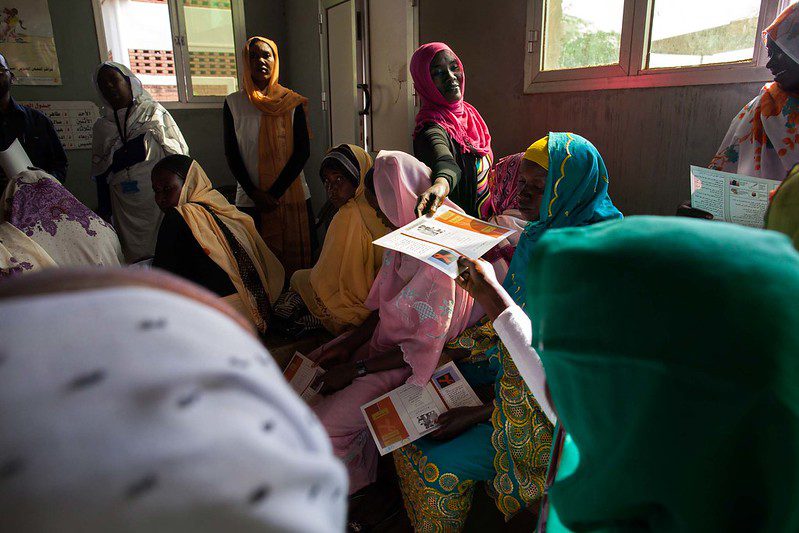
 The Global Fund is a “Global Health Partnership” that receives funds from different sources, including the private sector, foundations and governments, to fight human immunodeficiency virus (HIV) and acquired immune deficiency syndrome (AIDS), Malaria and Tuberculosis. The partnership was established in 2002 and has saved 59 million lives by investing more than $60 billion in global health care systems to help ensure equal access to care across the world. The Fund’s HIV/AIDS goals include, but are not limited to, fulfilling the World Health Organization’s “Treat All” guidance and the United States Agency for International Development’s (USAID) 95-95-95 strategy.
What Is HIV/AIDS?
HIV is a virus that damages a person’s immune system, making them more susceptible to infections and other diseases. AIDS, on the other hand, is used to describe the often life-threatening infections and illnesses that occur after damage to the immune system has been caused by HIV.
HIV can be contracted by anyone through the body fluids of an infected person, through unprotected sex, sharing needles or transmission from mother to baby (via pregnancy, birth or breastfeeding). When discussing these interrelated terms, it is important to note that while HIV can be transmitted, AIDS cannot be.
With HIV treatment, “most people” can be prevented from developing AIDS-related illnesses and can get to the point of having an “undetectable viral load.”
WHO’s Treat All Guidance and USAID’s 95-95-95 Strategy
HIV is a global health care problem and as such, global organizations have set strategies in place. In 2016, the WHO launched the “Treat All” plan to tackle the number of people living with HIV, where it recommended that “all people living with HIV be provided with antiretroviral therapy (ART)” with the aim of reaching all 37 million with the virus.
Furthermore, USAID has set out another global strategy. Its 95-95-95 strategy is an HIV plan that has the following aims for 2025:
- 95% of women in their reproductive years receive comprehensive HIV and sexual and reproductive health services.
- 95% of pregnant and breastfeeding women diagnosed with HIV achieve viral load suppression.
- 95% of children born to HIV-positive mothers undergo testing for potential exposure to the virus.
The Global Fund says it is “making significant progress” toward fulfilling both the WHO and USAID guidance.
Key Populations and Why They Matter
The WHO defines a key population as a group that “frequently face legal and social challenges that increase their vulnerability to HIV, including barriers to accessing HIV prevention, treatment and other health and social services.” According to USAID, 70% of new HIV infections occur in key populations and can go unresolved due to factors like stigma, human rights violations and violence.
The Global Fund has found that due to COVID-19, progress in the prevention and treatment of HIV/AIDs was reduced, with key populations being left behind, including children, adolescent girls and young women. For instance, there is a high disparity in care between children and adults, with 43% of HIV-positive children being unable to access lifesaving treatment compared to 23% of HIV-positive adults. Targeted health care tailored to these populations is crucial. Failure to address their infection rates undermines the long-term goal of eradicating HIV and AIDS.
What Has the Global Fund Done?
So far, the Global Fund has invested more than $25.5 billion in global HIV/AIDS care, providing more than a quarter of all international financing for this disease. Furthermore, in 2022, the organization provided antiretrovirals for 24.5 million people. In the same year, more than 15 million people, including 710,000 HIV-positive expectant mothers, received preventative care as a result of the partnership.
In fact, in the countries where it provided care, 82% of mothers were able to prevent the spreading of HIV to their babies. Moreover, due to the high number of HIV tests carried out, 53.1 million, the Global Fund was able to create a 72% reduction in AIDS-related deaths in countries where it operates.
The partnership has also identified 13 countries that have been made a priority, where key populations such as young women and adolescent girls are specifically targeted to benefit from HIV prevention programs. This is because they are “more than three times as likely” to contract HIV than their male counterparts.
Looking Ahead
In July 2021, the Global Fund released its 2023-2028 strategy, a continuation of all the work that it has done so far to improve health care outcomes globally. Its mission is officially to “To attract, leverage and invest additional resources to end the epidemics of HIV, tuberculosis and malaria, reduce health inequities and support attainment of the Sustainable Development Goals.” Ultimately, it aims to create a world that is healthier and better for all.
– Rachael Denton-Snape
Rachael is based in High Wycombe, UK and focuses on Global Health for The Borgen Project.
Photo: Flickr

Comoros HIV Prevention
Challenges in PMTCT Implementation
HIV is deadly, killing 50% of infected children before their second birthday if they do not receive treatment. PMTCT is crucial, as it accounted for 90% of child HIV infections in 2018. Unfortunately, in lower-income countries, mother-and-child services and PMTCT programs often face staffing and resource shortages, making it challenging for countries and organizations to implement these programs on a large scale.
Global guidance, including WHO’s Strategic Direction 4, mandates that policies and programs ensure services are culturally appropriate and responsive to community needs, addressing stigma, discrimination and social and structural barriers. Institutions such as UNICEF are working toward eradicating AIDS by 2030, in partnership with the Global Alliance to End AIDS among children and adolescents and the UNAIDS Joint program. These organizations’ goals focus on widespread HIV testing and treatment to combat the epidemic.
Global Efforts and Local Success in Comoros
In Comoros, continued efforts from PMTCT programs have reduced HIV prevalence to just 0.03% among expectant mothers. The Ministry of Health implemented a national policy that mandates training health workers and raising awareness among pregnant women during prenatal consultations. This approach has yielded impressive results: no HIV-positive mothers have given birth to HIV-positive children and all HIV-positive pregnant women received ARV treatment by 2021.
Comoros’ PMTCT Achievements and Future Goals
The PMTCT program in Comoros has achieved remarkable success, partly due to international assistance. In 2020, UNICEF supplied health facilities with critical equipment and supplies, including reagents for HIV testing, essential for preventing mother-to-child transmission of HIV. This support plays a crucial role in the Ministry of Health’s strategy, focusing on testing and training.
While Comoros has made significant progress, its mission continues. The Health Ministry has launched an ambitious strategy for 2025 aimed at eradicating new HIV infections in infants born to HIV-positive mothers, ensuring that three-quarters of pregnant women know their HIV status and reducing new infections by 75% from 2020 levels.
Looking Ahead
Comoros is poised to continue its successful implementation of the PMTCT program, aiming to eliminate new HIV infections among newborns. With international support and effective local strategies, the nation expects to significantly reduce transmission rates. The Ministry of Health’s proactive measures in training and equipping health care providers could further strengthen the program’s effectiveness. By 2025, Comoros aims to have the majority of pregnant women aware of their HIV status, a critical step in prevention efforts. These concerted efforts are vital for sustaining progress and achieving the goal of eradicating AIDS in children and adolescents within the nation.
– Rachael Denton-Snape
Photo: Unsplash
The Impact of Reducing Child Poverty in Angola
Education
Currently, 33% of children in Angola are illiterate and only 30% progress to upper secondary school. Additionally, more than a quarter of households in Angola have children who aren’t enrolled in school. This is mainly due to a lack of education, closely tied to intergenerational poverty traps. Education for girls is particularly at risk, with 30% of women aged 20-24 having been married or in a union before the age of 18. If poverty and hardship were not defining issues for these children, they could experience the normalcy of education and childhood.
Fortunately, there have already been significant improvements in education in Angola. The Committee on the Rights of the Child (CRC) has recognized multiple efforts being made to get more children into education. For example, the National Action Plan 2013-2020 was entitled “Education for All.” Additionally, the gross enrolment rate of children attending nursery, primary and secondary school increased to 97.5% in 2016.
Investment in the quality of teaching has led to more young people attending school – often due to the hard work of organizations such as SOS Children’s Villages. It works toward making education accessible to everyone. It has funded school fees, uniforms, learning materials and tutoring. Due to SOS Children’s Villages’ diligence and hard work, the project has enabled more than 1390 children in Angola to learn at its kindergartens and schools.
Health
Angola has suffered from an influx of droughts, flooding and diseases such as malaria, where medical treatment is sparse. Families in rural areas have found themselves struggling with rising food prices, leading to issues such as undernutrition being responsible for 45% of child deaths. A lack of access to water and sanitation has become a crucial issue for children’s health. However, when child poverty is dealt with, nutritious food will prevent the high rate of stunted children aged less than 5.
In response, Angola implemented a National Health Development Plan from 2012 to 2015, with one of its key objectives being to reduce maternal, infant and child mortality and morbidity rates. However, several challenges have arisen since the plan’s announcement. Malaria remains the leading cause of death in the country, responsible for more than 10,400 deaths in 2020. Additionally, the decline in oil growth in 2014 has led to decreased public spending in the health sector.
Despite these challenges, life expectancy in Angola is expected to increase from 61 years in 2023 to 68 years by 2050. Between 2018 and 2022, the health care workforce significantly increased and in 2020, Angola began offering specialty training courses for doctors in five provinces. By 2023, the program had expanded to include 2,500 medical doctors across 17 regions. The Minister of Health has also nominated a Task Force to oversee postgraduate training for health professionals.
SOS Children’s Villages is also actively working to ensure that social and health care facilities are accessible. Its efforts have enabled 450 families in Angola to stay together, providing crucial support and assistance.
Labor
Approximately 30% of Angolans live below the poverty line and widespread unemployment often leads to children becoming breadwinners for their households. The COVID-19 pandemic exacerbated a four-year recession in Angola, significantly impacting many families financially. Children aged 0-14 are particularly affected and live on less than $2.15 a day. Currently, three-quarters of children in Angola are living in poverty. Additionally, a staggering 19% of them work to support their families.
However, tackling extreme child poverty means that the number of children in the workforce within industries such as mining, construction and agricultural sectors will lessen and child trafficking will dissipate. Positive efforts have been made in this regard. Law no.3/14 criminalizes the exploitation of children for sexual purposes and prostitution.
Furthermore, in 2022, the Angolan government funded and participated in programs to prevent child labor. These initiatives include Social Protection Programs, Mobile Schools and Free School Meals for Children. Specifically, these programs target children in Southern Angola who are at high risk of being engaged in child labor.
– Xantippe Steele
Photo: Flickr
Montenegro’s Mental Health
Montenegro is a Balkan country in Southeastern Europe, bordering Croatia, Albania, Bosnia and Serbia. It is situated between the Dinaric Alps and the Adriatic Sea, making it an established tourist destination. Despite its popularity as a place of vacation and relaxation, Montenegro’s socioeconomic difficulties have had an inherent impact on the mental well-being of its citizens.
The Balkan War and Montenegro’s Mental Health
The Balkan War is still fresh in the minds of Montenegrins. For a decade, between 1991 and 2001, this violent ethnic conflict presided over the Balkan region and eventually culminated in a split from the former Yugoslavia in 2006. This bloody warfare, only recently resolved, left a legacy of trauma. Politically, Montenegro became a stable, peaceful democracy. However, the brutal civil war and Montenegro’s subsequent sovereignty had a significant impact on the economic development of the country, with its gross domestic product (GDP) falling from 45% in its Yugoslav era (1989) to 12% in 2000.
Historically, Montenegro’s psychological support has centered around patients whose serious disorders have symptoms of aggressive behavior, admitting them to Danilovgrad (Montenegro’s first psychiatric hospital, founded in the 20th century). The remaining nonviolent patients were left to “roam the streets.” A notable milestone in efforts to support community psychiatry and deinstitutionalize mental health facilities began in the early ’90s, with “Centers for Mental Health” inaugurated in 1991. Official mental health policies were implemented as late as 2004.
Mind and Money
Montenegro is ranked as one of the poorest countries in Europe, with a 2022 United Nations Children’s Fund (UNICEF) study declaring that “at least one-third of Montenegro’s children are at risk of poverty.” Economic welfare concentrates in urban and coastal regions, while much of the country struggles under economic pressures with little access to welfare support. A 2019 study showed only 44% of citizens living below Montenegro’s poverty line have access to welfare funds.
The impact of Montenegro’s conservative milieu on mental well-being is accentuated through the knowledge that 78% of those asked reported a complete absence of community mental health campaigns, while 97.2% thought support infrastructures would be a beneficial addition to their locality. This, in conjunction with a recognition of Montenegro’s conservative society that is “deeply ingrained in patriarchy,” provides context for the psychological pressures of its citizens.
Suicide rates in Montenegro can be correlated directly with insufficient support infrastructures and economic pressures. “The average crude suicide rate was 21.06 ‘for males 29.93 and for females 12.42,” with lethal suicide statistics correlating significantly with unemployment rates. In 2018, the rate of fatal suicide in the male population reached 4.29. In addition, Montenegro is recognized as having the highest number of “weekly hours worked [in Europe] at 42.8,” while the average European employee in 2022 worked just 36.2 hours a week.
These figures can be attributed to cultural roles, with men facing more pressures on having to financially contribute to households: an indisputable correlation between poverty and mental stability.
The EU4 Health Program
In January of 2024, the Montenegrin Health authorizations and the wider European health community established an agreement: the EU4Health program. This agreement allows both public and private sector health care entities access to funding and grant opportunities, increasing the accessibility and quality of support across the country. However, despite recent advancements in infrastructure and support, these goals are still recognized as only “partly realized,” with many of its objectives still awaiting accomplishment.
Open Mind
Nongovernmental organizations (NGOs) are working towards the political and social representation of mental health issues in Montenegro. The Open Mind project, co-funded by European Union’s (EU) grants, advocates for the inclusion of mental illness in political agendas, public debates and social sectors. Promoting dialogue for the social reintegration of those with mental health issues combats cultural stigmas.
The campaign aims to sensitize 5,000 individuals, conduct 10 awareness campaigns, train 20 CSOs and establish support groups in multiple communities. This project is one of 20 NGOs working to improve the lives of this target group and represents an optimistic future for Montenegrins suffering from mental health issues.
A Brighter Future
Recent governmental efforts to improve public health care in Montenegro represent a pivotal ideological shift, with Montenegrin citizens forecasted to witness “substantial improvements in their health care services.” Reflecting on the dualism between public mental health and the economy, an optimistic future is evident in Montenegro’s strong economic growth, estimated at 6% in 2023.
Traditionally, policy has neglected the implications of socioeconomic burdens on Montenegrin inhabitants. However, recent years have seen evident improvements in support infrastructures available for relieving the Montenegrin public mental health concerns. The inherent implications of mental health issues on social cohesion make the promotion of these efforts a priority.
– Thea Carter
Photo: Flickr
Clean Water Water Accessibility in Gabon
Water Access Disparity and Infrastructure Development
Urbanization in Gabon, driven by superior infrastructure and facilities, manifests starkly in Libreville where more than 97% of residents have access to clean water. In contrast, less than 55% of the rural population enjoys similar access. Despite its wealth in water resources, with seven rivers and a potential annual water resource of 170 billion cubic meters, Gabon struggles with water accessibility. The per capita annual water resource stands at a high of 127,825 cubic meters. The core issue lies in inadequate water treatment infrastructure, which fails to distribute these abundant resources effectively to the Gabonese people.
The Role of the African Development Bank
In 2018, the African Development Bank allocated UA 96.95 million to tackle Gabon’s water issues, leading to the 2019 launch of the Integrated Drinking Water Supply and Sanitation Program. Now nearing completion, the program has refurbished the water networks and the hydraulic equipment and booster station at the SOTEGA water tower in Libreville. It also upgraded the Nzeng-Bourg water tower. New water towers in Ntoum and Bikele, along with 39 drinking fountains, mark further progress. Additionally, the installation of new water pipes and a new pumping station has improved water access in the cities of Nzeng-Ayong, Montalier, Ondogo, Alibadeng, Haut de Gue Gue and Bas de Gue Gue.
Economic and Social Impact
The Integrated Drinking Water Supply and Sanitation Program has significantly enhanced water accessibility in the cities of the Estuaire province, including Libreville, encouraging migration from the overcrowded capital to nearby cities. Set for completion by June 30, 2024, the program has already expanded water access to more than 20,000 residents. Improved water access in these cities is expected to attract investors, potentially spurring job creation and offering residents opportunities to break free from the cycle of poverty. This initiative not only aims to improve living conditions but also to foster economic development through enhanced water resource management, aligning with global efforts to ensure sustainable access to clean water for all.
Looking Ahead
Gabon is poised to make significant strides in bridging the water accessibility gap between urban and rural areas. With continued investments and the successful implementation of infrastructure projects, more communities could gain reliable access to clean water. This advancement could catalyze socioeconomic development, creating new employment opportunities and improved public health. Moreover, as the country moves toward more equitable water distribution, the potential for economic growth and poverty reduction increases. These ongoing efforts underscore Gabon’s commitment to sustainable development and enhancing the quality of life for all its citizens.
– Hafsa Dijoo
Photo: Unsplash
The Intersection of Poverty and Mental Health in South Korea
The Context of Mental Health in South Korea
South Korea has one of the highest rates of suicide among developed countries, with 26 deaths per 100,000 population. This devastating statistic stands in contrast to the global downward trend as South Korea’s suicide rate nearly doubled over the past 20 years, becoming the sixth leading cause of death in 2022. This crisis is exacerbated by intense societal pressures such as academic and workplace demands, with what is referred to as examination hell, in which breakdowns and suicides become frequent with students during exams where failure would lead to economic and social hardships. Moreover, South Korean culture often frowns upon seeking help for mental illness, with reports stating that only seven percent of those affected by poor mental health seek therapy or psychiatric help. Furthermore, those who do attend therapy, often pay out-of-pocket in cash to avoid any effect on their insurance.
Many South Koreans follow Confucianism, a philosophy grounded in honoring your ancestry, leading many South Koreans to forgo mental health treatment to preserve their family’s ‘dignity’. Furthermore, this philosophy emphasizes individual will, spiritual strength and self-discipline, suggesting that mental health should be tolerated rather than cured. These factors create a challenging environment for addressing mental illness, particularly for the economically disadvantaged who face amplified societal pressures and cultural stigma as well as the financial burden that places them at the forefront of examination hell.
Poverty in South Korea
Despite its remarkable economic growth, South Korea grapples with a significant poverty rate of 14.9% as of 2022, a number that is relatively high by global standards. Furthermore, this poverty rate is particularly evident among certain demographics such as the elderly and single-parent households, with 40% of Koreans above 66 years old living below the poverty line, the highest elderly income poverty rate among the Organisation for Economic Co-operation and Development (OECD) nations.
According to Kang So-Yoon, a volunteer at a Buddhist temple in Seoul who gives out free lunches, “the economy is in bad shape and older people are struggling to find work,” and, “many elderly people were unable to put aside savings for later in life because they spent too much on their children’s education.” There is a societal expectation that children will support their parents in old age. However, due to social competition and income inequality, many are struggling financially, making it harder to help their parents financially.
Poverty as a Determinant of Mental Illness
The intersection of poverty and mental health creates a complex and reinforcing cycle in South Korea. Financial instability and the daily struggle to meet basic needs such as food and shelter drive individuals living in poverty to experience heightened levels of stress, anxiety and depression. A BMC Public Health study identified low income, unemployment and financial difficulties as risk factors for all suicidal behaviors. Furthermore, socioeconomic disparities often result in reduced access to mental health services, further entrenching the cycle of poverty and mental illness.
The stigma associated with mental health issues through deeply rooted cultural and societal norms compounds these socioeconomic challenges. Individuals in poverty face a dual burden which may discourage many from seeking psychiatric help for fear of societal ostracization. Addressing this intersection requires a multifaceted approach including more access to mental health care, reduction of stigma and implementing policies to provide financial support.
Government Policies and Initiatives
As of December 2023, South Korean President Yoon Suk Yeol, vowed that the government will begin proactively addressing mental health issues through the Mental Health Policy Innovation Plan calls for the state to actively manage the entire cycle of mental illness, from prevention to recovery. Under this plan, a total of one million people are expected to receive psychological counseling funded with government support by 2027. Furthermore, the government will increase national mental health checkups for young people aged 20-34 from every 10 years to every two years, aiming for early intervention of mental health risks. Through this policy, the South Korean government aims to reduce the suicide rate by 50% by 2033.
Grassroots Initiatives and NGOs
Nongovernmental organizations (NGOs) also play a crucial role in addressing mental health challenges in South Korea. The Korean Ministry of Health and Welfare supports the Korea Foundation for Suicide Prevention, an NGO dedicated to educating policy establishment, analyzing causes of suicide and improving awareness while managing high-risk groups and bereaved families. In doing so, the Korea Foundation for Suicide Prevention aims to systematically implement suicide prevention, working alongside the government’s plan to halve the suicide rate within 10 years.
Looking Ahead
South Korea’s commitment to addressing the intertwined challenges of mental health and poverty promises to transform countless lives through comprehensive policies and robust support systems. As the government and NGOs actively collaborate to break the stigma and provide accessible mental health services, they renew hope for reducing disparities and enhancing societal well-being. These ongoing initiatives aim to destigmatize mental health care and integrate it into the fabric of community support, ensuring no one is left behind in South Korea’s journey toward greater social equity.
– Emily Weir
Photo: Flickr
USAID Programs in Guatemala
Factors Affecting Poverty in Guatemala
Hurricanes Eta and Iota in 2020 severely damaged infrastructure, leading to losses of 0.56% of gross domestic product (GDP) and 0.20% GDP of agriculture-related losses. The COVID-19 pandemic further disrupted Guatemala’s economy by straining the health care system, disrupting education due to lockdowns and increasing food insecurity by disrupting food supply chains, leading to greater malnutrition and loss of livelihoods.
On February 2, 2021, President Biden Signed an Executive Order calling for Addressing the Root Causes of Migration in Central America. The order intends to work alongside USAID to implement programs to alleviate poverty in Guatemala, hoping that, as a result, it will also reduce migration to the United States (U.S.).
The Root Cause Strategy in Guatemala
Vice President Kamala Harris met with Guatemalan President Bernardo Arévalo on March 25, 2024, to encourage bilateral relations as part of the Biden Administration’s ongoing commitment. She announced the planned investment of $135 million in USAID alongside $170 million intended to aid development, economic health and security assistance for Guatemala.
USAID Programs Involvement in the Root Cause Strategy
The funding provided by the Biden Administration is planned to implement the following USAID Programs in Guatemala:
Looking to the Future
The Root Cause Strategy’s efforts to increase USAID funding and implement new programs in Guatemala offer a hopeful future. With consistent support, USAID can continue to alleviate poverty by boosting the agricultural economy, combat malnutrition by enhancing food security and address educational deficits with increased funding.
– Fatima Naqavi
Photo: Flickr
5 Charities in Georgia
Caritas Georgia
Caritas Georgia was founded in 1994 and is still active today. This organization was first established to support and care for those left destitute after the collapse of the Soviet Union. The current mission of this nongovernmental organization (NGO) is to promote human development and social justice. It brings relief and support to disadvantaged citizens.
Caritas Georgia introduced several projects to improve conditions for those in social care and children and young adult protection programs. These projects work on policies to prevent families from being forced into the migration process due to economic reasons.
St Gregory’s Foundation
In Tbilisi, although a third of Georgia’s population resides here, there are very few social care services that focus on young people who are homeless. This makes it a main priority for St. Gregory’s Foundation to bridge this gap and reduce the risk of teenagers becoming incarcerated and lost in the prison system.
This organization provides skills and knowledge to local communities to enhance social welfare projects. It creates opportunities for vulnerable individuals to improve their circumstances. Workers support disabled children and teenagers who struggle with traditional methods of communication to become confident members of society and embrace independence.
The foundation also offers education and life-skills training to those leaving care from orphanages to support them in setting up a sustainable lifestyle. Since its beginning, more than 400 children and teenagers in Georgia have benefitted from the organization’s rehabilitation services.
SOS Children’s Villages
This organization focuses its resources on those without parental care or those at risk of losing it so they may grow up with suitable socialization. It does not matter the culture, heritage, religion, sexual orientation, gender or disability of the child or young adult; the initiative will support the person in establishing trust and nurturing a sense of belonging in their community.
Its mission is adapted to fit the socioeconomic circumstances of Tbilisi. SOS Children’s Villages have worked in Tbilisi since 1996, offering support to families and advocating for the improvement of human rights. It collaborates with displaced people who have experienced poverty and social exclusion. The organization has supported almost 500 people and offered educational workshops regarding parenting classes and children’s rights.
Human Rights House Foundation
Established in 2010, this foundation united five separate organizations to form a social support pillar. These organizations focus on promoting Georgians’ human rights by developing a strategy to protect and strengthen awareness of human rights issues and violations.
Its organizations include the Human Rights Centre and the Media Institute. The former was initially founded in 1996 to protect freedom in Georgia. The Media Institute was established in 2011. It’s goal was to promote and guarantee freedom of speech and expression to prosper the development of impartial media reporting in Georgia.
Action Against Hunger
Action Against Hunger’s projects throughout Georgia offer locals resources to support their businesses and startups. The organization aims to improve access to food supplies. They provide citizens with training in agriculture and the equipment needed to farm their own crops. As part of this organization, field schools and agricultural centers are set up in the countryside to teach citizens efficient ways of farming. In 2019, the organization offered services to 8,667 individuals through its programs.
Final Remark
Although the World Bank has shown that poverty has declined in Georgia, more than 10% of the population continues to live below the national poverty line, with most of these citizens living in the more rural areas of the country. Nonetheless, Georgia’s economy expanded in February of this year due to the progression of sectors such as construction and manufacturing.
However, despite the general progression of the job market, issues remain. There is an outstandingly low percentage of Georgian citizens (16.4%) unemployed, compared to the 20.6% recorded in 2021. However, there is concern about the quality of jobs offered to Georgian citizens.
It is clear that these charities are working hard to better the lives of the citizens of Georgia. However, for Georgia’s economy to thrive as a small country, social care on a larger scale than local authorities can provide is necessary to improve the quality of life for its citizens.
– Brogan Dickson
Photo: Pexels
How the Global Fund Is Fighting HIV/AIDS
What Is HIV/AIDS?
HIV is a virus that damages a person’s immune system, making them more susceptible to infections and other diseases. AIDS, on the other hand, is used to describe the often life-threatening infections and illnesses that occur after damage to the immune system has been caused by HIV.
HIV can be contracted by anyone through the body fluids of an infected person, through unprotected sex, sharing needles or transmission from mother to baby (via pregnancy, birth or breastfeeding). When discussing these interrelated terms, it is important to note that while HIV can be transmitted, AIDS cannot be.
With HIV treatment, “most people” can be prevented from developing AIDS-related illnesses and can get to the point of having an “undetectable viral load.”
WHO’s Treat All Guidance and USAID’s 95-95-95 Strategy
HIV is a global health care problem and as such, global organizations have set strategies in place. In 2016, the WHO launched the “Treat All” plan to tackle the number of people living with HIV, where it recommended that “all people living with HIV be provided with antiretroviral therapy (ART)” with the aim of reaching all 37 million with the virus.
Furthermore, USAID has set out another global strategy. Its 95-95-95 strategy is an HIV plan that has the following aims for 2025:
The Global Fund says it is “making significant progress” toward fulfilling both the WHO and USAID guidance.
Key Populations and Why They Matter
The WHO defines a key population as a group that “frequently face legal and social challenges that increase their vulnerability to HIV, including barriers to accessing HIV prevention, treatment and other health and social services.” According to USAID, 70% of new HIV infections occur in key populations and can go unresolved due to factors like stigma, human rights violations and violence.
The Global Fund has found that due to COVID-19, progress in the prevention and treatment of HIV/AIDs was reduced, with key populations being left behind, including children, adolescent girls and young women. For instance, there is a high disparity in care between children and adults, with 43% of HIV-positive children being unable to access lifesaving treatment compared to 23% of HIV-positive adults. Targeted health care tailored to these populations is crucial. Failure to address their infection rates undermines the long-term goal of eradicating HIV and AIDS.
What Has the Global Fund Done?
So far, the Global Fund has invested more than $25.5 billion in global HIV/AIDS care, providing more than a quarter of all international financing for this disease. Furthermore, in 2022, the organization provided antiretrovirals for 24.5 million people. In the same year, more than 15 million people, including 710,000 HIV-positive expectant mothers, received preventative care as a result of the partnership.
In fact, in the countries where it provided care, 82% of mothers were able to prevent the spreading of HIV to their babies. Moreover, due to the high number of HIV tests carried out, 53.1 million, the Global Fund was able to create a 72% reduction in AIDS-related deaths in countries where it operates.
The partnership has also identified 13 countries that have been made a priority, where key populations such as young women and adolescent girls are specifically targeted to benefit from HIV prevention programs. This is because they are “more than three times as likely” to contract HIV than their male counterparts.
Looking Ahead
In July 2021, the Global Fund released its 2023-2028 strategy, a continuation of all the work that it has done so far to improve health care outcomes globally. Its mission is officially to “To attract, leverage and invest additional resources to end the epidemics of HIV, tuberculosis and malaria, reduce health inequities and support attainment of the Sustainable Development Goals.” Ultimately, it aims to create a world that is healthier and better for all.
– Rachael Denton-Snape
Photo: Flickr
Combating Child Marriage in Bhutan
Child Marriage Statistics in Bhutan
According to a report from the United Nations Children’s Fund (UNICEF), 26% of women aged 20 to 24 in Bhutan were married before the age of 18, with 6% of them getting married before age 15. These numbers translate to more than 79,000 child brides in the country, with 1 in 4 young women experiencing marriage during childhood. Particularly prevalent in regions like Samdrup Jongkhar, Dagana, Sarpang and Mongar, child marriage persists as a deeply entrenched social issue.
Factors Driving Child Marriage
Poverty emerges as a significant driver of child marriage, as families from less educated and economically disadvantaged backgrounds often resort to marrying off their daughters early. Limited education among teenage girls exacerbates the problem, with more than 70% of child brides having received minimal or no formal education. Although urban areas have seen a decline in child marriage rates, rural regions continue to grapple with the practice, perpetuated by traditional customs like cross-cousin marriages and arranged unions among children.
Consequences of Early Marriage
The consequences of early marriage are dire, particularly concerning girls’ health, education and overall well-being. Shockingly, 90% of women (who were married before age 18) aged 20 to 24 in Bhutan have given birth before the age of 18 or 20, posing significant risks to maternal and neonatal health.
Moreover, early marriage erects formidable barriers to accessing education and socioeconomic opportunities for young women, further entrenching cycles of poverty and inequality. Married girls are also at heightened risk of domestic abuse and pregnancy-related complications and are more prone to dropping out of school, with far-reaching implications for their prospects.
Initiatives to Combat Child Marriage
Bhutan has taken steps to address adolescent health issues and combat child marriage through initiatives like the Youth Friendly Health Services program. The program, active from 2013 to 2018, aimed to improve youth access to health care while discouraging early marriage and increasing community awareness.
Grassroots efforts, supported by the United Nations Population Fund (UNFPA), have also seen 20 communities publicly commit to eradicating harmful practices, including child, early and forced marriage. In alignment with these efforts, Bhutan’s Marriage Act of 2017 establishes the legal marriage age at 18 for both genders, with no exceptions.
Furthermore, the Child Care and Protection Act (CCPA) deems engagement in marriage or sexual activity with a child as statutory rape. However, enforcement of these laws remains lacking, particularly in remote rural areas.
Call for Comprehensive Strategies
However, it is imperative to recognize that lasting change requires sustained commitment and collaboration from all stakeholders involved in addressing this critical issue. To effectively combat child marriage, concerted efforts are needed from governmental, civil society and international entities to enforce existing laws and address underlying factors such as poverty and gender disparity.
By advocating for change at multiple levels, a world where every girl has the opportunity to realize her full potential and lead a life of dignity and empowerment can be created.
– Sandeep Kaur
Photo: Wikimedia Commons
3 Organizations Helping People With Disabilities in Burundi
The United Nations Children’s Fund in Burundi
The United Nations Children’s Fund (UNICEF) in Burundi is assisting individuals with disabilities in the country, specifically regarding the accessibility of essential items, such as toilets, for daily activities. Also, this organization continues to train teachers to use LEGO Braille Bricks to effectively and successfully teach children who are blind or who have low vision through educational games.
UNICEF Burundi is also working on expanding access to resources and services, particularly for people with disabilities. In 2022, the organization planned to guarantee health care access for thousands of women and children, provide clean water access for 150,000 people, offer mental health services to more than 100,000 children and ensure educational resources for nearly 100,000 children.
RCPHB
The Network of Centre for Persons With Disabilities in Burundi (RCPHB) continues to be acknowledged by the African Disability Rights Yearbook for its work in protecting the rights and liberties of people with disabilities in Burundi. The organization does this by defending the right of people with disabilities to access education, health care, job training and the chance to contribute to their neighborhoods and communities. After providing people with disabilities with these programs, RCPHB works to get them acclimated in the real world regarding holding a job and maintaining their residence. Another program that this organization offers is helping both children and adults with orthopedic conditions access rehabilitation programs and treatments.
CARE Burundi
CARE International, established in Burundi in 1994 after the “assassination of Burundi’s first elected President in 1993,” delivers humanitarian aid and anti-poverty resources to people with disabilities in the country. The organization does this by focusing on women and ensuring that they have the resources and tools needed to achieve their own economic independence, including health care services. CARE Burundi also ensures that vulnerable people, especially women and girls, have adequate access to nutritious food. This is because such groups are even more susceptible to the health implications of starvation due to their pre-existing conditions.
Final Remark
Apart from these organizations, the Government of Burundi has also made efforts to strengthen and increase the number of individuals with disabilities participating in the country’s political affairs. One of these is the establishment of a national body, the National Committee of the Rights of People with Disabilities (CNDHP), that addresses the violation of persons with disabilities’ rights.
– Ryan Patrick
Photo: Wikimedia Commons