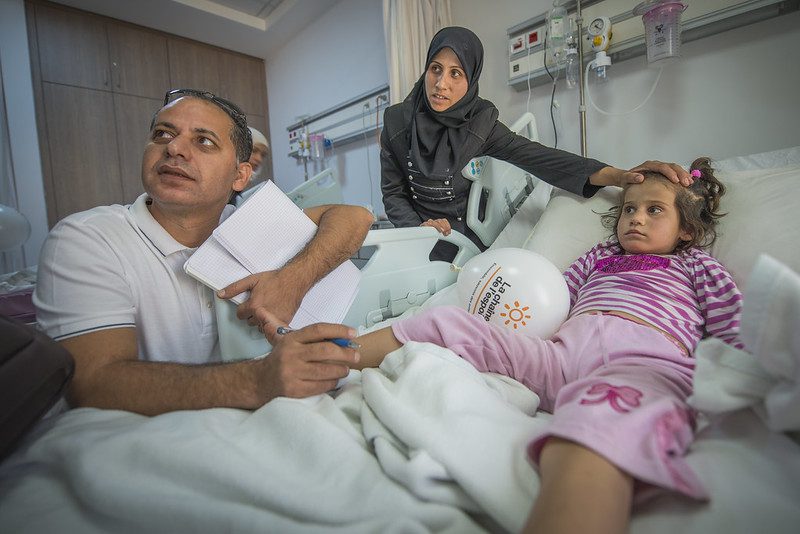
 Poor health is one of the leading causes of poverty and one of the main barriers to escaping poverty. Poverty can also cause or increase the likelihood of an individual having poor health. Given this symbiotic relationship between poverty and health one of the most effective things a government can do to attempt to reduce it is to provide effective universal public health care.
Jordan is an upper-middle-income country with a population of around 11.3 million people. As of 2023, around 35% of Jordan’s total population, around 3.98 million people were classified as poor, living below $7.9 a day. This is nearly a 20% increase from 2018 when 15.7% of people were estimated to be poor. Around only 60% of Jordanians get health services from the government according to a 2023 study, a number that is quite low for a country aiming to achieve full universal health care coverage by 2030.
Jordan’s Universal Health Care and Hakeem
Although Jordan has not yet achieved full universal health care coverage it has made it one of its key priorities to achieve this by 2030, in line with the U.N.’s sustainable development goals (SDGs). With this aim in mind, Electronic Health Solutions (EHS), a Jordanian health company that focuses on providing improved health care technology launched its flagship program “Hakeem” in 2009.
This program provides access to electronic health records, linked to a central system, allowing health professionals access to patient’s medical records from any facility covered by ‘Hakeem’. As of June 2024, EHS has partnered with the U.S. Trade and Development Agency (USTDA), signing a grant agreement to provide technical assistance to expand Hakeem, increasing the number of health care facilities it covers. The grant will also “improve patient access, facilitate processing of patient data management records” and provide new services to increase the efficiency of care, according to USTDA. This recent partnership is a continuation of an original partnership between EHS and USTDA started in 2013.
Medical Record Access
Hakeem provides quick and easy access to patient medical records, allowing for continuity of care between hospitals and health care professionals for patients.
Ease of access to a patient’s health care records may seem like a trivial thing but its importance should not be understated. This is because it can drastically decrease the time it takes to diagnose a patient and provide them with the correct health care by aligning treatment with any potential underlying health condition or unique health care need of a patient. It also allows for disclosure of previously received treatment, potentially for the same health condition which will only help to speed up the health care process and reduce the time they are in hospital and the time they may take to recover.
A study from Erasmus University in Rotterdam noted that “[r]esponsive primary care and prompt referral for effective hospital treatment quicken recovery from illness and minimize disruption on earnings.”
Cost of Health Care
Given the main ways in which ill health can cause someone to enter poverty is via out-of-pocket spending on health care and loss of earnings due to not being able to work – the World Health Organisation (WHO) noted that “in 2019, out-of-pocket health spending dragged 344 million people further into extreme poverty and 1.3 billion into relative poverty.” Hakeem helps in reducing the time to receive treatment and recover, decreasing the likelihood that a patient’s ill health will cause them to enter into or worsen their condition of poverty.
The positive impact of ‘Hakeem’ has also already been demonstrated through its use during the COVID-19 pandemic where health care professionals in Jordan utilized it “to provide continuity of care for patients with conditions including diabetes, oncology, and renal systems” when the pandemic restricted movement, according to USTDA. This shows how it allows patients to still receive health care even in extraneous circumstances, reducing out-of-pocket spending and risk to patients.
Poverty Reduction
Universal health care, its maintenance and improvement, is a key and extremely impactful step a government can take to reduce poverty rates within a country. The study from Erasmus University also notes that due to the ability of ill-health to cause poverty, “[p]overty alleviation is therefore a tenable motivation for investment in health” with universal health care being a key step in this. This is because “[u]niversal health coverage […] can protect against the burden of medical expenses that may otherwise be impoverishing”. Immediate access to health care can also “ensure that patients recover quickly from illness, allowing them or their parents to return to work earlier with minimal loss of earnings.”
Improved population health, something universal health care aims to support can also reduce poverty through the economic growth generated by a healthy and therefore more productive workforce. Therefore, all this evidence points towards the importance of providing effective universal health care in attempting to reduce poverty, something Jordan is striving for.
Final Remarks
Given the risk ill health presents by potentially pushing one into poverty, the USTDA’s support of Hakeem and the continued efforts to better Jordan’s universal health care system is a key step to tackling poverty in the country. Hakeem and its continued support by both the Jordanian government and the USTDA demonstrates Jordan’s commitment to reducing poverty and providing essential services to its citizens and the global cooperation and commitment needed to effectively fight poverty as we strive for sustainable development and a better future for all.
– Archie Day
Archie is based in St Andrews, Scotland and focuses on Technology and Global Health for The Borgen Project.
Photo: Flickr

6 Things to Know about Vietnam’s Economic Development
Doi Moi
Vietnam implemented the Doi Moi reforms in 1986, transitioning from a strictly communist economy toward a more open market with socialist influences. Before these reforms, the country was considered “underdeveloped.” The Doi Moi reforms modernized Vietnam’s trade economy, setting the foundation for its subsequent economic boom.
Industrialization and Infrastructure Development
Industrialization in Vietnam began in the early ’90s and continues today, driving economic development as the country transitions from a primarily agricultural economy to a more diversified and advanced industrialized one. Vietnam now manufactures products such as cars, electronics and textiles. Between 2020 and now, the country’s manufacturing, construction, services and industrial sectors grew from 81.1% to 85.2%.
Investment in public infrastructure has been one of the fundamental driving forces behind Vietnam’s economic development in recent decades. The country has mainly focused on roads, airports and seaports. Private and public investment in infrastructure has accounted for as much as 5.7% of the gross domestic product (GDP) in recent years. This is the second highest in all of Asia, following China.
Better Access to Education
Since gaining independence in 1945, Vietnam has prioritized education and reduced illiteracy rates. Today, the country places even greater emphasis on improving education. In 2002, the government allocated 3.9% of its GDP to education, which increased to 6.3% by 2014. Vietnam has enhanced access to education by ensuring universal preschool education through public spending and engaging communities and the private sector. The country has also improved learning outcomes, with Vietnamese students outperforming the average students in Organisation for Economic Cooperation and Development (OECD) countries.
In 2012, Vietnamese youth ranked 8th in science, 17th in mathematics and 19th in reading out of 65 countries. The Vietnamese government also prioritizes equity in education, contributing to these high learning outcomes. The central government allocates more funding per capita to geographically disadvantaged provinces and teachers in these areas are paid more than those working in cities. Vietnam’s progress in education has been a critical factor in its ranking of 48 out of 157 countries on the Human Capital Index.
Better Access to Health Care
Along with the economic growth, the health of the Vietnamese people has improved between 1990 and 2020. Life expectancy grew from 69 to 75. The aged than 5 child mortality rate decreased from 30 to 21 per 1000 live births. While the health care system has improved significantly in the past decades, Vietnam stands before an inevitable challenge: it has one of the fastest-growing aging populations in Asia.
Looking Forward
Vietnam’s transition from a centrally planned to a market economy has transformed it from one of the poorest countries in the world into a lower-middle-income nation. Since the Doi Moi reforms, GDP per capita has increased sixfold. Economic growth is projected to reach 5.5% by the end of 2024. Vietnam aims to become a high-income country by 2045, requiring an average annual growth rate of about 6% per capita to achieve this goal.
Vietnam has experienced significant development over the past few decades, with investments in health and human skills playing a central role in this progress and delivering substantial economic benefits. Despite this development, the country faces significant social issues. Vietnam is dealing with an aging population, persistent inequalities in the education sector and ongoing economic effects from the pandemic. Like many other countries, Vietnam’s economy faced a downturn in 2023 due to post-pandemic challenges. However, Vietnam’s economic development is now on the rise again.
– Sigrid Nyhammer
Photo: Pexels
Organizations Helping Guatemala’s Elderly Population
Furthermore, more than 60% of the elderly population in Guatemala live in poverty. These staggering numbers are particularly alarming given the lack of a comprehensive social security system that provides financial stability to the country’s older people. Recognizing this struggle, several organizations and local communities have stepped up to create programs and initiatives that address the economic, medical and emotional needs of older people in Guatemala.
The Pan American Health Organization
In 2018, under the “Take Control of Your Health Initiative,” Don Manuel and other adults from San Jose la Communidad, Mixco, attended weekly health workshops led by trainers trained by the Pan American Health Organization (PAHO). The initiative aims to help participants manage chronic illnesses like hypertension and diabetes. Participants are taught how to control their blood pressure, eat healthier, exercise more, and maintain strong social connections.
World Health Organization (WHO) and PAHO representative Oscar Barreneche noted that the “program empowers older adults to take control of their health and prevent life-threatening complications.” More than 2,000 patients have graduated from the initiative since it started in 2015.
International Volunteers HQ
International Volunteers HQ is another noteworthy organization that has been making a difference since 2007. It stresses the importance of community involvement in supporting elderly individuals. The organization works closely with local leaders and volunteers to identify needy elderly citizens and provide them with tailored support.
One of its essential programs is a home visitation service, where volunteers visit elderly individuals in their homes. The visitors offer companionship, assistance with daily tasks and monitoring their health. This initiative ensures that older people are cared for while strengthening community bonds as younger generations learn the value of caring for older people. In 2023, the organization’s volunteers dedicated 111,149 hours to care for seniors in 27 countries, including Guatemala.
A Brighter Future for Guatemala’s Elderly
Although the challenges facing older adults of Guatemala are significant, the solutions emerging across the country offer hope. Organizations like the PAHO and International Volunteers HQ are leading the way in providing essential services and advocating for the rights of older people. Moreover, local communities are also showcasing that even small grassroots initiatives can substantially impact the lives of older people.
These efforts are not just about providing immediate or short-term relief. They restore dignity, foster a sense of community and ensure that all elderly in Guatemala can live their final years with care, dignity and respect. As these programs continue to expand, they inspire others to follow suit, increasing the prospects of a brighter future for Guatemala’s elderly population.
– Irtija Ahmad
Photo: Flickr
Peace as Precursor to Eradicating Poverty in Colombia
Impact of Conflict on Poverty and Infrastructure
By 2030, more than 60% of individuals experiencing extreme poverty will reside in fragile conflict zones. In these areas, violent conflicts harm people and destroy essential infrastructure, housing and food systems, potentially leading to severe human disasters. Such events consistently trigger significant regional economic disruptions that can lead to widespread unemployment and food crises. The United Nations (U.N.) emphasizes that peace is not merely a goal but a necessary precursor to development. Several relief organizations are actively responding to disasters stemming directly from conflicts, which underscores the vital role of peace in development.
Challenges in Peace Implementation
Peace development in areas lacking legitimate treaties to cease violence often remains under the control of local militia and military leaders. Colombia is actively implementing the initially failed treaty and, as of 2021, had completed 23% of the implementation process. Despite this, significant progress remains elusive; the budget proposed nearly 15 years ago is now considered insufficient, and efforts to advance rural land development have stalled.
Environmental and Agricultural Challenges
Colombia is facing a significant increase in desertification, a situation worsened by the country’s long-standing political violence. This has led to a considerable loss of essential forest land and has left rural farmland riddled with environmental and human hazards. A specific man-made danger involves the undocumented landmines scattered across the Colombian countryside. Research indicates that peace in Colombia has shielded rural civilians from becoming collateral victims of environmental warfare.
Beyond the impact of anonymous landmine placements and targeted violence by local militia groups against rural farmers, Colombian farmers have become significantly less productive. This decrease in productivity has led to rising food prices, further poverty in Colombia and increased urban contention. The situation has worsened as large numbers of rural Colombians have started migrating to cities and urban centers, seeking to escape the violence that pervades the countryside.
The Road to Peaceful Development
As peace has gradually taken hold, most plans for rural areas focus on repopulating the countryside and boosting agricultural production. The International Center for Tropical Agriculture has developed a policy to establish sustainable land use systems in rural Colombia, aiming to build a more sustainable agricultural sector. However, despite the implementation of several policies and programs to redevelop the land, violence against environmental activists increased between 2010 and 2019. This violence has disrupted environmental program implementation and indicated that unofficial violence in these areas persists.
Among the initiatives from the original 2016 agreements, implementing programs to rebuild the fragmented landscape of the Colombian countryside has proved challenging due to ongoing violence against activists from local factions. Colombia exemplifies why peace is essential for sustainable development; merely stopping violence is insufficient. Although the 2016 agreements mark a significant step forward, the implementation process—intended to rebuild in the wake of peace—is being obstructed by violence and targeted attacks on both civilians and activists.
Looking Ahead
Efforts to rebuild Colombia’s rural areas face significant challenges due to ongoing violence and threats against environmental activists. Despite the 2016 peace agreements, progress has been slow, with only 23% of the implementation process completed by 2021. Poverty in Colombia remains a pressing issue, exacerbated by the continued violence that hinders sustainable development, particularly in agriculture. This situation underscores the critical need for effective peacebuilding to achieve long-term stability and economic growth in the country.
– Jamie Sackett
Photo: Flickr
GMB Akash: Capturing Stories of Real-Life Heroes in Photos
A Glimpse into GMB Akash’s Work
Akash’s photography offers an intimate look into the lives of the underprivileged, capturing their challenges and achievements. His ongoing series, “Dreams of Child Laborers,” exposes the difficult realities of children who work long hours for minimal pay. His “Mothers: Angels on Earth” series honors the relentless determination of mothers striving to support their families. In a unique approach, his “Feet Tell Stories” series features photographs of laborers’ feet, illustrating their daily hardships. The “Women in Bangladesh” series presents poignant narratives that compel viewers to rethink their views on poverty and resilience. These projects underscore Akash’s commitment to using his photography to amplify the voices of those often overlooked, portraying their enduring spirit and vibrant humanity despite facing adversity.
Akash founded the First Light Institute of Photography in Bangladesh in August 2013. This institute draws hundreds of students globally, eager to learn from his expertise. In 2023, he launched an exclusive One-on-One Photography Workshop, which has garnered excellent reviews. Participants from Germany, the USA, Spain and Indonesia have attended the program. Akash uses the proceeds from these educational endeavors to fund basic education for street children, underprivileged talented students and child laborers, furthering his mission to uplift those in need.
A Commitment to Action
Akash believes that photography can be a catalyst for positive change. He isn’t content with simply documenting hardship; he actively seeks ways to improve the lives of his subjects. Through his social media and blog, he shares stories of the people he meets and chronicles his initiatives to support them. These ongoing initiatives include providing education for child laborers, micro-loans to help people start businesses, gifting bicycles to students to commute, building water wells and giving wheelchairs to disabled children.
In 2012, GMB Akash published his book Survivors, the result of a 10-year project that showcases powerful stories of resilience and strength. The prestigious Geo magazine reviewed the book, highlighting its impact. He has dedicated the proceeds from the book and related exhibitions to help the individuals featured in it. Akash personally trains and monitors them as they set up small businesses, aiming to make them and their families self-sufficient.
Moving Forward
GMB Akash’s work goes beyond photography; it actively contributes to the well-being of the communities he documents. By using the proceeds from his projects to fund education, start small businesses and provide essential resources, Akash ensures that his subjects receive tangible benefits from their stories being told. His commitment to using photography as a tool for social change highlights the profound impact that visual storytelling can have in advocating for and improving the lives of marginalized individuals.
– Sumaiya Sultana
Photo: Flickr
Second Round of Women in the Digital Economy Fund
Launched in March 2023, the first round of WiDEF initiatives focused on funding local organizations to support women in nearby communities on a more personal level. The newly released second round is aimed at the private sector. The gender digital divide significantly hampers global economic progress, limiting an entire market of consumers and producers due to longstanding gender inequality.
Establishment of the Women in the Digital Economy Fund
Though WiCEF is a relatively new program, announced less than two years ago, it has already shown significant success in advancing digital education at both individual and community levels. USAID has committed more than $50 million in funding as part of its advocacy for gender equality, while the Gates Foundation has added $10 million to support the initiative. As part of its budget, WiCEF ensures that more than half of its funding is dedicated to improving digital opportunities in Africa, where some of the world’s largest mobile internet gender gaps exist.
With a focus on addressing gender disparities, WiCEF continuously researches the best ways to introduce gender-equitable digital solutions, prioritizing women-led and women-oriented innovations and products. Each selected candidate receives between $50,000 and $150,000 in digital support.
Overarching Goals and Initiatives
USAID highlights five core outcomes of its WiCEF program:
Consequences of the Gender Digital Divide
Samantha Power, Administrator of USAID, highlighted that the gender digital divide “hinders developmental progress… ingraining existing inequities into the fabric of societies of the future,” emphasizing the deepening of gender inequalities in the digital age. Access to digital technologies, along with the tools to navigate them, has become a privilege many women are denied, further exacerbating economic, political and social disparities. The International Telecommunication Union (ITU) estimates that there are approximately 244 million more men than women using the Internet as of 2023, a statistic that will only increase if not addressed adequately in the following years.
The lack of digital education for women has additionally inhibited economic growth, specifically for developing nations, with the Global Digital Inclusion Partnership approximating that countries have lost more than $1 trillion in gross domestic product (GDP) from female exclusion in the digital world. Closing the gender digital divide—the overarching goal uptaken by WiCEF—will deliver around $700 billion in GDP growth while generating up to 64 million new jobs for women in the next five years.
Opening of Second Round of Applicants
The opening of the second round of applicants for WiCEF will only further the work of USAID and the Gates Foundation on an economic scale, now expanding technical assistance into private sector enterprises. Businesses across developing nations aiming to close the gender digital divide will now have access to tools for effective research and evaluation, with data-driven feedback to assess their usage of products among women. Additionally, WiCEF provides education on user design, product adaptation and business modeling, strengthening the foundation of these companies and the women impacted by them.
– Eileen Lincoln
Photo: Flickr
Organizations Tackling Food Insecurity in Chad
In addition to the extreme poverty faced by its residents, more than 600,000 refugees seeking shelter and security have entered Chad. Already hosting more than one million refugees, the country continues to grapple with widespread hunger and food insecurity despite the substantial refugee influx. However, several organizations are actively working to tackle food insecurity in Chad.
Action Against Hunger
This organization has already assisted more than 520,000 people, yet with a staggering 5.5 million people in need in Chad, many continue to struggle with food insecurity. While Action Against Hunger (AGA) provides food to vulnerable populations, the ready-made supplies are only a temporary solution. To address this issue more sustainably, AGA is teaching communities in Chad how to grow their own crops and manage limited rainfall to enhance local food production.
Concern Worldwide
Concern Worldwide has addressed food insecurity in Chad by implementing programs designed to enhance livelihoods. These initiatives provide participants the tools to achieve sustainable living, acquire new skills, improve crop yields and nutritional quality and generate income through small businesses.
Concern Worldwide’s efforts to build sustainable livelihoods in Chad have reached 62,000 people. The organization has also provided free health services, improved nutritional support and access to clean and safe drinking water to approximately 133,000 vulnerable individuals and people with disabilities.
Additionally, Concern Worldwide launched the Concerted and Inclusive Development in the Lake Province (DECILAC), a pioneering project supported by Facilité G5 Sahel. This project focuses on inclusively investing in food security, strengthening local value chains, enhancing education and mitigating food insecurity in the Lac province.
The World Food Programme
The World Food Programme (WFP) plans to assist 2.5 million people across Chad, including refugees, internally displaced persons (IDPs), returnees and other vulnerable groups. Between June and August 2024, WFP aims to reach more than one million individuals with food, cash and nutritional advice. The organization also focuses on pregnant and breastfeeding mothers facing food insecurity by providing malnutrition treatments and supporting school children with nutritious meals to help combat hunger and promote education.
Final Note
While hunger rates in Chad are high, the efforts of organizations like WFP and Concern Worldwide offer hope for a brighter future. With continued support and intervention, Chad can work toward overcoming these challenges, enabling its people to thrive within their communities and shift from merely surviving to truly living.
– Sadie Virgin
Photo: Wikimedia Commons
Tech Brand Helps Extend the Reach of Education in Nigeria
The NLP and Its Partnership with TECNO
In 2022, Nigeria launched its Learning Passport program to address low literacy rates and the educational disruptions caused by the COVID-19 pandemic and to support Sustainable Development Goal 4. The Nigeria Learning Passport (NLP) is an online e-learning platform that provides children with access to curriculum-aligned content in local languages. It is available anytime and anywhere, featuring content from Nigeria’s national curriculum along with global educational resources. The platform, which aligns with UNICEF’s global education strategy, offers both online and offline content to enhance accessibility for children, especially those in remote or underserved areas with limited internet access.
As of July 2024, the technology brand TECNO has partnered with UNICEF Nigeria to further develop the NLP. Currently, the NLP operates in 19 of Nigeria’s 36 states, ranking it second among countries participating in the U.N.’s broader “Learning Passport” program. This partnership with TECNO aims to expand both the availability and reach of online and offline content, making the program more accessible throughout the country and extending it to additional states.
Educational Opportunities as a Solution to Poverty
The importance and positive impact of TECNO’s partnership with UNICEF Nigeria and its support of the NLP can be highlighted by the inextricable relationship between education and poverty. Adequate education enhances literacy, cognitive and social skills, potentially providing qualifications that lead to better job opportunities, thus helping lift individuals out of poverty. Additionally, poverty itself can restrict access to consistent, quality education. For instance, those in poverty might lack the financial resources needed for full-time education, including transportation to schools or the ability to afford necessary equipment and resources. necessary equipment and resources.
Extreme poverty often forces individuals to prioritize earning an income over education just to survive. Research conducted by UNESCO underscores the significant role education plays in alleviating poverty. A study found that completing secondary school could more than halve global poverty and achieving basic literacy for all students could help nearly 171 million people escape extreme poverty. These findings highlight the profound and positive impact that improved education quality and access can have on reducing poverty both in Nigeria and worldwide.
Education as a Catalyst for Economic Growth
Quality education is a significant driver of economic growth, as research from Stanford and Ludwig Maximillian Universities reveals that from 1960 to 2000, 75% of global GDP growth was linked to improved math and science skills. Emphasizing education is a crucial strategy for combating poverty, as it enhances individuals’ prospects for securing stable economic futures when they enter the workforce. Jack Guo, General Manager of TECNO, supports this view, stating, “Investing in education is an effective strategy for breaking the inter-generational transmission of poverty and contributing to social and economic development.”
The Importance of the NLP and TECNO’s Partnership
This direct link between enhanced access to and quality of education underscores the significance of the NLP program and its beneficial impact on education in Nigeria, which will consequently help reduce poverty rates over time. Therefore, the anticipated growth of the program, stemming from TECNO’s partnership with UNICEF Nigeria, will further amplify the NLP program’s positive effects on education and poverty rates as beneficiaries mature and engage actively in the country’s economy.
TECNO’s partnership with UNICEF Nigeria and its support of the NLP bring Nigeria one step closer to making education accessible to all children, enhancing their prospects and breaking the cycle of inter-generational poverty. The ongoing support and development of the NLP exemplify Nigeria’s continuous efforts to tackle poverty within its borders.
Looking Ahead
The partnership between TECNO and UNICEF Nigeria aims to expand the reach of the NLP, enhancing educational access for millions of children across the country. By providing curriculum-aligned content both online and offline, this initiative directly addresses the educational challenges exacerbated by poverty. As the program grows, it is expected to play a vital role in improving literacy rates and reducing poverty, ultimately contributing to Nigeria’s economic and social development.
– Archie Day
Photo: Flickr
Jordan’s Universal Health Care Service: Expanding and Improving
Jordan is an upper-middle-income country with a population of around 11.3 million people. As of 2023, around 35% of Jordan’s total population, around 3.98 million people were classified as poor, living below $7.9 a day. This is nearly a 20% increase from 2018 when 15.7% of people were estimated to be poor. Around only 60% of Jordanians get health services from the government according to a 2023 study, a number that is quite low for a country aiming to achieve full universal health care coverage by 2030.
Jordan’s Universal Health Care and Hakeem
Although Jordan has not yet achieved full universal health care coverage it has made it one of its key priorities to achieve this by 2030, in line with the U.N.’s sustainable development goals (SDGs). With this aim in mind, Electronic Health Solutions (EHS), a Jordanian health company that focuses on providing improved health care technology launched its flagship program “Hakeem” in 2009.
This program provides access to electronic health records, linked to a central system, allowing health professionals access to patient’s medical records from any facility covered by ‘Hakeem’. As of June 2024, EHS has partnered with the U.S. Trade and Development Agency (USTDA), signing a grant agreement to provide technical assistance to expand Hakeem, increasing the number of health care facilities it covers. The grant will also “improve patient access, facilitate processing of patient data management records” and provide new services to increase the efficiency of care, according to USTDA. This recent partnership is a continuation of an original partnership between EHS and USTDA started in 2013.
Medical Record Access
Hakeem provides quick and easy access to patient medical records, allowing for continuity of care between hospitals and health care professionals for patients.
Ease of access to a patient’s health care records may seem like a trivial thing but its importance should not be understated. This is because it can drastically decrease the time it takes to diagnose a patient and provide them with the correct health care by aligning treatment with any potential underlying health condition or unique health care need of a patient. It also allows for disclosure of previously received treatment, potentially for the same health condition which will only help to speed up the health care process and reduce the time they are in hospital and the time they may take to recover.
A study from Erasmus University in Rotterdam noted that “[r]esponsive primary care and prompt referral for effective hospital treatment quicken recovery from illness and minimize disruption on earnings.”
Cost of Health Care
Given the main ways in which ill health can cause someone to enter poverty is via out-of-pocket spending on health care and loss of earnings due to not being able to work – the World Health Organisation (WHO) noted that “in 2019, out-of-pocket health spending dragged 344 million people further into extreme poverty and 1.3 billion into relative poverty.” Hakeem helps in reducing the time to receive treatment and recover, decreasing the likelihood that a patient’s ill health will cause them to enter into or worsen their condition of poverty.
The positive impact of ‘Hakeem’ has also already been demonstrated through its use during the COVID-19 pandemic where health care professionals in Jordan utilized it “to provide continuity of care for patients with conditions including diabetes, oncology, and renal systems” when the pandemic restricted movement, according to USTDA. This shows how it allows patients to still receive health care even in extraneous circumstances, reducing out-of-pocket spending and risk to patients.
Poverty Reduction
Universal health care, its maintenance and improvement, is a key and extremely impactful step a government can take to reduce poverty rates within a country. The study from Erasmus University also notes that due to the ability of ill-health to cause poverty, “[p]overty alleviation is therefore a tenable motivation for investment in health” with universal health care being a key step in this. This is because “[u]niversal health coverage […] can protect against the burden of medical expenses that may otherwise be impoverishing”. Immediate access to health care can also “ensure that patients recover quickly from illness, allowing them or their parents to return to work earlier with minimal loss of earnings.”
Improved population health, something universal health care aims to support can also reduce poverty through the economic growth generated by a healthy and therefore more productive workforce. Therefore, all this evidence points towards the importance of providing effective universal health care in attempting to reduce poverty, something Jordan is striving for.
Final Remarks
Given the risk ill health presents by potentially pushing one into poverty, the USTDA’s support of Hakeem and the continued efforts to better Jordan’s universal health care system is a key step to tackling poverty in the country. Hakeem and its continued support by both the Jordanian government and the USTDA demonstrates Jordan’s commitment to reducing poverty and providing essential services to its citizens and the global cooperation and commitment needed to effectively fight poverty as we strive for sustainable development and a better future for all.
– Archie Day
Photo: Flickr
5 Organizations Improving Lives in Georgia
The United Nations Children’s Fund Georgia
The United Nations Children’s Fund (UNICEF) Georgia focuses on improving the lives of children and their families through various programs in health, education and child protection. The organization’s initiatives include comprehensive immunization campaigns to combat preventable diseases, early childhood development programs that foster healthy growth and learning from a young age and efforts to ensure access to quality education for all children. UNICEF’s targeted interventions have not only significantly reduced child mortality rates but also led to improved educational outcomes, such as higher school enrollment and literacy rates, for thousands of children across the country.
Caritas Georgia
Caritas Georgia, part of the global Caritas network, provides humanitarian assistance and social services to vulnerable populations, including those affected by poverty and social exclusion. Its programs encompass health care services such as medical check-ups and emergency treatment, social inclusion projects that promote community integration and specialized support for the elderly and disabled. By operating multiple centers that offer medical care, vocational training and food assistance, Caritas Georgia helps individuals and families overcome adversity, improve their quality of life and achieve long-term stability and self-sufficiency.
World Vision Georgia
World Vision Georgia is dedicated to enhancing the well-being of children, especially those from disadvantaged backgrounds, through targeted interventions in education, child protection and economic development. The organization’s community-based programs not only advocate for child rights but also provide essential educational support, such as school supplies and scholarships and empower families with economic opportunities like microloans and job training. These ongoing efforts foster resilience and self-sufficiency among families, enabling them to build a better future for their children and improve overall community well-being.
Georgia Red Cross Society
The Georgia Red Cross Society is committed to delivering emergency response, health services and support to vulnerable groups across the country. The organization’s activities include disaster preparedness and response initiatives that equip communities to handle natural and man-made emergencies, first aid training to enhance public safety and social assistance programs that address immediate needs such as food and shelter. By playing a critical role in disaster management and community resilience, the organization ensures that those in need receive timely and effective support, helping to mitigate the impact of crises on affected populations.
Caucasus Environmental NGO Network
Caucasus Environmental NGO Network (CENN) focuses on environmental protection and sustainable development in the South Caucasus region, addressing pressing environmental challenges through a variety of initiatives. Its work includes reforestation projects that restore degraded landscapes and improve air quality, sustainable waste management practices that reduce pollution and promote recycling and environmental education programs that raise awareness about conservation issues. By advocating for eco-friendly practices and engaging communities in environmental stewardship, CENN contributes to the preservation of Georgia’s natural resources and the promotion of sustainable livelihoods for future generations.
Looking Ahead
These organizations and many more exemplify the power of dedicated, compassionate interventions in improving lives and communities in Georgia. Through their diverse programs and unwavering commitment, they address critical needs such as health care, education, economic development and environmental protection, fostering sustainable development and creating a brighter and more inclusive future for all Georgians.
– Benjamin DeMarais
Photo: Flickr
Reduced Poverty in the Philippines
Poverty in the Philippines: Single-Digit by 2028
President Ferdinand R. Marcos Junior has a goal to reduce poverty in the Philippines to a single-digit rate by 2028. With the significant drop from 2021 to 2023, it seems like that goal may be possible. The Philippines has one of the best-performing economies in Asia, with its GDP growth rate averaging 5.5%. Its economic growth has been driven by the domestic domain and the expansion of some major sectors. This is helping provide secure and well-paying jobs to Filipinos.
The Philippines government has also implemented a targeted cash transfer program to help alleviate poverty. This program assists poor households, giving them cash grants for six months, with 12.4 million households qualifying for the program. With the fuel prices rising, the government has also started a fuel subsidy program. This program provides financial assistance to jeepney drivers as well as taxis, shuttle buses, minibuses, etc. There are currently 377,443 beneficiaries of the subsidy. There is also a fuel discount program, which offers a discount on fuel to fishermen and farmers.
Social Protection Floor
Although the inflation rate hit a 22-month low of 3.9% in December 2023, inflation is still high in the Philippines, according to the Philippine News Agency (PNA). To help keep prices stable, Executive Order 50 was signed, which reduced tariffs on key agricultural products. These products include corn, pork and rice. Keeping prices stable on these commodities helps ensure that Filipinos can afford them.
President Marcos approved a Social Protection Floor (SPF) that will protect and guarantee basic social security. The SPF will protect the vulnerable against poverty in the Philippines. It will help ensure that everyone has access to basic health care and social services.
One of the goals of SPF is universal health care for the Philippines. There is also a focus on children and ensuring that they are meeting their nutritional needs. Part of the SPF includes initiatives such as emergency employment, social insurance coverage, employee compensation benefits for overseas workers and integrated health services for older persons.
Walang Gutom 2027
The government also implemented the Walang Gutom 2027 Food Stamp Program to help alleviate poverty in the Philippines. This initiative aims to feed 1 million food-poor families by 2027. Initially, the food stamp program was rolled out to 2,300 households and now has reached 300,000 households. The food stamp program reduces hunger by providing monetary-based assistance in the form of Electronic Benefit Transfer (EBT) cards. The ultimate goal is to reduce the incidence of malnutrition and hunger. For families to be a part of the program, they must attend a nutrition education program.
With more opportunities for jobs, government assistance programs to help alleviate the burden of costs of essentials such as food and fuel, better access to health care and an active effort by the Philippine government to reduce poverty, poverty in the Philippines has been reduced significantly since 2021.
– Rachel Padden
Photo: Flickr