Leading The Way: Cabo Verde’s HIV Fight
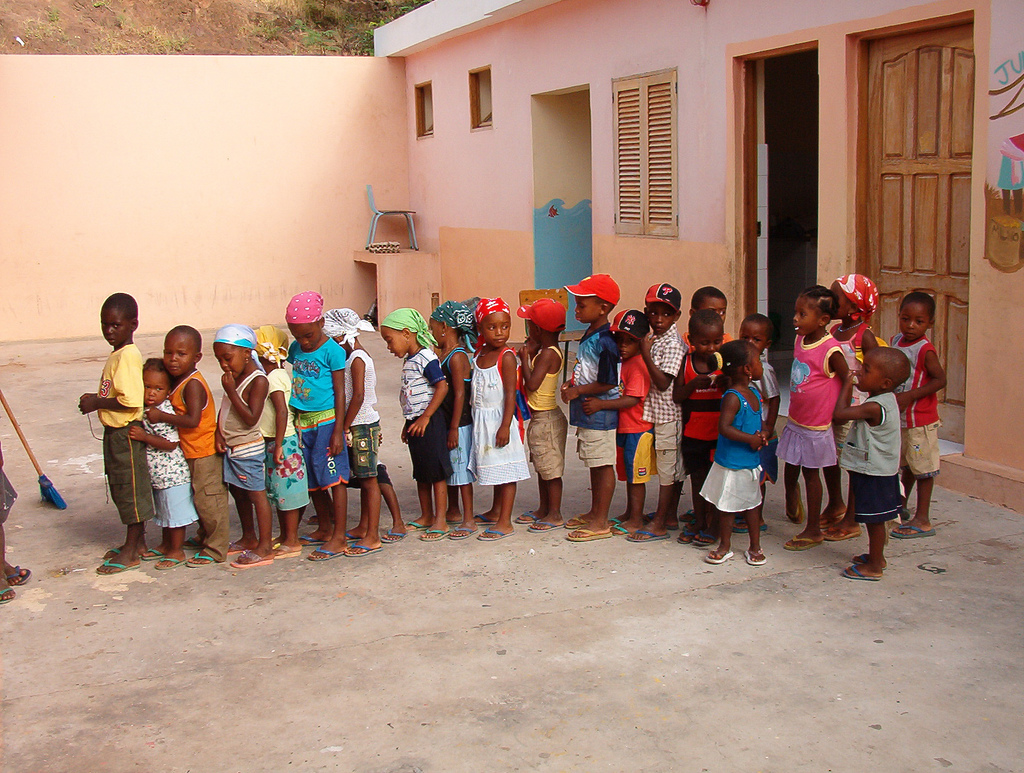 Cabo Verde, a West African country consisting of islands in the central Atlantic Ocean, has become a leader in the fight against HIV and AIDS in Africa through its health care investments and social initiatives. Currently, Cabo Verde is estimated to have an HIV prevalence of around 0.6%. At the same time, AIDS-related deaths decreased from around 200 in 2004 to less than 100 in 2022. This progress has involved declining poverty, which dropped to 28.1% in 2022 from 56.8% in 2001. Cabo Verde’s HIV fight is now focused on projects directed at vulnerable groups, such as pregnant women, children and disabled people.
Investment in Communities
Combating HIV and AIDS requires involving both the general public and individuals living with HIV in decision-making processes. The Joint United Nations Programme on HIV/AIDS (UNAIDS) has reported that the West Africa region is not on track to meet the goal of eradicating AIDS by 2030, a target set during the Africa Rising Forum in 2014.
The group’s Executive Director expressed the need for “policies and programs that focus on people not diseases.” This involves community-led HIV testing to reach more people. Furthermore, support groups for mothers living with HIV and individual visits by social assistants are also key. One assistant in Cabo Verde expressed how this work allows patients to “have a good quality of life and avoid stigma and social marginalization.”
Regional Asymmetry
A key challenge for Cabo Verde is the disparity in resources between islands, which affects HIV patients’ ability to access care. At independence in 1975, the country had only 13 doctors. However, the health system has since expanded in both size and sophistication, with 80% of the population now living within half an hour of a health facility. The decentralization of smaller health centers has improved access to care, enabling HIV patients to receive antiretroviral therapy to manage the disease. UNAIDS estimates that by 2023, 72% of individuals living with HIV in Cabo Verde were accessing antiretroviral therapy.
Free Health Care
Cabo Verde’s economy has grown significantly since the ’90s, driven by foreign investment and tourism. This growth has led to increased health care spending, rising from $65 per person in 2001 to $165 in 2013. Citizens are entitled to free basic health care, including preventive care and treatment for HIV and AIDS. The country’s social protection efforts are supported by widespread health education, facilitated by high literacy rates and good access to electricity, fostering greater public awareness and engagement.
Advocacy for the Disabled Community
Despite Cabo Verde’s broad progress, vulnerable communities, such as those with disabilities, continue to face challenges. Handicap International, active in Cabo Verde since 2006, has worked to include disabled individuals in the fight against HIV. The organization improved data on the biological vulnerability to HIV infection and promoted inclusive education on HIV and AIDS.
Research found that the HIV prevalence rate among people with disabilities in Cabo Verde is 2.3%. Additionally, about 79% of disabled participants unaware of available HIV care and support. However, the study itself led to 96% of participants gaining an improved understanding of HIV and AIDS.
Preventing Vertical Transmission
Preventing vertical transmission of HIV from mother to fetus is a key priority for Cabo Verde in reducing new infections. Minister of Health Arlindo Nascimento do Rosário emphasized, “Every child has a right to be born healthy and to live a healthy life.” As part of the free health care system, pregnant women are offered HIV testing. If they test positive, they receive antiretroviral drugs and antenatal support to minimize the risk of transmission.
In 2019, the World Health Organization (WHO) shared the story of Leila Rodrigues, a mother who discovered she had HIV just weeks before giving birth. Thanks to the care her son received, transmission was prevented. Rodrigues later joined the National Network of People with HIV of Cabo Verde.
Final Note
Cabo Verde’s progress in HIV health care has not come without challenges. However, the country has become a model for investing in change and empowering communities. The WHO Africa Health Forum has highlighted Cabo Verde as an exemplar, with participants visiting to observe how innovations have built a strong health care system. Emulating Cabo Verde’s commitment to social inclusion, universal health coverage and decentralized HIV testing could enable the West African region to more effectively combat the disease.
– Daisy Outram
Daisy is based in Kent, UK and focuses on Good News and Global Health for The Borgen Project.
Photo: Wikimedia Commons
