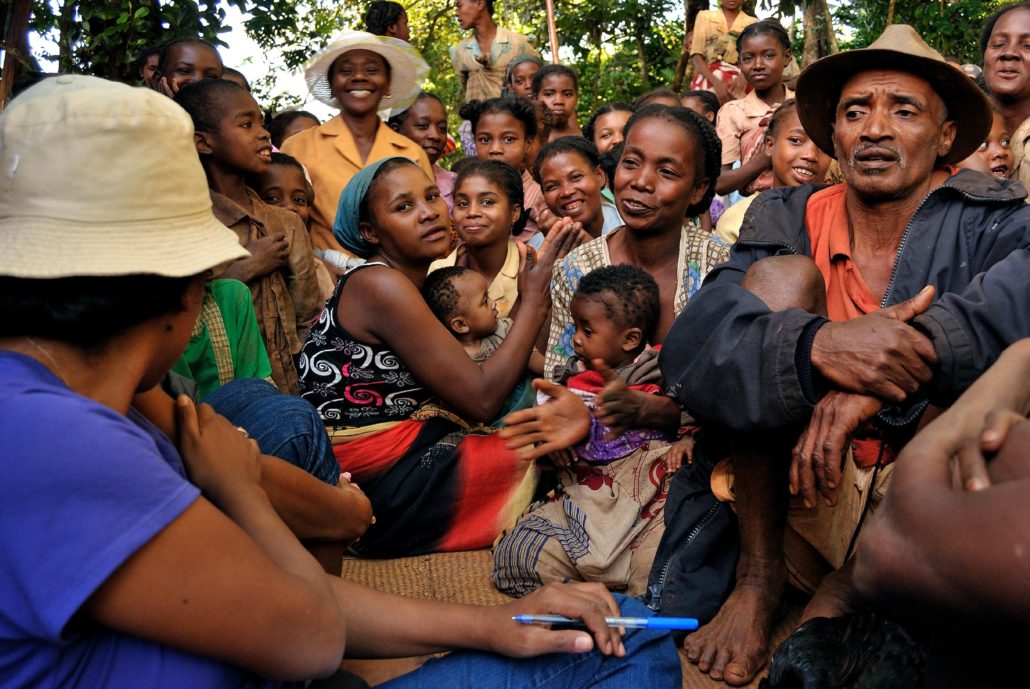
 Madagascar, located off the southeastern coast of Africa in the Indian Ocean, is the fifth-largest island in the world. With a population of more than 30.8 million people, Madagascar is renowned for its rich biodiversity and unique ecosystems, including the infamous lemurs and lush rainforests. Despite its natural wealth, Madagascar faces significant challenges in poverty alleviation, consistently ranking among the world’s poorest countries. Its citizens navigate poverty through various means, including subsistence agriculture, fishing and small-scale entrepreneurship, while also relying on community support networks and resilience in the face of adversity. However, the mental and emotional toll elderly poverty in Madagascar causes heavily disturbs the culture, beauty and essence of its climate and people.
Poverty and Mental Health in Madagascar
When examining the ramifications of poverty on mental and emotional well-being, it is crucial to note its pervasive role among senior citizens. According to “Face of Poverty in Madagascar,” a poverty, gender and inequality assessment that the World Bank created, “Only 2.4 percent of the population in 2010 was 65 and older, and elderly poor represented only 2 percent of the poor population.” According to ScienceDirect, “Antananarivo-Renivohitra, the capital district of Madagascar, had an estimated population of 1,275,207 in 2018 (RGPH-3, 2018), of which only 5.5% were over 60 years old.”
While the population and poverty in Madagascar predominantly have a youthful demographic, this does not mean that poverty affecting the island is not detrimental to the psychological well-being of older Malagasies. Poverty leads to food insecurity, lack of safe housing, limited employment opportunities, reduced social mobility and education disparities. The World Bank reports, “The highest prevalence of illiteracy in 2010 was among the elderly population of 64+ years old (50 percent).” Without academic instruction, obtaining secure employment becomes increasingly difficult, forcing Madagascar’s elders to pursue jobs that require less intellectual prowess and more physical stamina, a skill that diminishes with old age.
The Impact of COVID-19 on Madagascar
SARS-CoV-2 (COVID-19) arrived in Madagascar with airborne passengers traveling from Europe in March 2020. While the country took preventative measures to limit the spread of the virus, illness struck Madagascar’s population predictably targeting those of older age. According to original research conducted by BMJ Global Health, due to COVID-19, life expectancy in Madagascar has dropped by 0.8 years for men and 1.0 year for women, primarily due to increased risks of death among individuals over the age of 60. The National Library of Medicine explains, “The probability of testing positive increases with age with the highest adjusted odds ratio of 2.2 [95% CI: 1.9‐2.5] for individuals aged 49 years and older.”
Not only did the virus risk and claim the lives of Malagasy elders, but dealing with its harshness and the majority of its symptoms, “(The most common symptoms of illness onset among confirmed cases were cough (27.2%), fever (18.7%), weakness (14.7%), runny nose (13.3%), and headache (13.1%))” prevented elders from returning to their jobs and continuing to support themselves and their families. The elderly population in Madagascar, already vulnerable to nutritional issues, faced heightened anxiety due to COVID-19, as concerns about their health, life expectancy, and ability to make a living increased.
Food and Health of the Elderly in Madagascar
A 2023 study by GSC Biological and Pharmaceutical Sciences examined the food and health practices of people aged 60 and over in the urban commune of Antsirabe I and the rural commune of Andranomanelatra in the Vakinankaratra Region. The study found that while the elderly were concerned about their health, hygiene practices—such as treating drinking water and washing hands before meals—were inadequate. The evaluation of nutritional status revealed that 37.5% of elderly individuals in rural areas were underweight (BMI < 18.5), compared to 17.9% in urban areas. Factors associated with poor nutritional status included education level, housing comfort, monthly income, food expenditure, dietary diversity and average energy intake.
The MDGs
While the intersection of poverty and psychological distress presents a formidable challenge for Madagascar, addressing this issue necessitates not only measures to alleviate poverty but also immediate, sustainable solutions to safeguard emotional and mental health. The Millennium Development Goals (MDGs), as outlined in the UN’s Millennium Declaration, represent a global commitment to eradicating extreme poverty, particularly in resource-limited countries like Madagascar.
One of the key focuses of Madagascar’s efforts to meet these goals is the conservation of its natural resource base and promoting sustainable development, as emphasized in the Madagascar Action Plan. This approach acknowledges that poverty reduction is not just about economic growth but also about protecting the environment, which many rural elderly Malagasy depend on for their livelihoods. As the government has pointed out, “Madagascar cannot do it alone and should not do it alone,” underscoring the need for international collaboration to address both poverty and environmental degradation in tandem. The global partnership called for in the eighth MDG reflects the notion that overcoming poverty will require support from multiple sectors and countries, aiming for sustainable development that benefits current and future generations.
The Madagascar Action Plan
The government of Madagascar has taken strides in linking health improvements with economic growth, as outlined in the Madagascar Action Plan. The commitment to improving access to health care, especially in rural areas where elders reside and elderly poverty in Madagascar is prevalent, plays a crucial role in enhancing productivity and reducing the pressure on natural resources. With the president’s “Madagascar Naturally” vision, the country emphasizes biodiversity conservation, protect the environment and reduce poverty. Through such initiatives, Madagascar is working to ensure that its population can both thrive economically and sustain its natural resources. As highlighted, “Developing countries’ debt problems” and the need for “sustainable access to safe drinking water” are critical components that will drive Madagascar’s progress toward achieving the MDGs and alleviating poverty.
Through techniques like observing the country’s natural resource base, the effect of demographic trends on development, and the importance of health as a prerequisite for development, it fosters adaptive coping strategies and enhances mental well-being. Implementing MDGs offers promise in improving the lives of Malagasians, potentially breaking the cycle of poverty and mental health challenges, providing those of older age peace and fulfillment when dealing with mental turmoil alongside impoverishment.
– Ryley Anthony
Ryley is based in Grand Prairie, TX, USA and focuses on Good News for The Borgen Project.
Photo: Pixnio

Innovations in Poverty Eradication in Cambodia
There are many explanations as to why poverty exists in Cambodia, many of which trace back to the country’s troubled history during the Khmer Rouge regime in the ’70s. Pol Pot’s regressive regime exacerbated poverty, condemning developments and modern advancements that would allow individuals to train in skilled, higher-income jobs. Coupled with inadequate funding for education, health and transport and an unfair distribution of wealth, poverty in Cambodia continues to run rife. However, here are some ways governments, foreign aid and nonprofit organizations are working to improve the situation in Cambodia.
National Poverty Reduction Strategy in Cambodia
In 2002, the Cambodian government introduced the National Poverty Reduction Strategy (NPRS), which established a vision with objectives and measures to tackle the issue of extreme poverty. Poverty mapping was the first step in the program, allowing policymakers to identify areas with the highest levels of poverty and coordinate their antipoverty efforts more efficiently. The NPRS also focused on providing social protection and equity to civilians, ensuring equal access to land, basic amenities and economic resources.
Focusing antipoverty efforts on boosting non-farm earnings and developing growing industries like tourism, garment manufacturing and construction has been a critical driver of poverty reduction in Cambodia. Providing workers with training for more skilled, higher-paying jobs has facilitated a shift away from low-wage farming, further promoting trade and investment-led growth in the country. Moreover, by opening its borders to international trade and investment, Cambodia has attracted foreign direct investment (FDI) to support these growing industries and to expand the economy further.
Between 2013 and 2022, “the average annual value of FDI rose to 12.1% of gross domestic domestic (GDP),” with garment and electronics industries dominating the flow of inbound FDI. In 2023 alone, FDI created more than 307,000 jobs through 268 approved investment projects.
Cash Transfers
The COVID-19 pandemic introduced a myriad of problems and setbacks for Cambodia, reversing prior poverty reduction efforts and pushing approximately 460,000 individuals into poverty. The closure of factories and markets led to job losses. Additionally, the shutdown of borders diminished income from tourism and trade. As a result, Cambodia’s GDP contracted by 3.1%. However, its government responded swiftly, introducing cash transfers to deliver emergency aid and support to those most vulnerable.
Building on the success of previous cash transfer programs, these new transfers were influential in the post-pandemic recovery strategy. They helped people experiencing poverty accumulate savings and purchase necessities for their survival. In total, 700,000 impoverished households have gained access to the cash transfer program, benefiting approximately 2.8 million people living in poverty.
Habitat for Humanity
Habitat for Humanity is just one of the nonprofit organizations helping to alleviate poverty in Cambodia, “focused on long-term development, aid and poverty alleviation.” The organization operates in six provinces, where poverty is most abundant, building safe and durable shelters for those living in impoverished and unsanitary conditions. Thus far, it has helped more than 22,000 families to create long-lasting shelters with new standards of hygiene in its water and sanitation interventions.
Habitat for Humanity not only focuses on building housing for low-income families but also provides education and training in financial literacy and livelihoods. The organization collaborates with various partners, including authorities and microfinance institutions worldwide. Through their collective expertise, they offer technical guidance in housing solutions and well and latrine construction. They also provide micro-loans to help communities initiate these projects.
Final Note on Poverty Eradication in Cambodia
While much remains to be done to eradicate extreme poverty in Cambodia permanently, the important steps outlined in government plans and the remarkable efforts of nonprofit organizations, such as Habitat for Humanity, serve as a model for ongoing positive change.
– Sofia Bowes
Photo: Flickr
Feeding the Future: Uttar Pradesh’s Community Kitchens
Uttar Pradesh’s Community Kitchens
In 2020, Uttar Pradesh launched a significant community kitchen initiative during the COVID-19 pandemic to combat hunger and support populations like migrant workers and daily wage earners. Collaborating with nongovernmental organizations (NGOs) and religious groups, the state’s government quickly established more than 7,000 community kitchens across all 75 districts. These kitchens provided meals for the impoverished and displaced individuals as lockdown measures disrupted livelihoods.
Furthermore, to make these kitchens even more accessible, Uttar Pradesh became the first state to geotag its kitchens and shelters, partnering with Google Maps to help people locate nearby facilities. This geotagging effort helped ensure that needy individuals could easily find food and shelter during the crisis. This initiative was especially significant during the crisis, as it helped ensure that needy individuals, including the elderly, migrant workers and those stranded in remote locations, could easily find food and shelter without unnecessary delays.
Global Impact
The creation of these community kitchens has evolved into a larger, global trend of efforts to combat food insecurity. Though these initial community kitchens were pandemic-driven, many such initiatives were adapted to address ongoing socioeconomic challenges continuously. Community kitchens in Uttar Pradesh now serve as emergency responses and as a buffer against the growing inequality exacerbated by the pandemic. They have become permanent safety nets for those facing prolonged food insecurity driven by unemployment and disrupted food supply chains.
By providing consistent access to nutritious meals, these initiatives help alleviate the pressures on struggling families and individuals, ensuring that vulnerable populations receive the support they need. The sad reality is that food insecurity has doubled in parts of Asia, further underscoring the critical role that initiatives like these play. In the aftermath of the lockdown, local authorities and NGOs have kept these kitchens running to help people whose livelihoods were yet to recover fully.
The impact of such efforts greatly supports similar global community-based programs that seek to combat hunger. These programs continue to address the population’s long-term economic vulnerabilities, including the pandemic’s financial effects and unemployment.
Moving Forward
The challenge moving forward will be ensuring that Uttar Pradesh’s community kitchens are supported as permanent fixtures in public welfare systems, adapting to post-pandemic realities and the continued economic instability they were designed to mitigate. However, by taking Uttar Pradesh’s initiatives into consideration, we may also make great strides against the longstanding issue of food insecurity.
– Trinity Lee
Photo: Flickr
How Elderly Poverty in Madagascar Impacts Mental Health
Poverty and Mental Health in Madagascar
When examining the ramifications of poverty on mental and emotional well-being, it is crucial to note its pervasive role among senior citizens. According to “Face of Poverty in Madagascar,” a poverty, gender and inequality assessment that the World Bank created, “Only 2.4 percent of the population in 2010 was 65 and older, and elderly poor represented only 2 percent of the poor population.” According to ScienceDirect, “Antananarivo-Renivohitra, the capital district of Madagascar, had an estimated population of 1,275,207 in 2018 (RGPH-3, 2018), of which only 5.5% were over 60 years old.”
While the population and poverty in Madagascar predominantly have a youthful demographic, this does not mean that poverty affecting the island is not detrimental to the psychological well-being of older Malagasies. Poverty leads to food insecurity, lack of safe housing, limited employment opportunities, reduced social mobility and education disparities. The World Bank reports, “The highest prevalence of illiteracy in 2010 was among the elderly population of 64+ years old (50 percent).” Without academic instruction, obtaining secure employment becomes increasingly difficult, forcing Madagascar’s elders to pursue jobs that require less intellectual prowess and more physical stamina, a skill that diminishes with old age.
The Impact of COVID-19 on Madagascar
SARS-CoV-2 (COVID-19) arrived in Madagascar with airborne passengers traveling from Europe in March 2020. While the country took preventative measures to limit the spread of the virus, illness struck Madagascar’s population predictably targeting those of older age. According to original research conducted by BMJ Global Health, due to COVID-19, life expectancy in Madagascar has dropped by 0.8 years for men and 1.0 year for women, primarily due to increased risks of death among individuals over the age of 60. The National Library of Medicine explains, “The probability of testing positive increases with age with the highest adjusted odds ratio of 2.2 [95% CI: 1.9‐2.5] for individuals aged 49 years and older.”
Not only did the virus risk and claim the lives of Malagasy elders, but dealing with its harshness and the majority of its symptoms, “(The most common symptoms of illness onset among confirmed cases were cough (27.2%), fever (18.7%), weakness (14.7%), runny nose (13.3%), and headache (13.1%))” prevented elders from returning to their jobs and continuing to support themselves and their families. The elderly population in Madagascar, already vulnerable to nutritional issues, faced heightened anxiety due to COVID-19, as concerns about their health, life expectancy, and ability to make a living increased.
Food and Health of the Elderly in Madagascar
A 2023 study by GSC Biological and Pharmaceutical Sciences examined the food and health practices of people aged 60 and over in the urban commune of Antsirabe I and the rural commune of Andranomanelatra in the Vakinankaratra Region. The study found that while the elderly were concerned about their health, hygiene practices—such as treating drinking water and washing hands before meals—were inadequate. The evaluation of nutritional status revealed that 37.5% of elderly individuals in rural areas were underweight (BMI < 18.5), compared to 17.9% in urban areas. Factors associated with poor nutritional status included education level, housing comfort, monthly income, food expenditure, dietary diversity and average energy intake.
The MDGs
While the intersection of poverty and psychological distress presents a formidable challenge for Madagascar, addressing this issue necessitates not only measures to alleviate poverty but also immediate, sustainable solutions to safeguard emotional and mental health. The Millennium Development Goals (MDGs), as outlined in the UN’s Millennium Declaration, represent a global commitment to eradicating extreme poverty, particularly in resource-limited countries like Madagascar.
One of the key focuses of Madagascar’s efforts to meet these goals is the conservation of its natural resource base and promoting sustainable development, as emphasized in the Madagascar Action Plan. This approach acknowledges that poverty reduction is not just about economic growth but also about protecting the environment, which many rural elderly Malagasy depend on for their livelihoods. As the government has pointed out, “Madagascar cannot do it alone and should not do it alone,” underscoring the need for international collaboration to address both poverty and environmental degradation in tandem. The global partnership called for in the eighth MDG reflects the notion that overcoming poverty will require support from multiple sectors and countries, aiming for sustainable development that benefits current and future generations.
The Madagascar Action Plan
The government of Madagascar has taken strides in linking health improvements with economic growth, as outlined in the Madagascar Action Plan. The commitment to improving access to health care, especially in rural areas where elders reside and elderly poverty in Madagascar is prevalent, plays a crucial role in enhancing productivity and reducing the pressure on natural resources. With the president’s “Madagascar Naturally” vision, the country emphasizes biodiversity conservation, protect the environment and reduce poverty. Through such initiatives, Madagascar is working to ensure that its population can both thrive economically and sustain its natural resources. As highlighted, “Developing countries’ debt problems” and the need for “sustainable access to safe drinking water” are critical components that will drive Madagascar’s progress toward achieving the MDGs and alleviating poverty.
Through techniques like observing the country’s natural resource base, the effect of demographic trends on development, and the importance of health as a prerequisite for development, it fosters adaptive coping strategies and enhances mental well-being. Implementing MDGs offers promise in improving the lives of Malagasians, potentially breaking the cycle of poverty and mental health challenges, providing those of older age peace and fulfillment when dealing with mental turmoil alongside impoverishment.
– Ryley Anthony
Photo: Pixnio
Organizations that Help Children in Costa Rica
SOS Children’s Villages
This organization focuses on helping children in Costa Rica, specifically in certain towns within the country. One such city is Limon, known as Costa Rica’s murder capital, according to SOS Children’s Village. The city’s homicide rate is 35.9 per 100,000 people, while the homicide rate in the country is 17.2 per 100,000 people. Conflicts between organized crime groups cause most murders in Limon, and children are lured into these gangs, where they transport and sell drugs.
The organization creates “children’s villages” in Costa Rica, and in Limon specifically, to create a safe community for children to grow up in, especially children who cannot stay with their families. It also tries to keep in close contact with the children’s original families so that if they can return to their own homes, the transition process will go smoothly, according to its website. The children in these villages grow up together and make life-long relationships with each other.
Currently, in Limon village, there are 5 youths, but the organization has supported more than 100 young people. SOS Children’s Villages makes sure to provide the children with education and access to health care. In helping these children in Costa Rica grow up in a healthy environment to become confident adults, the team at the organization encourages each youth to make a plan for the future, according to SOS Children’s Villages. When these youths come of age, it also helps them prepare for employment by hosting workshops and training where they can join projects with local businesses.
Hope Partners International
Hope Partners is a Christian organization working to help children in Costa Rica. It works to improve the education, safety, and nutrition of children. The organization opened three new classrooms and a computer lab in its “Hope Centers” to allow more children to have access to education, according to its website. It also supports children eager to learn through mentorship and educational classes so that they can attend college or vocational school.
The organization also emphasizes the safety of its Hope Centers, while also providing a balanced meal for all students who visit the center. The group aims to relieve the children of some of the “day-to-day burdens from their shoulders and [provide] a consistent place of refuge and nourishment,” according to its website. Through its work, Hope Partners International hopes to create “healthier, more vibrant communities” in Costa Rica, starting by reducing child poverty.
Children Incorporated
Children Incorporated focuses on individual children through a sponsorship program to alleviate child poverty, one child at a time. They appreciate the financial support from their sponsors, but the relationship that could be developed between them could also be deep and special. The monthly sponsorship rate is $35, which buys the children school supplies, food, clothing and access to health care. Through this, children can go to school and be educated, according to Children Incorporated.
Volunteer coordinators who are physically in these local communities in Costa Rica are there to guide and help the children. They hand out hygiene items, clothes, shoes, and such essential items to the children, guide them through education, and work to improve health and nutrition, all with the sponsors’ support.
Ways to Help Children in Costa Rica
These three organizations are working to help children in Costa Rica. Poverty and violence often go hand in hand, so some groups focus on keeping youths safe from harm and gang activity, while others work to bring them out of poverty first. As these groups show, there are many different ways one could do that, either through community centers, children’s villages, or a more individualistic approach, but as long as it helps one more youth in Costa Rica, it is a work well worth the effort.
– Hannah Chang
Photo: Flickr
Being Poor in Thailand: Life of the Urban Poor in Bangkok
Khlong Toei
Urban sprawl is projecting threats of eviction and homelessness to informal settlements. Khlong Toei, the largest informal settlement in Bangkok and home to 100,000 people, is the next preferred site for upscale development. Current residents are offered affordable housing options in a residential tower, with only 13,000 available units. The rest of the residents will disperse into the margin of the city, away from their jobs and communities.
Fire hazards are also threatening the lives of residents in Khlong Toei. Due to the low to non-existent fire control infrastructure and the crowded nature of the settlements, fire has become a constant concern in the communities. Fire destroyed 30 homes in 2017 and this is one small event following a history of constant fire and explosions at the settlements.
Water Access
Being poor in Thailand, one often feels the powerful nature of water. Water pollution creates compound effects that make life in informal settlements even more challenging. Waste disposal has buried and polluted the canals that used to be the arteries of the city, making the informal settlers highly prone to vector-borne diseases.
Lack of access to fresh water and flood-control infrastructure has aggravated the environmental stress of living with the residents. Public health conditions related to sanitary water supply is a major concern in Bangkok’s informal settlements. Insufficient sanitary infrastructure and pricey protective equipment could be among the reasons why residents were could not carry out basic COVID-19 prevention activities, according to a 2022 research article.
Solutions
Nonprofit organizations have been assisting the urban poor in Khlong Toei. Founded in 2020, Bangkok Community Help Foundation has been working with residents, addressing sanitation issues, while providing essential supplies daily. Its help spans from housing projects to waste dump conversion. Latterly, help has extended to medical supplies during COVID-19 and survivor bags that pack preserved food supplies, covering 3,000 meals per day.
Urban informal settlements are not only hosts of self-built resilient communities but arts and crafts that would otherwise be lost. Many urban informal settlers in Bangkok work as street hawkers, vending homemade food and crafts, supporting a culture of vibrant street scenes that attract domestic and international visitors to Bangkok every year.
Residences of these urban informal settlements are facing drastic life-threatening challenges. NGOs and volunteers are working on addressing some of the public health and safety concerns, and it is calling for governmental and international aid to improve the quality of life and opportunities of urban dwellers.
– Yuhan Ji
Photo: Flickr
Biofortified Sweet Potato: A Solution for Food Insecurity
Combating Vitamin A Deficiency
CIP’s innovative crop plays a crucial role in combating vitamin A deficiency. Consuming just 125 grams of boiled orange-fleshed sweet potato (OFSP) can fulfill the daily vitamin A requirements for preschool-aged children, addressing malnutrition effectively. Researchers have released more than 100 pro-vitamin A sweet potato varieties in more than 20 countries, adapting each to local environmental conditions to ensure their success.
Nutritional and Health Benefits
While OFSP is rich in pro-vitamin A, biofortified potatoes developed by CIP also provide a wealth of essential nutrients. 100 grams of boiled potatoes can provide 16% of the daily potassium and 30% of the daily vitamin C needs. Recently, new varieties contain 40 to 80% more iron and zinc, with an absorption rate of 29%. Due to OFSP, there has been a 22% reduction in vitamin A deficiency in 17 African countries.
Reaching Households
CIP’s biofortified sweet potato initiative currently benefits more than 6.4 million households, a number that’s projected to climb as the organization aims to reach 10 million households within the next five years. Studies reveal significant nutritional impacts: in Mozambique, incorporating Orange-Fleshed Sweet Potatoes (OFSP) into children’s diets has slashed vitamin A deficiency by 15%. Meanwhile, in Kenya, the incorporation of sweet potato puree into bread and buns has not only enriched food with essential nutrients but also spurred economic activity, generating more than $1 million in annual sales. Consuming just two slices of bread made with OFSP puree meets 10% of an adult’s daily vitamin A requirement.
Biofortified Sweet Potatoes in the Face of Harsh Climates
The continent of Africa contributes less than 5% of global greenhouse gas emissions and yet it is disproportionately impacted by changing weather patterns. By 2040, temperatures are expected to rise by 2 degrees Celsius. This not only presents a huge risk to food security but will have a severe impact on smallholder farmers who produce 90% of sub-Saharan Africa’s food. OFSP is a drought-resistant crop. More than 10 million households in Africa and South Asia now grow this crop. Furthermore, in addition to OFSP, CGIAR is developing more than 350 biofortified and climate-resistant crop varieties to benefit more than 50 million people in 41 countries.
Future Prospects
The sweet potato program at the International Potato Center (CIP) has gained acclaim for its significant impact on global food security. In 2016, CIP researchers received the World Food Prize for their work in enhancing nutrition and food security through the cultivation of this crop. Continuing into the 2022-2024 period under the CGIAR Investment Prospectus, there is a strategic focus on transforming systems and bolstering resilient agrifood systems. This initiative champions the development of nutrient-rich and climate-resilient crops, including the biofortified sweet potato, aiming to secure a sustainable future for millions of smallholder farming families worldwide.
– Ellisha Hicken
Photo: Flickr
PAHO’s Work in Haiti: Protecting the Country’s Health System
Today, more than 200 gangs are operating in Haiti and the country’s health system has suffered greatly as a consequence. Many major hospitals, particularly in the capital Port-au-Prince, had to close, with no guarantee of safety for staff or patients amid the security crisis. Less than half of the health facilities in the country’s capital are operating at normal capacity, according to the Pan American Health Organization (PAHO), and a UNICEF representative visiting the country heartbreakingly described its health system as being “on the verge of collapse.”
PAHO’s Work in Haiti
PAHO, however, has been working tirelessly to protect and support the health system in the region. Armed groups in Port-Au-Prince have drastically affected supply chains into Haiti. Cargo flights to the capital city’s airport suffered while the airport was in the hands of these groups, UNICEF reports. All hospitals in the country are struggling to obtain their usual supplies.
PAHO has donated a host of essential medicines, medical supplies, and equipment to strained health facilities. These donations have played a crucial role in ensuring that these facilities remain open and operational. PAHO’s work in Haiti, supporting the Ministry of Health (MSPP), has also meant that more than 38 tons of medical supplies could be transported from a stockpile in Panama to care for internally displaced peoples, according to the PAHO website.
Containers filled with supplies were held up by armed groups, or even looted. They have now been able to reach Haitian residents, with PAHO taking this transportation over for Port-au-Prince – the main logistical hub of the country – whilst it is overwhelmed by violence.
Supporting Those in Shelters
The outbreak of violence has meant that more than 37,000 Haitians are now displaced and spread across 23 camps in the Port-au-Prince borough. PAHO workers are on the ground in Haiti, providing psychological support to those displaced as they face the stigma of living in shelters, and exist in fear of the outbreak of epidemics like cholera.
PAHO has also provided key health services to those living in these make-shift camps. Skin infections and diarrheal diseases are especially common, and workers are on hand to provide indispensable treatment. Treating these ailments at the root will also help to ease some pressure off of local health services. The high number of displaced families is placing additional demand on hospitals in the southern area of Haiti especially, according to UNICEF.
Hygiene and Sanitation Products
PAHO’s distribution of hygiene and sanitation products in shelters is a vital step in ensuring that disease does not spread. Cramped, closed conditions in emergency shelters leave those living in them particularly vulnerable to the outbreak of epidemics. The organization has carried out epidemiological surveillance and vaccinations to reduce this pressing risk. A surge in cases of any disease would place yet more strain on Port-au-Prince’s health systems. PAHO’s work in Haiti is vital now more than ever, according to its website.
In July 2024, PAHO supported Haiti’s Ministry of Public Health and Population to vaccinate more than 230,000 children against diphtheria. This recent success mirrors the organization’s clear commitment to disease control in Haiti.
Delivering Blood
The smooth-running of blood testing activities in Haiti was directly affected by the outbreak of violence. Haiti has previously struggled to meet its need for safe blood bags, yet delivery of blood products is essential for Port-au-Prince’s strained health system. Without them, surgery cannot go ahead safely, and maternal mortality becomes a critical issue.
PAHO has stepped in during the security crisis to deliver blood supplies. Deliveries to the National Blood Transfusion Center have allowed for vital blood work to resume.
Fuelling Port-au-Prince Ambulances
Political instability in Haiti has affected nationwide access to essential goods and services. Access to fuel has been reduced because of this, posing problems for the transportation of patients. To facilitate the continuation of ambulance services in the particularly strained Port-au-Prince area, PAHO has supplied fuel to the National Ambulance Center so that their service can continue to function, according to its website.
PAHO’s work in Haiti has helped many people struggling in times of political crisis and violence. The organization stated that it will continue its work in Haiti, hoping to strengthen and improve the current situation.
– Maeve Relihan
Photo: Unsplash
The World Food Program and Poverty in Liberia
Resilience Building
Resilience-building activities in Liberia are used to target the most food-insecure people. WFP has a food assistance-for-assets (FFA) activity in which 1.8 million people participated in rehabilitation and asset creation projects. This included more than 62,000 hectares of land and 847 ponds that were rehabilitated and 172 new wells were raised. This inevitably benefited 3.15 million people as monitoring results of 2022 showed it decreased social conflict and instability between people over limited natural resources. Instead, it reinforced a stronger sense of community as the resilience programs promoted teamwork and acted as a foundation of support for many villages.
WFP also targets food insecurity and poverty by introducing savings practices. Village Savings and Loan Associations (VSLA), is a strategy for people to borrow from their savings for needs and requirements. These can be health care, food, school fees and business support. By educating people on how to borrow savings, people in rural Liberia learn how to handle their money utilizing the best practices for saving. Through this strategy, Liberia can fight poverty by educating its people and promoting further household economic security.
School Meals
WFP intends to revise the National School Feeding Policy. By incorporating a school meal program into the schools of Liberia, children can have guaranteed meals every day. This is significant work in combating the food insecurity and malnutrition that young people, particularly children, suffer from. WFP aims to establish a budget of $5 million for this school meal program and by 2025, increase the coverage of the school meal program by 45%.
While also combating food insecurity, WFP has also begun a ‘Breaking Barriers to Girls Education’ initiative that promotes education for girls and young women. This is a significant aspect of fighting poverty in Liberia, as 51% of the population lives on $1 a day. By giving women proper education, they will learn skills that open further opportunities for them in the work industry. This will allow them to earn a wage and curb poverty and food insecurity in Liberia. The Home-Grown School Feeding Programme (HGSF) has also benefited smallholder farmers as the program has increased their production, promoting economic stability for more people in the agricultural industry.
According to WFP, more than 5000 smallholder farmers now have a market to sell their produce and fight food insecurity with increased income levels. The increase in productivity in farmers also contributes to both the economic and food security of Liberia as their produce feeds children for free in schools, but they also get paid for their labor, meaning they can afford more food and fight food insecurity themselves.
Supply Chain
WFP and the Government of Liberia work together to deliver essential medical supplies and equipment to health care facilities. WFP transports health supplies to 13 county depots in Liberia, as well as 36 hospitals and 136 health centers. This is a vital aspect of reducing poverty in Liberia as it focuses on the health and well-being of the population. The necessary delivery of medical supplies and equipment allows the malnourished and injured to recover quickly, ensuring a healthy population. This leads to a greater number of healthy, able-bodied people in the workforce who can earn money to survive and help strengthen the economy.
Also in Liberia, WFP and CERFAM cooperated in a workshop that worked to assess the postharvest losses in the rice value chain. Following this, they led post-harvest management training to help reduce and prevent losses. This was carried out by the construction of post-harvest management facilities which not only allowed a chance for people to educate themselves and practice their skills through hands-on training but also offered new employment opportunities for building these facilities and teaching others in their community. This combats the poverty problem in the rural agricultural lands of Liberia that would be more limited in job opportunities, due to their isolated geography. As 70% of Liberia’s workforce is in the agricultural sector, knowledge and new equipment will help a large majority of the population, decreasing harvest losses and supporting farmers in crop production.
Looking Ahead
The WFP’s multi-faceted approach addresses Liberia’s food insecurity and poverty through resilience building, school meals and improved supply chains. These ongoing efforts provide immediate relief while also fostering long-term economic stability by educating communities and supporting agricultural growth. With nearly three-quarters of the population dependent on agriculture, WFP’s initiatives offer critical tools for enhancing productivity and reducing post-harvest losses, which directly benefits both farmers and their families.
– Chelsey Saya McLeod
Photo: Flickr
Agricultural Subsidies: Mitigating Food Insecurity in Tunisia
Tunisia’s agricultural policies have evolved drastically since its independence in 1956. With an initial focus on self-sufficiency, the country gradually shifted toward an export-oriented approach which led to increased reliance on food imports. This has caused implications for Tunisia’s food security and has made it vulnerable to global market fluctuations.
Types of Agricultural Subsidies
To assist in its agriculture, the Tunisian government has multiple subsidy mechanisms. These aim to boost domestic production, stabilize food prices and support rural livelihoods.
Impact on Domestic Food Production
Agricultural subsidies have significantly influenced Tunisia’s food production patterns. While they have helped maintain production levels of certain crops, it has led to changes in crop choices which has implications for both food and environmental sustainability. It is clear that Tunisia’s agricultural model based on water-intensive hybrid seeds is unsustainable, thus farmers have moved to a more practical and sustainable approach of using local seed varieties known as “Mahmoudi seeds.” The seeds are better suited to the Tunisian climate and therefore are a necessity to adapt to climate change. Spreading awareness of the local seeds can increase the shift toward using said seeds, support the agriculture sector and reduce food insecurity in Tunisia
Benefits of Agricultural Subsidies
The primary benefits of Tunisia’s agricultural subsidy system include:
International Aid and Cooperation
International support plays a significant role in agricultural subsidies and Tunisia’s agricultural sector.
Moving Forward
Agricultural subsidies remain a critical tool in reducing food insecurity in Tunisia. The future of food security in the country potentially depends on the balance between the support for domestic production, management of import dependencies and the promotion of sustainable agricultural practices. By doing so, as well as creating climate-smart approaches, Tunisia could enhance food security and build a more resilient agricultural sector.
– Hannah Ravariere-Moakes
Photo: Flickr
Debanking in Nauru: Protecting Countries Amid Bank Closures
Debanking across Pacific Island Countries is becoming common. This has been onset by the small populations and remote locations of many of the islands, as well as concerns over organized crime in the region, making banking relatively unprofitable. Between 2011 and 2022 the Pacific Islands Region lost 60% of its correspondent banking relationships. A correspondent banking relationship allows financial institutions like banks to provide services abroad in foreign currencies, which can be crucial for trade and the provision of humanitarian assistance.
The closure of Western banks in Pacific Island Countries further limits their access to the global financial system, threatening the flows of trade, tourism and aid. The continued flow of disaster aid is significant for a region that is at high risk for natural hazards like cyclones, floods, volcanic eruptions and droughts.
Debanking in Nauru
A World Bank data from 2023 shows Nauru’s population at 12,780, ranking it among the world’s smallest nations. A key challenge in Nauru is the inconsistent access to freshwater, making the region heavily reliant on rainwater collection which is unreliable and leads to frequent droughts. Furthermore, the country’s only bank, the Australian-based Bendigo Bank, initially planned to cease operations by Dec. 2024. This closure has been postponed to June 2025, but the impending withdrawal continues to pose significant economic risks, threatening the financial security of the country.
The World Bank’s $68 Million Fund
The World Bank recently approved a $68 million project to shield Pacific Island countries from economic instability. This initiative promises to sustain trade, aid and tourism by establishing a cross-border transactions service, should any country lose its final banking connection. Each Pacific Island country involved will receive $9 million. World Bank President Ajay Banga, highlighting the significance of this move during his historic visit to Fiji—the first by a World Bank president in 50 years—underscored the importance of maintaining these nations’ access to the global financial system. The project targets seven countries: Fiji, Kiribati, the Republic of the Marshall Islands, Samoa, Tonga, Tuvalu and Vanuatu. It also supports members of the Pacific Islands Forum, which includes smaller island nations like Nauru and the Cook Islands.
Ensuring Future Economic Stability in the Region
Debanking in Nauru and other Pacific Island Countries has created financial uncertainty and risks the flows of humanitarian aid in a region where natural disasters are common. The World Bank’s approval of a $68 Million project to protect cross-border transactions is a crucial first step. While Nauru will benefit from the funds allocated to the Pacific Islands Forum, securing direct funding for other Pacific Island Countries in future projects is equally vital. Moreover, developing a permanent solution to keep Pacific Island countries connected to the international financial system continues to be a priority.
– Joshua Marriott
Photo: Flickr