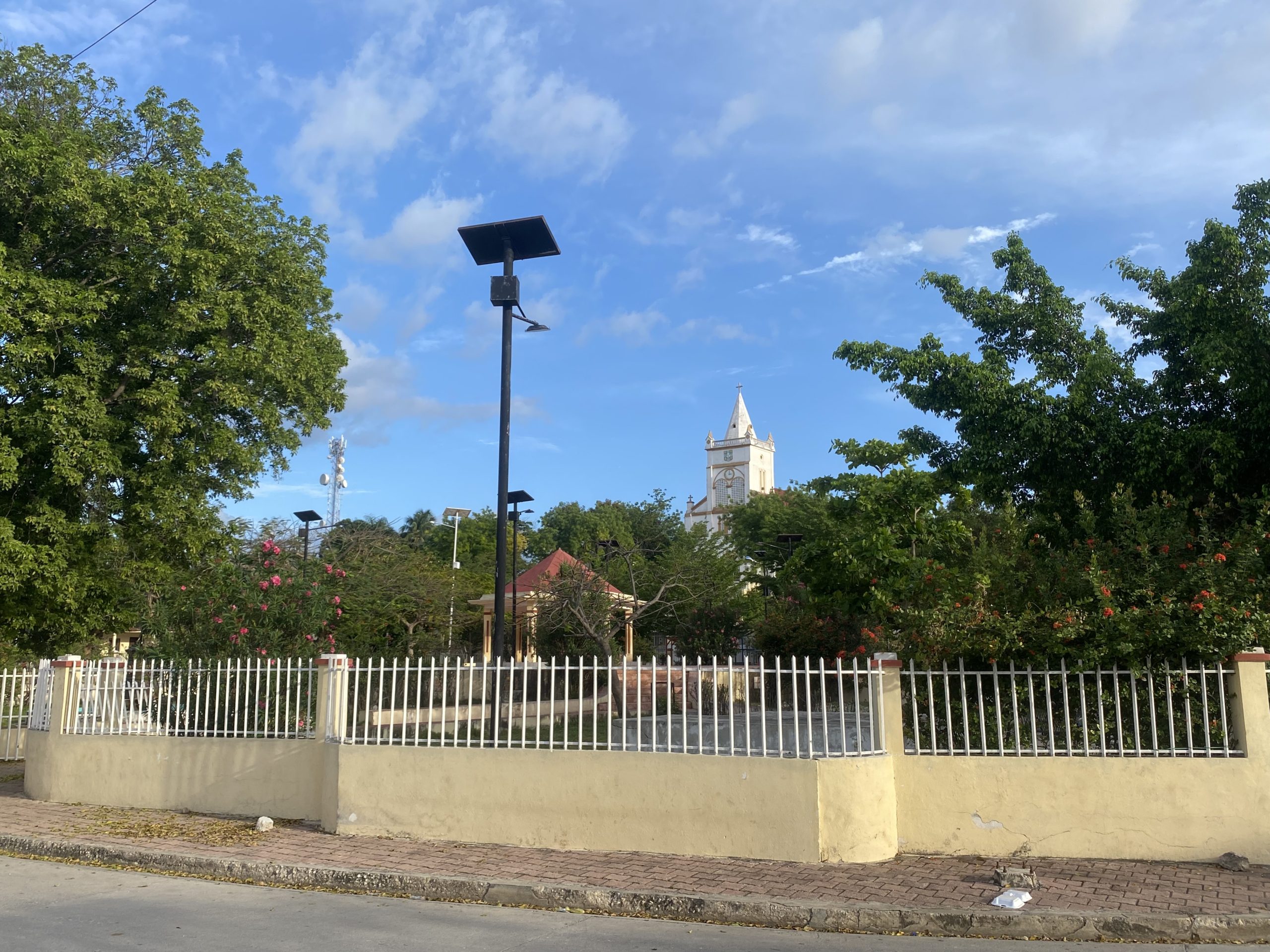
 Haiti is a low-income Caribbean country with a population of more than 11 million people. More than half of the population lives below the poverty line with little access to necessities. A major historical period that hindered Haiti’s growth was the Duvalier regime from 1957 to 1986. François Duvalier’s and Jean-Claude Duvalier’s corruption drained Haiti of its financial and economic profits. Their extreme violence against many citizens of the Haitian community caused an estimated 30,000 people to die or go missing.
The Haitian Americans United for Progress (HAUP) played a major role in supporting Haitian refugees and the Haitian-American community during the horrors of the Duvalier regime and continues to help immigrants and migrants, whether they are Haitian or not. Coalition for the Recovery of L’Anse-à-Veau (CORA), on the other hand, focuses on directly helping the community of Anse-à-Veau (Ansavo), one of Haiti’s municipalities located in the Nippes department.
HAUP
HAUP is a nonprofit organization based in Queens and Brooklyn, New York, U.S., that was initially established as a volunteer-based organization to help Haitian immigrants and refugees in 1975. In the ’80s, HAUP helped hundreds of Haitian refugees obtain food, shelter, clothing, and employment. Since then, HAUP has expanded into a community center that provides immigration, educational, and health services for refugees and immigrants in New York City, New Jersey, and Connecticut. The nonprofit has distributed 71 baby bags and infant car seats, 20 brand-new strollers for newborn mothers, 47 baby monitors, 30 blood pressure monitors, and more than 400 boxes of diapers and wipes.
Advocating for Immigrants and Migrants
In 1979, HAUP organized a konbit (rally) to gather materials and visit prisons to support Haitian refugees. By 1981, it held a march in Washington, D.C., protesting the U.S. government’s treatment of Haitian refugees and opposing Haiti’s dictatorship. In an interview with The Borgen Project, Mrs. Marie Fouche, recalled her role in organizing these protests: “The political situation in Haiti pushed us to march. I remember horses charging at us while we demanded our rights as Haitians. We said, ‘We don’t want a dictator anymore!'” Fouche also shared how HAUP advocated for Haitian refugees sent to Guantanamo Bay, fighting for their rights and offering assistance.
Events to Unify the Haitian Community
In 1978, HAUP held its first summer camp at P.S. 147 and later hosted camps at Andrew Jackson, Elmhurst, and Sacred Heart Church. In 1985, HAUP officially opened its Information Center. Fouche, a HAUP executive board member for 20 years, reflected on the center: “We had conferences, we had people come from Canada, from Haiti, from everywhere. They delivered a workshop or talked about their books about what was happening in the country. . . And we had books from Haiti, people could come and see them, even foreigners who didn’t know about Haiti could find resources there. So for me, that was a moment of pride.”
HAUP established a senior citizens club and a children’s cultural dance program and provided services for kids with intellectual disabilities. It also sponsored cultural events for the Haitian-American community, allowing them to express their culture and for children to learn more about Haiti. These events included Carnival parties, fundraising galas, children’s festivals, film showings like Gouverneur de la Rosée at Hillcrest High School, and plays such as Filibé by Mercedes Guignard and Bwat Lamayòt by Marika Roumain, produced by Fouche in 1985 and 1995.
CORA
In 2009, Kora, Cosa, and ARCA united to mobilize Anse-à-Velais and supporters of Anse-à-Veau in promoting the development of Anse-à-Veau and its neighboring areas. These groups merged to form CORA. CORA has helped clean the gutters in the lower area of Ansavo after the 2010 flood and provided $1,000 for the committee in charge of the works. It has also supported repairing the city’s electrical network by financially supporting maintenance from Port-au-Prince technicians and using $2,700 to buy two transformers. The nonprofit has also donated resources to institutions in Ansavo, such as 10 wheelchairs to the local hospital and nearby dispensaries and wireless microphones to the Ansavo cathedral.
Educational Programs
CORA’s RenesAnsavo Hospitality and Tourism project, launched in the summer of 2014 and led by Fouche, provided four weeks of training for 30 young adults from Ansavo. Inspired by Ansavo’s upcoming 300th anniversary in 2021, the students were divided into five groups focused on tourism, transportation, food, housing, and more. They attended workshops in the mornings and did fieldwork in the afternoons, such as assessing local restaurants and hotels for tourism opportunities. The project continued in 2015, with CORA following up on the participants’ progress through 2017.
CORA also advocated for school gardens by surveying schools in Petit Goave, leading to the start of a garden in the 2023-2024 academic year. Fouche discussed her work with the program and how her experience gardening for a soup kitchen in Arbor Hill, Albany, helped her with the Ansavo garden. She shared, “I learned from a woman at the soup kitchen… I researched gardening online and taught the children about fruits and vegetables in French, Creole, and English.” Her local and international volunteer work highlights how domestic and foreign aid initiatives can complement each other.
Conclusion
Fouche’s work with HAUP, CORA, and the Albany soup kitchen exemplifies how one can balance helping those in need both locally and abroad. HAUP highlights the importance of community-building and how immigrants in places like America can still influence their home countries, as seen in their protests against Haiti’s dictatorship. It also shows how immigrants can stay connected to their culture by organizing cultural events, such as plays, and creating educational spaces like the Information Center.
CORA exemplifies how to directly assist vulnerable communities abroad by prioritizing education, as seen with the school garden initiative. While both CORA and HAUP have made strides in uplifting the Haitian community, much work remains, and both organizations could benefit from additional support.
– Elisabeth Nwaoskwa
Elisabeth is based in Bellerose, NY, USA and focuses on Good News and World in Focus for The Borgen Project.
Photo: Wikimedia Commons

Poverty in Pakistan: Ongoing Reduction Efforts
Prime Minister’s Youth Skill Development Program
This initiative, led by Prime Minister Shehbaz Sharif, offers vocational training in various industries, helping young people haul themselves out of poverty and find work. With more than 25,000 youths trained nationwide, the program has played a crucial role in decreasing national poverty. Most notably, the focal point concentrating on an intake of 35% girls has ensured that the marginalized remain a focus. Ultimately, these efforts have contributed to the limitation of poverty and increased job prospects among the youth.
The Sehat Sahulat Program
Initially launched in 2015, the Sehat Sahulat Program is a social health insurance initiative providing free health care services for Pakistan’s underprivileged groups. As a result of the program, the most disadvantaged are supported by free health care. The initiative covers a range of conditions, including cancer and diabetes. Ultimately, the scheme provides financial protection and access to sustainable, quality health care to those most in need.
UNICEF Nutrition Counseling
With more than a third of children suffering from severe food poverty, the country faces an endemic in which its young are at a heightened risk of malnutrition and an unbalanced, scarce diet. The United Nations Children’s Fund’s (UNICEF) initiative develops cooking demonstrations tailored to new and soon-to-be mothers, ensuring their children can be fed and energized correctly.
Alongside nutritional education, the sessions aim to educate women about the importance of hygiene and its strict relationship with food, with a particular emphasis placed on washing hands before and after preparing food. This focus has been adopted worldwide and in 2022, UNICEF counseling reached 79.3 million people globally.
Combat Against Nationwide Stunting
In Pakistan, more than 40% of children younger than 5 are stunted. A product of long-term malnutrition, stunting “impairs cognitive and physical development, which in turn impacts a child’s potential and productivity.’’ With a large proportion of pregnant women living below the poverty line, many children experience stunted growth in the womb due to their mothers’ poor diet, leading to inhibited development.
The government has launched several initiatives to fight malnutrition to address this issue, with the Ehsaas Nashonuma Program being the most prominent. The program provides nutritional education and cash transfers to pregnant or nursing women. The quarterly stipend is about $5 for mothers and boys and $7 for girls. Nongovernmental organizations (NGOs) have also played a crucial role in the fight against stunting. Water, Sanitation and Hygiene Services (WASH) initiatives have thrived with the support of NGOs like HANDS. In 2022-23, HANDS conducted 16 WASH projects in 34 districts and nearly 2,000 villages in Pakistan, benefiting more than 1.8 million people.
Nutritional awareness is fundamental to the resurgence of the health of the next generation in Pakistan, pulling them out of poverty. The government has guaranteed that various schemes are in place to tackle widespread poverty. Additionally, it has ensured that the health and hygiene of the population of Pakistan are also addressed. It’s both transparent and reassuring that while the government recognizes this importance, various NGOs share the same concern.
– Jonny Wilkinson
Photo: Pexels
Gender Advocacy in Suriname
Gender advocacy in Suriname has come in various forms, from promoting women’s job opportunities to increasing their political representation. The country has made progress, such as increased labor force participation from 41.4% in 2011 to 44.3% in 2022. However, the World Bank also found that behind such statistics, nine in every 50 women aged 15-49 are in vulnerable employment positions, as of 2022.
Economic Opportunities
One important aim for the country is setting women up for economic success, uplifting women out of poverty and instilling financial stability. The Ministry of Home Affairs has targeted this by establishing its 2021-2035 Gender Vision Policy. This highlighted sector disparities, unequal access to economic resources and difficulties in women accessing formal work. Its answer to these issues was gender mainstreaming, allowing the application and monitoring of gender-responsive policies across departments.
While the full success of this vision is yet to be seen, the agricultural sector has already seen an increase in female participation from 4.65% in 2011 to 5.68% in 2022, according to the World Bank.
Women’s Economic Empowerment (WEE), which is a program that focuses on supporting women-owned businesses in Suriname, also advocates for women’s professional development. The project is part of the Suriname Energy, Oil and Gas Summit and originated in 2023. It aims to achieve gender advocacy by boosting the participants’ pitching, leadership and networking skills to empower women working in the sector.
Legal and Political Representation
Gender equality is established on a basic level in the Surinamese Constitution, as Article 35 declares that “Man and woman are equal before the law,” according to the Gender Vision Policy document. The Gender Vision Policy aims that beyond this “all legislation will have been adapted, strengthened and approved and implemented to promote gender equality and to eliminate gender-related discrimination.” In particular, this will involve intersectionality to address the discrimination against Indigenous women, promotion of equal pay and prevention of forced marriages.
Hope for the achievement of these aims can be inferred from the increasing political representation of women in Suriname. From 2011 to 2022, the proportion of seats held by women in national parliaments has increased from 11.8% to 29.4%, according to the World Bank.
However, men still hold over double as many seats in parliament as women, so closing the gap is a long-term priority for the country.
Women’s Health
Menstrual and reproductive health are vital points of action for gender advocacy in Suriname. Addressing these issues allows women and girls to reach their full potential. As a part of this, the American Medical Women’s Association (AMWA) has been working in Suriname on its mission to improve women’s health. Launched in 2021, its initiative to end period poverty has involved the provision of period pad kits. The First Lady of Suriname also received one of these kits in 2023. The Ministry of Public Health in Suriname has also addressed women’s health via a workshop in 2023 in collaboration with the United Nations Population Fund (UNFPA).
The importance of family planning to gender equality and poverty reduction raised, which is particularly relevant when the country’s contraceptive prevalence dropped from 47.2% in 2010 to 38.7% in 2018, according to the World Bank. The workshop showed positive aims for practical engagement, empowerment of women and raising awareness of their options.
Gender Advocacy in Suriname: Final Thoughts
Suriname currently scores 77 out of 100 in an index rating on the life cycle of a working woman, according to the World Bank. While progress in employment and politics has been significant, family commitments and social norms still hold women back. Gender advocacy in Suriname must maintain its diverse range of aims as well as the uniting principles of equality and empowerment.
– Daisy Outram
Photo: Flickr
Overview of Poverty in Mali
Poverty in Mali: Political Context and Basic Needs
Mali has had five military coups since gaining its independence from France in 1960, the most recent being in 2021. The coup in 1991 was relatively successful, but the country has faced instability since the coup in 2012. There was another government breakdown in 2020 and a Head of State was named in 2021, but that was quickly overthrown by the original coup leaders. This has led to further government instability and a lack of access to public services, contributing to poverty in Mali.
In 2020, 2021, and 2022 only 45% of Malians had access to basic sanitation, 48% had access to electricity, and 40% had access to clean drinking water, respectively, according to the Bertelsmann Transformation Index (BTI). Access to these basic needs is unequal between regions, with access being the worst in the northern region and sparse rural areas.
Unemployment and Children’s Rights
Agriculture makes up 80% of Mali’s employment, yet 65% of the country’s land is a total desert or semi-desert area. This forces most agriculture to stay along the Niger River, making the sector much more vulnerable to natural disasters. The country also faces land degradation, a lack of fertilizer, and post-harvest losses from poor storage and processing capacity, according to the World Food Programme (WFP). All of this contributes to smallholder farmers having higher-than-average poverty rates.
“More than 2 million children between 5 and 17 do not go to school,” according to UNICEF, despite national efforts to improve education over the last decade. More than half of Mali’s young people are still not literate. Children in Mali often have to drop out of school to work, enter child marriages or because of school closures. Besides dropout rates, Malian schools also struggle to find enough qualified teachers and textbooks for students. Only 73.8% of girls and 85.5% of boys are enrolled in primary school and only 15% of girls and 21% of boys continue to secondary school, UNICEF reports.
Every year of education can increase an individual’s income by up to 10%. Education provides people with the skills and knowledge they need to secure employment and become financially independent. It is considered to be one of the most effective ways to combat poverty in Mali, yet so many Malians still cannot access it.
Conflict and Displacement
Many of the poorest in Mali struggle with internal displacement. At the end of 2023, internal displacement affected around 344,000 people in Mali due to conflict and violence or natural disasters such as flooding. Many people lose their income due to displacement, plunging them into poverty. Almost two-thirds of internally displaced households lacked a stable income source in 2023, compared to less than 20% of non-displaced households, according to the Internal Displacement Monitoring Center (IDMC).
A combination of the above issues, armed conflict and restricted humanitarian access are pushing nearly 1 million Malian children under 5 into acute malnutrition. Close to 5 million children are in urgent need of humanitarian assistance in Mali and at least 200,000 are at risk of dying of hunger if they do not receive aid. In Northern Mali, the Sahara desert is quickly expanding and encroaching on farmlands, directly leading to food shortages in the country.
Addressing Poverty in Mali
Many international organizations are working to address the complex web of issues contributing to poverty in Mali. UNICEF, for example, has programs aiming to strengthen and spread access to education in Mali. UNICEF supports Mali’s Ministry of National Education, the Ministry of Vocational Training and the Ministry of Higher Learning and Scientific Research to support education at all levels, according to its website. It also works with in-country partners to offer education opportunities to out-of-school children. The organization works to build up the capacity of school management committees, train more teachers and increase access to school materials for teachers and students.
USAID currently has eight active programs in Mali fighting to eradicate malnutrition. Mali is one of USAID’s 12 “Feed the Future” target countries for focused investment under the U.S. Government’s Global Food Security Strategy. The U.S. has made strategic investments in 113 communities addressing malnutrition, low dietary diversity, improving agricultural trade and investment, and bullying capacity among farmers, the private sector, civil society and public institutions. These programs are a part of the five-year USAID/Mali Health Strategy, which “seeks to achieve sustained improvements in health and facilitate Mali’s journey toward self-reliance.”
– Anna Thibodeau
Photo: Unsplash
HAUP and CORA Supporting The Haitian Community
The Haitian Americans United for Progress (HAUP) played a major role in supporting Haitian refugees and the Haitian-American community during the horrors of the Duvalier regime and continues to help immigrants and migrants, whether they are Haitian or not. Coalition for the Recovery of L’Anse-à-Veau (CORA), on the other hand, focuses on directly helping the community of Anse-à-Veau (Ansavo), one of Haiti’s municipalities located in the Nippes department.
HAUP
HAUP is a nonprofit organization based in Queens and Brooklyn, New York, U.S., that was initially established as a volunteer-based organization to help Haitian immigrants and refugees in 1975. In the ’80s, HAUP helped hundreds of Haitian refugees obtain food, shelter, clothing, and employment. Since then, HAUP has expanded into a community center that provides immigration, educational, and health services for refugees and immigrants in New York City, New Jersey, and Connecticut. The nonprofit has distributed 71 baby bags and infant car seats, 20 brand-new strollers for newborn mothers, 47 baby monitors, 30 blood pressure monitors, and more than 400 boxes of diapers and wipes.
Advocating for Immigrants and Migrants
In 1979, HAUP organized a konbit (rally) to gather materials and visit prisons to support Haitian refugees. By 1981, it held a march in Washington, D.C., protesting the U.S. government’s treatment of Haitian refugees and opposing Haiti’s dictatorship. In an interview with The Borgen Project, Mrs. Marie Fouche, recalled her role in organizing these protests: “The political situation in Haiti pushed us to march. I remember horses charging at us while we demanded our rights as Haitians. We said, ‘We don’t want a dictator anymore!'” Fouche also shared how HAUP advocated for Haitian refugees sent to Guantanamo Bay, fighting for their rights and offering assistance.
Events to Unify the Haitian Community
In 1978, HAUP held its first summer camp at P.S. 147 and later hosted camps at Andrew Jackson, Elmhurst, and Sacred Heart Church. In 1985, HAUP officially opened its Information Center. Fouche, a HAUP executive board member for 20 years, reflected on the center: “We had conferences, we had people come from Canada, from Haiti, from everywhere. They delivered a workshop or talked about their books about what was happening in the country. . . And we had books from Haiti, people could come and see them, even foreigners who didn’t know about Haiti could find resources there. So for me, that was a moment of pride.”
HAUP established a senior citizens club and a children’s cultural dance program and provided services for kids with intellectual disabilities. It also sponsored cultural events for the Haitian-American community, allowing them to express their culture and for children to learn more about Haiti. These events included Carnival parties, fundraising galas, children’s festivals, film showings like Gouverneur de la Rosée at Hillcrest High School, and plays such as Filibé by Mercedes Guignard and Bwat Lamayòt by Marika Roumain, produced by Fouche in 1985 and 1995.
CORA
In 2009, Kora, Cosa, and ARCA united to mobilize Anse-à-Velais and supporters of Anse-à-Veau in promoting the development of Anse-à-Veau and its neighboring areas. These groups merged to form CORA. CORA has helped clean the gutters in the lower area of Ansavo after the 2010 flood and provided $1,000 for the committee in charge of the works. It has also supported repairing the city’s electrical network by financially supporting maintenance from Port-au-Prince technicians and using $2,700 to buy two transformers. The nonprofit has also donated resources to institutions in Ansavo, such as 10 wheelchairs to the local hospital and nearby dispensaries and wireless microphones to the Ansavo cathedral.
Educational Programs
CORA’s RenesAnsavo Hospitality and Tourism project, launched in the summer of 2014 and led by Fouche, provided four weeks of training for 30 young adults from Ansavo. Inspired by Ansavo’s upcoming 300th anniversary in 2021, the students were divided into five groups focused on tourism, transportation, food, housing, and more. They attended workshops in the mornings and did fieldwork in the afternoons, such as assessing local restaurants and hotels for tourism opportunities. The project continued in 2015, with CORA following up on the participants’ progress through 2017.
CORA also advocated for school gardens by surveying schools in Petit Goave, leading to the start of a garden in the 2023-2024 academic year. Fouche discussed her work with the program and how her experience gardening for a soup kitchen in Arbor Hill, Albany, helped her with the Ansavo garden. She shared, “I learned from a woman at the soup kitchen… I researched gardening online and taught the children about fruits and vegetables in French, Creole, and English.” Her local and international volunteer work highlights how domestic and foreign aid initiatives can complement each other.
Conclusion
Fouche’s work with HAUP, CORA, and the Albany soup kitchen exemplifies how one can balance helping those in need both locally and abroad. HAUP highlights the importance of community-building and how immigrants in places like America can still influence their home countries, as seen in their protests against Haiti’s dictatorship. It also shows how immigrants can stay connected to their culture by organizing cultural events, such as plays, and creating educational spaces like the Information Center.
CORA exemplifies how to directly assist vulnerable communities abroad by prioritizing education, as seen with the school garden initiative. While both CORA and HAUP have made strides in uplifting the Haitian community, much work remains, and both organizations could benefit from additional support.
– Elisabeth Nwaoskwa
Photo: Wikimedia Commons
Suniti Solomon: Pioneering HIV/AIDS Researcher and Activist
But what was evolving in this unassuming house on a quiet street in Chennai’s otherwise bustling T. Nagar was far from an ordinary arranged marriage. It was a result of Dr. Solomon’s affection for everyone who knocked on the door of her NGO. Deeply involved with her patients’ lives, she understood how their suffering was compounded by social stigma. She was working hard to remedy their lack of matrimonial opportunities by matching them with each other.
Suniti Solomon’s Discovery of HIV in India
Dr. Solomon joined the Madras Medical College in 1971 for her postgraduate degree in microbiology, after having trained in London and Chicago. As a member of its faculty in the early 1980s, she read papers across international medical journals detailing the quick spread of what many considered a mysterious disease then: HIV, according to The Hindu.
Working against the government’s HIV-denying narrative at the time, Dr. Solomon, along with her student Selleppan Nirmala, collected blood samples from 100 members of the sex worker community in Chennai in 1986. As she had anticipated, six samples tested positive for HIV. This was possibly indicative of a much larger epidemic across the country, given the size of India’s population.
This shocking finding catapulted the government into action. It braced for a crisis like no other, given the prevalence of poverty and lack of access to quality health care in the country. However, remarkably enough, this disaster was averted: India’s incidence rate has remained below 0.3%. The annual number of people newly infected with HIV declined by close to half between 2010 and 2021 in India.
This progress is thanks to the successful control of contagion in India. This has been achieved with free antiretroviral therapy, awareness initiatives and effective engagement with civil society. But it is also due, at least in part, to Dr. Solomon’s efforts.
Treating the Disease and Healing the Individual
Thoroughly attuned to patients’ stories of struggle – from the case of an infected 13-year-old to a family whose members died by suicide when news of their diagnosis spread, Dr. Solomon opened India’s very first voluntary HIV testing and counseling center at Madras Medical College. She transitioned to independently running her own NGO in 1993, the Y.R. Gaitonde Centre for AIDS Research and Education (YRG CARE).
With this, Dr. Solomon built a safe and nurturing space for every person living with HIV who had fallen through the cracks in public health care. YRG CARE started with just three employees. However, it now has a 1,000-member-strong workforce, spread throughout India’s 28 states, according to the American Society for Microbiology. It pioneered HIV awareness programs in schools and colleges. It has provided care to nearly 2 million people living with HIV, from easier access to specialized pharmaceutical drugs to recuperation facilities at in-patient centers.
Suniti Solomon: Legacy
Dr. Suniti Solomon received many accolades when she was alive, from an honorary Doctor of Medical Science degree from Brown University to a Lifetime Achievement Award by the Tamil Nadu AIDS Control Society. She passed away in 2015, at the age of 76. Many people, including The New Yorker’s Michael Specter, remember her as warm, empathetic and soft-spoken. Old interviews reflect her feistily unorthodox and good-humoured spirit. Colleagues recall that she inspired hope and courage in them. The government of India posthumously awarded her with the Padma Shri, India’s fourth-highest civilian honor, in 2017.
– Shiveka Bakshi
Photo: Flickr
The Ehsaas Program: Empowering Women and Fighting Poverty
Global Recognition and Impact
In a 2021 report by the World Bank, Pakistan’s Ehsaas Emergency Cash Program was highlighted for its remarkable reach, ranking fourth globally in terms of the number of people covered and third in terms of the percentage of the population served. The Ehsaas Emergency Cash initiative disbursed stipends of PKR 12,000 ($48) to nearly 15 million households, benefiting more than 100 million people—almost half of Pakistan’s population. The World Bank praised the program for its rapid rollout and extensive coverage, calling it one of the most impressive large-scale social protection measures worldwide.
Economic Empowerment Through Targeted Initiatives
A significant aspect of the Ehsaas Program is its emphasis on women’s empowerment. More than 50% of its initiatives focus on providing financial security to women. By targeting women for poverty alleviation and supporting the United Nations (U.N.) SDG 5 on gender equality, Ehsaas is empowering women economically and socially.
The Ehsaas Kafaalat Program provides direct cash transfers to low-income women, ensuring that they have the financial support needed for necessities such as food, health care and education. Women have been the focal point of the Ehsaas Interest-Free Loan Scheme, which enables them to start small businesses and gain financial independence. Nishtar highlighted how the empowerment of women is beneficial for society and the economy and that the “government is determined to lift seven million poorest women in Pakistan out of poverty and help them achieve their potential.”
Promoting Sustainable Livelihoods
The Ehsaas Aamdan Program provides sustainable assets such as sewing machines, shops, livestock and vehicles to help individuals generate long-term income. This asset-based approach empowers women to contribute to their families’ economic stability while fostering entrepreneurship at the grassroots level.
Similarly, the Ehsaas Nashonuma Program promotes gender-sensitive financial support for nutrition. Families receive $7.18 for girls and $5.39 for boys younger than 2 years of age, which not only provides vital nutrition for children but also encourages a shift in societal attitudes toward gender equality. By offering higher financial incentives for female children, the program aims to combat cultural practices like female feticide and emphasize the value of female children.
Final Remark
Ehsaas’ implementation provides valuable lessons for other nations, especially in light of the recent crises that have highlighted the need to redefine the role of the welfare state. This presents a unique chance to create a pivotal moment in advancing global social welfare. Moreover, its emphasis on gender equality mirrors the development strategies of economically advanced countries, which have leveraged the potential of their female populations to achieve sustainable growth.
This realization is paving the way for Pakistan’s future economic, social and political development, with women playing a crucial role in these advancements. By empowering women, the Ehsaas Program is driving Pakistan closer to achieving its national development goals while addressing the pressing issues of poverty and inequality.
– Irtija Ahmad
Photo: Wikimedia Commons
26 Letters School – A Lesson on Empowerment
The economic collapse of Lebanon has severely impacted the country’s education system. These unprecedented challenges have affected the Lebanese children and refugee children present in the country. The World Food Programme (WFP) has stated that more than half of the Syrian refugee children in Lebanon are unable to access primary education as a result of economic hardships and other factors.
A study by the Center for Lebanese Studies has indicated poor academic performance and depletion in psychological well-being due to the Lebanese crisis. Children no longer attend schools and face potential exposure to different forms of abuse and exploitation. Children from low-income households, those living in rural areas, migrants and refugees are the most impacted. Fortunately, 26 Letters School is making a difference by providing education to Lebanese children.
About 26 Letters School
26 Letters School is a nongovernmental organization (NGO) based in Beirut, Lebanon. The purpose of the school is to offer free quality education for all children and teenagers who live in Beirut. It recognizes that its pupils come from different economic, social and religious backgrounds. Keeping this in mind, the school emphasizes the importance of plurality and respect for all individuals. Here are 10 reasons why the 26 Letters School is a phenomenal initiative to change students’ lives beyond education and literacy.
10 Ways 26 Letters School is Making a Difference
Looking Ahead
The organization 26 Letters School is a unique educational initiative offering personalized learning experiences and a creative curriculum tailored to every individual student. 26 Letters School’s commitment to inclusive and creative educational practices and community involvement sets it apart as a forward-thinking institution.
– Caren Thomas
Photo: Flickr
Leading The Way: Cabo Verde’s HIV Fight
Investment in Communities
Combating HIV and AIDS requires involving both the general public and individuals living with HIV in decision-making processes. The Joint United Nations Programme on HIV/AIDS (UNAIDS) has reported that the West Africa region is not on track to meet the goal of eradicating AIDS by 2030, a target set during the Africa Rising Forum in 2014.
The group’s Executive Director expressed the need for “policies and programs that focus on people not diseases.” This involves community-led HIV testing to reach more people. Furthermore, support groups for mothers living with HIV and individual visits by social assistants are also key. One assistant in Cabo Verde expressed how this work allows patients to “have a good quality of life and avoid stigma and social marginalization.”
Regional Asymmetry
A key challenge for Cabo Verde is the disparity in resources between islands, which affects HIV patients’ ability to access care. At independence in 1975, the country had only 13 doctors. However, the health system has since expanded in both size and sophistication, with 80% of the population now living within half an hour of a health facility. The decentralization of smaller health centers has improved access to care, enabling HIV patients to receive antiretroviral therapy to manage the disease. UNAIDS estimates that by 2023, 72% of individuals living with HIV in Cabo Verde were accessing antiretroviral therapy.
Free Health Care
Cabo Verde’s economy has grown significantly since the ’90s, driven by foreign investment and tourism. This growth has led to increased health care spending, rising from $65 per person in 2001 to $165 in 2013. Citizens are entitled to free basic health care, including preventive care and treatment for HIV and AIDS. The country’s social protection efforts are supported by widespread health education, facilitated by high literacy rates and good access to electricity, fostering greater public awareness and engagement.
Advocacy for the Disabled Community
Despite Cabo Verde’s broad progress, vulnerable communities, such as those with disabilities, continue to face challenges. Handicap International, active in Cabo Verde since 2006, has worked to include disabled individuals in the fight against HIV. The organization improved data on the biological vulnerability to HIV infection and promoted inclusive education on HIV and AIDS.
Research found that the HIV prevalence rate among people with disabilities in Cabo Verde is 2.3%. Additionally, about 79% of disabled participants unaware of available HIV care and support. However, the study itself led to 96% of participants gaining an improved understanding of HIV and AIDS.
Preventing Vertical Transmission
Preventing vertical transmission of HIV from mother to fetus is a key priority for Cabo Verde in reducing new infections. Minister of Health Arlindo Nascimento do Rosário emphasized, “Every child has a right to be born healthy and to live a healthy life.” As part of the free health care system, pregnant women are offered HIV testing. If they test positive, they receive antiretroviral drugs and antenatal support to minimize the risk of transmission.
In 2019, the World Health Organization (WHO) shared the story of Leila Rodrigues, a mother who discovered she had HIV just weeks before giving birth. Thanks to the care her son received, transmission was prevented. Rodrigues later joined the National Network of People with HIV of Cabo Verde.
Final Note
Cabo Verde’s progress in HIV health care has not come without challenges. However, the country has become a model for investing in change and empowering communities. The WHO Africa Health Forum has highlighted Cabo Verde as an exemplar, with participants visiting to observe how innovations have built a strong health care system. Emulating Cabo Verde’s commitment to social inclusion, universal health coverage and decentralized HIV testing could enable the West African region to more effectively combat the disease.
– Daisy Outram
Photo: Wikimedia Commons
China and the World Bank Address Energy Security in Ethiopia
Energy Security in Ethiopia
According to the World Bank, Ethiopia has the third largest energy deficit in Africa, with about half of the population unable to access reliable electricity. There is also a stark rural-urban divide: as of 2022, only 40% of rural households had reliable access to electricity, compared to 93% of urban households. Ethiopia has been making strides on this issue and recently expanded the electricity grid to cover almost 60% of towns and villages.
The main challenge, however, is the lack of adequate energy infrastructure rooted in a broader shortage of resources. Fortunately, several international actors have recently stepped up to help address Ethiopia’s energy gaps, including China’s Belt and Road Initiative (BRI) and the World Bank’s International Development Association (IDA).
China
China has been heavily involved in Ethiopia’s development for more than a decade now, reflected by the fact that Ethiopia is China’s second-largest debtor on the continent. Ethiopia was an early signee to China’s BRI, which has resulted in several multi-million dollar infrastructure projects in the country, including a flagship $5 billion railway from Addis Ababa to Djibouti.
Ethiopia doubled down on this partnership by joining BRICS+ in late 2023. This will grant the country access to BRICS’ multilateral financing institutions, thus paving the way for easier access to Chinese funding in the future. One program with particular appeal for Ethiopia is China’s “Africa Solar Belt” program, which aims to provide solar power to 50,000 African households. Ethiopia also plans to import more than 100,000 electric vehicles and 5,000 electric buses from China in the coming years in a bid to upgrade the country’s transportation infrastructure.
The World Bank
While China has often been Ethiopia’s main development partner, the country also cooperates extensively with the World Bank, primarily on financing. In the realm of energy security, the World Bank recently unveiled a program called Power Sector Reform, Investment and Modernization in Ethiopia (PRIME). This program provides Ethiopia with a “financing envelope” of $1.5 billion, disbursed in multiple phases in the next 10 years, to upgrade its energy sector.
The program focuses on investing in critical energy infrastructure and expanding electricity access more broadly. In an attempt to diversify and stabilize Ethiopia’s energy supply, PRIME will only invest in non-hydropower renewable energy sources since 96% of Ethiopia’s electricity is currently derived from hydropower. Almost all of the funding comes from the IDA, the World Bank’s fund for least-developed countries, with the remainder coming from a green energy trust fund, leaving none of the funding burden on Ethiopia.
Final Thoughts on Energy Security in Ethiopia
While energy security in Ethiopia remains an entrenched issue, the situation is improving: for instance, access to electricity has more than quintupled in the last two decades, rising from about 10% in 2001 to 55% in 2022, according to the World Bank. Furthermore, with Ethiopia’s new membership in BRICS+ and its 10-year financing deal with the World Bank, chances are good that energy security in Ethiopia will continue to improve.
– Kipling Newman
Photo: Flickr
African Women in Science: Alleviating Poverty
Despite these challenges, many African women in science work on innovations to alleviate poverty and improve public health. Their efforts highlight the role of women in science and show how scientific advancements can drive social and economic progress. Here are three inspiring examples of women and organizations making a significant impact in the fight against poverty.
Corine Ngufor
Each year, Cameroon reports more than 2.7 million cases of malaria, according to USAID. For its people, this means missing work and school often – significantly impacting both economic and educational opportunities. The fight to eradicate malaria has become a priority for the Cameroonian Government. Corine Ngufor’s work – inspired by her personal experience with malaria growing up in Cameroon – is a remarkable step forward.
As a medical entomologist with a PhD from the London School of Hygiene and Tropical Medicine, Ngufor has innovated mosquito net fabrication. While insecticide-treated nets have saved millions of lives in the past decades, mosquito resistance has diminished their effectiveness. To combat this, many researchers have advocated for dual-insecticide nets. Ngufor’s lab identified chlorfenapyr as the effective second insecticide to pair with pyrethroid, a product already used on nets.
Her improved mosquito nets – officially named Interceptor G2 – have prevented 13 million malaria cases and saved 25,000 lives between 2019 and 2022, as reported by STAT News. Corine Ngufor’s work in reducing malaria cases is also crucial in poverty alleviation because healthier communities lead to increased productivity and less financial strain due to medical expenses.
Revital Healthcare
While vaccines for polio and measles are effective in combating these diseases, many African countries face challenges due to a shortage of syringes, leading to the reuse of needles and the transmission of “blood-borne pathogens” such as HIV and hepatitis B. Additionally, the COVID-19 pandemic exacerbated this issue by creating a shortage of syringes in Africa – where 80% come from Asia – disrupting routine vaccinations for children across the continent. It highlighted the need to improve Africa’s self-reliance in syringe production, an indispensable medical tool.
Thus, to prevent the reuse of needles and ensure the availability of syringes on the continent, Revival Healthcare – Africa’s largest medical device manufacturer based in Kenya – started manufacturing auto-disable syringes in 2021 with a $4 million grant from the Gates Foundation. These syringes become inoperative after the plunger has been used, preventing reuse, and they aim to produce 300 million of them annually.
Beyond providing life-saving medical equipment, Revival Healthcare also supports women in science. With an 80% female workforce, the company creates job opportunities that help reduce poverty by improving families’ financial stability and access to vital resources. Revival Healthcare empowers women economically and encourages them to pursue education and careers in the medical field.
Rachel Sibande and mHub
According to the 2023 UNESCO Global Education Monitoring Report, 89% of learners in sub-Saharan Africa still lack access to a computer and 82% do not have an Internet connection at home. This digital gap limits young people’s ability to gain the skills needed in today’s world, further hindering their employability prospects.
To address this challenge, Malawian computer scientist Rachel Sibande founded mHub in 2014. As Malawi’s first technology and innovation center, mHub has been instrumental in reducing poverty across Africa by empowering young innovators and promoting local technology solutions. As of 2023, mHub has trained more than 40,000 young people in technology, technical and business skills.
In 2020, the hub launched the Digital Malawi project, providing digital skills and business opportunities to youth across the country – supporting more than 500 young people, with some receiving $2,500 in seed capital.
mHub also champions African women in science and technology through its Girls for Code program, which equips young girls with skills in robotics, machine learning, and mobile application development – reaching 323 girls across 15 schools. By advancing technological proficiency and promoting gender equality in STEM fields, mHub fosters innovation and drives economic growth throughout Africa.
Africa Women in Science: Making a Change
African women in science are making a significant impact on reducing poverty through innovation. Despite facing challenges like limited access to education and underrepresentation in STEM, women such as Corine Ngufor, the team at Revital Healthcare and Rachel Sibande are leading the way. Their work in health, technology and medical improvement is bettering lives, boosting economies and promoting gender equality. As they continue to inspire future generations, the role of African women in science will grow, contributing to a better future for the continent.
– Alissa Naydenova
Photo: Flickr