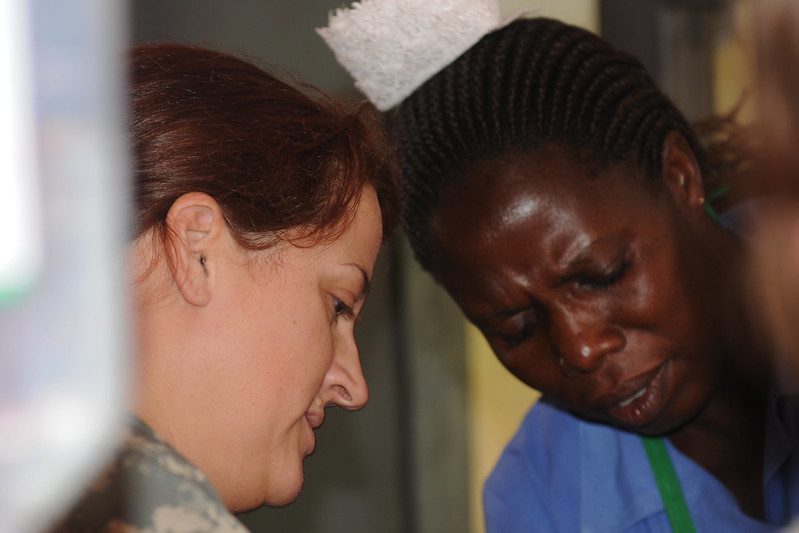
 Midwives play an essential role in providing health care to women. Their work is critical in areas without access to traditional hospitals and for women who need alternative expertise. The World Health Organization (WHO) recommends training an additional 1.3 million midwives by 2030 to address the shortage of health care professionals. The following documentaries feature midwife programs in underserved communities.
Navigating Birth and Conflict in the West Bank
This documentary, filmed in Feb. 2024, tracks experienced midwives as they navigate the challenges of providing care in the war-torn West Bank. Across four hospitals, these professionals manage their personal anxieties and professional duties. Indeed, they ensure pregnant women receive necessary health care despite the conflict. Each midwife program reveals how these women adeptly adapt to severe conditions. Despite the lack of private hospitals and ongoing war, they serve approximately 8,000 women per month, overcoming significant institutional challenges.
The midwife programs tackle hurdles such as unpredictable birth events, an unorganized health care system and a dampening of morale among expectant mothers. Additionally, personal hurdles include military checkpoints during commutes and delays in payment from employers. A primary concern is the mental and emotional well-being of mothers and midwives as they navigate the uncertainties of childbirth, poor health care access and the dangers of a sustained war effort around their homes and hospitals. Midwife programs such as Midwives for Peace actively work to make up for the lack of resources and to support new mothers.
Making a Midwife
This documentary follows student midwives as they train and work to receive certification to practice in Haiti. Women like Jusléne prepare to work independently in their communities. According to the documentary, one in 83 women die during childbirth in Haiti. Half of these deaths can be attributed to health complications, such as Eclampsia. Though many women experience complications with known treatments, many of these procedures are not offered to the poor and low-income families within Haiti.
The Midwives for Haiti is a program dedicated to combating high child mortality rates in Haiti. These future midwives, both women and men, are eager to apply their new skills in communities desperate for quality care. They learn from seasoned instructors experienced in field deliveries. By partnering with traditional matrons, Midwives for Haiti ensures a robust training of attendants. The program melds formal midwifery education with an understanding of local cultural traditions. Additionally, the training equips new matrons to engage effectively with pregnant women and their families. As locals themselves, these midwives handle cultural beliefs sensitively, providing accurate diagnoses and care. In the long term, this process aims to strengthen a struggling health care system and alleviate pressures on local actors and voodoo doctors who may lack medical knowledge.
The community-centered approach to education and training creates an atmosphere of uplift and persistence for each trainee. Michael, a featured trainee, wishes to go out and find people who need medical care but who may not have the resources to maintain steady access. Like many of the featured midwives, his goal is to educate local women on the best practices for a healthy pregnancy. The hope is that they can learn how they can position themselves and their children to live a life of health and nutrition.
Nadene, the founder of Midwives for Haiti, established the program with two primary goals. The first is to address the critical shortage of health care providers. The second goal is to foster self-agency among midwives. As students graduate and begin their practices, they gain the tools needed to achieve financial independence. This empowerment is particularly transformative for women, who often experience financial independence for the first time as they serve their communities.
Con Madre
Con Madre documents the experiences of a group of women who live and train at a Guatemalan school for midwives. The documentary depicts a strong bond between the women as they live together and progress through its program.
According to the National Center for Biotechnology Information, more than 50% of births in Guatemala are home births. Women unable to attend a formal hospital rely on midwives to guide them through pregnancy. Furthermore, they offer care in the weeks following birth. Despite the necessity of their work, midwives in the area resist perceptions by medical professionals who do not understand or accept their expertise.
The three-year midwife program equips students to lead with a vision of empowerment and possibility, emphasizing women’s health rights and future work. Beyond their formal training, each midwife-in-training shadows a “traditional” midwife to absorb ancestral knowledge from local villages and communities. This ancestral training fosters respectful, trusting relationships between new midwives and their local patients.
Looking Ahead
Through the dedication and specialized midwife programs highlighted in these documentaries, midwives provide critical health care to underserved communities globally. These ongoing programs empower local midwives, enabling them to navigate complex community challenges while preserving cultural practices. As they address gaps in maternal and newborn health, midwife programs enhance care and promote long-term, community-centered health care solutions that bring safety and support to mothers and infants in underserved communities.
– Karina Dunn
Karina is based in Mesquite, TX, USA and focuses on Global Health for The Borgen Project.
Photo: Flickr

The Impact of the Girls’ Education Challenge in Ghana
The Digital Divide in Rural Ghana
In rural Ghana, the digital divide poses a significant barrier to girls’ education, limiting their future career opportunities. Girls often have less access to technology than boys due to household responsibilities and cultural expectations. This gap restricts their learning opportunities and potential to gain the digital skills essential for today’s job market. Targeted interventions focused on girls’ digital literacy are crucial to breaking this cycle and empowering girls to overcome these barriers.
How GEC Is Bridging the Gap
The GEC, managed by FCDO, supports education initiatives specifically designed to improve access and outcomes for girls in rural areas. The GEC provides digital resources such as tablets, e-books and online learning platforms through projects like the Discovery Project. By focusing on girls’ education, the project seeks to close the digital divide, equipping young girls with the tools and confidence to participate fully in a technology-driven economy.
Partnerships With Local and International NGOs
U.K. Aid collaborates with organizations like Impact(Ed) International and Worldreader to bring digital literacy tools to rural Ghanaian schools. Impact(Ed) International, formerly Discovery Learning Alliance, provides digital educational content and teacher training to improve digital literacy in rural Ghana. Through the Discovery Project, supported by U.K. Aid, the nonprofit empowers girls with literacy, numeracy and life skills while providing access to digital learning resources. It focuses on gender-inclusive education, reaching thousands of girls across rural Ghana.
Similarly, Worldreader’s partnership with FCDO has expanded access to reading materials for girls through e-readers loaded with educational content in local languages. These digital libraries are especially impactful in rural regions with limited access to books.
Transforming Lives Through Digital Literacy
The Discovery Project in northern Ghana has successfully empowered girls with digital literacy skills. Since its inception, the project has reached more than 104,000 girls and established 448 Girls’ Clubs across 800 schools in 11 districts. These Girls’ Clubs provide a safe environment for girls to develop literacy, numeracy and life skills while building their confidence and ambition. Through engaging content like the “My Better World” video series, which features relatable role models, the project encourages girls to envision a future beyond traditional roles.
Evaluations of the program revealed a 3.7-point increase in self-efficacy among participating girls, who reported greater confidence, better classroom participation and stronger peer relationships. Digital literacy is more than just an educational tool—it’s a pathway out of poverty. By equipping young girls in rural Ghana with digital skills, U.K. Aid programs prepare a generation for modern careers. This empowerment not only benefits individual girls but also strengthens their communities. Girls who achieve digital literacy are more likely to secure higher-paying jobs, contribute to household income and drive local economic growth.
Conclusion
U.K. Aid is closing the digital literacy gap for girls in rural Ghana through the Girls’ Education Challenge and partnerships with Impact(Ed) International and Worldreader. These initiatives improve educational outcomes and equip girls with the skills needed to participate fully in the digital economy, contributing to long-term poverty reduction and gender equality. By providing digital resources and fostering girls’ empowerment, U.K. Aid is helping to shape a brighter future for Ghana’s next generation of women leaders.
– Safa Musa
Photo: Flickr
Hunger in Ethiopia: Everything You Need to Know
Ethiopia is currently grappling with one of the worst droughts in recent history, leading to widespread starvation and devastating consequences for vulnerable populations. The drought has destroyed crops and livestock, further exacerbating food shortages and pushing families into dire circumstances.
Many Ethiopians are also suffering from various diseases, with children particularly affected by hydrocephalus, a serious condition characterized by swelling of the brain due to the accumulation of spinal fluid. This condition can often be linked to malnutrition during pregnancy, underscoring the intergenerational impacts of food insecurity.
The Impacts of Conflict and Drought in Ethiopia
Conflict, drought and decreasing food support are endangering the lives of millions of Ethiopians and driving inflation to unprecedented levels in the region. While inflation in the U.S. and conflicts elsewhere contribute to the crisis, the situation is complex, with smaller issues, such as the availability of fuel for supply trucks delivering food and medicine, playing a critical role.
The disruption of supply chains due to fuel shortages has led to delays in delivering vital humanitarian assistance to affected communities. These delays have further strained the already limited resources available to those in need. Moreover, ongoing conflicts in various regions of the country have hindered access to agricultural land, preventing farmers from cultivating crops and worsening food scarcity.
Humanitarian needs in Ethiopia have tripled since 2015 and the country is experiencing its worst drought in decades, often described as the worst in a generation. This drought affects 8.1 million people, including approximately 2.5 million children, leading to water scarcity, food insecurity and severe disruptions in livelihoods. The consequences include rising food prices, increased malnutrition rates among children and the displacement of millions.
In southern and southeastern Ethiopia, an estimated 7.4 million people wake up hungry each day as the country grapples with its fourth consecutive failed rainy season. Drought, compounded by regional conflict, remains a significant challenge. These alarming statistics and health issues reflect the urgent need for comprehensive interventions to address not only immediate food needs but also the underlying causes of hunger and health disparities in Ethiopia.
What Is Being Done
Several organizations, including the United States Agency for International Development (USAID), are actively supporting Ethiopia through humanitarian assistance. In 2022, USAID announced $488 million to address various critical needs, including:
Summary
Ethiopia is facing a critical crisis as conflict, drought and hunger threaten millions of lives. However, several nonprofit organizations, such as USAID, are actively assisting the country in addressing these issues through humanitarian aid. With sustained support from both local and international organizations, Ethiopia has the potential to overcome these challenges and work toward a more stable future.
– Anthony Burt
Photo: Flickr
Midwife Programs in Underserved Communities
Navigating Birth and Conflict in the West Bank
This documentary, filmed in Feb. 2024, tracks experienced midwives as they navigate the challenges of providing care in the war-torn West Bank. Across four hospitals, these professionals manage their personal anxieties and professional duties. Indeed, they ensure pregnant women receive necessary health care despite the conflict. Each midwife program reveals how these women adeptly adapt to severe conditions. Despite the lack of private hospitals and ongoing war, they serve approximately 8,000 women per month, overcoming significant institutional challenges.
The midwife programs tackle hurdles such as unpredictable birth events, an unorganized health care system and a dampening of morale among expectant mothers. Additionally, personal hurdles include military checkpoints during commutes and delays in payment from employers. A primary concern is the mental and emotional well-being of mothers and midwives as they navigate the uncertainties of childbirth, poor health care access and the dangers of a sustained war effort around their homes and hospitals. Midwife programs such as Midwives for Peace actively work to make up for the lack of resources and to support new mothers.
Making a Midwife
This documentary follows student midwives as they train and work to receive certification to practice in Haiti. Women like Jusléne prepare to work independently in their communities. According to the documentary, one in 83 women die during childbirth in Haiti. Half of these deaths can be attributed to health complications, such as Eclampsia. Though many women experience complications with known treatments, many of these procedures are not offered to the poor and low-income families within Haiti.
The Midwives for Haiti is a program dedicated to combating high child mortality rates in Haiti. These future midwives, both women and men, are eager to apply their new skills in communities desperate for quality care. They learn from seasoned instructors experienced in field deliveries. By partnering with traditional matrons, Midwives for Haiti ensures a robust training of attendants. The program melds formal midwifery education with an understanding of local cultural traditions. Additionally, the training equips new matrons to engage effectively with pregnant women and their families. As locals themselves, these midwives handle cultural beliefs sensitively, providing accurate diagnoses and care. In the long term, this process aims to strengthen a struggling health care system and alleviate pressures on local actors and voodoo doctors who may lack medical knowledge.
The community-centered approach to education and training creates an atmosphere of uplift and persistence for each trainee. Michael, a featured trainee, wishes to go out and find people who need medical care but who may not have the resources to maintain steady access. Like many of the featured midwives, his goal is to educate local women on the best practices for a healthy pregnancy. The hope is that they can learn how they can position themselves and their children to live a life of health and nutrition.
Nadene, the founder of Midwives for Haiti, established the program with two primary goals. The first is to address the critical shortage of health care providers. The second goal is to foster self-agency among midwives. As students graduate and begin their practices, they gain the tools needed to achieve financial independence. This empowerment is particularly transformative for women, who often experience financial independence for the first time as they serve their communities.
Con Madre
Con Madre documents the experiences of a group of women who live and train at a Guatemalan school for midwives. The documentary depicts a strong bond between the women as they live together and progress through its program.
According to the National Center for Biotechnology Information, more than 50% of births in Guatemala are home births. Women unable to attend a formal hospital rely on midwives to guide them through pregnancy. Furthermore, they offer care in the weeks following birth. Despite the necessity of their work, midwives in the area resist perceptions by medical professionals who do not understand or accept their expertise.
The three-year midwife program equips students to lead with a vision of empowerment and possibility, emphasizing women’s health rights and future work. Beyond their formal training, each midwife-in-training shadows a “traditional” midwife to absorb ancestral knowledge from local villages and communities. This ancestral training fosters respectful, trusting relationships between new midwives and their local patients.
Looking Ahead
Through the dedication and specialized midwife programs highlighted in these documentaries, midwives provide critical health care to underserved communities globally. These ongoing programs empower local midwives, enabling them to navigate complex community challenges while preserving cultural practices. As they address gaps in maternal and newborn health, midwife programs enhance care and promote long-term, community-centered health care solutions that bring safety and support to mothers and infants in underserved communities.
– Karina Dunn
Photo: Flickr
The WFP and Balenciaga: Fashion Combats Hunger and Poverty
The Fashion Industry and Poverty
The fashion industry frequently faces criticism for stark inequalities, especially in fast fashion, where low wages and exploitative labor conditions continue cycles of poverty. Luxury brands like Balenciaga, which typically cater to wealthy consumers, possess the power to drive change by supporting initiatives that target poverty and hunger. Balenciaga’s partnership with the WFP exemplifies how the industry can transform from contributing to the problem to enhancing the solution. By focusing on global hunger, Balenciaga addresses one of the most direct impacts of poverty.
Balenciaga and the World Food Programme Partnership
Balenciaga first partnered with the WFP in 2018, launching a collection featuring the WFP logo on t-shirts, hoodies and bags. The brand committed a portion of the sales from this collection to support the WFP’s mission to eradicate hunger by 2030. This partnership aimed to raise funds and enhance visibility for the global hunger crisis, engaging fashion-conscious consumers who might not typically connect with humanitarian causes.
The WFP, the largest humanitarian organization dedicated to fighting hunger, assists more than 150 million people across 120 countries. Through emergency food aid, school meal programs and initiatives to improve food security, WFP addresses hunger in some of the world’s poorest regions. Balenciaga’s high-profile partnership has raised awareness of these efforts, demonstrating how luxury fashion can drive positive change. The funds from this partnership support communities in need, helping alleviate poverty by ensuring access to essential resources.
Fashion as a Tool for Change
Balenciaga’s partnership with the WFP extends beyond financial contributions, elevating the issue of global hunger to mainstream conversations, especially among those previously unaware of its extent. Consumers who wear items from the WFP collection become advocates for the cause, using fashion as a means to initiate discussions on global hunger and poverty. This collaboration demonstrates that fashion can serve as a potent tool for advocacy, challenging the perception that luxury brands are detached from real-world problems. As the fashion industry evolves, more brands are expected to emulate Balenciaga’s approach, leveraging their influence to support humanitarian efforts.
Looking Ahead
The collaboration between Balenciaga and the World Food Programme highlights a shift in how luxury brands can contribute to addressing critical global issues. By raising funds and awareness, this partnership demonstrates the potential for the fashion industry to engage actively in the fight against poverty and hunger. As more brands explore similar initiatives, the role of fashion in promoting social causes could become a more integrated part of the industry’s future, driving meaningful change on a global scale.
– Viola Cuthbertson
Photo: Flickr
UNDP Support Women in Afghanistan Working in Small Businesses
The Situation in Afghanistan
Since August 2021 the Afghan economy has been in decline. In 2022, the number of households not having income to meet basic necessities rose from 16% to 36%. Policies under the Taliban Administration have had an especially limiting impact on women in Afghanistan, with restrictions imposed on education and employment.
In response to the situation, the UNDP adapted its programs to an integrated local development effort – Area-Based Approach to Development Emergency Initiatives (ABADEI). To prevent further economic breakdown, this program applies solutions at a community-based level. Grants are provided to small businesses, with a focus on supporting female-run organizations. Maintaining these local economies supports keeping structure and purpose within Afghan communities. The funds are supplied from U.N. contributions, in combination with the “Special Trust Fund for Afghanistan.” This fund coordinates support from UNDP agencies and non-government organizations.
Supporting Women in Afghanistan
In their support of female-owned businesses, UNDP aims to reboot the Afghan economy by supporting job creation and basic social services. Applying a “women for women” approach, it supplies the financial and technical support to women required to create employment. The UNDP supported 8,728 Micro, Small and Medium Enterprises through in-kind and cash support, 49.2% of these were female-led, according to its website.
An area whereby the ABADEI programme has successfully implemented its goal is expanding community kitchens. Partnered with Care Afghanistan, these kitchens feed families and provide a source of income for those who work there.
Tamana Akbari
As a single mother, before these kitchens, Tamana Akbari had no source of income. In joining she has developed new relationships aiding in growing her confidence and social skills. The benefits are not just social, Tamana now has also fostered new culinary skills and is earning a salary of her own. She now acts as the sole breadwinner for her family.
Across five provinces there are a total of 47 community kitchens, these kitchens have provided 153,000 hot meals, feeding over 86,870 people. Organizations like these, foster social cohesion whilst also providing empowerment for women like Tamana, who prepare the meals. Fifteen female-run kitchens have supplied food for thousands. In Herat, alongside three men, 147 women distributed 2,200 free meals a day.
Local communities have embraced this initiative, and supported by UNDP’s ABADEI program, women in Afghanistan are being inspired to start similar projects of their own.
– Amelia Short
Photo: Flickr
Women’s Rights in Seychelles: Progress and Pathways Forward
Legal Frameworks and Policy Solutions
Seychelles is a signatory to the Convention on the Elimination of All Forms of Discrimination Against Women (CEDAW) and the Southern African Development Community (SADC) Protocol on Gender and Development. These agreements shape national policies guiding efforts to reduce discrimination in education, health care and access to legal rights.
The policy provides a roadmap for engaging both men and women in the national workforce. For example, Seychelles has recently started capacity-building workshops to encourage more women to enter traditionally male-dominated fields like agriculture, where women account for only 6% of the workforce.
In early 2023, a capacity-building workshop held in collaboration with the Department of Agriculture and Family Affairs identified key areas of support, such as access to time-saving technologies, farming inputs and agricultural land. These efforts have already led to increased participation of women in agriculture, addressing the previous gender gap. The government aims to reach hundreds of women through these initiatives by 2025.
Tackling Gender-Based Violence
Gender-based violence (GBV) remains a concern in Seychelles despite legal protections. Surveys reveal that 41% of Seychellois believe a woman reporting GBV might face criticism or harassment. Though 91% of Seychellois disapprove of physical discipline against women, societal attitudes make it difficult for many victims to come forward. However, solutions are emerging. Police reform initiatives have been implemented, focusing on training officers to respond better to GBV cases. Support groups and shelters have also been established to help victims feel safer when reporting abuse.
Economic Empowerment
While Seychelles has made strides in education—women now outnumber men in tertiary enrollment—economic empowerment remains a challenge. Women are still underrepresented in high-income sectors, particularly in agriculture, business leadership and technology. To address this, the government has introduced training programs to help women access higher-paying jobs and entrepreneurial opportunities. Capacity-building efforts, supported by international agencies, promote women’s economic participation in traditionally male-dominated sectors.
Representation in Leadership
Seychelles is known for its relatively high representation of women in government, with women holding about 22.9% of the seats in the national parliament. Despite this achievement, the representation of women in corporate and political leadership positions remains a challenge. In response, the government has introduced leadership development programs aimed at increasing the number of women in senior positions, especially in politics and the corporate sector. These initiatives focus on mentoring young women and providing leadership training to help them rise through the ranks.
Conclusion
Seychelles has made notable progress in promoting women’s rights, particularly in education and political participation. Ongoing efforts, including police reforms, economic empowerment programs and awareness campaigns, are steadily addressing persistent challenges like gender-based violence and economic inequality. Continued collaboration between the government, international organizations and local communities will be key to achieving gender equality. By focusing on solutions and real progress, Seychelles is moving toward a future where women can fully exercise their rights and contribute to national development.
– Fiza Meeraj
Photo: Flickr
Poverty in Iraqi-Kurdistan
Systematic Oppression
The systematic oppression of Kurds has been a longstanding issue in Iraq, with policies such as the Anfal campaign further exacerbating this. The Anfal campaign was implemented between 1986-1989 and sought to dismantle Kurdish groups seeking self-governance and displace Kurds from their villages, particularly in the oil-rich area of Kirkuk. Former president Saddam Hussein Arabized many Kurdish regions in this area, leading to mass displacement, loss of land and the economic network that was created by the native population.
The Halabja massacre in 1988, an extension of the Anfal campaign, was a chemical attack undertaken by the military that resulted in the death of up to 5,000 Kurds and led to the destruction of farmland, mass displacement and the depreciating health of citizens, inhibiting them from working which increased poverty among this population. The former government also moved the Kurdish population from their native lands to collective towns (also referred to as mujamma’at), which restricted their movement and were far away from the country’s economic hubs, putting them in economic isolation. These areas were systematically neglected in terms of development, while other regions in Iraq benefited from infrastructural improvements and oil wealth.
Current Tensions and Poverty in Iraqi-Kurdistan
While the Kurdish region in Iraq has a level of autonomy, meaning that they have more rights to their local resources, they are still heavily reliant on the central government for its oil revenue. The oil is often withheld due to political disagreements between Baghdad and The Kurdish Regional Government. This has led to delayed salaries and cuts in funding for public services and infrastructural investments, exacerbating poverty in the region. Additionally, decades of underinvestment in Kurdistan prior to Saddam Hussein’s government and during his reign have led to a lack of proper infrastructure, with roads, health care and education in rural areas remaining inadequate. This limits economic opportunities for those living in these areas compared to more urban areas of Kurdistan and wealthier majority Arab areas of southern Iraq.
The Kurdish Regional Government remains deeply divided, with two rival factions, the Kurdistan Democratic Party (KDP) and the Patriotic Union of Kurdistan (PUK), being in charge of different areas of the region. Tensions between these two parties have caused a delay in economic reform due to their lack of cooperation and prioritizing their interests rather than regional ones, which also weakens their ability to negotiate on a national level with the central government. Their rivalry has also caused revenue-sharing issues, particularly oil, which has fostered further instability. Both parties are also guilty of corruption and economic mismanagement and keep a large segment of the wealth for themselves and the elite class.
Organizations Reducing Poverty in Iraqi-Kurdistan
Despite the current circumstances, both international and local organizations, such as the United Nations Development Programme (UNDP), the Norwegian Refugee Council (NRC) and Kurdistan Save the Children (KSC), are fighting against poverty by distributing humanitarian aid to vulnerable communities in rural areas and displaced people. The UNDP Iraq has supported the Kurdistan Regional Government to develop a Public-Private Partnership Framework, which encourages the private sector to work with the public sector to deliver services such as health care, roads, electricity and water.
Additionally, the NRC supports displaced people in Iraqi Kurdistan by facilitating access to essentials such as education, shelter and food. The NRC has assisted 31,085 people through its education program, provided shelter for 141,613 individuals and supported 16,212 people through its food program. Local organizations, such as the KSC, focus on the well-being of children by providing access to education, health care and mental health services.
The Future
The future of the region remains uncertain, as tensions between the two rival factions of the KRG are likely to persist, along with ongoing disagreements over the distribution of oil revenue. These issues will continue to contribute to the already high levels of poverty in Iraqi Kurdistan. The region’s future depends on the PUK and the KDP finding ways to resolve their tensions and improve their relations with the central government in Baghdad. Additionally, there is a pressing need for both parties to diversify the economy and lessen their reliance on oil.
– Floria Persis
Photo: Flickr
Updates on SDG 2 in Rwanda
SDG 2 in Rwanda: Beacon of Progress
Despite Rwanda’s strides toward the United Nations’ Sustainable Development Goal 2 being impacted by the COVID-19 pandemic, the country remains a beacon of progress. Rwanda’s score in the 2024 Global Hunger Index (GHI) is at 25.2, better than the regional average. This is also a significant improvement from the country’s GHI score in 2015, which was at 30.2 and in 2000, at 49.6, which was considered extremely alarming.
These successes are made possible by numerous initiatives in Rwanda that provide access to healthy and adequate food for vulnerable populations, especially youth. This includes government-led nutrition programs supplying food to early childhood development centers and initiatives such as “One Cup of Milk per Child.” Through targeted agricultural policies, investments in rural development and community-led programs to combat malnutrition, Rwanda has demonstrated that strategic and collaborative efforts can yield meaningful reductions in hunger, even amid global and regional challenges.
SMART Project
Furthermore, in partnership with the World Food Programme (WFP) and other development agencies, Rwanda has been striving for food security through nationwide programs that empower and educate farmers. One such initiative is Rwanda’s Sustainable Market Alliance and Assets Creation for Resilient Communities and Gender Transformation (SMART) project, which is geared toward strengthening agricultural productivity and promoting better harvesting practices.
By providing farmers with access to training and resources, SMART encourages resilience in the face of climate emergencies, equips local farmers, especially women, with skills to increase crop yields and fosters gender equality within the agricultural sector.
A Future With Zero Hunger
Achieving SDG 2 by 2030 might be ambitious, but the steadfast commitment of Rwanda to sustainable and impactful solutions paints a positive outlook. With food security as a central pillar, Rwanda is not only addressing immediate nutritional needs but also laying the groundwork for broader socioeconomic development, a critical step toward attaining middle-income status. Achieving this milestone will not only transform Rwanda but could set a powerful example for the entire region, showcasing the potential of innovative, community-driven initiatives.
However, current world events have been a significant setback for all SDG targets across the globe. These setbacks underscore the need for a stable global economy and strong international cooperation, which are crucial for achieving the U.N.’s ambitious goals. The success of Rwanda will require support from regional and global partners to overcome these challenges, ensuring that efforts to achieve SDG 2 remain on track and continue to inspire progress across the continent.
– Tessah Keza
Photo: Flickr
Bridging the Gap: Poverty and Maternal Health in Yemen
The ongoing conflict has not only destroyed medical facilities but also led to a severe shortage of medical supplies and personnel. As a result, only approximately half of the country’s health facilities are functional and even fewer are equipped to provide adequate maternal and child health services. This scarcity of resources has left millions of women without access to essential reproductive health care, including prenatal check-ups, safe delivery options and postnatal care.
The crisis is further emphasized by widespread food insecurity and malnutrition, which disproportionately affect pregnant women and new mothers. With the economy struggling, many families struggle to afford necessities, let alone specialized medical care. This economic hardship has created a vicious cycle where poverty and poor health outcomes reinforce each other, with devastating consequences for maternal and infant well-being.
Collapsed Health Care System
The conflict has caused a breakdown of Yemen’s health care system. As of 2024, 17.8 million people require health assistance, with one-quarter being women. Among them, 5.5 million of reproductive age, including pregnant and lactating women, struggle to access necessary health services. This is largely due to a shortage of female doctors and nurses, as well as a lack of essential medical supplies. Currently, only one in five functioning health clinics can provide maternal and child health services.
In addition, more than 2.7 million pregnant and breastfeeding women in Yemen are estimated to require treatment for acute malnutrition. Food shortages and insecurity increase the risks of giving birth to newborns with stunted growth and malnourished infants. The lack of medical infrastructure has left millions of women without access to essential health care services.
Economic Impact
The severe economic conditions in Yemen have left 80% of the population struggling to meet basic needs, which directly impacts maternal and infant health through malnutrition and lack of access to care. The economic crisis has worsened the situation for pregnant women and new mothers. The devaluation of the Yemeni Rial and high inflation rates have severely restricted families’ ability to afford nutritious food.
Additionally, the crisis has led to widespread displacement, with 73% of the 4.2 million displaced people being women and children. Despite the Ministry of Public Health and Population’s policy of free access to health care, Yemenis still pay more than 50% of their health expenditures out of pocket.
International Aid
The United Nations Population Fund (UNFPA) has played a crucial role in addressing Yemen’s maternal health crisis by:
The European Union (EU) has also been a significant contributor to Yemen’s humanitarian efforts by:
Additionally, the United States Agency for International Development (USAID) has been involved in improving maternal and child health in Yemen. The agency-funded Systems Health and Resiliency Project (SHARP) has made strides in improving maternal and child health services in 14 districts across three governorates. SHARP has reached more than 1.8 million Yemeni people with activities aimed at improving their health. The project has trained and partnered with community midwives, reproductive health volunteers, health facility workers and community members to provide essential health care and support.
Conclusion
Addressing Yemen’s maternal health and poverty crisis requires urgent via coordinated international assistance. Many organizations have contributed to aid and support, but the scale of the issue is demanding and requires a greater response to save lives and break the cycle of poverty and ill health.
– Hannah Ravariere-Moakes
Photo: Flickr
3 Charities Operating in Haiti
Poverty in Haiti
Haiti ranks as the poorest country in Latin America and the Caribbean and suffers from some of the highest rates of income inequality worldwide, with more than six in 10 people living in poverty. The nation’s history features persistent political instability and significant natural disasters. Agriculture, forestry and fisheries, which constitute a fifth of Haiti’s GDP, employ nearly half of the labor force. However, agricultural productivity faces severe constraints due to inadequate access to technology and credit, along with substandard road and irrigation infrastructure. Additionally, post-harvest losses are considerable, often due to insufficient storage and processing facilities.
3 Charities Operating in Haiti
Looking Ahead
Humanitarian aid could be crucial in ending the gang violence across the region. The continued support of charities operating in Haiti is similarly important, to not only directly support the people of Haiti but also to raise awareness of the urgent situation in the country. While the work of charities is incredibly impactful, humanitarian assistance from organizations and countries with more substantial resources could greatly benefit the people of Haiti.
– Joshua Marriott
Photo: Flickr