HIV/AIDS in Indonesia
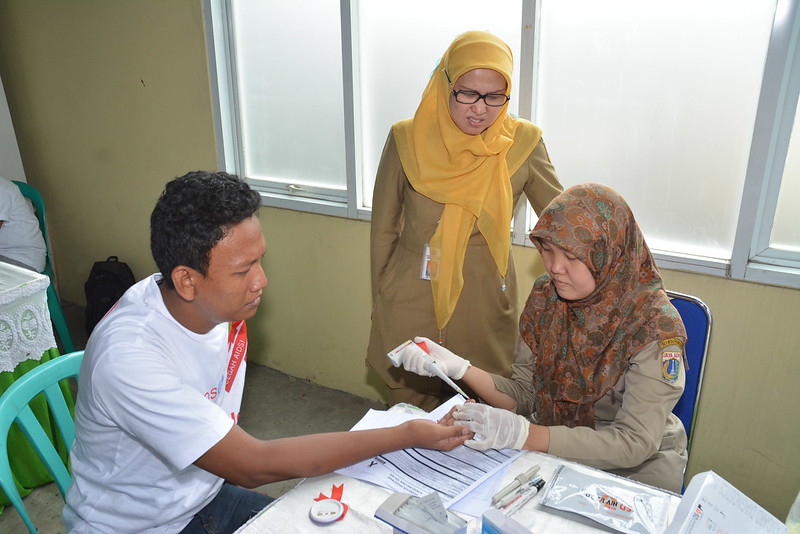 HIV/AIDS is an ongoing challenge in Indonesia. An estimated 540,000 people are living with HIV in the country. On average, there are 25,000-28,000 new HIV infection cases each year. The prevalence of HIV is increasing, with an estimated HIV prevalence of approximately 0.3% in the country. The age group most affected by HIV comprises individuals between 25 and 49 years old, while young people under the age of 19 make up approximately 5.8% of HIV cases. Alarmingly, only 64% of those living with HIV in Indonesia are aware of their positive status.
Prevention Efforts and Treatment
Indonesia has implemented various strategies to prevent new infections, including education campaigns, condom distribution, harm reduction programs and targeted interventions for key affected populations. Specifically, an organization by the name of AHF Indonesia has been implementing HIV testing and treatment programs in Indonesia since 2016. It provides laboratory tests, free ART drugs and capacity building for hospital staff. Advocacy programs aim to revise community testing and early treatment strategies. Efforts focus on preventing HIV transmission through education, especially among key populations in urban areas.
One of the most common methods of treatment is the ART drug. Consistency is vital in ensuring effectiveness. However, despite the importance of treatment adherence, it has been a significant challenge in Indonesia. Previous studies have highlighted numerous barriers and facilitators to adherence, such as stigma, discrimination and limited resources. This is why continued investments in prevention, early diagnosis and comprehensive treatment approaches are essential to reduce new infections and improve the quality of life for individuals living with HIV/AIDS in Indonesia.
Collaborative Efforts
The National AIDS Commission (KPA) and the Ministry of Health are key institutions responsible for developing and implementing policies related to prevention, treatment and care. These policies aim to address the challenges of the epidemic, promote awareness, reduce stigma and discrimination and ensure access to quality services. Additionally, collaboration between government agencies, civil society organizations and international partners is essential for effective policy implementation. The Indonesia HIV/AIDS Prevention and Care Project (IHPCP) is a collaborative initiative working in partnership with the Government of Indonesia. IHPCP has played a pivotal role in the country’s response to HIV/AIDS, making significant contributions in various areas.
One notable achievement has been its pioneering work in implementing Needle and Syringe Programs (NSP) to prevent the transmission of HIV among people who inject drugs. Additionally, IHPCP has been instrumental in promoting and supporting methadone programs, which have proven effective in harm reduction efforts. The project operates through collaboration with both the public health system and non-governmental organizations (NGOs), ensuring a comprehensive and multi-sectoral approach to HIV/AIDS prevention and care in Indonesia.
Looking Ahead
As the fight against HIV/AIDS in Indonesia continues, there are promising prospects for the future. Strengthening prevention efforts, enhancing access to treatment and care and reducing stigma and discrimination are key areas that demand attention. Intensifying education and awareness campaigns, implementing innovative prevention strategies and expanding targeted interventions for key populations can contribute to reducing new infections. By prioritizing these areas, Indonesia can forge a path toward a future where new infections are minimized, quality care is accessible to all, and the impact of HIV/AIDS is significantly reduced.
– Elizabeth Watters
Photo: Flickr
