Improving Health Care Accessibility in Developing Countries
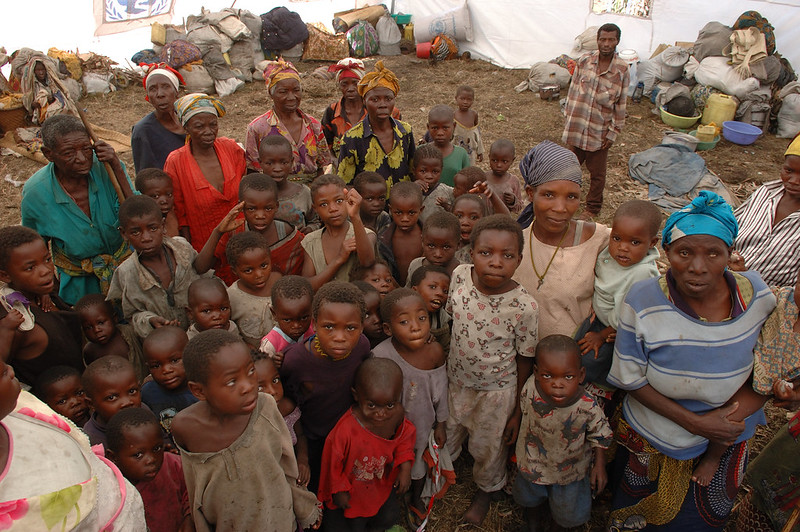 Approximately 1.2 billion people live in acute, multidimensional poverty across 111 developing countries. Many suffer from preventable and curable diseases due to limited access to health care services. According to a Geneva report by the International Labour Organization (ILO), 56% of rural residents do not have access to essential health care services. Currently, 800 million people allocate at least 10% of their household budgets to health expenses for themselves, a sick child or another family member. For nearly 100 million people, these expenses are substantial enough to push them into extreme poverty, forcing them to survive on $1.90 or less per day. Globally, many countries collaborate with the World Health Organization (WHO) to provide essential health services to the most vulnerable and needy populations.
Implementation of Telemedicine in Cambodia
Implementing telemedicine in Cambodia has significantly improved health care accessibility, largely through initiatives like Operation Village Health, part of the broader Village Leap program. This program, established by Japan Relief for Cambodia and American Assistance for Cambodia, aims to rehabilitate the country after the Khmer Rouge reign and the Vietnam War by bringing technology to rural areas. Operation Village Health uses this infrastructure to support local health workers, build capacity and provide medical care to those without expertise. An email-based telemedicine program established in 2001 allows Harvard-affiliated physicians to offer clinical recommendations to Cambodian health workers, enhancing the quality of care in remote areas.
Mobile Clinics in Madagascar
Since June 2022, mobile clinics have been crucial in improving health care accessibility in Madagascar. Funded by the United Nations Central Emergency Response Fund, 20 mobile clinics have been reaching remote and hard-to-access areas, providing essential health services to around 1 million people. These clinics have been especially vital in restoring health care services, such as vaccinations, following the destruction caused by cyclones Batsirai and Emnati, which destroyed more than 150 health facilities and left 800,000 people without access to health care. Staffed by trained health professionals who travel by various means, these mobile clinics have provided care and vaccinations and strengthened epidemiological surveillance and the detection of vaccine-preventable diseases in isolated communities.
Training Health Care Workers in Liberia
Training health care workers in Liberia through the Last Mile Health’s From Response to Recovery program has significantly improved health care accessibility. This initiative focused on building resilient health systems by investing in community and frontline health workers. Over three years, the program strengthened the National Community Health Assistant Program, rolled out a digital training platform and developed online educational resources for health system leaders. Additionally, it advocated for integrated community health worker systems, which improved the capacity to deliver essential health services, especially in remote areas. This approach enabled better health care access and quality for the communities in Liberia.
Investing in Health Care Infrastructure in Morocco
With the population steadily increasing in Morocco and a large segment entering an age group that typically requires more medical attention, demand for health care facilities, medical services and pharmaceuticals has surged. The Moroccan government has shown a strong dedication to upgrading health care infrastructure and services through initiatives like the National Health Plan (Plan Santé 2025). This plan offers long-term stability and support for the health care sector, creating a secure environment for investments. Investors can explore opportunities in public-private partnerships (PPPs) and other investment options in health care. This collaborative approach has led to the development of a robust health care system, ensuring better access to essential medical services for the Moroccan people.
Health Information Technologies in Nigeria
Utilizing health information technology, particularly through the adoption of electronic medical records (EMRs), is significantly improving data management and resource distribution in Nigeria, thereby improving health care accessibility in developing countries. By implementing EMRs, Nigeria’s health care system has seen improvements in patient care and overall health care efficiency. EMRs facilitate better data management, enabling health care providers to track patient histories, streamline workflows and reduce errors. Despite challenges such as inadequate infrastructure, lack of training and limited funding, the Nigerian experience emphasizes the importance of government support and investment in technology and training. This approach not only addresses the unique needs and constraints of developing countries but also sets a precedent for other nations looking to improve their health care systems through advanced health information technology.
Looking Ahead
Improving health care accessibility in developing countries requires a multifaceted approach that addresses various barriers to quality care. The innovative strategies discussed, telemedicine in Cambodia, mobile clinics in Madagascar, community health worker training in Liberia, infrastructure investment in Morocco and health information technology in Nigeria, demonstrate the potential for significant improvements in health care delivery. By focusing on these targeted interventions, developing regions can potentially make significant advancements toward fair and effective health care systems. These ongoing efforts not only improve the quality of care but also foster healthier communities, facilitating sustained development and well-being.
– Maria Urioste
Maria is based in Maspeth, NY, USA and focuses on Good News for The Borgen Project.
Photo: Flickr
