This is the sixth in a series of posts focusing on the UN’s Millennium Development Goals. The MDGs are a set of eight interrelated goals that were agreed upon by over 180 countries worldwide. They aim to improve the social, economic, and political lives of all people, and are to be achieved by 2015. Two years out from this deadline, it is important to recognize how far we’ve come and how far we have to go.
The sixth MDG is made up of three targets aimed at combatting HIV/AIDS, malaria, and other diseases. Progress has been made on each of the three objectives. These three goals are to:
- Have halted and begun to reverse the spread of HIV/AIDS by 2015
- Achieve universal access to treatment for HIV/AIDS by 2010
- Have halted and begun to reverse the spread of malaria and other major diseases by 2015
New HIV infections are declining in most regions. Although, with improved health care resulting in less deaths from AIDS, more people are living with HIV than ever. This makes it even more difficult to contain the disease, resulting in a fairly high and inelastic 2.5 million new infections each year. This phenomenon is not helped by the fact that complete knowledge of HIV transmission and condom use are still low among the younger population.
Over two-thirds of new HIV cases occur in sub-Saharan Africa, presenting an opportunity for redoubled efforts there to increase public awareness and improve access to treatment. It is also important to improve the lives of HIV victims and their families in the short-term. For example, more orphans are attending school thanks to programs to minimize the effects of AIDS.
Availability of treatment for HIV/AIDS increased in all regions between 1990 and 2011, although universal access was not achieved by the goal date of 2010. During 2011, significant progress was made in providing care to the 34 million people living with HIV worldwide. The number of people receiving antiretroviral therapy (ART) that year jumped from 6.6 million to 8 million. By the end of 2012, 9.7 million people in developing nations had access to ART. ART is usually a combination of at least three drugs that keep the HIV virus under control. The technique has consistently been shown to reduce mortality and suffering rates among individuals with HIV, and is most effective in the early stages of the disease. This makes it even more important that universal access to treatment is achieved. Roughly 15 million people in developing areas are in need of ART. Currently, 55% of this need is being met and, as of 2011, eleven countries have achieved universal access to ART. Building upon this progress will ensure that all HIV patients receive the treatment they need.
One of the most troublesome things about HIV/AIDS is that it weakens the immune system and makes patients more vulnerable to a wide variety of other diseases. This is harmful to patients already suffering from HIV, and it increases the transmission rates of diseases such as malaria and tuberculosis (TB) to otherwise healthy people. The third facet of MDG 6 is concerned with these other diseases. Exciting progress has been made in regards to malaria and TB in recent years, propelling us towards a future without these diseases.
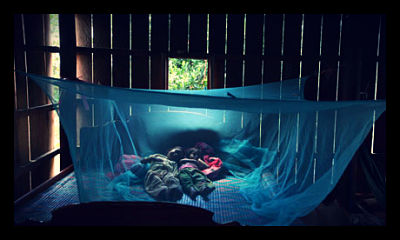
Between 2000 and 2010, the incidence of malaria fell by 17% and the malaria-specific mortality rate fell by a full quarter. This represents 1.1 million lives saved from this horrifying disease. Malaria is caused by a parasite that is transmitted by the bites of infected mosquitoes. One effective and simple way to prevent the spread of malaria is to sleep under bed nets treated with insecticides. Now, thanks to increased funding, more children in sub-Saharan Africa are sleeping safely under these nets. This type of preventive work with children is especially important, given that the majority of people who die from malaria are children under five in Africa. It also aids in working towards the fourth MDG: a two-thirds reduction of the 1990 child mortality rate by 2015. This is just one example of the numerous intersections of the eight MDGs. When malaria prevention and treatment opportunities improve, child mortality generally falls. In fact, when a country expands the availability of malaria control interventions, child mortality drops by about 20%.
Tuberculosis (TB) is another prevalent infectious disease facing the developing world today. In 2011, it infected an estimated 8.7 million people and killed roughly 1.4 million. TB is caused by a bacterial infection most often occurring in the lungs. It is transmitted by water droplets from the throat and lungs of infected individuals. People with strong immune systems are generally able to fight off the disease without symptoms. However, for people whose immune systems are compromised in any way, including individuals who are HIV-positive, TB becomes a life-threatening illness. Treatment for this disease lasts six-months, and universal access has yet to be achieved. Despite these obstacles, however, 51 million people were successfully treated for TB between 1995 and 2011. Over that time period, the world saw the mortality rate for TB decrease by over 40%. These incredible innovations have been possible by prolonged efforts on many fronts. These include a WHO program aiming to detect TB earlier in Swaziland, the country with the highest rate of TB, and cheaper testing thanks to a partnership between the US government, the Bill and Melinda Gates Foundation, and Unitaid.
HIV/AIDS, malaria, and TB represent some of the greatest causes of poverty in the world today. These debilitating and often fatal diseases dramatically affect the lives of billions of people worldwide, and the progress made so far is astounding. Treatment for HIV is more available than ever before. Incidence of malaria is on the decline, as is the mortality rate for people suffering from it. TB testing and treatment are becoming increasingly available, effective, and efficient. These incredible achievements are just the beginning. They should serve to show us that we can effectively prevent and treat even the most widespread diseases, that we can save millions of lives every year, and that we are capable of much more than we think.
– Katie Fullerton
Sources: WHO Table WHO ART Information WHO MDG UN The Guardian
Photo: The Guardian

Post War Struggles: Poverty in Bosnia-Herzegovina
In 1992, a major conflict developed within Bosnia and Herzegovina. Serbians and Croatians living in Bosnia hoped to make the country a part of their own. Led by Slobodan Milosevic, the Serbians and Bosnians raged a violent war, resulting in over 100,000 lives lost. Years later, the remnants of the war are still inflicting damage on the citizens of Bosnia.
In total, 100 billion United States dollars worth of damage was inflicted on the country during the three-year war. Nearly half of the Bosnia-Herzegovina population fled the country following the war. This impact has been significant, making BH one of the poorest countries in Europe.
The majority of the poverty resides in rural areas, where the failures of the market economy have become evident. The damage from the war had a profound impact on the Bosnian farmers. Nearly ninety percent of their livestock were killed in the struggle and over half of their assets lost. These misfortunes have resulted in an extremely high unemployment rate. For farmers in an area where cultivation and agriculture is already difficult to make a living off of, these blows have been crippling.
Another reason for the high poverty rate in Bosnia and Herzegovina is the focus on post-war reconstruction. The majority of the areas that received support and rebuilding were the highly populated urban areas of the country. This left the citizens residing in rural areas, which make up the majority of the population, on their own.
The post-war poverty struggles have had the most significant impact on the women of Bosnia. Unable to form working skills and lacking the same civil rights as men, many women have become susceptible and vulnerable to prostitution and trafficking. The impact on women has severely affected Bosnian families. The amount of households headed by a woman has increased by one to four following the war. These women are often unable to obtain suitable incomes to support their children.
Bosnia-Herzegovina is a perfect example of the long-term impacts war can have on an economy and a society. They continue to try to lift themselves out of the devastation today.
– William Norris
Sources: Rural Poverty Portal, Mtholyoke.edu
Photo: A Woman’s War
Why Water Filters are a Game Changer
Approximately 3.575 million people die each year from water-related diseases, and about 5,000 children worldwide die everyday. 894 million people do not have access to clean water. The water crisis that plagues many developing nations is something that, while difficult to eradicate completely, can at least be managed with the help of foreign aid. There are many recent innovations to solve these water-related issues that are both cheap and cost-effective.
One of these innovations, the ceramic water filter, has already been implemented in nations such as Cambodia and Nigeria. However, the filter is also being used in poor areas of rural Texas near the Mexican border. B. Stephen Carpenter II, a professor at Pennsylvania State University, has recently become involved in producing ceramic water filters, which are made by a combination of claw and combustible material (e.g. sawdust) and then fired in a kiln. The ceramic filters are estimated to remove 95% of particulate matter (any types of bacteria or harmful substances that may carry diseases) from the water. The video above shows how Carpenter makes the filters.
Carpenter claims that the ceramic water filter is one of the most cost-effective types of water filtration. One filter, which costs about $15 US dollars, is enough for a family of four to have access to clean water for five years. It is no surprise that this effective filter has found success in developing countries as well. Since the introduction of the ceramic water filter in Cambodia in 2002, there has been a 50% drop in diarrheal illnesses. The program is already being expanded to become accessible to even more Cambodians who are in dire need of a simple way to make their water clean. UNICEF and the Water Sanitation Program (WSP) were given the Project Innovation Award Grand Prize in 2008 for their efforts in Cambodia.
– Sagar Desai
Sources: Inhabitat, Penn State News
Poverty in Belize
Belize has experienced a peaceful transition to a democratic government since gaining independence from the United Kingdom in 1981. The country’s global comparative advantage is derived from its natural resources, which supports the tourism and agriculture sectors, as well as its close geographical proximity to major markets. Challenges like poverty in Belize are due to high vulnerability to external shocks, including natural hazards, impacts of climate change, and terms of trade. The government’s ability to face these challenges is limited due to high debt levels and limited fiscal space.
As a lower middle-income country, Belize experienced a slowdown in growth and an increase in poverty after the global economic crisis, which accompanied increases in the prices of food and fuel price in 2008. The most recent Country Poverty Assessment indicates that between 2002 and 2009, the overall poverty rate increased from 34% to 41%, while extreme poverty increased from 11% to 16%. In 2010, the country resumed growth, with GDP growth reaching 2.9%. Although Belize’s economy has traditionally relied on agriculture, the services sector grew in importance during the 1990s. According to the World Bank, it is now the country’s largest contributor, accounting for 60% of GDP.
Data indicates that the overall economic growth experienced by the country might have failed to translate into an equal distribution of wealth and well-being. The Country Poverty Assessment states that, “inequality is therefore the manifestation of the central structural problem, which development policy in Belize must address”. The government of Belize continues to put the primary focus of its strategies on the fight against poverty.
Recently, the State Department through the U.S. Mission to Belize made plans to spend $500,000 to create jobs for youth and reduce poverty in Belize. The grant announcement said, “Marginalized youth are empowered when given a voice and opportunities. Equipping marginalized youth and their communities with economic opportunities and/or business training can help them reach their true potential as entrepreneurs and improve citizen security.”
The purpose of the grant proposal is to “confront the root causes of violence and crime in a creative and effective way and seek to create positive cultural and social conditions.” The U.S. Embassy may award up to 10 grants, which do not exceed a total of $500,000 USD. Eligible applicants are non-governmental organizations (NGOs), non-profit organizations (NPOs), International Government Organizations (IGOs), educational institutions, and individuals.
– Ali Warlich
Sources: World Bank, CNS News, Grants.gov
Photo: WordPress
LDS Charities Help Blind Child
The charity division of the Church of Jesus Christ of Latter Day Saints (LDS) works to provide sustainable solutions to global poverty. In doing so, the Utah-based religious organization has invested a significant amount of time and money in global programs to alleviate conditions for communities facing food, water, and medical supply shortages. For one father, LDS donations represent the difference between a child’s health and cancer.
John Rey Alegro is a two-year old child in the Patag District, Catbalogan City, Samar. Until recently, John Rey suffered from a congenital anomaly in his eyes. The anomaly, or retinoblastoma, plagued the young child since birth. Because he and his family live in a rural community in the Philippines, the condition had gone untreated.
Just recently, John Rey received an operation on the tumor in his eyes that, if successful, will free the child from all future complications. Though his sight will not return, LDS Charities made it possible for the family to sigh a breath of relief in knowing that their child has a strong chance of leading a somewhat normal life, albeit in visual darkness. Had the operation been performed at birth, John Rey would likely still have his sight.
The heartwarming story of John Rey is only one example of the highly valued work being done by LDS Charities in places like Samar. Rural communities often lack sufficient facilities to perform these complicated surgeries, which leave patients to deal with debilitating conditions on their own. This specific surgery, part of the LDS mission to provide sustainable solutions to poverty, was also a hands-on lecture given to local surgeons by the LDS medical representative.
The idea behind the hands-on lecture program is to not only provide much-needed medical care to the poor, but also educate medical staff in poor and rural communities. At least theoretically, local doctors are now able to address complications of this particular kind. Eventually, the program will reach a point at which local medical staff are capable of operating on their own and meeting the basic needs of the community.
– Herman Watson
Sources: Manila Channel LDS Charities Mormon Newsroom
Photo: LDS
What Does the Congressional Hunger Center Do?
In 1993 the Congressional Hunger Center (CHC), a nonprofit focused on making international and domestic hunger a priority for U.S. policymakers, was formed following a hunger strike by then Representative Tony Hall (D-Ohio). Now, 20 years later, the organization is still working to educate a generation of leaders to fight hunger and poverty both in the U.S. and abroad.
Hall was one of a trio of representatives (two Democrats and one Republican) that formed the House Select Committee on Hunger in 1983 to work on finding real solutions to global hunger. The Select Committee on Hunger operated for ten years until the House of Representatives allowed it and a number of other Select Committees to expire. In response Hall went on a 22 day fast that coalesced bipartisan support around hunger issues, and ultimately lead to the formation of the bipartisan CHC.
According to the CHC’s website, the organization’s mission is “to train and inspire leaders who work to end hunger, and to advocate public policies that create a food secure world. We strive to be a leader in the movement to ensure access to food as a basic human right for all people. We create and nurture a community of innovative and inspiring leaders who act as change agents, bridging the gap between grassroots efforts and national and international public policy to provide access to nutritious, affordable and culturally appropriate food.”
CHC has launched a number of initiatives in the U.S. and overseas since its founding. The organization received its first Volunteers in Service to America (VISTA) grant in 1994 to help establish a national anti-hunger leadership program. In 1995 the organization expanded its scope overseas with a humanitarian assistance initiative in the wake of the Rwandan genocide. The organization also secured a grant from the U.S. Institute of Peace to conduct humanitarian emergencies research in Bosnia around the same time.
CHC also administers two fellowship programs, the Mickey Leland International Hunger Fellows and the Bill Emerson National Fellowship. The programs were named for founding Congressional members of the House Select Committee on Hunger and the CHC respectively. Both were established with Congressional funds allocated through the U.S. Department of Agriculture (USDA) in 1999. CHC partners with some universities, such as Carnegie Mellon University’s John Heinz III College for fellows from the two programs to support their degrees.
Both fellowship programs support placement of fellows with organizations either in the U.S. or in developing countries, as well as provide some training.
– Liza Casabona
Sources: Congressional Hunger Center, Carnegie Mellon University
Photo: Congressional Hunger Center
World Bank Proposals for Improved Land Governance
New and improved land governance policies may give Africa the opportunity to revolutionize agricultural productivity and eradicate poverty. Nearly half of the world’s uncultivated land is found in Africa, with nearly 202 million hectares that have the potential to produce revenue and food security for its people. Despite this fact, Africa has the highest poverty rate in the world.
A new World Bank report released on July 22nd titled “Securing Africa’s Land for Shared Prosperity” proposes that weak land governance, or the way in which land rights are defined and administered, may be the direct cause of the problem. Africa’s development record supports the argument that the continent has not made use of its abundant agricultural land and natural resources for shared and sustained growth.
It is estimated that half of all Africans will have shifted from rural areas to cities by 2050. The current gap between rich and poor communities will become steadily more pronounced as communities and governments face the challenge of growing enough nutritious and affordable food for all families on the continent.
“Despite abundant land and mineral wealth, Africa remains poor,” says Makhtar Diop, World Bank Vice-President for Africa. “Improving land governance is vital for achieving rapid economic growth and translating it into significantly less poverty and more opportunity for Africans, including women who make up 70% of Africa’s farmers yet are locked out of land ownership due to customary laws. The status quo is unacceptable and must change so that all Africans can benefit from their land.”
The report lays out reforms in Malawi, Uganda, Tanzania, Mozambique, Ghana and other countries, and demonstrates how many countries in Sub-Saharan Africa recognize gender equality and customary land rights. These two issues provide a foundation for productive land administration.
10 steps have been produced, some of which are based on lessons learned from agricultural land reforms put in place in China and Brazil, as well as land rights reforms in the slums of Argentina and Indonesia. The steps include:
According to Jamal Saghir, World Bank Director for Sustainable Development, improving Africa’s agricultural sector is necessary for growth, the creation of jobs, investment, and in turn, less poverty. Serious challenges will need to be addressed to pilot the innovative approach to improve land governance. “Land grabs” by investors have already claimed millions of hectares of land, in some instances even pushing established communities off the land.
The report, however, argues now is the right time for land reform. Growing commodity prices and strong foreign investment, established global initiatives for land reform, and new laws that recognize land rights and gender equality have created a platform for large-scale land rights progress.
– Ali Warlich
Sources: World Bank, All Africa
Save the Children and Merlin Join Forces
The international NGO, Save the Children, and U.K.-based global health nonprofit Merlin, have joined together to create one organization.
As of July 16, Merlin’s board of trustees stepped down, and Merlin officially became a part of Save the Children, under a new board. Merlin’s CEO Carolyn Miller claimed that the new organization would be a “global humanitarian health force” that would benefit from Merlin’s expertise and Save the Children’s heritage and reach.
The hope, according to Save the Children’s CEO Justin Forsyth, is that the two will become a stronger entity with each other’s help. While the transition is occurring, Merlin will remain a separate legal entity and a transition team has already been put in place to help phase Merlin’s oversees overseas program and head office into Save the Children. The process is expected to be complete in 18 months.
Some are concerned that with the combination, programs will have to be cut in order to focus on the overall goal of the new organization. However, one nonprofit partnered with Save the Children, the Zone One Tondo Organization (ZOTO), which gives aid to children in the Philippines, says it sees promise in the joining of the two organizations. In addition to giving aid to children, ZOTO also focuses on disaster relief, an area that new resources from Merlin will be able to provide help.
While the news of Save the Children and Merlin teaming up has attracted much attention due to the size of the organizations (Save the Children works in 125 countries, and Merlin has over 5,000 employees) this is certainly not the first time NGOs have partnered up in order to make more of an impact. Save the Children’s press release called the new team an effort for a sustainable future in light of the “tough external environment for NGOs.” The economy is picking up after the latest recession, but it is still tough for nonprofits to survive.
NGO’s are also in competition with each other as they start up and grow in popularity. As a result, many of the smaller ones are being engulfed by the larger ones. The larger ones will also subcontract to the smaller ones, leaving them only doing part of their work, rather than directly helping those they’re trying to help.
However, while this has happened in several cases, Oxfam International’s Chief Executive Winnie Byanyima, is hesitant to call NGO mergers a “trend.” According to Byanyima, nonprofits have been coming together for decades in the form of partnerships and NGO coalitions to work together in order to maximize their voice. Most NGOs are looking to do the same basic thing – to help people – and sometimes the best way to do that is to join forces.
– Emma McKay
Sources: Devex, The Guardian, World Crunch
American Refugee Committee International 101
About
The American Refugee Committee (ARC) is an international nonprofit organization that has provided humanitarian assistance and training to millions of beneficiaries over the past 35 years. The ARC works with refugee communities in eight countries around the world – Haiti, Liberia, Pakistan, Rwanda, Somalia, Sudan, Thailand, and Uganda. The people ARC serve have experienced devastating circumstances leaving many of them with nothing. ARC provides them with a number of resources including shelter, clean water, sanitation, healthcare, skills training, education, protection and whatever additional support needed for new beginning.
The Mission
The ARC works hand in hand with its partners and constituencies to provide unique opportunities to refugees, displaced people, and host communities. The goal is to help these people survive conflict and crisis and rebuild lives of dignity, health, security and self-sufficiency.
Programs and Services
Conflict and disaster have devastated numerous countries throughout the world, forcing many innocent victims to flee for safety, sometimes with nothing more than the clothes on their backs. ARC programs are formed by listening to the people they serve, understanding existing problems, designing practical responses, and training survivors to endure the work even after the peace is restored. The ARC also provides a number of beneficial services including gender-based violence prevention and response, economic opportunity development services, and reproductive healthcare services.
What is ARC Doing?
Recently many of ARC’s aid workers have been helping Syrian refugees who have fled the civil war. The camp, located in the Jordanian city of Mafraq, is currently sheltering more than 100,000 people. The camp only represents a small portion of refugees who have been forced out of their homes by the Syrian conflict that has been taking place for more than two years. ARC officials expect the organization will remain in Jordan for while to help provide water and sanitation for another refugee camp that is being planned there. The new camp will potentially handle as many Syrian refugees as the original camp.
How You Can Help
The smallest act of kindness can make a huge difference. Any amount of effort or support can be helpful to people with nowhere to go. There are a number of ways to get involved:
– Scarlet Shelton
Sources: ARC Relief Twin Cities
Photo: Global Impact
5 Facts About Mogadishu
When most people consider Mogadishu, the capital of Somalia, they often associate the city with piracy, terrorism, or instability. However, after a long history of violence and political volatility, Mogadishu is actually on an upswing. This is not to say that all of the problems plaguing Mogadishu in recent years have been solved, but there is slow and steady progress being made since the injection of foreign aid.
– Sagar Desai
Sources: BBC, The Borgen Project
Photo: CNN
MDG 6: HIV/AIDS, Malaria, & other Diseases
This is the sixth in a series of posts focusing on the UN’s Millennium Development Goals. The MDGs are a set of eight interrelated goals that were agreed upon by over 180 countries worldwide. They aim to improve the social, economic, and political lives of all people, and are to be achieved by 2015. Two years out from this deadline, it is important to recognize how far we’ve come and how far we have to go.
The sixth MDG is made up of three targets aimed at combatting HIV/AIDS, malaria, and other diseases. Progress has been made on each of the three objectives. These three goals are to:
New HIV infections are declining in most regions. Although, with improved health care resulting in less deaths from AIDS, more people are living with HIV than ever. This makes it even more difficult to contain the disease, resulting in a fairly high and inelastic 2.5 million new infections each year. This phenomenon is not helped by the fact that complete knowledge of HIV transmission and condom use are still low among the younger population.
Over two-thirds of new HIV cases occur in sub-Saharan Africa, presenting an opportunity for redoubled efforts there to increase public awareness and improve access to treatment. It is also important to improve the lives of HIV victims and their families in the short-term. For example, more orphans are attending school thanks to programs to minimize the effects of AIDS.
Availability of treatment for HIV/AIDS increased in all regions between 1990 and 2011, although universal access was not achieved by the goal date of 2010. During 2011, significant progress was made in providing care to the 34 million people living with HIV worldwide. The number of people receiving antiretroviral therapy (ART) that year jumped from 6.6 million to 8 million. By the end of 2012, 9.7 million people in developing nations had access to ART. ART is usually a combination of at least three drugs that keep the HIV virus under control. The technique has consistently been shown to reduce mortality and suffering rates among individuals with HIV, and is most effective in the early stages of the disease. This makes it even more important that universal access to treatment is achieved. Roughly 15 million people in developing areas are in need of ART. Currently, 55% of this need is being met and, as of 2011, eleven countries have achieved universal access to ART. Building upon this progress will ensure that all HIV patients receive the treatment they need.
One of the most troublesome things about HIV/AIDS is that it weakens the immune system and makes patients more vulnerable to a wide variety of other diseases. This is harmful to patients already suffering from HIV, and it increases the transmission rates of diseases such as malaria and tuberculosis (TB) to otherwise healthy people. The third facet of MDG 6 is concerned with these other diseases. Exciting progress has been made in regards to malaria and TB in recent years, propelling us towards a future without these diseases.
Between 2000 and 2010, the incidence of malaria fell by 17% and the malaria-specific mortality rate fell by a full quarter. This represents 1.1 million lives saved from this horrifying disease. Malaria is caused by a parasite that is transmitted by the bites of infected mosquitoes. One effective and simple way to prevent the spread of malaria is to sleep under bed nets treated with insecticides. Now, thanks to increased funding, more children in sub-Saharan Africa are sleeping safely under these nets. This type of preventive work with children is especially important, given that the majority of people who die from malaria are children under five in Africa. It also aids in working towards the fourth MDG: a two-thirds reduction of the 1990 child mortality rate by 2015. This is just one example of the numerous intersections of the eight MDGs. When malaria prevention and treatment opportunities improve, child mortality generally falls. In fact, when a country expands the availability of malaria control interventions, child mortality drops by about 20%.
Tuberculosis (TB) is another prevalent infectious disease facing the developing world today. In 2011, it infected an estimated 8.7 million people and killed roughly 1.4 million. TB is caused by a bacterial infection most often occurring in the lungs. It is transmitted by water droplets from the throat and lungs of infected individuals. People with strong immune systems are generally able to fight off the disease without symptoms. However, for people whose immune systems are compromised in any way, including individuals who are HIV-positive, TB becomes a life-threatening illness. Treatment for this disease lasts six-months, and universal access has yet to be achieved. Despite these obstacles, however, 51 million people were successfully treated for TB between 1995 and 2011. Over that time period, the world saw the mortality rate for TB decrease by over 40%. These incredible innovations have been possible by prolonged efforts on many fronts. These include a WHO program aiming to detect TB earlier in Swaziland, the country with the highest rate of TB, and cheaper testing thanks to a partnership between the US government, the Bill and Melinda Gates Foundation, and Unitaid.
HIV/AIDS, malaria, and TB represent some of the greatest causes of poverty in the world today. These debilitating and often fatal diseases dramatically affect the lives of billions of people worldwide, and the progress made so far is astounding. Treatment for HIV is more available than ever before. Incidence of malaria is on the decline, as is the mortality rate for people suffering from it. TB testing and treatment are becoming increasingly available, effective, and efficient. These incredible achievements are just the beginning. They should serve to show us that we can effectively prevent and treat even the most widespread diseases, that we can save millions of lives every year, and that we are capable of much more than we think.
– Katie Fullerton
Sources: WHO Table WHO ART Information WHO MDG UN The Guardian
Photo: The Guardian