Food Crisis: Malnutrition and Poverty in Peru
 Peru has had a volatile relationship with poverty for decades. In the mid-1980s to early 1990s, people had suffered the peak of poverty in Peru in the past 100 years; about 50% of the population lived in poverty. After decreasing, in 2024, the poverty rate rose again to about 30%. Malnutrition has also become a prominent issue in Peru and is one of the most significant health risks that continues to affect Peru’s poverty to this day.
Background
Peru suffers not only from malnutrition but overnutrition as well. To combat these issues, there are policies put that only address one issue or the other, leading to an imbalance in the progress towards both malnutrition and overnutrition.
Another leading cause for malnutrition in Peru is inaccessible health care due to the lack of professional health care providers and limited government funding for public health in Peru. In 2022, for every 10,000 people, there were only 12.2 physicians and 12.8 nurses. Rural areas face the most trouble when it comes to accessing healthcare, with only 17.6 health care professionals for every 10,000 people.
A large majority of Peru’s population suffers from food insecurity. While Peru is known for its agricultural biodiversity, a lot of necessary nutritious food is expensive and inaccessible to lower income families and especially those in poverty, leading to malnutrition.
The Effects of Malnutrition
Nutrients are a human necessity. building up the body, muscles, bones, nerves, skin, immune system and keeping the blood circulating. It also gives the brain the energy it needs to keep the body going and is an important factor in cognitive thinking.
Without proper nutrition, the body faces many consequences. Malnutrition leads to a weakened immune system, making the body more susceptible to infection, illness and disease. It also hinders recovery, making it exceedingly more difficult to heal from illnesses already present.
A lack of nutrients has not only an effect on the health of the body, but the health of the mind as well. Those suffering from malnutrition have an increased risk of depression and anxiety. It also obstructs cognition, making it difficult to make decisions, problem-solve and regulate emotions.
Malnutrition and Poverty in Peru
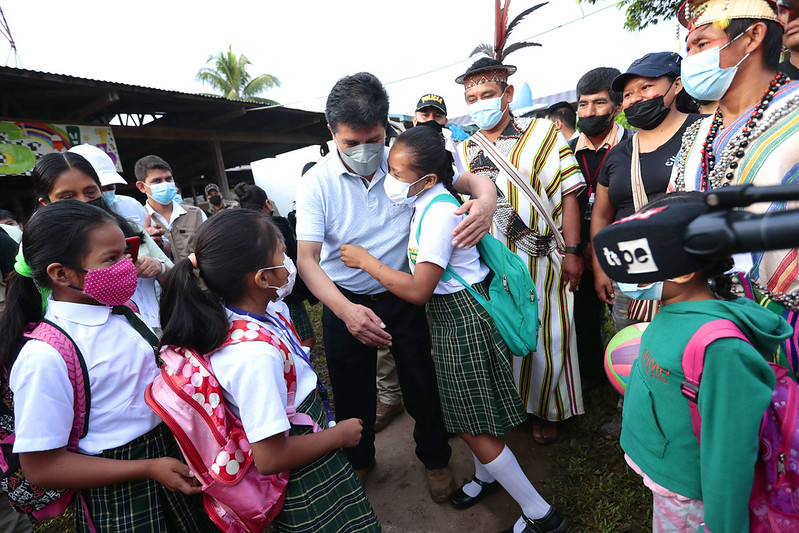
Children under the age of 5 are one of the biggest victims of malnutrition, particularly indigenous children. Approximately two out of 10 children suffer from malnutrition in Peru, 38% of indigenous children and 24% of children in rural areas are malnourished, compared to 20% of non-indigenous and 7% of urban children who lack nutrients.
Due to the negative effect malnourishment has on the mind and body, it impacts people’s health and productivity, making work more strenuous, not only leading people to poverty, but also making it significantly more difficult to escape it. This pattern makes it challenging to reduce poverty in Peru.
It also influences the economy. Without decreased productivity from workers due to malnutrition, economic growth decreases and health care costs increase. Not only does this affect the economy, but it also highly impacts the already vicious cycle of poverty and malnutrition. Without proper economic flow, the country cannot provide enough resources or help to those suffering from low income and food insecurity, and therefore, the issues only increase.
Current Solutions for Malnutrition in Peru
Without proper finances, it is difficult to access healthcare, especially as a parent with responsibility over one or multiple children. However, with help, it is possible. That is what the World Bank’s Juntos program provides. To combat malnutrition and poverty in Peru, it provides financial support to families, particularly aimed towards mothers in poverty and low-income households, in exchange for taking their children to regular health care check-ups.
There are also many organizations that fight against poverty, one of them being Action Against Hunger. It partners up with local governments to strengthen the health care system, improve food security and access to clean water, provide hygiene supplies as well as give women opportunities to make their own income.
Nutrients are an important factor in human life. They are necessary to perform any task, no matter how big or small. Without them, the human body would cease to function. To improve productivity, health and poverty in Peru, every person must have access to nutritious food. The happier and healthier the people, the more a country will thrive.
– Sevyn Whatley
Sevyn is based in Toronto, Ontario, Canada and focuses on Global Health for The Borgen Project.
Photo: Flickr
