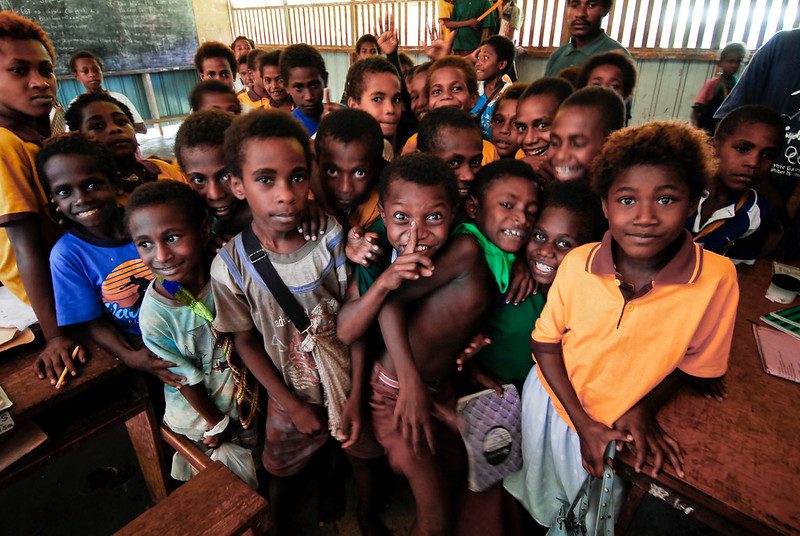
 Trachoma is an infectious disease causing in-turning of the eyelids, visual impairment and often irreversible blindness. The disease is associated with crowded households and inadequate hygiene, access to water, and access to and use of sanitation, primarily affecting women and children within poor and rural regions. According to 2024 data, 103 million people worldwide live in trachoma endemic areas and are at risk of irreversible blindness. However, light is emerging from the dark. Following a 13-year-long struggle against the infectious disease, Papua New Guinea eradicated trachoma as a public health concern, as announced at the 78th World Health Assembly in Geneva.
About Trachoma
Trachoma is one of many neglected tropical diseases (NTDs) ― complex conditions prevalent among impoverished tropical areas and often transmitted through vectors, making them major public health concerns. Almost absent from the global health agenda, NTDs do not get enough resources and attention, perpetuating cycles of poverty, stigma and social exclusion within neglected populations
Trachoma is the leading infectious cause of blindness worldwide and is responsible for the visual impairment or blindness of more than 1.9 million people, according to the World Health Organization (WHO). The bacterium Chlamydia trachomatis spreads through personal contact, such as sharing beds, clothing, and surfaces, and by flies that have come into contact with discharge from the eyes or nose of an infected individual. The average immune system can overcome a single episode of infection but in endemic communities, infection re-occurs frequently, often leading to years of constant infection. If untreated, the infection can cause the eyelid to turn inward, resulting in pain, light intolerance, and eventually irreversible visual impairment or blindness.
Trachoma’s impact is especially harsh in remote and impoverished areas where access to care is limited. Prevalence rates are especially high among pre-school-aged children (as high as 60-90%), and due to greater contact with infected children, women experience trachoma blindness four times as often as men, WHO reports. Blindness and visual impairment cause significantly reduced productivity, the economic cost of which is estimated to be $8 billion per year
Global Elimination Strategies
As of October 21st 2024, 21 countries worldwide have successfully eradicated trachoma as a public health problem, including Cambodia, Ghana and Pakistan. These previously endemic countries implemented the WHO-recommended SAFE strategy, which encompasses:
- Surgery to treat trachomatous trichiasis (the blinding stage of the disease)
- Antibiotics to clear the infection (specifically mass administration of azithromycin)
- Facial cleanliness
- Environmental improvement (especially enhancing access to sanitation and clean water)
Papua New Guinea Elimination Strategy
Foundational efforts to eliminate trachoma in Papua New Guinea began in 2012, with organizations including Collaborative Vision, The Brian Holden Vision Institute and The Global Trachoma Mapping Project contributing towards the effort. However, surveys in Papua New Guinea revealed that despite signs of active trachoma in children, there were very low levels of Chlamydia trachomatis and negligible levels of trachomatous trichiasis, suggesting that children were not progressing to severe stages of the disease.
As a result, Papua New Guinea’s National Department of Health organized a series of further assessments, surveys and investigations, building a comprehensive understanding of trachoma’s status in the country. This confirmed that community-wide interventions such as mass antibiotic distribution and large-scale surgery were not necessary. Unlike other countries where trachoma elimination required vast surgery campaigns, mass antibiotic administration and targeted improvements in access to water, hygiene and sanitation, Papua New Guinea’s success was fueled by vigorous disease surveillance.
This is a powerful testament to the country’s ability to adjust its health strategies to the realities of local communities, ensuring the safety of its population whilst reducing unnecessary resource use. Dr Ana Campa, Trachoma Coordinator of the Fred Hollows Foundation New Zealand, stated that “Trachoma in Papua New Guinea is complex and presents atypically. Additional research and ancillary surveys … [were] crucial in understanding the picture of trachoma in the country and ultimately moving the country into drafting its dossier.”
A Clearer Future
To date, 56 countries globally have eliminated at least one NTD, including 22 that have eliminated trachoma as a public health issue. Papua New Guinea eradicated trachoma not only as a medical milestone, but as a demonstration of how context-specific strategies can achieve lasting health improvements. With the list of countries eliminating NTDs rapidly growing, we are gaining considerable momentum towards a world where NTDs are no longer a significant threat to vulnerable populations.
WHO and its partners remain dedicated to helping countries like Papua New Guinea protect their progress against trachoma and move closer to eradicating more NTDs, protecting the world’s poor.
While WHO’s SAFE strategy remains vital to tackling trachoma, Papua New Guinea’s success in eradicating the fatal disease provides a clear example of how innovative strategies rooted in distinct local realities can lead to sustainable health victories.
– Holly McArthur
Holly is based in Somerset, UK and focuses on Good News and Global Health for The Borgen Project.
Photo: Flickr

The Beggars Corporation: Empowering Entrepreneurs in India
The Beggars Corporation
BC operates under a “One Beggar, One Mentor” system. Rather than seeking support from the government or major NGOs, the company engages wealthier Indian citizens as mentors and investors. Selected participants receive training in vocational skills, such as tailoring or business management. For example, Rajni, BC’s first BTE, learned embroidery and went on to create two brands: Bagful of Dreams and Enchanted Shirts. Once trained, each BTE partner works with their mentor and BC to form a legal business entity called a Special Purpose Vehicle (SPV). Each SPV allocates 24% ownership to the BTE, 24% to the mentor and 52% to BC. During training, participants also receive a monthly stipend of 10,000 INR.
Investment With Social Returns
In BC’s first investment round, 57 individuals each contributed and earned a 33.5% annual return on investment. Currently, mentors invest 200,000 INR over three years. The “handholding” phase follows training, where mentors help BTEs manage finances, navigate regulatory compliance and market their products. After three years, mentors recover their investment with returns and BTEs can choose to continue their business or pursue other employment.
Expanding Impact
To help create entrepreneurs in India, BC has expanded operations beyond the One Beggar, One Mentor scheme. Although BC began in Varanasi, it recently expanded to Dehradun, the capital of Uttarakhand, by signing a Memorandum of Understanding (MoU) to eliminate begging in the city. There, BC will open another School of Life, an education program for child beggars. The program offers academic instruction up to the equivalent of the 10th grade, along with vocational training through a “Learn and Earn” model. BC also supports job creation beyond entrepreneurship. The Karma Cafe in Varanasi, launched under an SPV, has already created 12 jobs for former beggars. Other businesses, such as Helping Hands, a home cleaning service, have reportedly employed up to 100 former beggars.
Results and Real Stories
According to Mishra, 17 beggars became entrepreneurs in the program’s first two years. Including jobs created by BTE-owned businesses, the total number of beggars helped reaches about 1,000. In 2024 alone, 21 active BTE businesses generated more than $418,000 in revenue. Individual stories highlight the human impact. Rajni, once a street beggar, now works in a hospital and supports her son. Vishal, a 12-year-old formerly known as India’s “Mascot of Poverty,” now works as a tour guide and earns between $175 to $350 a month after graduating from the School of Life.
The Future
In less than three years, the Beggars Corporation has shown that sustainable business models can empower India’s poorest citizens. By altering the traditional model of charitable giving into a business venture, BC creates lasting, meaningful employment opportunities for India’s poor. By giving investors an interest in their donation in the form of a share in the SPV and by developing key business skills in their BTEs, the Beggars Corporation could help many individuals escape the cycle of poverty and may one day make India begging-free.
– Charles Citron
Photo: Flickr
Solar-Powered Clinics: Energizing Rural Health
The Challenges of Powerless Clinics
According to USAID’s Power Africa initiative, nearly 60% of health facilities in sub-Saharan Africa lack access to electricity and many others operate with unreliable power. This energy gap poses serious challenges to health care delivery, especially in rural regions such as northern Uganda and remote areas of Sierra Leone. Without dependable electricity, clinics struggle to store vaccines, power essential medical equipment or provide emergency services after dark- putting countless lives at risk during childbirth, disease outbreaks and other critical situations.
Powering Hope Through the Sun
Solar energy is increasingly being used to bridge the energy gap in health care facilities across sub-Saharan Africa. Through partnerships with national governments and organizations such as the UNDP, solar-powered clinics are getting the equipment that includes photovoltaic panels, battery storage and lighting solutions. In Uganda, for example, UNDP has worked alongside the Ministry of Health to provide solar energy systems to health centers, enabling continuous operation of critical services such as maternal care, vaccine refrigeration and the use of diagnostic equipment.
Real Impact in Remote Communities
Results show promise when looking at the establishment of solar-powered clinics and overall solar power to health facilities in Sierra Leone. In partnership with the Ministry of Health has commissioned solar energy systems in 25 primary health units (PHUs), as part of a broader initiative to electrify facilities nationwide. This investment is enhancing service delivery by ensuring constant power for lighting, vaccine refrigeration and essential medical equipment. With improved infrastructure, clinics can now operate around the clock, which not only strengthens health care outcomes but also increases public confidence in local health services.
Organizations Leading the Charge
One notable organization making a difference is We Care Solar, founded in 2010. It provides compact, solar-powered suitcases designed specifically for maternal care. These suitcases include high-efficiency lights, medical device outlets and phone chargers- all powered by solar panels. To date, more than 10,000 health centers are equipped with Solar Suitcases in more than 20 countries ultimately serving more than 18 million mothers and newborns.
In 2022, the African Development Bank (AfDB) launched the Desert to Power initiative, aiming to provide solar electricity to 250 million people across 11 countries. A significant portion of this effort focuses on health infrastructure in rural zones.
Solar-Powered Clinics: The Future
Solar-powered clinics represent a practical, scalable solution to improve healthcare access across sub-Saharan Africa. By ensuring round-the-clock care, safe vaccine storage and reliable diagnostics, these clinics are helping to reduce mortality rates and build resilient health systems.
As efforts expand, solar energy may prove to be not only a sustainable energy source but a life-saving one.
– Vasara Mikulevicius
Photo: Flickr
Migrant Communities in Portugal: Gentrification and Deportation
Deportation and the Rise of Populism
The recent rise in far-right populism and political strategy ahead of a general election has led to plans to deport 18,000 irregular migrants across Portugal. Luis Montenegro, leader of the center-right party Democratic Alliance and current Prime Minister, has faced criticism for announcing the deportation plans just before a snap election in May 2025 to gain voters. However, the Democratic Alliance didn’t win a majority. The head of the Socialist Party, Pedro Nuno Santos, resigned after winning the same number of seats as Chega, a relatively new far-right party rooted in anti-immigration rhetoric.
According to a Portuguese Migration and Home Affairs Office publication, attitudes toward immigrants among Portuguese people depend on their country of origin. Attitudes toward migrants from the Indian subcontinent, including countries such as India, Pakistan, Bangladesh and Nepal, are more negative. Moreover, 68% of the public believe Portugal’s immigration policies are too liberal. They also think that the presence of immigrants impacts their salaries, despite the country’s economic growth depending on sectors where most employees are migrants (such as agriculture and construction).
Gentrification and Touristification
Like many popular destinations, Portugal has become a victim of its success within the tourism industry. Lisbon had 5.6 million visitors in 2023 alone. Thanks to the rise of Airbnb, house prices are rapidly increasing while the availability of public housing is diminishing. In addition to touristification, digital nomads arriving in Portugal with higher salaries have contributed heavily to gentrification.
Although rent and house prices have risen by 120% in cities such as Lisbon, wage levels have remained stagnant. This means many people cannot afford to continue living in the neighborhoods where they grew up. Moreover, some of the neighborhoods most affected by gentrification are home to some of the most multicultural communities in Portugal, meaning that immigrants and working-class people are being pushed to the peripheries of their cities.
Organizations Empowering Migrant Communities
Despite the deportations of migrants and the cultural erosion of their neighborhoods, some grassroots organizations are stepping up. They support and empower migrant communities while resisting the effects of mass tourism, digital nomadism and far-right politics.
Focusing on integration and empowerment, the Lisbon Project operates across various domains, including community life, education, employability and social care. Some of its specific projects include the Benevolence Program, which provides free items such as furniture and home appliances to new arrivals). Others include the Portuguese Welcome Course and free Community Dinners, among many others. Despite currently only operating in Lisbon, the organization aims to expand into three hubs across Portugal by the end of 2030.
Working with various stakeholders, including the Lisbon City Council, Renovar a Mouraria has been coordinating community-strengthening services since 2008. These include integrated social support, migrant regularization, Portuguese language courses and vocational training. In addition to providing practical services, the NGO has fostered creativity and communication in the neighborhood. One example is Secondary Residence, a collaborative project where a group of residents produced a collective reflection. It was based on their interactions with local people and their experiences living in Mouraria.
Operating since 1991, the CPR has supported 14,640 refugees and asylum seekers in Portugal through advocacy, legal support, international protection and training sessions. Moreover, the CPR runs multiple services and projects specifically supporting child refugees, such as the CPR daycare and the Shelter for Refugee Children.
Final Remarks
Multiculturalism and the rich history of working-class neighborhoods across Portuguese cities deserve celebration and preservation. Thanks to the amazing organizations empowering migrant communities in Portugal, resettled populations can continue to thrive and network, fostering creativity, cultural exchange and positive integration.
– Clodagh Dowson
Photo: Flickr
4 Organizations improving education in Colombia
Fundación Pies Descalzos
Founded in 1997 by famous pop-singer and songwriter Shakira, Fundación Pies Descalzos (Barefoot Foundation in English) helps broaden access to education in Colombia. This includes training teachers, providing benefits to families in need, and building more schools. According to its website, it has helped more than 224,000 children all over the country. They also have worked with multiple other organizations during the years, including USAID, the Colombian Department of Education and Nestle. Recently, it also gave humanitarian aid to families affected by armed conflict within the country.
Education Cannot Wait
Founded in 2015 by Gordon Brown, Education Cannot Wait works to help refugee families provide better access to education for their children. Due to the large number of Venezuelan refugees in Colombia, this makes a significant portion of the poverty population that needs better access to education in Colombia. It also helps local Colombian children who were internally displaced due to armed conflict as part of its programs to provide better educational resources. So far, it has built 215 schools around the country and trained over 5,000 teachers as of 2024.
Social Finance UK
An organization based in the United Kingdom and founded in 2007, Social Finance offers numerous humanitarian aid benefits both within and outside its country’s borders. In Colombia, it mainly focuses on children of displaced families and children living in rural areas, as those are the ones who suffer the most difficulties in maintaining an education and are most affected by poverty in Colombia.
Its current program for Colombia, Outcomes Fund for Education Results (OFFERS), focuses on taking data from different projects and sharing their findings with the Colombian education system to help them make informed decisions on improving policy and finding methods to give the impoverished better access to education. OFFERS is also funded by Global Affairs Canada, which is a governmental organization of the Canadian government.
Powerful Children Colombia
Founded in 2021 as a response to the number of families that fell into poverty during the global pandemic, Powerful Children Colombia focuses on empowering children in Colombia who are currently suffering from poverty. It does this by creating partnerships with other organizations that help Colombian children with educational and developmental opportunities, in hopes of giving them better avenues to escape the cycle of poverty. Its two current programs focus on helping children in rural areas to help them promote physical education.
Education in Colombia
Colombia could take a long time to fully heal from the problems it has, but with better education, poverty could greatly improve, leading to higher standards of living. These are also only a few of the organizations helping give better access to education in Colombia, and they are always willing to receive support from people all over the world.
– Jose Gabriel Lopez
Photo: Flickr
Advancements in Health in Kenya
Increased Sexual Health Access
Unintended pregnancy and maternal mortality are common in remote regions of Kenya. In March 2025, the World Health Organization (WHO) donated $100,000 worth of sexual and reproductive health kits to priority areas. The kits contained supplies for childbirth emergencies and miscarriage care. The kits delivered to Samburu County included oxytocin, a medicine to prevent postpartum hemorrhage, ending the county’s shortage.
The initiative also provided family-planning services to 260 people in Laikipia County. Esther Wamuhu, a 20-year-old Laikipia resident, had dropped out of school after an unplanned pregnancy, but the services allowed her to return. “I received a five-year family planning method for free,” she said. “Now, I can go back to school without the fear of another pregnancy.”
Efficient Cholera Response
In February 2025, Kenya declared a cholera outbreak in the Nairobi, Kisumu, Migori and Kwale counties, with an estimated 256 cases to date. In response, health officials and WHO partnered to deliver 1,100 cholera kits to Nairobi and 500 to Migori. The kits contain diagnostic tests, medicine and protective equipment for health workers. Health officials are working to ensure food vendors meet health standards and deliver water-purifying tablets to reduce the risk of further cases.
Digital System To Fight Disease
In December 2024, the Kenyan Ministry of Health and the WHO delivered medicines for tropical diseases, targeting 13 million children. As part of the campaign, 110 health workers used a data collection app developed by the Ministry, the WHO and the Clinton Health Access Initiative. Workers uploaded patient information to a live-updated database that health officials could access anytime. Data collection had previously been done by hand, a slower method with a greater risk of errors.
Kenya has had great success in disease prevention. It eliminated Guinea-worm disease in 2018 and plans to eradicate Lymphatic filariasis by 2027 and all neglected tropical diseases by 2030.
Improved Newborn and Maternal Care
Kenyan mothers practicing exclusive breastfeeding have increased by 47% since 2003. Exclusive breastfeeding requires mothers to feed their children with only breast milk for the first six months after birth. Breast milk has positive benefits for physical growth, brain development and protection against diseases. However, some mothers and health workers in Kenya use other liquids instead.
The Kenyan Ministry of Health, supported by Irish Aid and the WHO, led a six-day training program on breastfeeding and maternal care in May 2024 to continue progress. Forty health workers from nine counties attended. At Nakuru County Referral and Teaching Hospital, the number of mothers breastfeeding shortly after birth increased by 33% between August 2024 and February 2025.
Conclusion
Kenya is making notable progress in public health through stronger systems, rapid disease response and better maternal care. The new National Public Health Institute marks a key step in unifying these efforts. With global support and local innovation, the country is on track to build a healthier future.
– Tyler Payn
Photo: Flickr
Rural Poverty in Lesotho
Food Insecurity in Rural Communities
Lesotho’s reliance on imported goods—reflected in a trade deficit of 52%—limits the availability of essential products. The COVID-19 pandemic and the war in Ukraine worsened global agricultural prices, making food even harder to access for those living below the poverty line. In rural areas, the mountainous terrain restricts farming. As a result, only 40% of Lesotho’s farming households maintain a stable food supply. This has left 293,000 rural residents, 19% of the rural population, in a state of severe food insecurity.
Barriers to Education
Despite a high literacy rate, rural poverty in Lesotho persists due to a lack of educational resources. In rural areas, only one in five boys and one in four girls complete secondary Grade 12. Underachieving in school can be traced back to the stunted growth that affects many children in Lesotho, with 35% of all children between the ages of 0-5 having their growth stunted by a lack of food. This gives rural children little preparation for education, which they can never recover from. For girls, a teenage pregnancy rate of 17.8% nationally and 25% for those in rural areas means many have no choice but to drop out of an education system that cannot support them while they give birth. This is symptomatic of Lesotho having one of the highest inequality rates in the world. Many schools in Lesotho shut down during the pandemic and never reopened, leaving almost 500,000 children without access to learning.
Health Care Access Remains Limited
Studies have found that affordable health care remains out of reach for most rural citizens in Lesotho. Around 60% of rural residents say that they cannot afford basic health care, while 25% of residents lack any awareness of what health insurance schemes are available. There is no government mechanism to support them, so these people are left in the dark about health care options. Only 35% report having a clinic nearby. Those who do seek care often encounter long wait times, medicine shortages and poorly equipped facilities. As a result, 50% of surveyed residents said they would forgo treatment entirely when facing a medical issue.
Hope Through Investment
Lesotho often goes unnoticed in global poverty discussions, but targeted efforts are making an impact. Food insecurity remains a top concern. To address this, the International Fund for Agricultural Development (IFAD) invested $64.3 million in seven programs aimed at strengthening food systems. These projects support improved farming techniques, irrigation development and decentralized governance. So far, 80,000 households have benefited. These ongoing efforts mark an important step toward ending rural poverty in Lesotho.
– Felix Hughes
Photo: Flickr
A Clearer Future: Papua New Guinea Eradicated Trachoma
About Trachoma
Trachoma is one of many neglected tropical diseases (NTDs) ― complex conditions prevalent among impoverished tropical areas and often transmitted through vectors, making them major public health concerns. Almost absent from the global health agenda, NTDs do not get enough resources and attention, perpetuating cycles of poverty, stigma and social exclusion within neglected populations
Trachoma is the leading infectious cause of blindness worldwide and is responsible for the visual impairment or blindness of more than 1.9 million people, according to the World Health Organization (WHO). The bacterium Chlamydia trachomatis spreads through personal contact, such as sharing beds, clothing, and surfaces, and by flies that have come into contact with discharge from the eyes or nose of an infected individual. The average immune system can overcome a single episode of infection but in endemic communities, infection re-occurs frequently, often leading to years of constant infection. If untreated, the infection can cause the eyelid to turn inward, resulting in pain, light intolerance, and eventually irreversible visual impairment or blindness.
Trachoma’s impact is especially harsh in remote and impoverished areas where access to care is limited. Prevalence rates are especially high among pre-school-aged children (as high as 60-90%), and due to greater contact with infected children, women experience trachoma blindness four times as often as men, WHO reports. Blindness and visual impairment cause significantly reduced productivity, the economic cost of which is estimated to be $8 billion per year
Global Elimination Strategies
As of October 21st 2024, 21 countries worldwide have successfully eradicated trachoma as a public health problem, including Cambodia, Ghana and Pakistan. These previously endemic countries implemented the WHO-recommended SAFE strategy, which encompasses:
Papua New Guinea Elimination Strategy
Foundational efforts to eliminate trachoma in Papua New Guinea began in 2012, with organizations including Collaborative Vision, The Brian Holden Vision Institute and The Global Trachoma Mapping Project contributing towards the effort. However, surveys in Papua New Guinea revealed that despite signs of active trachoma in children, there were very low levels of Chlamydia trachomatis and negligible levels of trachomatous trichiasis, suggesting that children were not progressing to severe stages of the disease.
As a result, Papua New Guinea’s National Department of Health organized a series of further assessments, surveys and investigations, building a comprehensive understanding of trachoma’s status in the country. This confirmed that community-wide interventions such as mass antibiotic distribution and large-scale surgery were not necessary. Unlike other countries where trachoma elimination required vast surgery campaigns, mass antibiotic administration and targeted improvements in access to water, hygiene and sanitation, Papua New Guinea’s success was fueled by vigorous disease surveillance.
This is a powerful testament to the country’s ability to adjust its health strategies to the realities of local communities, ensuring the safety of its population whilst reducing unnecessary resource use. Dr Ana Campa, Trachoma Coordinator of the Fred Hollows Foundation New Zealand, stated that “Trachoma in Papua New Guinea is complex and presents atypically. Additional research and ancillary surveys … [were] crucial in understanding the picture of trachoma in the country and ultimately moving the country into drafting its dossier.”
A Clearer Future
To date, 56 countries globally have eliminated at least one NTD, including 22 that have eliminated trachoma as a public health issue. Papua New Guinea eradicated trachoma not only as a medical milestone, but as a demonstration of how context-specific strategies can achieve lasting health improvements. With the list of countries eliminating NTDs rapidly growing, we are gaining considerable momentum towards a world where NTDs are no longer a significant threat to vulnerable populations.
WHO and its partners remain dedicated to helping countries like Papua New Guinea protect their progress against trachoma and move closer to eradicating more NTDs, protecting the world’s poor.
While WHO’s SAFE strategy remains vital to tackling trachoma, Papua New Guinea’s success in eradicating the fatal disease provides a clear example of how innovative strategies rooted in distinct local realities can lead to sustainable health victories.
– Holly McArthur
Photo: Flickr
Community-Led Development in Tanzania: Transforming Lives
VSLAs: Driving Internal Financial Growth
In rural Tanzania, formal banking services are restricted, leaving numerous communities distant from conventional financial institutions. Village Savings and Loan Associations (VSLAs) have effectively addressed this void, transforming economic inclusion, especially for women. The VSLA model is a simple yet highly effective approach. In this system, groups of 15 to 40 local community members, predominantly women, meet regularly to save small amounts of money, after which the total savings and any profits from loans are shared among the members.
The impact extends beyond individual success stories. VSLAs promote shared ownership, transparency, effective governance, inclusiveness and organized savings and lending. Members can lend money to other farmers. Borrowers must repay the loan within a set timeframe and contribute interest to the group’s savings. At the end of each cycle, members receive back their savings and a share of the interest earned on the loans.
In the latest savings round, 112 VSLA groups saved 80 million Tanzanian Shillings ($32,000) in just nine months. Members use these savings to invest in their futures, start businesses, repair homes, cover medical costs and pay for education. More importantly, the model builds financial literacy, entrepreneurial skills and social capital that sustain poverty reduction beyond any single loan or project.
Participatory Forest Management
Since 2001, the Nou Joint Forest Management Project (JFM) has been a conservation effort in Tanzania’s Manyara Region. Its goal is to safeguard the 320 sq km Nou Forest, which sustains 28 permanent rivers and impacts the livelihoods of more than 200,000 individuals. This initiative tackles forest degradation caused by shifting agriculture, population increases, illegal logging and unmanaged grazing. The approach utilizes Participatory Forest Management (PFM), fostering collaboration between government bodies and local communities to protect forest resources.
Tanzania’s Forests cover approximately 38.8 million hectares, supporting biodiversity while providing critical resources to rural communities. Historically, these forests faced degradation through unsustainable harvesting and agricultural expansion. PFM, an innovative, community-led development in Tanzania, transfers management rights and responsibilities to local communities.
The World Land Trust’s 2021 appeal to save Tanzania’s coastal forest is a notable conservation achievement. Within five weeks, the campaign garnered $541,760 from international donors, exceeding its initial goal of $487,584. Immediate action was needed to protect the coastal forests of Lindi District in southern Tanzania, which face urgent threats from expanding roadways and commercial cashew and sesame plantations.
The appeal’s success has enabled Tanzania Forest Conservation Group (TFCG) to launch immediate conservation action in partnership with local communities. The funding supports comprehensive protection efforts, including enhanced reserve patrolling, wildlife monitoring programs and vital research initiatives. Most importantly, the additional money raised allows TFCG to expand its conservation impact further, providing these fragile coastal ecosystems with the robust protection they need.
The Path Forward
The UNESCO-Alwaleed Philanthropies project embodies an innovative approach to community-led development in Tanzania. It recognizes that culture and the arts can be powerful tools for education and economic empowerment. The core concept involves integrating cultural heritage and artistic practices into Technical and Vocational Education and Training (TVET).
This approach ensures that students do not merely acquire skills; they gain abilities rooted in their cultural identity, which can aid in preserving traditional practices while fostering modern livelihoods. From 38 applications, UNESCO carefully selected projects demonstrating the most substantial potential to blend cultural preservation with practical skill development. Each selected initiative receives up to $10,000 as funding and as seed money to prove that culture-based vocational education can create sustainable business and employment opportunities.
This project is part of a broader effort to promote the economic and social value of cultural heritage and institutions in Tanzania. The initiatives foster collaboration on both local and national levels, aiming to empower youth, women and underprivileged groups while ensuring that Tanzania’s vibrant culture remains influential and thrives in today’s world.
– Vanuza Antonio
Photo: Flickr
Combating HIV in Ivory Coast
Facts About HIV in Ivory Coast
What’s Being Done
In efforts to support individuals living with HIV and bolster overall public health, humanitarian organizations and individuals alike have initiated programs in the Ivory Coast to aid the epidemic:
The organization offers help with the management of STIs, HIV/AIDS screening tests, management of opportunistic infections and access to care and prescriptions. CSAS also leads the PRESERV project, working to improve access to reproductive health and HIV services for young people and vulnerable groups.
In Ivory Coast, the program uses educational initiatives to promote HIV prevention and sexual health to support communities. During the height of the COVID-19 pandemic, UNAIDS partnered with the United Nations Development Programme (UNDP) to provide food and hygiene kits to needy mothers. This partnership seeks to support vulnerable pregnant and breastfeeding women, especially those affected by HIV.
Challenges remain in the prevention and treatment of HIV in Ivory Coast. Nonetheless, the progress achieved through these initiatives highlights civilian organizations’ impact on crisis response when given sufficient support. A maintained emphasis on education, contraception and access to medical care can be effective ways of continuing to rectify HIV.
– Erin Hellhake
Photo: Pexels
Food Systems in Pakistan
Pakistan’s Agricultural Sector
Agriculture drives Pakistan’s economy with around 44% of the labor force and contributing nearly a quarter of the country’s GDP. Aside from this sector being vital for economic stability, 67% of rural households also rely on agriculture for their livelihoods. However, challenges arise within environmental and systematic divisions, including chemical fertilizer overuse, poor irrigation techniques and outdated farming methods that have led to soil degradation, salinity and waterlogging.
However, agricultural abundance does not automatically translate into national food security. As an example, Pakistan has produced bumper wheat crops in recent years, greater than 23 million tons in 2006 alone, yet millions still suffer from food insecurity due to poor distribution networks. The imbalance between production and access showcases a deep-rooted problem within the food system in Pakistan: a discrepancy between supply and sustainable delivery. Climate shocks, infrastructure gaps and a lack of investment in rural supply chains further exacerbate this disconnect. To ensure long-term food security, Pakistan must go beyond crop yields and focus on building a resilient and equitable food system. Addressing inefficiencies in the distribution of the food supply chain and ensuring that sustainable agricultural practices are supported from farms to households is not just a logistical challenge but a moral imperative.
Distribution of the Food Supply Chain
The distribution of food systems in Pakistan is facing challenges impacting farms and consumers. The causes of substantial post-harvest losses, from perishable fruits, vegetables and dairy are due to inadequate rural roads, lack of cold storage, unreliable transportation and market access barriers. About 30–40% of these goods never make it to the market, which threatens food availability, resulting in an annual economic loss of millions.
Yet, within these challenges lie opportunities. Investments in rural infrastructure and more localized supply chains may reduce spoilage and stabilize food prices; one major issue is the highly unequal distribution of land and water; only 37% of rural households own land, and most of those own fewer than five acres, which limits the ability of small farmers to benefit from agricultural growth. To address this, Pakistan has introduced programs aimed at improving rural infrastructure, such as expanding rural road networks and electrification projects, which may help reduce transport costs and increase access to markets. However, many rural enterprises still face frequent power outages and limited credit access, hindering productivity. Policies that invest in human capital and support both farm and non-farm rural sectors to build a more inclusive and resilient food system in Pakistan must complement these efforts.
Upgrading Infrastructure for Sustainable Food Systems
Action Against Hunger, for example, is a non-government organization that began working in Pakistan in 2005 to combat hunger and malnutrition, especially in vulnerable rural areas. The organization focuses on improving food security by supporting home gardens, promoting climate-resilient agriculture and distributing livestock and fish to boost access to nutritious food. In the Sindh province, where child malnutrition is highest, it has helped more than 314,000 people in the past year through programs like Farmer Field Schools and vertical gardening. Its efforts have led to more diverse diets, increased crop yields and promoted better nutrition for families across 10 districts.
– Hibah Iqbal
Photo: Unsplash