A Clearer Future: Papua New Guinea Eradicated Trachoma
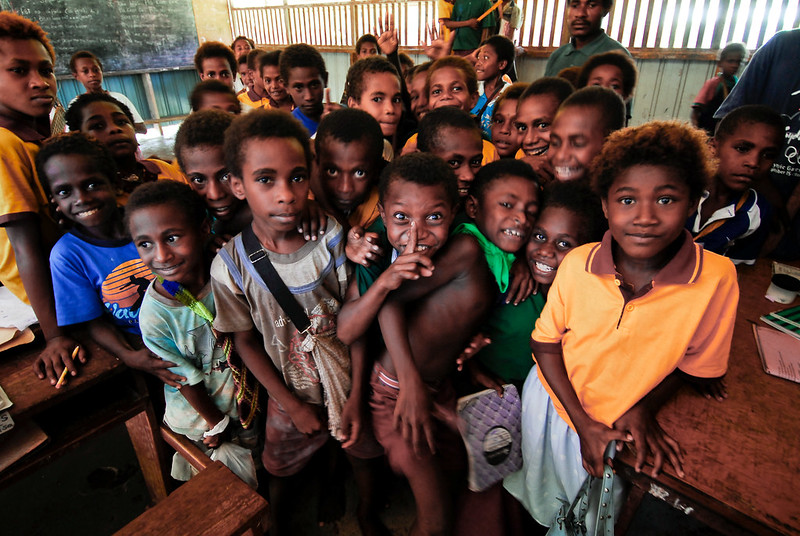 Trachoma is an infectious disease causing in-turning of the eyelids, visual impairment and often irreversible blindness. The disease is associated with crowded households and inadequate hygiene, access to water, and access to and use of sanitation, primarily affecting women and children within poor and rural regions. According to 2024 data, 103 million people worldwide live in trachoma endemic areas and are at risk of irreversible blindness. However, light is emerging from the dark. Following a 13-year-long struggle against the infectious disease, Papua New Guinea eradicated trachoma as a public health concern, as announced at the 78th World Health Assembly in Geneva.
About Trachoma
Trachoma is one of many neglected tropical diseases (NTDs) ― complex conditions prevalent among impoverished tropical areas and often transmitted through vectors, making them major public health concerns. Almost absent from the global health agenda, NTDs do not get enough resources and attention, perpetuating cycles of poverty, stigma and social exclusion within neglected populations
Trachoma is the leading infectious cause of blindness worldwide and is responsible for the visual impairment or blindness of more than 1.9 million people, according to the World Health Organization (WHO). The bacterium Chlamydia trachomatis spreads through personal contact, such as sharing beds, clothing, and surfaces, and by flies that have come into contact with discharge from the eyes or nose of an infected individual. The average immune system can overcome a single episode of infection but in endemic communities, infection re-occurs frequently, often leading to years of constant infection. If untreated, the infection can cause the eyelid to turn inward, resulting in pain, light intolerance, and eventually irreversible visual impairment or blindness.
Trachoma’s impact is especially harsh in remote and impoverished areas where access to care is limited. Prevalence rates are especially high among pre-school-aged children (as high as 60-90%), and due to greater contact with infected children, women experience trachoma blindness four times as often as men, WHO reports. Blindness and visual impairment cause significantly reduced productivity, the economic cost of which is estimated to be $8 billion per year
Global Elimination Strategies
As of October 21st 2024, 21 countries worldwide have successfully eradicated trachoma as a public health problem, including Cambodia, Ghana and Pakistan. These previously endemic countries implemented the WHO-recommended SAFE strategy, which encompasses:
- Surgery to treat trachomatous trichiasis (the blinding stage of the disease)
- Antibiotics to clear the infection (specifically mass administration of azithromycin)
- Facial cleanliness
- Environmental improvement (especially enhancing access to sanitation and clean water)
Papua New Guinea Elimination Strategy
Foundational efforts to eliminate trachoma in Papua New Guinea began in 2012, with organizations including Collaborative Vision, The Brian Holden Vision Institute and The Global Trachoma Mapping Project contributing towards the effort. However, surveys in Papua New Guinea revealed that despite signs of active trachoma in children, there were very low levels of Chlamydia trachomatis and negligible levels of trachomatous trichiasis, suggesting that children were not progressing to severe stages of the disease.
As a result, Papua New Guinea’s National Department of Health organized a series of further assessments, surveys and investigations, building a comprehensive understanding of trachoma’s status in the country. This confirmed that community-wide interventions such as mass antibiotic distribution and large-scale surgery were not necessary. Unlike other countries where trachoma elimination required vast surgery campaigns, mass antibiotic administration and targeted improvements in access to water, hygiene and sanitation, Papua New Guinea’s success was fueled by vigorous disease surveillance.
This is a powerful testament to the country’s ability to adjust its health strategies to the realities of local communities, ensuring the safety of its population whilst reducing unnecessary resource use. Dr Ana Campa, Trachoma Coordinator of the Fred Hollows Foundation New Zealand, stated that “Trachoma in Papua New Guinea is complex and presents atypically. Additional research and ancillary surveys … [were] crucial in understanding the picture of trachoma in the country and ultimately moving the country into drafting its dossier.”
A Clearer Future
To date, 56 countries globally have eliminated at least one NTD, including 22 that have eliminated trachoma as a public health issue. Papua New Guinea eradicated trachoma not only as a medical milestone, but as a demonstration of how context-specific strategies can achieve lasting health improvements. With the list of countries eliminating NTDs rapidly growing, we are gaining considerable momentum towards a world where NTDs are no longer a significant threat to vulnerable populations.
WHO and its partners remain dedicated to helping countries like Papua New Guinea protect their progress against trachoma and move closer to eradicating more NTDs, protecting the world’s poor.
While WHO’s SAFE strategy remains vital to tackling trachoma, Papua New Guinea’s success in eradicating the fatal disease provides a clear example of how innovative strategies rooted in distinct local realities can lead to sustainable health victories.
– Holly McArthur
Holly is based in Somerset, UK and focuses on Good News and Global Health for The Borgen Project.
Photo: Flickr
