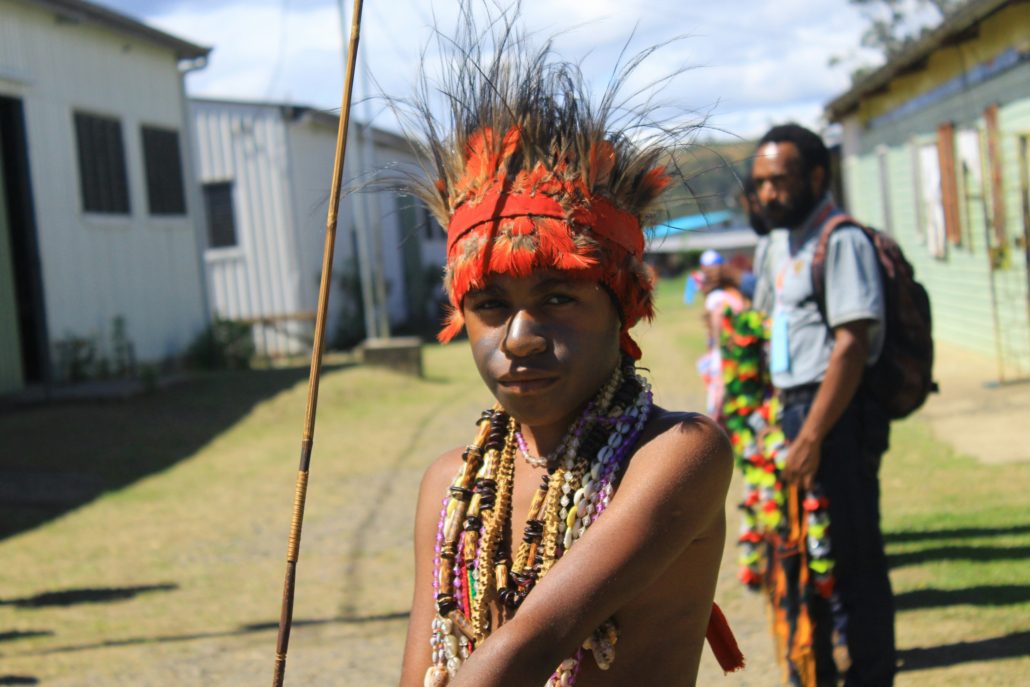
 With crystal-clear blue waters, white sand beaches and lush pine forests, New Caledonia seems like a picture-perfect island getaway. However, beneath its stunning facade lies a drastic social divide that has led to widespread poverty and homelessness for the indigenous residents of New Caledonia.
Meet the Kanaks
Today, New Caledonia is a French territory made up of dozens of islands in the southwest Pacific Ocean, known for its stunning lagoons, abundant nickel reserves and diverse wildlife. But centuries before the first tourists came to explore its vibrant coastlines and reefs, Kanaks inhabited the nation.
The Kanaks are an indigenous group with customs deeply rooted in Melanesian culture. The early Kanak lifestyle largely revolved around tribal relations and farming the land, commonly harvesting native crops such as bananas, yams and sweet potatoes. However, European settlers, who first arrived in the late 18th century and increased significantly during the nickel boom of the 1960s, disrupted their peaceful existence.
Life for the c
Within a period of less than 200 years, the Kanak saw their land being taken away and opportunities for economic development severely limited. Homelessness in New Caledonia, particularly for indigenous groups like the Kanak, increased exponentially due to bias from European settlers. Examples of this discriminatory behavior include the French government barring the Kanaks from living in the capital city of Nouméa and denying them government roles in favor of their French counterparts.
Over time, unfair laws like these decreased quality of life for the Kanaks. While the Kanak are the largest ethnic group in New Caledonia, European migrants own approximately two-thirds of the land. Additionally, the poverty rate among indigenous Kanaks is 32.5%, which is nearly four times higher than that of non-Kanak people, as reported by Swissinfo, a Switzerland-based international news corporation.
Homelessness Among the Kanaks
While there is not an exact number for the rate of homelessness in New Caledonia, it presents a pressing issue for countless modern-day Kanaks. According to Le Monde Diplomatique, a French political newspaper, close to 10,000 Kanaks currently live in “squats” in the city of Noúmea, which are crude huts that lack water and electricity.
In rural villages, where the majority of Kanaks live, housing is similarly lacking. Families often reside in cramped government-subsidized housing or traditional huts, which cultivate a sense of closeness and community as they go about their day-to-day life.
As opposed to city-going Kanaks, who often work laborious service jobs to make a living, rural Kanaks start their day early to fish and harvest crops. After a communal prayer, which draws from both Catholic and indigenous faith, the family comes together to dine on seafood, root vegetables and tropical fruit. The rest of the day is spent completing essential tasks, with men hunting and fishing and women cleaning and caring for children.
While the rural Kanaks’ daily routine has remained unchanged through centuries of colonization and industrialization, recent events threaten to end their traditional lifestyle. An increase in urban development that prioritizes French citizens over Kanaks is forcing many indigenous citizens into homelessness and poverty, necessitating immediate action.
A Brighter Future
Homelessness suffered by the indigenous residents of New Caledonia is not going unnoticed. In 2019, politician Milakulo Tukumuli founded the Oceanian Awakening political party, whose goals include providing adequate housing to the squatters in Noúmea and closing the wealth gap between the rich and poor. Since its inception, it has secured three of the 54 seats in the New Caledonian Congress, demonstrating a promising outlook for minority rights in national politics.
As the Oceanian Awakening party continues to gain more influence, the French government is also looking for ways to collaborate with Kanak natives to resolve housing issues. Urban planning experts Céline Cassourret and Irène Salenson suggest that French government officials and Kanak cultural leaders work together to equally redistribute land. By giving Kanaks the territory and funds needed to build adequate housing, the nation can effectively resolve land tenure inequality and eliminate Kanak homelessness.
On a larger scale, action is occurring to secure rights for the Kanak community and other indigenous groups in the Pacific. Mark Brown, the chairman of the Pacific Islands Forum (PIF), stated that he supports the movement to obtain “greater autonomy and independence” for native New Caledonians. Given the PIF’s role as an influential peacekeeping force for islands in the southwest Pacific, their ongoing support will hopefully encourage nearby territories to advocate for Kanak rights.
Looking Ahead
One can trace homelessness in New Caledonia, particularly in minority groups such as the Kanak, back to colonial-era discrimination and suppression. However, with support from neighboring islands, land redistribution and advocacy for Kanak rights, it is possible to right the wrongs for the indigenous peoples. Reform is on the horizon for the citizens of New Caledonia, and it has the potential to change countless lives for the better.
– Grace Gonzalez
Grace is based in Oakton, VA, USA and focuses on Business and Global Health for The Borgen Project.
Photo: Unsplash

How Liberian Women Are Closing the Maternal Health Gap
Through decentralized networks of midwives, traditional birth attendants (TBAs) and grassroots advocates, they fill the gaps left by a fractured health system. Backed by nongovernmental organizations (NGOs) such as Last Mile Health, CARE Liberia and Mercy Ships, these women are lowering maternal mortality rates while challenging gender and political obstacles. Their approach, based on trust and cultural understanding, serves as a worldwide model for recovery in post-conflict settings.
Grassroots Networks: Midwives and TBAs on the Frontlines
In rural Liberia, where 44% of women deliver at home without skilled assistance, community health workers (CHWs) and TBAs are crucial. Initiatives like Last Mile Health have trained thousands of CHWs to provide prenatal care, make emergency referrals and treat malaria, reaching more than one million people in remote areas. Meanwhile, TBAs, often the only providers in villages, now collaborate with clinics through programs that combine traditional knowledge with medical training.
The Liberia Midwifery Program, supported by the World Health Organization (WHO) and the United Nations Development Fund (UNFPA), has expanded rural midwifery schools. The project achieved this, though shortages remain, with fewer than 200 midwives serving four million people. “We need midwives who can ensure safe pregnancies before conception,” Bentoe Tehoungue of the Liberian health ministry says. These efforts yield results: maternal mortality has decreased by 64% since 2000, demonstrating the impact of community-driven care.
Women’s Advocacy
Liberian women are closing the maternal health gap as they are not merely caregivers but also policymakers. Female-led local health committees actively lobby for improved clinics and higher midwife salaries. CARE Liberia supports these efforts through its Women’s Voice and Leadership program, which trains women to hold health budgets accountable.
Although patriarchal resistance is still strong, signs of progress are evident. For instance, in 2019, the Liberian Board for Nursing and Midwifery updated its curriculum to emphasise midwives’ roles as leaders, not just service providers. These changes illustrate a broader pattern: when women spearhead recovery efforts, the solutions tend to be more sustainable.
NGO Partnerships: Scaling Local Solutions
International allies offer vital support without replacing local expertise. Mercy Ships, active in Liberia since 2005, trains surgeons and donates equipment to tackle obstetric emergencies such as fistulas. Meanwhile, Last Mile Health helped establish Liberia’s National Community Health Program in 2016, which has become a global model for CHW systems. Challenges remain with USAID funding cuts straining services, but Liberian women maintain resilience.
Looking Forward
Liberia’s maternal health crisis persists, but women are closing the maternal health gap and have demonstrated that community trust can outperform top-down solutions. By blending traditional knowledge with modern health care, pushing for policy reforms and forming NGO collaborations, they save lives and reshape health care leadership. Their approach offers valuable lessons for societies recovering from crises: lasting change starts with those who understand the needs most.
– Emilia Bartle
Photo: Wikimedia Commons
Ending Child Marriage in Madagascar
Archaic gender norms and inequalities have been around for centuries. These inequalities still permeate Madagascan culture, leaving young girls under 18 vulnerable to fall victim to child marriages. In 2020, the total number of girls married before the age of 18 was a staggering 12 million per year.
It is often the context in developing countries like Madagascar that others see girls as women as soon as they begin menstruating, so can begin their duties as a mother and a wife with immediacy. However, girls can start their period as young as 8 years old, at an age where their brain is not even one-third developed yet.
Who Is Vulnerable?
Girls facing extreme levels of poverty are the most susceptible to child marriage in Madagascar. Nearly 40% of girls in the world’s poorest countries are victims of child marriages; this is twice the global average. This is because impoverished families see marriage – particularly to a wealthier man – as a way to achieve financial security. Poorer regions, such as Toliara, show the highest rates of child marriage in Madagascar. In Toliara, 69% of girls marry before the age of 18.
Low access to education also assists the prevalence of the child marriage route. If getting a substantial education is not feasible for girls in a developing country, families will see marriage for income as their only option. It is often the case that parents will invest in the education of their sons over their daughters if they have limited resources; this choice leaves girls vulnerable to falling victim to their families using them as a commodity in a child marriage.
Solutions To End Child Marriage in Madagascar
Charities like UNICEF and UNFPA are helping in the fight to end child marriage in Madagascar. Despite the introduction of the Law on Marriage and Matrimonial Regimes in 2007 – which sets the minimum age for marriage at 18 for both girls and boys – child marriage practices are still in place in Madagascan communities. Examples of this include “moletry,” which is the marriage of a young girl to an older man for the payment of money to the child’s family, and “tsenan’ampela,” an active girls’ market for prostitution.
However, there is still hope. The Madagascan government has committed to eliminate child marriage by 2030. The United Nations’ Sustainable Development Goal 5.3 lays this out – to achieve gender equality and empower all women and girls. Tools that are undergoing development with UNICEF to implement the national strategy include orienting government officials at a regional level, to guide local authorities in developing and implementing action to eliminate child marriage.
The Life Skills Framework
The Life Skills Framework – which focuses on self-awareness skills and community living – was implemented in several Madagascan communes with above average child marriage rates in the early 2020s. UNICEF is making efforts to prioritize the most vulnerable children and families, such as those in poverty with daughters susceptible to falling victim to an arranged marriage. This program explores topics such as the risk of child marriage, the challenges of young parenting and protecting oneself against violence and exploitation. There is a heavy focus on the rights of the child and the illegality of child marriage in the current day.
The implementation of the program long-term may pose an issue, as UNICEF is directly injecting funds instead of the government. It is simply not economically viable for the Madagascan government to prioritize child protection over all else. Nonetheless, this program has been largely successful in its implementation thus far. Men and boys learn about positive masculinity and the effect of the patriarchy on young girls, which would be an otherwise foreign topic to them. Between January 2020 and February 2021, the program reached almost 10,000 children across Madagascar, and from 2021 to 2024, child marriage rates have dropped from 38.8% to 32.4%. However, without funding, this program will have difficulty reaching all of the communities that it should.
Looking Ahead
Child marriage in developing countries is as pervasive an issue today as it has been for centuries. However, the statistics show that the rate of child marriage in nations like Madagascar is steadily decreasing. If initiatives like the Life Skills Framework receive support from communities and governments, the fight to end child marriage can be won.
– Sarina Maloy
Photo: Unsplash
Medical Aid in Jordan Receive Major Upgrades
Beyond the direct health toll of COVID-19, which continues to affect the population, Jordan experienced a significant economic downturn during the pandemic. While tourism is not the country’s primary source of revenue, widespread closures of restaurants and local businesses highlighted the pandemic’s broader economic impact. Reduced consumer activity and a sharp decline in domestic and international visitors contributed to revenue losses across multiple sectors.
As a result, poverty levels in Jordan rose during and after the pandemic. According to the World Bank, 15.7% of the population now lives at or below the national poverty line. In comparison, the poverty rate stood at 14.4% in 2010, reflecting a marginal but notable increase over the past decade.
Medical Tourism in Jordan
Beyond its reputation for agriculture and natural beauty, Jordan is also widely recognized for its health care system. It ranks first in the Middle East for health services due to its well-regarded Western‑educated physicians and advanced medical facilities.
Medical tourism is a significant pillar of Jordan’s economy, generating more than $1 billion in revenue annually. It accounts for approximately 4% of the nation’s GDP. The sector has also created jobs for thousands of Jordanians, especially medical professionals.
Medical Aid Centers in Jordan
Medical aid centers in Jordan have increased recently, with the government upgrading six regional medical warehouses in Irbid, Jordan. According to Firas Hawari, the Health Minister of Jordan, “the new warehouses and vaccination center are part of broader efforts to modernize Jordan’s health care infrastructure, ensuring the efficient and equitable distribution of medicines and vaccines.”
The aim of upgrading Jordan’s medical warehouses is to improve access to efficient, high-quality health care services for medical professionals and the public. These upgrades focus on expanding storage capacity for essential supplies, such as vaccines, medications and medical equipment, thereby enabling streamlined distribution across health care facilities in the country.
Following the successful upgrade of the medical warehouse in Irbid, Jordan extended similar improvements to four additional facilities in Ma’an. Jordan implemented the upgrades through a partnership between the Jordanian Ministry of Health, the European Union (EU) and the WHO, further reinforcing the country’s robust health care system.
Jordan’s broader objective is to achieve universal health care coverage for its citizens and everyone else residing within its borders. To support this goal, the government allocated an estimated 850,000 Jordanian dinars (approximately $1.2 million) for the recent upgrade of its medical warehouses. These infrastructure improvements were completed by the end of March 2025, a key step in strengthening the country’s health care delivery system.
Looking Ahead
The expansion of warehouse upgrades across the country is expected to enhance health care delivery significantly. By increasing storage and distribution capacity, Jordan aims to ensure more affordable and accessible health care services. Furthermore, the upgrades are particularly for vulnerable populations, including refugees and citizens who depend on regular access to medication.
– Erin Lee
Photo: Flickr
Addressing Disability and Poverty in Kazakhstan
The official report shows that 5.3% of Kazakhstan’s population is below the poverty line, though it is estimated that almost 50% of the nation survives just above the poverty line. Additionally, it shows that about 750,000 people are living with a disability in Kazakhstan, which includes 101,000 who are children under 18 years old. As of 2022, there were about 36,000 new cases of cancer, whereas 0.4% experienced blindness as of 2025 and about 150,000 people had hearing or hearing-related impairments.
Human Rights Watch: Holding Kazakhstan Accountable
A recent that the Human Rights Watch did looked into the condition of poverty and disability in Kazakhstan, particularly the role of Targeted Social Assistance (TSA). TSA is a state-led program that Kazakhstan implemented in 2001, which aims to give financial assistance to individuals and families with a monthly average per capita income below the poverty line. However, findings determined there were significant hitches to the TSA program.
TSA, which serves almost 1 million citizens of Kazakhstan, is designed to provide financial aid to the nation’s poor and disabled people through monthly payments and they have opened social centers which provide legal and financial services as well as free training programs. However, the 2022 study reported that there have been problems with widespread stigma for people with disabilities who seek aid from TSA, a lack of education (especially in rural areas) regarding the opportunities for TSA benefits and an application system that makes it hard to sign up.
“A relatively prosperous country such as Kazakhstan should be able to step up and meet its human rights obligations to ensure that everyone has access to social security that offers an adequate standard of living,” Hugh Williamson, the Europe and Central Asia director at Human Rights Watch said. “At present, meager payments, bureaucratic hurdles, and stigma mean this is not happening.”
Stigma and Discrimination
Another recent study, a research study called “Disability, Livelihood and Poverty in Asia and the Pacific,” by the ESCAP Social Development Division, under the overall direction of Nanda Krairiksh, which included Kazakhstan among eight other countries, showed Kazakhstan doing favorably in comparison to countries like Fiji and the Republic of Korea. However, the study also highlighted that there are low numbers of people struggling with disability and poverty in Kazakhstan attending public or even private schools. According to a 72-page report entitled “On the Margins:” Education for Children with Disabilities in Kazakhstan” published in 2019, the education system segregates and isolates children with disabilities, teach children in separate classrooms, when they can make it to school and their closed psychiatric institutions receive very little or no education.
The ESCAP study generally showed that poverty in different countries often leads to disability and disability often leads to poverty, a compounding problem, and that access to social security benefits and gainful employment, when possible, is the key to stability—39% of people with disabilities are employed in Kazakhstan, with most of the people working in the research sector. Beyond that, “Policy should not only build and expand on the resources and opportunities that persons with disabilities have, but also remove the barriers that they face, including stigma and discrimination,” a rife issue that the Human Rights Watch found with Kazakhstan’s TSA program and society in general.
Solutions
There are those in Kazakhstan who are trying to use their experience with poverty and disability to better the conditions in the country for others in the same circumstances. Two such champions are Zhannat Yessmaganbetova, who lives in the western city Atyrau, and Roza Akzharkenova, who lives in the southeast. Zhannat, who considers that her own disability created the patience and fortitude to make her the perfect advocate, has been addressing issues like urban infrastructure and social space, dealing with details like access to state facilities by means of ramps, lifts and appropriate places for consultation. Roza is addressing the same issues in her region of Kazakhstan and also advocating for more research into a situation that she believes is more widespread and urgent than most people believe.
The way advocates like Roza and Zhannat come at the issue from several directions in an effort to make social security programs like TSA more accommodating and accessible for people who struggle with disability and poverty in Kazakhstan, seem to be Kazakhstan’s road to keeping up with developed countries. Kazakhstan is catching up with modern expectations for how to deal with poverty and disability, after years of having almost no systematic research or international accountability. Studies by the likes of the Human Rights Watch and ESCAP, as well as figures like Zhannat Yessmaganbetova and Roza Akzkarkenova, have attempted to better the conditions for those dealing with disability and poverty in Kazakhstan.
– Gregory Walker
Photo: Flickr
Rwanda CHWs Child Survival: Volunteers Reduce Child Deaths
Life-Saving Trios in Every Village
At the core of Rwanda’s child survival strategy is a network of about 45,000 CHWs, three elected volunteers in each of the country’s nearly 15,000 villages. The “binôme,” a male-female CHW pair, treats common childhood illnesses such as malaria, diarrhea and pneumonia, diseases that pose serious risks to young children. Meanwhile, a female maternal health worker monitors every pregnancy from the first trimester to postpartum.
Most recruits complete about three months of intensive classroom and hands-on instruction in integrated community case management, maternal-newborn care, nutrition counseling and family-planning services. They must score at least 80 % on a post-course exam before being certified; brief refresher modules update drug protocols and data-reporting skills each year.
Cash for Results Keeps Quality High
Since 2009, Rwanda’s Ministry of Health has operated a community performance-based financing (cPBF) scheme that sends group bonuses directly to legally registered CHW cooperatives. These quarterly bonuses, wired through the Ministry of Economy and Finance, are released only after each group meets specific maternal and child health targets.
Under the original split, 30% of every payment went to individual workers and 70% stayed in the co-op account to build capital. Co-ops invest that reserve in income ventures and about 52.7% choose livestock projects such as dairy goat or poultry sheds. In contrast, others buy bicycles, maize mills, or seeds for micro-loan funds.
Profits boost household income and keep attrition low, while the promise of the next bonus keeps each village team laser-focused on service coverage and timely referrals.
RapidSMS: A Text That Saves a Life
A 2018 nationwide evaluation reported that Rwanda’s CHWs fired 9.3 million RapidSMS messages between 2012 and 2016, flagging births, danger signs and supply gaps in real-time. Those real-time alerts let supervisors dispatch antibiotics, restock bed nets and organize ambulances faster, raising antenatal care, facility delivery and post-natal rates in the districts studied.
Scaling Up Again
Rwanda is digitizing its frontline workforce by formulating an electronic Community Health Information System (eCHIS). It was built in 2023 and a pilot has already helped train 600 community health workers across three districts to capture visits on a smartphone app.
Also, on May 30, 2025, Rwanda’s Health Ministry rolled out a new AI-powered mobile platform to train and support all 58,567 CHWs on their smartphones, replacing costly face-to-face workshops. The system links each visit to the community electronic medical records (cEMR) database so supervisors can track patient trends and drug stocks in real-time.
Conclusion
Rwanda’s experience proves that community trust, modest pay for performance and real-time data can significantly reduce child deaths. Health ministries that are struggling with high under-5 mortality now have hope to combat it, especially with the Rwanda CHWs child survival model.
– Arabella D’Aniello
Photo: Wikimedia Commons
Disability and Poverty in Trinidad and Tobago
Disability on the Rise
Consistent with international trends, an aging population in Trinidad and Tobago has led to an increase in individuals living with disabilities or chronic diseases. Recent figures show that roughly 5% of the nation’s population has a disability. For a small country of 1,300,000 citizens, that means that 52,000 individuals are living with a disability. About 6% of this figure is believed to be children, accounting for around 3,000 members of the population, although a lack of early detection likely skews these numbers.
Disenfranchisement of the Disabled
The medical or charity model is the persistent model for disability treatment in Trinidad and Tobago. The medical and charity model of disability largely ostracizes the disabled community. This is due to the conceptualization of disabled individuals as other and dependent. As a strategic analysis of disability in Trinidad and Tobago has suggested, disabled individuals experience consistent disenfranchisement and exist on the peripheries of society due to prevailing social, legal and economic barriers to social integration. This social positioning acts as a financial determiner, as there is a lack of systemic support for disabled individuals to be independent income earners. As the United Nations specifies in their strategic analysis, “poor access to essential services like health care, education, employment, and transportation[…]have led to poor economic outcomes and the inability of [people with disabilities] to live self-determined lives.”
Impact of COVID-19 on Disability and Poverty in Trinidad & Tobago
The COVID-19 pandemic that began in 2020 exacerbated these institutional and social barriers. While the entirety of the population was facing disruption to their employment and ability to receive an education, individuals with disabilities were particularly impacted. Many people with disabilities faced increased health risks from COVID-19 and during this time many support systems that are usually in place for the disabled community were unable to effectively function.
Government Assistance Programming
Trinidad and Tobago has several governmental ministries that provide assistance to individuals with disabilities, the most prominent of which is the Ministry of Social Development and Family Services. This ministry includes the dedicated Disability Affairs Unit and provides the Disability Assistance Grant to disabled adults who are unable to earn a living due to their disability. In 2019, the Ministry of Social Development and Family Services also introduced a grant for minors with disabilities to assist families in receiving costly services related to their child’s disability.
Institutional and Governmental Improvements
In addition to these existing social services for disabled individuals, the government of Trinidad and Tobago made a commitment in 2018 to update their policies surrounding the disabled population. The National Policy on Persons with Disabilities stands as a prominent component of the Government of Trinidad and Tobago’s Vision 2030 National Development Strategy. This policy recognizes how disability and poverty are related and has a newfound focus on improving the quality of life and social experience of disabled individuals. The policy recommends education, awareness raising, improved health care and health care access, transportation, housing and employment opportunity among other systematic improvements. The goal of these reforms is to improve not only the quality of life for disabled individuals, but also provide social integration and a form of justice to a community that has historically faced disenfranchisement and ostracization.
Looking Ahead
Historically, disability and poverty have been deeply interconnected in the Caribbean. However, recent legal and social developments aim to change the experience of disabled individuals in Trinidad and Tobago. In the wake of COVID-19 and with a changing understanding of the disabled community, the nation seeks to reform their treatment of the disabled population. As the policy states, the primary goal of these changes is to “protect and promote the human rights of all persons with disabilities.”
– Gwyneth Connor
Photo: Pixabay
Diseases Impacting Egypt
Ischaemic Heart Disease (IHD)
IHD is the leading cause of death in Egypt. Commonly known as coronary artery disease, the AHA describes it as heart damage due to narrowed heart arteries. According to the World Health Organization (WHO), it is responsible for 129.3 deaths per 100,000 in Egypt. Poor diet and low physical activity are both factors that can cause IHD and are also caused by poverty. Low-income communities are more likely to be exposed to unhealthy lifestyles like poor nutrition and limited health care access because of financial instability.
To fight this disease and any others, poverty has to be addressed. Extending clinics to rural regions with affordable care options will help fight the problem. Community education programs will bring awareness about diseases impacting Egypt and aid prevention. To raise awareness, the Egypt Healthcare Authority and the Egyptian Society of Cardiology teamed up to start the “Discover the Undiscovered” campaign. By partnering with 45 health facilities, they have been able to bring vast awareness to this dominating disease. Not only will each of these actions help IHD victims, but it also actively combats poverty.
Kidney Disease
Chronic kidney disease has become an increasing health concern for the adult population and is high among the diseases impacting Egypt. It has become so prevalent that it is among their leading causes of death. According to the Mayo Clinic, chronic kidney disease is the gradual loss of kidney function.
Limited health care access and the lack of annual screenings result in most of their diagnoses occurring at severe stages. Issues due to poverty like contaminated water, limited health screenings and low health literacy have all contributed to the rise in kidney disease. Polluted water can damage kidneys over time, and the effects are more dangerous in areas where there is no proper filtration. In underdeveloped areas, there is a low health literacy and limited access to health care, which leads to a lack of health screenings, and results in the disease advancing. Clean water access, early screening and awareness programs are ways to fight poverty as well as addressing the rise of kidney disease.
The Egyptian Society of Nephrology and Transplantation has begun a mission to raise awareness, gain early detection and research into kidney disease. They have successfully collaborated with other medical societies to exchange knowledge and gain expertise. These efforts have made changes to health access and ending poverty.
Cirrhosis of the Liver
Another disease that is taking hold in Egypt is liver disease, more specifically cirrhosis of the liver. According to the Mayo Clinic, cirrhosis disease causes the advanced scarring of the liver. The most likely cause of cirrhosis is typically alcohol consumption or hepatitis. Poor sanitation, lack of health care access and poor nutrition are poverty factors that have contributed to the rise of this disease.
The Egyptian Association for Research and Training in Hepato-Gastroenterology (EARTH) aims to advance research and improve treatment for the millions of Egyptians who have liver disease. They have been able to foster research that has led to improved treatment options. EARTH has organized educational conferences with other medical organizations to exchange the latest clinical practices and innovations. They also use peer networking to communicate new knowledge and discoveries that through time leads to research findings that combats this disease. With these new efforts, they are building a stronger domestic health care system by reducing the dependence on foreign aid and making treatment more affordable and accessible.
Stroke
Strokes are also among the diseases impacting the Egyptian population. According to the Cleveland Clinic, a stroke is a disease in which a blood clot or broken vessel prevents blood from getting to your brain. Low health literacy and financial problems that feed into poverty issues have led to treatment delays, thus the acceleration of the disease. Establishing stroke-ready hospitals in rural areas as well as adapting health care access to reasonable levels will fight strokes and poverty.
The Ain Shams Neurology is an Egyptian research department that has made progress in the research and treatment of stroke victims. Ain Shams established the first stroke units in Egypt, and it remains among the leading units in the country. It has not only been able to treat and manage patients, but the department also provides education programs for students.
Looking Ahead
The people of Egypt face numerous health concerns. The diseases impacting Egypt are in fact poverty-linked. Fighting poverty as well as disease takes time and resources that Egypt is actively trying to find. Through this hardship, there have come many organizations that have fought to help the sick. Researchers have made substantial progress with the research of these diseases, bringing unprecedented attention and progress to Egyptian health care, and in ending poverty as well.
– Emily Herlehy
Photo: Unsplash
Tackling the Gender Wage Gap in Kazakhstan
Overview of the Gender Wage Gap in Kazakhstan
Kazakhstan has achieved near-parity in education, yet there is still a large wage gap between men and women. In the World Economic Forum’s 2024 Global Gender Gap Report, the nation had an overall score of 0.710, placing it 76th out of 146 nations. With a score of 0.751 for Economic Participation and Opportunity, it shows modest advancements in workforce participation but persistent differences in leadership positions and pay.
According to the United Nations Development Program (UNDP), which cites Kazakhstan’s Bureau of National Statistics, men continuously earn more in almost every industry, with the average gender pay gap narrowing to 21.7% in 2021 before widening again to 25.2% in 2022.
The Asian Development Bank (ADB) reports that, on average, women in Kazakhstan only make 67% of what men do, with the disparity being particularly noticeable in high-paying industries like banking, construction and transportation. The research also emphasizes how under-representation in leadership positions and vocational segregation exacerbate this disparity.
Contributing Factors
A closer look at the factors influencing Kazakhstan’s gender pay wage identifies a number of recurring problems:
Despite Kazakhstan’s high levels of female education and employment access, the pay disparity is maintained by a combination of overlapping structural factors, including caregiving duties, leadership restrictions, industry segregation and deeply rooted prejudices.
Innovation & Solutions
Across Kazakhstan, government bodies, international organizations and civil society are taking concrete action to narrow the gender wage gap in Kazakhstan:
Looking Ahead
Despite Kazakhstan’s advancements in education and labor market participation, the gender wage gap continues to be a significant obstacle to complete economic equality. However, momentum is building. Through international cooperation, government-led changes, and growing public awareness, Kazakhstan is creating the framework for more equitable economic development. Addressing the gender wage gap in Kazakhstan will need sustained investment in legal enforcement, transparency and assistance for women in under-represented fields. Kazakhstan has the potential to not only lessen pay gaps domestically but also serve as a strong model for the larger Central Asian area if these initiatives gather momentum.
– Ray Bechara
Photo: Wikimedia Commons
An Inside Look at Homelessness in New Caledonia
Meet the Kanaks
Today, New Caledonia is a French territory made up of dozens of islands in the southwest Pacific Ocean, known for its stunning lagoons, abundant nickel reserves and diverse wildlife. But centuries before the first tourists came to explore its vibrant coastlines and reefs, Kanaks inhabited the nation.
The Kanaks are an indigenous group with customs deeply rooted in Melanesian culture. The early Kanak lifestyle largely revolved around tribal relations and farming the land, commonly harvesting native crops such as bananas, yams and sweet potatoes. However, European settlers, who first arrived in the late 18th century and increased significantly during the nickel boom of the 1960s, disrupted their peaceful existence.
Life for the c
Within a period of less than 200 years, the Kanak saw their land being taken away and opportunities for economic development severely limited. Homelessness in New Caledonia, particularly for indigenous groups like the Kanak, increased exponentially due to bias from European settlers. Examples of this discriminatory behavior include the French government barring the Kanaks from living in the capital city of Nouméa and denying them government roles in favor of their French counterparts.
Over time, unfair laws like these decreased quality of life for the Kanaks. While the Kanak are the largest ethnic group in New Caledonia, European migrants own approximately two-thirds of the land. Additionally, the poverty rate among indigenous Kanaks is 32.5%, which is nearly four times higher than that of non-Kanak people, as reported by Swissinfo, a Switzerland-based international news corporation.
Homelessness Among the Kanaks
While there is not an exact number for the rate of homelessness in New Caledonia, it presents a pressing issue for countless modern-day Kanaks. According to Le Monde Diplomatique, a French political newspaper, close to 10,000 Kanaks currently live in “squats” in the city of Noúmea, which are crude huts that lack water and electricity.
In rural villages, where the majority of Kanaks live, housing is similarly lacking. Families often reside in cramped government-subsidized housing or traditional huts, which cultivate a sense of closeness and community as they go about their day-to-day life.
As opposed to city-going Kanaks, who often work laborious service jobs to make a living, rural Kanaks start their day early to fish and harvest crops. After a communal prayer, which draws from both Catholic and indigenous faith, the family comes together to dine on seafood, root vegetables and tropical fruit. The rest of the day is spent completing essential tasks, with men hunting and fishing and women cleaning and caring for children.
While the rural Kanaks’ daily routine has remained unchanged through centuries of colonization and industrialization, recent events threaten to end their traditional lifestyle. An increase in urban development that prioritizes French citizens over Kanaks is forcing many indigenous citizens into homelessness and poverty, necessitating immediate action.
A Brighter Future
Homelessness suffered by the indigenous residents of New Caledonia is not going unnoticed. In 2019, politician Milakulo Tukumuli founded the Oceanian Awakening political party, whose goals include providing adequate housing to the squatters in Noúmea and closing the wealth gap between the rich and poor. Since its inception, it has secured three of the 54 seats in the New Caledonian Congress, demonstrating a promising outlook for minority rights in national politics.
As the Oceanian Awakening party continues to gain more influence, the French government is also looking for ways to collaborate with Kanak natives to resolve housing issues. Urban planning experts Céline Cassourret and Irène Salenson suggest that French government officials and Kanak cultural leaders work together to equally redistribute land. By giving Kanaks the territory and funds needed to build adequate housing, the nation can effectively resolve land tenure inequality and eliminate Kanak homelessness.
On a larger scale, action is occurring to secure rights for the Kanak community and other indigenous groups in the Pacific. Mark Brown, the chairman of the Pacific Islands Forum (PIF), stated that he supports the movement to obtain “greater autonomy and independence” for native New Caledonians. Given the PIF’s role as an influential peacekeeping force for islands in the southwest Pacific, their ongoing support will hopefully encourage nearby territories to advocate for Kanak rights.
Looking Ahead
One can trace homelessness in New Caledonia, particularly in minority groups such as the Kanak, back to colonial-era discrimination and suppression. However, with support from neighboring islands, land redistribution and advocacy for Kanak rights, it is possible to right the wrongs for the indigenous peoples. Reform is on the horizon for the citizens of New Caledonia, and it has the potential to change countless lives for the better.
– Grace Gonzalez
Photo: Unsplash
Vocational Training Centers in Fiji
TVET Structure and Offerings
Fiji operates 62 state-run vocational education training centers, each accredited under the National Qualifications Framework and overseen by the Ministry of Education. These centers deliver one- to two-year programs in five core trades: automotive engineering, carpentry and joinery, catering, tailoring and office technology. Enrolment currently totals about 2,300 learners; 46% are women, predominantly in catering, tailoring and office technology. Additionally, the Training and Productivity Authority of Fiji offers ISO 9001-certified courses designed around 70% practical work and 30% theory, with on-the-job placements secured through partnerships with local businesses.
Impact on Poverty Reduction
High youth unemployment in rural districts—where nearly half the population resides—has long fueled poverty, school dropouts and underemployment. TVET graduates report rapid transitions into work: more than 90% secure jobs within months of finishing, often in tourism, construction or transport, boosting household incomes and economic resilience. A UNESCO-UNEVOC case study of the Woodcraft Technology programme shows students partnering with local sawmills to turn waste timber into lamps, furniture and décor; proceeds fund workshop upkeep and teach entrepreneurship alongside trade skills.
Quality Assurance and Innovation
Centralized curricula and standardized exams ensure consistency across MOE centers, yet resource gaps persist. To close these, TPAF enforces ISO 9001 quality management, annual monitoring and international trade tests. When COVID-19 halted face-to-face classes, guidelines issued by the Ministry in collaboration with Australia Pacific Training Coalition and Fiji National University enabled remote and hybrid delivery, safeguarding uninterrupted learning.
Since 2021, the Fijian government has earmarked $1.5 million USD in TVET scholarships; the Tertiary Education Loans Scheme has financed 5,000 technical training places; and a pandemic relief reskilling fund provided 1 million FJD for retraining initiatives. Remaining challenges include instructor shortages in remote centers and fragmented coordination among providers. Pilot “Green-TVET” schemes and self-financing woodcraft models offer scalable blueprints for sustainable growth.
Fiji’s Path Forward Through TVET
Between 2019 and 2023, Fiji National University’s TVET programmes graduated more than 69,000 learners across formal, competency-based and rural streams. Furthermore, by upgrading facilities, extending outreach into remote districts and deepening partnerships with industry, many alumni are now launching their own ventures—from rural cooperatives crafting furniture out of waste timber to urban graduates providing IT and hospitality services—fueling local livelihoods and sustainable, inclusive growth for Fiji’s youth.
– Alexander Broermann
Photo: Unsplash