Disability and Poverty in Trinidad and Tobago
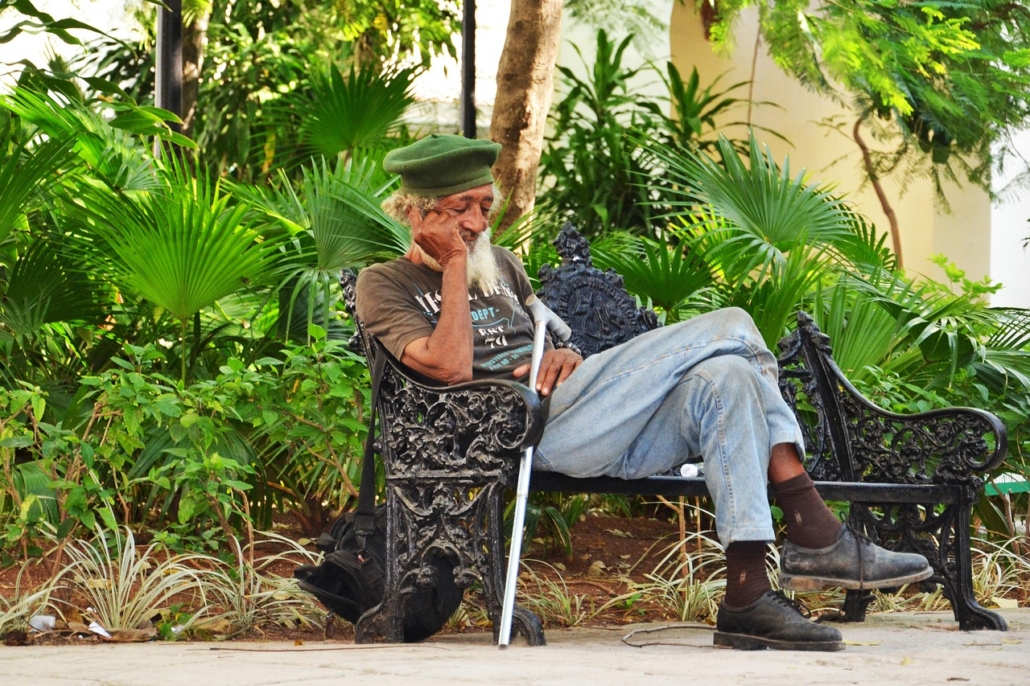 Despite Trinidad and Tobago’s status as one of the Caribbean’s wealthiest nations, subpopulations of the islands continue to face impoverishment. While Trinidad and Tobago have financial assistance programs in place, these programs are not always enough to counteract disability as a determiner of socioeconomic status. The government of Trinidad and Tobago does however recognize this intersection of disability and poverty. Here is information about disability and poverty in Trinidad and Tobago.
Disability on the Rise
Consistent with international trends, an aging population in Trinidad and Tobago has led to an increase in individuals living with disabilities or chronic diseases. Recent figures show that roughly 5% of the nation’s population has a disability. For a small country of 1,300,000 citizens, that means that 52,000 individuals are living with a disability. About 6% of this figure is believed to be children, accounting for around 3,000 members of the population, although a lack of early detection likely skews these numbers.
Disenfranchisement of the Disabled
The medical or charity model is the persistent model for disability treatment in Trinidad and Tobago. The medical and charity model of disability largely ostracizes the disabled community. This is due to the conceptualization of disabled individuals as other and dependent. As a strategic analysis of disability in Trinidad and Tobago has suggested, disabled individuals experience consistent disenfranchisement and exist on the peripheries of society due to prevailing social, legal and economic barriers to social integration. This social positioning acts as a financial determiner, as there is a lack of systemic support for disabled individuals to be independent income earners. As the United Nations specifies in their strategic analysis, “poor access to essential services like health care, education, employment, and transportation[…]have led to poor economic outcomes and the inability of [people with disabilities] to live self-determined lives.”
Impact of COVID-19 on Disability and Poverty in Trinidad & Tobago
The COVID-19 pandemic that began in 2020 exacerbated these institutional and social barriers. While the entirety of the population was facing disruption to their employment and ability to receive an education, individuals with disabilities were particularly impacted. Many people with disabilities faced increased health risks from COVID-19 and during this time many support systems that are usually in place for the disabled community were unable to effectively function.
Government Assistance Programming
Trinidad and Tobago has several governmental ministries that provide assistance to individuals with disabilities, the most prominent of which is the Ministry of Social Development and Family Services. This ministry includes the dedicated Disability Affairs Unit and provides the Disability Assistance Grant to disabled adults who are unable to earn a living due to their disability. In 2019, the Ministry of Social Development and Family Services also introduced a grant for minors with disabilities to assist families in receiving costly services related to their child’s disability.
Institutional and Governmental Improvements
In addition to these existing social services for disabled individuals, the government of Trinidad and Tobago made a commitment in 2018 to update their policies surrounding the disabled population. The National Policy on Persons with Disabilities stands as a prominent component of the Government of Trinidad and Tobago’s Vision 2030 National Development Strategy. This policy recognizes how disability and poverty are related and has a newfound focus on improving the quality of life and social experience of disabled individuals. The policy recommends education, awareness raising, improved health care and health care access, transportation, housing and employment opportunity among other systematic improvements. The goal of these reforms is to improve not only the quality of life for disabled individuals, but also provide social integration and a form of justice to a community that has historically faced disenfranchisement and ostracization.
Looking Ahead
Historically, disability and poverty have been deeply interconnected in the Caribbean. However, recent legal and social developments aim to change the experience of disabled individuals in Trinidad and Tobago. In the wake of COVID-19 and with a changing understanding of the disabled community, the nation seeks to reform their treatment of the disabled population. As the policy states, the primary goal of these changes is to “protect and promote the human rights of all persons with disabilities.”
– Gwyneth Connor
Gwynethis based in Kensington, MD, USA and focuses on Global Health for The Borgen Project.
Photo: Pixabay
