The Fight Against HIV in Suriname
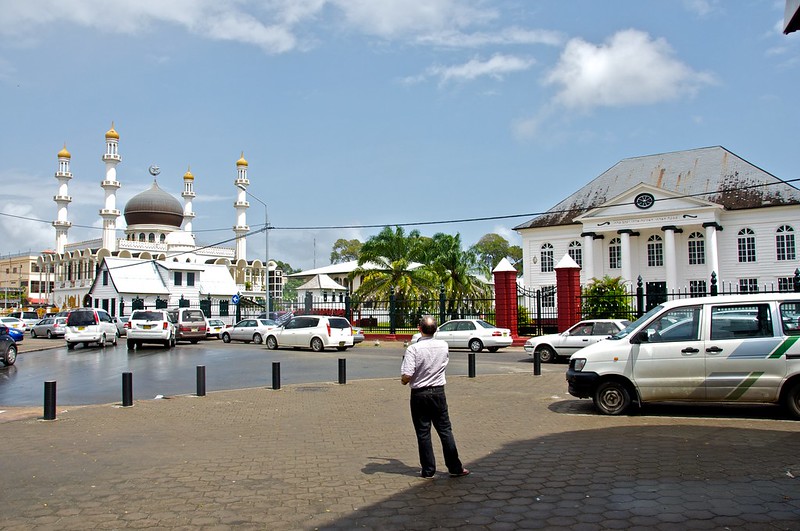 With a population of just 640,000, Suriname is both the least populated nation on the continent and the smallest in size. Despite its modest scale, Suriname stands out as a constitutional democracy where Christianity remains the dominant faith. Although it rarely makes international headlines, the country deserves attention, not only for its rich cultural diversity but also for the pressing challenges its people continue to face, for example, the fight against HIV in Suriname.
The Prevalence of HIV
The prevalence of HIV is pretty high, estimating for almost 8,000 people per year, most of them being adults. Men are at a higher risk of this disease. In Suriname, the lack of up-to-date and detailed data on HIV prevalence continues to hinder effective policymaking. To address this, international support helped strengthen national statistics offices across the region, improving data collection and reporting.
However, economic challenges such as currency devaluation and inflation have led to major cuts in health spending, resulting in frequent shortages of antiretroviral treatment. Experts emphasize the need for renewed advocacy and updated investment cases to ensure the sustainability of HIV services.
Key Groups in the Fight Against HIV in Suriname
In Suriname, NGOs play a central role in HIV prevention among sex workers and men who have sex with men. Their outreach includes individual counseling, group education sessions, condom and lubricant distribution, and referrals to health services. For sex workers in gold mining areas, prevention efforts are integrated with malaria programs. These initiatives have shown clear success.
HIV prevalence among sex workers in Paramaribo dropped significantly, from 24.1% in 2005 to 5.8% in 2012. Most sex workers now demonstrate strong awareness of HIV prevention (96.5%), high rates of testing (82.7%), and frequent condom use (90%), according to the UNAIDS report. Still, challenges remain, particularly with consistent and correct condom use. The prevalence among sex workers remains higher than in the general population, highlighting the need for ongoing targeted interventions.
The Link Between Poverty and HIV in Suriname
The fight against HIV in Suriname cannot be separated from the country’s broader social and economic challenges. More than 17% of the population lives in poverty, while 1.1% survives in extreme poverty. Poverty is especially pronounced among households with children and in the center of the country, living much below the average poverty line. These economic hardships could directly affect the national HIV struggles. Limited household resources often mean reduced access to health care, HIV testing, and consistent treatment. What is more, women—despite outperforming men in education—remain underrepresented in the workplaces, leaving them economically vulnerable and at greater risk of health inequities.
Fighting the Disease
Suriname has made significant progress in the fight against HIV, with support from the Global Fund and local civil society organizations. Today, 83% of diagnosed individuals are receiving antiretroviral treatment, and 90% of them have achieved viral suppression — a major step toward the UNAIDS 90-90-90 targets.
As international donor funding gradually phases out, Suriname faces the critical challenge of sustaining these achievements domestically. The country’s Sustainability Action Plan for 2021–2024 makes strategies to maintain HIV prevention and treatment services, expand local funding and continue prioritizing key populations. With sustained commitment and focused action, the fight against HIV in Suriname can continue to yield progress and bring the country closer to ending the epidemic.
– Julia Skowrońska
Julia is based in Wrocław, Poland and focuses on Global Health for The Borgen Project.
Photo: Flickr
