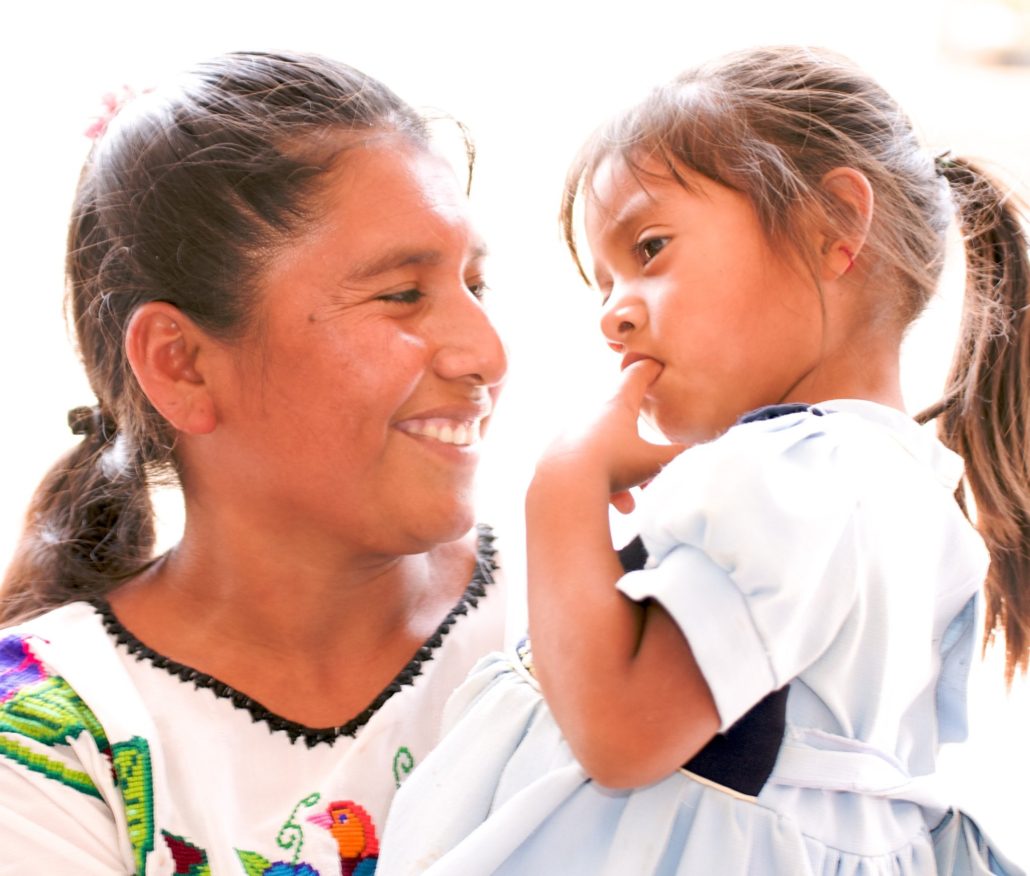
For the last two years, parents of children with cancer in Mexico have been fighting the government due to drug shortages. Children are going months without chemo and those lucky enough to have the treatment are not receiving the drugs that keep the rest of their body safe from the radiation. Children have died waiting for their treatments. Parents are protesting in the streets and taking the word of the President on reform of the corrupt healthcare system with a grain of salt.
Corruption and Reduced Budgets Collide
To the people of Mexico, it does not come as a surprise that the President announced the existence of corruption in the medical industry and the healthcare system. During a speech, the President rebuked the notion that his recent budget cuts aided in the shortage, focusing instead on the healthcare system’s alleged internal corruption. AMLO claimed that pharmaceutical monopolies have gone as far as to withhold drugs from the ill.
However, in May 2019, the first large budget from the current administration hit healthcare. The cuts resulted in the cancellation of surgeries for children and layoffs of nearly 200 people per hospital. Operating on an extremely reduced budget means that hospitals can no longer afford large quantities of necessary medicines. One hospital has had to cancel multiple surgeries due to its inability to afford the normal amount of anesthesia.
Cuts to staff have put more patients at risk as there are not enough nurses to provide the necessary care. Another hospital currently does not have enough nurses for its pediatric floor. Additionally, it is running low on basic supplies and surgical equipment. Meanwhile, Mexican civilians believe both are the root cause of the extreme shortages and they want answers, not deflection.
The Biggest Risk for Children
Cancer is the most predominant reason of death for children in Mexico with an age range of 5 to 14 years old. This type of situation tends to hit families from rural areas the hardest due to the lack of healthcare facilities nearby. Low education rates among Mexico’s poorest make it nearly impossible for parents to know the signs of cancer, too. Malnutrition and consistent illness are not uncommon among extremely impoverished families and it is often too late once they are able to get to a doctor.
Preceding 2005, over half of the children with cancer in Mexico did not receive comprehensive medical care. Now, a child dies from cancer every four hours and the lack of drugs only amplifies the chance of mortality. The mortality rate is 50% but 70% of deaths are preventable if the child receives proper drugs and treatments early on.
Parents Fight Back
On September 4, 2020, parents and family members of children with cancer in Mexico took to the streets of Mexico City to protest drug shortages that have severely hindered their child’s quality of life. Their children have gone months without vital drugs like cardioxane that keep toxicity from chemo away from the heart. Meanwhile, canceled chemotherapy sessions are becoming routine. Cancer, no matter the type, does not yield in times of crisis. Children have died waiting for the reinstatement of treatments or for the refilling of necessary prescriptions.
The march was not the first and will not be the last. Throughout 2020, protests in Mexico have become an everyday occurrence in the fight for necessary cancer drugs for the children of the country. Most of the families that the shortage has afflicted are low-income or in extreme poverty and their only option is to fight to end the suffering of their sick children.
A Single Institute Makes A Difference
Casa De La Amistad (CDLA) is a Mexican organization in Chiapas (one of the poorest states in Mexico) dedicated to helping pediatric patients afflicted with cancer in rural areas. It provides a multitude of services for children diagnosed with cancer and their families. The CDLA works with hospitals spanning over the county and receives a notification when a child is in need of its services. It gives children transportation to and from hospitals for treatments and appointments, housing for them and their families, food, counseling for families and individuals and the continuation of school.
A recent partnership between CDLA and the AbbVie Foundation, Direct Relief has improved the survival rate of the children it provides for. Families are no longer abandoning treatment due to a lack of funds or transportation. In the first three years, the abandonment percentage dropped from 6% to 2%. Children receiving aid from the CDLA had a 50% lower mortality rate in comparison to the national average. Since 2018, CDLA and AbbVie have helped over 300 children, many of whom were on a waitlist.
Children with cancer in Mexico are suffering from a dilapidated healthcare system. Passing the blame does not solve the problem. Children’s lives are at stake but citizens from around the world are trying to make a difference where the government is failing.
– Amanda Rogers
Photo: Flickr

Concerns for Other Outbreaks During COVID-19
All eyes are constantly on the lookout for surges in COVID-19 cases both in one’s own country and around the world, but other outbreaks during the COVID-19 pandemic are on the rise and getting very little attention or preventative measures. The CDC and WHO are monitoring current outbreaks, which include alerts and warnings about an Ebola outbreak in the Democratic Republic of the Congo, MERS-CoV in Saudi Arabia, Influenza A in Brazil and yellow fever in French Guiana.
“Disruption to immunization programs from the COVID-19 pandemic threatens to unwind decades of progress against vaccine-preventable diseases like measles,” said Dr. Tedros Adhanom Ghebreyesus, director-general of the WHO. The question now, with most hospitals worldwide overflowing with COVID-19 cases, is how can people suffering from any other disease get the aid that they need? Taking a look at individual states around the world and how they each are handling outbreaks within the current pandemic will allow for discussion on keeping more people safe and healthy.
CDC Guidelines for Non-COVID-19 Care
The CDC has created a framework for providing non-COVID-19 care in hospitals and clinics, with a graph depicting what a patient is advised to do depending on the seriousness of their sickness or condition. Potential for patient harm, level of community transmission and symptom lists are all considered.
The CDC also lists a few key considerations for healthcare providers at this time, asking that they are prepared to detect and monitor COVID-19 cases in the community, provide care with safety procedures in mind and consider other services that may require expansion. While in theory, these are positive factors to implement during a health crisis of this magnitude, many countries with high poverty levels do not have adequate resources or staffing to ensure these practices.
Ebola and Measles in the Democratic Republic of the Congo
While the two-year Ebola outbreak was just declared over on June 25, 2020, the DRC is facing a rise in measles cases due to a lack of vaccines while it prioritizes COVID-19 treatments. In 2019, the percentage of vaccinated children increased from 42% to 62% in Kinshasa but the plans for a national immunization program in 2020 experienced delay.
Now, staffing is short, vaccinations are not a priority and those who are receiving vaccinations are doing so in danger of contracting COVID-19 due to lack of resources. Progress toward polio eradication is also suffering, and over 85,000 children have not received immunizations. The DRC is seemingly engaging in a three-front war, fighting numerous other outbreaks during COVID-19. Thabani Maphosa, Gavi managing director, hopes that if the pandemic clears in three months, immunizations will catch up to necessary levels within the next year and a half.
SII Concerned Over Clinical Trial Postponements
The Serum Institute of India is cautioning the public about the concerns for other outbreaks during COVID-19. Clinical preliminaries may be in danger and CEO Adar Poonawalla shared his thoughts about the findings: “The resulting dosing of the enlisted subjects has been postponed, therefore affecting the immunization plan given in the convention. In addition, follow-up visits for inoculation, well-being appraisal just as blood withdrawal are postponed.” He also mentioned the fear of hospitals due to COVID-19 contamination and the flipping of general hospitals to COVID-19-only clinics.
There have been a few other outbreaks during COVID-19 but the world has yet to see the long-term effects. While the whole world scrambles for a vaccine for COVID-19, it is not surprising that other medical and health concerns seem to be on hold, especially when countries are highly recommending or, in some cases, enforcing social distancing and quarantine. These limitations for worldwide immunization trials and vaccines mostly concentrate in low-income and low-resource areas, like the case in the DRC. While funding these areas always desperately need funding, information and discussion about the concerns are also quite valuable at this time.
– Savannah Gardner
Photo: Flickr
6 Facts About Healthcare in Liechtenstein
Liechtenstein is a small nation in Western Europe, between Switzerland and Austria. The country has a universal healthcare system that covers not only citizens but everyone residing within its borders. Moreover, the healthcare standard is high, well-developed and the citizens suffer from few communicable diseases. Here are six facts about healthcare in Liechtenstein.
6 Facts About Healthcare in Liechtenstein
A Semi-Outsourced System
As a whole, Liechtenstein has a sufficient healthcare system and resources to care for its citizens. However, because the country is so small and its reach is limited by the number of healthcare professionals in the country — Liechtenstein will continue to struggle to reach the success of other developed countries. Currently, the country has been successful in containing the new coronavirus with such a small population. Yet, for finding success in other medical areas, Liechtenstein has resorted to engaging with other governments like Switzerland and Austria through contracts to meet the needs of its citizens.
– Julia Canzano
Photo: Wikimedia Commons
Healthcare in Cyprus: A Split System
Important Points About Healthcare in Cyprus
Cyprus does not have universal healthcare. Instead, it is a system that is split between a private and a public sector. This, in turn, causes an imbalance. In the public system, “Entitlement to receive free health services is based on residency and income level.” Patients must endure long waiting lists for several services — a problem that has only worsened, recently. According to Cypriot Minister of Health Dr. Androulla Agrotou, “the majority of the population has the right to a free of charge access to public health services while the remaining population must pay per fee schedules set by the Ministry of Health.”
The private system is largely unregulated and financed out-of-pocket by entrepreneurs and voluntary health insurance providers. Moreover, the private system has a surplus of expensive medical technology that often goes underutilized. It also experiences staffing issues, problems with the quality of services and developing health facilities. According to Dr. Agrotou, the lack of a unifying base between the private and the public sector causes “a significant disequilibrium.”
Recent reforms
Despite the aforementioned flaws, the Cypriote Ministry of Health has recently unveiled a new, more comprehensive healthcare system in 2015. The title of the new system is — the General Health Insurance System (GHIS). It aims to provide universal coverage within many areas of the health system. In this same vein, the new healthcare system plans to provide more autonomy to and better management of public hospitals. To do this, GHIS will merge public and private health resources to introduce “information technology systems” and involve patients and the public “in developing and designing services.” In early 2019, the process of giving public hospitals more autonomy began and it aims to finish implementing the reforms in June 2020.
Where Healthcare in Cyprus Currently Stands
Healthcare in Cyprus is considered comparable to that of the U.K. or the U.S. It has made significant progress in disease prevention, as well as surveillance and control mechanisms. Notably, the indicators for life expectancy at birth are at about 75 and 80 years — for men and women, respectively. Other indicators, such as infant mortality and incidence of communicable diseases are also quite low, and “rank Cyprus in high positions in E.U.-wide and international comparisons” says Dr. Agrotou.
Future Outlook
In conclusion, though Cyprus lacks a universal healthcare plan, it is in the process of reforming its system to provide universal coverage to its citizens. Despite the split between the private and public systems, the current system is good enough as some considered it to be a high-quality service provider. However, despite this promising status, the Cypriot government is not settling for “good enough;” and valiant efforts to further improve healthcare in Cyprus are now underway.
– Mathilde Venet
Photo: Flickr
Five Facts About Healthcare in Austria
Healthcare in Austria
Through this dynamic healthcare plan, Austria is able to provide healthcare and benefits for its citizens. Whether it be a simple checkup or something more extensive, Austria’s public healthcare system alleviates healthcare burdens for its people. Even for those who pay for a private healthcare plan, the cost of medical expenses is far less than many places around the world, as it is estimated to only cost $243 a month. Whether it be private or public healthcare, Austria’s two-tiered system has found itself among the highest-ranking healthcare systems in the world.
– Olivia Eaker
Photo: Flickr
ShareTheMeal: A One-Button, World Hunger, Aid Application
Chronic hunger is still an issue that plagues many countries and communities around the world. Many solutions proposed to solve world hunger have been ongoing for decades, yet the problem persists. In the technology-focused 21st century, these attempts at solutions have become increasingly digital. One such digital solution is a world hunger aid application from the United Nations’ World Food Programme.
The World Food Programme
The World Food Programme is the U.N.’s top organization in charge of managing and solving world hunger crises. It is focused on emergency food aid as well as helping communities maintain high nutrition standards. The WFP’s efforts are responsible for the allocation and distribution of billions of rations, worldwide to food-insecure communities each year.
Most of these food aid efforts happen on the ground, in the affected areas. However, a new initiative from the WFP can involve far more people in the crusade against world hunger. The solution is the world hunger aid application, “ShareTheMeal.”
ShareTheMeal: How Does it Work?
Launched in 2015, ShareTheMeal is a one-of-a-kind world hunger aid application. Its sole purpose is to allow users worldwide, to donate meals to adults and children around the world via their smartphones or tablets. To participate, users simply tap a button to send an $0.80 donation to the WFP, which covers the cost of one meal.
ShareTheMeal also allows users to assist with its mission in several other ways. Within the user interface, the hunger aid application splits donation tiers into higher amounts, such as “Feed a Child for a Week” or “Feed a Child for a Year,” which correspond to a donation value, to fund that goal. The application also has a feature called “The Table,” where a monthly donation matches the user with the family they are supporting. This allows users to receive updates on how their donations helped a specific family.
In addition to its general donation tiers, ShareTheMeal has real-time, cause-specific donation sections. These include assisting with the famine crisis in Yemen and supporting Syrian refugees in Iraq. The application’s “Teams” option also allows users to form teams with friends, coworkers or family members to meet a donation goal.
ShareTheMeal’s Impact
To date, ShareTheMeal has donated more than 78 million meals to people in need via its 2+ million users on iOS alone. It has received thousands of five-star reviews for its efforts and was named the Google Play Store’s Best Social Impact app. ShareTheMeal has also been featured by several major global news outlets, from CNN, Forbes and Al Jazeera to Spiegel Online.
The application has directly contributed to the WFP’s efforts to continue providing aid to communities affected by global hunger. ShareTheMeal combines peoples’ desire to support a cause with the technology that permeates their everyday lives — in a masterfully simple idea that offers tangible results. In doing so, the application brings the world of charity to a new generation of contributors via its smartphone presence.
Outlook — Positive
As hunger persists around the globe, ShareTheMeal continues to grow and evolve today. The world hunger aid application announced that during the next five years, it aims to donate 800 million meals to the world’s poor. ShareTheMeal’s goal is massive, but with its millions of users, exceptional usability and the emotional connections it creates between users and those they assist (with their donations) — this clever piece of technology seems to be on track to succeed in its quest to end global starvation.
– Domenic Scalora
Photo: Flickr
21 Day Lockdown: Affects on India’s Workforce
Migrant Workers
During the lockdown, all stores, factories and businesses shut down. For many migrant workers, this was problematic since it is their employers who provide them with food and shelter. To get home, many of these people used public transportation every week — which was also shut down. Under these circumstances, tens of thousands of migrant workers became stranded with no means of transportation to return home — except on foot. Consequently, workers and families walk hundreds of kilometers in the streets, close to one another, to arrive home. Moreover, these workers have limited access to health products and resources. Many of these people live on daily income and without these funds, they must rely on the government for financial support.
Access to Resources
This sheds light on the second problem, the distribution of resources. Due to the lockdown, India’s economy could drop by nearly 8%. This has prompted the government to invest in a $23 billion relief package to help sustain India’s poor and stimulate the economy.
But does this provide people with enough? Does this provide for everyone? Dr. Sanjay Kumar, an activist, professor and leader in the field of urban development, describes the situation as “very related with social security systems.” He describes a lack of equal connection between people and resources, explaining that “public distribution is not connected.” This is about the lack of equal distribution of goods, not the lack of goods in the first place. Since more than 80% of India’s workforce works within the informal sector and all inessential jobs have been shut down, these people are left jobless. They need resources but find them difficult to obtain because they can no longer access them through their jobs.
Coordination
Thirdly, there has been a lack of coordination by the government while implementing this lockdown. There was much confusion among policemen during the lockdown. This resulted in multiple cases of police brutality against those in India’s workforce simply trying to return home. Additionally, there is much confusion and a lack of education regarding the virus. India’s workforce is not adequately educated on social distancing — a practice that is very important for the containment of the virus. “There is a gap between planning, announcement and implementation… due to this gap, people are suffering,” Dr. Kumar said. Due to this disorganization, Prime Minister Modi has publicly apologized for the poor execution of this lockdown.
Two further important issues remain. That of healthcare funding, which is very low and the high amount of immunocompromised citizens with respiratory diseases. India currently has 2.09 million people confirmed to have the new coronavirus. Bearing in mind the limited ability to test because of poor healthcare funding, this is a great concern. The rise in cases has shown to be fairly rapid. Concerned, global citizens can assist India and its informal workforce through advocation. E.g., advocating for the creation of a social security net, donating to hospitals, donating to families and advocating for the government to invest in India’s healthcare system. Through this type of action, India’s workforce may see a much needed, positive turn around.
– Hope Arpa Chow
Photo: Google Images
The History of the UNICEF Tap Project
In 2006, Esquire magazine’s advertising executive, David Droga, created a newfound ad campaign that would spark positive social change: the UNICEF Tap Project. The goal of the UNICEF Tap Project was to inspire regular individuals to supply UNICEF water. This is a subset of the UNICEF foundation that provides water, sanitation and hygiene services to disadvantaged children and adolescents. The project launched in 2007 and began as a physical campaign in collaboration with New York City restaurants. There, those dining would donate $1 to receive the tap water that they normally would receive for free. By 2008, the project became a massive success, as several thousand restaurants became involved.
Campaigns that Help Raise Money and Awareness
As the Tap Project continued, UNICEF leaders wanted ordinary people to understand what it is like for individuals in developing countries to only have access to dirty water. In addition, UNICEF created a vending machine, where you can pay $1 and push to have a bottle of dirty water come out. The buttons on the vending machine are the names of different diseases that people in countries that lack clean water are exposed to. For example, including typhoid fever, dengue and hepatitis. Moreover, in an advertisement for the Tap Project that shows footage of New York participants, UNICEF notes that nobody drank the water. However, many donated to the cause.
Soon, the campaign morphed into a website. This website asked participants to give up their phones, as a symbol of an unnecessary but desired item. In return, the participants can give another person something that they desperately needed: water. In 2014, the Tap Project launched this web app. For as long as participants did not use their mobile devices, UNICEF would donate water to those in need. The project took off and was sponsored by generous donations from companies like Giorgino Armani Fragrances and S’well Bottles. To amplify this campaign, celebrities and YouTube moguls like Bethany Mota began to promote it through their platforms. Through the UNICEF Tap Project challenges, every minute counts that the participants do not touch their phones. For instance, if participants did not touch their cell phone for 30 minutes, they would donate 11 water purification tablets.
Successful Mobilization Efforts
The UNICEF Tap Project mobilized thousands of individuals to give up their phones to give others access to clean water. After participating, users could share the page with friends and family, or they could chip in a donation of their own. Although the UNICEF Tap Project ceased after a decade, the project’s efforts contributed to a dramatic decrease in the number of children dying from waterborne illnesses. For example, the numbers reduced from 4,000 a day in 2006 to 1,000 a day in 2015. All in all, the UNICEF Tap Project directly aided almost half a million people and raised over $6 million.
What Can People Do to Help?
Although the UNICEF Tap Project ended in 2015, help is still needed. Today, 2.2 billion people still do not have access to clean water. Although the organization has moved onto the creation of new campaigns to aid those without access to clean water, there are a plethora of ways for individuals to help today.
Despite the end to the UNICEF Tap Project, there is a multitude of ways to bring clean water to communities around the world that need it. Whether it is through donations, volunteering or education, the acts of many may be able to continue in the UNICEF Tap Project’s footsteps.
– Caitlin Calfo
Photo: Flickr
The Use of International COVID-19 Relief to Date
While COVID-19 relief policies have provided much needed economic support to the American people, Congress has passed several international COVID-19 relief measures as well. These relief packages have provided various resources, from supplying healthcare commodities to funding research vaccine development. These packages assist foreign nations in preparing for and responding to the novel coronavirus 2019.
International COVID-19 Relief Efforts
As the virus has developed, Congress has approved several measures to respond to the outbreak and assist the international community. In early March 2020, the first of these measures allocated $1.25 billion in supplemental funding to the International Affairs Budget. Later in the month, Congress allocated $220 million more in international resources, followed by a third supplemental of $1.12 billion. Finally, in early July 2020, Congress allocated nearly $10 billion in emergency funding for COVID-19 relief.
In total, Congress has allocated nearly $12 billion to respond to the needs of the international community and fight against the reversal of decades of poverty reduction work. The funds have had a broad effect, reaching nearly all regions of the global community.
Africa
The United States’ response to COVID-19 in Africa has been extensive. However, the country’s partnership with UNICEF in Senegal highlights just how much of a difference international funding makes. Through financial support, USAID has partnered with UNICEF in training over 500 community health workers, constructing just under 500 hand-washing stands and distributing over 2000 hand-washing kits. In total, the funding has supported the disinfectant measures of over 400 schools, 1,800 houses and 1,400 health structures.
Asia
Perhaps no Asian nation has benefited more from international COVID-19 relief than Nepal. As part of USAID’s Sahara project, the organization has “assisted nearly 400 municipalities in locating areas at heightened risk of COVID-19 transmission, screening migrant returnees for COVID-19 symptoms, and coordinating relief efforts related to the disease outbreak.” The program has assisted nearly 7,500 households in finding medical assistance. It has also supplied over 1 million families with counseling on sanitation practices over the phone and reached nearly 3.6 million people via social media.
Europe and Eurasia
One of the most severely affected European nations, Italy is an excellent display of the effectiveness of international COVID-19 relief. According to USAID’s website, the “U.S. support includes $50 million in health, humanitarian, and economic assistance implemented by USAID to bolster Italy’s response to COVID-19.” To be most effective, USAID has both paired up with non-governmental organizations to supplement its efforts and the Italian government in order to provide health commodities.
Latin America and the Caribbean
USAID has been extremely active in Latin America and the Caribbean, particularly in Haiti. Through financial support, the organization has been able to provide Haiti with health commodities. USAID has also trained nurses to assist in testing, which is critical for an efficient response to the virus. According to its website, USAID has “assisted with the sampling and testing of more than 2,600 people since the beginning of May.”
The Middle East and North Africa
The nation of Tunisia provides one of the most compelling examples of the effectiveness of international aid in the Middle East and North Africa. Along with UNICEF, USAID helped provide sanitation kits to schools, daycares and health care facilities. Their efforts reached nearly 100 facilities. The organization also granted $6 million to support frontline workers and aid in a national campaign to spread awareness and prevent a second wave.
As COVD-19 has unfolded, the United States has made several contributions to aid the global community. These examples highlight a few of the many ways that the international response has made a difference in nations worldwide.
– Michael Messina
Photo: Pexels
10 Facts About Homelessness in New Zealand
New Zealand is a high-income country located in the southwestern Pacific Ocean. In 2019, New Zealand’s GDP per capita was $42,084, a number almost identical to the United Kingdom’s GDP per capita. Despite this high level of wealth, an increasing number of New Zealanders are facing homelessness. New Zealand’s definition of homelessness includes people living in temporary residences or uninhabitable conditions, those sharing a residence with another household and those sleeping in cars or on the streets.
10 Facts About Homelessness in New Zealand
Only time will tell how homelessness in New Zealand may change as the COVID-19 pandemic wanes. The hope is that the government’s recent actions will provide protection to those living on the streets, while also preventing the spread of the COVID-19 virus. The government’s construction plans also have the potential to provide housing to many homeless New Zealanders, securing a brighter future for both the individuals and the country.
– Emily Dexter
Photo: Unsplash
Children with Cancer in Mexico
For the last two years, parents of children with cancer in Mexico have been fighting the government due to drug shortages. Children are going months without chemo and those lucky enough to have the treatment are not receiving the drugs that keep the rest of their body safe from the radiation. Children have died waiting for their treatments. Parents are protesting in the streets and taking the word of the President on reform of the corrupt healthcare system with a grain of salt.
Corruption and Reduced Budgets Collide
To the people of Mexico, it does not come as a surprise that the President announced the existence of corruption in the medical industry and the healthcare system. During a speech, the President rebuked the notion that his recent budget cuts aided in the shortage, focusing instead on the healthcare system’s alleged internal corruption. AMLO claimed that pharmaceutical monopolies have gone as far as to withhold drugs from the ill.
However, in May 2019, the first large budget from the current administration hit healthcare. The cuts resulted in the cancellation of surgeries for children and layoffs of nearly 200 people per hospital. Operating on an extremely reduced budget means that hospitals can no longer afford large quantities of necessary medicines. One hospital has had to cancel multiple surgeries due to its inability to afford the normal amount of anesthesia.
Cuts to staff have put more patients at risk as there are not enough nurses to provide the necessary care. Another hospital currently does not have enough nurses for its pediatric floor. Additionally, it is running low on basic supplies and surgical equipment. Meanwhile, Mexican civilians believe both are the root cause of the extreme shortages and they want answers, not deflection.
The Biggest Risk for Children
Cancer is the most predominant reason of death for children in Mexico with an age range of 5 to 14 years old. This type of situation tends to hit families from rural areas the hardest due to the lack of healthcare facilities nearby. Low education rates among Mexico’s poorest make it nearly impossible for parents to know the signs of cancer, too. Malnutrition and consistent illness are not uncommon among extremely impoverished families and it is often too late once they are able to get to a doctor.
Preceding 2005, over half of the children with cancer in Mexico did not receive comprehensive medical care. Now, a child dies from cancer every four hours and the lack of drugs only amplifies the chance of mortality. The mortality rate is 50% but 70% of deaths are preventable if the child receives proper drugs and treatments early on.
Parents Fight Back
On September 4, 2020, parents and family members of children with cancer in Mexico took to the streets of Mexico City to protest drug shortages that have severely hindered their child’s quality of life. Their children have gone months without vital drugs like cardioxane that keep toxicity from chemo away from the heart. Meanwhile, canceled chemotherapy sessions are becoming routine. Cancer, no matter the type, does not yield in times of crisis. Children have died waiting for the reinstatement of treatments or for the refilling of necessary prescriptions.
The march was not the first and will not be the last. Throughout 2020, protests in Mexico have become an everyday occurrence in the fight for necessary cancer drugs for the children of the country. Most of the families that the shortage has afflicted are low-income or in extreme poverty and their only option is to fight to end the suffering of their sick children.
A Single Institute Makes A Difference
Casa De La Amistad (CDLA) is a Mexican organization in Chiapas (one of the poorest states in Mexico) dedicated to helping pediatric patients afflicted with cancer in rural areas. It provides a multitude of services for children diagnosed with cancer and their families. The CDLA works with hospitals spanning over the county and receives a notification when a child is in need of its services. It gives children transportation to and from hospitals for treatments and appointments, housing for them and their families, food, counseling for families and individuals and the continuation of school.
A recent partnership between CDLA and the AbbVie Foundation, Direct Relief has improved the survival rate of the children it provides for. Families are no longer abandoning treatment due to a lack of funds or transportation. In the first three years, the abandonment percentage dropped from 6% to 2%. Children receiving aid from the CDLA had a 50% lower mortality rate in comparison to the national average. Since 2018, CDLA and AbbVie have helped over 300 children, many of whom were on a waitlist.
Children with cancer in Mexico are suffering from a dilapidated healthcare system. Passing the blame does not solve the problem. Children’s lives are at stake but citizens from around the world are trying to make a difference where the government is failing.
– Amanda Rogers
Photo: Flickr