Five Facts About Healthcare in Austria
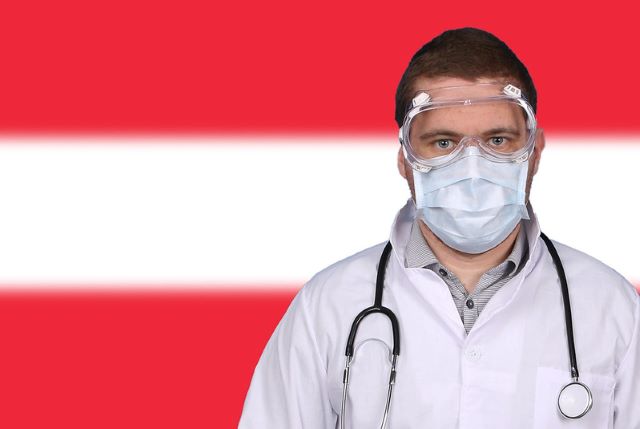 Austria is known for having one of the most generous and greatest healthcare systems across the world. Healthcare needs are readily accessible to Austrian citizens at little to no cost. The vast majority of the Austrian population has access to healthcare, as long as an individual is not willingly choosing to be unemployed.
Healthcare in Austria
- Two-tiered system: In the first tier of Austria’s two-tiered healthcare system, healthcare covers 99% of the population, of which 75% is typically funded through public taxes. However, citizens can also pay to have supplementary healthcare, which allows individuals to see private practitioners. As of 2010, it is estimated that 130,000 individuals chose to pay for private healthcare.
- Life-long private providers: For those who choose to pay for private or supplementary healthcare, insurance companies are not allowed to have restrictions within contracts, nor are they allowed to terminate an individual’s healthcare without permission. The private healthcare services can only be terminated by the individual, allowing the user to have access to life-long healthcare services.
- High accessibility to hospitals and pharmaceuticals: Despite the decline in hospital bed availability around the world, Austria has 271 hospitals containing more than 64, 000 beds and around 45,000 doctors, classing the country as having one of the highest bed/patient ratios in Europe. Along with the availability of hospitals and other health centers, the cost of pharmaceutical drugs in Austria is low. In 2012, Austria’s pharmaceutical costs were an estimated 18.6% lower than the rest of Europe.
- Public healthcare covers four areas: Within the Austrian healthcare system, there are four specific areas in which those who choose to have public healthcare, rather than private healthcare, can be covered: illness, maternity, precautionary and therapeutic aid. Each of these categories requires certain criteria for the individual to be categorized into one of the four areas.
- Tourists have access to healthcare: For those visiting Austria with a European Health Insurance Card, access to public healthcare is enabled. While this does not cover any private healthcare, it does cover basic doctor’s visits, dental services and even emergency hospital visits. This allows tourists or students who may need emergency medical assistance to access healthcare at a reduced fee.
Through this dynamic healthcare plan, Austria is able to provide healthcare and benefits for its citizens. Whether it be a simple checkup or something more extensive, Austria’s public healthcare system alleviates healthcare burdens for its people. Even for those who pay for a private healthcare plan, the cost of medical expenses is far less than many places around the world, as it is estimated to only cost $243 a month. Whether it be private or public healthcare, Austria’s two-tiered system has found itself among the highest-ranking healthcare systems in the world.
– Olivia Eaker
Photo: Flickr
