• Link to X
  • Link to Facebook
  • Link to Instagram
  • Link to TikTok
  • Link to Youtube
  • About
    • About Us
      • President
      • Board of Directors
      • Board of Advisors
      • Financials
      • Our Methodology
      • Success Tracker
      • Contact
  • Act Now
    • 30 Ways to Help
      • Email Congress
      • Call Congress
      • Volunteer
      • Courses & Certificates
      • Be a Donor
    • Internships
      • In-Office Internships
      • Remote Internships
    • Legislation
      • Politics 101
  • The Blog
  • The Podcast
  • Magazine
  • Donate
  • Click to open the search input field Click to open the search input field Search
  • Menu Menu

Tag Archive for: United Nations

Posts

Development, Global Poverty, Health

How Organizations Advance Equitable Health Care in Eritrea

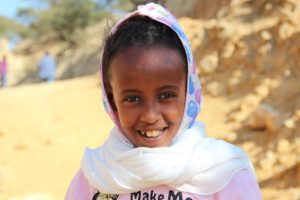
Health Care in EritreaAlthough health care in Eritrea has improved in important areas, such as declining mortality rates, over the past decade, vulnerable populations and rural communities continue to face the adverse effects of health care disparities. Several international organizations and community-based programs work to bridge the gap and increase accessibility to quality health services.

Health Care Disparities in Eritrea

Numerous disparities in health care access and services exist between urban and rural populations in Eritrea. The percentage of women receiving antenatal care from a health care professional in Eritrea increased significantly from 49% in 1995 to 70% in 2002. However, access remained uneven, with 91% of women in urban areas receiving antenatal care compared to just 59% in rural areas

A similar disparity appears in facility-based childbirth. In urban areas, the proportion of women giving birth in a health facility rose from 58% in 1995 to 62% in 2002. In contrast, the figure for rural women increased only slightly, from 7% to 9% over the same period.

Disparities in access to obstetric services were also evident across education levels. In 2002, approximately 88% of women with some secondary education were assisted by a trained health worker during childbirth, compared with 36% of women with only primary education and just 12% of those with no formal education.

Multiple disparities also exist in child health outcomes:

  • In 2002, the infant mortality rate was 48 per 1,000 live births in urban areas, compared to 62 per 1,000 in rural areas.
  • The under-5 mortality rate stood at 86 per 1,000 in urban areas, rising to an average of 117 per 1,000 in rural communities.
  • Stunting affected 20% of children whose mothers had higher education, compared with 35% of children whose mothers had primary education and 44% of those whose mothers had no formal education.

Disparities in Mental Health Treatment

Due to the increasing prevalence of mental health disorders in Eritrea, mental illnesses are among the leading causes of disability, comorbidity and mortality in the country. In 2014, the prevalence rate for common mental disorders was 14.5% and the estimated number of children with intellectual disabilities was between 30,000 and 40,000. However, because adequate mental health workers and services are limited, many mental illnesses and disorders are likely undetected or misdiagnosed.

Nonetheless, several organizations provide essential support to Eritrean refugees. Around 5,000 people flee the country each month to escape hardship and mandatory military service, increasing the need for mental health services in refugee camps. Doctors Without Borders (MSF) launched a mental health program in 2015 in Ethiopia’s Hitsats and Shimelba camps, offering counselling and inpatient and outpatient psychiatric care.

The Jesuit Refugee Service (JRS) also provides Mental Health and Psychosocial Support through counselling, psychological first aid, referrals and community-based activities that strengthen social connection and resilience.

Expanded Program on Immunization

The World Health Organization (WHO) identified physical barriers as a major challenge to immunization coverage in rural communities. In response, WHO implemented the Expanded Program on Immunization (EPI) in Eritrea to improve vaccine access, reaching more than 42,000 children and 150,000 mothers. By 2024, the program achieved national immunization coverage rates exceeding 95% for several vaccines.

UN Sustainable Development Cooperation Framework for Eritrea

The country program for Eritrea, outlined in the U.N. Sustainable Development Cooperation Framework 2022-2026, aims to enable more Eritreans to benefit from equitable and inclusive health and social services by 2026. The program outlines some goals for improved health and social services, including:

  • Increase the percentage of births attended by trained personnel from 71% to 85% to reduce preventable maternal deaths. 
  • Reduce the adolescent birth rate for girls aged 15-19 years from 27 per 1,000 to 14 per 1,000.

To achieve these goals, the program implemented several interventions, including:

  • Strengthening the capacity of health workers: Training doctors, nurses, midwives and anesthetists across Eritrea to provide quality emergency obstetric care, post-partum care, family planning, HIV prevention and gender-based violence support.
  • Building health system resilience: Deploying internationally trained obstetricians and gynecologists to remote and underserved areas, supported by technology to improve communication and service delivery nationwide.
  • Increasing access to maternal waiting homes (MWHs): Expanding and improving MWHs, which provide accommodation for pregnant women from remote areas during the final weeks of pregnancy, to enhance safe deliveries and postnatal care.
  • Advocacy: Promoting awareness of preventable maternal deaths and unmet family planning needs to inform government policies, planning and budgeting.
  • Supporting the National Fistula Diagnosis and Treatment Center (NFDTC): Strengthening services for fistula prevention, treatment and rehabilitation to ensure adequate national coverage.
  • Expanding adolescent and youth services: Strengthening and utilizing the existing network of youth-friendly centers to improve access to care.
  • Strengthening HIV prevention services: Enhancing delivery of HIV prevention interventions, particularly for high-risk populations such as female sex workers.
  • Empowering women and young people to use health services: Using community outreach and mobilization to increase uptake of HIV and gender-based violence services.
  • Reinforcing health information systems: Reestablishing and improving health management information systems, including maternal and perinatal death surveillance and response mechanisms.

Additionally, the country program works in collaboration with UNICEF and the WHO to strengthen the distribution and supply chain systems for medicines and medical supplies across Eritrea. This joint initiative aims to address unmet needs in family planning, reduce preventable maternal deaths and combat gender-based violence and harmful practices.

Community-Based Programs

  • Malnutrition Screening and Detection: UNICEF and the Ministry of Health (MoH) work together to train community health volunteers to use mid-upper arm circumference (MUAC) tapes to screen for and detect malnutrition in children under 5 and to provide referrals for treatment. These volunteers deliver life-saving interventions to approximately 50,000 acutely malnourished children each year.
  • Bare Foot Doctors Initiative (BFDs): BFDs trained through UNICEF help strengthen community-based service delivery in areas facing geographic barriers to health care. Their deployment has enabled 68,000 women and children to access essential public health services. By 2022, UNICEF had trained a total of 121 community members as BFDs.
  • Community Health Workers (CHWs): CHWs are a key component of community-based child health interventions in the Maekel Region aimed at reducing child mortality. Indeed, CHWs provide case management for pneumonia, malaria and diarrhea, the leading causes of death among children under 5 and lead community education sessions on child health. The MoH provides training and oversees the distribution of medical supplies and medications used by CHWs. The program has improved access to health care services and strengthened relationships between the MoH and local communities across the Maekel Region.

Conclusion

Notable work is being done to improve health care in Eritrea. Trained CHWs and volunteers extend services to areas previously out of reach. Organizations implementing health interventions benefit vulnerable populations and areas, including Eritrean refugees.

Organizations implementing health interventions are reaching vulnerable populations, including Eritrean refugees and helping to close existing care gaps. Together, these initiatives continue to drive progress toward a more equitable health care system in Eritrea.

– Sarah Merrill

Sarah is based in Matthews, NC, USA and focuses on Good News and Global Health for The Borgen Project.

Photo: Pixabay
February 4, 2026
https://borgenproject.org/wp-content/uploads/borgen-project-logo.svg 0 0 Hemant Gupta https://borgenproject.org/wp-content/uploads/borgen-project-logo.svg Hemant Gupta2026-02-04 03:00:582026-02-04 02:17:43How Organizations Advance Equitable Health Care in Eritrea
Development, Foreign Relations, Global Poverty

UN Meets to Discuss the Doha Program of Action

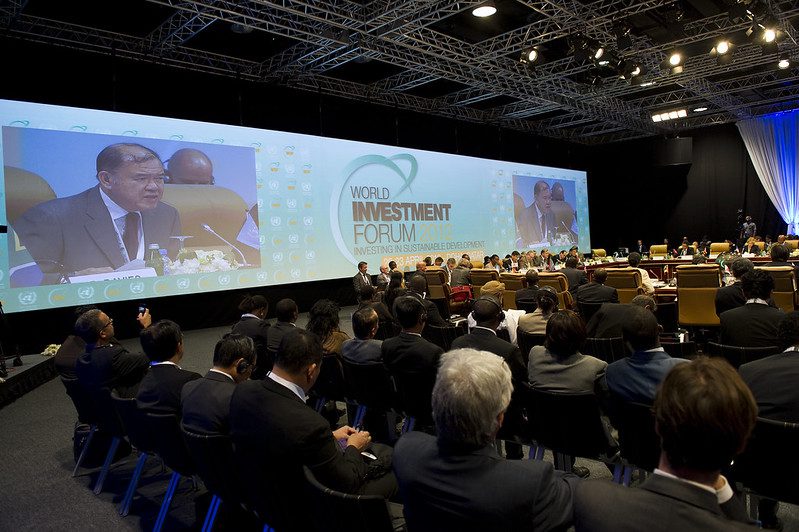
UN Meets to Discuss the Doha Programme of Action A United Nations (U.N.) meeting on the Doha Program of Action has wrapped up. The Qatar Fund for Development (QFFD) and the United Nations Office of the High Representative for Least Developed Countries, Landlocked Developing Countries and Small Island Developing Countries (UN-OHRLLS) organized the meeting. It spanned three days. Ministers, senior officials, development partners and representatives of international organizations convened to discuss how to help least developed countries (LDCs) graduate successfully.

For a country to graduate, it must reach a threshold of income, education and resilience. The Doha Program of Action aims to help 15 more countries reach graduation by 2031. LDCs face disproportionate risks from climate disruptions, conflict, financial distress and trade disturbances. Rabab Fatima, a U.N. high representative for LDCs, said that participants at the meeting exhibited “a strong collective will to ensure that graduation becomes a gateway to resilience, opportunity and sustainable prosperity.”

Doha Program of Action

The Doha Program of Action functions as a framework and coordination mechanism that sets shared goals and standards for least developed countries and guides how governments, international organizations and development partners provide support. It outlines six main focus areas. The first focuses on supporting people in LDCs by reducing poverty and expanding access to basic services. For the second focus area, it emphasizes science, technology and innovation as tools to address multiple vulnerabilities and advance the Sustainable Development Goals (SDGs). Next is promoting productive transformation as a driver of economic growth. The fourth encourages international trade among LDCs and strengthens regional cooperation. The fifth addresses climate change, environmental degradation and post-pandemic recovery while strengthening resilience to future shocks through risk-informed sustainable development. Finally, the sixth mobilizes international solidarity, renewed global partnerships and innovative mechanisms to support sustainable graduation.

Transition Strategies

Countries that are at or near graduation, such as Bangladesh, the Lao People’s Democratic Republic and Nepal, provided advice on transitioning. The three countries explained that LDCs should prioritize a national transition plan. Representatives emphasized that this step is crucial to reaching the graduation threshold. A coherent strategy will reduce reliance on targeted aid. Representatives said these policies should be pragmatic and centered on supporting the future of LDCs. The conference also examined how developing countries can increase output by implementing digital technology and environmentally sustainable industries. To support developing economies, participants identified expanding trade opportunities as a priority.

The Role of iGRAD

The iGRAD facility plays a key role in implementing the plan. The facility will help guide LDCs through the transition period. Qatar has pledged $10 million to support it. Fahad Hamad Al-Sulaiti, director general of the Qatar Fund for Development, said the conference illustrated the necessity of supplying LDCs with “the tools, resources and partnerships with confidence.”

International Support

In previous years, countries and international partners have provided assistance to LDCs, demonstrating commitment to the Doha Program of Action. Qatar committed to donating $60 million. Qatar allocated $10 million to support implementation of the plan and $50 million to build foundational strength in LDCs. Germany pledged 200 million euros to finance LDCs. Canada pledged $15 million to provide vitamin supplements for 15 LDCs, as well as ecosystem support efforts in Burkina Faso. The United Nations lists 44 countries as LDCs.

Looking Ahead

Overall, the gathering shows the U.N.’s effort to assist least developed countries in their journey toward graduation. Guidance from countries that have graduated, innovative financial mechanisms and a history of international support signal a promising future for the Doha Program of Action. If countries follow through on these commitments, more LDCs will have the means to graduate. Continued coordination and support will play a key role in the plan’s success.

– Sasha Banaei

Sasha is based in San Diego, CA, USA and focuses on Politics for The Borgen Project.

Photo: Flickr

January 12, 2026
https://borgenproject.org/wp-content/uploads/borgen-project-logo.svg 0 0 Precious Sheidu https://borgenproject.org/wp-content/uploads/borgen-project-logo.svg Precious Sheidu2026-01-12 03:00:322026-01-12 01:29:55UN Meets to Discuss the Doha Program of Action
Education, Global Poverty

Education in Gabon

Education in GabonLocated on the western shores of Central Africa — bounded by the Atlantic Ocean, Cameroon, Equatorial Guinea and the Republic of Congo — is the Gabonese Republic. France colonized the country late in the 19th century, and it was decolonized after World War II, with independence taking place in 1960. Its population of just under 2.5 million is 91% urban, distributed in “pockets” throughout the country.

With vast petroleum reserves, Gabon is a natural-resource-rich, upper-middle-income country and is considered one of sub-Saharan Africa’s most prosperous and stable countries. At the same time, while the forecasted 2025 extreme poverty rate is just 3.1%, the upper-middle-income poverty rate is forecast to be over 37.8%. Unemployment is 20%. 

Education in Gabon

Based on the French model, education in Gabon is compulsory and free from ages 6 to 16, beginning with six years of primary education, followed by seven years of secondary school (state program). Options include the predominant general and technical schools, supplemented by private and international schools. Tertiary education includes two state universities: the University of Sciences and Technologies of Masuku, and the Omar Bongo University programs in administration, engineering, forestry, hydraulics, law, literature, management, science and teacher training. 

Primary education expenditure per child of primary education age was 94.9% above the sub-Saharan regional average, but 48.9% below the upper-middle-income country average. 

Learning Poverty

The Learning Poverty rate, a metric initiated in 2019 by the World Bank and the UNESCO Institute for Statistics, measures the proportion of children who are unable to read a simple text with comprehension by age 10, and considers both schooling and learning. Schooling Deprivation, Learning Deprivation and Learning Poverty are all related and are an early indication of risks to the overall quality of education.

In 2021, the World Bank reported that 30% of Gabonese children at late primary age were not proficient in reading, 24% of students did not achieve the minimum proficiency level in reading at the end of primary school and 9% of primary school-aged children were not enrolled in school. This puts Gabon in a better position than the average for the sub-Saharan Africa region (55.7 percentage points lower) and slightly lower than the average for upper-middle-income countries. Learning poverty was higher for girls than for boys, but the indicators and component proportions for boys and girls were within a few points of each other. 

Demographic Disparities

As might be expected, there are various demographic differences in education regarding access and completion, including discrepancies related to wealth and location (urban/rural) in Gabon. The largest differences between the poorest and the richest students are in completion rates: primary (44% and 95%, respectively), lower secondary (17% and 75%), upper secondary (4% and 49%) and tertiary (more than 40%). This disparity pattern in completion rates is similar between rural and urban locations.

There are also some gender differences, but these are not as dramatic. Boys and girls are relatively close on the individual metrics, and both are low for lower secondary completion (below 50%) and upper secondary completion (below 25%). Literacy is high for both 15-14-year-old boys and girls at 95% and 97%, respectively. Learning achievements are within 5-10% of each other, but low for math at the end of primary school. 

SDG 4

In the 2025 United Nations Sustainable Development Report, Gabon is ranked 103:167 overall on the 17 SDGs. SDG 4, Quality Education, is to “Ensure inclusive and equitable quality education and promote lifelong learning opportunities for all.” The assessment of Gabon on SDG 4 is that “major challenges remain.” Noted are major challenges remaining in the net primary enrollment rate and the lower secondary completion rate, and the literacy rate. (The World Bank reported adult literacy in 2021 to be 86%.)

Addressing High School Dropout: ADAP

Primary school enrollment in Gabon is high—90%–but there is a serious drop in transitioning to secondary school. Only 48% of boys and 57% of girls enroll in secondary school, reportedly because of “social factors.” UNICEF, through its Adolescent Development and Participation program (ADAP), is working with Gabonese education professionals to encourage young people to stay in school and understand how they can contribute to their communities. In addition to working with those in daily contact with adolescents, UNICEF Gabon contributes to various community and school awareness-building activities and extracurricular talks.

U-Report

An innovative approach for communication and advocacy is UNICEF’s use of U-Report, UNICEF’s free and anonymous mobile digital platform where young people can post opinions and information, engaging in advocacy within their communities and beyond. Launched in Uganda in 2011, as of mid-202, there were over 37 million registered U-Reporters in 102 countries, including 4,231 U-Reporters in Gabon. In July 2025, Gabon’s fifth U-Report regional branch opened in Franceville, with the network hailed as a means of allowing “young people to express themselves, learn and influence public policy on issues that concern them.” 

Advocacy Enhancing Education

As a correlate to UNICEF’s ADAP effort, U-Report can serve not only to support students’ healthy communication and advocacy activities, but also to strengthen and support their involvement in local communities, including activities that improve their schools. In Libreville, for example, group field action was conducted to remove unhealthy conditions on school grounds in Sibang by collecting waste, recycling plastic, and weeding around a classroom building to provide a cleaner environment to support students’ well-being and academic success. The Oyem group conducted a two-day campaign in schools to raise awareness of crucial issues—violence in schools, cyberbullying, sexual violence in schools and children’s rights. This involved middle and high school students in interactive workshops and discussion sessions. 

Final Thoughts

Together, UNICEF’s ADAP initiative and the U-Report platform are helping transform young Gabonese into active advocates for their education and communities. By amplifying their voices and encouraging civic engagement, these programs not only motivate students to stay in school but also foster a generation prepared to address the persistent challenges of inequality and access to education in Gabon.

– Staff Reports

Photo: Flickr

January 2, 2026
https://borgenproject.org/wp-content/uploads/borgen-project-logo.svg 0 0 Borgen Project https://borgenproject.org/wp-content/uploads/borgen-project-logo.svg Borgen Project2026-01-02 01:30:352025-12-23 06:59:08Education in Gabon
Global Poverty, Hunger, United Nations

How the United Nations is Working to Prevent Hunger in Tonga

Hunger in TongaThe Kingdom of Tonga, a constitutional monarchy, is a 171-island archipelago in the South Pacific Ocean. Its estimated population of almost 105,000 occupies 45 of the islands, with over two-thirds living on the island of Tongaatapu. Over 75% of Tonga’s population is rural, although less than 28% of the land is arable. Tonga is an upper middle-income economy, with “enormous diaspora and remittance reliance” (estimated at almost 42% in 2022). Tourism is a key industry, and the country is a major fish exporter.      

Food Security: Access vs. Quality

The most recent Sustainable Development Report for Tonga for the U.N.’s SDG 2, Zero Hunger, shows decreasing trends in terms of improvement, with significant challenges remaining.  (Information was available for only four of the eight indicators comprising the assessment.) While the SDG has been achieved for stunting and wasting of children under 5, significant challenges remain for the Sustainable Nitrogen Management Index, and a major challenge regarding the prevalence of obesity, where the improvement trend is decreasing. 

Tonga has not met the criteria for inclusion in the Global Hunger Index, most likely because of insufficient data. Still, other sources support the conclusion that food security in Tonga is not a question of access to food, but rather an issue of the quality of food being consumed. The Pacific Community: Tonga Food Security Profile reports that more than 97% of the population has adequate access to food, but around 12% lack access to nutritious foods. While vegetable and fruit consumption is approximately what the WHO recommends for a healthy diet, 60% of dietary energy comes from foods it is recommended to limit or avoid—e.g., sugar and animal fats. Only 15% of Tongans consume a balanced diet. 

This conclusion is supported by the 2022 Global Nutrition Report, which indicates that Tonga’s obesity prevalence (57.9% of adult women and 45.5% of adult men) is higher than the regional average and among the highest in the world. At the same time, while Tonga is “on course” for childhood stunting, childhood wasting and childhood overweight, there has been no progress, or worsening, for anemia among women of childbearing age and exclusive breastfeeding. Tonga is off course for the remaining eight indicators of the report. 

Impact of Dietary Diversity on Health

The World Food Programme’s mobile Vulnerability Analysis and Mapping survey, October/November 2024, in Tonga, similarly noted that 98% of the households surveyed experienced adequate consumption, but diets lacked diversity. Although food security was found to be stable, the high cost of food and rural poverty are challenges. Significantly, the poor quality of diets can lead to NCDs (non-communicable diseases). 

The World Bank had previously noted an increase in poor diet as one of the behavior-related risk factors contributing to Tonga’s rise in NCDs, which accounted for four of the five leading causes of mortality. A 2021 World Bank study focused on NCD-related fiscal policies, such as taxation policy on unhealthy food consumption behaviors.

The World Bank has worked with Tonga to evaluate programs put in place 2016-2019 to promote healthy lifestyles. These programs were:

  • A government policy to mandate overseas fishing vessels to sell a portion of their catch in Tonga at a discounted rate, thus increasing the supply of fish available domestically
  • An NCD tax on unhealthy foods
  • A government buy-back program, whereby the Ministry of Fisheries purchased fish wholesale from local fishing boats and subsequently sold it to the public at a subsidized rate

The World Bank’s findings showed that “integrated, innovative solutions can work together to reduce food security risk… and improve health and nutrition outcomes.” 

Climate Challenge

Not to be ignored is the impact of climate on Tonga and its key economic sectors—tourism, agriculture and fisheries—and thus the direct and indirect effect on food security and health. Natural hazards include heat waves, drought, floods, cyclones and storm surges. In January 2022, for example, a volcanic eruption and tsunami destroyed crops and polluted drinking water. 

Subsequent to the COVID pandemic, the U.N.’s International Fund for Agricultural Development (IFAD) worked through the Informal Economies Recovery Project to support the implementation of various agricultural development activities in Tonga. IFAD’s mission is to reduce rural poverty, to improve nutrition and increase food security, as well as to strengthen resilience. IFAD partnered with MORDITT in Tonga (Mainstreaming of Rural Development Innovation Tonga Trust), with activities including the distribution of seedlings. 

A Collaborative and Multi-Pronged Approach

Addressing hunger in Tonga is thus a combination of national and international commitment with macro-level policy and sectoral efforts, as well as micro-level behavioral change efforts.

– Staff Reports

Photo: Flickr

January 1, 2026
https://borgenproject.org/wp-content/uploads/borgen-project-logo.svg 0 0 Borgen Project https://borgenproject.org/wp-content/uploads/borgen-project-logo.svg Borgen Project2026-01-01 07:30:032025-12-22 01:06:50How the United Nations is Working to Prevent Hunger in Tonga
Food Insecurity, Global Poverty

Hunger in Samoa: Advancing Sustainable Nutrition

Hunger in SamoaThe Independent State of Samoa is a small archipelagic country of two main islands and eight small islets in the South Pacific Ocean. The Dutch discovered the islands in 1722, but it was more than 150 years before the United States, the United Kingdom and Germany claimed parts of the kingdom. Subsequent to a civil war, at the close of the 19th century, these countries abolished the monarchy and Germany and the U.S. claimed the western and eastern islands, respectively. Finally, in 1962, Samoa reestablished its independence. 

Approximately 75% of its population of just under 209,000 lives on just one of the islands, Upolu. Over 80% of the population is rural, but almost two-thirds of the country is forest and less than 3% of the land is arable. 

Previously considered an upper-middle income country, the World Bank reclassified Samoa as lower-middle income in 2021 because of the recession suffered when the country was closed during the COVID-19 pandemic. The economy began to turn around in 2023, especially as its tourism industry revived. 

The most recent (2013) World Bank international poverty line data for Samoa estimates poverty at just 1.2%. However, when considered against the rate for an upper middle-income country for that year, Samoa’s poverty rate was 43.3%. 

Challenges of Climate

Experiencing a tsunami and an earthquake in 2009 and severe cyclones in 2012 and 2018, Samoa is vulnerable to climate change and natural disasters. This impacts its economy, as well as water and food security—in other words, its overall well-being. 

Nutrition Assessments and Hunger in Samoa

There have been insufficient data available for Samoa to be ranked in the Global Hunger Index, but the country has been included in the 2022 Global Nutrition Report, whose indicators measure a country’s “burden of malnutrition.” There are 13 global nutrition targets, and, at that time, Samoa was reported as “on course” for only three: childhood overweight, childhood wasting and exclusive breastfeeding. The country had shown no progress or was worsening on childhood stunting and anemia among women aged 15 to 49 years. There were no data on low birth weight, and progress was “off course” on the remaining seven indicators, including obesity, diabetes and blood pressure. 

Nutrition Concerns

The 2021 Samoa Food Systems Pathway 2030 shared data on the country’s nutrition concerns: 70% of the population is overweight, around 50% obese, and approximately 80% of deaths attributable to noncommunicable diseases that it was estimated will cost 8.5% of GDP by 2040; 24.2% of Samoans moderately food insecure, 5% undernourished, 6% living in food poverty. Furthermore, it was noted that undiversified diets were influenced by food imports and processed foods, with disparity between rich and poor households reflected in the healthfulness and diversity of foods consumed. 

Samoan Pathway to Sustainable Development

Sustainable Development Goal 2 of the 2015 United Nations Agenda for Sustainable Development is Zero Hunger: creating new paths for nutrition, agriculture and food systems. And it is SDG 2 that underlies the Samoa Food Systems Pathway 2030, developed at a National Dialogue in April 2021 and discussed later that year by Samoa’s minister of agriculture and fisheries at the U.N. Food Systems Summit of 2021. The Pathway is defined as the means for “transforming food systems for a resilient and healthy Samoa where no one is left behind” and sustainable “food and nutritional security and affordable healthy diets” are achievable.”

The Pathway report notes that hunger is not an issue in Samoa, but identifies four food systems for improvement: (1) food production, (2) food processing, (3) food consumption and (4) food safety and food waste. Attention is paid to the concern with overfishing (and the extinction of native species) and the sustainable management of natural resources, as well as to postharvest loss and food waste (up to 20% of fresh fruits and vegetables). The goal is behavioral, to shift from consumption of processed imported foods to locally produced fresh products to achieve a balanced and nutritional diet.

The Pathway report outlines four pathway actions and five Action Tracks:

  • Ensure access to safe and nutritious food for all: Boosting local production, strengthening the enabling environment and improving evidence-based knowledge.
  • Shift to sustainable consumption patterns: Strengthening policy and regulatory systems, promoting local traditional foods and enhancing nutrition education.
  • Boost nature-positive production: Revitalizing traditional knowledge, strengthening extension services and improving environmental protection policy and regulatory measures.
  • Advance equitable livelihoods: Facilitating stakeholder engagement, promoting the role of women and youth and enhancing the role of communities.
  • Build resilience to vulnerabilities, shocks, and stress: Building climate-resilient practices, adopting and implementing social protection measures.

Thus, the same report that openly recognized the nutritional concerns of the Samoan people has responded with a long-term action plan to address those concerns over the next five years.

– Staff Reports
Photo: Wikimedia Commons

March 16, 2025
https://borgenproject.org/wp-content/uploads/borgen-project-logo.svg 0 0 Jennifer Philipp https://borgenproject.org/wp-content/uploads/borgen-project-logo.svg Jennifer Philipp2025-03-16 07:30:452025-03-16 09:01:43Hunger in Samoa: Advancing Sustainable Nutrition
Africa, Global Poverty, Humanitarian Aid

CERF Releases $100 million For Underfunded Crises

CERFOn August 30, 2024, the Central Emergency Response Fund (CERF) of the United Nations released $100 million for critically underfunded crises. CERF provides funding for essential supplies and services during conflict, natural disasters and other emergencies, aiming to support timely and reliable responses in under-funded crises.

Twice annually, the CERF’s Acting Emergency Relief Coordinator (ERC) allocates special grants from the Underfunded Emergencies (UFE) Window to support essential life-saving activities in neglected humanitarian emergencies. Here are the country allocations and the underfunded crises they face.

Underfunded Crises in West Africa

CERF will allocate $10 million to Burkina Faso, where more than 2 million people were internally displaced due to armed conflict between internal militias — part of a broader Sahelian violence caused by Islamic extremism and political instability. Twenty-seven percent of the country requires humanitarian assistance and millions face severe food insecurity.

Similarly, Mali faces a security crisis compounded by economic shocks. More than 7 million require humanitarian assistance, 1.37 million face crisis levels of food insecurity, 1.4 million children face undernourishment, approximately 2,600 individuals face famine and more than 350,000 are internally displaced, according to CERF. Mali will receive $11 million to help displaced populations and alleviate food insecurity

Underfunded Crises in Central and East Africa

Ethiopia is struggling with civil conflict and the aftermath of flooding that has caused deaths, displacement, and food insecurity. Up to half a million could be struggling with displacement and more than 15.8 million are food insecure, according to CERF. Meanwhile, Ethiopia faces cholera and malaria epidemics. CERF will provide $15 million to Ethiopia to help provide access to critical services and to reduce morbidity for 12.3 million vulnerable people.

Malawi is also dealing with weather patterns causing food insecurity among 5.7 million people. Aid worth $11 million could help the country deal with the effects of drought.

Since 2017, Mozambique has experienced violence that has displaced hundreds of thousands of people while weather patterns devastate the agricultural sector, according to CERF. Funding of $7 million is going towards preventing a food insecurity crisis.

Burundi faces food insecurity, violence, epidemics and natural disasters. Heavy rainfall caused flooding by the end of last year and displaced thousands. More than 1 million people are food insecure and landslides have displaced more than 47,000 people, according to CERF. Funding of $5 million will support flood recovery and displaced people.

Cameroon experiences several forms of internal violence and natural disasters. Recent floods exacerbate the situation and an estimated 1.8 million people are without adequate water and health services. Receiving $7 million could help vulnerable populations, particularly women and children, against exploitation and malnutrition.

Middle East, South East Asia and the Caribbean

Yemen is considered the largest humanitarian crisis, an eight-year civil war in Yemen between Houthi rebels and Saudi-backed government forces created an economic, social and health crisis. There are 19 million people experiencing a food insecurity crisis while flooding disrupts access to essential services, according to CERF. Many lack sanitation, water and health care access. CERF will provide $20 million to support food security and health for millions in need.

Following a brief period of democratic rule, a 2021 coup in Myanmar devolved into a civil war between a military government and various ethnic militias. Intensified fighting this year increased displacement to 3.1 million people. Almost 13 million people face moderate or severe food insecurity, according to CERF. The organization will provide $12 million to Myanmar which could hopefully help 18 million people who need funding for essential services and support for displaced populations.

Natural disasters and internal gang violence leave 5.5 million people requiring humanitarian assistance in Haiti. There are 578,000 people who are internally displaced, 8.5 million faced food insecurity earlier this year and many face gang violence, according to CERF. Funding of $9 million will support critical needs in the country.

Conclusion

These countries experience underfunded crises despite dire situations and donor pledges. This demonstrates the need for increased attention. The allocation of $100 million by CERF is a crucial step but support from international donors and organizations is essential to address the ongoing challenges these countries face.

– Luke Ravetto

Luke is based in Boston, MA, USA and focuses on Politics for The Borgen Project.

Photo: Flickr

October 28, 2024
https://borgenproject.org/wp-content/uploads/borgen-project-logo.svg 0 0 Naida Jahic https://borgenproject.org/wp-content/uploads/borgen-project-logo.svg Naida Jahic2024-10-28 01:30:252024-10-27 12:08:43CERF Releases $100 million For Underfunded Crises
Advocacy, Aid, Global Poverty

The Hidden Dimensions of Poverty  

Hidden Dimensions of PovertyIn February 2024, the “Addressing the Hidden Dimensions of Poverty in Knowledge and Policies” Conference took place at the World Bank headquarters in Washington, D.C. and online. To better understand the key dimensions and relationships of poverty, the conference brought together various groups including practitioners, academics and people with first-hand poverty experience to join together in research.

The Agenda

The conference’s Keynote speech “Evaluating the Impact of Anti-Poverty Policies: The Value of Multiple Approaches” set the tone for the event by introducing the idea that multiple perspectives are key when discussing issues of poverty, particularly those from people who have lived experience.

The conference then drew on the findings of two significant research projects that illustrate poverty’s hidden dimensions and how to incorporate them into the fight against global poverty. Both of these projects were conducted in collaboration with ATD Fourth World, a non-profit organisation founded in 1957.

After a series of workshops which explored the applicability of these projects to poverty research in specific countries including Bolivia, Tanzania and the U.K., according to the World Bank, the conference concluded with a roundtable discussion from leaders of the World Bank, ATD Fourth World, International Monetary Fund (IMF) and the U.N.

The Hidden Dimensions of Poverty

The ‘Hidden Dimensions of Poverty’ was a multi-year participatory research project from ATD Fourth World and Oxford University published in 2019. The project aimed to complement “top-down” definitions of poverty with direct experiences to develop future research methodologies. Researchers hope that these research methodologies can enable people in poverty to engage in global policy-making, hold governments accountable and fulfil their human rights obligations.

The project concluded that poverty may be defined as having nine dimensions that each fall into one of three larger categories. For each individual, the dimensions within these three categories (core experience of poverty, lack of resources and relational dynamics) are caused by external modifying factors such as location and identity which combine to create an experience of poverty that is unique to the person. This framework can not only define poverty but also help understand the contributing factors at play which could shape local and global policy, according to the research.

ATD Fourth World views current measures of extreme poverty such as the $1.90 a day indicator to be deeply flawed and inadequate. Instead, it believes that extreme poverty is a multidimensional phenomenon and policymakers should treat it as such. ATD Fourth World continues to work with people living in poverty, researchers and international organisations and governments to work on the question of how best to measure poverty.

The IDEEP

The Tool for the Inclusive and Deliberative Elaboration & Evaluation of Policies (IDEEP) is a document that ATD Fourth World and Olivier De Schutter, the U.N. Special Rapporteur on extreme poverty and human rights, created and published in February 2024.

The IDEEP aims to guide policymakers to ensure that the design, implementation and assessment of policies and projects has strong participation from people in poverty. This aims to ensure the addressing and inclusion of various dimensions of poverty, including the “hidden” ones. While not explicitly mentioned, the IDEEP draws on the findings of the Hidden Dimensions of Poverty to provide a framework which is inclusive and deeply participatory.

This tool does not intend to replace existing policy assessment tools such as those which rely on the normative framework of human rights, rather it aims to complement them to offer a more nuanced perspective. Furthermore, by using the IDEEP, decision-makers could capture the lived experiences of people in poverty to create improved policies and projects.

Changing the Perception of Poverty

Put simply, poverty is something that society has created, knowingly or unknowingly, according to ATD Fourth World. The findings put forth in this conference demonstrate that the best way to solve this issue is through open collaboration between researchers, people with lived experience and international institutions and governments. It is only through understanding the hidden dimensions of poverty that one can constructively combat this global issue.

– Carla Messinger

Carla is based in Oxford, UK and focuses on Global Health and Politics for The Borgen Project.

Photo: Unsplash

August 13, 2024
https://borgenproject.org/wp-content/uploads/borgen-project-logo.svg 0 0 Naida Jahic https://borgenproject.org/wp-content/uploads/borgen-project-logo.svg Naida Jahic2024-08-13 01:30:152024-08-12 12:09:09The Hidden Dimensions of Poverty  
Aid, Global Poverty, War

How the War in South Lebanon Is Ruining Its Economy

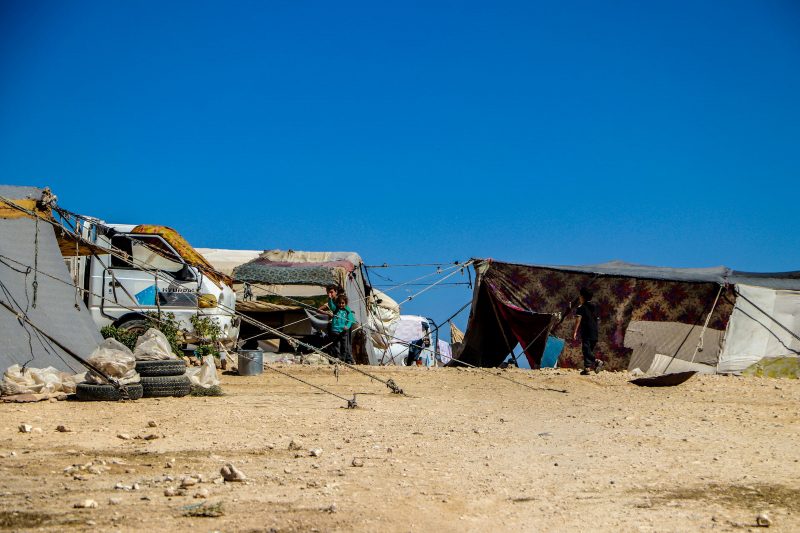
War in South LebanonLebanon’s progress under the United Nations (U.N.) Sustainable Development Goals (SDGs) has been stagnant at best since its financial crisis in 2017 and the 2020 Beirut blast, which left 300,000 people displaced and more than 200 people killed. Since then, the South of Lebanon has also found itself at war with Israel, which has further worsened the economic situation in the country.

The War in South Lebanon

The skirmishes between Hezbollah in South Lebanon and Israel have been ongoing since the beginning of the Gaza war on October 7, 2023. On May 28, 2024, after Israel’s aerial strike on Rafah, Hezbollah’s missile attacks reached an all-time high, getting up to 3,000 rockets, leaving 86 settlements in Northern Israel heavily damaged.

Israel has been responding with aerial attacks that have left most of the villages in Southern Lebanon uninhabitable, forcing many to flee either to Beirut or the mountains. According to the International Organization for Migration’s (IOM) Displacement Tracker Index, some 86,000 people have been displaced and 51% of those displaced are women.

Since the beginning of the war, Lebanon has remained the country with the highest displaced population per capita in the world, totaling 2.47 million and including Syrian and Palestinian people as well.

The Olive Trees Crisis

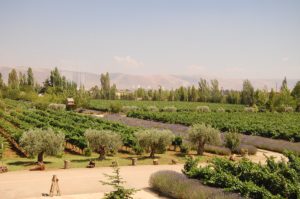
Agriculture is a major source of income in Southern Lebanon. It employs hundreds of thousands. The olive oil business, in particular, makes up 7% of Lebanon’s agricultural gross domestic product (GDP) and provides some 110,000 farmers with their livelihoods.

This has been greatly affected by Israeli airstrikes on agricultural land. Additionally, the use of white phosphorus bombs, which the Lebanese Ministry of Environment claims, has increased the amount of phosphorus 900 times above healthy levels, specifically in areas targeted by the Israeli military.

The damage to the land in this area is incredibly poignant, considering that approximately 12 million trees cover the farming land used in the olive oil business and that this farming land makes up almost one-quarter of the country’s total agricultural area.

How the UN is Helping

Under the Regional Refugee Resilience Plan by the United Nations High Commissioner for Refugees (UNHCR), the Inter-Agency unit in Lebanon has accomplished significant milestones in assisting the country with absorbing and managing its large displaced population.

Since the beginning of the war, the unit has supported 22,196 small-scale farmers through education and the provision of essential materials to rural and underserved areas. The unit has also been directly providing aid to shelters, dishing out 209,109 daily meals to the inhabitants of Saida and Tyre’s shelters.

While the situation as a whole remains somewhat dire, U.N.-funded organizations and other charitable institutions have been providing immense help to the underprivileged people of Southern Lebanon. However, they are receiving only 13% of their required budget, making lobbying an even more urgent duty to us all.

– Carl Massad

Carl is based in Sarba, Jounieh, Lebanon and focuses on Politics and World News for The Borgen Project.

Photo: Flickr

June 14, 2024
https://borgenproject.org/wp-content/uploads/borgen-project-logo.svg 0 0 Hemant Gupta https://borgenproject.org/wp-content/uploads/borgen-project-logo.svg Hemant Gupta2024-06-14 01:30:102024-06-13 13:27:09How the War in South Lebanon Is Ruining Its Economy
Africa, Global Poverty, Hunger

UN Initiatives To Address Severe Drought in Zambia

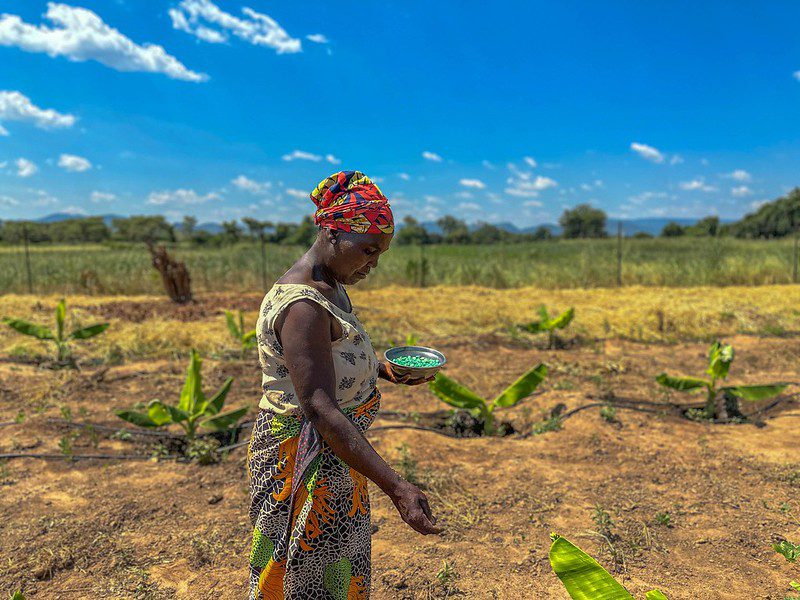
Drought in ZambiaIn February of 2024, the president of Zambia, Hakainde Hichilema, declared a national emergency due to significant drought and widespread hunger. The 2023-2024 rain season, which usually begins in September or October, instead began in January and lasted only one month. Since then, almost no rain has fallen. The United Nations (U.N.) estimates that the drought has destroyed more than two million hectares of crop fields and affects about 9 million people country-wide.

In response to the drought, which is considered Zambia’s worst drought in 20 years, the U.N. allocated $5.5 million in relief funding. In early May of 2024, the U.N.’s Office for the Coordination of Humanitarian Affairs (OCHA) submitted an appeal for another $228 million in funding. This additional aid, if approved, will bolster humanitarian efforts to address the drought in Zambia.

Rainfall and Crop Production

Zambia relies on rainfall for crop production and inconsistent rainfall means a serious lack of food. When subsistence farmers cannot harvest crops to feed their families, their only option is to purchase food. But even the commercial farmers who supply that food are struggling. As food production becomes more constrained, costs skyrocket, leaving millions hungry.

Alternative water collection methods, such as irrigation systems, are expensive and, therefore, not widely used in Zambia. Commercial farmers can sometimes obtain loans, which enable them to install such technology. However, subsistence farmers, without a consistent source of revenue, are often unable to receive such funding. The drought’s impact is felt most strongly among small-scale farmers who cannot water their crops, have no funding to install water technology and have limited means to purchase food.

Hydroelectricity

The drought in Zambia has extensive consequences beyond the food crisis. Zambia relies largely on hydroelectric power for its energy needs; about 80% of its total power is derived from hydroelectric sources. Low water supply has forced Zambia Electricity Supply Corporation (ZESCO), which supplies about 95% of the country’s energy needs, to limit power generation to only eight hours per day.

This widespread energy crisis has far-reaching consequences. According to the World Bank, “lack of reliable electricity severely restricts the country’s potential for improving per capita gross domestic product (GDP) and reducing poverty.” Furthermore, “increasing rural access to modern energy promotes social cohesion and assists the government in economic development initiatives.”

National Government’s Proposed Solutions

Zambia’s legislature has proposed realigning the national budget to allocate more funding toward drought relief. It also offers loans to subsistence farmers to install irrigation technology. For the most vulnerable people who simply have no access to food, Zambia plans to enhance its Social Cash Transfer Program (SCT), which aims to reduce extreme poverty.

To prevent future crises, Zambia plans to diversify its energy mix by adding other renewable sources, such as wind and solar. Relying less heavily on hydroelectric power will help mitigate the effects of future droughts on the nation’s farmers. The Zambian government has been in a debt restructuring process for three years, constraining its ability to give loans and direct cash aid to starving families. Hichilema is calling on the nation’s creditors to expedite the process, stating that “if this process does not close, it’s not just an indictment on Zambia but the global system.”

UN Initiatives

The World Food Programme (WFP), a branch of the United Nations, is working with Zambia to combat the current crisis. Its efforts include distributing food, using boreholes to find clean water and updating the country’s water technology systems. Cindy McCain, the executive director of the WFP, explains that the relief effort must focus on both long-term and short-term goals.

According to McCain, the short-term priority is increasing food availability. In contrast, long-term relief efforts would focus on preventative measures, such as installing irrigation systems and distributing drought-resilient seeds. The crucial first step is securing the additional $228 million in aid requested by OCHA. This funding infusion will greatly help the national government, the U.N. and other nongovernmental organizations meet the needs of the nation’s struggling farmers.

– Maren Fossum-Wernick

Maren is based in St. Paul, MN, USA and focuses on Technology and Global Health for The Borgen Project.

Photo: Flickr

June 10, 2024
https://borgenproject.org/wp-content/uploads/borgen-project-logo.svg 0 0 Hemant Gupta https://borgenproject.org/wp-content/uploads/borgen-project-logo.svg Hemant Gupta2024-06-10 07:30:282024-06-09 09:36:10UN Initiatives To Address Severe Drought in Zambia
Global Poverty

How Renewable Energy in Jordan Fights Energy Poverty

Jordan has always heavily relied on energy imports, acquiring more than 90% of the energy it consumes. Thus, it is unsurprising that the government has been actively prioritizing energy security as a central objective, with renewable energy playing a crucial role. Due to successful policy, there has been a significant surge in the production and use of renewable energy in Jordan over the past decade. As a result of these advancements, the Jordanian government now has additional tools to address energy poverty within the country. 

A Greener Jordan

Jordan’s initial investment into domestic energy was the National Energy Strategy Plan for 2007 to 2020. This plan sought a $20 billion investment in energy development, with a significant portion allocated to renewable energy projects. This plan led to the construction of many solar and wind farms nationwide. Throughout the 2010s, Jordan’s energy sector steadily incorporated renewables. The proportion of electricity generated by renewables in Jordan grew from 0.7% in 2014 to 13% in 2019. 

The significance of renewable energy in Jordan has only continued to grow. In the government’s updated energy strategy for 2020 to 2030, the Jordanian government aims to increase the share of electricity generated from renewables to 31% by 2030. A target that Jordan is on track to exceed. As of 2022, renewables accounted for 27% of the total electrical energy produced, just 4% off their 2030 target. This trend has led to discussions within the Jordanian government to increase the target to a whopping 50% by 2030. 

Green Initiatives Tackling Energy Poverty 

The success of Jordan’s renewable energy sector has had tangible implications for the country’s quest to tackle energy poverty. Energy poverty has been a continual problem for the country, with studies in 2020 suggesting that 16% of the population qualifies as fuel-poor. This issue has been particularly prevalent in refugee camps in Jordan. In a 2019 United Nations report, the camps were identified as often lacking sufficient, reliable and affordable energy for electricity and heating.

While challenges concerning energy poverty remain, the Jordanian government has been utilizing its growing renewable energy sector to take on this issue. Various initiatives actively introduced assistance to help low-income households cope with energy poverty. For example, the government provided solar heater systems to 30,000 homes across the Kingdom for water heating. 

The Jordanian government also utilized renewable energy to address the energy poverty faced by the students. In 2015, the government launched the Schools Heating Program to provide heating powered by solar energy. In 2021, 134 public schools implemented this program and plans to expand its coverage to include 3,700 public schools.

Looking Forward

While there is still work to do, Jordan is actively using renewable energy to address energy poverty. The substantial growth in the country’s renewable energy sector in recent years gives reason to be optimistic. 

First, the growth signifies the development of the country’s energy security. In the medium to long term, this will increasingly protect the population from the price fluctuations of the international energy market. Furthermore, it creates further opportunities for introducing more initiatives that directly influence energy poverty, such as the ones mentioned previously. 

–Joss Thomas

Photo: Wikimedia

December 7, 2023
https://borgenproject.org/wp-content/uploads/borgen-project-logo.svg 0 0 Yuki https://borgenproject.org/wp-content/uploads/borgen-project-logo.svg Yuki2023-12-07 01:30:402023-12-03 09:57:51How Renewable Energy in Jordan Fights Energy Poverty
Page 1 of 44123›»

Get Smarter

  • Global Poverty 101
  • Global Poverty… The Good News
  • Global Poverty & U.S. Jobs
  • Global Poverty and National Security
  • Innovative Solutions to Poverty
  • Global Poverty & Aid FAQ’s
Search Search

Take Action

  • Call Congress
  • Email Congress
  • Donate
  • 30 Ways to Help
  • Volunteer Ops
  • Internships
  • Courses & Certificates
  • The Podcast
Borgen Project

“The Borgen Project is an incredible nonprofit organization that is addressing poverty and hunger and working towards ending them.”

-The Huffington Post

Inside The Borgen Project

  • Contact
  • About
  • Financials
  • President
  • Board of Directors
  • Board of Advisors

International Links

  • UK Email Parliament
  • UK Donate
  • Canada Email Parliament

Get Smarter

  • Global Poverty 101
  • Global Poverty… The Good News
  • Global Poverty & U.S. Jobs
  • Global Poverty and National Security
  • Innovative Solutions to Poverty
  • Global Poverty & Aid FAQ’s

Ways to Help

  • Call Congress
  • Email Congress
  • Donate
  • 30 Ways to Help
  • Volunteer Ops
  • Internships
  • Courses & Certificates
  • The Podcast
Scroll to top Scroll to top Scroll to top