• Link to X
  • Link to Facebook
  • Link to Instagram
  • Link to TikTok
  • Link to Youtube
  • About
    • About Us
      • President
      • Board of Directors
      • Board of Advisors
      • Financials
      • Our Methodology
      • Success Tracker
      • Contact
  • Act Now
    • 30 Ways to Help
      • Email Congress
      • Call Congress
      • Volunteer
      • Courses & Certificates
      • Be a Donor
    • Internships
      • In-Office Internships
      • Remote Internships
    • Legislation
      • Politics 101
  • The Blog
  • The Podcast
  • Magazine
  • Donate
  • Click to open the search input field Click to open the search input field Search
  • Menu Menu

Tag Archive for: USAID

Information and news about mobile technology

Posts

Global Poverty

Wildfires in Brazil Worsen Poverty

Wildfires in Brazil
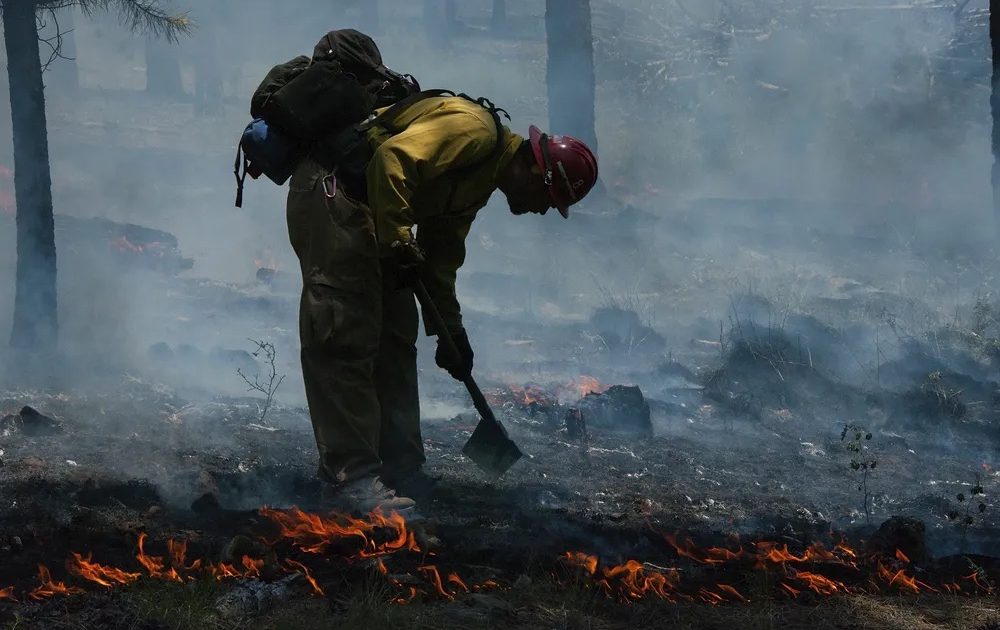
In 2019, the number of wildfires in Brazil doubled. Today, Brazil ranks first as the country with the most wildfires. Precipitated by deforestation, these wildfires threaten ecosystems as well as indigenous communities, farms, and living spaces. Thousands of farmers have lost their jobs due to the wildfires. Even worse, the fires have destroyed homes and pushed more people into poverty.

Causes

“There is no doubt that this rise in fire activity is associated with a sharp rise in deforestation,” Paulo Artaxo, an atmospheric physicist at the University of Sao Paulo, said. After chopping down trees, loggers set fires to clear the forest. These fires are not initially dangerous and in fact, are effective in killing excess vegetation. However, they often reignite later and percolate into other forests.

Wildfires in Brazil occur most prevalently in municipalities with heavy deforestation. Making matters worse is the fact that these municipalities are large – some being the size of small European countries. Five decades of Brazilian incentives to colonize the Amazon have inclined businesses to push into indigenous land, destroy forests and increase beef production.

In the first half of 2022, 3,980 square kilometers of the Amazon — an area five times larger than New York City — was cleared. Historically, the excess moisture in Brazil’s forests kept wildfires at bay. But due to climate change and deforestation, the rainforests are becoming drier, creating the perfect environment for fires. The cascading smoke and flames in Brazil not only increase climate change but are a clear indication of its consequences.

Economic and Societal Impact

Brazil has the highest frequency of wildfires in all of South America by far. The economic impact that these fires caused is substantial. These fires affect infrastructure, agriculture and forestry and compromise water sources. Furthermore, wildfires disrupt agricultural practices and push farmers into poverty. The fires also ravage crops and destroy farming homes. This is concerning as there are more than 98,000  agricultural businesses in Brazil. As wildfires increase, hundreds of thousands of farmers and their families are at serious risk of economic despair.

Studies have shown that regions with moderate to high wildfire risk tend to have greater levels of poverty. In Brazil, fire-induced poverty concentrates within indigenous communities. Fires disproportionately affect protected lands that indigenous people inhabited. Indigenous groups, however, rely entirely on the forest to meet their food, medicine and shelter needs. Atenor Vaz, an expert on isolated indigenous groups, stated that “Their culture is entirely based on the forest. If it catches on fire, there is no one to help… Food sovereignty is drastically reduced.”

In June 2022, the number of wildfires hit a 15-year high and is only predicted to increase — along with severe consequences for native communities. With reduced forestland, communities benefit less from natural ecosystem resources, thus damaging agricultural industries and increasing poverty across the board.

The physical health impact of the fires is also staggering. In 2019, it was estimated that nearly 5,000 premature deaths in Brazil were due to smoke exposure. Additionally, the toxic smoke from the wildfires is afflicting millions with chronic lung damage. This further immobilizes the Brazilian workforce and worsens unemployment.

Active Solutions

The good news is that many scientists and politicians are developing solutions to mitigate these surges of wildfires. Scientists are creating methods to detect wildfire eruptions early on. Statistics from temperature measuring, rainfall and time of year help people predict and react to wildfires. These predictions are largely accurate and lessen the severity of wildfires before and after they start.

Alternatively, farmers have also found ways to leverage fire to help their crops. If used properly, fire can do the work of pesticides, fertilizers and laborers all for free. This encourages farmers to keep fires from destroying crops while making the most of a restrained fire to reduce the use of pesticides.

Finally, according to a study published in ScienceDirect.com, “Policies favoring fire risk mitigation reduce degradation, CO2 emissions and poverty.” So far, the Brazilian government has used the military to mitigate wildfires while also banning unnecessary fires. This, however, falls short of a ban on deforestation — the primary cause. Without significantly decreasing deforestation, wildfires in Brazil will continue to grow and multiply.

Meanwhile, the U.S. Forest Service and USAID are partnering with Brazil Forest Management and Fire Prevention. They are planning to launch a five-year program to manage forest fires and facilitate the sustainable use of public land in Brazil. More importantly, this plan will promote indigenous rights and protection.

The heightened occurrence of wildfires in Brazil has pushed thousands of farmers, indigenous groups and residents into poverty and homelessness. Targeting the root cause of the issue — deforestation — and muting ongoing fires should be at the forefront of Brazil’s agenda.

– Ashwin Telang
Photo: Rawpixel
October 26, 2022
https://borgenproject.org/wp-content/uploads/borgen-project-logo.svg 0 0 Naida Jahic https://borgenproject.org/wp-content/uploads/borgen-project-logo.svg Naida Jahic2022-10-26 00:53:512022-10-26 08:10:14Wildfires in Brazil Worsen Poverty
Global Poverty

Aid to Pakistan Amid Flooding

Aid to Pakistan
In the aftermath of Pakistan’s devastating 2022 floods, many different groups have stepped up to provide humanitarian aid, including nations, NGOs and the Pakistani diaspora community.

The 2022 Pakistan Floods

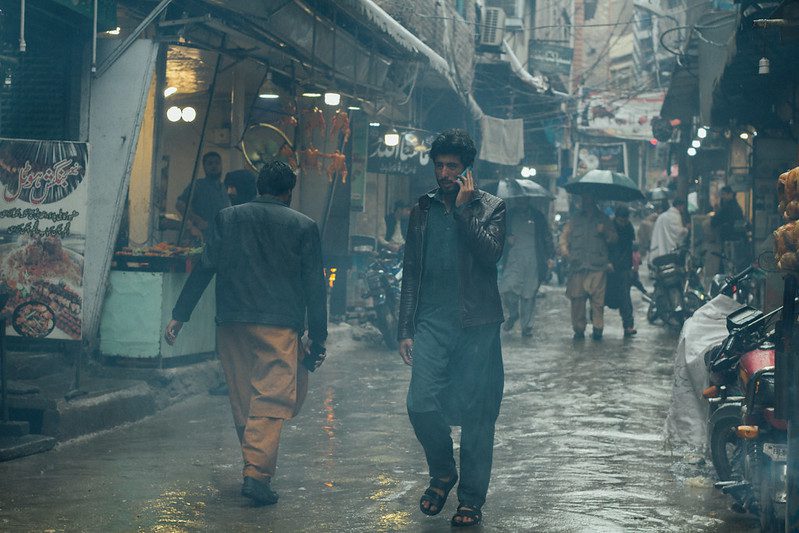
Beginning in June 2022, a severe monsoon season in Pakistan led to historic flooding and landslides that swept through the nation, destroying towns and rendering millions of Pakistanis homeless. In total, the flooding has impacted at least 33 million people and left one-third of the nation underwater. In Karachi, authorities have reported outbreaks of cholera and dengue fever, with thousands of patients traveling to hospitals and public health centers for treatment.

Pakistani children in particular face vulnerability to waterborne diseases, and their education has experienced disruption as the floods have ravaged thousands of Pakistani schools. As of October 2022, 10 million children are now in need 0f life-saving support.

According to Pakistani authorities, the flood waters may not fully subside for months. More than 1,500 people have died since the floods began, and damages are estimated at more than $30 billion. Food scarcity is now a serious issue, as the flooding has devastated the nation’s agricultural sector. Amidst this catastrophic event for Pakistan, organizations are stepping up to provide lifesaving support to those affected, and to help the nation rebuild.

Nations and Humanitarian Organizations Supporting Pakistan

The U.S. government has allocated significant ongoing humanitarian aid to Pakistan. Since the crisis began, the U.S. military has flown more than 400 metric tons of supplies, which should assist at least 300,000 victims. Additionally, in August 2022, the U.S. government provided more than $30 million in relief assistance to Pakistan through USAID.

Additionally, the United Kingdom provided $1.8 million of aid in August. In a public statement, the late Queen Elizabeth II expressed that the “United Kingdom stands in solidarity with Pakistan” in its efforts to recover.

As of September, the U.N.’s Central Emergency Relief fund has pledged $10 million to Pakistan for public health measures such as preventing waterborne disease and improving access to clean water and food.

The United Nations International Children’s Emergency Relief Fund (UNICEF) is sending emergency medical supplies to women and children in the regions that have suffered the most destruction, specifically to combat malnutrition and waterborne illnesses. UNICEF has also underscored its commitment to ensuring children in the nation can resume their education as soon as possible.

The United Arab Emirates has been a leader in providing aid to Pakistan amidst the flooding, sending numerous planeloads of supplies through an ‘air bridge’ between the two nations. Emirates, a UAE airline, declared it would provide free cargo space on its passenger aircraft to fly additional aid to Pakistan.

Grassroots Efforts to Provide Relief to Pakistan

While large humanitarian efforts by governments and other bureaucracies are important, one should not overlook grassroots relief efforts.

In Atlanta, Pakistani immigrant Imran Khan is raising money to provide food, medicine and other emergency supplies to those affected by the flooding. Khan began his efforts by reaching out to friends and family members, but his fundraising mission quickly spread to the local community. He started an online fundraising campaign to continue delivering relief packages, where he has raised more than $3,000.

Sami Khan, the owner of an ice cream shop in Connecticut, held a fundraiser called ‘Pints for Pakistan,’ sending the day’s proceeds to UNICEF relief efforts. Hearing accounts from family and friends about the devastation caused in his homeland inspired Khan, who is originally from Pakistan to act. Dozens of community members, including a state representative, came to support the fundraiser.

The Importance of Continued Support

Procuring humanitarian aid to Pakistan is an ongoing process, and the efforts described here, as well as many others, are actively saving lives in Pakistan. As this crisis will not be over in the immediate future, continued public support for international aid is crucial.

– Oliver De Jonghe
Photo: Flickr

October 24, 2022
https://borgenproject.org/wp-content/uploads/borgen-project-logo.svg 0 0 Naida Jahic https://borgenproject.org/wp-content/uploads/borgen-project-logo.svg Naida Jahic2022-10-24 07:30:082024-05-30 22:30:19Aid to Pakistan Amid Flooding
Children, Global Poverty, Health

Addressing Children’s Mental Health in the Philippines

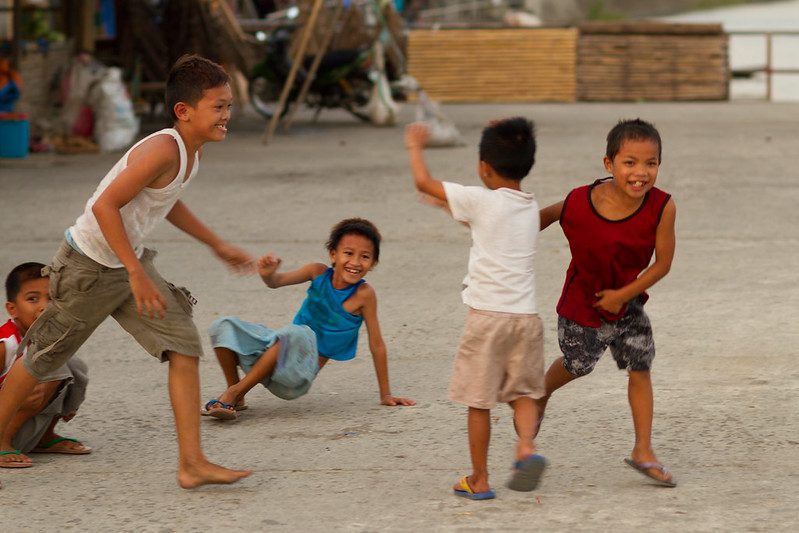
Children’s Mental Health in the Philippines
In the Philippines, in 2018, children younger than 18 accounted for about 40% of the population, according to UNICEF data. The Philippine Development Plan for 2017-2023 points out that children stand “among the most vulnerable population groups in society.” Furthermore, the National Statistics Office (NSO) highlights that “mental health illnesses rank as the third most common form of morbidity among Filipinos.” The COVID-19 pandemic has exacerbated mental health issues, making it crucial to address children’s mental health in the Philippines.

Overview of Children’s Mental Health in the Philippines

A 2015 Global School-based Student Health Survey (GSHS) highlights that approximately 17% of Filipino students aged 13 to 17 had attempted suicide once a year at minimum. This data indicates that mental issues among the youth have been an issue even before the pandemic. Notably, from March 2020 to May 2020, the Filipino government documented a “260% increase in online child abuse reports,” including instances of sexual exploitation, which has a direct impact on mental well-being.

Impact of COVID-19

At the beginning of the pandemic, the Philippines’ “militaristic approach” to lockdowns also affected children’s mental health due to the fear of violence under the military presence in communities, according to a study by Grace Zurielle C. Malolos and others.

This strict confinement limited physical activities and social interaction among adolescents, aggravating the stability of children’s mental health in the Philippines. In April 2020, when the Philippines implemented a total lockdown, a survey of 200 children aged 6-12 years old in both public and private schools in Luzon, Philippines, showed that the participants expressed feelings of sadness, fear, anger and disappointment, among other emotions. The study also found that parents’ views regarding the lockdown had a major impact on children’s mental health in the Philippines.

Impact of Extreme Weather

Because of its geographic location, the Philippines faces at least 20 typhoons annually. The Philippines faced 22 tropical typhoons in the year 2020 alone, causing numerous casualties. Overall, extreme weather patterns in the Philippines have had both direct and indirect impacts on the mental health conditions of Filipino children due to the destruction of schools and homes and increased feelings of stress and anxiety, among other impacts.

There is also the indirect impact of the psychological phenomenon known as “climate anxiety” or “eco-anxiety.” A 2021 Current Psychology article highlights that the threat of extreme weather patterns causes an increase in family stress, suicide ideation and amplification of past trauma. This aspect of children’s mental health in the Philippines often goes overlooked.

Efforts to Improve Children’s Mental Health in the Philippines

In 2021, the USAID RenewHealth Project collaborated with the Philippine Department of Health (DOH) to launch the first mobile application to improve mental health in the Philippines. This mobile application, called the Lusog-Isip app, provides access to self-care resources and self-help services for mental health needs. This includes workbooks, activities, journals, audio and more.

A pilot test of the app reveals that users experienced “improved well-being and the ability to use certain coping strategies such as cognitive reappraisal and emotional expression.” In the event that a user requires mental health resources that the app cannot provide, the app directs the user to these resources. The app will undergo further refining to ensure that it is most beneficial to the most vulnerable groups, such as young people.

With a commitment to serving the most vulnerable populations, the government can improve children’s mental health in the Philippines.

– Youngwook Chun
Photo: Flickr

October 23, 2022
https://borgenproject.org/wp-content/uploads/borgen-project-logo.svg 0 0 Naida Jahic https://borgenproject.org/wp-content/uploads/borgen-project-logo.svg Naida Jahic2022-10-23 01:30:512024-06-08 04:13:02Addressing Children’s Mental Health in the Philippines
Global Poverty

No One Left Behind: Protecting Disabled Children in Ukraine

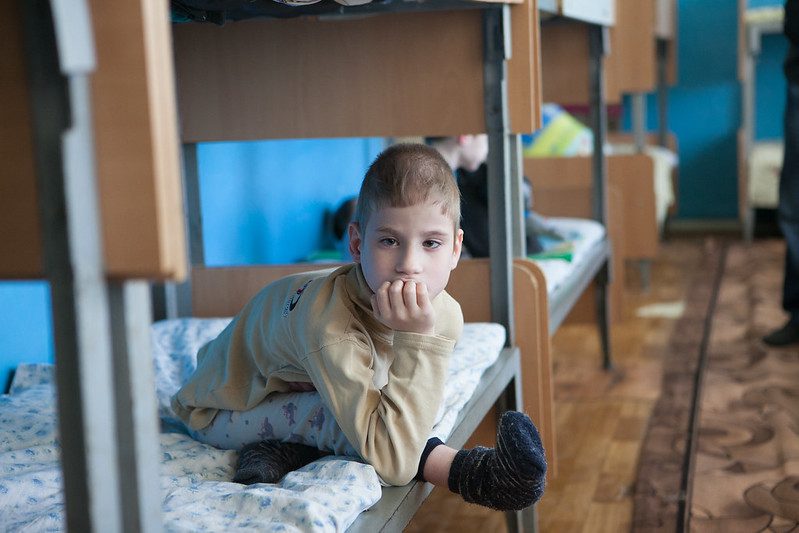
Disabled Children in Ukraine
The current crisis in Ukraine has disrupted the lives of millions. Among the affected, disabled children in Ukraine are the most vulnerable to the impact of displacement, abuse and abandonment.

Child Poverty in Ukraine

The United Nations defines poverty not simply as the absence of money but rather as a scarcity of vital resources needed to survive. It is a concept that various internal and external factors influenced. Family income, societal status, natural disasters and armed conflicts all contribute. Before Russia’s invasion, the nation had approximately 90,000 disabled children residing in institutions such as orphanages or boarding schools.

While censuses can measure the monetary value, they cannot attest to the lack of resources available for institutional care facilities. At state institutions, disabled children and their caretakers are experiencing waves of infrastructural deterioration. They are experiencing overcrowding, poor quality of care due to understaffing and shortages in hygienic, medicinal and food supplies.

When all these variables combine, it creates the perfect environment for vulnerable individuals to experience the direst situations. The Arc, an American NGO dedicated to promoting equality and inclusivity, estimates a total of 2.7 million people with disabilities live in Ukraine. Despite the large population, only 4% of Ukrainian infrastructure is reachable to citizens with disabilities. For example, Ukrainian authorities are using its subway system as bomb shelters, which are inaccessible to many disabled citizens.

The Impact of War on Disabled Children

Since the war between Ukraine and Russia began, more than 4 million children have experienced displacement: externally as refugees or internally. Overwhelmed authorities returned thousands of disabled children to their points of origin without assessing how safe they would be in their home environments. This dire course of action significantly impacts impoverished disabled children. Many are returning to areas where they cannot receive proper protection, care or other services needed to survive. The constant internal migration of disabled children in Ukraine further exposes them to dangerous situations; for instance, disabled girls face higher risks of abuse and abandonment.

There is a severe history of war disproportionately impacting the lives of impoverished and disabled people everywhere. This is primarily due to societal stigmas which can prevent families of children with disabilities from receiving appropriate humanitarian action and response. During times of conflict, children with disabilities are more likely to be a part of civilian casualties. This tragedy is due to inadequate and inaccessible resources such as advanced warnings, evacuations, transportation, humanitarian aid, shelters and inclusive services.

Protecting Disabled Children in Ukraine

However, countless organizations have become involved in providing relief. The United Nations Children’s Fund (UNICEF) has been working in Ukraine since 1997 and remains the leading organization that provides humanitarian aid for children. UNICEF and its associates have prioritized awareness campaigns to minimize human rights violations against disabled children in Ukraine. Mobile “child protection” teams also emerged to administer mental health resources to displaced children and caregivers. UNICEF also sponsors local Ukrainian associates to accommodate rehabilitation services, accessible technology, inclusive supplies, essential sanitation items and others.

In addition, UNICEF has developed “Blue Dot Hubs” in Ukraine’s bordering countries, taking in refugees. The hubs act as checkpoints where migrating families are equipped with vital information. This is also a space to document, identify and protect unaccompanied or separated children. UNICEF has also built child-friendly spaces. Here, displaced children can be kids and have access to family reunification services and trained professionals like psychologists and social workers. This kind of aid can be directly beneficial for children with disabilities.

As of Monday, August 8, 2022, USAID, in cooperation with the U.S. government, arranged for an additional $4.5 billion in direct aid to the government of Ukraine. The support will help Ukrainian authorities continue to manage infrastructural functions. Meaning, this will include the power to hospitals, humanitarian assistance and compensation to essential workers. The additional relief also provides vital economic and social subsidies. Those who benefit are internally displaced and impoverished citizens and disabled children in Ukraine.

Political figures, celebrities and non-governmental organizations sustain calling for immediate aid and action to protect disabled children in Ukraine and elsewhere. Foreign support and humanitarian assistance continue to funnel essential resources in hopes of counteracting the symptoms of war.

– Ricardo Silva
Photo: Flickr

October 23, 2022
https://borgenproject.org/wp-content/uploads/borgen-project-logo.svg 0 0 Naida Jahic https://borgenproject.org/wp-content/uploads/borgen-project-logo.svg Naida Jahic2022-10-23 01:30:442022-10-19 09:52:16No One Left Behind: Protecting Disabled Children in Ukraine
Global Poverty, Health

Miracle Gel Could Save Millions Of Lives In Nepal

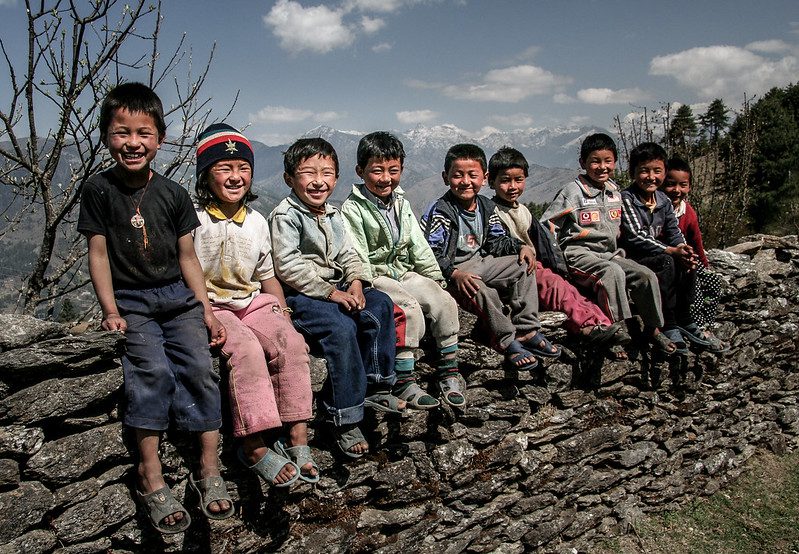
Miracle Gel
Since 2022, USAID and partners have been working to prevent infant mortality in developing countries. Chlorhexidine, a chemical element that comes in gel and liquid form, could be a potential solution to infant mortality. Typically used to disinfect human skin and sterilize surgical instruments in hospitals, the substance can also help protect the umbilical stumps of newborns to prevent deadly infections. USAID’s Chlorhexidine “Navi” Care Program applies this technique in rural Nepal. Furthermore, the miracle gel has decreased newborn deaths by 24% and newborn infections by 68% in Nepal.

Susceptibility to Infant Mortality in Nepal

Rural and low-income communities in Nepal are susceptible to high rates of infant mortality and infections that arise from traditional home birthing practices. Mothers sometimes cut umbilical cords with unsanitized house tools and treat the stump with turmeric as an antiseptic. However, these methods can be harmful as evidenced by a neonatal mortality rate of 23 per 1,000 live births in 2020. Furthermore, about 70% of infant mortality cases in Nepal tend to occur within the first year of the infant’s life.

USAID’s “Navi” Care Program

The Navi Care Program began in October 2011. With a budget of $3.9 million, the program was able to expand from 49 operating districts to cover all 75 districts in Nepal by 2014, according to USAID. The Navi Care Program helps in training nurses and healthcare practitioners to use chlorhexidine gel. The program also works to spread awareness about the miracle gel and supports the Ministry of Health and Population in Nepal to integrate it into the newborn and maternal healthcare systems.

Raising Awareness Through SBCC

As remarkable as the miracle gel is in terms of reducing infant mortality, not enough people in Nepal know about the solution and how they can access it. A social behavior change campaign (SBCC) started in 2015 works to ensure that locals learn about chlorhexidine. The campaign spreads information about the usefulness and affordability of the miracle gel through local and national radio and broadcast television.

Monitoring and Evaluating

In 2017, the Navi Care Program prevented nearly 9,600 newborn deaths in Nepal. With the help of the JSI Research & Training Institute, the USAID Navi Care Program has set up mechanisms to document and monitor the impact of the program. Chlorhexidine reports have been integrated into the pre-existing government health management information system (HMIS) and logistics management information system (LMIS). In addition, JSI wanted to monitor the process of program implementation. It uses a comprehensive mechanical system to gather external research and surveys from local women. JSI conducted telephone calls and in-person visits to meet healthcare professionals, pregnant women in their last leg of pregnancy and women with infants under the age of six months. Through this, they have been able to gather feedback and identify gaps in the implementation of the Navi Care Program in Nepal.

The Navi Care Program and miracle gel have become increasingly successful in Nepal and can save millions of lives in other countries too. The discovery and implementation of medical solutions can have a revolutionary impact on all communities, especially those that are susceptible to illnesses and infant mortality.

– Samyudha Rajesh
Photo: Flickr

October 22, 2022
https://borgenproject.org/wp-content/uploads/borgen-project-logo.svg 0 0 Naida Jahic https://borgenproject.org/wp-content/uploads/borgen-project-logo.svg Naida Jahic2022-10-22 01:30:152024-05-30 22:30:19Miracle Gel Could Save Millions Of Lives In Nepal
Global Poverty

5 Organizations Fighting for Global Land Rights

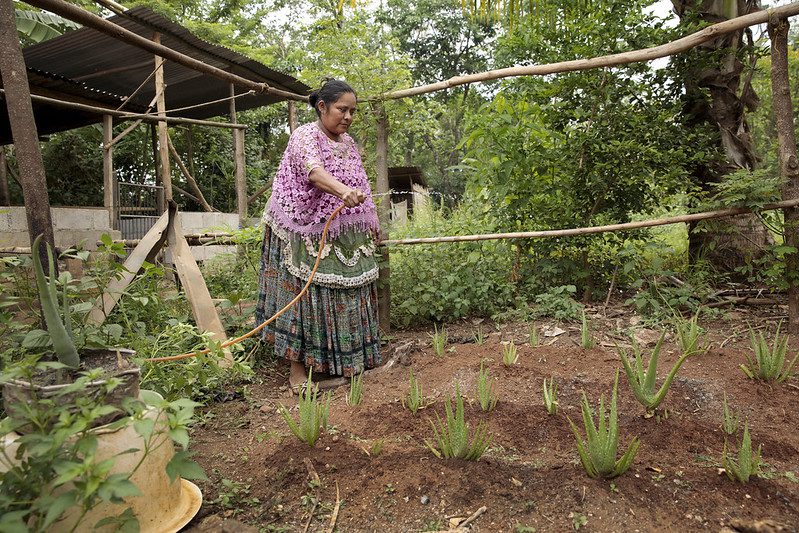
Global Land Rights
Land rights present a global issue for numerous people across the world. Land rights protection allows peace promotion, poverty reduction and food security, and it allows local businesses to boost the economy. When poor people have property rights, they can start businesses, become integral parts of their communities, improve their food security and ultimately break the cycle of generational poverty.

Global Land Rights

The World Bank emphasizes that these rights are also extremely important for marginalized groups because they are more vulnerable to poverty. In 2016, only 30% of land in developing countries was unregistered, leaving many individuals prone to displacement along with heightened risks of “poverty, hunger, conflict, violence, poor governance, and lack of economic opportunity,” according to USAID. The good news is that help is available for those with difficulty securing land ownership. Numerous organizations are fighting for global land rights. Below are just a few of them:

5 Organizations Fighting for Global Land Rights

  1. USAID: USAID works in more than 23 countries to secure and improve global land rights by establishing partnerships with local communities. USAID works to maximize efficiency and progress by supporting relevant policies, lowering costs and providing assistance for displaced communities. From 2013 to 2021, USAID secured property rights for 182 million people through policy work.
  2. Landesa: Landesa seeks “equality, dignity, and opportunity through secure land rights,” focusing especially on rural areas because the ownership of land is often tied to livelihood in these areas. This nonprofit works with local governments and organizations to develop property policies that will benefit the poor. This organization also posts educational materials such as reports, research, fact sheets and videos on accessible platforms. Adding on to this, Landesa prioritizes gender equality in all of its endeavors.
  3. Stand For Her Land: This campaign advocates for women’s property rights through a collective effort starting at the local grassroots level and expanding worldwide. Stand For Her Land holds leaders accountable for their commitments to women’s land rights, ensuring that these promises actually come to fruition. This organization prides itself on being the “first advocacy campaign of its kind to radically accelerate land rights for women from the ground up.”
  4. International Land Coalition: Joining citizens and intergovernmental organizations together, the International Land Coalition (ILC) works closely with communities to ensure their needs are met. The ILC has three main objectives: focus land governance on people instead of corporations, hold governments and corporations accountable and prioritize the perspectives of women. The ILC recognizes the third goal as particularly essential because women often have less access to land ownership than men. Improving land rights for women improves gender equality by allowing women to take a more active role in the economy.
  5. ActionAid International: Focusing largely on educational materials for the public, this international NGO supports numerous social justice topics such as poverty, women’s rights, the environment and emergencies. Moreover, they have also sponsored petitions aimed at stopping exploitative corporations and land grabs, authored news sharing the good news about the progress and posted relevant information on its social channels to educate and rally the public.

Looking Ahead

Land rights are important for poverty reduction, equal rights, food security and world peace. When nonprofits like these work to improve land rights, they also work towards a better future.

– Ava Ronning
Photo: Flickr

October 21, 2022
https://borgenproject.org/wp-content/uploads/borgen-project-logo.svg 0 0 Naida Jahic https://borgenproject.org/wp-content/uploads/borgen-project-logo.svg Naida Jahic2022-10-21 07:30:382022-10-17 13:50:465 Organizations Fighting for Global Land Rights
Education, Global Poverty

USAID and UNICEF’s $40 Million Partnership To Support Education in Afghanistan

Support Education in Afghanistan
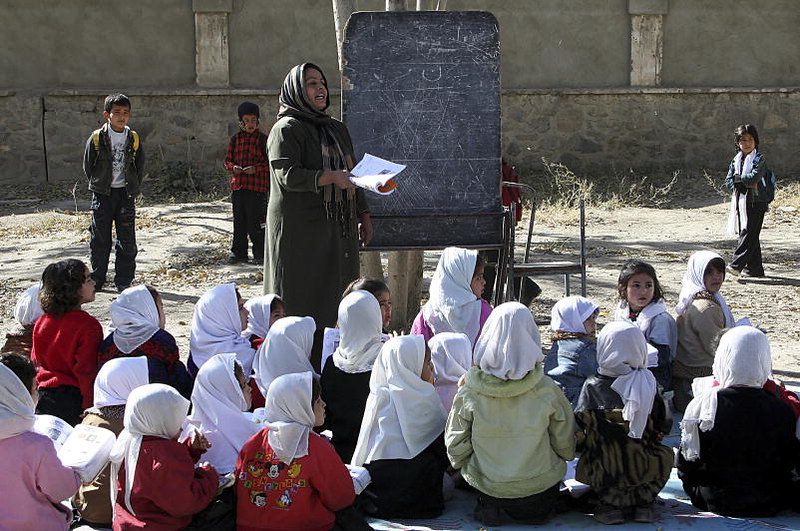
On August 12, 2022, the U.S. Agency for International Development (USAID) announced its $40 million partnership with the United Nations Children’s Fund (UNICEF) to support education for children in Afghanistan, particularly Afghan girls.

The Issue

The Taliban regained control in Afghanistan in August 2021. Since then, it has placed a ban on girls’ education in Afghanistan, restricting school access for millions of Afghan girls. Tens of thousands of teenage girls cannot access public secondary school (high school), even after the Taliban promised to reopen their schools. Meanwhile, the Taliban has authorized all primary school-aged children to go back to class, including girls, but schooling remains segregated by gender. The Taliban has allowed women to continue their degrees at universities under the condition of  “a strictly gender-segregated system that will dramatically lower the range and quality of women’s options.”

Past Achievements in Afghan Girls’ Education

Previous to the Taliban takeover, support for children’s education in Afghanistan was increasing. Before the ban, 1.1 million girls attended secondary schools. From 2003 to 2017, secondary school attendance for teenage girls increased by 32%, and by 2018 there were 3.8 million female students in the country. This number increased dramatically from the 5,000 girls enrolled in schools in 2001. This increase was also accompanied by a rising number of women in higher education, decreasing the gender disparity in university enrollment.

The Taliban Takeover in August 2021

Following the Taliban takeover in August 2021, “access to safe, quality, and relevant education is no longer a reality for many Afghans.” In Afghanistan, the Taliban has scaled back women’s rights. Countless women are losing their jobs or ability to enter the workforce, and tens of thousands of girls losing their right to an education. “Women are being deprived of their dignity… status at home and in society.” While the Taliban has allowed the reopening of primary schools for both boys and girls, they are to attend gender-segregated classes. In September 2021, the Taliban reopened public secondary schools only to boys, claiming that girls could only return to class under “a safe learning environment.” While some private secondary schools reopened in 10 out of 34 provinces, allowing a limited number of girls to re-enroll, the majority of teenage girls have lost their rights to education in Afghanistan.

The Taliban’s Block on Girls’ Education

“In October 2021, Afghan officials announced that girls would be able to resume attendance in government secondary schools but only after the development of a new educational framework.” In January 2022, the Taliban announced plans to reopen schools for girls aged 13 and up in late March. Yet, when the deadline to reopen came earlier this year, the blockage of girls’ education in Afghanistan Only continued. “On March 23, the first day of the school year in Afghanistan, eager female students arriving for class found closed gates and armed Taliban guards who told them to go home.”

The Good News: Afghan Girls’ Dedicated Pursuit for Education

Despite this ban, many Afghans still have the determination to receive an education. An estimated few hundred young female students have decided to continue their educational lessons in secret, whether that be through online resources or in hidden makeshift classrooms. Code to Inspire (CTI) is Afghanistan’s first all-girls coding academy, and the CEO/founder Fereshteh Forough announced the academy’s creation of encrypted virtual classrooms. Through CTI, Forough has helped Afghan girls pursue their right to an education by uploading online courses and providing “laptops and internet packages to about 100 of her students.”

The Aim of the Agreement

The $40 million agreement between USAID and UNICEF will “provide hundreds of thousands” of Afghans with “cash assistance to keep their children in school.” USAID will fund the project while UNICEF will supply the resources needed to assist students during Afghanistan’s “ongoing humanitarian, economic, and political crises.” More specific information about the agreement and the resources it intends to supply is to come. This agreement to support children’s education is especially significant for Afghan girls and women amidst the Taliban’s blockage of schools. USAID did announce that the project intends to support the learning of “foundational skills, such as reading, writing, and math.” In the same press release, USAID emphasized the importance of girls’ education in Afghanistan. When girls in Afghanistan have access to education, they gain access to “resources and tools [that will] support their safety, social, and economic well-being.”

– Ashley Kim
Photo: Flickr

October 21, 2022
https://borgenproject.org/wp-content/uploads/borgen-project-logo.svg 0 0 Naida Jahic https://borgenproject.org/wp-content/uploads/borgen-project-logo.svg Naida Jahic2022-10-21 01:30:582024-05-30 22:30:18USAID and UNICEF’s $40 Million Partnership To Support Education in Afghanistan
Global Poverty

Skymet Weather Helping Indian Farmers with Weather Forecasting

SkyMet Weather
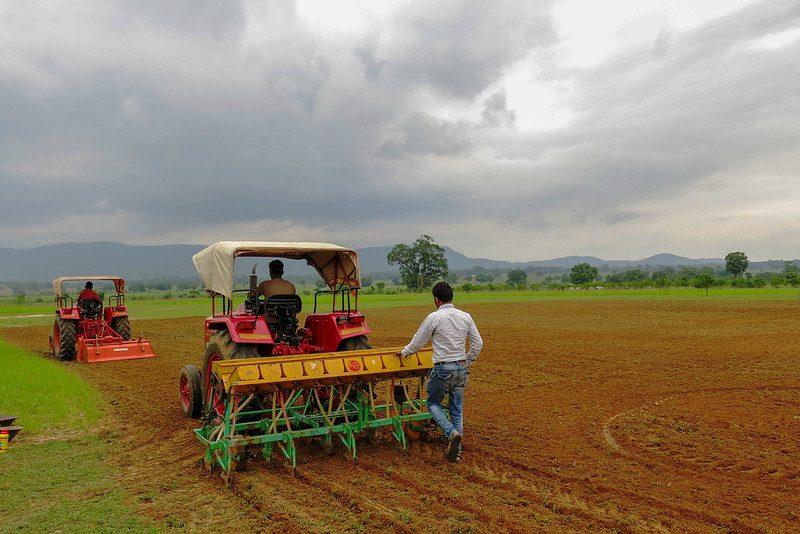
Farming is a major livelihood for many in rural India and agriculture is the biggest contributor to India’s GDP. Despite modern agriculture taking hold in India, the developing country still struggles with poverty, especially after the COVID-19 pandemic. The Center for Monitoring Indian Economy (CMIE) had even shown a staggering 7 million jobs lost in 2021, with rural India suffering many job losses in the agriculture sector. Strengthening farming techniques and the way farmers deal with insurance is one way a private agency is helping. Through data that Skymet Weather collects and its app, the agency is helping Indian farmers with weather forecasting.

The Project

The agency has actually put together a project called the “Climate Services for Resilient Agriculture in India,” by using its expertise along with a partnership with USAID.

The main objectives start with bringing quality weather data to nine states and 31 districts in India. This includes location-specific crop advisory, resources for weather-based crop insurance and climate-based services and practices that lead to benefits for the agricultural community. Skymet Weather notes that farmers can expect to see the following benefits: “accurate and timely availability of weather information, increase in capacity to handle climate risk in agriculture, better resource utilization based on real-time crop advisories and securing farm incomes from adverse climate conditions.”

About Skymet Weather

Skymet measures, predicts and collects information that has to do with the specific location of weather or climate that may affect a farmer’s work or crops. Access to this among other risk mitigation services allows the farmers to prepare or adapt their farming plans, according to its website.

The agency also sells and provides the data it collects to insurers. After an agent has added the farmer and their land into the group, when a weather event happens, Skymet also sends data along to the insurers. This could help strengthen claims by the farmers and have all the appropriate information about the climate during the event and its effects on the farmland to help the farmers. Deutsche Welle (DW) has put together an informative video on how the data helps the farmers.

What the Tools Provide

The agency uses mobile technology and a phone app for the benefit of collecting data and for the farmers. “Skygreen” is a mobile application for farmers to join that offers geo-tagging for their farms. The app monitors and records coordinates for data collecting among other uses, according to Skymet’s website.

Another app “Skymitra” is specifically designed for farmers. Not only does it provide weather forecasting for early planning and preparations for the Indian farmers but it provides data quickly and updates it every seven to 15 days.

According to Skymet, 80,423 farmers registered for the project from October 2015 to June 2019. Skymet also received the Best Agricultural and Farming Initiative-Private Sector award from the Digital India Program at the fifth Digital India Summit Awards. Digital India highlighted the project for helping make it easier to mitigate weather-related risks in farming and providing the weather data through the mobile for farmers to easily access and use to empower their knowledge and plans for their work.

Future of Indian Farming

The world is still dealing with the issues and the aftermath of the pandemic, and India is no exception. Even so, many agencies and government programs are being implemented and set into place to try to combat these hits. Skymet shows how in simple terms it is helping Indian farmers with weather forecasting. The use of collected data, insurance claim resources and digital tools used by the company and farmers are a good model for the future of Indian farming.

– Marynette Holmes
Photo: Flickr

October 20, 2022
https://borgenproject.org/wp-content/uploads/borgen-project-logo.svg 0 0 Naida Jahic https://borgenproject.org/wp-content/uploads/borgen-project-logo.svg Naida Jahic2022-10-20 07:30:092022-10-22 07:55:54Skymet Weather Helping Indian Farmers with Weather Forecasting
Global Poverty, Poverty Reduction

Progress Towards Poverty Reduction in Cambodia

Poverty Reduction in Cambodia
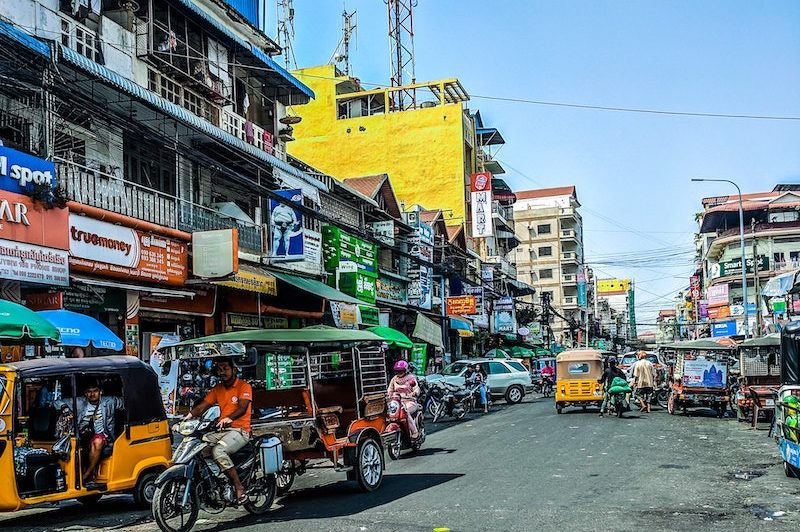
Cambodia’s economy has improved drastically over recent years, and this growth has followed a considerable poverty reduction in Cambodia. According to a study by Asian Development Bank (ADB), the national income per capita increased from $250 in 1998 to $795 in 2008. Furthermore, Cambodia’s economy sustained an average annual growth rate of 7.7% between the years 1998 and 2019, setting a record high for developing nations around the world.

Garment Industry

Cambodia’s economy solely rests upon its agriculture industry, tourism, garment production industry and construction industry. The garment industry, in particular, has boomed in recent years and contributed heavily to the nation’s economic development. For example, 40% of garments that the European Union (EU) receives come from Cambodia. This number totals 30% for the United States, 9% for Canada and 4% for Japan. Multinational brands such as Adidas, Gap, H&M, Marks and Spencer and Uniqlo have garment factories located in Cambodia. Furthermore, the garment production sector in Cambodia has employed more than 600,000 Cambodians and accounts for more than 16% of the national gross domestic product (GDP).

Strides in Public Health

Development in other fields, such as public health, has followed poverty reduction in Cambodia. According to the World Bank, the nation’s life expectancy has also increased from 58 years in 2000 to 70 years in 2020. The under-five mortality rate decreased from 106.3 per 1,000 live births in 2000 to 26.6 per 1,000 live births in the year 2019. The national government is buckling down on its commitment to the Health Equity and Quality Improvement Project (H-EQIP). The project, issued in 2016, has a commitment to implementing better health care for all Cambodian citizens.

The Cambodian Ministry of Health (MOH) has also initiated special services to help underserved communities and regions within the nation. An example of this is the voucher program for women’s reproductive services. Through the program, grants go to referral hospitals across the nation to help them better serve those in need. In addition to such programs, USAID has worked in Partnership with Cambodia in the last five years to further its public health systems. USAID has helped to train medical staff in tuberculosis management information systems in 47 hospitals across the nation. USAID has also distributed more than 37,000 mosquito nets to dengue and malaria-prone areas in Cambodia.

Future Strategies

Going forward, the Cambodian government has future plans to further eliminate poverty within their nation. The Cambodia Sustainable Development Goals 2016-2030, National Poverty Reduction Strategy 2003-2005 and the National Strategic Development Plan 2019-2023 are all key cornerstones for Cambodia’s development. The key focus of poverty reduction initiatives has roots in implementing better social protection, ensuring equal access to economic resources and protecting ownership over land and property – three pillars that can support poverty reduction in Cambodia.

Attending to Infrastructural Gaps

The World Bank Group’s work in Cambodia has a focus on adopting a rectangular strategy for development. The World Bank Group plans to address issues such as a lack of human capital, infrastructural gaps and limited professional development programs in Cambodia. A prerequisite for these goals is improving access to education in Cambodia, which in itself can be an antidote to poverty. Since 2016, 97.7% of all Cambodian children have attended school. Furthermore, student drop-out rates have plummeted both in cities and rural areas. These are all positive signs of progress that depict further poverty reduction in Cambodia.

Given the multilateral development that has taken place in Cambodia in the last decade, the nation has surpassed the lower middle-income tier and is now on its way to becoming an upper-middle-income nation by 2030. With sustained effort, collaboration and attention to infrastructural development, Cambodia has the potential to further its economy whilst eradicating poverty within its borders.

– Samyudha Rajesh
Photo: Unsplash

October 20, 2022
https://borgenproject.org/wp-content/uploads/borgen-project-logo.svg 0 0 Naida Jahic https://borgenproject.org/wp-content/uploads/borgen-project-logo.svg Naida Jahic2022-10-20 01:30:522022-10-14 15:19:42Progress Towards Poverty Reduction in Cambodia
Global Poverty

International Efforts To Expand COVID-19 Vaccine Production In Africa

COVID-19 Vaccine Production In Africa
Low-income countries have faced extremely disproportionate rates of COVID-19 vaccinations in comparison to the world’s higher-income countries. “High-income or upper-middle-income countries” have received
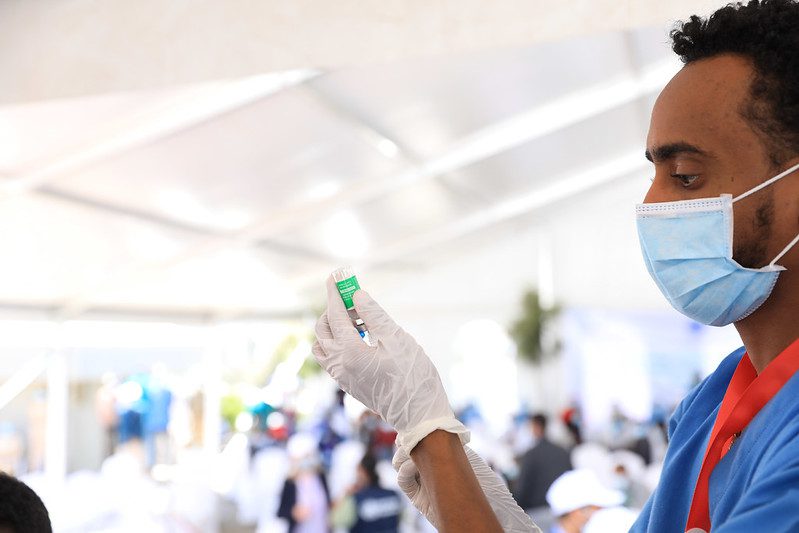
more than 87% of the world’s administered vaccines and low-income countries have received only 0.2%. Around the world, more than 700 million COVID-19 vaccine doses have been administered. Reports have stated that 25% of the 700 million doses administered went “into the arms of Americans.” On the other hand, Africa has the lowest vaccination rate of any continent in the world. Only 11% of the entire African continent received doses of the COVID-19 vaccine and 5% received both doses. With a population of about 1.3 billion, the solution to the continent’s low vaccination rate might be through developing the capacity for COVID-19 vaccine production in Africa.

The Solution

The U.S. is one of many countries that has offered support for the vaccination effort in Africa. As of November 2021, the U.S. delivered more than 60 million vaccine doses to African countries. Despite outside help, the majority of Africa’s population still remains without their first dose. One source asserts that “a lack of manufacturing is one reason that only 11% of the continent’s people have been fully vaccinated.” So far, 99% of the vaccines distributed in Africa came from outside the continent. With such a low vaccination rate, Africa faces pressures to expand vaccine manufacturing at home. There were many international efforts to help address this challenge. Governments, international organizations and private companies are offering funds and other resources to support the development of COVID-19 vaccine production in Africa.

Funding From the US and Other Countries

In July 2021, The U.S. International Development Finance Corporation (DFC) approved a $3.3 million grant to help develop “a vaccine production hub that will serve Senegal” and other West African countries. The money is a “technical assistance grant” to Fondation Institut Pasteur de Dakar (IPD), a Senegalese vaccine manufacturer, according to International Development Finance Corporation. The DFC would partner with USAID and “receive [additional] grant financing from the International Finance Corporation (IFC), the French development agency, AFD and the European Investment Bank (EIB).” This grant intends to expand the vaccine production capacity of IPD and promote the development of a production hub in the West African region.

In June 2021, the U.S. government partnered with the French and German governments, investing $700 million in Aspen Pharmacare Holdings Limited, South Africa’s largest pharmaceutical company. This investment intends to support the South African company “produce up to 500 million doses” of the Johnson & Johnson vaccine by 2022. 

The World Health Organization’s (WHO) Technology Transfer Hub in South Africa

The World Health Organization (WHO) announced the opening of a technology-transfer hub in South Africa in June 2021. It established this hub to support “low- and middle-income countries… produce mRNA vaccines” by providing technical knowledge and other resources, such as “training and financial support.” The establishment of this hub directly aids African countries in obtaining the “necessary human capital” to produce vaccines at home. The technology-transfer hub “is located at Afrigen, Cape Town, South Africa” and the research being used will be shared with local manufacturers. In recent news, researchers at one local manufacturer, Afrigen Biologics and Vaccines, have succeeded in producing “very small quantities” of a COVID-19 vaccine “based on Moderna’s data.” 

Intellectual Property (IP) Rights

Afrigen Biologics and Vaccines was able to produce its own version of the vaccine after the WHO “advised them to copy Moderna’s vaccine in part because the company… has said it will not enforce its COVID-19 patents during the pandemic.” In accordance with Moderna’s statement, the World Trade Organization (WTO) is reportedly discussing an agreement that would “waive intellectual property rights for COVID-19 vaccines and treatments during the pandemic.” This waiver will be crucial to countries that “lack vaccine manufacturing and research” by providing them with the necessary tools to immunize a greater number of people.

India and South Africa initiated this agreement and it received support from more than 100 countries, including WHO and UNAIDS. If this waiver comes to fruition, it will allow low-income countries with low vaccination rates, like many regions in Africa, to potentially produce their own and distribute a much greater number of doses. As of May 2021, the U.S., Russia and China all issued their support for an intellectual property waiver on COVID-19 vaccines.

Large Pharmaceutical Firms Building Facilities in Africa

In addition, a few large pharmaceutical companies have agreed to build manufacturing plants in different areas of Africa. Companies such as BioNTech and Moderna have made recent strides to support COVID-19 vaccine production in Africa. The German company BioNTech worked with the U.S.-based company Pfizer to produce its mRNA vaccine, and it has announced plans to build vaccine production facilities in Rwanda and Senegal. In March 2022, Moderna signed an agreement with Kenya’s government. The plan is to build a vaccine manufacturing plant in the country, which is to be Moderna’s first plant in Africa. The biotech company also stated that its landmark goal is to “produce up to 500 million doses of vaccines a year” which will go specifically to the continent of Africa.

Investments from the African Development Bank (ADB)

To offer more support for COVID-19 vaccination production in Africa, the African Development Bank announced “plans to invest up to $3 billion to support the pharmaceutical industry over 10 years.” It stated that funds will go towards improving transportation and infrastructure, medicines regulation and pharmaceuticals manufacturing (which includes vaccines). Additionally, African Union member states made a commitment to producing 60% of “routinely used vaccines” at home within the next 20 years. 

– Ashley Kim

Photo: Flickr

October 15, 2022
https://borgenproject.org/wp-content/uploads/borgen-project-logo.svg 0 0 Naida Jahic https://borgenproject.org/wp-content/uploads/borgen-project-logo.svg Naida Jahic2022-10-15 01:30:242022-10-11 09:18:36International Efforts To Expand COVID-19 Vaccine Production In Africa
Page 21 of 92«‹1920212223›»

Get Smarter

  • Global Poverty 101
  • Global Poverty… The Good News
  • Global Poverty & U.S. Jobs
  • Global Poverty and National Security
  • Innovative Solutions to Poverty
  • Global Poverty & Aid FAQ’s
Search Search

Take Action

  • Call Congress
  • Email Congress
  • Donate
  • 30 Ways to Help
  • Volunteer Ops
  • Internships
  • Courses & Certificates
  • The Podcast
Borgen Project

“The Borgen Project is an incredible nonprofit organization that is addressing poverty and hunger and working towards ending them.”

-The Huffington Post

Inside The Borgen Project

  • Contact
  • About
  • Financials
  • President
  • Board of Directors
  • Board of Advisors

International Links

  • UK Email Parliament
  • UK Donate
  • Canada Email Parliament

Get Smarter

  • Global Poverty 101
  • Global Poverty… The Good News
  • Global Poverty & U.S. Jobs
  • Global Poverty and National Security
  • Innovative Solutions to Poverty
  • Global Poverty & Aid FAQ’s

Ways to Help

  • Call Congress
  • Email Congress
  • Donate
  • 30 Ways to Help
  • Volunteer Ops
  • Internships
  • Courses & Certificates
  • The Podcast
Scroll to top Scroll to top Scroll to top