• Link to X
  • Link to Facebook
  • Link to Instagram
  • Link to TikTok
  • Link to Youtube
  • About
    • About Us
      • President
      • Board of Directors
      • Board of Advisors
      • Financials
      • Our Methodology
      • Success Tracker
      • Contact
  • Act Now
    • 30 Ways to Help
      • Email Congress
      • Call Congress
      • Volunteer
      • Courses & Certificates
      • Be a Donor
    • Internships
      • In-Office Internships
      • Remote Internships
    • Legislation
      • Politics 101
  • The Blog
  • The Podcast
  • Magazine
  • Donate
  • Click to open the search input field Click to open the search input field Search
  • Menu Menu

Tag Archive for: USAID

Information and news about mobile technology

Posts

Global Poverty

Economic Development in The DRC

Economic Development in The DRC
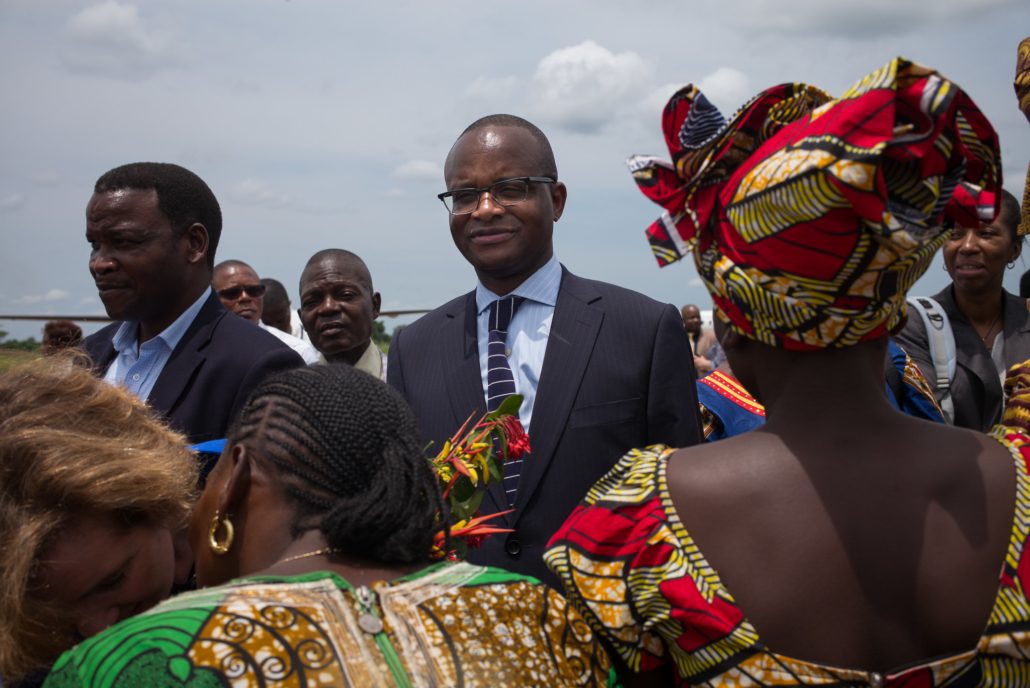
While the Democratic Republic of the Congo has a history of extreme poverty and political instability, a recent International Monetary Fund (IMF) report stated that growth in the Democratic Republic of the Congo rebounded astoundingly from 1.7% in 2020 to a projected 6.2% in 2021. The projected growth includes impressive metrics considering that the most recent IMF projections for Sub-Saharan Africa predicted 4.5% growth. While the DRC still has improvements to make to infrastructure, public health, literacy, child mortality and access to utilities, recent reforms have proven effective in stabilizing the Congolese economy.

Background

The DRC has a history of political corruption dating back to the nation’s independence in the 1960s, “combined with countrywide instability and intermittent conflict that began in the early-90s.” This has consequently led to “reduced national output and government revenue, and increased external debt.” However, since implementing a transitional government after peace negotiations in 2003, economic development in the DRC has continued to improve, as the country reopened relations with international financial institutions and donors.

While the DRC’s economy contracted by 2.2% in 2021, inflation remained contained at 2% in 2021, despite sharp food price increases that rose by about 3.4%. The decline in oil prices in 2021 originally damaged economic development in the DRC. However, while the war in Ukraine could potentially increase inflation, “high oil prices could potentially boost the economic recovery.” This reality, while devastating to the nation’s poor, could contribute to growth and development in the DRC as the oil sector represents nearly half of the country’s gross domestic product (GDP) and 80% of its exports, making the nation the third largest oil producer in the Sub-Saharan African region. 

Differences in Sub-Saharan Governments and Economies

The primary difference between the DRC and other Sub-Saharan African nations in regard to the economic metrics is government stability. For instance, the United States’ African Growth and Opportunity Act (AGOA), a duty-free trade group, has cut Ethiopia, Mali, Guinea and Burkina Faso “over alleged human rights violations and recent coups.” This exclusion from the AGOA excludes Burkina Faso, Ethiopia, Mali and Guinea from accessing more than 1,800 products, as well as more than 5,000 products suitable for duty-free market access, or non-taxable market access, under the Generalized System of Preferences program.

The state of democracy in the DRC is questionable at best, with the U.S. State Department reporting incidents such as “forced disappearances and abductions by government and armed groups; torture by government; arbitrary detention by the government; [and] harsh and life-threatening prison conditions.” However, the relative stability of the DRC’s centralized constitutional republic has come with privileges. While other Sub-Saharan nations have faced exclusion, the DRC “regained AGOA beneficiary status as of” January 1, 2021. 

Economic Reforms

While the DRC has been in recovery mode from the economic contraction of 2021, the nation has still exceeded projections for economic growth and development due to a number of key strategies. Namely, the country includes the use of “a Fund-supported program” through which, DRC authorities adopted policies to regulate and stabilize inflation and the exchange rate. Also, debt restructuring agreements, increased oil prices and improvements in debt management have decreased public debt, which fell from 113% of GDP at the end of 2020 to 102% by the end of 2021. Ukraine-related inflation has also led to high commodity prices which have supported increased exports, revenues and international reserves.

A Need for Humanitarian Aid

While the IMF projections exceed original GDP-growth projections by the World Bank, which predicted “1.9% in 2022 and 4.1% on average over the period 2023-2024,” the conditions allowing for the DRC’s growth in economic development can be simultaneously harmful to the most vulnerable communities. For instance, the War in Ukraine, while improving commodity prices, has simultaneously led to increases in food prices which has intensified food insecurity. The DRC is also host to a number of social problems.

Infant mortality stands at a rate of 33 deaths per 1,000 live births, and access to electricity stands at 66% of the population in urban areas and only 15% in rural areas. The DRC’s access to clean water is also below the country’s “hydrological potential.” Luckily, groups like USAID offer assistance in such areas as “Agriculture and Food Insecurity, Democracy, Human Rights and Governance, Education and Global Health.” 

USAID has partnered with the government and people to improve citizens’ quality of life and the efficacy of national institutions while fighting for lasting peace. While many other African nations have suffered from the effects of coups, inflation and American sanctions, the DRC’s semblance of state stability and the intervention of humanitarian aid organizations have seemed to elevate the nation past expected metrics. One will be able to more clearly see how stable the DRC’s economy will be soon as economic projections are descriptive and not prescriptive. However, the DRC is currently exceeding predictions of GDP growth and facing less market insecurity than Sub-Saharan African nations that have faced punitive sanctions from Western nations for recent coups.

– Braden Hampton
Photo: Flickr
December 6, 2022
https://borgenproject.org/wp-content/uploads/borgen-project-logo.svg 0 0 Naida Jahic https://borgenproject.org/wp-content/uploads/borgen-project-logo.svg Naida Jahic2022-12-06 07:30:002022-12-02 13:36:03Economic Development in The DRC
Global Poverty

HIV/AIDs in Cameroon

HIV/AIDs in Cameroon
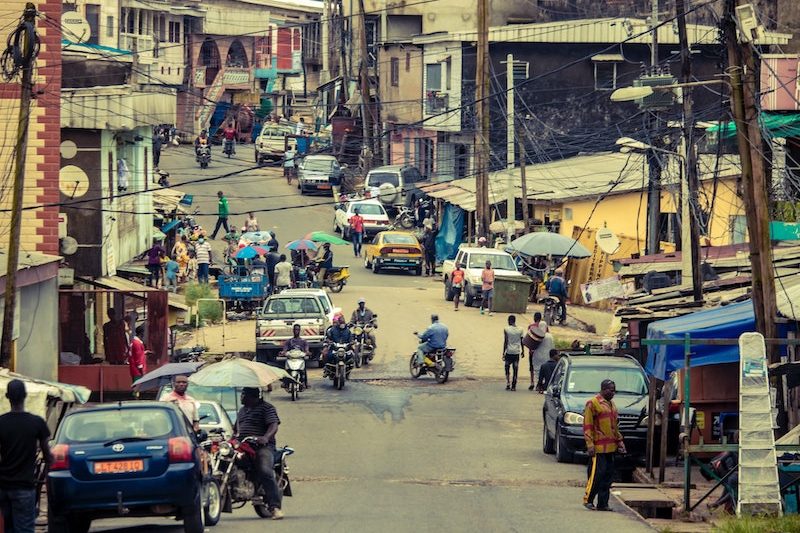
One of the most prominent challenges citizens in Cameroon are facing today is the prevalence of HIV/AIDs throughout the country. With the national infection rate being 3.7% in 2021, achieving epidemic control continues to be a constant battle. However, with the help of foreign aid, NGOs and the proactive efforts of the Cameroonian government, the country is making progress toward this goal. Here are the most important things to know about the history of HIV/AIDs in Cameroon and the state of the prevention effort.

History and Demographics

Like many countries in sub-Saharan Africa, there is a higher rate of individuals infected with HIV/AIDs in Cameroon than in most other parts of the world. The earliest reported case in Cameroon was in 1985 and by 1990 the country had an estimated 49,000 infected individuals. This number increased every year until it peaked at an estimated 520,000 cases in 2012. Since then, the annual rate has slowly but steadily declined to an estimated 500,000 cases in 2021.

Though many children have HIV/AIDs in Cameroon, people 15 years or older are by far the most common and represent an estimated 460,000 of the 500,000 currently infected, according to UNAIDS. Within the adult over 15 cohort, women are more than twice as likely to have HIV/AIDs than men.

Prevention and US Support

The first measure the government of Cameroon took to prevent the spread of HIV/AIDs was the establishment of the National AIDS Control Committee (NACC) in 1986. Its function was to facilitate cooperation between prevention efforts nationally. It expanded its efforts further in 2000 when it launched the first of three five-year plans to prevent the transmission of HIV/AIDs in the country.

There has also been a myriad of U.S.-backed efforts to help assist in the prevention effort. For example, in 2008 the U.S. Center for Disease Control and Prevention (CDC) partnered with Cameroon’s Ministry of Health as well as a host of NGOs to assist in the fight against HIV/AIDs. Through this collaboration the CDC aimed at “providing technical leadership on HIV epidemic control efforts within the country” but eventually expanded its operations to also include “direct clinical support” and help “scale-up access to HIV prevention and treatment services.”

Additionally, USAID has backed and helped execute a variety of HIV/AIDs prevention plans in Cameroon through the President’s Emergency Plan for AIDS Relief (PEPFAR). A few of these initiatives are The Continuum of Prevention, Care and Treatment (CoPCT) of HIV/AIDS with Most-at-Risk Populations in Cameroon (CHAMP), Reaching Impact, Saturation, and Epidemic Control (RISE) and Community-Led Monitoring (CLM).

In general, PEPFAR programs aim to mitigate the spread of HIV/AIDs in Cameroon through education, community outreach, reliable data collection and strengthening existing government and non-governmental healthcare agencies.

Looking Forward

Though it may seem like a sign of inefficacy that total infection numbers have only gone down by a small margin since 2012, it is important to remember that epidemics tend to grow exponentially and that the population of Cameroon has been increasing steadily at a high rate for the past several decades. With this in mind, a stagnated or only marginally decreased total infection figure is actually quite an accomplishment, as the government has to account for an enormous increase in population and the spread of infectious diseases is notoriously difficult to subdue.

Further, aid from countries like the U.S. was undoubtedly instrumental in achieving this feat and continued international support will be necessary as the national government continues to battle HIV/AIDs in Cameroon.

– Xander Heiple
Photo: Unsplash

November 30, 2022
https://borgenproject.org/wp-content/uploads/borgen-project-logo.svg 0 0 Jennifer Philipp https://borgenproject.org/wp-content/uploads/borgen-project-logo.svg Jennifer Philipp2022-11-30 07:30:102024-05-30 22:30:32HIV/AIDs in Cameroon
Global Poverty, War

TikTokers Raise Awareness About the Ukraine Crisis

TikTokers Raise Awareness
The war in Ukraine continues months after the Russian invasion in February 2022. With no reconciliation in close sight, especially after recent Russian missile strikes on Ukrainian cities in early October 2022, humanitarian aid is urgent. The Office of the United Nations High Commissioner for Human Rights (OHCHR) estimated a civilian death toll of 6,430 by October 30, 2022. TikTokers within Ukraine are using the TikTok app to report on the events unfolding in Ukraine and document their experiences. Through this social media platform, TikTokers raise awareness about the Ukraine crisis and publicize calls for aid to Ukraine.

This type of news dissemination via short videos is gaining popularity among the younger generations not only because of the quick dissemination of news but because of the first-person accounts of the war and even the use of humor by Ukrainians on the ground.

First-person Accounts of War

Johnny Jen, a travel vlogger living in Ukraine during the Russian invasion, had some insight into using social media to show the effects of war. Jen told Insider that platforms like TikTok and YouTube have already begun to “replace traditional media and the news,” especially among the younger generation. A 2019 Reuters Institute study confirms this with a finding that individuals younger than 35 feel “traditional news media no longer seems as relevant or as dominant when it comes to news content” in comparison to social media.

University professor Damian Radcliffe also commented on this trend, telling Insider that the “informal feel” of these short videos tends to resonate as more “authentic and raw” to a younger audience.

Humor as a Coping Mechanism

The humor sprinkled into this type of content draws the attention of people using TikTok. Ukrainian Lisa Lysova has garnered a million views on a TikTok dance video she created after waking up to “sounds of explosions” when Russia invaded the nation. She says the use of humor is how she copes with the stress of the crisis.

Alina Volik, who is also a TikToker in Ukraine, says this humor helps Ukrainians “bond,” especially amid the war. She has 76,000 followers who watch her videos, which range from jokes that the Ukrainian president is the country’s “psychotherapist” and visiting empty stores in Ukraine as “entertainment.” This is a way for Ukrainians to relate to one another.

The Future of Social Media News Dissemination

With distrust in local media lurking over the past few years, these short videos are gaining attention. Survey results from Reach3 Insights show “three-quarters of Generation Z said TikTok has helped them to learn about social justice and politics, while the same number said the social video app helps them stay current on the news,” Marketing Dive reported.

While TikTokers raise awareness about the Ukraine crisis, countries are providing donations to support Ukrainians. On October 6, 2022, USAID Administrator Samantha Power announced that the U.S. will provide $55 million worth of financial aid to support heating infrastructure in Ukraine as winter approaches. The USAID website says that “This assistance will support repairs and maintenance of pipes and other equipment necessary to deliver heating to homes, hospitals, schools and businesses across Ukraine.” From February 2022 to October 2022, the U.S. supplied $1.5 billion worth of humanitarian aid to people in Ukraine and surrounding countries.

Through TikTok, Ukrainian influencers are bringing attention to the issues impacting Ukraine, which could garner more foreign aid and help from humanitarian organizations.

– Marynette Holmes
Photo: Flickr

November 29, 2022
https://borgenproject.org/wp-content/uploads/borgen-project-logo.svg 0 0 Kim Thelwell https://borgenproject.org/wp-content/uploads/borgen-project-logo.svg Kim Thelwell2022-11-29 01:30:462024-05-30 22:30:33TikTokers Raise Awareness About the Ukraine Crisis
Global Poverty, Water

Improving Water Access in Tajikistan

Water Access in Tajikistan
Despite having the greatest natural supply of freshwater sources across the region, water access in Tajikistan is an ongoing challenge. Only 55% of the country’s residents have access to this human right that has turned into a luxury. The country already faces several shortcomings and obstacles across the rural areas. Tajikistan has progressed in the past decade in reconfiguring its water laws and existing supply systems. Although it increased access to improved water sources from 75% to more than 84%, the critical issues of water security and continuous supply still remain. The work that has occurred during the past decade has paved a way for further progress. More work is necessary to address the issue of water access at its core.

The Roots of The Issue of Water Access

According to the research that the World Bank conducted, obstructions to water access in Tajikistan are likely due to poor infrastructure. Much of the piping was built throughout the 1970s and 1980s and commissioned by the Soviet Union. Since the fall of the USSR in 1991, these facilities have seen little to no maintenance. According to research conducted by Marufjon Abdujabborov in 2020, a specialist in analysis in Tajikistan’s internal office, only 68% of water infrastructure in cities was in working order, and across rural areas that figure dropped to 40%.

Aside from the effects of consuming unsanitary water on internal organs, the inadequacies of water access in Tajikistan also have a strong bearing on hygiene facilities, instilling harsh inequalities across the country. For example, only 1.7% of households in rural areas have access to a flush toilet, compared to 60% across urban areas. The World Bank reported that “One in four households in Tajikistan does not have access to sufficient quantities of water when needed. Service is interrupted for long periods because of breakdowns in water supply infrastructure.” Poor access to water systems forces many in the affected areas to gather water from neighboring provinces and villages. Doing so has worsened tensions amongst rural communities and increased border disputes. Furthermore, the responsibility of gathering water typically falls on women and children of the household. This impedes children’s education and causes detrimental effects on their health.

A Project to Solve the Water Crisis

Tajikistan Water Supply and Sanitation Investment Project, which was introduced in 2021, outlines strategic initiatives for expanding safe and affordable water supply and sanitation across the country. On July 2022, the International Development Association (IDA) grant of $45 million was approved, thereby securing funding for the project. The proposal focuses on following a series of initiatives targeting strongly affected areas, starting with the region of Khatlon. Projected beneficiaries of this operation amount to 250,000 residents across the region. There are other 24 similar projects that the World Bank has financed across Tajikistan.

Additional investment by the Asian Development Bank (ADB) will target vulnerable areas of the Dushanbe region. Reconfiguration of the regional water systems, including sanitation and sewage collection, are the overarching aims of the aforementioned programs. Further development initiatives under the Water Supply and Sanitation Investment Project can draw inspiration and models of sustainable operation that are developed by the current investments.

Women-led Solutions Through Associations

In 2012, the Tajik government introduced local “water users associations” in response to the challenges associated with water access in Tajikistan. It commissions private farms to manage the delivery of water across their respective regions and promotes the management of irrigation systems and water supplies. The struggle has seen resourceful individuals rise to the challenges and take action through the water users’ associations. Uguloy Abdullaeva, a local dairy farmer in Dushanbe, was elected as the acting head of her association. Through her fundraising efforts, she received $420,000 from the American embassy to fund the reformation of the project.

The United States Agency for International Development (USAID) offered two years of training in water management to Uguloy. As a result, she gained a comprehensive understanding of water management and effectively invested in a piece of land, an excavator, new pipes and water locks for the region. The knowledge she learned from the training programs has spread to farmers within her association. Since then, farmers have become more responsible with their farms and there are fewer issues with water.

Further funding for development assistance is necessary to extend operations and ensure access to clean water for those that need it. The inspiring work of associations and individuals is effectively handling investments and improving water access across their districts. It has changed the lives of thousands in vulnerable areas. Most importantly, it serves as a strong example for the youth and citizens to build a better Tajikistan.

– Bojan Ivancic
Photo: Flickr

November 22, 2022
https://borgenproject.org/wp-content/uploads/borgen-project-logo.svg 0 0 Naida Jahic https://borgenproject.org/wp-content/uploads/borgen-project-logo.svg Naida Jahic2022-11-22 01:30:242022-11-18 13:36:48Improving Water Access in Tajikistan
COVID-19, Global Poverty

Impact of COVID-19 on Poverty in The Gambia

Impact of COVID-19 on Poverty in The Gambia
The Gambia is a small country in West Africa with a population of only 2.4 million people. The most recent statistics from the World Bank have indicated that as of 2015, 10.3% of the population was living below the poverty line. The pandemic has had a devastating impact on The Gambia, both in terms of its people and the country’s economic stability.

The U.N. has been working with the Gambian government, development partners and other stakeholders to nurture a comprehensive partnership to build back for the better. This is part of a global effort to ensure that the disruption that the COVID-19 pandemic caused does not lead to more challenges than the virus itself.

The Impact on Employment in The Gambia

The COVID-19 pandemic has had an impact on employment in The Gambia. For example, the International Labour Organization (ILO) has predicted that unemployment rates increased from 9.5% to 11.2% from 2019 to 2021. This is because many businesses had to close or reduce operations in response to the pandemic.

The COVID-19 pandemic in The Gambia has led to a reduction in economic activity since people’s incomes have decreased and the prices of goods and services have increased.

Additionally, COVID-19 in The Gambia has led to the decline of many economic sectors including the tourism industry. For example, the number of tourists in the country dropped to 53.7% from February to March 2020. According to the Gambian Bureau of Statistics, out of 266 formal tourism establishments, 167 had to reduce their trained staff while the other 65 establishments reduced the pay of their staff.

The Economic Impacts

The COVID-19 pandemic has had a significant impact on poverty in The Gambia. The country was already struggling with high levels of poverty, and the pandemic has made it even harder for people to make ends meet.

The impact of COVID-19 on poverty in The Gambia has led to slower economic growth in the country. The Minister of Finance and Economic Affairs indicated that the economic impact of COVID-19 would lead to a loss of 2.5 million Gambian dalasis equivalent to almost $50,000. As a result, the economy would shrink from 6.3% in 2020 to 3.3%.

Solutions

The government of The Gambia has responded to the outbreak by implementing a number of measures to support those the pandemic has affected. These include providing financial assistance to households impacted by job losses, increasing food production and expanding access to health care.

In April 2020, the government started a food relief program to help almost 84% of the population, providing them with 50 kg of rice, cooking oil and sugar. Additionally, The Gambia provided loans to small and medium Enterprises (SME) so that they do not lay off their staff members and can boost their business.

The impact of COVID-19 pandemic has had a dramatic socio-economic impact on poverty in The Gambia. This is mainly due to the fact that the pandemic has caused a decline in economic activity. However, with the help and support from the government, The Gambia was able to stabilize after the pandemic also with the help from donors such as WHO who were able to provide masks and vaccines to people and also aid from USAID that helped improve the livelihood of people from The Gambia.

Without this support, many more people would live in poverty in the Gambia. While the pandemic has been a tragedy for so many, it is heartening to see that there are some people and organizations who are working to make a difference.

– Frida Sendoro
Photo: Flickr

November 10, 2022
https://borgenproject.org/wp-content/uploads/borgen-project-logo.svg 0 0 Jennifer Philipp https://borgenproject.org/wp-content/uploads/borgen-project-logo.svg Jennifer Philipp2022-11-10 09:56:262024-05-30 22:30:27Impact of COVID-19 on Poverty in The Gambia
Global Poverty

Fragility of Rule of Law in Honduras

Fragility of Rule of Law in Honduras
Government corruption, drug-related crimes and poverty are three factors that reinforce each other and perpetuate the fragility of rule of law in Honduras. Poverty in Honduras remains a major concern, as around 48% of its population (more than 4.3 million people) live below the national poverty line, according to the World Bank. Meanwhile, the country is also a key transit point for drugs bound to the United States from South America, said the U.S. State Department in its 2022 International Narcotics Control Strategy Report. A culture of impunity also prevails, with corruption and abuse marring the country’s judiciary and police, according to the 2022 World Report by Human Rights Watch.

The good news is that while these problems continue to plague the scenic Central American country, several local and U.S. institutions are working together to develop strategies aimed at improving the rule of law in Honduras.

Factors Undermining the Rule of Law in Honduras

In Transparency International’s Corruption Perceptions Index, the Honduran government received a transparency score of 24 out of 100. A score of zero means highly corrupt and 100 is very transparent.

Misconduct, common among police officers and other low-ranking officials, reaches the country’s highest level of government as well. For instance, in 2022, the U.S. government extradited Honduran President Juan Orlando Hernandez for drug and weapons trafficking charges.

Corruption plays a part in continual poverty by misappropriating the funds intended for the delivery of essential services for the citizens of Honduras. Notably, in 2018, corruption in Honduras was more than $2 billion, or 12.5% of the nation’s GDP.

The Association for a More Just Society says that without a strong government to enforce the rule of law in Honduras, criminal organizations grow in power and influence. As a result, corruption and poverty keep deepening.  

Efforts to Uphold Rule of Law in Honduras

In response to a $300 million embezzlement scandal from 2014, the Honduran public called for the president’s resignation. They also demanded the creation of a national anti-corruption agency.

To address the public outrage, the Honduran government collaborated with the Organization of American States (OAS). This collaboration led to the creation of the Mission to Support the Fight against Corruption and Impunity in Honduras (MACCIH).

The MACCIH began operations in 2016 and was fairly successful. It arrested and convicted many high-ranking government officials implicated in the embezzlement scandal. It also fired 40% of the police force under suspicion of corruption. However, after four years, the MACCIH’s mandate ended following a disagreement between the Honduran government and the OAS.

The MACCIH’s shutdown also led to the end of the Special Prosecutor’s Unit against Impunity and Corruption (Unidad Fiscal Especial contra la Impunidad y la Corrupción) or UFECIC. UFECIC and the MACCIH were working closely in investigating corrupt networks.

Replacing UFECIC was the Special Prosecutor’s Unit against Corruption Networks (Unidad Fiscal Especializada Contra Redes de Corrupción) or UFERCO. However, UFERCO receives insufficient resources and support from national and international institutions. UFERCO’s situation debilitates efforts to uphold the rule of law in Honduras.

An additional complication to addressing the fragility of rule of law in Honduras is a new penal code, the Washington Office on Latin America said. The new code reduces sentences for corruption and drug trafficking-related crimes. 

Indeed, the controversial new code led to the acquittal of 14 officials implicated in the 2014 embezzlement case. Beneficiaries of the controversial code also include those convicted of misusing government money. Under the new code, those sentenced to less than five years have the possibility to reduce their sentence if they can repay the stolen funds. The new penal code went into effect in June 2020.

Onward and Forward: The Path to Strengthening the Rule of Law in Honduras

Despite the setbacks, several activities aimed at reducing the fragility of rule of law in Honduras persist. One such initiative is the Justice, Human Rights and Security Strengthening Activity (Unidos por la Justicia). This project, which USAID launched in 2016, operates to: instigate institutional reform, increase access to justice and civil society, increase policing and empower women to combat gender-based violence.

Additionally, the Biden Administration has pledged $4 billion over four years to address crime, poverty and corruption in Honduras and its neighboring states El Salvador and Guatemala. The move is part of the “U.S. Strategy for Addressing the Root Cause of Migration in Central America” plan.

This funding led to the founding of the Effective Justice to Combat Criminality and Corruption Project (JECCC), a U.S.-backed project seeking to collaborate with and expand on the efforts of Unidos por la Justicia.

In the past, the United States gave funds directly to the central government and Honduran law enforcement. However, to avoid funneling money into corrupt institutions, the new protocol prioritizes NGOs working toward improved education, agriculture and women’s rights.

– Xander Heiple
Photo: Flickr

November 10, 2022
https://borgenproject.org/wp-content/uploads/borgen-project-logo.svg 0 0 Naida Jahic https://borgenproject.org/wp-content/uploads/borgen-project-logo.svg Naida Jahic2022-11-10 07:30:502022-11-07 08:19:36Fragility of Rule of Law in Honduras
Global Poverty

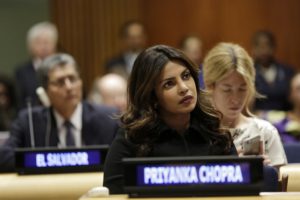
Priyanka Chopra’s Activism in Kenya

Priyanka Chopra's ActivismPriyanka Chopra’s activism in Kenya sparked interest on social media, where the actress documented her trip and appealed to her followers to support UNICEF’s efforts against Kenya’s hunger crisis. The “Matrix Resurrections” star is an established goodwill ambassador of UNICEF and has traveled to the country to help its children and people to obtain the funds and resources for food and other basic necessities.
What is Happening in Kenya

Kenya is currently experiencing the worst drought in 40 years. Four consecutive seasons of inadequate rain have plagued areas of the country.

In addition, it is estimated that nearly 900,000 children under the age of 5 suffer from life-threatening severe acute malnutrition and are in need of treatment. To help drought-affected families in the Horn of Africa, UNICEF provides emergency WASH kits and rehabilitates and upgrades non-functional boreholes in schools, villages, and health centers.

Besides, with the support of UNICEF and USAID, the Ministry of Health and the Kenya Red Cross Society conducted an outreach clinic to assess children under 5 for malnutrition and immunize them.

Since the shortage of supply – one of the longest and most severe in recent history – is said to persist into the forthcoming year, humanitarians are urging greater support to prevent famine in the Horn of Africa. At the same time, they must prepare to continue their life-saving work in Ethiopia, Kenya and Somalia.

Chopra’s Activism

Priyanka Chopra’s activism in Kenya included a trip to Turkana County, one of the 15 areas affected by the droughts caused by the COVID-19 pandemic, where one out of three children suffers from severe malnutrition.

“In the Horn of Africa children are starving to death and millions more are on the brink of starvation right now. Most of the families I met are living on less than $1 a day, and some had not eaten for three days,” Chopra said to UNICEF. “UNICEF’s life-saving efforts on the ground are helping to curb this hunger crisis, which includes distribution of nutrient-packed therapeutic foods that can save a child’s life,” continued Chopra.

As part of her visit, the actress spoke with members of the Sopel Village community suffering from the drought, including some who have migrated for water and pasture for their animals. Now that a solar-powered borehole has been constructed in Sopel, residents and students at the local health facility and primary school have reliable and safe access to water, UNICEF reports.

Raising Awareness

The actress has also documented her visit to the Lodwar Pediatric Stabilization Center where health workers treat most severe cases of malnutrition in children. In her post, Chopra said she hoped she would never have to do such a thing again but knows she will and encouraged her followers to donate to help solve the crisis.

The videos of encouragement and report shared on her Instagram pages have gained reactions from hundreds of thousands of individuals, raising awareness of the harsh situation that Kenya and its people are currently going through.

Following the birth of her first child, the celebrity said that this situation affected her differently. “What I especially saw when I went to the Ghana region was that it was very difficult for me especially as a new mother to see so many children suffering the way they were,” said Chopra. “To see those women standing by their children and not eating for days to make sure their children eat just goes to show that there is so much strength in human beings and especially in women,” she added.

Priyanka Chopra’s activism in Kenya comes immediately after another of her humanitarian works. The Matrix Resurrection star has recently made the news for her support of Iranian women who have been protesting the death of 22-year-old Mahsa Amini, praising their courage in fighting to defend their rights, Outlook India reports.

Priyanka Chopra’s activism in Kenya is a source of hope, as demonstrated on her Instagram account, where the actress has expressed faith that, with the money, resources, and help required, Kenya will see a better future. “What you think is small, is the small that I don’t have,” the actress wrote quoting a teacher struggling to fund the school he runs in Sopel village with UNICEF. She concluded her post by encouraging the public to donate.

– Caterina Rossi
Photo: Flickr

November 10, 2022
https://borgenproject.org/wp-content/uploads/borgen-project-logo.svg 0 0 Lynsey Alexander https://borgenproject.org/wp-content/uploads/borgen-project-logo.svg Lynsey Alexander2022-11-10 01:30:432022-11-27 01:42:22Priyanka Chopra’s Activism in Kenya
Global Poverty

The Path Towards Democracy: Combating Domestic Corruption in Moldova

Domestic Corruption in Moldova
Moldova, a nation with one of the highest poverty rates among European countries, has a long history of political corruption that has stood in the way of progress. Though the nation’s path toward realizing democracy and greater economic prosperity has been complicated, recent democratic reforms offer hope for successfully combating domestic corruption in Moldova.

Moldova’s History of Corruption and Recent Embrace of Democracy

Discordant efforts towards combating domestic corruption in Moldova have taken place since 2005, when former President Vladimir Voronin, the Moldovan Communist Party leader, embraced a pro-democracy platform. While Moldova passed subsequent acts of legislation to address corruption, its justice system remained corrupt in many respects, as prosecutors and judges frequently received bribes or pressure to deliver court rulings that favored kleptocrats. In 2015, officers arrested and charged Moldovan Prime Minister Vlad Filat for his role in a massive corruption scandal the previous year in which someone stole around $1 billion from Moldova’s three main banks.

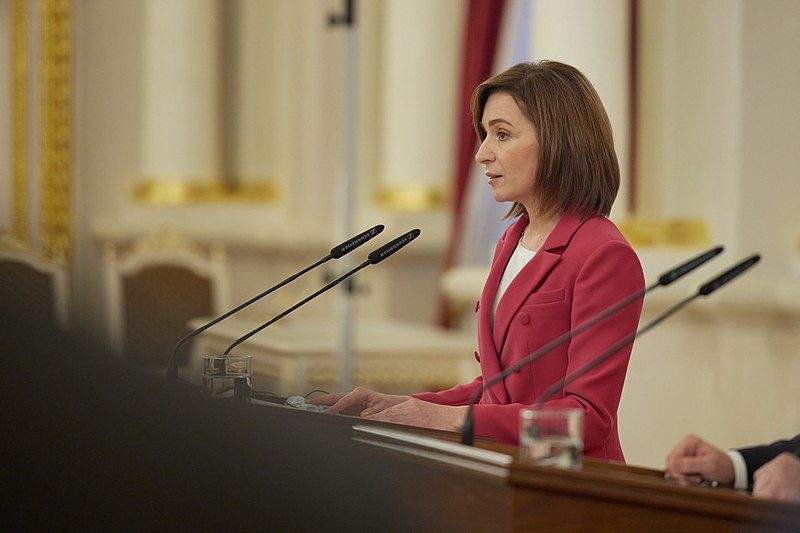
In 2020, Moldova elected its first female president, Maia Sandu, who ran on an anti-corruption platform. During her campaign, Sandu pledged to reform Moldova’s courts. While President Sandu’s pro-European Party of Action and Solidarity (PAS) won a majority in parliament, the government is still fighting an uphill battle to root out corruption. Going forward, these anti-corruption efforts will require increased support from civil society organizations, grassroots movements and NGOs to increase pressure on Moldova’s political elite. The nation has already adopted proportional representation in parliament, and Sandu’s government is actively promoting democratic reforms by working to improve Moldova’s business environment and limit monopolistic competition, promoting a free and independent press and improving labor conditions.

US Policymakers’ Efforts to Help Moldova

In light of Moldova’s recent democratic reforms and anti-corruption agenda, U.S. lawmakers have expressed views that more can occur in Washington to further these efforts. On July 29, 2022, ranking members of the House Foreign Affairs and Senate Foreign Relations committees sent a joint bipartisan letter to the Biden Administration, urging the President to resolutely support Moldova’s reform efforts by announcing new sanctions on corrupt Moldovan figures. These sanctions, in accordance with the Global Magnitsky Human Rights Accountability Act of 2016, are necessary to further the Moldovan government’s aims to stabilize the nation, continue on a pro-democracy trajectory and build resilience against hostile Russian influence.

These sanctions are the latest development in the broader context of the U.S. government’s efforts to foster a strong diplomatic relationship with Moldova and encourage democratic governance in recent years. Over the past three decades, the U.S. has given more than $1.7 billion in humanitarian and economic aid to Moldova, and the top priorities for ongoing assistance to the nation include strengthening Moldova’s economic resilience, bolstering democratic institutions, preventing encroachments on the nation’s sovereignty, and reforming Moldova’s justice system. In April 2022, following the Russian invasion of Ukraine (which shares a border with Moldova), USAID administered an additional $50 million in aid, intended to reinforce the Moldovan economy’s ability to withstand the significant strain and the war’s projected consequences. U.S. Secretary of State Antony Blinken visited the nation the month prior.

Looking Ahead

The positive trajectory towards democracy and combating domestic corruption in Moldova, as well as the remarkable ways in which the nation has helped Ukrainian refugees in the aftermath of Russia’s invasion of Ukraine, have captured the attention of U.S. policymakers. While there are still great strides for Moldova to make, the recent indications of progress in Moldova are promising, and they have ignited a sense of global urgency to further aid the nation, on the cusp of realizing democracy and greater economic prosperity, in its ongoing efforts.

– Oliver De Jonghe
Photo: Wikimedia Commons

November 5, 2022
https://borgenproject.org/wp-content/uploads/borgen-project-logo.svg 0 0 Naida Jahic https://borgenproject.org/wp-content/uploads/borgen-project-logo.svg Naida Jahic2022-11-05 01:30:042022-11-01 09:21:16The Path Towards Democracy: Combating Domestic Corruption in Moldova
Economy, Global Poverty

USAID And Walmart Are Changing Guatemalan Economy

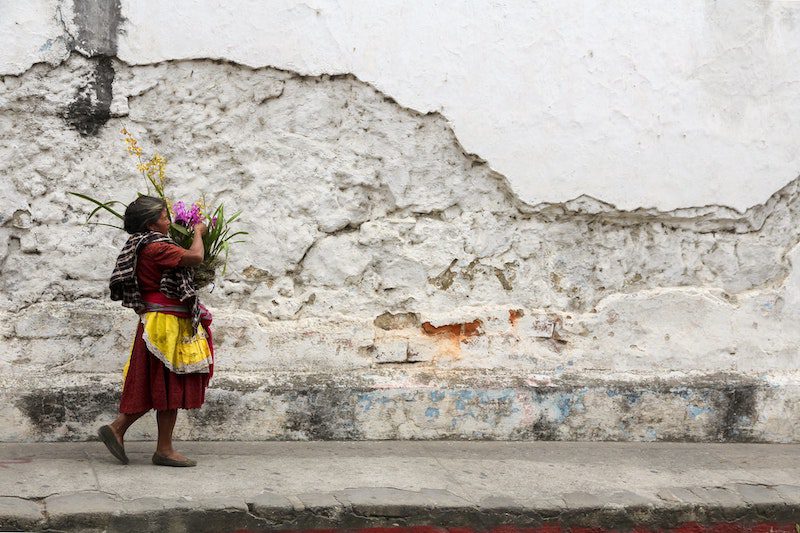
Guatemalan economy
In 2018, the Guatemalan economy produced one new job per every 15 workers joining the labor force. Furthermore, in 2018, 70% of the Guatemalan economy was informal, with workers severely challenged by low wages, low efficiency and a lack of access to economic opportunities. USAID has been in a partnership with Walmart Mexico and Walmart Central America since 2002 to increase economic opportunities in Guatemala and reduce poverty through “the empowerment of women-led small businesses.” This initiative is aimed at creating more jobs, expanding markets for goods produced in Guatemala and making business more inclusive and accessible to all people.

USAID’s Collective Focus in Guatemala

The initiative puts particular focus on micro, small and medium-sized enterprises that have the potential to eradicate poverty and transform the Guatemalan economy. This is especially true in emerging cities in Guatemala, where USAID helps provide vocational training to young and indigenous workers.

USAID’s work in Guatemala does not end with Guatemala’s economy. USAID has also partnered with the local government and local communities to fight food insecurity, chronic malnutrition, environmental protection and biodiversity initiatives. USAID believes that decentralizing key resources and services in Guatemala can be productive for its economy. Moreover, USAID has also tried to drive more civilian participation in decision-making processes and encouraged the people of Guatemala to hold their government accountable.

USAID Partnership With Walmart

Walmart is one of USAID’s top 40 corporate partners and USAID has worked with Walmart in Latin America and the Caribbean since 2002. Since joining forces, the organizations have provided training and granted financial support and market opportunities to small-scale farmers, women, at-risk youth and local entrepreneurs. Moreover, these organizations also launched the “Women’s Economic Empowerment Initiative” in 2011 which focused on women and farmers.

Fighting Infrastructural Battles in Guatemala

Although these commitments have helped to improve Guatemala’s economy, there are still some structural difficulties that need addressing in the coming years. For instance, Guatemala’s population is predominantly young, with more than 60% of the population being below the age of 25. More than half of the local population lives in urban areas and the country continues to urbanize rapidly, however, there is a lack of infrastructure connecting cities.

In 2022, a large number of migrants traveled to the U.S.-Mexico border from Guatemala, Honduras and El Salvador. Consequently, this has created a temporary vacuum in the labor market, but USAID and Walmart are working to strengthen their partnerships to help create more jobs and uplift the Guatemalan economy. In spite of these challenges, Guatemala is expected to see a 3.4% growth in GDP in 2022. Although this number is not drastic by any means, it shows that economic growth and poverty reduction are possible when countries commit to creating new jobs, expanding markets and investing in their youth. With the help of initiatives by USAID, Walmart Central America and numerous others, Guatemala’s economy will continue to steadily grow.

– Samyudha Rajesh
Photo: Unsplash

October 30, 2022
https://borgenproject.org/wp-content/uploads/borgen-project-logo.svg 0 0 Naida Jahic https://borgenproject.org/wp-content/uploads/borgen-project-logo.svg Naida Jahic2022-10-30 07:30:502022-10-26 06:49:06USAID And Walmart Are Changing Guatemalan Economy
Global Poverty

Ebola Outbreak in Uganda

Ebola Outbreak in Uganda
About 41% of Uganda’s population lives in poverty in 2022. The Ebola outbreak in Uganda has put the region of central Uganda at an even greater risk.

Ebola in Uganda

The Ebola outbreak in Uganda occurred in September 2022. In October 2022, the Ugandan Ministry of Health reported 43 cases and 29 deaths due to the rare Sudan strain of Ebola which can have up to a 90% mortality rate. However, outbreaks may now become less of a problem in Uganda as a consequence of the rest of the world’s increasing pandemic preparedness in the wake of COVID-19.

Previously, Uganda was not able to fortify its healthcare system due to a lack of support and funding. As a result, when this rare strain of Ebola began to attack several districts in the country, Uganda did not have the infrastructure necessary to appropriately contain it. One can see this as a clear indicator that countries like Uganda are still in need of a lot of help, especially from countries like the United States. Patients that have or are suspected of having Ebola also often are diagnosed with malaria which is another sign of people who are in need of assistance.

Uganda’s poverty rate has been climbing for the last decade due to a lack of infrastructure and economic growth. This has made it more difficult to effectively fight against the Ebola outbreak. Uganda does not have enough trained personnel in order to service all of the infected individuals.

Outside Impact

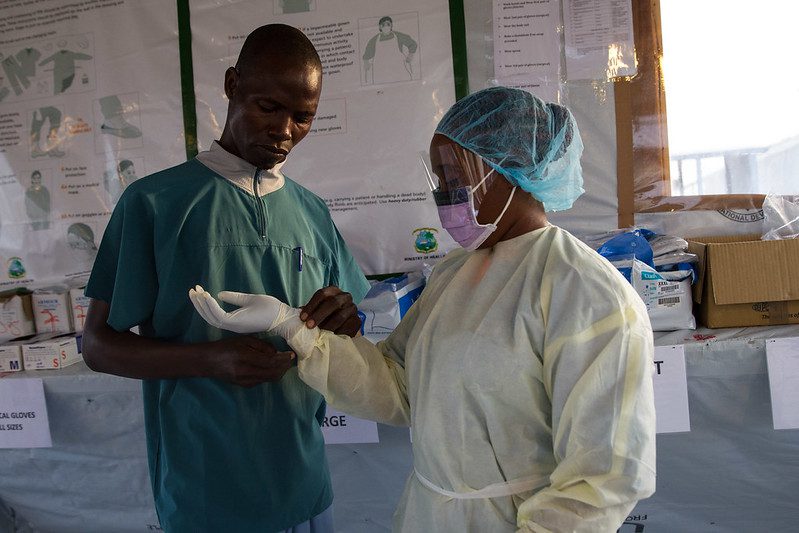
Organizations like Doctors Without Borders have stepped in, erecting temporary hospitals, to provide initial emergency assistance. Meanwhile, on October 6, 2022, USAID donated materials in order to help treat patients who have contracted the disease. It has deployed supplies in a timely manner in hopes that the spread does not get any worse and impact Uganda even more.

The quickness and severity of this outbreak are signs of larger struggles that the country is having when it comes to its economy and healthcare systems. There has been a noticeable response from within and outside of the country but if efforts do not keep up, the effects of this outbreak may only become worse and more noticeable in this community.

USAID, by way of the World Health Organization (WHO), has also provided support to Uganda by providing three viral hemorrhagic fever kits to help combat the spread of Ebola and an assortment of PPE to ensure the safety of all individuals in the area. These supplies have proven invaluable to the efforts of slowing this outbreak and continued support will likely be necessary for a while.

Looking Ahead

Uganda does have experience fighting outbreaks similar in nature to this one as it fought an Ebola outbreak in 2019 and completely contained it in less than a year. Hope exists that with that experience, they will be able to have the situation under control in less time than that and Ugandans will be able to return to normalcy.

– Alex Peterson
Photo: Flickr

October 28, 2022
https://borgenproject.org/wp-content/uploads/borgen-project-logo.svg 0 0 Naida Jahic https://borgenproject.org/wp-content/uploads/borgen-project-logo.svg Naida Jahic2022-10-28 14:21:542024-12-13 18:02:48Ebola Outbreak in Uganda
Page 20 of 92«‹1819202122›»

Get Smarter

  • Global Poverty 101
  • Global Poverty… The Good News
  • Global Poverty & U.S. Jobs
  • Global Poverty and National Security
  • Innovative Solutions to Poverty
  • Global Poverty & Aid FAQ’s
Search Search

Take Action

  • Call Congress
  • Email Congress
  • Donate
  • 30 Ways to Help
  • Volunteer Ops
  • Internships
  • Courses & Certificates
  • The Podcast
Borgen Project

“The Borgen Project is an incredible nonprofit organization that is addressing poverty and hunger and working towards ending them.”

-The Huffington Post

Inside The Borgen Project

  • Contact
  • About
  • Financials
  • President
  • Board of Directors
  • Board of Advisors

International Links

  • UK Email Parliament
  • UK Donate
  • Canada Email Parliament

Get Smarter

  • Global Poverty 101
  • Global Poverty… The Good News
  • Global Poverty & U.S. Jobs
  • Global Poverty and National Security
  • Innovative Solutions to Poverty
  • Global Poverty & Aid FAQ’s

Ways to Help

  • Call Congress
  • Email Congress
  • Donate
  • 30 Ways to Help
  • Volunteer Ops
  • Internships
  • Courses & Certificates
  • The Podcast
Scroll to top Scroll to top Scroll to top