• Link to X
  • Link to Facebook
  • Link to Instagram
  • Link to TikTok
  • Link to Youtube
  • About
    • About Us
      • President
      • Board of Directors
      • Board of Advisors
      • Financials
      • Our Methodology
      • Success Tracker
      • Contact
  • Act Now
    • 30 Ways to Help
      • Email Congress
      • Call Congress
      • Volunteer
      • Courses & Certificates
      • Be a Donor
    • Internships
      • In-Office Internships
      • Remote Internships
    • Legislation
      • Politics 101
  • The Blog
  • The Podcast
  • Magazine
  • Donate
  • Click to open the search input field Click to open the search input field Search
  • Menu Menu

Tag Archive for: USAID

Information and news about mobile technology

Posts

Global Poverty

How KOICA and USAID are Aiding the World

KOICA and USAID are Aiding the World
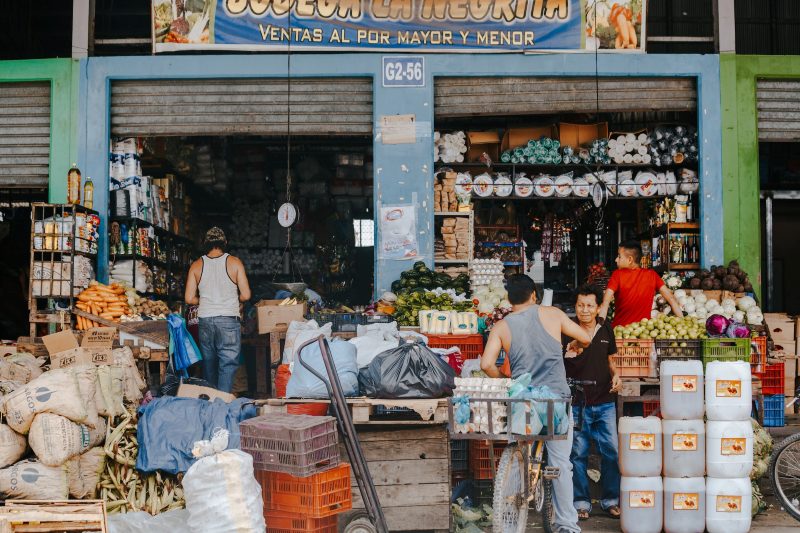
The Korea International Cooperation Agency (KOICA) is partnering with the United States Agency for International Development (USAID) to promote developmental change in 11 areas around the world. These areas include education, global health and economic security. The partnership will run from 2023 to 2025 and is benefitting areas around the world including in Africa, Latin America and the Indo-Pacific region.

The agencies first met in Washington D.C. at the USAID headquarters on December 5, 2022, to discuss measures related to their joint effort. This meeting was the first between the agencies’ leaders in eight years. According to U.S. Mission Korea, “Once a recipient of USAID support, South Korea is now a leading democracy and strong partner of the Agency and the broader U.S. government, providing $2.9 billion in development assistance globally in 2021.” Here is more information about how KOICA and USAID are aiding the world.

Overview of How South Korea is Aiding the World

South Korea or officially known as the Republic of Korea began donating to the international community in 1963. This donation was through Triangular Cooperation with USAID. Korea went from being an aid recipient of USAID to being, “the first former aid recipient to join OECD’s Developmental Assistance Committee.”

The KOICA originated in 1991 and to this day follows its guiding mission of “contributing to the common prosperity and the promotion of world peace through inclusive, mutual development cooperation leaving no one behind.”

Since KOICA’s founding, it has donated a total of $563 million to countries across the world. The most recent partnership with USAID will increase this total and further benefit those around the world.

How KOICA and USAID are Aiding the World

On top of the 11 areas the two agencies wish to focus upon, they will work towards 27 tasks in these 11 areas. The two agencies have also agreed to have a shared platform for exchanging results and implementing common projects between them. The utilization of Korea’s digital economy strength will benefit the two agencies, and the two countries’ “common values of human rights, rule of law, and civil society, and in the sector of private partnership.”

Both the President of KOICA, Sohn Hyuk-sang, and USAID administrator, Samantha Power had high praise for the most recent cooperation between the agencies. They both hope the most recent Work Plan will continue to sustain a positive relationship between the U.S. and Korea as well as use the two countries’ resources to help others across the globe.

President Sohn had this to say about the meeting, “As we meet the 70th anniversary of the ROK-U.S. alliance in 2023, I am pleased that the development cooperation agencies of our two countries can gather in one place to discuss sustainable and fruitful cooperation as a part of realizing our global comprehensive strategic alliance.”

About The Work Plan

The Work Plan will fall into place with Korea’s new Indo-Pacific strategy. According to KOICA’s website, “Through the implementation of the Work Plan, KOICA plans to focus on carrying out development cooperation to support developing countries in the Indo-Pacific region in responding to [changing weather patterns] and disasters.”

The Work Plan has the potential to deliver quality resources and aid to developing countries across the world. The way that KOICA and USAID are aiding the world will have an immensely positive effect on those in need. The goals of the project will greatly benefit those who are underserved including those who are in poverty as well as those experiencing the most challenges due to changing weather patterns.

– Sean McMullen
Photo: Flickr
January 26, 2023
https://borgenproject.org/wp-content/uploads/borgen-project-logo.svg 0 0 Jennifer Philipp https://borgenproject.org/wp-content/uploads/borgen-project-logo.svg Jennifer Philipp2023-01-26 07:30:342023-01-24 08:21:15How KOICA and USAID are Aiding the World
Global Poverty

USAID Programs in Honduras 

USAID Programs in Honduras
Honduras is a developing nation with one of the highest economic growth rates in Central America; nevertheless, it still battles high rates of poverty and still needs a hand in encouraging economic growth and stability. Prior to the COVID-19 pandemic, the country had a steadily growing GDP, reaching 3.7% in the last decade. However, that increase showed little change for those in poverty. Poverty continued to worsen when hurricane Eta and hurricane Iota devastated the country’s landscape. Currently, Honduras is in a post-pandemic and post-hurricane period of recovery with an estimated 25% of Hondurans living in extreme poverty, according to the World Bank. This is evidenced in children, with 23% of them stunted in growth due to malnutrition and food insecurity. However, USAID programs in Honduras are on the job, helping to strengthen food security and disaster preparedness.

About USAID

USAID is a development agency that encourages economic growth, food security, basic education, government transparency and other humanitarian efforts for foreign countries. President John F. Kennedy founded the organization in 1961 and it continues its mission to “save lives, reduce poverty, strengthen democratic governance and help people emerge from humanitarian crises and progress beyond assistance.” USAID has utilized millions of dollars to encourage economic growth through disaster relief, social work and food security. In terms of Honduras, USAID entered the country in 1961 and has since focused on food security and the elimination of poverty in the years since.

Food Security

Food is a foundation of Honduras. Nearly 28% of Honduras is prime agricultural land—all of which is susceptible to hurricanes and droughts which frequently plague the nation. Interestingly enough, 39% of all Hondurans work in food production and agriculture. Without enough food, there are not enough jobs. If there are no jobs and no food, food insecurity begins to rise.

In 2001, Honduras had a 22% undernourished population. While food insecurity was still rampant in 2018, only 13% of the population was undernourished.  As a response, USAID presented new practices to farmers to create more sustainable and weather-proofed crops. This includes planting cold-climate vegetables such as carrots, squash and green beans, among a variety of other foods.

USAID also educated farmers on “diversification of crops, drip irrigation and soil management to increase crop production and better protect against future climate shocks.”

Natural Disaster Resilience

In Honduras, hurricanes are a huge threat to human life and well-being—especially to those already in poverty. Hurricane Eta and hurricane Iota killed close to 100 people, while simultaneously destroying the landscape with flooding and powerful winds. Until natural disaster repairs are made and human needs are met, the country slows to a near standstill.

To combat this, USAID has helped introduce early warning devices and monitoring systems to detect floods and storms which often hit the country. It educated the people on methods for removing waste and obstacles which hurricanes may generate. Among these new tools are aerial photography and river topography, which will be key in saving lives.

USAID programs in Honduras are vital to positive progression and development. With knowledge of how to grow more sustainable food in greater amounts, food security could increase and malnutrition could decrease. New ways to approach the challenges due to hurricanes could help citizens become resilient against disasters. With more of its people having their basic needs met, Hondurans could be free to advance their way of life.

– Thomas LaPorte
Photo: Unsplash

January 21, 2023
https://borgenproject.org/wp-content/uploads/borgen-project-logo.svg 0 0 Jennifer Philipp https://borgenproject.org/wp-content/uploads/borgen-project-logo.svg Jennifer Philipp2023-01-21 07:30:052023-01-18 06:38:01USAID Programs in Honduras 
Education, Global Poverty

Protecting Academic Freedom in Higher Education in Ukraine

higher education in Ukraine
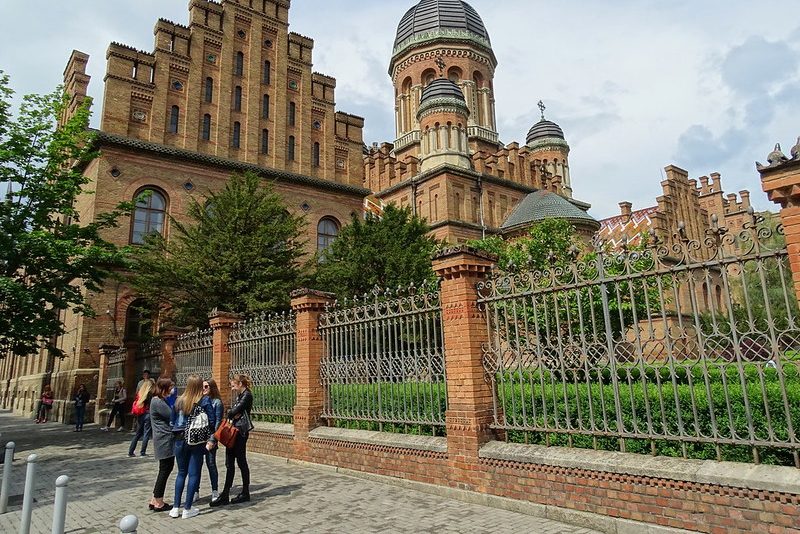
The Russian invasion in 2022 has drastically impacted the Ukrainian education system; particularly higher education in Ukraine. Ukrainian universities attracted students from all over the world. There were students from Europe, North America, Asia, Africa and Latin American countries. These universities were popular among foreign students as they offered quality education at lower costs than Western universities. Ukrainian universities offered a wide variety of undergraduate and graduate degree programs in Ukrainian and English fields.

In Ukraine, 83% of young adults between 18 and 24 were enrolled in higher education at the time of the Russian incursion in 2022. Many Ukrainian educational institutions closed down and educational resources and supplies went to support the war effort or the Russian military confiscated them. As a result, higher education in Ukraine faced high disruption.

The number of available learning opportunities and opportunities for students to access high-quality education decreased because of the Russian invasion. Many higher education institutions in Ukraine are closed or destroyed and need more resources and infrastructure. In addition, this further disrupts students’ coursework because of the cancelation and relocation of the courses.

Allies Offer Stop-Gap Measures

Ukraine’s allies who have provided a wide range of assistance in response to the Russian invasion include the United States, United Kingdom, Canada, Germany, France, Italy, Poland, Sweden, Australia and Japan. The European Union has also assisted Ukraine, including humanitarian aid and economic support. The United States has also provided military aid to Ukraine. Additionally, the International Monetary Fund (IMF) has set up a loan program and distributed $2.8 billion to help Ukraine recover from the economic damage of the crisis.

Plans for Rebuilding Higher Education in Ukraine

Ukraine continues to prioritize its higher academic institutions as it plans to rebuild investment efforts for when the Russian military incursion is over. Higher education in Ukraine collaborated with European higher education institutions to continue to fund and support student programs, according to the European University Association (EUA) briefing.

International cooperation from universities such as V. N. Karazin Kharkiv National University and Ivan Franko National University of Lviv, along with initiatives such as the Twinning project Unity Initiative with 79 universities of the United Kingdom, has helped to foster international exchanges and support foreign students and teachers, according to European Associaton for International Education (EAIE). Through remote admission, flexible educational programs and the increasing range of educational programs taught in English, Ukraine’s institutions continue to strive for excellence despite the adversity. Ukraine is working in partnership with these institutions to ensure academic freedom and free speech and promote a safe and secure environment for learning.

Several universities and companies are supporting the Ukrainian government in its efforts to ensure academic freedom and free speech and promote a safe and secure learning environment. The EUA’s partnership with Ukrainian universities set in motion the following measures:

  • “Waiving EUA membership fees for all existing and new members during 2022,”
  • “Encouraging and expediting new membership applications from eligible Ukrainian institutions and organizations,”
  • “Providing access to services and events to non-member Ukrainian universities where appropriate,”
  • “Considering providing financial support for Ukrainian participation in EUA activities.”

More International Support

USAID, HP Inc., Microsoft and the Global Business Coalition for Education have partnered to provide 74,000 laptop devices to internally displaced Ukrainians and Ukrainian refugees in neighboring countries. HP Inc. has donated 5,000 laptops to support education for internally displaced Ukrainians, while Microsoft has donated software for the devices. The donation comes from USAID’s active engagement with the private sector to support Ukraine. Up to 2.8 million children have experienced displacement due to the war and a nationwide shortage of 175,000 laptops and 202,000 tablets. USAID’s Ukraine National Identity will distribute the laptops through Youth (UNITY) program in partnership with SpivDiia, a leading Ukrainian youth organization. While these laptops went to youth scholars, they provide remote learning and employment opportunities for the entire family.

The International Crisis Group (ICG) works with Ukraine and NGOs to implement recovery initiatives. The main focus of ICG’s work with Ukraine in 2022 has been to speed recovery efforts by providing a strategic framework for managing internally displaced persons (IDPs). This includes protecting the rights of Ukrainian citizens. Citizens of Ukraine and therefore, IDPs,  have a right to “pensions, medical care, social security and education, among other things.” They can also receive help finding jobs, locating free or subsidized housing, re-acquiring lost identity documents, reunifying their families and returning home.

Labster and AWS

The Ministry of Education & Science of Ukraine and Labster have partnered to provide free access to Labster’s award-winning virtual science simulations for an entire year to Ukrainian students and educators. This allows educators to integrate Labster into existing science courses and filter the more than 300 virtual lab simulations available by level of education, courses and topics for an efficient learning experience.

Amazon Web Services (AWS) is helping millions of displaced students in Ukraine continue their education amid war and displacement through free cloud computing resources, training and other educational initiatives. With more than 3 million refugees fleeing their homes due to conflict, many educational institutions have turned to AWS to re-establish learning opportunities. AWS is offering cloud computing credits to 22 universities to enable them to quickly migrate critical educational resources to the cloud, helping to ensure remote learning can continue uninterrupted.

These initiatives’ future impact on Ukraine’s poverty will likely be significant. By equipping students and educators with the technology, resources and training they need to access quality education, these initiatives will help to bridge the gap between the affluent and the less privileged. This, in turn, could help reduce poverty levels and inequality. In addition, the initiatives could also help to cultivate a highly-skilled workforce that can help to drive economic growth and development. Finally, increased access to quality education can also help improve Ukrainian citizens’ health, and social and economic well-being.

– Jeannine Proctor
Photo: Flickr

January 18, 2023
https://borgenproject.org/wp-content/uploads/borgen-project-logo.svg 0 0 Kim Thelwell https://borgenproject.org/wp-content/uploads/borgen-project-logo.svg Kim Thelwell2023-01-18 07:30:112023-01-16 06:34:40Protecting Academic Freedom in Higher Education in Ukraine
COVID-19, Global Poverty, Sustainable Development Goals

COVID-19’s Impact On The Sustainable Development Goals

 COVID-19’s Impact on the Sustainable Development Goals
The Sustainable Development Goals (SDGs) are 17 goals that the United Nations Department of Social Affairs created in 2015 to set up a path for countries to follow to end poverty, improve health and education, create economic growth and reduce inequality by 2030. Disruption of these goals occurred with the emergence of COVID-19 in 2019. COVID-19’s impact on the Sustainable Development Goals (SDGs) means that the following goals are in need of even more assistance. The U.N. Department of Economic and Social Affairs is working with countries to accomplish the following 17 goals:

  1. “End poverty in all forms.”
  2. End hunger and food insecurity, improve nutrition and promote sustainable agriculture.
  3. Ensure health and well-being for all ages.
  4. Ensure quality, inclusive and equitable education for all with lifelong learning opportunities.
  5. “Achieve gender equality and empower all women.”
  6. Ensure sustainability and availability of clean water and sanitation.
  7. Ensure access to reliable, affordable and sustainable clean energy.
  8. Promote sustainable economic growth with productive, decent employment for all.
  9. Build resilient infrastructure with an emphasis on industry and innovation.
  10. Reduce inequalities among countries.
  11. Make sustainable, inclusive cities and communities.
  12. Ensure responsible, sustainable consumption and production.
  13. “Take urgent action to combat climate change and its impacts.”
  14. Sustainably conserve the oceans, seas and marine resources.
  15. Protect, restore and promote sustainable use of life on land, combat deforestation and halt biodiversity loss.
  16. Promote peaceful, inclusive societies for sustainable development and provide justice for all using effective, accountable and inclusive institutions.
  17. Strengthen the means for implementing and revitalizing the Global Partnership for Sustainable Development.

The 2030 Agenda

The 2030 Agenda for Sustainable Development is a plan of action that seeks to create a strong, peaceful planet with a main focus on eradicating poverty. Many consider it the “greatest global challenge and indispensable requirement for sustainable development.” This 2030 agenda demonstrates the targets set out to accomplish in 15 years that involve economic, environmental and social empowerment. The 17 SDGs are associated with 169 associated targets that world leaders pledged to work on. These goals and targets came into effect on January 1, 2016, to guide countries in achieving the SDGs by 2030. However, COVID-19’s impact poses serious concerns for reaching the SDG goals established in the 2030 Agenda for Sustainable Development.

The Impact of COVID-19 on the Sustainable Development Goals

The SDG Summit in September 2022 revisited the 2030 agenda to review the status of the 17 SDGs. The Summit noted that COVID-19’s impact on the SDGs has been huge as each goal experienced setbacks. The pandemic erased more than four years of progress against poverty (SDG 1) and one out of 10 people suffers from hunger as food security increases worldwide (SDG 2). Additionally, COVID-19 infected more than 500 million people worldwide and led to 15 million deaths (SDG 3). It also disrupted health services in 92% of countries and stopped progress toward universal health coverage (SDG 3). Global life expectancy and immunization coverage have also decreased (SDG 3). Meanwhile, the global learning crisis increased as 147 million children missed in-person school (SDG 4) and women accounted for 45% of global employment losses in 2020 due to the pandemic (SDG 5).

As of 2019, more than 733 million people lived in countries with high levels of water stress (SDG 6). Additionally, new waves of COVID-19 impacted the global economic recovery and global unemployment will remain above the pre-pandemic level until 2023 if not longer (SDG 8). The passenger airline industry experienced a loss of half its customers after 2019 (SDG 9). The pandemic caused the first rise in income inequality between countries in a generation (SDG 10). The pandemic led to 90% of the world’s fishers who have employment in small-scale fisheries in need of accelerated support (SDG 14). Meanwhile, the COVID-19 recovery spending has hugely neglected biodiversity (SDG 15). Developing countries face obstacles during the pandemic recovery because of the rising debt burdens (SDG 17).

COVID-19 and Poverty

According to the U.S. Global Leadership Coalition’s assessment of the world before COVID-19 in comparison to the world two years into the global pandemic, COVID-19 has pushed the target to meet the SDGs back to nearly two decades. The time to accomplish the SDG goals has changed from 2030 to 2092. Before COVID-19, one out of 45 people worldwide needed humanitarian assistance but now one in every 28 people worldwide is in need of humanitarian assistance. In regard to poverty, the pandemic increased the number of people living in poverty from 650 million worldwide to 700 million.

Moving Forward

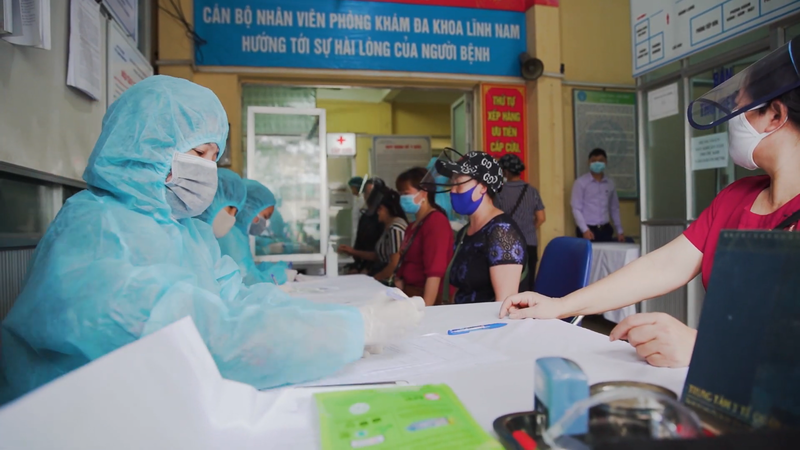
In response to the COVID-19 pandemic, the U.S. Congress allocated $18 billion to emergency COVID-19 international response funds. This money goes to support humanitarian and global health needs around the world. In addition, USAID and the U.S. State Department committed more than $1.6 billion to emergency assistance in more than 120 countries that are considered the most at-risk facing the pandemic. The money protects health care facilities, supports laboratory work, disease-surveillance and addresses the secondary impacts of the pandemic like increased hunger and poverty. The United Nations created a $10.3 billion campaign to support testing and laboratory needs in 60 of the world’s vulnerable nations.

The World Bank has also provided $160 billion to support 100 developing countries as they respond to the pandemic’s social, economic and health impacts. Other entities aiding countries experiencing crises due to COVID-19’s impact on the SDGs are private philanthropy and foundations like the COVID-19 Solidarity Fund, which has raised more than $246 million for COVID-19 preparation and response efforts. In July 2022, The High-Level Political Forum on Sustainable Development pushed for a new, accelerated plan in order to progress toward the SDGs after COVID-19. With the help of U.S. aid programs, global and multilateral institutions, private philanthropy and foundations, aid is available and increasing with the hope that the world will achieve the 17 SDGs despite COVID-19’s impact on the Sustainable Development Goals.

– Arden Schraff
Photo: Wikipedia Commons

January 11, 2023
https://borgenproject.org/wp-content/uploads/borgen-project-logo.svg 0 0 Naida Jahic https://borgenproject.org/wp-content/uploads/borgen-project-logo.svg Naida Jahic2023-01-11 01:30:162023-01-11 05:53:52COVID-19’s Impact On The Sustainable Development Goals
Global Poverty, USAID

USAID Programs in Yemen

USAID Programs in Yemen
Since 2014, a multilateral civil war that has brought about a near-total socio-economic collapse has engulfed Yemen. The country has faced widespread famines due to the lack of necessary infrastructure and socio-political decay. In the absence of proper access to water, sanitation, hygiene services and food, millions have either died or faced issues like displacement. Without aid, the famine in Yemen could evolve into the worst in 100 years. Fortunately, USAID programs in Yemen have targeted the most pressing issues to combat the spread of disease and fund activities that promote stable governance.

Effects of the War

The problems in Yemen have led to approximately 150,000 deaths from the war alone, with additional deaths due to famine and inadequate access to basic necessities. Predictions have determined that by 2030, total deaths could reach 1.3 million. Overall, approximately 23.4 million people — including 13 million children — are in need of assistance. Among these are 17.8 million people who lack access to safe water, sanitation and hygiene services.

In 2022, the U.S. pledged $431 million to Yemen in humanitarian assistance – bringing the total U.S. contribution to Yemen to $1 billion. A large portion of this contribution aims to promote governmental stability, which is essential to all Yemeni citizens’ long-term prosperity.

Disease

Although armed conflict and access to food and water are the most discussed issues, a related problem is the ease of transmission of diseases among the most vulnerable within Yemen. The COVID-19 pandemic only worsened public health concerns. While the COVID-19 Vaccines Global Access Program (COVAX) committed 4.2 million vaccine doses to Yemen, as of August 2022, less than 3% of the population received two doses.

Fortunately, there has been some level of intervention. USAID programs in Yemen have provided humanitarian assistance to vulnerable Yemenis through the department of Foreign Disaster Assistance and Food for Peace, which focuses on providing food assistance, medical treatment, support for children, emergency services for women, hygiene kits and water treatment supplies. Most of this assistance aims to limit the spread of disease and combat the problem posed by famine.

Laying Sturdier Foundations: Helping Yemen, Help Itself

Fundamentally, although humanitarian assistance in dollars and additional food and water is of the utmost importance to prevent the famine and death total from escalating, it will not bring about tangible and necessary forms of change required to help the people of Yemen in the long term. Unless Yemen achieves absolute institutional and governmental level stability, thousands, if not millions, of Yemenis will perish. As a result, USAID programs in Yemen have taken more proactive measures to help Yemen through developmental aid. Such activities aim to not only help those in need but “strengthen the ability of Yemeni institutions to meet citizens’ needs and build a stronger foundation for durable peace and prosperity,” USAID reported on its website.

– Christopher Maddocks
Photo: Flickr

January 5, 2023
https://borgenproject.org/wp-content/uploads/borgen-project-logo.svg 0 0 Kim Thelwell https://borgenproject.org/wp-content/uploads/borgen-project-logo.svg Kim Thelwell2023-01-05 01:30:222023-01-03 09:50:30USAID Programs in Yemen
Global Poverty, Human Rights

Human Rights Violations in Ukraine

Human Rights Violations in Ukraine
The international laws of war dictate what nations can and cannot do in accordance with human rights during times of conflict or war. All parties involved in a conflict have to abide by international humanitarian law, including the Geneva Conventions of 1949, The First Additional Protocol to the Geneva Conventions and Customary International Law. The Geneva Conventions of 1949 resulted in the creation of four treaties and three additional protocols that establish international legal standards for humanitarian treatment in war. The First Additional Protocol to the Geneva Conventions aims to help strengthen the protection of victims of armed conflicts and place limits on the way of fighting wars. Finally, Customary International Law holds nations accountable to the international obligations that establish international practices such as those laid out in the Geneva Conventions of 1949.

Social and Economic Costs

Laws of war prohibit willful killing, acts of sexual violence, torture, the inhumane treatment of captured combatants and civilians and pillaging and looting. Armed forces that have effective control over an area have to follow the international law of occupation and international human rights laws. If a nation violates the laws of war, then they are responsible for committing war crimes. With this, the commanders of the occupying forces who know or suspect such crimes are taking place, but fail to act are criminally liable as a matter of command responsibility.

Conflicts such as the one going on in Ukraine cause immeasurable social and economic costs. These include loss of life, destruction of infrastructure, human capital, political instability and uncertain economic growth and investments.

Ukrainians will feel these effects for years to come, especially with a future of economic uncertainty in the country. This conflict however does not just impact those living in Ukraine economically, but worldwide as well with soaring rates of inflation. Within the first three months of the invasion, an estimated 51.6 million people fell into poverty living on or below $1.90 per day. Along with this, 20 million people fell to the poverty line of living on $3.20 per day. The continuous effects of Russia’s invasion are not Ukraine’s burden alone, but trickling into other nations as well.

Current State of Ukraine

Since the start of the Russian invasion of Ukraine, several bodies such as the United Nations and Human Rights Watch have been carefully monitoring the conflict for human rights violations in Ukraine and war crimes. The Human Rights Watch has documented several cases of Russian military forces committing war crime violations against civilians in occupied areas such as Chernihiv, Kharkiv and Kyiv. Russian soldiers were a part of repeated acts of sexual violence, unlawful executions and looting of civilian property. With this, Human Rights Watch has documented multiple reports on the deliberate cruelty towards Ukrainian civilians.

In September 2022, an U.N.-appointed independent committee of human rights investigators confirmed that war crimes have been committed in Ukraine. Most of the committee’s work has centered around investigations in Kyiv, Chernihiv, Kharkiv and Sumy. These are the regions where the most serious allegations of war crime violations against Russia have occurred.

Those Working to Help

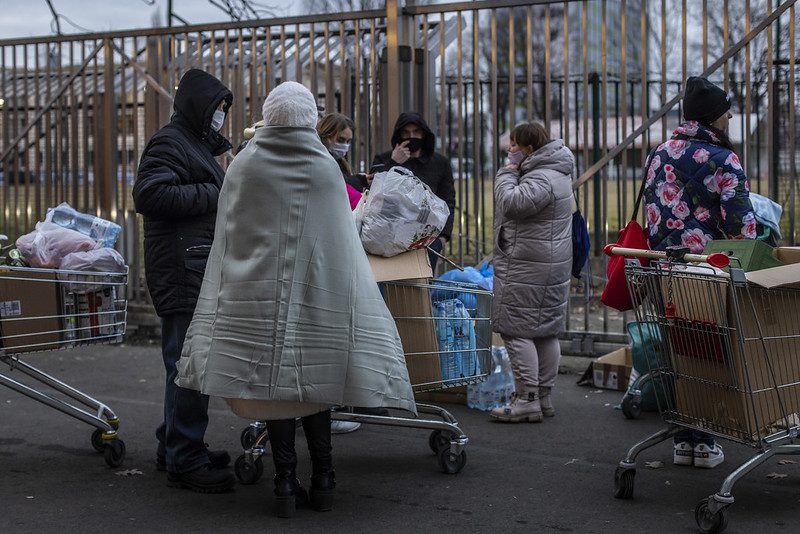
There are currently multiple different bodies working diligently to prevent human rights violations in Ukraine and make sure that people have access to life necessities. Ukrainian officials suspect that more than 15,000 war crimes have taken place since Russia invaded. That makes humanitarian aid even more crucial for those who are still in the nation and refugees.

In May 2022, the United States, the European Union and the United Kingdom announced the establishment of the Atrocity Crimes Advisory Group (ACA). The ACA aims to reinforce accountability for war crimes and it seeks to advance the commitments made by the European Union, the United States and the U.K. They are also making it their mission to support the war crimes units of the Office of Prosecutor General of Ukraine (OPG) in its investigation and prosecution of conflict-related crimes.

Along with this, they are working to bring together multinational experts to provide strategic advice and operational assistance to OPG specialists and other stakeholders in areas such as collection, preservation of evidence, operational analysis, investigation of conflict-related sexual violence, crime scenes and forensic investigations. Accountability is key when human rights are at stake. If there is no accountability then nations in conflict can commit disastrous war crimes as they please. This group aims to demonstrate international support and solidarity for Ukraine, along with holding those taking part in the conflict accountable for their actions against civilians.

USAID Helping Ukraine

Along with the efforts of the Atrocity Crimes Advisory Group, in July 2022, USAID announced it would provide $74 million in aid to Ukraine. This brings the total amount of USAID spending to help Ukraine to $1 billion. With the continued support of the U.S. and other nations, humanitarian organizations have been able to assist around 11 million people. Their continued efforts are crucial in ensuring the protection of human rights in Ukraine and that Ukrainians are safe from war crimes. The additional funding from USAID will provide emergency hygiene items, health care, mental health care, shelter and cash assistance to Ukrainians. It is also important to recognize that vulnerable populations disproportionately bear the burdens of war. As an acknowledgment of this, the funding will also aim to support those who are within these populations to help meet their life-saving needs.

The continuous commitment of wealthy nations to support humanitarian aid is detrimental to preventing human rights violations in Ukraine and ensuring that nations are held accountable for war crimes. The actions now set a precedent for conflicts in the future. Therefore, nations like the U.S. should continue to set an example of what humanitarian aid should look like, thus creating a model for others to follow.

– Emma Cook
Photo: Flickr

January 4, 2023
https://borgenproject.org/wp-content/uploads/borgen-project-logo.svg 0 0 Naida Jahic https://borgenproject.org/wp-content/uploads/borgen-project-logo.svg Naida Jahic2023-01-04 07:30:172023-01-03 08:07:23Human Rights Violations in Ukraine
Global Poverty

USAID’s Economic Support in Chad

USAID's Economic Support in ChadIn Chad, extreme flooding has caused a massive amount of damage, affecting over 1 million people across the nation. On December 14, 2022, USAID announced that it will be providing an additional $2.5 million in financial support, building on the initial amount of $100,000.
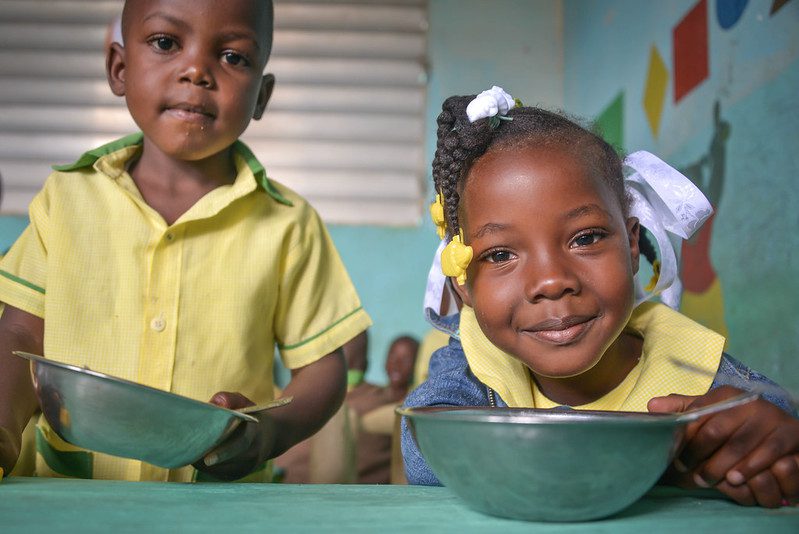
Flooding in Chad

Many countries in Africa are challenged by dry weather conditions and therefore struggle to find resources of water. However, in Chad, heavy rainfall is common in several regions due to the equatorial location of the country. In 2022, it recorded the, “heaviest rainfall in the past 30 years, resulting in rivers overflowing, rupturing the dikes.” This led to extreme flooding in the latter half of the year, affecting 200,000 households by October 31. Rivers running through the country’s most populated regions have a tendency to overflow in times of extreme rainfall, drastically affecting nearby towns.

Damages and Lasting Consequences

On October 19, 2022, Chad’s President Mahamat Idriss Deby declared a state of emergency in reaction to this extreme flooding. At this point, floods destroyed 465,030 hectares of farmland. The destruction of fertile land is a drastic consequence, especially due to the fact that Chad had already been suffering from severe food insecurity. In addition to this, “16,756 households had to flee their homes.” In total, more than 1 million people have been affected in 18 out of Chad’s 23 provinces, according to UNICEF Situation Report.

Inadequate Funding

As a result of the flooding, Chad is in desperate need of humanitarian assistance to support citizens in their time of distress. This funding is necessary for food, housing, and health support on the ground. Because of this, Chad’s government called for additional economic assistance from outside actors.

USAID Economic Support in Chad

At the beginning of the flood, USAID provided $100,000 in support of the country’s relief efforts. However, as the damages continued, it became clear that economic support in Chad was needed to a larger extent. On December 14, 2022, USAID announced that it would provide an additional $2.5 million. In conjunction with UNICEF, the International Organization for Migration (IOM) and the U.N. World Food Program (WFP), this assistance will be able to act as a multifaceted humanitarian effort. The press release states that “This assistance will support broader response efforts providing flood-affected families with cash-based transfers, mental health and psychosocial support services, relief items, shelter supplies, and water, sanitation and hygiene assistance.”

During 2022 alone, USAID’s economic support in Chad reached $73.6 million. This type of funding, coupled with the emergency funding in reaction to the flood, has been able to better the quality of life for those in a struggling country and support them in a time of need.

Overall, economic humanitarian assistance is important to aid countries in states of distress. USAID’s economic support in Chad is an excellent example of the importance of monetary support and has helped the country react to dangerous conditions produced by flooding. This support will lessen the drastic consequences of the flood and allow the country to aid its inhabitants as well as rebuild in the future.

– Hailey Dooley
Photo: Wikimedia Commons

December 29, 2022
https://borgenproject.org/wp-content/uploads/borgen-project-logo.svg 0 0 Naida Jahic https://borgenproject.org/wp-content/uploads/borgen-project-logo.svg Naida Jahic2022-12-29 07:30:142022-12-29 03:30:54USAID’s Economic Support in Chad
Global Poverty, Hunger

Everything You Need to Know About the Hunger Crisis in Haiti

Hunger Crisis in HaitiDue to its location and small landmass, Haiti is susceptible to severe natural disasters. Because of this, among other factors, Haiti has long relied on importing food to feed its citizens. For example, Haiti imports 80% of its rice, a staple ingredient in many of Haiti’s traditional dishes, according to the International Trade Administration. This heavy reliance on outside sources of food means Haiti faces a high risk of food insecurity. Political instability, devaluation of the Haitian currency and rising inflation rates have contributed to a hunger crisis in Haiti.

Factors Contributing to the Hunger Crisis in Haiti

On August 14, 2021, a magnitude 7.2 earthquake hit the southern peninsula of Haiti. The earthquake damaged homes, businesses and critical infrastructure. As many Haitians lost their means of earning an income, food insecurity became more pronounced. The United Nations said about 650,000 Haitians needed humanitarian aid in the aftermath of the earthquake.

The supply chain disruptions as a consequence of the COVID-19 pandemic and the Russia-Ukraine war has caused soaring inflation rates in Haiti and across the world. As of July 2022, Haiti had already seen a 26% inflation rate.

The prevalence of gang activity in Haiti, as a consequence of the political instability in the country, also plays a role in the hunger crisis in Haiti. At the moment, gangs control the entrances to the capital of Haiti, Port-au-Prince. The rapidly increasing inflation rate coupled with gangs cutting off the southern peninsula from the capital has led to a steep increase in hunger for the vast majority of impoverished Haitians living in that area of the country.

“The complete blockage of the road leading to the impoverished southern peninsula for a year has cut off at least 3.5 million people from the capital — restricting access to markets, basic services and essential humanitarian assistance,” the World Food Programme (WFP) reported in July 2022. Due to these impacts, some families in this area report only eating once a day.

The southern peninsula also experienced the worst effects of the 2021 earthquake, meaning that this newer food crisis hit while the area was still trying to recover from the last major natural disaster in Haiti.

The Most Vulnerable Groups

About 20% of Haiti’s population is projected to experience crisis levels of acute food insecurity from July 2022 to January 2023, according to the Famine Early Warning Systems Network. Though the crisis affects all Haitians, rural Haitians face harsher impacts. The New Humanitarian reports in a September 2022 article that a single “plate of food already costs the average Haitian 35% of their daily income.” But, the average rural Haitian currently needs to spend 25% more of their daily income on food than the national average.

Children face the worst repercussions of the hunger crisis in Haiti as inadequate supplies of nutritious food affect their growth and development. Malnutrition has far-reaching impacts that affect individuals even in adulthood.

Efforts to Help Reduce Hunger in Haiti

Despite gang violence posing barriers to the delivery of food and other critical resources to those in need, the WFP and other organizations, such as USAID, are working around these barriers. As of August 2022, the WFP, for example, has been utilizing a United Nations Humanitarian Air Service (UNHAS) helicopter, and the WFP’s own ship, the Linda D, in order to bypass the dangerous occupied roads and deliver essentials to those in need.

Additionally, USAID has provided more than $170 million over the last two years to aid Haiti. In terms of the hunger crisis in Haiti specifically, USAID “provided more than $88.6 million to five public international
organizations and 10 non-governmental organizations in FY 2022.” This funding will go toward “cash and in-kind emergency food assistance, as well as nutrition services and agricultural support, to vulnerable households countrywide,” according to a USAID document.

To adequately address food insecurity in Haiti, aid organizations must look toward helping Haiti achieve self-sufficiency and sustainability. With less dependence on food imports and greater focus on agricultural production, Haiti can reduce its hunger woes.

– Chris Dickinson
Photo: Flickr

December 23, 2022
https://borgenproject.org/wp-content/uploads/borgen-project-logo.svg 0 0 Kim Thelwell https://borgenproject.org/wp-content/uploads/borgen-project-logo.svg Kim Thelwell2022-12-23 07:30:432022-12-23 03:05:47Everything You Need to Know About the Hunger Crisis in Haiti
Global Poverty

Serbian Job Market: The Growing Tech Sector

Serbian Job Market
In the ever-growing technology market, Serbia is determined not to be left behind. With huge investments in information and communication technologies and the support of startups and software education, the Serbian job market is on track to experience significant growth, specifically in the tech sector.

The Growth of the ICT Sector

In 2012, according to The World Bank, Serbia reported a 24% unemployment rate. Just 10 years later, this statistic dropped 14.8%– a 9.2% unemployment rate reported in Q2 of 2022, and the Serbian export of information and communications tech (ICT) definitely played a role. According to the International Trade Administration (ITA), Serbia generates as much as 10% of its GDP from its ICT sector. More than 3,300 ICT businesses employ almost 50,000 Serbs, and although that is just a small percent of the Serbian population of almost 6.9 million, it is evident that the Serbian economy is growing to rely more on ICT. That should ensure growth in the Serbian job market. Serbian tech companies produce software for everything from medicine to agriculture, games and testing. They run call centers and customer service centers.

Demand for More Skilled Workers

To meet the increasing demand for ICT exports, however, Serbia needs at least 15,000 more engineers in the tech sector. That is why the Serbian government invested 70 million euros in technical infrastructure, supporting start-ups and mandating software programming classes in elementary schools. This is particularly important because Serbia’s youth unemployment is 40%, and often young people will leave a country if they cannot find jobs there.

Importantly, Serbia and the United States Agency for International Development (USAID) are turning to the youth and aspiring entrepreneurs, with projects like Impact Hub Belgrade, Junior Achievement and ICT Hub Venture.

Impact Hub Belgrade

Impact Hub Belgrade (IHB), launched with a USAID grant, provides young aspiring entrepreneurs with the tools, support and skills to brainstorm products, develop business models and network with regional and international investors. It is part of a global network that has branches in 49 countries. It provides a co-working space for project collaboration and sharing of practice and knowledge. In December 2022, for example, it sponsored a Western Balkan Winter Demo Day to help young entrepreneurs assess if they were investment ready.

Junior Achievement Serbia

Junior Achievement Serbia (JAS), another program that USAID funded, aims to advance entrepreneurship through a training curriculum, which effectively equips high schoolers with essential business skills– from communication and problem-solving to specifics on how to set up a business and predict earnings. JAS is part of Junior Achievement Worldwide, a global network in 121 countries. JAS launched in 2005 and by 2021 had served more than 60,000 students in 286 schools.

While the Junior Achievement (JA) program has numerous success stories across Europe, its presence in Serbia has been “among the strongest.” In fact, JA’s 2018 Belgrade team, Groove Street, designed and coded wristbands containing the medical information of the individual wearing it. Thanks to the JA curriculum, guidance and support, these students invented a life-saving device while also gaining real-life business experience.

ICT Hub Venture

While both IHB and JAS specifically focus on providing Serbian youth with the skills they need to succeed in the growing tech sector, other projects aim to support aspiring entrepreneurs of any age.

ICT Hub Venture, another partner project of USAID, equips young businesses with developmental assistance, mentoring and networking opportunities. Established in 2014 as ICT Hub, in 2017 the project became an investment fund in Belgrade, dedicated to supporting information and communication tech startups. ICT Hub Venture provides its partners with financing, guidance, support and education, in exchange for a 5 to 15% share in the company. As of 2022, ICT Hub Venture fully funds nine startups.

Milan Brindič, a co-creator of Bincode Entertainment, a software company specializing in game development and mobile software, says that ICT Hub has been “very useful,” and through its support, has become “like family.” Brindič also said ICT Hub provided his company a space to work and networking opportunities, both of which are critical to a startup’s success.

Looking Forward

With numerous success stories, Impact Hub Belgrade, Junior Achievement Serbia and ICT Hub Venture are innovatively helping to broaden the Serbian job market and tech sector by supporting and investing in the future. The ITA estimates more than 20% per year growth in the Serbian tech sector, with opportunities continuing to grow in sub-sectors such as cybersecurity, gaming, and e-government. Through programs like Impact Hub Belgrade, Junior Achievements, and ICT Hub Venture, Serbia is not only gearing up to meet the growing demand of skilled workers, but equipping its aspiring entrepreneurs with the support, funding, and necessary skills to thrive in a growing job market.

– Micaella Balderrama
Photo: Flickr

December 19, 2022
https://borgenproject.org/wp-content/uploads/borgen-project-logo.svg 0 0 Jennifer Philipp https://borgenproject.org/wp-content/uploads/borgen-project-logo.svg Jennifer Philipp2022-12-19 01:30:562022-12-14 13:28:13Serbian Job Market: The Growing Tech Sector
USAID, Women

USAID Programs in India

USAID Programs in India
USAID programs in India began with the signing of the Emergency Food Assistance Act in 1951 and have since transitioned from emergency food aid to “infrastructure development, capacity building of key Indian institutions, support for the opening of the Indian economy and more,” according to the USAID website. USAID programs in India have helped the nation progress in several areas, including health care, economic development, gender equality and infrastructure building.

USAID-THALI Project

The USAID-THALI (Tuberculosis Health Action Learning Initiative) became a necessity because, in 2016, India held the highest burden of tuberculosis globally with 2.7 million cases. In 2017, India’s TB notification rate, defined as the diagnosis and reporting of TB, for new patients stood at about 2.15 million. To strengthen TB control efforts and facilitate the growth of the TB notification rate, USAID/India launched the USAID-THALI project in 2016.

USAID-THALI took “a holistic approach to TB control efforts,” initially beginning with three states — Karnataka, Telangana and West Bengal. The goal was to “identify, apply and scale up successful, innovative approaches to addressing TB and multi-drug resistant TB.”

The four-year USAID-THALI program eventually expanded its target to nine states across India. World Health Partners (WHP) led efforts in western and northern India and the Karnataka Health Promotion Trust (KHPT) led efforts in the south of India.

Positive Outcomes

WHP’s website reports positive program outcomes. During the four-year span of THALI, the program has raised awareness of TB “among 3 million rural, tribal, urban slum and vulnerable populations.” Furthermore, “more than 60,000 notified TB patients received support for contact tracing, treatment adherence and counseling across all project geographies.”

The Mitchell Group and its local partner New Concept Information Systems performed a 10-week-long assessment of THALI’s successes and shortcomings. In the first phase of THALI (2016-2017), the program succeeded in increasing “private sector notifications for presumptive TB cases in urban slums in the targeted cities of Bengaluru, Hyderabad and Kolkata.” During the second phase (2018-2019), THALI was able to provide more than 9,400 TB patients in Northern India and more than 12,400 patients in Southern India with “patient-centered services.” In 2019, TB notification rates in India rose by 16%.

Mariam Begum, a slum-dweller in Hyderabad, is one of USAID-THALI’s success stories. At the age of about 17, she began experiencing TB symptoms. She reached out to a THALI health worker named Subhadra, who took her to a hospital for diagnosis and treatment. Due to malnourishment, Begum struggled with the TB treatment but followed through and recovered. Now, she uses her personal story as motivation for others to seek treatment and follow through.

USAID POWER

In 2019, USAID founded the “Producer Owned Women Enterprises (POWER)” project. POWER’s purpose is to improve the livelihoods of women in India and facilitate gender equality and independence in India by allowing the growth of employment opportunities for marginalized women.

USAID’s collaboration with the Industree Crafts Foundation under the Women’s Global Development and Prosperity Initiative has positively impacted women across India through the POWER project. The project helps to establish female producer-owned enterprises to facilitate the economic independence of women.

By helping women to become micro-entrepreneurs, rural women are able to earn a steady income to rise out of poverty. “POWER also addresses restrictive social norms to increase support for women as entrepreneurs, working toward establishing their collective prosperity and dignity,” according to the Industree Crafts Foundation Facebook page.

The Times of India said that “the project is a great example of the U.S. government’s strong commitment [to the] economic empowerment of women in India…”

A child bride at the age of 14, Kavita is one of the many women benefiting from POWER. Greenkraft, a producer-owned company supported by POWER, initially employed Kavita as a production line worker. Greenkraft promoted Kavita to quality control just three months later because of her exceptional attention to detail and innovative ideas to help improve production.

USAID programs in India, like the POWER initiative, have transformed the lives of women like Kavita. She can now contribute financially “to rent farmland and pay for her children’s education,” the USAID website says.

Looking Forward

USAID programs in India such as USAID-THALI and USAID POWER are among a handful of programs that are helping India alleviate poverty and improve quality of life through a focus on health interventions and employment opportunities for the marginalized.

– Arijit Joshi
Photo: Flickr

December 18, 2022
https://borgenproject.org/wp-content/uploads/borgen-project-logo.svg 0 0 Jennifer Philipp https://borgenproject.org/wp-content/uploads/borgen-project-logo.svg Jennifer Philipp2022-12-18 01:30:102024-05-30 22:30:34USAID Programs in India
Page 19 of 92«‹1718192021›»

Get Smarter

  • Global Poverty 101
  • Global Poverty… The Good News
  • Global Poverty & U.S. Jobs
  • Global Poverty and National Security
  • Innovative Solutions to Poverty
  • Global Poverty & Aid FAQ’s
Search Search

Take Action

  • Call Congress
  • Email Congress
  • Donate
  • 30 Ways to Help
  • Volunteer Ops
  • Internships
  • Courses & Certificates
  • The Podcast
Borgen Project

“The Borgen Project is an incredible nonprofit organization that is addressing poverty and hunger and working towards ending them.”

-The Huffington Post

Inside The Borgen Project

  • Contact
  • About
  • Financials
  • President
  • Board of Directors
  • Board of Advisors

International Links

  • UK Email Parliament
  • UK Donate
  • Canada Email Parliament

Get Smarter

  • Global Poverty 101
  • Global Poverty… The Good News
  • Global Poverty & U.S. Jobs
  • Global Poverty and National Security
  • Innovative Solutions to Poverty
  • Global Poverty & Aid FAQ’s

Ways to Help

  • Call Congress
  • Email Congress
  • Donate
  • 30 Ways to Help
  • Volunteer Ops
  • Internships
  • Courses & Certificates
  • The Podcast
Scroll to top Scroll to top Scroll to top