• Link to X
  • Link to Facebook
  • Link to Instagram
  • Link to TikTok
  • Link to Youtube
  • About
    • About Us
      • President
      • Board of Directors
      • Board of Advisors
      • Financials
      • Our Methodology
      • Success Tracker
      • Contact
  • Act Now
    • 30 Ways to Help
      • Email Congress
      • Call Congress
      • Volunteer
      • Courses & Certificates
      • Be a Donor
    • Internships
      • In-Office Internships
      • Remote Internships
    • Legislation
      • Politics 101
  • The Blog
  • The Podcast
  • Magazine
  • Donate
  • Click to open the search input field Click to open the search input field Search
  • Menu Menu

Tag Archive for: USAID

Information and news about mobile technology

Posts

Foreign Aid, Global Poverty, Women and Female Empowerment

Foreign Aid to India: Top 4 Contributions

Foreign Aid in IndiaIndia is the world’s largest recipient of foreign aid, receiving more than $80 billion in 2020. This aid comes from a variety of sources, including developed countries, international organizations and non-governmental organizations (NGOs). India is home to the world’s largest population of poor people. India has a population of more than 1.4 billion people and more than 280 million of them live below the poverty line. That is equivalent to 10 times the entire population of Australia!

Foreign Aid Has Been Instrumental in Reducing Poverty in India

The good news is that India has taken several initiatives over the last two decades to significantly improve its economic growth. According to the World Bank,  the poverty ratio in India fell from 45% in 1993 to 21% by 2011. This decline is attributed to several other factors, such as improving education standards and progressive economic policies, however, foreign aid has also played a key role in alleviating poverty in India.

Top 4 Ways Foreign Aid Has Helped in India’s Fight Against Poverty

  • Helping India in building infrastructure and promoting economic development. With only 1% of the world’s vehicles, India accounts for nearly 10% of all crash related deaths. According to a World Bank study, road crashes are estimated to cost the Indian economy between 5 to 7% of GDP a year. Over the last six decades, the United States Agency for International Development (USAID) has provided billions of dollars in aid to India for a variety of projects, including the Green Revolution, the construction of dams and irrigation canals and the provision of education and healthcare. Another leading example is World Bank which has also provided billions of dollars in aid to India, for projects such as the construction of roads and bridges, the development of renewable energy sources and the improvement of financial services.
  • Addressing humanitarian crises. In India, 2.4 million people suffer from HIV/AIDS infection and as per WHO, India has 15 million cases of malaria with 19,500–20,000 deaths annually. The Bill and Melinda Gates Foundation has provided hundreds of millions of dollars in aid to India for projects such as the fight against malaria and HIV/AIDS and the improvement of education and healthcare.
  • Advancing education and thereby creating employment opportunities. Although India has made significant progress in improving its literacy rate over the past two decades, it still stands at 74% as of 2018, meaning that more than 300 million people remain illiterate. Foreign Aid has helped improve education in India by supporting innovative educational programs designed to meet the needs of specific groups of children, such as girls, children from rural areas or children with disabilities. In 2020, Bill & Melinda Gates Foundation contributed more than $500,000 to Pratham, an NGO focused on improving education in India.
  • Advancing inclusive development and women’s economic empowerment. According to the latest World Bank figures from 2021, less than 1 in 5 Indian women work – at least formally. Foreign aid has helped build partnerships and leveraged local resources to ensure marginalized and underrepresented population have equitable access to quality healthcare, sanitation, education, nutrition, finance and household decision-making. In India, USAID combats stigma and discrimination and promotes the rights and inclusion of populations in high-risk situations, including indigenous and tribal peoples, women and persons with disabilities.

The Future of Foreign Aid in India

The resulting impact of foreign aid in India has been mixed. On the one hand, foreign aid has helped to reduce poverty and improve the lives of millions of Indians. On the other hand, there have also been some negative consequences, such as corruption and dependency on foreign assistance.

The future of foreign aid in India is uncertain. The Indian economy is growing rapidly and the country is becoming less reliant on foreign assistance. However, there are still many challenges that need to be addressed, such as poverty, hunger and illiteracy. Foreign aid can play a key role in addressing these challenges.

– Brijesh Goel
Photo: Unsplash
October 6, 2023
https://borgenproject.org/wp-content/uploads/borgen-project-logo.svg 0 0 Jennifer Philipp https://borgenproject.org/wp-content/uploads/borgen-project-logo.svg Jennifer Philipp2023-10-06 15:00:332023-10-06 07:44:57Foreign Aid to India: Top 4 Contributions
Global Poverty, Humanitarian Aid, USAID

How the US Federal Budget is Helping Reduce Global Poverty

U.S. Federal Budget
The U.S. federal budget for the fiscal year 2024 focuses on the high stakes of global poverty. In light of the unprecedented humanitarian crises around the world, the budget seeks more than $10.5 billion in humanitarian assistance, with $6.5 billion allocated through USAID-administered channels. This funding aims to address an average of 75 crises each year, spanning more than 65 nations and encompassing regions like Ukraine and Syria.

Humanitarian Assistance in the Fiscal Budget

The Ukraine-Russian conflict has done serious damage to the already devastated issue of global poverty. The economic woes of developing countries have increased, while sustainable development has become stagnant. Calls for humanitarian assistance have peaked at 360 million people. More than 110 million individuals have been displaced from their homes, while an alarming 260 million people grapple with severe food insecurity, with some teetering on the brink of famine.

It is no surprise that the U.S. economy is a vital and almost dominating part of the world’s financial structure. The U.S. federal budget for the fiscal year 2024 realizes the crisis that beholds the world and is doing its part to lower the impact.

The Impact of International Assistance

The United States Agency for International Development is responsible for administering foreign aid and development assistance. The U.S. federal budget has equipped USAID with $32 billion for foreign assistance. More than $1.1 billion will go toward Feed the Future programs that focus on the food crisis, which the Ukraine and Russian war and changing weather patterns have affected.

The budget also allocates funding for “Bright Spot” countries that have recently shown promising democratic developments. Further, as the U.S. promotes itself as the champion of democracy, it has dedicated $2.8 billion to flourishing democracy, meanwhile objecting to corruption as outlined in the Summit for Democracy and the Presidential Initiative for Democratic Renewal.

Global development is heavily dependent on private sectors and capital growth. The Budget request of $60 million emphasizes empowering new enterprises that will lead to stronger economic resilience. For global health, $4.1 billion will be directed toward combatting contagious diseases, reducing child and maternal mortality rates, strengthening nutrition programs, addressing the HIV/AIDS crisis and expanding the global healthcare workforce, in alignment with the President’s Global Health Worker Initiative. Furthermore, $745 million was requested to be put toward preventing and responding to threats of future infectious diseases.

The aspect of gender equality and women’s security also has a place in the budget. An amount of $200 million was requested for the State and USAID to promote gender equality and ensure the economic security of women.

Looking Ahead

The U.S. federal budget for 2024 aims at providing humanitarian assistance to those in need. The records show that people across the globe are in desperate need of aid. The budget’s targets—if met—will surely help in uplifting those who need assistance.

– Asra Mairaj
Photo: Flickr

October 6, 2023
https://borgenproject.org/wp-content/uploads/borgen-project-logo.svg 0 0 Naida Jahic https://borgenproject.org/wp-content/uploads/borgen-project-logo.svg Naida Jahic2023-10-06 01:30:552024-12-13 18:02:58How the US Federal Budget is Helping Reduce Global Poverty
Global Poverty

How USAID Programs Aid Smallholder Peruvian Coffee Farmers

Peruvian Coffee Farmers
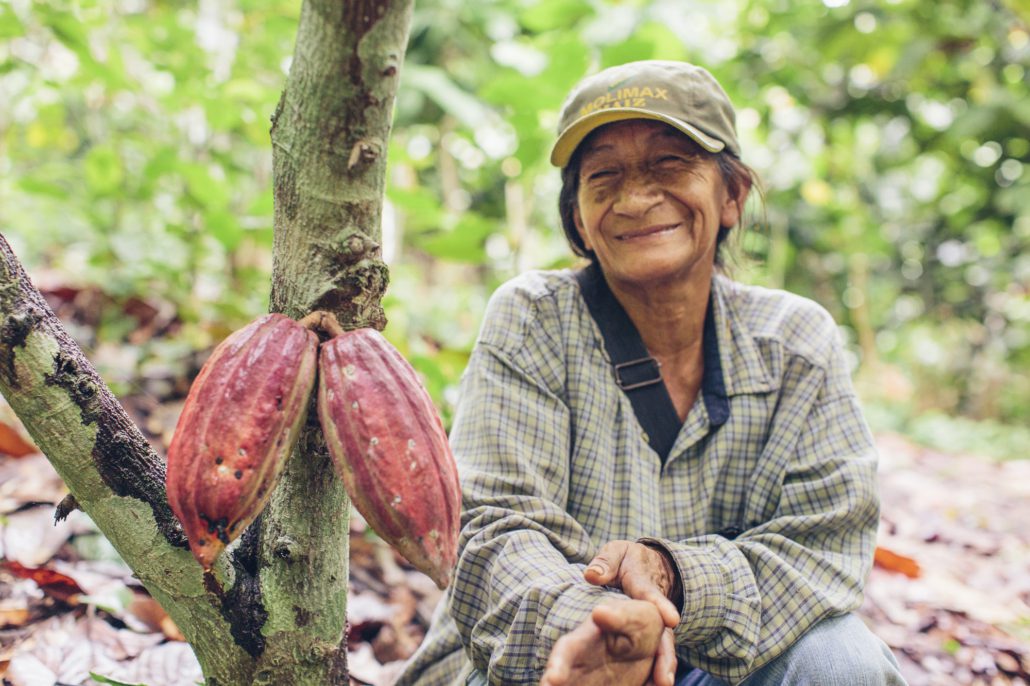
Located in South America, Peru has a GDP of $242 million as of 2022, according to the World Bank. With more than 200,000 acres of land dedicated to coffee farming, Peru is currently known as the “world’s largest leading exporter of organic coffee,” the U.S. Department of Agriculture says. The United Nations Development Programme (UNDP) notes that Peru exports coffee to more than 50 countries, with coffee making up one-fourth of its “national agriculture income.” Although Peru has boasted high success with this commodity, smallholder coffee farmers continue to struggle as their financial stability is dependent on coffee’s “delicate sustainability.” With challenges of market fluctuations, labor costs, disease, deforestation and changing weather patterns for Peruvian coffee farmers, support is imperative to ensure sustainability and stability.

The Work of USAID

The United States Agency for International Development (USAID) has instituted various programs to promote positive growth in coffee production in Peru. These programs will help coffee cooperatives to increase income, yields and access markets. The following programs by USAID aid smallholder Peruvian coffee farmers by providing funds, technical assistance, training and agricultural aid to increase sustainability and productivity.

Farmer-to-Farmer

The John Ogonowski and Doug Bereuter Farmer-to-Farmer Program recognizes the need to provide technical assistance to coffee farmers around the world. Since its authorization in 1985, this program has extended aid to more than 12,000 organizations and reached more than 100 million people in various countries.

From 2019 to 2023, Farmer-to-Farmer has aimed to provide services to 36 countries, including Peru. These services provide smallholder Peruvian coffee farmers with aid from U.S. volunteers, who have professional experience in farming, marketing and agriculture. These volunteers provide technology and business expertise, training small and medium enterprises on marketing, production, agricultural growth and problem-solving.

As the USAID website states, this program focuses on “promoting sustainable improvements in food security” so Peruvian coffee farmers experience positive economic growth and acquire knowledge to support their businesses. USAID anticipates that this $6.25 million USAID-funded program will train more than 40,000 people over five years.

Coffee Alliance for Excellence (CAFE)

With more than $13 million in funding from USAID, the Coffee Alliance for Excellence (CAFE) aims to multiply the incomes of smallholder Peruvian coffee farmers by increasing productivity and coffee bean quality. The program has also garnered more than $1.7 million in funding from USAID partners.

Coffee Alliance for Excellence (CAFE) is a USAID program that began in 2017 and is projected to run until late 2024. This USAID program partners with popular companies such as Peet’s Coffee and Starbucks Coffee. As a USAID publication states, this program is integral as it deters impoverished smallholder Peruvian coffee farmers from resorting to cultivating narcotics to secure an income.

CAFE aims to increase productivity through the training of farmers on efficient farming techniques, such as “low emission production practices.” CAFE also connects farmers with financial and marketing services to boost the success of their businesses. USAID reports that CAFE has brought about a “201% increase in household income of more than 8,380 families in the Amazon.” Furthermore, CAFE helped Peruvian coffee farmers to sell more than 45,000 metric tons of coffee, totaling more than $100 million, among other outcomes.

Specialty Coffee Community

Implemented in September 2021, this five-year program aims to boost farmer income in Peru by focusing on coffee bean quality during production. This involves “reducing/eliminating inefficiencies” and increasing market access for coffee farmers. Since the COVID-19 pandemic negatively affected jobs and productivity, this program recognizes the need to boost smallholder Peruvian coffee farmers in their trades.

With $5.7 million in program funding, USAID partnered with the Central Café & Cacao del Perú (Central), which connects 10 other Peruvian organizations and more than 2,500 coffee farmers to the cause. This program will involve the training of coffee farmers and various marketing and promotion exercises. By 2026, this program expects to triple the income of more than 3,000 Peruvian coffee farms, bringing coffee sales into a profitable margin.

Geni Fundes Buleje, director of this project, believes that Peru will “position itself as a producer of high-quality coffees in the world” through the work of this project, which aims to create “sustainable, efficient production, consistent quality and market access.”

Looking to the Future

While the COVID-19 pandemic negatively affected the production of coffee and its sustainability, programs by USAID have contributed funding, training and technical and agricultural assistance to smallholder Peruvian coffee farmers.

While coffee-growing regions face deforestation risks, environmental issues and market inconsistencies, these programs continue to boost Peruvian livelihoods by providing access to much-needed services. With the assistance of U.S. experts and private companies, the coffee market can continue to grow and lift coffee farmers and their families out of poverty.

– Kristina Gaffney
Photo: Flickr

October 2, 2023
https://borgenproject.org/wp-content/uploads/borgen-project-logo.svg 0 0 Yuki https://borgenproject.org/wp-content/uploads/borgen-project-logo.svg Yuki2023-10-02 01:30:362023-09-28 04:45:03How USAID Programs Aid Smallholder Peruvian Coffee Farmers
Global Poverty

The Fight Against Period Poverty in Mali

Period Poverty in Mali
Period poverty affects millions of individuals who menstruate across the globe. However, one unique project founded in some of the most afflicted regions of Mali has emerged to lead the way in the fight against period poverty in Mali.

What is Period Poverty?

Period Poverty is the lack of access to clean and hygienic menstrual products and the right to use these products in a safe and stigma-free environment. In the face of a lack of appropriate resources, individuals resort to using items such as rags, grass and paper as an alternative at a risk to their personal health. Reports suggest that at least 500 million people globally experience period poverty.  While period poverty is present across the world, it is most prevalent in developing countries such as Kenya, Mali and other sub-Saharan countries.

What is the Situation in Mali?

The Republic of Mali is a landlocked sub-Saharan country in West Africa. Since the military coup in 2012, the country has suffered from a fluctuating economy and extreme poverty, worsened further by the devastating effects of changing weather patterns on its agricultural industry. In 2022, an estimated 19.1% of Mali’s population lived in impoverished conditions, with 90% of this demographic concentrated in the densely populated southern regions of the country. Malian societies treat the topic of menstruation as taboo and those who menstruate often face bullying, ridicule and discrimination. The lack of communication and support for these individuals can affect every aspect of their lives from their education, relationships, health and overall well-being.   

Ongoing Efforts

The United States Agency for International Development (USAID) has been providing support to local communities in the hopes of tackling period poverty in Mali. One such project that USAID has funded is the ‘Girls Leadership and Empowerment through Education (GLEE) project. The GLEE project is a $15 million project that the nonprofit organization Winrock International established in 2018. The project set out with the intention of providing education and support to school-aged girls in Mopti and Kayes, two regions located in the south of Mali.

GLEE’s Progress in The Fight Against Period Poverty in Mali 

In the five years since its establishment, the GLEE project has been able to achieve the following:

  • Supported approximately 14,000 girls who were previously out of school, providing them with access to education through the creation of schooling centers.
  • Renovated numerous school facilities such as toilets to provide individuals with a space to access and use menstrual products.
  • Established resources for teachers and other school figures on menstruation to provide better understanding and less stigma surrounding the topic of menstruation in Malian society.
  • Created regular mentoring sessions for girls from individuals within their community to provide advice and a safe space to discuss issues relating to periods.

While individuals continue to face challenges related to menstrual hygiene in Mali, as well as in the broader sub-Saharan region and worldwide, there are ongoing efforts to address these issues. Projects like GLEE are at the forefront of this fight, providing education and resources to combat period poverty.

– Holly Coop
Photo: Flickr

September 29, 2023
https://borgenproject.org/wp-content/uploads/borgen-project-logo.svg 0 0 Jennifer Philipp https://borgenproject.org/wp-content/uploads/borgen-project-logo.svg Jennifer Philipp2023-09-29 04:24:562023-09-30 14:43:39The Fight Against Period Poverty in Mali
Global Poverty, Water, Water Sanitation

Water Security in Indonesia: USAID’s Latest Plan

Water Security in Indonesia
On July 21, 2023, USAID announced its Indonesia Global Water Strategy High-Priority Country Plan, containing a new $50 million investment towards improving water security in Indonesia. 

This new funding will go towards the cooperative work of the governments of the U.S. and Indonesia with the aim of providing more than 1 million Indonesians access to safe drinking water and sanitation by 2027.

Unsafe Water in Indonesia

While unsafe water supplies affect people from a range of socio-economic backgrounds in Indonesia, those living in poverty suffer the most: 62% of the poorest Indonesians live on water that is not safe to drink.

Drinking from unclean water sources can lead to diarrheal diseases. This is a significant problem among young children in Indonesia, where one-quarter of all children under 5 suffer from diarrhea, and the main cause of child mortality throughout the country is diarrhea. 

These are the unfortunate effects of poor water sanitation. For this reason, the U.N. made safe sanitation management a priority in the development of its Sustainable Development Goals (SDGs), adopted in 2015. SDG 6 is dedicated to ensuring “availability and sustainable management of water and sanitation for all,” and is explicitly tied to UNICEF’s global Water, Sanitation and Hygiene (WASH) campaigns.

USAID and WASH

USAID’s new and ongoing work on water security in Indonesia forms part of the global WASH efforts. At the launch of the Indonesia Global Water Strategy High-Priority Country Plan during a meeting with the Regional Secretary of South Sulawesi, Andi Darmawan Bintang, USAID Assistant Administrator Michael Schiffer also announced the Indonesia Urban Water, Sanitation and Hygiene Market (IUWASH Pasar).

IUWASH Pasar is a five-year investment of $10 million, which aims to support the efforts of USAID’s existing water security strategy in Indonesia, the IUWASH Tangguh program. IUWASH Tangguh, launched in 2021, has the aim to help at least 1.5 million individuals in the country find access to water that is safe to drink and provide 1 million with safe sanitation.

With an injection of $44.1 million over five years, USAID proposes to work with not only the Indonesian government but also the private sector, NGOs, donor agencies, service utility providers and communities across the country to achieve four key aims:

  1. Increase financing for WASH and water resources management (WRM) sector governance.
  2. Widen access to safe drinking water and sanitation for the poorest urban communities.
  3. Improve the management of water-related resources, ensuring climate resilience in all seasons.
  4. Increase the number of women in leadership roles playing a part in the improvements to WASH and WRM.

Speaking on the newly announced activity and funding, Regional Secretary Darmawan Bintang praised USAID’s support in the fight for safe drinking water and sanitation in Indonesia. “We are proud to be one of the province partners for the implementation of the USAID High Priority Country Plan under the U.S. Global Water Strategy,” he said, “and we welcome the new USAID IUWASH Pasar activity.” 

As mentioned, USAID’s action contributes significantly towards global WASH efforts, headed by UNICEF. The latest UNICEF WASH Acts newsletter on Indonesia (October–December 2022) outlines some of the recent progress made by the NGO’s work in collaboration with the Government of Indonesia. This included a scale-up of the elimination of open defecation, and the advancement of safe sanitation programs in South Sulawesi, Aceh and Bekasi. 

Water Security and Vision of Indonesia 2045

In a 2021 report, the World Bank identified the importance of water security to the Vision of Indonesia 2045 plan. This goal — set by the country for its centenary — has the target of placing Indonesia in the top five global economies by 2045. Within this structured plan is the aim of transforming Indonesia into a nation with “high-income status and near-zero poverty.” 

The findings of the World Bank align with the new and existing work of USAID. Within its report, the organization laid out three key pillars for the improvement of water security in Indonesia, which it said will put Vision 2045 “firmly within reach.” These pillars are:

  1. An increase in sustainable water resource management and strengthened resilience to water security threats.
  2. An improvement to the “inclusivity, sustainability and efficiency of water services.”
  3. A strengthening of Indonesian governance for water management.

Moving Forward

USAID’s newly announced action to improve water security in Indonesia is a step in the right direction toward international aims. Following the research of the World Bank, USAID investment will help to provide safe drinking water and sanitation across Indonesia, advancing progress towards the near-zero poverty goal within Vision 2045. To ensure that water resources are made safe and secure for all Indonesians, the global aid effort must be sustained.

– Alice Weatherley
Photo: Flickr

September 27, 2023
https://borgenproject.org/wp-content/uploads/borgen-project-logo.svg 0 0 Yuki https://borgenproject.org/wp-content/uploads/borgen-project-logo.svg Yuki2023-09-27 07:45:402023-09-27 15:49:36Water Security in Indonesia: USAID’s Latest Plan
Global Poverty

Generating Renewable Energy in Lebanon

Renewable Energy in LebanonSince 2019, Lebanon has been facing a crippling economic crisis. More than 80% of the population is estimated to live in poverty with inflation reaching 171% in 2022. While many problems have arisen from this crisis, perhaps none have impacted the Lebanese people as severely as the lack of electricity across the nation.

The Lebanese Civil War, lasting from 1975 to 1990, damaged the country’s electricity supply. That, coupled with years of mismanagement, corruption and neglect, has led to Lebanon’s unreliable electricity system. It only provides two to three hours of electricity a day, leaving many to rely on diesel-powered generators.

Many have lost hope in the government to solve the problems of electricity shortages.  However, a conscious investment in renewable energy in Lebanon may improve the country’s energy system and the livelihoods of its citizens.

Transitioning to Renewable Energy

Over the past 10 years, renewable energy and smart energy have been on the rise in Lebanon.

Lebanon’s government largely depends on oil plants and diesel generators, both of which are economically and environmentally unsustainable. However, in 2018, the Lebanese government adopted a target to obtain 30% of its energy from renewables by 2030.

According to the Lebanese Center for Energy Conservation, “Lebanon went from generating zero solar power in 2010 to having 90 megawatts of solar capacity in 2020.” There are now more than 800 registered solar companies operating in Lebanon, from small household projects to university campuses. With over 300 days of sunshine, renewable energy has a high chance to thrive in Lebanon and provides environmental benefits.

Solar panels are one of the many renewable energy sources that can provide a reliable source of electricity to Lebanese citizens. The Lebanese Foundation for Renewable Energy works to shift focus from fossil fuels to wind and hydro in addition to solar. 

The Impact of Renewable Energy on Poverty

The lack of reliable electricity in Lebanon pushes people into poverty. This occurs because an electrical drought impedes access to necessities like water and food.

According to Human Rights Watch (HRW), the average Lebanese household uses 44% of their monthly income for generator bills. For homes in the bottom quintile, generator bills constitute 88% of their monthly income. This leaves poor families unable to make ends meet and forced to choose between electricity or food. 

Furthermore, in a survey that HRW conducted, they found that “nine out of ten households said the cost of electricity affected their ability to pay for other essential services.”

The lack of electricity has a direct effect on the standard of living in Lebanon. The electricity crisis in Lebanon also leaves many unable to carry out day-to-day tasks like cooking or participating in work or school activities. This is where renewable energy can be utilized to ease this wealth disparity and offer all Lebanese families the ability to more reliable sources of energy like solar panels.

Efforts to Increase Renewable Energy in Lebanon 

As the crisis still plagues Lebanon’s economy and society, renewable energy proves a hopeful long-term solution in turning around Lebanon’s energy sector.

Efforts to improve Lebanon’s energy system include the United Nations Development Programme (UNDP). UNDP has been working alongside the Lebanese government to supply and promote private sector investment in renewable energy sources. This ambitious goal proves how the Lebanese government can use renewable energy to help lift people out of poverty.

In addition, the United States Agency for International Development announced its plan to invest $20 million to help Lebanon.

On June 23, 2023, the United Nations International Children’s Emergency Fund (UNICEF) and the Lebanese Ministry of Public Health successfully revamped 150 primary healthcare centers. They now fully rely on solar energy, ensuring access to essential public health services and immunization. The project was completed in 13 weeks so as to provide crucial support to families amidst the ongoing electricity crisis in Lebanon.

Currently, UNICEF is assessing the feasibility of solarising over 300 dispensaries and widening support to more families.

Looking forward

The future of renewable energy in Lebanon holds huge potential. There are hopeful solutions to Lebanon’s energy and electricity crisis and reducing poverty. Lebanon’s advantageous climate and innovative projects, and domestic and international support prove that the goal of obtaining 30% of its energy from renewables by 2030 is possible.

However, there needs to be more government focus on relieving poverty through renewable energy in Lebanon, as well as increased international support and funding initiatives for this to be an achievable goal. 

– Amber Hamed
Photo: Flickr

September 22, 2023
https://borgenproject.org/wp-content/uploads/borgen-project-logo.svg 0 0 Jennifer Philipp https://borgenproject.org/wp-content/uploads/borgen-project-logo.svg Jennifer Philipp2023-09-22 11:22:332026-04-16 10:20:59Generating Renewable Energy in Lebanon
Global Poverty

Addressing Maternal Mortality: Global Efforts in DRC

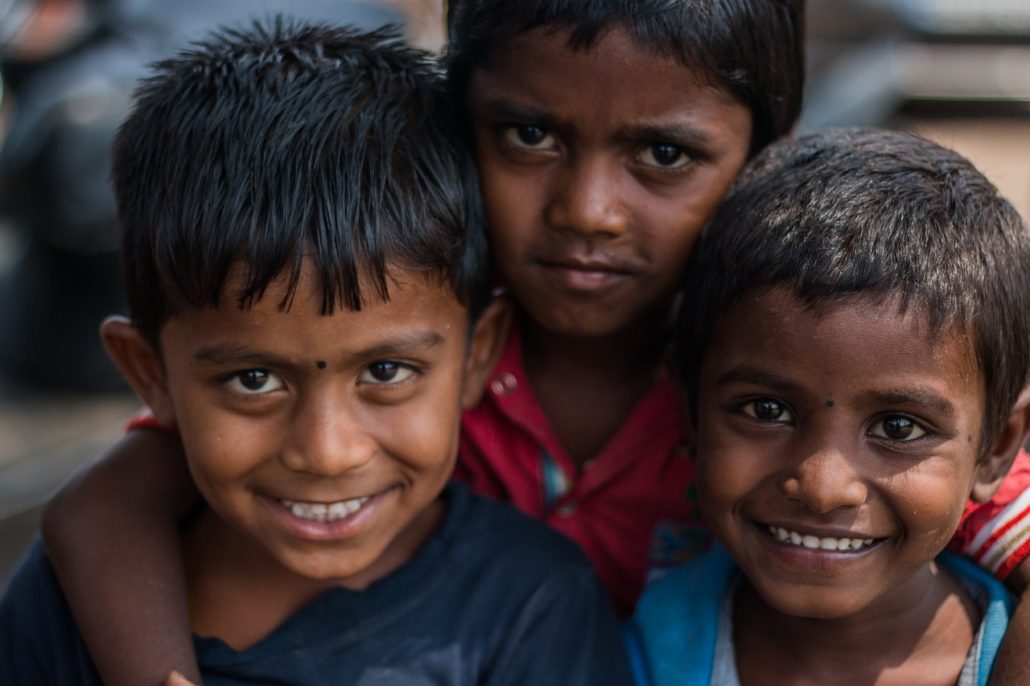
Maternal Mortality in the DRCMaternal mortality remains high in the Democratic Republic of the Congo (DRC), at 620 per 100,000 live births in 2022, despite efforts to reduce the rate drastically. The DRC has the eighth-highest maternal mortality rate in the world and is not on track to reach its 2030 target according to USAID.
International Involvement: USAID

USAID is one of the biggest donors to the DRC in regard to its health sector. USAID has created a plan not only for the DRC but other nations impacted by high maternal mortality called the Preventing Child Deaths and Maternal Death Framework, taking place over a 7-year course between 2023-2030. The focus areas for USAID are ensuring that the quality of health care is improved through using a primary health care system, targeting the impoverished populations who do not have easy access to health care and ensuring that leaders within communities take accountability for health concerns.

International Involvement: UNICEF

UNICEF has been actively involved in some of the success associated with maternal mortality rates in the DRC for nearly 63 years. Between 2001 and 2018, maternal mortality fell by nearly 40%. UNICEF helps to tackle the issue before it becomes one such as preventing common diseases that mothers tend to face during pregnancy. UNICEF works closely with other international organizations such as Ending Preventable Maternal Mortality (EPMM) to ensure women are visited and checked up regularly during the period of conception and childbirth, those delivering children have the necessary skills to ensure a safe delivery for both the mother and the child and ensuring that postnatal care exists for the mother and the baby.

International Involvement: UNFPA

DRC’s health infrastructure has been damaged by conflict and poverty. The high rates of sexual violence against women also contribute to health complications during childbirth, which could lead to maternal death. As of 2018, 42,000 women were waiting for surgical care in regard to their genital fistulas, which are caused by sexual violence. With the recent internal and external conflicts happening especially in Eastern DRC, more women are in vulnerable positions than ever before.

The United Nations Population Fund, or UNFPA is a U.N. agency that aims to tackle reproductive and maternal health globally. UNFPA has worked in the DRC since 1978. In 2021, UNFPA was able to help provide almost 700 fistula repair surgeries for women. They have provided 6,800 life skill programs for girls and helped prevent 4,932 child, early and forced marriages. UNFPA has continuously supported Congolese women who suffer from different difficult situations that have contributed to maternal mortality.

Many international organizations and agencies have been working in the DRC to help out a vulnerable population who do not get protection from different forms of violence due to poverty and conflict. With continuous and hopefully increased support from other agencies, maternal mortality rates will decrease soon.

– Christelle Wealth-Mukendi
Photo: Flickr

September 22, 2023
https://borgenproject.org/wp-content/uploads/borgen-project-logo.svg 0 0 Yuki https://borgenproject.org/wp-content/uploads/borgen-project-logo.svg Yuki2023-09-22 02:59:322023-10-01 07:37:05Addressing Maternal Mortality: Global Efforts in DRC
Global Poverty, Health

Poverty and Immunity: An Inextricable Correlation

Poverty and Immunity
Poverty emerges as a relentless enemy across nations, holding millions of lives at its mercy. While the implications of poverty on basic necessities have been studied, a consequence lies hidden within the fine lines of public health — the impact of poverty on the immune system. This article delves into the relationship between poverty and immunity in developing countries, exploring the lack of health measures, and how they intertwine to shape the vulnerability of populations. 

Poor Sanitation Leads to Poor Immunity

Two billion people across the world lack access to clean water and proper sanitation measures, while 10% of the world’s population does not have latrines or means of disposing of waste. The outright lack of sanitation in almost all cases results in pollution of water and food resources due to frequent open defecation and improper treatment. Then begins the vicious cycle of illness, as the constant presence of bacteria in communities can be fatal.

With the constant onslaught of diseases due to substandard sanitation, the bodies of impoverished people can grow weaker without nutrients to strengthen them. A study that Parasite Immunology published states that parasites known as helminths modify the immune system of the host, which results in a damaged immune response to vaccinations and other pathogens. 

Malnutrition and Immunity

Nourishing oneself is vital to provide nutrients to the body in order for several different organ and body functions to perform as normal. When a person does not ingest enough proper food, this can cause an entire host of issues for the body. 

Nutrients that the body needs in small amounts are known as micronutrients. They are small portions of vitamins and minerals that produce substances necessary for the development of the body. Deficiencies in these nutrients are common in low-income countries due to the lack of proper nutrition, which can have damaging effects. 

When there is a lack of nutrients in the body, infections that are contracted can prompt an immune reaction, showing another link between poverty and immunity. These infections can cause fever and bodily irregularities. Malnutrition is a major player in how severe an infection is — it is much more severe in those who have a lack of nutrients in their bodies to support the immune system’s counterattack. 

Limited Access to Health Care 

Without money, it is impossible to access health care across the world, especially as treatments evolve and become increasingly complicated. As a result, poor health restricts workers in developing nations from working properly — and this creates a merciless cycle, limiting one’s capacity to work to earn and to help themselves. Furthermore, several studies display that the wealthiest percentage of people are most often in good health because they are able to finance their health care while working. 

Another grave issue that lack of health care poses in developing nations is an absence of treatments for chronic and incurable diseases. Diseases such as HIV/AIDS are extremely common in poor nations, as they often spread unchecked without a timely preventative response. This results in unbridled death rates and a weakening population that cannot take care of themselves. 

With incurable diseases such as coronary heart disease and HIV/AIDS reigning at the top of prevalent diseases in developing countries, a lack of health care can cause the condition of populations to deteriorate. Both of these diseases gradually tear down the defenses of the immune system, and in the long term, carriers will be more susceptible to falling fatally ill from any disease in their path. 

Making a Change

Though the situation may seem bleak regarding the link between poverty and immunity, there are millions of people working to turn it around. Detailed below are three programs that aim to combat the lack of sanitation, widespread malnutrition and lack of health care that so many poverty-stricken people face. 

  • Sanitation: USAID uses the “Global Water Strategy” to reach people in need across all walks of life. The goal of this program is to increase access to sanitation measures and enhance the care of freshwater across the world. Thus far, the program has been able to provide 65 million people with sanitary drinking water, while 51 million people now have access to sanitation services for everyday excrement.
  • Malnutrition: In response to food insecurity crises across the world, USAID congregated to expend billions of dollars of aid to the countries that were most in need. This program, which was officially dubbed “Food for Peace,” provided millions of people who were severely affected by chronic and generational poverty with food during difficult times — whether they were climate-, conflict- or health-related.
  • Health Care: To combat diseases impairing the potential of impoverished populations, the Bridge of Life Foundation aims to build up global health care through programs that eradicate and treat chronic diseases. Since 2006, the organization has trained community health workers to treat their populations, distributed necessary equipment and improved treatment measures across 15 developing countries.

Looking Ahead 

With organizations such as USAID working to allocate funds and resources to populations in need of food and water and The Bridge of Life providing life-saving health care to struggling populations, the state of these populations will improve extraordinarily over time. By empowering communities and providing necessities, it is possible to break down health care disparities and ensure a thriving future for people in developing countries. 

– Divya Shankar
Photo: Pixabay

September 17, 2023
https://borgenproject.org/wp-content/uploads/borgen-project-logo.svg 0 0 Lynsey Alexander https://borgenproject.org/wp-content/uploads/borgen-project-logo.svg Lynsey Alexander2023-09-17 01:30:312023-09-13 08:32:05Poverty and Immunity: An Inextricable Correlation
Economy, Education, Global Poverty

4 Ways Bangladesh is Combating Poverty

Bangladesh is Combating Poverty
Bangladesh is a lush South Asian country that some presume to be developing slowly along with other areas of South and Southeast Asia. In fact, the opposite is true: Bangladesh is a beautiful blueprint for how to build a country and lift citizens out of poverty. Its GDP has grown the most out of any country in the last 10 years, and it has cut the number of people living below the national poverty line in half from 2000 to 2016. While it is an amazing success story, 35 million people are still living below the poverty line and the country must continue to use an arsenal of poverty-fighting initiatives to eliminate poverty in Bangladesh. Here are four ways Bangladesh is combating poverty.

Fighting for Breath 

In the 1970s, with help from The Bangladesh Rural Advancement Committee (BRAC), Bangladesh slashed child mortality. By identifying diarrhea as the leading cause of child deaths and then widely administering Oral Rehydration therapy, it helped reduce the death rate from 180 in 1,000 to 53 in 1,000 by 2011. 

However, child mortality has continued in Bangladesh, and Pneumonia is a major killer, involved in one in five child deaths. Fighting for Breath is a global initiative that UNICEF spearheaded to eliminate pneumonia deaths in Bangladesh. By working to get Bangladesh up to global health standards (in terms of government spending and quality of care) as well as targeting underlying causes such as poor drinking water and sanitation, Fighting for Breath saves lives and stops child mortality and poverty. 

BRAC

As mentioned above, the Bangladesh Rural Advancement Committee is a global NGO now operating as simply BRAC. Since its masterful health initiative in the 70s, it pioneered the Graduation Program in Bangladesh, which has four goals: meeting basic needs, income generation, social empowerment and financial support and savings. As of 2022, it has used this model to help 2.1 million households out of extreme poverty in Bangladesh alone. 

BRAC operates under the philosophy that “people should be the subject, not the object of development programs.” Those ideals have helped them combat poverty in Bangladesh and across the globe. 

Fostering Education

A key pillar in reducing global poverty is widespread education, and Bangladesh is no stranger to this facet. Within a decade, Bangladesh has made incredible strides in education. An astounding 98% of elementary-aged children are receiving formal education. Also, according to the United States Agency for International Development (USAID), “The country has achieved…gender parity in equal access to education.” 

Although Bangladesh still struggles with equitable education for minority populations, there are USAID programs in place to tackle this issue. A chief aim is to promote awareness for minorities and people with disabilities. USAID further fought poverty with education by creating 100 classroom-based libraries in 2022. 

How Bangladesh is Combating Poverty With a Booming Economy

A major facet that has Bangladesh on pace to exit the U.N.’s Least Developed Countries List by 2026 is its expanding economy. A strong garment and textile industry and a growing energy sector have uplifted people from poverty. Textiles comprise 80% of the country’s exports and employ 4 million people. Additionally, 100% of Bangladesh’s population has access to electricity. Agriculture has also been a backbone to alleviating poverty, reducing the poverty rate by almost 70% within five years. Support from the World Bank to modernize 1.8 million agricultural houses also displays how a growing Bangladesh has mitigated poverty. The economy did take substantial hits from the COVID-19 pandemic, but its strong economy and fast-growing sectors have been pillars of making a difference. 

Looking forward, there are still many steps to eliminate poverty besides the other efforts Bangladesh is combating poverty with, but the country paints a resilient success story in how to present a continued effort to reduce poverty.

– Aditya Arora
Photo: Flickr

September 12, 2023
https://borgenproject.org/wp-content/uploads/borgen-project-logo.svg 0 0 Lynsey Alexander https://borgenproject.org/wp-content/uploads/borgen-project-logo.svg Lynsey Alexander2023-09-12 01:30:242024-05-30 22:32:204 Ways Bangladesh is Combating Poverty
Global Poverty

Helping LAC During Hurricane Season

Hurricane Season
The Atlantic hurricane season is entering what has historically been its period of peak intensity, and Latin America and the Caribbean (LAC), year in and year out, have been caught in the middle of it. More than 300 storms swept through the region between 2000 and 2019 at an average of 17 per year, and the cumulative human and economic cost of this almost 20-year onslaught is staggering, with 29 million people in Haiti, Cuba and Mexico absorbing the impact of 110 storms that killed 5,000 of them and destroyed $39 billion worth of homes and infrastructure.

Many of the nations in this region are still developing, and the continual reset required after multiple disasters has severely impacted their growth, with some storms engulfing entire economies. Developing island nations often suffer the worst. Hurricane Maria took 225% of Dominica’s GDP in 2017. Hurricane Ivan took over 200% of Grenada’s in 2004. As for Latin America, disaster risk management expert Joaquin Toro, speaking with The World Bank in 2017, cites 30 years of decreased development in Honduras and Nicaragua since Hurricane Mitch struck in 1998. Here are five ways to help Latin America and the Caribbean not only survive but thrive during hurricane season.

Sovereign Parametric Insurance 

In 2007, 19 Caribbean and three Central American nations formed the Caribbean Catastrophe Risk Insurance Facility (CCRF SPC), a network of mutual relief based on an innovative form of disaster insurance known as sovereign parametric insurance. Financial payouts from this sort of insurance are much quicker because they are based not on damage assessments once a disaster has already occurred, but as soon as people experience certain weather conditions (rainfall, modeled damage, wind speed). While not adequate by itself to protect vulnerable countries during hurricane season, the World Resources Institute sees them as a valuable tool when combined with other forms of financial assistance. 

For instance, when Hurricane Irma struck the Caribbean in 2017, CCRF SPC automatically paid roughly $15.6 million in relief to the nations of Antigua and Barbuda, Anguilla and St. Kitts & Nevis.

Advanced Weather Forecasting 

The U.S. Agency for International Development (USAID) not only collaborates with weather experts in vulnerable countries to help predict disasters using advanced prediction models like the Flash Flood Guidance System but also helps those nations develop their own methods for advanced warning, allowing them to rally the necessary resources and evacuate people in time. In collaboration with NOAA, it is currently helping Barbados, Curacao and the Dominican Republic develop their own automated weather systems using low-cost methods like 3-D printing. 

Emergency Stockpiles and Effective Donations 

When disaster strikes, USAID can quickly airlift essential supplies like blankets and hygiene kits to affected nations, drawing upon emergency stockpiles in Miami and the Caribbean. 17,000 Central Americans were provided with shelter in the aftermath of Hurricanes Eta and Iota in 2020, thanks to heavy-duty plastic sheeting provided from these stockpiles. The agency’s Center for International Disaster Information also helps the public make donations through the proper channels so that affected countries do not turn supplies away and so that no one prevents them from leaving the U.S. entirely because of the high cost of transporting them.

Resilient Systems of Infrastructure 

Building an infrastructure that is resilient in the face of disaster is as much a problem of information as it is of materials. When Hurricane Katrina flooded nearly all of New Orleans in 2005, it was able to recover largely because of a robust system of public knowledge (cadaster maps, identity documents, urban plans) that allowed the city, its financial institutions and utility companies to properly assess the damage and rebuild successfully. 

Luis Trevino and Klaus Deininger, in a 2016 piece for the World Bank blog, stressed the importance of this “knowledge infrastructure” for the developing world, where official records often only represent a small minority of property owners, and many buildings are informally constructed. They put it in no uncertain terms: “Improving the management of public assets could yield returns greater than the world’s combined investment in housing, transport, power, water, and communications.”

Education 

Disaster education provided to children in the Philippines helped save lives during the flooding that devastated Liloan and San Francisco villages in 2006. In 2007, 7-year-old Bangladeshi student Lamia Aktar, after being educated in disaster preparedness, alerted her neighbors about approaching Cyclone Sidr, advising them to seek shelter and store food, saving many of their lives as well as her family’s. 

Education is an essential, life-saving resource for any developing nation, and Latin America and the Caribbean need it desperately during hurricane season. Thankfully, USAID currently operates the Youth Emergency Action Committees program in these regions, starting in Jamaica and eventually expanding to The Dominican Republic, Grenada and Santa Lucia. It provides young people with the skills they need to guide themselves and their communities through hurricane season, giving classes on emergency shelter building, first aid and mapping evacuation routes. 

None of these strategies alone is a panacea for hurricane season, but, in combination, they might be able to break the cycle of destruction and underdevelopment that it fuels, enabling these regions to thrive and grow instead of just recover. 

– John Merino
Photo: Flickr

September 9, 2023
https://borgenproject.org/wp-content/uploads/borgen-project-logo.svg 0 0 Lynsey Alexander https://borgenproject.org/wp-content/uploads/borgen-project-logo.svg Lynsey Alexander2023-09-09 01:30:112023-09-05 12:00:45Helping LAC During Hurricane Season
Page 15 of 92«‹1314151617›»

Get Smarter

  • Global Poverty 101
  • Global Poverty… The Good News
  • Global Poverty & U.S. Jobs
  • Global Poverty and National Security
  • Innovative Solutions to Poverty
  • Global Poverty & Aid FAQ’s
Search Search

Take Action

  • Call Congress
  • Email Congress
  • Donate
  • 30 Ways to Help
  • Volunteer Ops
  • Internships
  • Courses & Certificates
  • The Podcast
Borgen Project

“The Borgen Project is an incredible nonprofit organization that is addressing poverty and hunger and working towards ending them.”

-The Huffington Post

Inside The Borgen Project

  • Contact
  • About
  • Financials
  • President
  • Board of Directors
  • Board of Advisors

International Links

  • UK Email Parliament
  • UK Donate
  • Canada Email Parliament

Get Smarter

  • Global Poverty 101
  • Global Poverty… The Good News
  • Global Poverty & U.S. Jobs
  • Global Poverty and National Security
  • Innovative Solutions to Poverty
  • Global Poverty & Aid FAQ’s

Ways to Help

  • Call Congress
  • Email Congress
  • Donate
  • 30 Ways to Help
  • Volunteer Ops
  • Internships
  • Courses & Certificates
  • The Podcast
Scroll to top Scroll to top Scroll to top