• Link to X
  • Link to Facebook
  • Link to Instagram
  • Link to TikTok
  • Link to Youtube
  • About
    • About Us
      • President
      • Board of Directors
      • Board of Advisors
      • Financials
      • Our Methodology
      • Success Tracker
      • Contact
  • Act Now
    • 30 Ways to Help
      • Email Congress
      • Call Congress
      • Volunteer
      • Courses & Certificates
      • Be a Donor
    • Internships
      • In-Office Internships
      • Remote Internships
    • Legislation
      • Politics 101
  • The Blog
  • The Podcast
  • Magazine
  • Donate
  • Click to open the search input field Click to open the search input field Search
  • Menu Menu

Tag Archive for: USAID

Information and news about mobile technology

Posts

Global Poverty

How Foreign Aid Has Reduced Poverty in 3 Countries

Foreign Aid Has Reduced Poverty
In the past, foreign aid was the supplication of military men at war times, but the contemporary concept was first put into action in the 18th century, during colonization. It was the time when colonies were being provided large sums of money by their mother countries to build better infrastructure in hopes of better economic outputs.

This foreign aid culture flourished and has led this article to discuss three countries namely India, Egypt and Nigeria which have shown significant growth from contributions of foreign aid. Here is how foreign aid has reduced poverty in the three countries.

How Foreign Aid is Important

In the 21st century, foreign aid has become a common phrase. It is a transfer of capital goods or services from a country or international body to another country with the aim to aid in the economic, military or humanitarian sector.

According to research by UNU-WIDER, if a country consistently receives aid equivalent to approximately 10% of its national income annually for more than a generation, it can expect its average growth rate to increase by approximately one percentage point compared to what it would have been without such aid. This highlights the significant positive impact that sustained foreign aid can have on economic progress in recipient nations.

Furthermore, this evidence strongly supports the idea that foreign aid has the potential to foster economic development in developing countries over the long term.

India, Egypt and Nigeria are three of many countries receiving foreign aid that have seen growth over time. The statistics from these countries have demonstrated that foreign aid has reduced poverty and stimulated progress in the economy. 

India 

India is a global partner of USAID. By forging partnerships with private and public stakeholders, it has helped in the expansion of financial and human resources in India. As these investments grow, the opportunities for entrepreneurship and innovation pave the way in Indian industries and business sectors. 

Consequently, in the year 2022, India achieved the distinction of being one of the world’s fastest-growing economies, even in the face of substantial challenges within the global economic landscape. In the fiscal year 2022-2023, India’s real GDP experienced robust growth, estimated at approximately 6.9%.

Egypt

Egypt has built a fair economy with substantial growth over the years. It has received foreign aid from USAID for four decades, accounting for up to $30 billion. The results have been fairly significant. 

It has helped bring clean water and wastewater services to 25 million Egyptians. In the health sector, aid has eliminated polio and reduced child mortality by 80% and maternal mortality by 78%. Education prospects for the future generation were also recognized, which led to the setting up of 2,000 schools with a special focus on gender equality. Electricity and telecom services increased across the country, helping to create hundreds of thousands of jobs.

Nigeria

Nigeria is receiving $1.3 billion as of 2023. It is the largest country in the subcontinent of Africa and it houses 96 million people who live on less than $1.90 per day. The humanitarian need of the Nigerian people is vital. Even though macroeconomic rigidities have limited growth with important sectors like agriculture receiving less share of foreign aid, the health sector has prospered under foreign aid.

Health is regarded as a vital conduit for enhancing the human capital foundation of an economy, acting as a cornerstone for bolstering productivity and fostering prosperity. Foreign health aid from developed nations such as the U.S., U.K. and France has contributed to Nigeria’s public health which helped address its economic woes as well.

Looking Ahead

Foreign aid has reduced poverty in India, Egypt and Nigeria successfully. Similar efforts could make a difference in other parts of the world as well.

– Asra Mairaj
Photo: Flickr
October 30, 2023
https://borgenproject.org/wp-content/uploads/borgen-project-logo.svg 0 0 Yuki https://borgenproject.org/wp-content/uploads/borgen-project-logo.svg Yuki2023-10-30 01:30:352024-05-30 22:32:31How Foreign Aid Has Reduced Poverty in 3 Countries
Global Poverty, USAID

USAID Programs in Serbia and EU Accession

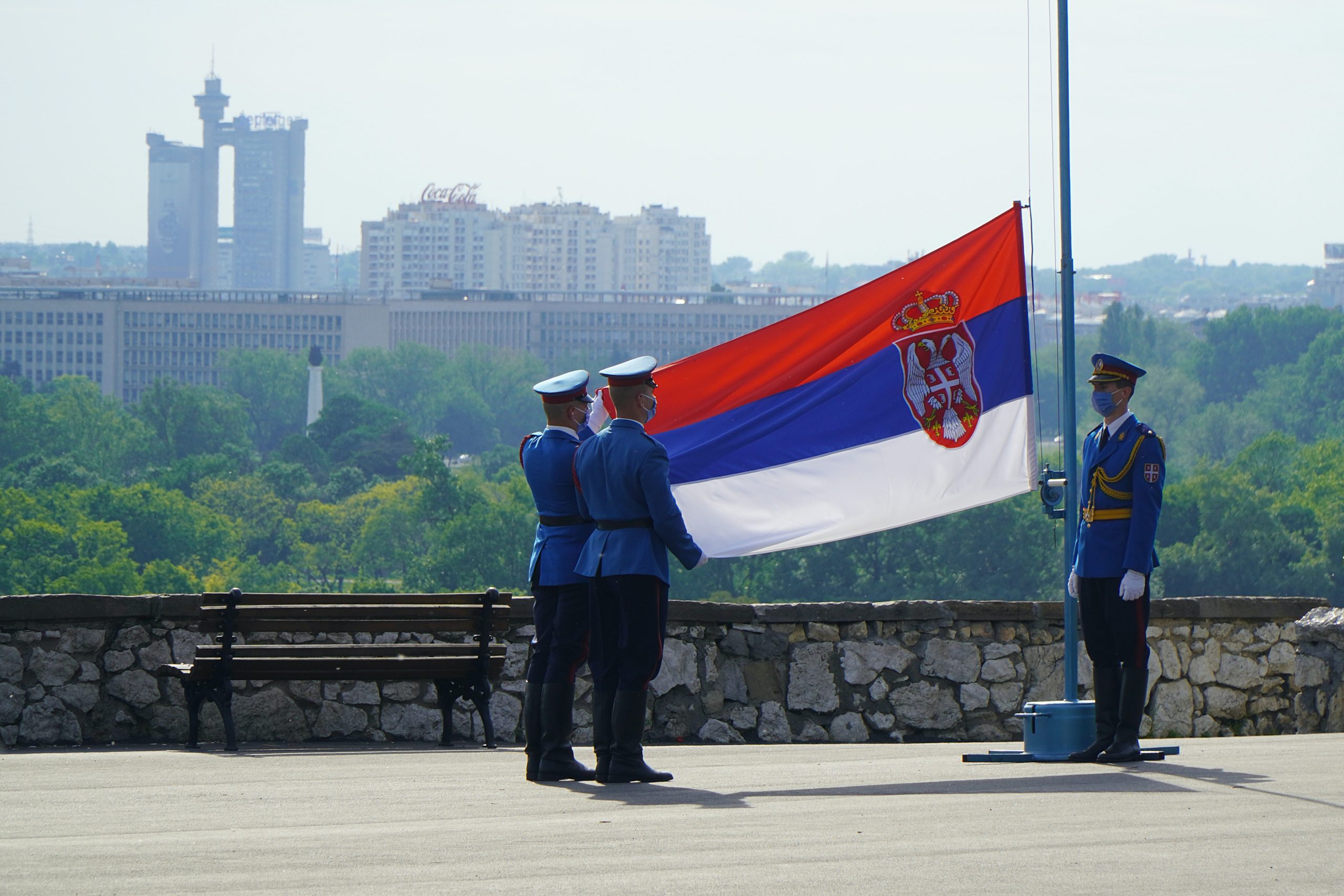
USAID in SerbiaBeginning in 2001, USAID has been working with Serbian sectors, public and private, to sustain economic development, improve judicial transparency and strengthen responsive governance. Since then, Serbia’s GDP has experienced an annual average growth rate of 2.9% while achieving a 14.1% drop in unemployment. While the progress and stimulation of the economy are apparent, measures of democracy across multiple indexes demonstrate a decline over the last decade. 

Since Serbia received official EU candidacy status in 2012, USAID programs in Serbia have been geared specifically towards EU integration. To realize this candidacy, Serbia must meet transnational criteria in line with European aims and values before further membership negotiations can occur. The criteria are split into six clusters totaling 35 policy chapters, of which 22 have been opened. The clusters are in order of importance, with the first being the rule of law.

About USAID Programs in Serbia

Currently, two of the three USAID programs in Serbia intend to strengthen democracy through deliberation projects between citizens, civic society and the Serbian government. The first project, Inspire2action, and the second, Civil Society Resilience Strengthening, are both five-year plans set towards strengthening the rule of law in the country. According to the U.S. Department of State, Serbia is at a strategic juncture between Eastern and Western Europe, and promoting economic growth may help to promote peace in the Balkans. 

The Inspire2action Project

The Inspire2action project works acutely to increase civic engagement in governmental processes. In its efforts, a number of grants will work to improve local communities by creating opportunities for civic involvement in the democratic process. The process should increase citizen awareness of their participatory importance while also emphasizing the importance of women and youth involvement. These efforts intend to encourage value-added tax adjustments for the public good while ensuring the consideration of popular public opinion during the legislative processes.

The Civil Society Resilience Strengthening Program

The Civil Society Resilience Strengthening program works in a similar manner as the Inspire2action program. They both intend to increase democratic involvement in the legislative process; however, this program is for actors that work between citizens and the state, specifically five actors in each region, totaling 25 actors. These actors are CSOs, or chief service officers, who operate from nongovernmental positions. In short, this program aims to persuade CSOs to be inclusive in professional consideration while pursuing litigation with regard to EU law. 

Despite both projects aiming to increase democracy and nudge Serbia toward EU assimilation, the promise of membership has not been solidified. Despite Serbian President Aleksandar Vučić’s 2022 promise at his inauguration, he stated earlier this year that Serbia is less than enthusiastic about joining the EU after 13 years of tribulation. William Eggerton of Modern Diplomacy sees Serbia’s EU vision as a façade for democratic backsliding. This backsliding takes the form of diminished media freedoms and less than effective anti-corruption pursuits. In addition, Serbia maintains strong ties with Russia. Serbia’s reliance on Russian fuel and weapons and its appreciation for the non-recognition of Kosovo keep Serbia from imposing official sanctions on its eastern ally.

Looking Ahead

Regardless of whether Serbia gains admittance to the EU, USAID continues to foster economic growth and opportunity. Despite democracy measures diminishing in the state, USAID aims for a brighter future. The story is reminiscent of “The Father and His Sons,” a fable about a dying farmer. The farmer explains to his sons that there is a treasure in the field and that his sons should dig for it rather than sell the estate. After the farmer’s death, they dig and dig but find nothing. However, the sons were able to reap a bountiful harvest from the soil they overturned.

– Anthony Coletta
Photo: Unsplash

October 27, 2023
https://borgenproject.org/wp-content/uploads/borgen-project-logo.svg 0 0 Yuki https://borgenproject.org/wp-content/uploads/borgen-project-logo.svg Yuki2023-10-27 01:30:512023-10-23 09:28:30USAID Programs in Serbia and EU Accession
Global Poverty, Water Sanitation

How Tanzania is improving Water Sanitation

Water Sanitation
Tanzania, situated on the coast of the Indian Ocean in Sub-Saharan Africa, is home to a growing population of more than 68 million people. As of 2019, almost 24 million of its people lacked access to safe drinking water, while a staggering 43 million did not have proper sanitation. Unfortunately, the absence of clean water and sanitation facilities increases the risk of diseases, which can particularly affect the health and well-being of children. Nevertheless, the Tanzanian government, in collaboration with aid organizations, is actively striving to enhance its water and sanitation infrastructure.

Clean Water Access 

Access to clean water is a crucial aspect of reducing global poverty and improving people’s lives. In Tanzania, the government has teamed up with various organizations to enhance water quality. The Tanzanian government partnered with Water.org to introduce the Water Credit system. Through this collaboration, Equity Bank is facilitating the process by providing small loans for households in need of clean water and larger loans for water and sanitation companies. This initiative aims to make safe water more accessible to underserved communities.

Tanzania has received direct aid from the World Bank, with a $300 million International Development Association credit for the Sustainable Water Supply and Sanitation Program (SRWSSP). This funding will facilitate the expansion of the SRWSSP to 137 districts around Tanzania. It will also be the building block for 206 new water schemes, all created to achieve drinking water for all Tanzanians. The World Bank’s work with the Tanzanian government can help up to 10 million citizens with improved water supply.

Hygiene and Sanitation

Another important tenet of WASH is hygiene and sanitation. UNICEF has partnered strategically with the Tanzanian government to transform and develop strategic WASH areas (sanitation, water and hygiene). Through a community-led sanitation approach, it seeks to ensure improved sanitation in rural and local communities. Hygiene lessons like instilling the importance of washing hands with soap can reduce bad-hygiene-related diseases by 47%. UNICEF also aids in providing WASH facilities in health and educational institutions and focuses on equitable access to these provisions for disadvantaged children, girls and women. 

USAID’s Water Resources Integration Development Initiative (WARIDI) has been designing better infrastructure for WASH  initiatives at various primary and secondary schools. This is particularly important as 40% of diarrhea cases in children get transmitted in schools. The provisions include providing separate toilets for boys and girls and easy access to sanitation facilities for students with disabilities.

The Tanzanian government has also implemented Vision 2025, which has plans to improve access to proper sanitation facilities by 95% by 2025. A secondary five-year plan is set to improve sanitation in rural areas by 85%. Massive undertakings such as these are pivotal steps to improving hygiene throughout Tanzania.

Looking Ahead

Overall, Tanzania’s efforts to enhance water and sanitation infrastructure are paving the way for a brighter future. Collaborations with organizations like Water.org and the support of the World Bank are expanding access to clean water, benefitting millions of Tanzanians. Initiatives promoting hygiene and sanitation, driven by UNICEF and USAID, are creating healthier environments, especially in schools, and helping to reduce the spread of diseases. With ambitious plans like Vision 2025, Tanzania is making significant strides toward improving the lives and well-being of its people.

– Atheeth Ravikrishnan
Photo: Flickr

October 22, 2023
https://borgenproject.org/wp-content/uploads/borgen-project-logo.svg 0 0 Kim Thelwell https://borgenproject.org/wp-content/uploads/borgen-project-logo.svg Kim Thelwell2023-10-22 01:30:252023-10-18 02:44:04How Tanzania is improving Water Sanitation
USAID

Boosting Agriculture in Afghanistan With USAID Support

Agriculture in AfghanistanAgriculture is the backbone of the struggling Afghanistan economy. Changing weather patterns have significantly impacted the Afghani region, devastating local agriculture and leaving almost 90% of Afghani citizens in extreme poverty without enough food. In early 2022, the United States Agency of International Development (USAID) committed $83 million to the Food and Agricultural Organization of the United Nations (FAO) to support specific food security and sustainability programs, supporting the United Nations Mandate to end world hunger. Of the $83 million, $30 million was geared toward saving Afghanistan agriculture by prioritizing food nutrition and security in the region.

Changing Weather Patterns in Afghanistan

In June 2021, Afghanistan officially declared a national drought. Over 50% of water points across all Afghanistan provinces have dried up, leaving 80% suffering extreme to severe drought conditions. In addition, 30 out of 34 provinces in Afghanistan report extremely poor water quality. The proportion of households feeling the impact of drought in 2022 is six times greater than in 2020. These changing weather patterns are the worst the country has seen in over three decades and have devastated local agriculture. The United Nations has reported that 9 out of 10 Afghani citizens do not have enough food to eat. 

Foreign Aid Saving Afghanistan’s Agriculture

Back-to-back droughts and economic crises have taken their toll on Afghanistan. Still, recent foreign aid funding is laying the foundation for a brighter tomorrow by attempting to save Afghanistan’s agriculture. Since 2002, the FAO has had boots on the ground rebuilding the irrigation infrastructure, creating new dairy and wheat seed industries, assisting in crop diversification, introducing high-yield crops and improving livestock production. 

When the drought in Afghanistan began to cripple the existing agricultural systems in 2021, the FAO’s Drought Response Plan started focusing on the winter wheat season. The region relies heavily on winter wheat; over half of an Afghani’s daily caloric intake comes from wheat. The 2021 winter wheat crop was 20% below the 2020 pre-drought harvest. Since local government seed distribution systems were greatly disrupted by the recent droughts and associated economic crises, FAO funding and assistance are more critical than ever.

The FAO’s standard wheat cultivation package consists of high-quality seeds, fertilizers and training. Foreign funds enable the FAO to distribute these wheat cultivation packages across areas of need in Afghanistan so that each package can support the cereal needs of an average household for an entire year. Thanks to foreign aid funds and coordinated efforts by the FAO Drought Response Plan, Afghanistan’s important cereal requirements – wheat and flour – are projected to be about 28% higher than last year’s yield. “This next winter wheat season is a tipping point. If we miss it, disaster looms,” said Richard Trenchard, FAO’s Representative in Afghanistan.

While the drought has been particularly difficult for farms in the region, livestock owners also need assistance. Over 3 million livestock animals were at risk during the escalating drought, putting critical protein sources for the region at risk. The projected increase in winter wheat yields will help livestock owners, providing critical feed for these animals.

 “FAO and its partners are already supporting millions of rural people. But far more needs to be done,” Trenchard said.

– Ann-Jinette Hess
Photo: Flickr

October 19, 2023
https://borgenproject.org/wp-content/uploads/borgen-project-logo.svg 0 0 Yuki https://borgenproject.org/wp-content/uploads/borgen-project-logo.svg Yuki2023-10-19 08:00:562023-10-19 10:32:29Boosting Agriculture in Afghanistan With USAID Support
Global Poverty

USAID Programs in Nigeria

USAID Programs in NigeriaUSAID programs stand at the forefront of global development as a pivotal force driving progress, enhancing U.S. national security and fostering economic prosperity. The agency’s impact is a testament to American generosity, working towards empowering self-reliance and resilience in recipient nations.

USAID’s initiatives in Nigeria span a spectrum of vital areas, spanning broad economic growth, food security, health, governance, gender equality, renewable energy access and stability in regions marred by extremist violence. Before USAID programs, Nigeria, boasting the largest national economy in sub-Saharan Africa, grappled with formidable development and governance obstacles. With a staggering estimated population of 214 million, 96 million people endure daily lives on less than $1.90, placing Nigeria as home to the world’s largest extreme poverty-stricken population. 

Nurturing Food Security and Agricultural Vigilance

USAID champions agricultural and food security, invigorating productivity and market participation. Since 2012, the transformative Feed the Future Initiative has empowered 3.6 million farmers with novel tools and technologies. Encompassing rice, aquaculture, maize, cowpea and soy, this initiative links farmers to specialized markets, enhancing competitiveness, boosting incomes and catalyzing employment. The ensuing economic impact not only lifts families out of poverty but also fortifies nutrition and bolsters household resilience against external shocks. 

Energizing Trade and the Economy

Collaborating closely with Nigeria’s government, USAID increased trade activities, prompting customs reform and modernization. Notably, interventions targeting the Lagos-Kano Jibiya Transport Corridor mitigate congestion at the Lagos seaport and amplify transport flows. Concurrently, private enterprises receive a boost, with targeted training and capacity-building fostering export stimulation. These endeavors span diverse domains, from finance accessibility to export competitiveness, amplifying connections to international markets and partners. 

Pioneering Water Sanitation Transformation

Through the innovative Effective Water and Sanitation Hygiene Services (E-WASH) project, USAID addresses urban water and sanitation deficits in six states. The heart of this $60.4 million endeavor lies in empowering Abia, Delta, Imo, Niger, Sokoto and Taraba states to enhance health and hygiene through superior water and sanitation delivery. Rigorously selected based on their reform willingness, infrastructure functionality and potential for positive impact, these states pave the way for clean, piped water accessibility to 500,000 families, ultimately three million Nigerians. 

Elevating Global Health Amid Challenges

Faced with stark health disparities, Nigeria’s pressing need for improved health indicators gains prominence. In a country with a burgeoning population and high mortality rates, USAID tackles this issue head-on. Bridging the gap, the agency aids in expanding access to quality family planning, reproductive health services and vital immunizations. Noteworthy collaborations with the Nigerian government, CDC and the U.S. Department of Defense Walter Reed Program bolster Nigeria’s capacity to manage Tuberculosis cases. This collaboration steers resources toward primary health care reinforcement, preventive measures and early detection and treatment efforts to the disease. 

In a nation where health statistics hold sway over the entire African continent’s well-being, USAID’s intervention extends far and wide, with its multifaceted initiatives spanning domains critical to progress. United under a common banner, these programs reshape Nigeria’s trajectory, fostering empowerment, resilience and a brighter future for all. As the sun rises on Nigeria’s potential, USAID’s steadfast commitment is a beacon of hope, driving positive change and creating a nation primed for prosperity and well-being.

– Hassan Idris
Photo: Unsplash

October 19, 2023
https://borgenproject.org/wp-content/uploads/borgen-project-logo.svg 0 0 Kim Thelwell https://borgenproject.org/wp-content/uploads/borgen-project-logo.svg Kim Thelwell2023-10-19 01:30:362023-10-20 09:28:05USAID Programs in Nigeria
Global Poverty

Mitigating Drought in the Horn of Africa

Drought in the Horn of AfricaAfrica is heating up at a rate outpacing the rest of the world, putting it at higher risk of severe climate conditions. The rainy season in Western Africa typically lasts from May to October. By March of 2023, the region was enduring its sixth consecutive failed rainy season, concluding with a historic drought in the Horn of Africa. It left millions of people displaced and created a massive humanitarian crisis. A State of the Climate of Africa report estimated nearly $9 billion in economic damage. It warned that “the diminishing natural resource base could fuel conflicts” as resources dry up and demand increases.
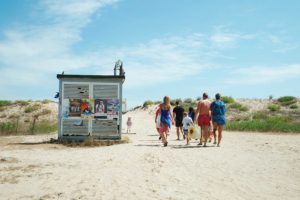
Impacting the Vulnerable

Those living in poverty struggle the most with climate-related disasters as their access to basic needs like food and water is limited. Droughts affect many areas of daily life, from agricultural output to air pollution and deforestation. Deforestation leads to diminishing numbers of trees and plants to capture pollutants from the air, like CO2, that worsen droughts and increase the risk of wildfires.

Mitigating drought in the Horn of Africa includes diminishing many environmental risks to the continent. Areas affected by droughts include nearly every area in Africa, and six consecutive rainy seasons with no rain have been devastating. The world recognizes the importance of the crisis, and many countries have committed significant resources to the fight.

Aid Efforts

In May of 2023, the United States, in partnership with Germany and the United Kingdom, announced a combined $869 million in humanitarian aid for the Horn of Africa. The Netherlands has committed another $92 million, and the funding will support efforts to combat extreme weather patterns while illuminating the severity of these climatic events. The U.S. has now committed $1.4 billion in assistance for recovery and prevention.

The drought in the Horn of Africa put 37 million people at risk, and NGOs worldwide moved quickly to help as many people as possible. As of March 2023, USAID provided cash transfers so residents could purchase food from local markets where it was available. Alongside the Bureau of Humanitarian Assistance, it supported the WASH program that aims to prevent the outbreak of diseases, like acute malnutrition, by rehabilitating conflict-affected water systems. WASH made it possible to provide clean drinking water to 3 million people in March 2023 alone. 

UNICEF was on the ground distributing what it calls Ready-to-Use Therapeutic Food, a highly effective treatment in combating acute malnutrition. UNICEF has the world’s largest stockpile and utilizes it, providing aid to 1.5 million at-risk children. The World Food Programme responded to Ethiopia by providing food assistance to 3.3 million people and another 2.4 million in Somalia; other efforts included education on sustainable water management and well-building.

Home Grown SolutionsDrought

Africa accounts for nearly 44% of severe droughts recorded in the last 100 years. Billions are lost in economic resources, and the human suffering is unmeasurable. The importance of humanitarian aid cannot be understated in Africa, but many ways to mitigate climate change-related incidents, like droughts, can be found within its borders.

Kenya is investing in community water sources to lessen its dependence on rain-fed agriculture. Zimbabwe is looking for ways to improve its food security by incorporating drought-tolerant varieties of maize. This change is crucial as 3.8 million people in rural areas face food insecurity. In the Horn of Africa sits Ethiopia, which has launched a program that helps poor communities by working toward becoming food self-sufficient, meaning struggling communities can develop the ability to produce enough food for their needs.

The Great Green Wall Initiative is the most ambitious plan to tackle climate change. With eleven countries involved, the TGGWI was put into motion in 2007 and is designed to fight desertification by planting millions of trees from the west coast of Senegal across the country to Ethiopia in the east, creating a giant green wall beneath the Sahara Desert. Ethiopia has seen success with the program as 37 million acres of degraded land have been restored, with more to come.

Africa is geographically located in a region prone to intense temperatures, and extreme weather patterns affect the African continent more than any other. Failed rainy seasons are piling up, but international aid, including education on sustainable water methods, has helped alleviate climate-related effects. Africa’s people have proven time and again they are resilient and have proven that once again by generating ways to mitigate extreme weather patterns, thereby mitigating drought. 

– Benett Crim
Photo: Flickr

October 17, 2023
https://borgenproject.org/wp-content/uploads/borgen-project-logo.svg 0 0 Yuki https://borgenproject.org/wp-content/uploads/borgen-project-logo.svg Yuki2023-10-17 08:34:102024-05-30 22:32:29Mitigating Drought in the Horn of Africa
Global Poverty, USAID

The Role of Sustainable Tourism Initiatives in Bulgaria

Sustainable Tourism Initiatives in Bulgaria
Nestled in the heart of Europe, Bulgaria is emerging as a beacon of hope, thanks to its sustainable tourism initiatives. Current predictions say that nearly 50% of World Heritage Sites do not have any plans in place in terms of managing the negative environmental and economic impact of tourism. Therefore, sustainable tourism initiatives in Bulgaria are not only contributing to the nation’s economic growth but also playing a pivotal role in the global fight against poverty. This article delves into how Bulgaria harnesses sustainable tourism to invigorate its economy and, in doing so, bolsters international efforts to combat poverty worldwide.

Bulgaria’s National Strategy for Sustainable Tourism Development

Bulgaria has long recognized the potential of tourism as an economic driver. The National Strategy for Sustainable Tourism Development, established in 2014, has been a cornerstone of the country’s sustainable tourism efforts. This strategy is designed to promote responsible tourism practices and ensure the preservation of Bulgaria’s unique natural and cultural heritage.

One of the key aspects of this strategy is the creation of resources and conditions for the social well-being of local communities. By engaging local communities and encouraging their participation in the tourism industry, Bulgaria ensures that the economic benefits are distributed more equitably, ultimately helping to alleviate poverty in remote and underserved regions.

Promoting Responsible Tourism in Bulgaria

Bulgaria is gaining recognition as a champion of responsible tourism, drawing attention for its commitment to ethical and sustainable travel practices. One of the central pillars of sustainable tourism initiatives in Bulgaria is the preservation of unspoiled natural landscapes. This approach prioritizes eco-friendly practices and encourages travelers to experience Bulgaria’s breathtaking natural beauty while minimizing adverse impacts on the environment. This holistic approach not only safeguards Bulgaria’s natural wonders but also fuels sustainable economic growth, showcasing how responsible tourism can be a win-win for both the environment and local communities.

Bulgaria’s Sustainable Tourism Conference: A Global Showcase of Commitment

The significance of Bulgaria’s pursuit of sustainable tourism was on full display during the Bulgaria Sustainable Tourism Conference. This international platform served as a testament to Bulgaria’s unwavering dedication to nurturing sustainable tourism practices and promoting responsible travel on a global scale.

Bulgaria seized the opportunity to spotlight its innovative approaches to sustainable tourism. These approaches, including fruitful partnerships with international organizations and the adoption of cutting-edge green technologies within the tourism sector, not only bolstered Bulgaria’s own economy but also shone as a beacon of inspiration for other nations aspiring to combat poverty through the transformative power of sustainable tourism.

Global Support for Sustainable Tourism in Bulgaria

USAID has also recognized Bulgaria’s efforts in sustainable tourism. USAID’s support has facilitated the development of tourism-related infrastructure, improved the quality of services and enhanced the competitiveness of local businesses. These efforts are not only driving economic growth but also creating job opportunities and improving living standards in Bulgaria. 

Sustainable tourism initiatives in Bulgaria have also received support from other international partners, including the European Union. The Support and Promotion of Sustainable Tourism project, funded by the EU, has played a crucial role in bolstering Bulgaria’s sustainable tourism sector. This project aims to create sustainable tourism products promoting cultural and heritage services and increasing cross-border tourism. By investing in these projects, Bulgaria not only strengthens its own economy but also contributes to the broader European goal of reducing poverty and inequality through sustainable economic development. 

Looking Ahead

Sustainable tourism initiatives in Bulgaria offer a blueprint for other nations to follow, demonstrating that economic prosperity can go hand in hand with environmental stewardship and social equity. By working together and emulating Bulgaria’s success, a future can be envisioned where sustainable tourism becomes a potent force in lifting communities out of poverty, protecting our planet and creating a more equitable world for all.

– Valentin Lyazov
Photo: Flickr

October 17, 2023
https://borgenproject.org/wp-content/uploads/borgen-project-logo.svg 0 0 Yuki https://borgenproject.org/wp-content/uploads/borgen-project-logo.svg Yuki2023-10-17 07:30:542023-10-14 19:10:22The Role of Sustainable Tourism Initiatives in Bulgaria
Foreign Aid, Global Poverty

Foreign Aid to Lebanon

Foreign Aid to Lebanon
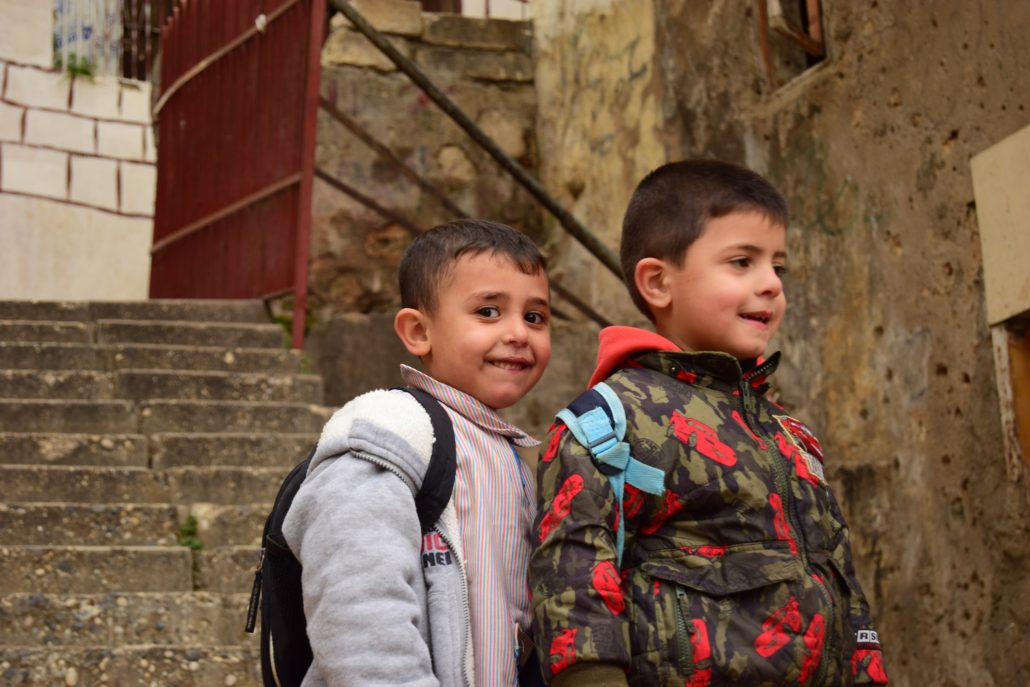
Lebanon is a culturally rich and diverse country in West Asia, with a population of more than 5 million. Following the outbreak of civil war in Syria in 2011, and the deadly explosion in the port of Beirut in 2020, a destabilized political landscape has increased the need for foreign aid to Lebanon.

The European Commission cites the political crisis in Lebanon as a reason for increased poverty statistics in the country: 36% of Lebanese live in extreme poverty, while 90% of Syrian refugees living in Lebanon are said to be dependent on aid to cover basic human needs. 

As a result, various governments and intergovernmental organizations have organized aid to Lebanon. A look at different aid plans from the U.S., the EU and the U.K. showcases the different forms foreign aid can take and how it tackles extreme poverty.

US Aid

On June 14, 2023, the U.S. Agency for International Development (USAID) outlined its latest plans for foreign aid to Lebanon in a press release. USAID announced an additional $17.4 million in funding to help combat what it deems “deteriorating human conditions” in Lebanon, which it claims currently affect around 2.26 million people.

The press release also detailed how this particular boost in funding will be split between three different organizations fighting Lebanon’s current humanitarian crisis. It announced that $11.1 million will go toward the UN World Food Programme (WFP), while the remaining $6.3 million will go to two USAID partners: Relief International and International Medical Corps.

Since October 2022, the U.S. has provided close to $92 million in foreign aid to Lebanese citizens, and refugees from all countries currently in Lebanon. 

As the largest contributor in USD to the Official Development Assistance (ODA) budget, providing $55.28 billion in 2022, the U.S. has continued to assist Lebanon through other international programs. According to the World Bank, 2021 saw the biggest spike since the end of Lebanon’s civil war in 1990 in its recipients of ODA, receiving 6.9% of its GNI to help its impoverished populations. 

EU Aid

On a visit to Lebanon on March 30, 2023, European Commissioner for Crisis Management Janez Lenarčič announced €60 million in humanitarian aid from the EU to help those in the country most in need. According to the EU, money from this package will go towards funding food, education, health, cash support and disaster preparation, providing aid to the Lebanese population and Syrian refugees. While admitting that the lives of those in Lebanon could not be drastically improved until political unrest is resolved, Lenarčič claimed that “humanitarian aid is essential for the victims of Lebanon’s multiple crises.” 

Since 2011, the EU has provided more than €3 billion towards improving the situation in Lebanon, including almost €860 million in humanitarian aid alone.

As well as this, several EU member states make up some of the highest contributors to ODA by percentage of GNI. In 2022, Luxembourg, Sweden and Germany all surpassed the contribution target of 0.7% of GNI. 

UK Aid

The recent U.K.-Lebanon development partnership summary (published July 17, 2023) outlines how the country’s foreign aid to Lebanon is targeting the most vulnerable populations facing the effects of the humanitarian crisis. 

Like the U.S., the U.K. is a supporter of UN programs helping those on the ground in Lebanon, including the WFP’s Syrian refugee response in Lebanon, which provides ‘multi-purpose cash assistance’ to support refugees’ basic needs. In the financial year 2022-23, the U.K. claims its individual monetary aid to the program reached 27,180 households per month for 3 months. 

The government summary also emphasizes the positive effect of U.K. contributions to ODA reaching Lebanon. Between 2016 and 2023, the U.K.’s £78 million in ODA support to Lebanese-launched Reaching All Children with Education (RACE) was partially credited for the maintenance of schooling in 2022 for around 500,000 Lebanese and refugee children. 

Conclusion

Foreign aid to Lebanon has been widespread in 2023 and demonstrates a continued international effort to fight the extreme poverty that the current humanitarian crisis caused.

While the political situation within Lebanon’s borders and in neighboring Syria remains unresolved, positive action is being taken throughout the nation as a result of foreign aid to alleviate the impact on hundreds of thousands of vulnerable populations.

– Alice Weatherley
Photo: Unsplash

October 15, 2023
https://borgenproject.org/wp-content/uploads/borgen-project-logo.svg 0 0 Yuki https://borgenproject.org/wp-content/uploads/borgen-project-logo.svg Yuki2023-10-15 01:30:112023-10-11 06:38:58Foreign Aid to Lebanon
Global Poverty

The Link Between Poverty and illiteracy in Somalia

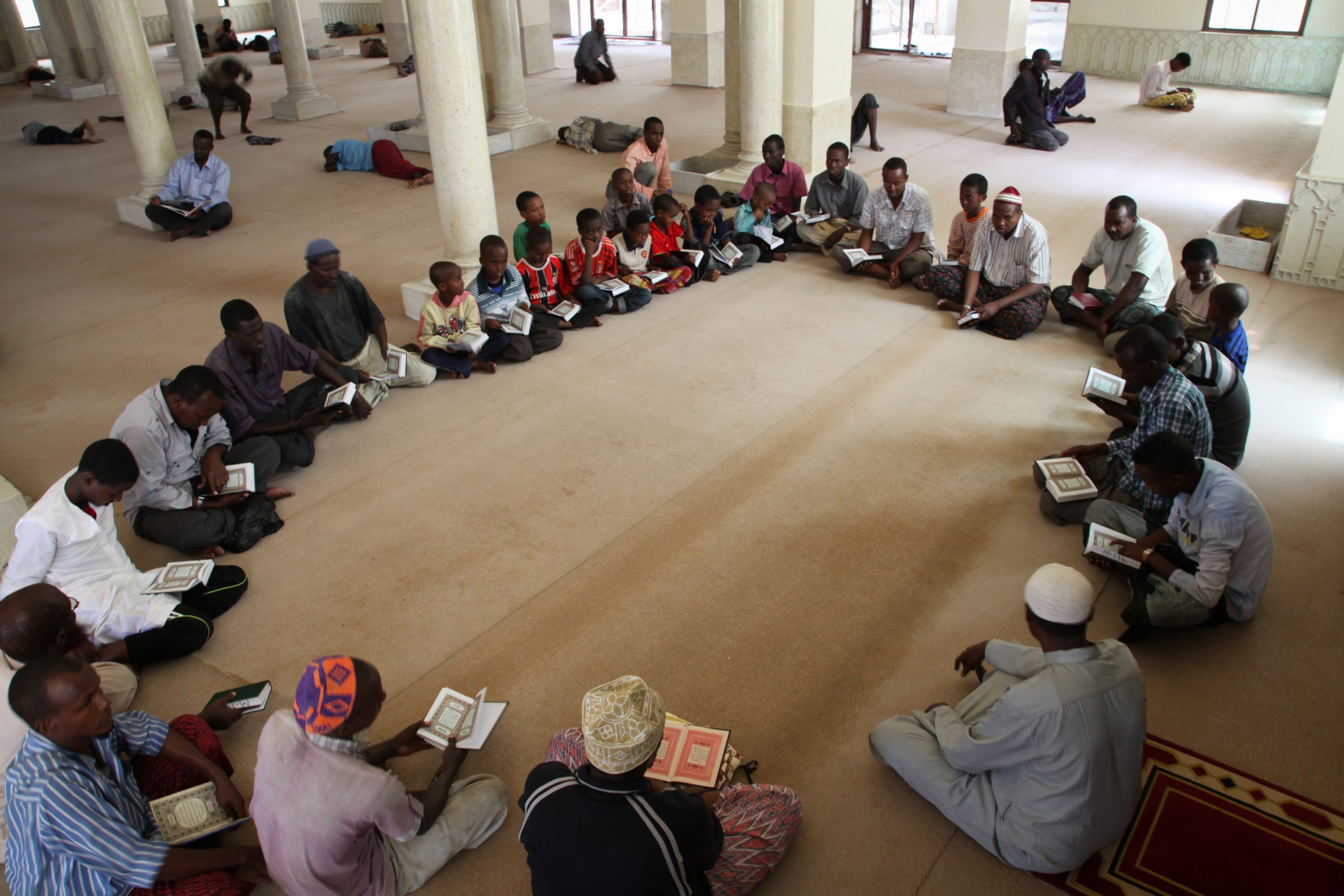
illiteracy in SomaliaSince the 1991 civil war outbreak in Somalia, many of the social and economic structures that upheld the country fell apart. The education system took one of the hardest hits as many educators and qualified professionals had no choice but to flee the country, stripping educational institutions of their authority figures and leaving schools without any formal education system. The effects of the civil war on education are still active today. According to USAID, there is a shockingly low 40% adult literacy rate, naming Somalia as the third lowest in comparison to the other 10 sub-Saharan countries surrounding it.
So What Does Poverty Have To Do With It?

When researching ways to decrease the poverty levels worldwide or in this instance, in Somalia, it is crucial to understand the individuals who are affected by it. In Somalia, only 30% of children go to school; within that number only 40% are girls. The schools attended are overcrowded and severely lack supplies, with only 22% of the educators being qualified.

By these standards, the quality of education is already way below what is appropriate. The lack of funding for schools and the shortage of educational institutions has left the country’s schooling system between a rock and a hard place. Without money and proper aid, the literacy rates will continue to decrease over time, leaving the inhabitants of the country at the bottom of the educational food chain.

How Can Literacy Improve Poverty Rates?

It is said that if students from poverty-stricken countries are taught to read and write or have at least basic reading skills, 171 million people will have a route out of extreme poverty. Education is the biggest ticket out of poverty.

By promoting literacy in poor countries, there are more opportunities that become available, like new jobs that in turn build the economy. Literacy can also allow individuals to teach and better those around them, strengthening communities while encouraging others to learn to read and write.

Another way that literacy can decrease poverty in Somalia is by promoting democracy and creating peace.

If individuals are unable to read and write most or even all of their information comes from those around them giving them a very limited and sometimes false idea on certain topics. Being literate gives people a chance to explore and cultivate their own opinions and beliefs which is a crucial part of living in a democracy.

What Is Being Done?

The work being done by NGOs is significant in the fight against illiteracy in Somalia. FPENS, which was established in January 1999, is a nonprofit, non-partisan organization. FPENS, the Formal Private Education Network in Somalia, works to eliminate illiteracy in all parts of Somalia. FPENS describes their work as “bold and urgent,” saying that a good education should be accessible to all — especially more vulnerable and marginalized groups in Somalia.

Action for Women and Children Concern (AWCC) is another nonprofit, nongovernmental, non-political Somali organization that also strives to lower the rates of illiteracy. The organization works to empower the public and aid them in reaching their full potential, one of the ways in which they do this is by promoting education for all and building literacy in young children, in hopes of one day completely eradicating illiteracy in Somalia.

– Sumaya Ali
Photo: Flickr

October 9, 2023
https://borgenproject.org/wp-content/uploads/borgen-project-logo.svg 0 0 Yuki https://borgenproject.org/wp-content/uploads/borgen-project-logo.svg Yuki2023-10-09 15:00:172023-10-09 08:35:58The Link Between Poverty and illiteracy in Somalia
Child Poverty, Education, Global Poverty

The Top 3 Facts About Child Poverty in Tajikistan

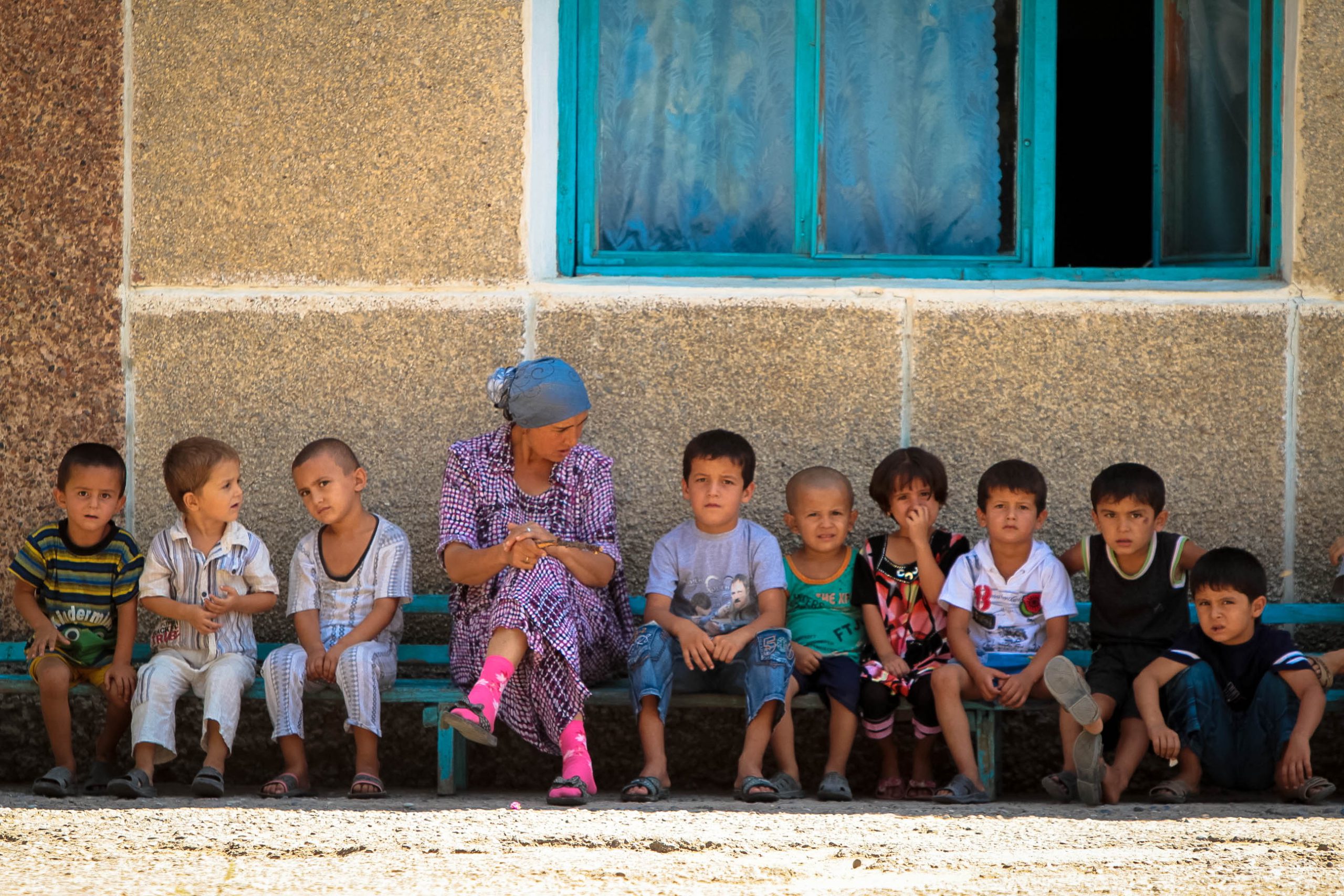
Child Poverty in Tajikistan Tajikistan is the most impoverished country in Central Asia. Due to inadequate educational resources, lack of job opportunities and expanding families, 66% of Tajikistan’s children suffer from poverty. With almost 50% of the population under 25, that makes child poverty in Tajikistan a great disparity within the country’s overall 12.6% poverty rate.

3 Facts About Child Poverty in Tajikistan

  1. Lack of Infrastructure for Education. On average, a student in Tajikistan only spends 6.8 years in school. Though the country has an adult literacy rate over 99%, 11% of Tajik children cannot read simple sentences before the end of their primary education. By the time they are 18, 11% of school-age children drop out to work and support their families.
  2. Child Labor and Seasonal Markets. Though it is illegal for children under 15 to work, 15–20% of the labor force comes from child labor. Around 200,000 children aged 5–14 are working to support their families in making ends meet, while 64,000 are working unpaid. The economy in Tajikistan is primarily agriculture-based, making their markets seasonal, so when the winter comes, many families lose their primary sources of income and feel the impacts of poverty even more. Disproportionately, this struggle impacts families with numerous children, because of how expensive and hard it is to obtain food.
  3. Prominent Malnutrition. Without access to clean water, nutritious varieties of food, and with subpar sanitary practices, many children in Tajikistan lack the vital nutrients and minerals necessary for them to live healthy lives, and only 40% get the necessary nutrients they need. Mostly, malnutrition harms those in rural areas due to poor food accessibility and monetary restrictions, affecting 20% or more of Tajik children. Due to significant deficiencies, Tajik children feel the results of undernutrition through anemia as well as low vitamin A and iodine levels. Four in 10 children are anemic, and 41% of women 11–55 are anemic.

How USAID’s Feed the Future Program Is Working to End Child Poverty

During the COVID-19 pandemic, hunger reached half a million Tajik people. To support people’s health and wellness during this time, USAID provided necessary resources and aid. This included nutrition and health clinics for 178,748 children, as well as assistance for 2,782 children showing signs of malnutrition to overcome low weight and growth stunting. By making nutritious goods such as dense vegetables available to communities, the Feed the Future Program was able to increase proper nutrient intake from 18% to 53% in children 6 to 23 months old, and from 18% to 23% for those being breastfed.

They furthermore helped to amend local laws on access to clean drinking water, helping the Tajik government deliver safe water to its citizens. By providing $10.2 million in relief efforts, USAID was able to provide Tajik children with proper nutrition and sanitation.

– Nadia Soifer
Photo: Flickr

October 8, 2023
https://borgenproject.org/wp-content/uploads/borgen-project-logo.svg 0 0 Yuki https://borgenproject.org/wp-content/uploads/borgen-project-logo.svg Yuki2023-10-08 04:15:512023-10-08 07:30:25The Top 3 Facts About Child Poverty in Tajikistan
Page 14 of 92«‹1213141516›»

Get Smarter

  • Global Poverty 101
  • Global Poverty… The Good News
  • Global Poverty & U.S. Jobs
  • Global Poverty and National Security
  • Innovative Solutions to Poverty
  • Global Poverty & Aid FAQ’s
Search Search

Take Action

  • Call Congress
  • Email Congress
  • Donate
  • 30 Ways to Help
  • Volunteer Ops
  • Internships
  • Courses & Certificates
  • The Podcast
Borgen Project

“The Borgen Project is an incredible nonprofit organization that is addressing poverty and hunger and working towards ending them.”

-The Huffington Post

Inside The Borgen Project

  • Contact
  • About
  • Financials
  • President
  • Board of Directors
  • Board of Advisors

International Links

  • UK Email Parliament
  • UK Donate
  • Canada Email Parliament

Get Smarter

  • Global Poverty 101
  • Global Poverty… The Good News
  • Global Poverty & U.S. Jobs
  • Global Poverty and National Security
  • Innovative Solutions to Poverty
  • Global Poverty & Aid FAQ’s

Ways to Help

  • Call Congress
  • Email Congress
  • Donate
  • 30 Ways to Help
  • Volunteer Ops
  • Internships
  • Courses & Certificates
  • The Podcast
Scroll to top Scroll to top Scroll to top