• Link to X
  • Link to Facebook
  • Link to Instagram
  • Link to TikTok
  • Link to Youtube
  • About
    • About Us
      • President
      • Board of Directors
      • Board of Advisors
      • Financials
      • Our Methodology
      • Success Tracker
      • Contact
  • Act Now
    • 30 Ways to Help
      • Email Congress
      • Call Congress
      • Volunteer
      • Courses & Certificates
      • Be a Donor
    • Internships
      • In-Office Internships
      • Remote Internships
    • Legislation
      • Politics 101
  • The Blog
  • The Podcast
  • Magazine
  • Donate
  • Click to open the search input field Click to open the search input field Search
  • Menu Menu

Tag Archive for: USAID

Information and news about mobile technology

Posts

Global Poverty, USAID

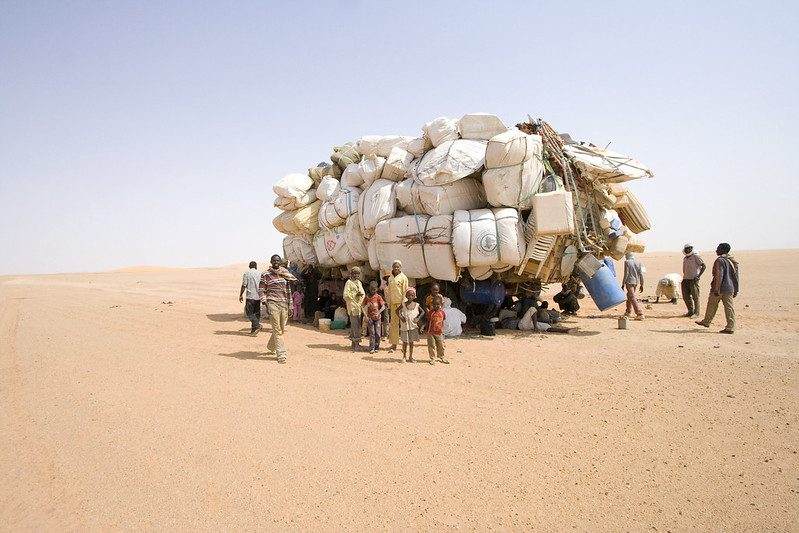
US Aid To Poverty-Stricken Areas in Libya

US Aid To Poverty-Stricken Areas in Libya
Knowing the crises faced by the Libyan population since the end of the dictatorship in 2011, poverty, development and security have continued to deteriorate. Therefore, taking into account that the U.S. is one of the countries that provides the most international aid, it is important to analyze U.S. aid to poverty-stricken areas in Libya.

How the US Operates in Libya

U.S. aid to poverty-stricken areas in Libya is mostly carried out by the USAID agency and the U.S. embassy in Libya. While the embassy identifies, selects and reports on the weak areas of development that are most in the interest of the U.S., USAID acts with intervention and direct assistance in such areas. Therefore, USAID’s aid work involves partnerships with NGOs, local institutions and international organizations, such as the World Bank.

USAID Work

The main investment focus areas for the agency are development, security and humanitarian assistance. Regarding development, USAID focuses on the country’s economic growth, and its strategies are mostly executed in partnership with the government. The project is called the Public Financial Management of Libya (LPFM) with an implementation target between 2019 and 2024 and with $55 million invested to strengthen the capacity of the Central Bank of Libya to meet the needs of the population. The main development targets are energy and banking, with the most notable key results being helping to stabilize the electricity grid at a 63% increase in electricity production and aligning the banking sector with global best practices in order to facilitate liquidity and financial services for the private sector.

With regard to humanitarian assistance from USAID to poverty-stricken areas in Libya, the work is carried out by USAID’s Humanitarian Assistance Bureau, with the largest involvement being made during the COVID-19 crisis (2020-2021) with a total investment of $21.5 million. In this sense, taking into account that one of the main causes of the need for humanitarian assistance was the conflicts and crises experienced in the country since 2011 (a moment of political instability due to the end of the dictatorship), USAID’s role is focused on assistance in such crises. Such work is focused on providing health support (including mental and emotional), protection and shelter, and from 2011 to 2022 USAID provided a total of $11.2 million in humanitarian assistance.

The Job of the US Embassy in Libya

The current work of the U.S. through the embassy is to draw attention to and cooperate with USAID’s efforts to intervene in human trafficking in Libya. This is done in partnership with the local government through records and case reports, normative evolution to prevent trafficking crimes and penalize those involved and signal and change weaknesses in the system (political or legal) and in society that lead to human trafficking.

The main laws against human trafficking are articles 418, 419 and 420 of the penal code, which criminalize forms of sex trafficking with penalties of up to 10 years imprisonment and a fine.

U.S. intervention in human trafficking encompasses aid in poverty-stricken areas in Libya and assistance in investigation and enforcement, providing support to the local government and acting in concert with the efforts and assistance of NGOs and other international organizations to stop the trafficking system more effectively.

– Letícia L. Lacerda
Photo: Flickr
September 7, 2023
https://borgenproject.org/wp-content/uploads/borgen-project-logo.svg 0 0 Lynsey Alexander https://borgenproject.org/wp-content/uploads/borgen-project-logo.svg Lynsey Alexander2023-09-07 01:30:052023-09-05 07:08:38US Aid To Poverty-Stricken Areas in Libya
Global Poverty

Combating Genocide in Iraq

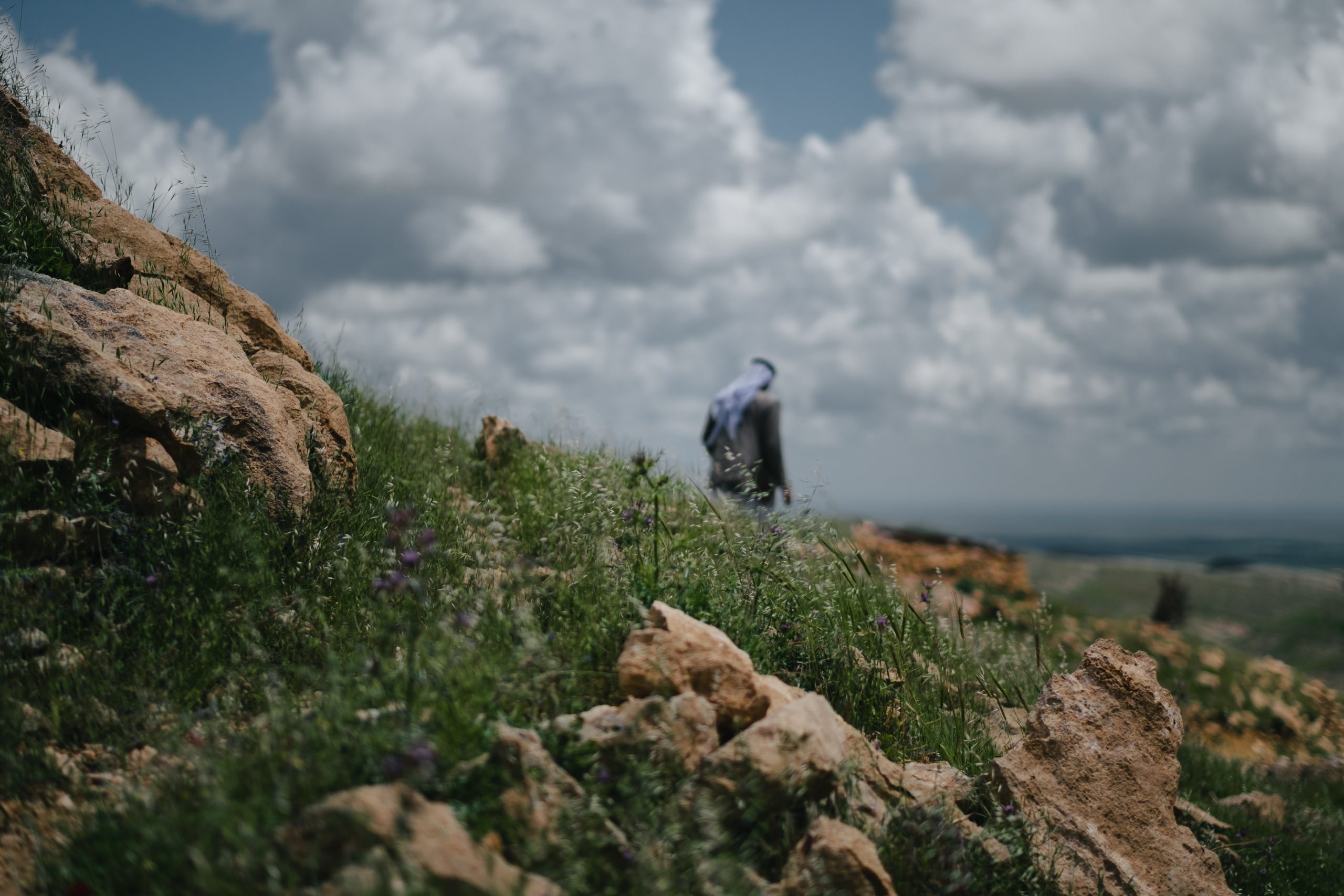
Genocide in IraqIn 2021, the U.N. ruled that the Islamic State of Iraq and al-Sham (ISIS), a U.S.-designated terrorist organization, had committed genocide in Iraq against the Yazidi people in 2014. In an effort to combat the effects of this genocide, an organization called Yazda, with the help of funding from the U.S., created 45 videos to help preserve and empower the Yazidi heritage and culture.
Who Are the Yazidis? 

The Yazidis are an ethno-religiously distinct minority group, based predominantly in the Nineveh Province of northern Iraq. There are also significant populations in Turkey, Syria, Armenia and Georgia. The Yazidis practice a distinct religion, Yazidism, which is a monotheistic religion that incorporates aspects of the three Abrahamic religions as well as Zoroastrianism but claims to predate all four. 

Historically, the Yazidis have been subject to large-scale discrimination and genocide, particularly in the last 200 years. Throughout the Ottoman Empire, they were subjected to more than 70 genocidal episodes, and more recently, in 2007, suicide car bombings killed an estimated 800 Yezidis in Iraq, and in 2014, ISIS killed around 5,000 Yazidis in Iraq and caused more than 100,000 people to flee their homes. 

Combating Genocide

In an effort to combat the effects of the Yazidi genocide, the organization Yazda was created in 2014 to provide relief and support to survivors of genocide. Most recently, Yazda has produced a set of 45 videos to celebrate and increase global awareness of the Yazidi culture across the world, in light of its being attacked by numerous groups over time. The videos were released on the Yazda YouTube channel and were created by Yazidi filmmakers. 

This project was made possible by the funding that the U.S. provided to Yazda as part of the United States Agency for International Development (USAID). Since 2017, the U.S. has made a concerted effort to concentrate Iraqi aid on helping fund stabilization programs that benefit oppressed minorities in Iraq as well as programs that aim to bring justice to victims of war crimes and genocide in Iraq. Hence, in addition to support for the 45 videos celebrating Yazidi culture, USAID has helped Yazda create a program that offers a multitude of services to survivors of the 2014 Yazidi genocide in Iraq. This includes mental and psychological support, help with legal documentation and emergency cash relief. 

Personal Story

One such example is a 10-year-old girl named Amsha, who in 2014, along with her mom and sister, had been kidnapped and subjected to immense torture for three years by ISIS. After experiencing immense traumatic events as a little girl, Amsha developed severe PTSD and sleeping difficulties along with other psychological challenges. Yazda has provided Amsha with psychological support services, material aid including food and hygiene products, and legal support to help obtain compensation as a genocide survivor. Thankfully, because of Yazda and the support that they have received from USAID, Amsha is now doing much better. 

Conclusion

While it is impossible to bring back the lives that have been lost from the Yazidi genocide in Iraq, this does not mean that combatting genocide in Iraq should not be an object of concern for U.S. foreign aid. By supporting organizations like Yazda, the U.S. can play a large part in helping preserve the heritage and culture of minorities that have been threatened by genocide as well as offering psychological and material support to survivors like Amsha. Most recently, Yazda’s release of 45 videos celebrating Yazidi culture, made possible by U.S. foreign aid, will go a long way towards helping cement the importance of Yazidi people and their heritage across the world. 

– Athan Yanos
Photo: Unsplash

August 27, 2023
https://borgenproject.org/wp-content/uploads/borgen-project-logo.svg 0 0 Lynsey Alexander https://borgenproject.org/wp-content/uploads/borgen-project-logo.svg Lynsey Alexander2023-08-27 01:30:072023-08-23 14:03:18Combating Genocide in Iraq
Global Poverty

Fragility and Rule of Law in Myanmar 

Fragility and Rule of Law in Myanmar 
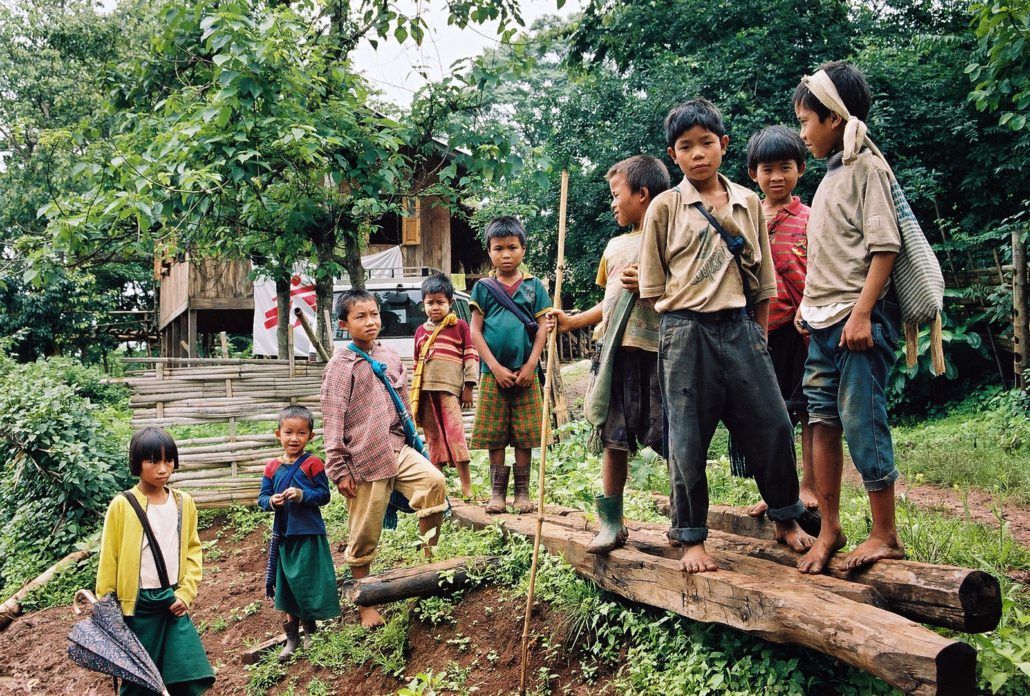
Out of 139 countries, the World Justice Project ranked Myanmar 128th concerning the rule of law in 2021. This was the same year Myanmar’s military junta had a coup against the democratic government. The military forces are creating a more brutal operating environment for those providing aid to the country, including NGOs and civil society organizations, by using legislation and bending the judicial system to their will. The situation in Myanmar challenges the foundational principle of the rule of law that no one is above the law. 

In 2019, Mr. Nyan Lin Aung, Alternate Representative of the Republic of the Union of Myanmar, gave a statement at the United Nations General Assembly. He stated that the rule of law is a fundamental principle of democratic governance for the government of Myanmar. Just two years after this declaration, the military deposed the democratically elected government. This led to fragility and the rule of law in Myanmar collapsing. 

Historical Background

Myanmar has dealt with decades of colonial rule, ethnic conflict, civil war and more in its troubled history. Since its independence from British colonial rule in 1948, it has tried establishing a representative democracy, but it only continued until 1962. General Ne Win led a military coup, followed by military rule in Myanmar for 26 years from 1962. In 1974, the government introduced a new constitution, centered around an isolationist foreign policy and a socialist economic program. According to data from 2017 from the Asian Development Bank (ADB), 24.8% of the population lives under the national poverty line. The new constitution had negative implications for the country’s economy. It leads to a drastic fall in currency value, corruption and food shortages that continue to impact the country. This led to an increase in poverty levels in the country, as seen by a fall in currency value.

In 2007, the military began loosening its control slightly due to the Saffron Revolution. The countrywide protests due to the hike in fuel prices were the trigger point. They led to the formation of a new constitution in 2008. This gave the military immense power despite being under civilian rule. The dissolution of the military junta in 2011 prompted the establishment of a civilian parliament and the first nationwide multiparty elections. 

Understanding the Coup and its Effect on Fragility and Rule of Law

Despite the political system favoring the military due to the 2008 legislation, institutionally, the military was losing power under democratic reforms. The 2008 constitution allows for three main ministries, namely the Ministry of Defense, the Ministry of Border Affairs and the Ministry of Home Affairs, to be controlled by the military commander-in-chief, along with 25% of seats in the parliament reserved for military personnel. This reservation allows military personnel to dictate legislation in their favor. 

So far, the military forces have tried to misuse their power through legislation, enabling them to misuse their power and oppress the country’s citizens. One such piece of legislation is the Organization Registration Law, also called the CSO Law. Under its provisions, registration is mandatory for all civil society organizations, NGOs and other associations. Also, these organizations cannot provide services to the opponents of the military junta. This has enabled the military to shut down the resistance movements rising after the coup. 

The practices of the military government blatantly disregard the four main tenets of the rule of law. These include accountability, just law, open government and impartial justice. The tentative numbers show that the military takeover resulted in the deaths of around 3,000 people and the arrests of another 20,000. The people of Myanmar being cut off from humanitarian assistance mandated by international human rights laws due to the CSO Law was the reason for the fragility and rule of law in Myanmar collapsing. 

Improving the Rule of Law Situation 

Myanmar requires strong institutions to recover from the fragility of the justice system that the collapse of the rule of law created. To address the fragility and rule of law in Myanmar and support the transition to a democratic government, the U.S. is funding the Promoting the Rule of Law Project (PRLP). The U.S. Agency for International Development (USAID) has selected Tetra Tech as the implementing agency. The project aims to develop political reform, capacity building and ethnic reconciliation.

The major issues associated with the justice system are government corruption, limited resources and knowledge, political control of the judiciary, disregard for citizens’ rights and the rule of law. To resolve these issues, the PRLP called for an open dialogue between citizens and the government to build faith and credibility in the justice system. The PRLP began developing a draft justice sector comparative law and best practices compendium. It published a three-year strategic plan and a five-year strategy in a measure to restore trust among the citizens. This would work to transition into democracy smoothly. 

Thus, it is evident that the rule of law cannot be maintained in a country without a strong and impartial judicial system backing it. The judiciary should uphold the values of impartiality, integrity, equality and diligence to ensure that all public and private individuals, institutions and entities, including the State itself, are accountable before the law to prevent the fall of democracy as observed in Myanmar. 

– Anurima Deshmukh
Photo: Flickr

August 21, 2023
https://borgenproject.org/wp-content/uploads/borgen-project-logo.svg 0 0 Jennifer Philipp https://borgenproject.org/wp-content/uploads/borgen-project-logo.svg Jennifer Philipp2023-08-21 01:30:242024-05-30 22:32:12Fragility and Rule of Law in Myanmar 
Global Poverty

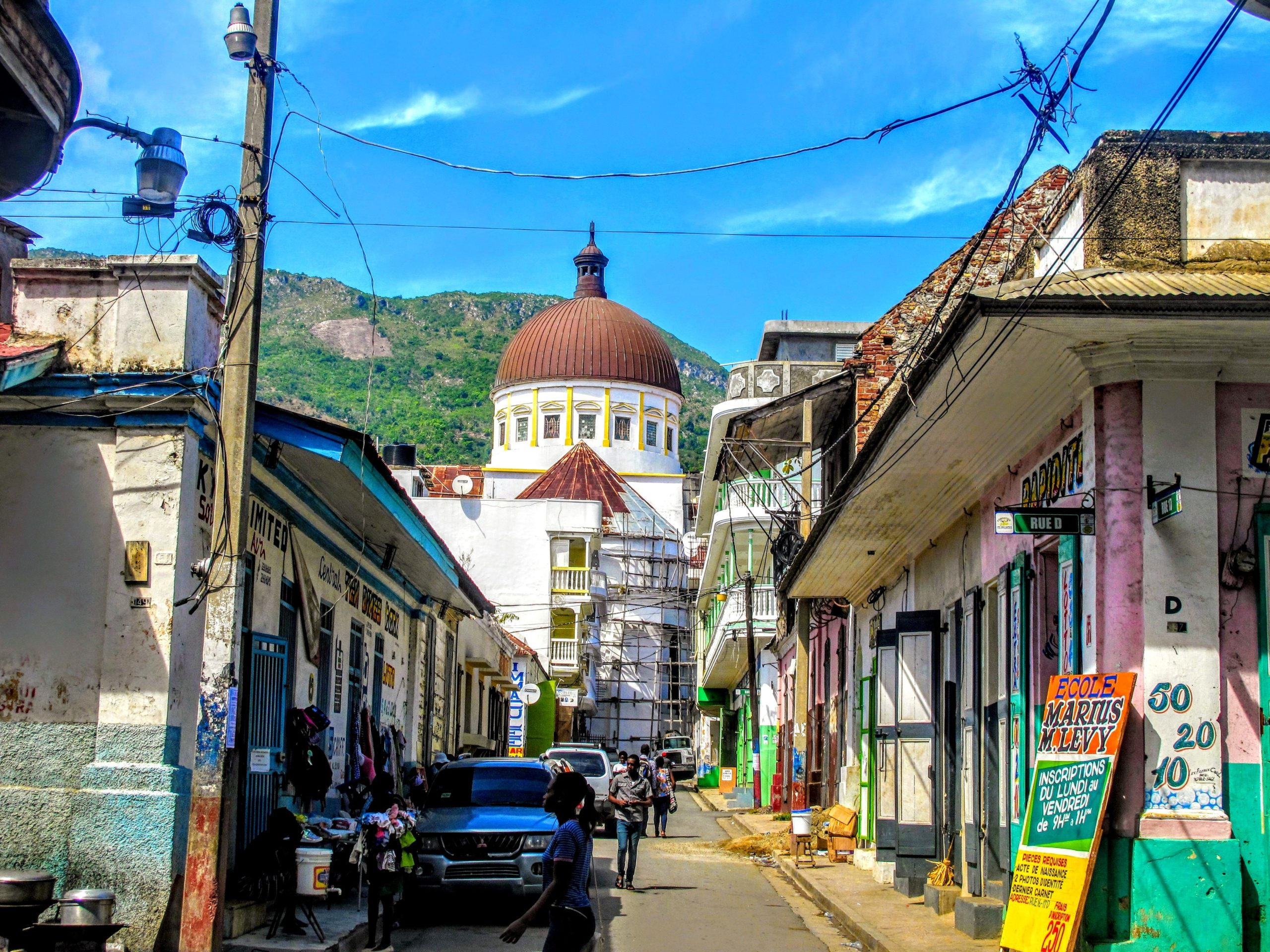
The Catch-22 of Crime and Poverty in Haiti

Crime and Poverty in HaitiHaiti is both the poorest and most dangerous country in the Caribbean, the World Bank says. Political instability, civil unrest and a geographic location with a high risk of natural disasters keep almost 60% of Haitians below the international poverty line. Simultaneously, Haiti ranks 58th on the Global Organized Crime Index of 2023, and the U.S. has issued a warning against travel to Haiti because of dangerous conditions related to gangs and other organized crime. In other words, crime is rampant in an already impoverished nation. The connection between crime and poverty in Haiti results in a catch-22, or vicious, cycle. In this country, crime exists because extreme poverty exists. 

Poverty as a Breeding Ground for Gang Violence in Haiti

Simply put, political dysfunction, natural disasters and the COVID-19 pandemic have ensured that as of 2023, more than half of Haitians live below the poverty line. This poor circumstance allows organized crime to thrive. A lack of jobs and government instability open space for gangs to offer the structure, stability and income that Haitians desire. Haiti has such poverty, desperation and lack of political strength that more than 200 gangs have formed in the last five years. However, gangs do not offer the social stability or solution to poverty that Haitians might hope for. 

Nearly 100 gangs, half of the gangs in the entire country, currently fight for control of Haiti’s capital, Port-au-Prince. So many rival gangs in such close proximity cause extreme danger for Port-au-Prince’s residents, but Haiti’s current government is not powerful enough to regain control of the city. 

Gangs do not lift Haitians out of poverty the way that official government action could. For instance, by building infrastructure, protecting against natural disasters, increasing education rates or developing industry. Rather, gangs introduce extreme violence and cause long-term damage to a country already ransacked by extreme poverty.

Gangs are responsible for much of the crime in Haiti; the crime rate has more than doubled from 2022 to 2023 and more than 1,600 crimes occurred in just the first quarter of 2023. These crimes, including homicides and kidnappings, impede both immediate and long-term solutions to poverty because crime wrecks stability. Children, for example, run the risk of shootings at school and in the streets, impacting their education and the chance of a prosperous future. In other words, the crime-ridden atmosphere that poverty creates guarantees that poverty will continue — the catch-22 of crime and poverty in Haiti. 

Aid to Haiti

Despite the catch-22 that encloses Haitians in an unending loop of danger and poverty, some hope remains outside the loop. The U.S. has a close partnership with Haiti and is responsible for the largest amount of humanitarian aid sent to Haiti in 2023. Since 2021, USAID has provided Haiti with a total of $278 million for humanitarian assistance, societal advancement and the development of a reliable health care system; more than $110 million of this aid has come in 2023.

In addition to USAID, many nonprofit organizations work in Haiti to promote health, development and safety despite the threat of gangs. In fact, Haiti is known as the “republic of NGOs” due to the amount of aid that has poured into the country from nonprofits since the earthquake of 2010.

Hope for Haiti is one particularly successful NGO that aims to promote education among Haiti’s children. To date, Hope for Haiti has paid the salaries of 400 teachers, which opened space for more than 4,000 children to attend school. Regular school attendance guarantees Haitian children some form of stability amid the chaos of a gang-ridden country, allowing them the opportunity of a promising future. 

Although crime in Haiti is at an all-time high, which cycles into high poverty rates, the support of the U.S. and NGOs helps millions of Haitians living below the poverty line. 

– Suzanne Ackley
Photo: Unsplash

August 4, 2023
https://borgenproject.org/wp-content/uploads/borgen-project-logo.svg 0 0 Lynsey Alexander https://borgenproject.org/wp-content/uploads/borgen-project-logo.svg Lynsey Alexander2023-08-04 01:30:552023-09-04 08:19:41The Catch-22 of Crime and Poverty in Haiti
Global Poverty

Mental Health in Burkina Faso

Mental Health in Burkina FasoBurkina Faso, the “land of honest men,” is a West African country with a population of 22.1 million. It is one of the poorest 10 countries in the world. As a result of terrorism, internal conflict has internally displaced almost 2 million people, and the U.N. estimates that nearly 5 million Burkinabes need humanitarian aid. Doctors Without Borders has called it the “world’s fastest-growing humanitarian crisis.” Mental health in Burkina Faso is a severe but underrated concern caused largely by violence and poverty.
The State of Mental Health in Burkina Faso

Due to the trauma of witnessing ongoing conflict, displacement or living in perpetual hunger, many Burkinabes suffer psychologically. Unfortunately, low mental health awareness breeds stigma and ignorance.

As of 2021, the government has not yet provided any human or financial resources for the mental health policy they passed in 2020. Mental health remains a largely unexplored subject in Burkina Faso as only 2% of the country’s research output deals with it. The Mental Health Atlas shows that Burkina Faso only has 103 mental health professionals, indicating a significant lack of expertise in this area.

Additionally, internal conflict has affected more than 600 health facilities and shut down 211, some of which provided crucial mental health services. This makes it more difficult to access psychological support, especially in remote areas.

Children are deeply affected by poverty and poor mental health in Burkina Faso. The conflict has pushed more than 1 million children out of classes, making them more vulnerable to psychological harm and causing many behavioral anomalies. This is exacerbated by the prevalence of violence in many economically stressed homes, which almost half of the 360 child participants in a 2016 study had experienced. Violence contributes to depression, trauma and low self-esteem.

On the Frontlines of Improving Burkinabes’ Mental Health

The Mental Health Atlas observed a 112-time increase in the number of community-based mental health services per 100,000 people between 2014 and 2020, suggesting that many citizens are seeking help, even if not through hospitalization.

Abroad, USAID and the EU have pledged $175 million (in 2021) and €25.5 million (in 2023) in humanitarian aid to Burkina Faso, respectively. Much of this is dedicated to human rights, food security and health care, and often funds local efforts to improve Burkinabes’ quality of life.

USAID and the EU have yet to dedicate funds to mental health initiatives in particular. However, improving living conditions and reducing violence preemptively protects Burkinabes against the trauma that contributes to many of their psychological struggles.

In particular, USAID provided furniture to 20 schools in Tatao and 30 in Fada, Gayeri and Matiacoali. This enabled the schools to accommodate more than 5,000 displaced children, creating a routine and sense of childhood amidst extreme turbulence.

Leyla Ismayilova, a University of Chicago researcher, is similarly on the frontlines of improving child mental health outcomes. Her 2017 study revealed that family counseling improved parent–child relationships and decreased symptoms of depression, trauma and low self-esteem in participating children. This suggests that culturally sensitive, relationship-driven mental health interventions have significant potential.

Looking Ahead

Burkina Faso is facing significant challenges in addressing mental health issues. Despite limited resources and expertise, there has been a noticeable rise in community-based mental health services, indicating an increase in awareness and willingness to seek help. Aid from organizations such as USAID and the EU has had a positive impact, improving living conditions and providing stability for displaced children. The work of researchers like Leyla Ismayilova offers hope for culturally sensitive interventions that can effectively enhance mental health outcomes for Burkinabes.

– Faye Crawford
Photo: Flickr

August 1, 2023
https://borgenproject.org/wp-content/uploads/borgen-project-logo.svg 0 0 Lynsey Alexander https://borgenproject.org/wp-content/uploads/borgen-project-logo.svg Lynsey Alexander2023-08-01 01:30:082023-07-28 02:52:33Mental Health in Burkina Faso
USAID

The Importance of Sustainability in Palau

Sustainability in PalauForeign investment, tourism, agriculture and fishing all play an essential part in supporting the economy of Palau. These areas ensure that the employment and well-being of the Palauan people are maintained so that poverty and hunger decrease significantly. These economic drivers also play an important role in sustainability in Palau.
Marine Life

Marine life is vital to the island nation of Palau. It is its very heartbeat. The Palauan government has organizations in place, such as The Palau National Marine Sanctuary, established in 2015, which covers an expanse of 500,000 square kilometers of protected ocean area that prohibits actions such as fishing and any other commercial business.

Solutions

To thrive, Palauans also need to use their abundant resources. If overfishing and industrialism take over, it could be detrimental to the island nation, increasing hunger due to the depletion of resources. A few answers to this challenge are:

  • Palau collaborates with the U.S. Agency for International Development (USAID), which partners with The Pacific Community (PC) “to improve sustainable fisheries in Palau…” and collaborates with the organization OurFishOurFuture, established in 2021, which “addresses the social and ecological drivers of IUU (illegal, unreported and unregulated fishing) that are degrading coastal fisheries and biodiversity, as well as negatively impacting local livelihoods, food stability and maritime security.”
  • Generations of skilled fishermen practice “the local custom of bul,” which “temporarily closes certain areas to fishing in order to allow marine life to recover.” This is a necessary and crucial step to protecting Palau’s valuable resources and protecting its biodiversity for the future.
  • Businesses such as fish farms, where responsible fishing is encouraged.
  • Palau has partnered with the FAO to reduce hunger in Palau and promote sustainable farming.
  • Producing and trading certain crops, such as marijuana, which grows abundantly on the island.

The Promise to Move Forward Together

Palauans have a strong sense of identity and belonging and deep respect for the well-being of their island nation. The government of Palau now mandates that every single tourist who visits the beautiful archipelago have the Palau Pledge stamped proudly on their passports — a promise to take care of the island on their visit. It says, “Children of Palau, I take this pledge, as your guest, to preserve and protect your beautiful and unique island home. I vow to tread lightly, act kindly and explore mindfully. I shall not take what is not given. I shall not harm what does not harm me. The only footprints I shall leave are those that will wash away.”

– Matha Mathieu
Photo: Pixabay

July 30, 2023
https://borgenproject.org/wp-content/uploads/borgen-project-logo.svg 0 0 Kim Thelwell https://borgenproject.org/wp-content/uploads/borgen-project-logo.svg Kim Thelwell2023-07-30 01:30:362024-12-13 18:02:57The Importance of Sustainability in Palau
USAID

USAID Programs in El Salvador

USAID Programs in El SalvadorWith a population of only 6.3 million as of 2022, El Salvador is the smallest country in Central America. Despite this, it continues to face large economic problems, ranking as the second slowest economic growth rate in Central America.

Over the years, El Salvador has faced various fluctuations in economic stability. In 2020, the country’s Gross Domestic Product (GDP) dropped from 2.5% to -7.9%, a result of the COVID-19 pandemic’s adverse effects on job opportunities and poverty rates.

Even after the GDP stabilized in 2022, El Salvador continues to face fiscal sustainability issues, increasing extreme poverty rates from 0.38% to 0.39%.

USAID in El Salvador

The United States Agency for International Development (USAID) uses the Integrated Food Security Phase Classification (IPC) to analyze how critical a nation’s food insecurity is. Nations are classified from Phase 1 to Phase 5, where Phase 1 is minimal and Phase 5 is famine.

Before the end of 2022, heavy rainfall and flooding caused an extreme humanitarian crisis, impacting millions of people in Central America. This led to an increase in food insecurity, changing the rankings of El Salvador, Guatemala, and Honduras in an IPC Phase 3 Crisis or worse. 

With the assistance of programs from USAID, positive strides have been made to provide economic and humanitarian growth in El Salvador. These programs provide support for gender-based violence, children’s education and increase funding for humanitarian needs, especially in extreme crises. With natural disaster initiatives, USAID has contributed approximately $400 million to the rehabilitation and rebuilding of damaged infrastructures in El Salvador.

Economic Competitiveness Project

According to USAID, providing ample job opportunities through job creation and placement is vital to preventing irregular migration, boosting trade and offering educational support.

The Economic Competitiveness Project, a $47.8 million program, aims to provide micro, small and medium enterprises with support to economically grow their businesses through competitive “innovation and technological development.” This not only encourages businesses to grow intellectually but to boost trade and raise income. With more programs to increase employment opportunities and thus reduce poverty, the inclination to engage in crime is greatly reduced. 

Gloria de Kriete Foundation

USAID has also partnered with the Gloria de Kriete Foundation to provide $14.2 million to academically gifted children for increased access to educational support. This has been used to positively change more than 2,100 students’ lives via funding for scholarships, financial aid and other educational needs. With this partnership, young residents of El Salvador have become more prepared to pursue post-academic job opportunities.

Citizen Security

USAID programs in El Salvador also work to prevent violence by partnering with community organizations to establish after-school programs that educate and rehabilitate youth and provide them with a safe space to learn and grow. 

While El Salvador recorded high crime rates with 103 homicides per 100,000 residents in 2015, police efforts have caused rates to rapidly decrease by 56.8% due to a “widespread crackdown on gang violence” in 2022.

USAID programs, such as Citizen Security Project and NIDO: Building Safe Communities, work to deter children from crime. With $43 million in support, the Citizen Security Project offers after-school programs for past criminal offenders. This helps rehabilitate, educate and offer support for youth. The NIDO project partners with Glasswing International to integrate youth into after-school programs that help provide citizen security through various training exercises. 

These programs, along with the tireless efforts of the El Salvadorian government and police force, have resulted in a substantial decrease in homicide rates to 15 per 100,000 residents and an increased trust of security officials and policemen by 20%.

Humanitarian Assistance

El Salvadorans are at a 95.4% risk of natural disasters. USAID is now allocating $42.5 million to provide crisis support for El Salvador, Guatemala and Honduras during natural disasters. These funds also include assisting in the prevention of food insecurity through donating food and providing shelters for protection against violence.

Through this aid, millions of people in Central America can also receive assistance for the restoration of crops and other needs. Allocating funds has worked to aid in disaster relief for years. During Tropical Storms 12-E in 2011 and Amanda in May 2020 USAID workers provided countless hours of assistance for “temporary shelters, water, hygiene kits and temporary educational and recreational activities in shelters.”

Looking Toward the Future

USAID has worked to help the people in El Salvador for decades and has only increased its support since COVID-19.

With various USAID programs in El Salvador committed to growing safe, sustainable communities, the future continues to brighten. Economic growth continues to rise with the investment into young academic futures. Violent crime rates are plummeting. While there is still room for economic growth, USAID programs continue to make strides in fostering a brighter tomorrow for the people of El Salvador.

– Kristina Gaffney
Photo: Flickr

July 27, 2023
https://borgenproject.org/wp-content/uploads/borgen-project-logo.svg 0 0 Jennifer Philipp https://borgenproject.org/wp-content/uploads/borgen-project-logo.svg Jennifer Philipp2023-07-27 01:30:562023-07-24 16:34:03USAID Programs in El Salvador
Global Poverty, Water

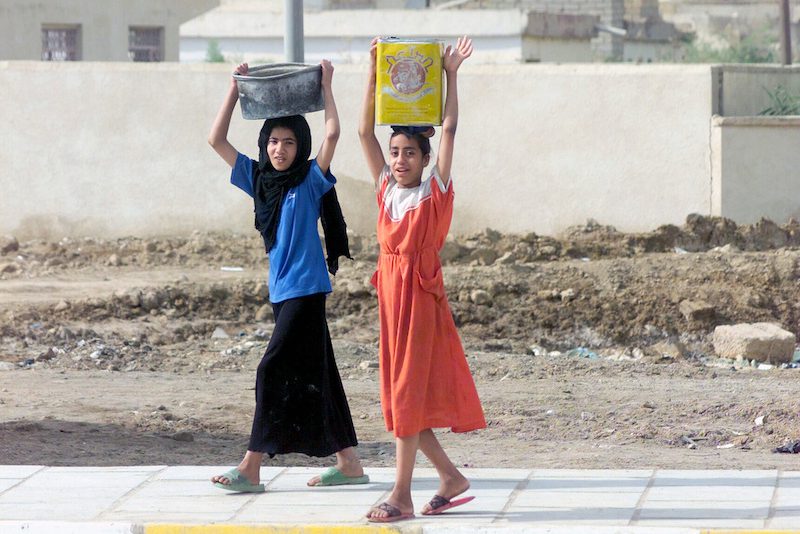
Water Access in Iraq: How Two Men in Iraq Helped Save Their Community

Water Access in IraqDespite decades of poor access to water in Iraq, one family may have finally found a solution. They live in the village of Al-Huta, a small community near the Port of Basrah. Even with their proximity to water, the potable quality worsened. In 2018, pollution became so bad that water poisoned more than 100,000 residents. This contamination was so bad that it even corrupted the crops, sending Ali Sattar, his family and the entirety of the village of Al-Huta into food and drinkable water scarcity.

It was 28-year-old Ali Sattar, a financial expert for a flourishing oil field, and his neighbor Nazim Yousif who came up with a solution.

The Solution

To address the water scarcity issue, Sattar and Yousif led the community in combining their resources to purchase weekly tankers to bring clean water to Al-Huta. These containers were able to supply ten households with potable water, ensuring safe drinking water and supporting agricultural activities in the neighborhood.

While this solution effectively provided clean water, the cost of each tanker was around $400, equivalent to a month’s salary. Sattar and Yousif realized that this approach was not sustainable in the long term. They recognized the need for external assistance to bring lasting change. Eventually, they sought support from USAID, understanding that collaboration was crucial to achieving their goals.

As early as 2019, USAID has worked with the United Nations Development Programme regarding supporting water treatment plants found throughout Basrah. Since then, its actions have adapted to meet local and international standards, renovating these plants for safe, clean water access in Iraq to roughly 625,000 residents, according to USAID.

By extension, tankards dropped from $400 to $30 for the community, an attainable cost for a sustainable solution.

Iraq As a Whole

Al-Huta is not the only community struggling with contaminated water in Iraq. In fact, according to The Iraqi Observatory for Human Rights, as of March 2023, the majority of the country’s natural water supply is polluted with oil, feces and medicinal waste. Drinking it has caused a massive upheaval of diseases among the populace.

The Tigris and Euphrates are not safe to drink. However, support from USAID and others may be able to help the rest of the country, as was the case with Al-Huta.

Ongoing Support

Some activists based in Iraq have also been working to fight the water crisis. Salman Khairalla, founder of the advocacy campaign Save The Tigris and Iraqi Marshes in March 2012, partnered with 30 other activists across the Iraqi Social Forum and Iraqi Activist Network. Their actions include bringing attention to the negative impact of dams on the safety of their water. Their voices created such a stir that the UNESCO World Heritage List added the marshlands in 2016, allowing the movement to receive more funding.

One of these movements also involves the ongoing Iraq Water Fund, established through Human Appeal in 2016. Through donations, the initiative builds solar-powered purifiers for water access in Basrah villages, offering fresh water and electricity to those who need it most. These efforts have proven successful in rehabilitating over 20 schools and providing meals for 85,000 children. This is alongside many other impressive feats that continue to bear fruit for the country even today.

–  Nathan Bronk
Photo: Picryl

July 21, 2023
https://borgenproject.org/wp-content/uploads/borgen-project-logo.svg 0 0 Jennifer Philipp https://borgenproject.org/wp-content/uploads/borgen-project-logo.svg Jennifer Philipp2023-07-21 01:30:472023-07-18 03:30:29Water Access in Iraq: How Two Men in Iraq Helped Save Their Community
Global Poverty

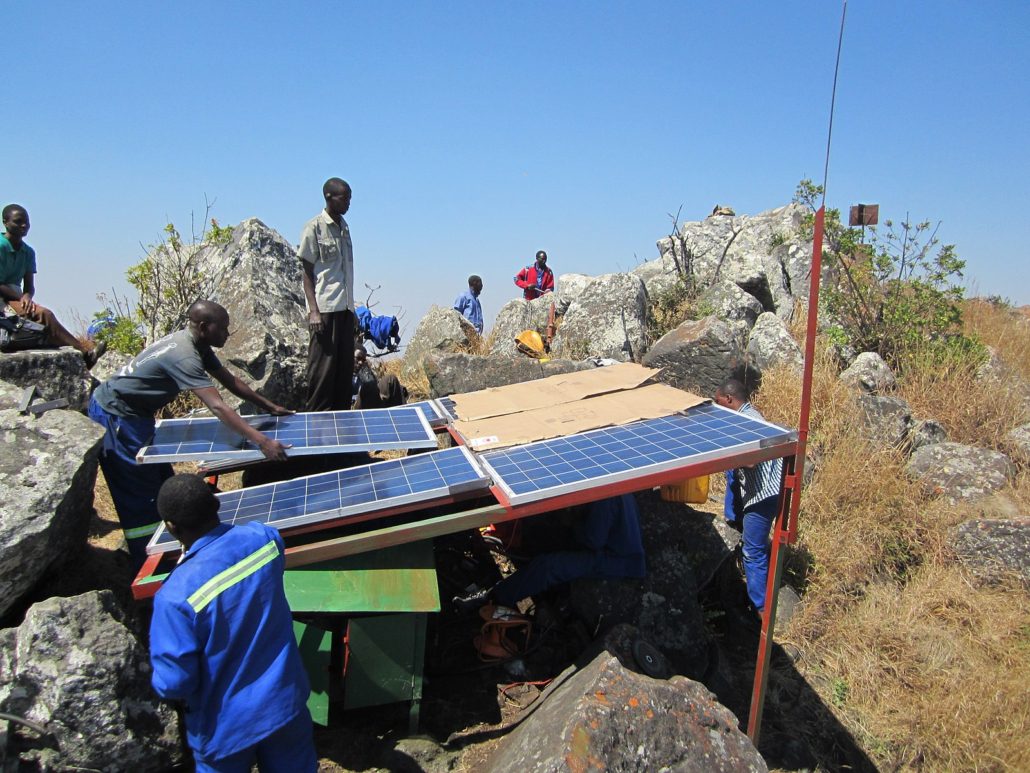
Power Africa’s Efforts to Resolve Africa’s Energy Crisis

Africa's Energy CrisisOn June 21,  2023, the U.S. Agency for International Development (USAID) announced plans to invest some $89 million over a five-year period to “expand access to cleaner, reliable energy in sub-Saharan Africa.” Administrator Samantha Powers introduced the initiative at the 25th Africa Energy Forum (AEF), held in Nairobi, Kenya in June 2023. The announcement coincided with the 10-year anniversary of the Power Africa program, a U.S.-led partnership that has bolstered the AEF’s efforts to resolve Africa’s energy crisis and accelerate the implementation of reliable energy solutions across Africa.
Africa’s Energy Crisis

According to the United Nations Conference on Trade and Development (UNCTAD), the rate of electricity access in sub-Saharan Africa has slowly but steadily increased in recent years, rising from 33.3% in 2010 to 48.2% in 2020. However, with more than 50% of the region’s population lacking access to electricity as of 2020, the rate of electricity access in sub-Saharan Africa remains “the lowest of any region in the world.” This is attributable to factors including a lack of grid distribution, high tariffs, income instability and strained infrastructure budgets, which have collectively lowered consumer demand and discouraged investment in improving the outdated grids that do exist. Accordingly, the report also showed, only about 18% of the sub-Saharan African population had access to clean energy for cooking as of 2020, a remarkably low percentage compared to the world average of about 70%.

Due to the current lack of access to clean energy, women and girls have been “disproportionately affected by household air pollution,” which UNCTAD reports resulted in 700,000 deaths across the continent in 2019. Yet, Africa holds 60% of the world’s best solar energy resources, meaning that there is great potential for African countries to implement safe, sustainable, cost-effective solutions for electricity distribution.

Power Through Partnership

Established in 2013, Power Africa focuses specifically on “ending energy poverty in sub-Saharan Africa.” By 2030, it aims to generate 30,000 megawatts or more of clean, reliable energy and provide electricity access for 60 million homes and businesses throughout the region. Consistent with the AEF’s goals, it plans to achieve this by uniting governments, companies and financial institutions in partnerships that will help combat the African energy crisis and “enable African leaders to pave their own future.”

Currently, Power Africa has more than 170 private sector partners coordinating efforts to build the technology, infrastructure and investments needed to deliver sustainable, reliable clean energy to sub-Saharan African communities. Simultaneously, the program is working with governments throughout the region to implement power sector reforms that are critical for resolving Africa’s energy crisis.

Furthermore, Power Africa is advancing gender equality in sub-Saharan Africa by promoting women’s involvement across all spheres of the energy sector, from policy-making to private companies to power generation plants. It emphasizes adopting gender inclusion policies, offers women opportunities for education and technical training and provides leadership training to support women’s advancement in the field.

Empowerment for the Future

So far, Power Africa has enabled more than 172 million people in sub-Saharan Africa to gain reliable electricity access, thereby contributing to alleviating Africa’s energy crisis. The new initiative will provide an additional “10 million on- and off-grid connections” that will benefit around 50 million people, allowing households and businesses across the region to gain access to better, cleaner, more reliable electricity.

Significantly, this comes with positive environmental and economic impacts. For instance, according to the U.S. Department of Energy, off-grid, or stand-alone, systems employ “a combination of techniques and technologies” to lower energy consumption and costs in remote regions where connecting to the grid is not economically feasible. With an additional $4.7 billion in public and private investments slated to develop infrastructure for a further 1,227 megawatts of clean energy generation and 1,500 km of transmission lines in sub-Saharan Africa, economic and environmental reform is on the horizon.

Looking Ahead

Since its inception, the Africa Energy Forum has opened discussion on topics including mining, pipeline projects, renewable energy, electricity trading and hydrogen power plants — an industry and a solution that has been gaining global attention and becoming increasingly prevalent in Africa. By providing space and funding to advance such solutions, Power Africa and AEF are making vital progress in combating Africa’s energy crisis while creating new diplomatic, infrastructural and business opportunities that will ensure future economic and environmental prosperity.

– Lucy Cosme Vera
Photo: Wikimedia Commons

July 19, 2023
https://borgenproject.org/wp-content/uploads/borgen-project-logo.svg 0 0 Kim Thelwell https://borgenproject.org/wp-content/uploads/borgen-project-logo.svg Kim Thelwell2023-07-19 01:30:342023-07-17 01:25:17Power Africa’s Efforts to Resolve Africa’s Energy Crisis
Global Poverty, Migration

Mental Health Support for Venezuelan Migrants

Venezuelan Migrants
As of June 2023, a humanitarian crisis forced more than 7 million Venezuelans to flee and seek refuge in other countries. Around 70% migrated to neighboring countries in Latin America such as Colombia, Peru and Ecuador. Most Venezuelans have been forced to leave their life and country behind, resulting in an increase in mental health issues among the refugees. Fortunately, some efforts are in place to provide mental health support to Venezuelan migrants.

Rise of Mental Health Problems

Refugees often struggle with a loss of identity. This occurs when someone must adapt to a new society but does not feel a sense of belonging. Due to this disconnect, there tends to be a rise in mental health issues like post-traumatic stress disorder, anxiety and depression. Displaced Venezuelans have been experiencing these same struggles.

Neighboring countries have made efforts to accommodate and sympathize with the difficult situation in Venezuela. Local organizations in Colombia, Ecuador and Peru have been working to improve and enhance mental health services for resettling Venezuelans.

Mental Health Services in Colombia

Many Venezuelan refugees have moved into La Guajira, Columbia, due to the city’s close proximity to the border. They arrive with anxiety, hunger and trauma from their harrowing journeys. In 2021, Malteser International Americas successfully worked with health ministries and other international organizations to open the first mental health clinic in La Guajira to help refugees.

Although La Guajira is known to be the most impoverished area in Colombia, the Department of State’s Bureau of Population, Refugees and Migration has provided humanitarian aid to increase support for migrants and other vulnerable communities. These efforts resulted in more than 5,000 Venezuelan migrants acquiring mental health support in 2021.

The Heartland Alliance International (HAI) in Colombia has initiated various mental health and psychosocial support (MHPSS) programs tailored to assisting vulnerable populations and training community professionals. These include Acople, Mas Resiliencia and Protection, Social Support and Safe Transit for Migrants. HAI has helped around 8,500 Venezuelan migrants with humanitarian needs and trained 130 professionals for psychosocial support and intervention.

Social and Economic Integration Efforts in Peru

Peru has welcomed more than 860,000 Venezuelans in search of social and economic stability, making it the second-largest recipient of Venezuelan immigrants. The Peruvian government’s effort to ease integration, such as easier border access and temporary work visas, has helped Venezuelans to adapt. Researchers have found that this support has helped alleviate mental health stressors during their resettlement.

According to the International Organization for Migration (IOM), it is important for migrants to receive support in the early stage of their integration process because it will influence a better outcome for their stability in the host country.

Additionally, acquiring a legal status and work permits improves mental health, as this promotes the chance for permanent residency in the long term. USAID has invested more than $1.9 billion in organizations in Peru to attain economic security and psychological support for the Venezuelans. The partners involved are Against Hunger, the Pan American Health Organization (PAHO), the International Labor Organization (ILO), Unión Venezolana en Perú and the World Council of Credit Unions.

Long-term Stability in Ecuador

Similar to Peru, Ecuador focused on the longevity of integration that will uplift the “emotional stability” of Venezuelans residing in the country. Ecuador’s government has worked on improving the visa process for Venezuelans to receive legal papers for social security, health care, job opportunities, etc. As of February 2023, more than 41,000 have been able to achieve a temporary visa.

Looking Ahead

Mental health support for Venezuelan immigrants has become a major concern. Fortunately, neighboring countries have been able to help improve the livelihoods of Venezuelans within their nation’s borders. With better integration processes and strong mental health programs, there is hope that migrants can begin to live comfortably and stress-free.

– Alessandra Amati
Photo: Flickr

July 2, 2023
https://borgenproject.org/wp-content/uploads/borgen-project-logo.svg 0 0 Jennifer Philipp https://borgenproject.org/wp-content/uploads/borgen-project-logo.svg Jennifer Philipp2023-07-02 01:30:422023-06-28 01:58:15Mental Health Support for Venezuelan Migrants
Page 16 of 92«‹1415161718›»

Get Smarter

  • Global Poverty 101
  • Global Poverty… The Good News
  • Global Poverty & U.S. Jobs
  • Global Poverty and National Security
  • Innovative Solutions to Poverty
  • Global Poverty & Aid FAQ’s
Search Search

Take Action

  • Call Congress
  • Email Congress
  • Donate
  • 30 Ways to Help
  • Volunteer Ops
  • Internships
  • Courses & Certificates
  • The Podcast
Borgen Project

“The Borgen Project is an incredible nonprofit organization that is addressing poverty and hunger and working towards ending them.”

-The Huffington Post

Inside The Borgen Project

  • Contact
  • About
  • Financials
  • President
  • Board of Directors
  • Board of Advisors

International Links

  • UK Email Parliament
  • UK Donate
  • Canada Email Parliament

Get Smarter

  • Global Poverty 101
  • Global Poverty… The Good News
  • Global Poverty & U.S. Jobs
  • Global Poverty and National Security
  • Innovative Solutions to Poverty
  • Global Poverty & Aid FAQ’s

Ways to Help

  • Call Congress
  • Email Congress
  • Donate
  • 30 Ways to Help
  • Volunteer Ops
  • Internships
  • Courses & Certificates
  • The Podcast
Scroll to top Scroll to top Scroll to top