• Link to X
  • Link to Facebook
  • Link to Instagram
  • Link to TikTok
  • Link to Youtube
  • About
    • About Us
      • President
      • Board of Directors
      • Board of Advisors
      • Financials
      • Our Methodology
      • Success Tracker
      • Contact
  • Act Now
    • 30 Ways to Help
      • Email Congress
      • Call Congress
      • Volunteer
      • Courses & Certificates
      • Be a Donor
    • Internships
      • In-Office Internships
      • Remote Internships
    • Legislation
      • Politics 101
  • The Blog
  • The Podcast
  • Magazine
  • Donate
  • Click to open the search input field Click to open the search input field Search
  • Menu Menu

Tag Archive for: USAID

Information and news about mobile technology

Posts

Global Poverty

How Ghana Combats NTDs

Ghana Combats NTDsGhana, a country known for its vibrant culture and rich history, faces a pressing challenge at the intersection of health and poverty: neglected tropical diseases (NTDs). Affecting all 10 regions of the so-called “Gateway to Africa,” approximately 25 million Ghanaians are at risk of contracting one or more NTD. Combating NTDs is thus connected to alleviating poverty and sheltering the most vulnerable, as impoverished populations lack adequate sanitation and water resources to protect themselves. Here is how Ghana combats NTDs in order to preserve the health of its citizens.

What Are NTDs?

NTDs are a group of parasitic and bacterial infectious diseases. The World Health Organization (WHO) reports that NTDs claim 170,000 lives each year and affect more than 1.58 billion people globally. These diseases, including malaria, dengue fever, Chagas disease and schistosomiasis, pose significant challenges to global health and well-being. Often overlooked and underfunded, NTDs thrive in impoverished and marginalized communities. This exacerbates the cycle of poverty and hinders socio-economic development.

According to WHO, the most prevalent NTDs in Ghana include lymphatic filariasis (LF), onchocerciasis (Oncho), trachoma, schistosomiasis (SCH), soil-transmitted helminthiasis (STH), Buruli ulcer, yaws, leprosy, guinea worm, human African trypanosomiasis (HAT), cutaneous leishmaniasis and rabies.

How Do NTDs Affect Poverty in Ghana?

According to the World Bank, the poverty rate in Ghana will likely rise to 34% by 2025. NTDs in Ghana contribute to poverty by reducing productivity and economic potential due to health impacts. This imposes financial burdens through health care expenses and limits long-term prospects. Additionally, the Ghanaian NGO Ghana Health Service observes that NTDs reduce agricultural productivity and income opportunities. This traps communities in a cycle of poverty due to the lack of resources and access to health care, clean water, sanitation and education.

The Ways Ghana Combats NTDs

By adopting a holistic approach that combines policy, partnerships and community engagement, Ghana has made significant strides in reducing the burden of NTDs on its population, ultimately combatting poverty in the process.

National Policy and Commitment

Over the years, government efforts in Ghana have successfully eliminated several specific NTDs, including trachoma, through various strategies. In 2000, Ghana’s Ministry of Health and Ghana Health Service first launched a national trachoma elimination program. This initiative successfully employed WHO’s endorsed elimination strategy known as SAFE. This encompasses Surgery for trichiasis, Antibiotics for infection clearance, promotion of Facial cleanliness and Environmental improvement to curtail transmission.

In addition, affected individuals received trichiasis surgery at no cost, underlining Ghana Health Service’s recognition of the economic hardship faced by those with trichiasis and its impact on their future earnings. Commitments in the form of community engagement, school programs, radio messages and environmental enhancements were instrumental in promoting facial cleanliness and fostering lasting change.

Collaborative Partnerships

One significant example of partnerships in Ghana to combat NTDs is the collaboration between the Ghana Health Service (GHS) and NGOs and international entities. The GHS works closely with organizations like the Carter Center, WHO and USAID. In addition, since 2013, these partnerships have been a pillar of mass drug administration. These collaborations provided technical expertise, financial support and resources. They assist the GHS in implementing control and elimination programs for NTDs. For instance, in addressing onchocerciasis in 2013, the GHS collaborated with the African Program for Onchocerciasis Control to implement community-directed treatment with ivermectin.

This approach empowered local community members to distribute ivermectin within their communities, ensuring treatment sustainability. Collaborative partnerships between governmental health services, NGOs and international organizations leverage resources, expertise and coordination to enhance the impact of interventions and contribute to progress in combating NTDs in Ghana.

Community Engagement and Empowerment

Ghana combats NTDs through community engagement and empowerment. This is exemplified through the establishment of Community Drug Distributor (CDD) networks established in the Ministry of Health’s first strategic plan to combat NTDs in 2013. The Ministry of Health renewed this plan in 2021.

These CDD networks train community members to distribute medication and provide health education. CDDs are trusted individuals from the local community who play a vital role in distributing preventive treatment and raising awareness about NTDs. This approach improves access to remote areas, increases treatment compliance and fosters sustainable disease control practices. By actively involving community members, it builds trust, ownership and a sense of self-reliance. Community engagement and empowerment through the CDD networks in Ghana effectively contribute to combating NTDs and raising awareness at the grassroots level.

Looking Forward

Ghana’s multifaceted response has made significant progress, eliminating NTDs such as trachoma and the guinea worm as of 2018. This ultimately showcases that the initiatives to combat NTDs in Ghana are heading in a promising direction.

Nevertheless, lymphatic filariasis, schistosomiasis, onchocerciasis and soil-transmitted helminths threaten Ghanaians’ health as well as financial security and require continued attention.

– Miriam Schuller
Photo: Flickr
November 20, 2023
https://borgenproject.org/wp-content/uploads/borgen-project-logo.svg 0 0 Kim Thelwell https://borgenproject.org/wp-content/uploads/borgen-project-logo.svg Kim Thelwell2023-11-20 07:30:472023-11-16 06:51:54How Ghana Combats NTDs
Education, Global Poverty, Health

How 4 USAID Programs in Laos Fight Poverty

USAID Programs in LaosIn the heart of Southeast Asia lies a landlocked country, once known as the land of a million elephants: Laos. Yet this country, rich in culture and history, suffers from the abject misery of poverty. As part of the vast array of nations it supports, USAID provides comprehensive assistance to combat economic challenges and help Laos achieve its various development goals. Here is how four USAID programs in Laos are eliminating poverty.

History

Lao People’s Democratic Republic is a bustling nation bordered by Cambodia, Thailand, Vietnam, China and Myanmar. Officially becoming the Lao People’s Democratic Republic on December 2, 1975, the country has become an integral Southeast Asian nation with 7.5 million people. Despite making strides in development in the last two decades, the country faces numerous challenges stemming from an unskilled workforce and economic hurdles. These challenges have caused Laos to remain one of the poorest nations in Southeast Asia, with 18.3% of people living below the poverty line and 10% of employed people on only $1.90 a day.

Here are the four USAID programs in Laos that help support its economic reforms and sustainable growth.

1. Backing Businesses

The Laos government emphasizes a diverse economy with room for jobs in numerous sectors to improve the country’s economic conditions. USAID directly assists two key enterprises to support their endeavors: the Laos Business Environment (LBE) and the Laos Micro Enterprise (LME). The LBE helps business operations in the private sector. At the same time, the LME is a thorough support system for the rural markets. Together, these two enterprises create a backbone by which the Laos government can enhance its economy.

2. Educating Youth

To lift a country out of poverty, its population needs to be provided with a proper education. The Laos government and USAID understand this and have created critical programs to facilitate mass education. Learn to Read teaches reading skills to Lao children, especially those who are not native speakers or have disabilities. All Children Learning has similar goals, though it narrows the focus on providing vital recovery for education sectors hurt by the COVID-19 pandemic.

3. Harvesting Energy

Reducing greenhouse gasses is a significant part of USAID’s bracket in Laos. Working together with the Laos government, USAID has established The Regional Southeast Asia Smart Power Program. It involves USAID directly assisting the Mekong’s transition toward energy security by partnering with organizations such as Japan U.S. Mekong Power Partnership (JUMPP). USAID helps Laos manage its electricity more efficiently by providing this support system, allowing it to be used more frequently for various projects. In addition, USAID partners with Électricitédu Laos (EDL) to help strengthen assets and manage the grid.

4. Improving Health Care

With 43 out of 1000 newborns perishing before their 5th birthday, USAID partners with the Laos government in essential health-related services to boost the nation’s health care systems. Regarding COVID-19 assistance, USAID provided 3 million vaccine doses to the Lao people while improving treatments and detection. Another program, the Capacity Strengthening on Maternal Child Health and Nutrition Project (LMCHN), improves new mothers’ and children’s well-being, nutrition and maternal health. USAID also provides strategic support to the country’s fight against HIV, malaria and other infectious diseases.

Without a doubt, Laos is developing rapidly. According to the World Bank, the poverty rate in Laos has halved from 46% to 18%. However, there is still a long way to go. USAID’s work through its programs in Laos is a testament to the country’s desire to improve the living conditions of its population and lift the Lao people out of the trenches of poverty.

– Atheeth Ravikrishnan
Photo: Flickr

November 19, 2023
https://borgenproject.org/wp-content/uploads/borgen-project-logo.svg 0 0 Yuki https://borgenproject.org/wp-content/uploads/borgen-project-logo.svg Yuki2023-11-19 07:30:552023-11-15 09:51:35How 4 USAID Programs in Laos Fight Poverty
Global Poverty, Humanitarian Aid

USAID Programs in Libya Not Deterred by Cyclone Daniel

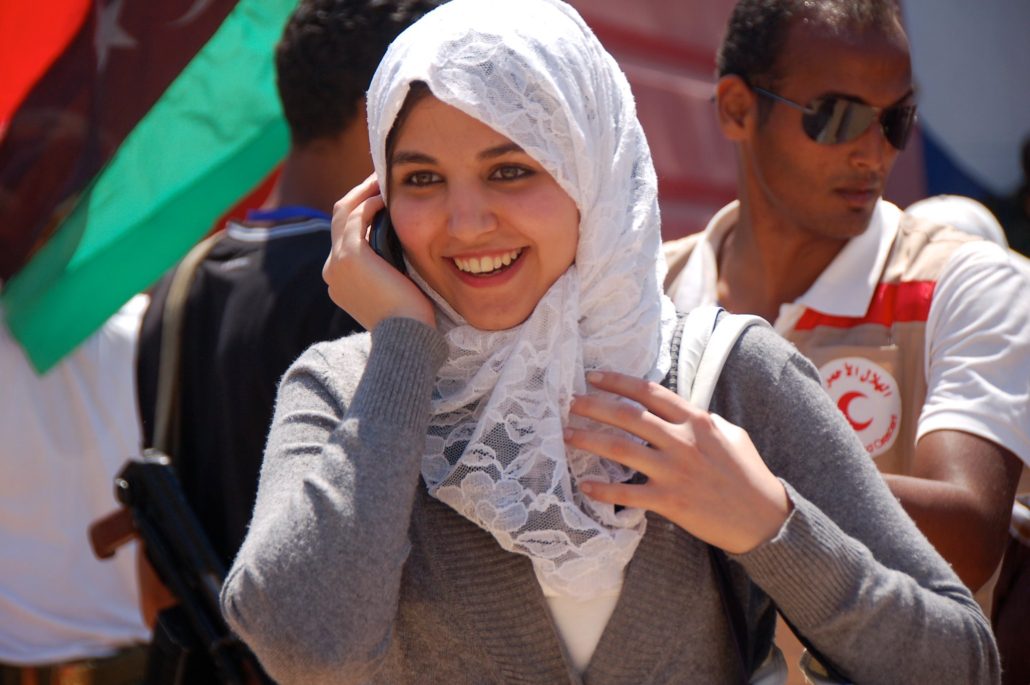
USAID Programs in LibyaOn Sept. 23, heavy rainfall from Cyclone Daniel collapsed two dams in the Libyan port city of Derna. The results: a devastating flood, 70 buildings decimated, infrastructure destroyed and at least 11,000 dead. Though Libya received aid from the United Arab Emirates, Turkey and Egypt after the storm, much more assistance was required.  

In response, the United States Agency for International Development (USAID) provided $1 million in humanitarian assistance along with a Disaster Assistance Response Team. This team conducted needs analyses and connected with Libyan authorities and international partners to remedy the devastations on the ground.

USAID programs have a long history in Libya. Prior to Cyclone Daniel, USAID dedicated more than $178 million across five programs intended to improve democracy, governance and economic growth. 

More than 2 million Libyans currently live in poverty, and approximately 125,000 remain internally displaced. The USAID programs in Libya aim to lessen poverty by increasing the capacity of the state to respond to the needs of the people, stimulating the workforce and reducing the prospects of violence. 

USAID Programs in Libya

  • Libya Elections and Legislative Strengthening Activity (LESLA): 2018-2024. Since the fall of Qadhafi, instability and violence have prevented a unified Libya from taking shape and exacerbated poverty in the nation. USAID is working with the High National Election Commission (HNEC) and civil society organizations (CSOs) to adapt a manageable legal framework for electoral processes. Through this partnership, the program intends to establish election bodies that function to maintain honest political oversight. LESLA also aims to establish an all-inclusive civic approach by working with political parties to recognize the importance of minority protections. Finally, LESLA is working against hate speech and disinformation by encouraging citizen journalism and establishing fact-checking by civil society.
  • Local Governance and Civil Society (LGCS) – Taqarib: 2019-2025. Taqarib is all about closeness. In fact, it is an Arabic word translating to “coming together”. Throughout the duration of this program, LGCS will work across 31 Libyan municipalities to decentralize public services. Decentralization refers to the creation of additional local offices and authorities, ultimately easing the process of public project approvals. Taqarib works in the public sphere by organizing peer to peer events and encouraging citizen involvement to determine the best service delivery projects for their municipalities.
  • Promoting Leadership and Activism of Youth (PLAY) for Peace in Libya. To shape the youth is to shape the future. PLAY brings together young people from five neighboring communities that share a history of violence and division. This offers a chance to reconcile differences and allows divided communities to create bonds of what is hoped to become a lasting peace with one another. Through teaching constructive communication, engaging youth with municipal councils and growing tolerance for non-discrimination, this USAID program in Libya will shape Libya’s leaders of tomorrow.
  • Libya Economic Acceleration Program (LEAP). LEAP intends to increase state stability through economic security. For the past twenty years, Libya’s unemployment rate has hovered at 20%. This USAID program intends to remedy this stagnation by building entrepreneurial skills for business development— specifically for micro, small and medium enterprises (MSMEs). LEAP not only addresses business management and productivity, but also addresses the work force. USAID partners will provide job seekers with technical and vocational education training (TVET) to ensure they meet the needs of the labor market. 
  • Libya Public Financial Management (LPFM): 2019-2024. LPFM works with Libyan economic institutions to provide better public services through national level interventions. USAID will work with the Central Bank of Libya (CBL) on monetary policy to ensure tame inflation and uphold the standards of the Basel II Accord. The main tenets of Basel II include maintaining a minimum level of liquid capital in the central bank while sustaining regulatory requirements and risk management to decrease market volatility. LPFM is additionally working alongside the Libyan Audit Bureau to train auditors, update digital strategies and to ultimately renew the institution through the development of transparent methods of operation and restoration of trust by the people.

Looking Ahead

The situation in Libya is complicated. After the fall of Gaddafi, Libya split into two rival governments: the UN-supported democracy of Tripoli and the Libyan National Army (LNA). The LNA has shut down several ports for oil exports, suffocating the Libyan economy. As a result, USAID programs that focus on economic reform and business development have become critically important in Libya. With the help of USAID and implementation of its anti-corruption programs, transparency initiatives and legal reform, Libya can rebuild itself into a unified government. 

– Anthony Coletta
Photo: Flickr

November 18, 2023
https://borgenproject.org/wp-content/uploads/borgen-project-logo.svg 0 0 Jennifer Philipp https://borgenproject.org/wp-content/uploads/borgen-project-logo.svg Jennifer Philipp2023-11-18 07:30:092024-12-13 18:02:59USAID Programs in Libya Not Deterred by Cyclone Daniel
Food Insecurity, Global Poverty

El Niño’s Impact on Honduras

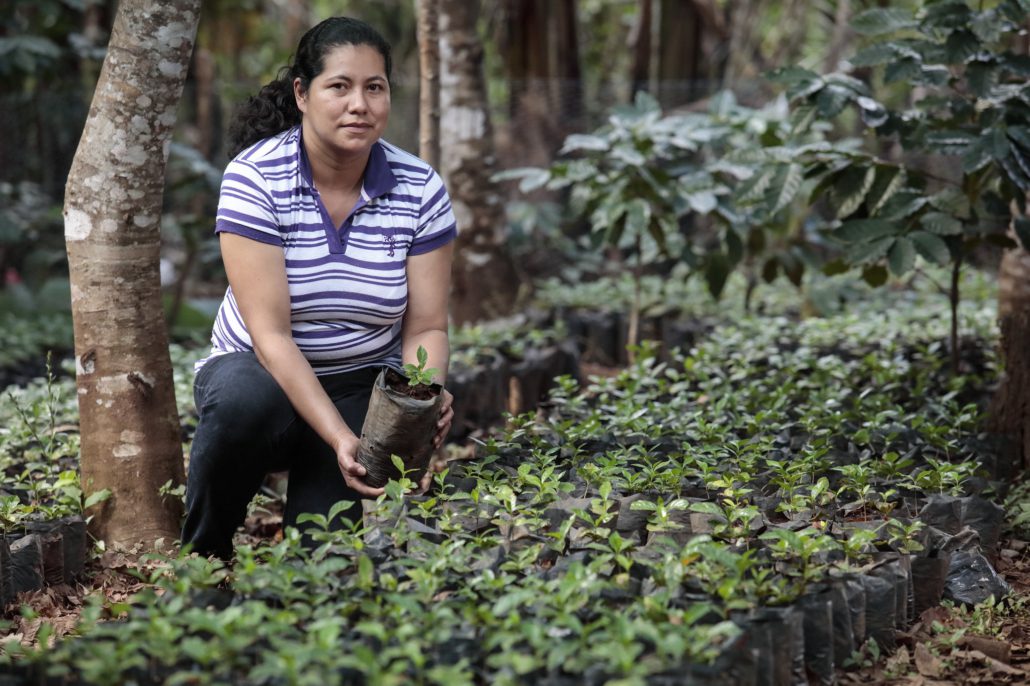
El Niño's Impact on Honduras The global weather phenomenon, El Niño, impacts most parts of Central America and some of South America. El Niño is the process in which the temperature of the Eastern Ocean becomes unusually warm, causing erratic weather. In the process of the sea surface level warming up caused Honduras to experience severe drought. El Niño is causing food insecurity and an economic dip.

The Impact of El Niño in Honduras

Honduras and most of Central America expect around 3.5 million people to require humanitarian assistance because of El Niño. According to the Food and Agriculture Organization (FAO), El Niño’s impact on Honduras is causing about 1.6 million people to require moderate to severe assistance with food because of the scarcity.

El Niño’s impact on Honduras causes severe drought compared to how it impacts other countries. Rural parts of the country that rely on importing goods or agriculture are affected the most by the severe drought and erratic weather the phenomenon presents. According to UNICEF, the lack of crops presents a constrained agricultural production, which leads to borderline famine and food scarcity.

The Permanent Commission of Contingencies (COPECO) declared that Honduras is on an indefinite Red Alert for 140 municipalities from rural areas to major cities. Aside from food scarcity, consumable and usable water is also becoming difficult to access. Water is now competing for agricultural use and human consumption, resulting in families in rural areas sacrificing water use for healthy hygiene. Since water is being used primarily for agriculture, there is an increase in water contamination, which affects children under five years the hardest.

Poverty in Honduras

While Honduras remains one of the poorest countries in the world, it is a remarkable and durable nation that emerged from a collapsing economy after the 2020 pandemic and two hurricanes. According to the World Bank, in 2020, more than half of the population lived under the poverty line but the country managed to recover with an increase in the labor market and an inflow of remittances.

Honduras’ economy will likely slow to 3.2% because of a slower growth of exports. El Niño’s impact on the country is a massive contributor to the halting of the economy because of the droughts it is causing. Without many crops or agricultural production, exporting goods significantly stunts the economy’s growth. The World Bank states in the report that another factor contributing to Honduras’ halting economy is low private investment and weak budget execution.

According to a report, the National Centers for Environmental Information estimates that the drought linked with El Niño is expected to cut into the region’s harvest. The drought is also impacting Honduras’ hydroelectric plants and beginning to ration electricity. Representative of The International Monetary Fund (IMF), Mr. Ricardo Llaudes, the mission’s leader to Honduras, states, “Honduras remains one of the world’s most vulnerable countries” to natural disasters, “with sizable adaptation investment needs.”

Action Against Hunger’s Efforts

Adaptation is the game’s name when dealing with El Niño and its random weather outbursts. Countries cannot prevent the phenomenon because of how long it has been around. But there are strategies, aids and plans that can be implemented to help Honduras surge forward. 

Action Against Hunger is a global humanitarian organization that provides food assistance to rural areas with minor nutrition and works to improve clean water access, safe sanitation and healthy hygiene. As of 2022, Action Against Hunger helped 227,971 people in the country in hopes of reducing the impact of El Niño. 

But a growing concern in the country is the mass amount of migration from Honduran nationals and other countries in South America, including Ecuador, Cuba, Venezuela and many more. What Action Against Hunger is doing in response is providing humanitarian support to inside and outside migration shelters alongside prioritizing children’s malnourishment.

How USAID is Helping

The United States Agency for International Development (USAID) announced a new humanitarian funding package of $42.5 million. The package will support El Salvador, Guatemala and Honduras, the most impacted by El Niño. According to USAID, the support will help reduce food insecurity and provide drinking water. The U.S. is providing a short-term solution to a long-term problem.

Ways to adapt and deal with El Niño include helping farmers grow different crops that require less water. A good example is the sorghum plant. The dragon fruit cactus is a great alternative fruit tree that can survive in severe drought. U.N. agencies are helping farmers create vegetable gardens that efficiently conserve water by having a small irrigation system.

While El Niño is here to stay, there are ways to reduce its impact. Planting alternative plants that can still provide nutrition to help reduce food scarcity. New farming methods focus on conserving as much water as possible and using aid packages to develop a reliable source of consumable water and food. 

– Sebastian Llerena
Photo: Flickr

November 16, 2023
https://borgenproject.org/wp-content/uploads/borgen-project-logo.svg 0 0 Yuki https://borgenproject.org/wp-content/uploads/borgen-project-logo.svg Yuki2023-11-16 01:30:442024-12-13 18:03:03El Niño’s Impact on Honduras
Global Poverty

Poverty Reduction in Pakistan

Poverty Reduction in PakistanPakistan is a country known for its poverty. Pakistan’s poverty rate has gone from 34.2% to 39.4%, with around 95 million Pakistanis in poverty. However, there have been plans and systems being actively implemented to improve the country for the better. This article will focus on some of the strategies for poverty reduction in Pakistan.

Basic Amenities

The root of many problems of poverty-stricken families is the lack of basic amenities. Many Pakistanis do not have access to essential equipment. For example, 79 million people don’t have a toilet. Access to basic amenities has been getting worse, with disasters such as the flood leaving 10 million people without water. This lack of clean water and proper toilets can be dangerous, as it causes diarrhea, which has led to the death of 19,400 children under the age of 5. 

Pakistan has made some investments in this area, as solving this issue can be a big step for poverty reduction in Pakistan. For example, the World Bank contributed $442 million to help 16 districts in Punjab by improving access to clean water. This program was estimated to help around 2,000 villages, totaling 6 million people. These are small steps for establishing a healthy society. 

General Education

Even if a family has access to clean resources, they may not have guaranteed education. The income of many Pakistanis has prevented them from sending their children to school. This has led to 22.8 million children not attending school. Education is a vital part of Pakistan, as it ensures jobs and careers for those who are knowledgeable in certain careers. Because there are not enough children in school, most industries in Pakistan are unemployed, causing a low output rate of certain companies. In 2023, it was found that Pakistan’s industrial production had decreased by 14.55%. 

Increasing education in Pakistan could be beneficial in increasing productivity in various industries. The United States Agency for International Development (USAID) in particular has done a lot. Not only have they built/repaired 1,600 schools in Pakistan, but they have also improved oral reading fluency for 26% of young students. This improvement in education can help students use their knowledge to create better opportunities for themselves and their families. 

Infrastructure

The third issue to address is Pakistan’s infrastructure. Infrastructure has always been a goal for Pakistan, but they have always been held back. The country has nearly 70% of its financial resources going towards paying off its debt, which has come from previous ventures in investing in agriculture. Thankfully, there are multiple projects in the works to ensure an improvement in the infrastructure. 

For example, in terms of energy, Pakistan has made it financially attractive to switch to solar, with net metering, feed-in tariffs and tax incentives. By 2030, the government plans for solar and wind energy to make up around 30% of Pakistan’s overall energy. If Pakistan’s efforts in this area are an indication of their performance in other infrastructure fields, then they should be on a good path. 

A Look Ahead

Pakistan may be a far way from ridding itself of poverty, but it has the potential to change itself. As long as poverty reduction in Pakistan remains a steady goal, the country has a chance to improve the lives of its people for the better.

–Uzair Khan
Photo: Wikimedia

November 13, 2023
https://borgenproject.org/wp-content/uploads/borgen-project-logo.svg 0 0 Yuki https://borgenproject.org/wp-content/uploads/borgen-project-logo.svg Yuki2023-11-13 15:00:562023-11-12 12:48:16Poverty Reduction in Pakistan
Global Poverty

Higher Education in Jamaica

Higher Education in JamaicaJamaica (with a population of 2.8 billion) currently has 50 institutes of higher learning. The United States, by comparison, has 4,360. When accounting for population sizes, the proportions are rather similar. However, the access to quality tertiary educational opportunities is far from equal. Improving access to higher education in Jamaica is a must for people to become more fulfilled intellectually and economically.

What are Some Barriers to Better Education? 

Currently, 19% of Jamaicans aged 19–24 attend some college or university. The college-educated make up only 15% of the entire workforce. Lack of funding for proper resources, infrastructure and previous government policies surrounding wealth inequality all contribute to this development. As of 2017, it was reported that 400,000 people lived in poverty, and 14,000 lived in extreme poverty. Along with overcoming a decades-long culture of elitism in academia, Jamaica does not have a strong structure in place for technical and vocational training programs. Dating back to 2009, at the time, 70% of the labor force, or 700,000, had no formal training.

What Has Jamaica Done to Combat These Challenges?

Over time, Jamaica has increased its investments to enhance formal instruction. The Human Employment and Resource Training (HEART) trust, a government agency, made gains in offering trade learning at 20 centers nationwide. 

In addition, Jamaica has emphasized improving its standards to ensure that teachers are more qualified and able to make a more significant impact on their communities’ youth. Until the early 2010s, school teachers could work in the field once they earned a three-year diploma in teaching degree from their university. Now, they must earn a bachelor of education degree, a four-year degree that includes student teaching in its curriculum. Part of making higher education in Jamaica a true possibility for its citizens centers around preparing students to be mentally and emotionally prepared to reach the next level. 

Moreover, the government recognizes that funding and resources must go into this department for positive changes. In the fiscal year 2022/2023, the Ministry of Education made up the highest expenditure on the government’s budget. Of the roughly $141.3 trillion JMD ($912 billion USD) government spending outlined, education received approximately $18.9 trillion JMD ($122 billion USD), with higher education priorities raking in $3.2 trillion JMD ($20.6 billion) of that sum. This is a significant increase from 2016/2017 when the education budget totaled $90.5 billion (~$14 trillion JMD).

What Have the United States and Other Developed Nations Done to Help?

Since Jamaica’s independence in 1962, the United States provided more than $1.4 billion ($185.9 trillion JMD) across various sectors. Part of this involved assisting in the funding for the Mona School of Business and Management and the College of Agriculture, Science, and Education. USAID efforts have helped more than a million young students from early childhood to tertiary levels, offering resources to improve literacy and mathematics skills. As for the European Union (EU), it has pledged to provide at least €30 million (~$5 billion JMD) from 2021 to 2027 to improve access to digital technology in the workplace and resources to fight against changing weather patterns. 

Effects of COVID-19

From 2019 to 2021, Jamaica saw its total yearly foreign aid reception plummet from $125 million to $58 million. COVID-19 created a global shockwave, which is the reason for the heavy decrease. Nonetheless, in some of the most dangerous and unprecedented times, struggling countries like Jamaica have been left in the dust. To be clear, the response to ending poverty and improving access to education in Jamaica was poor before the pandemic. However, a nearly 50% cut is drastic. It slashes opportunities to not only further build education but also to address water and food insecurity, lack of sustainable housing and everything else across the board. 

While Jamaica is classified as a middle-upper-level income country, it struggles with growth. Even as it is set to recover from its 10% drop in real GDP in 2023, underlying economic concerns still require attention. Underdeveloped business structures, low productivity, persistent crime and limited technological advancements for most citizens are all points of emphasis.

Hope for systemic improvement is never lost, but the global response must substantially increase to streamline the process. Developed countries cutting foreign aid expenditures should never be the solution to address deficits. After all, foreign aid is an investment that leads to prosperity for both parties involved.

– Elliott Borawski
Photo: Unsplash

November 11, 2023
https://borgenproject.org/wp-content/uploads/borgen-project-logo.svg 0 0 Yuki https://borgenproject.org/wp-content/uploads/borgen-project-logo.svg Yuki2023-11-11 07:30:282023-11-07 19:13:27Higher Education in Jamaica
Global Poverty, Women

USAID Programs in Iraq

USAID Programs in Iraq
Since 2003, Iraq has experienced displacement of its population and instability due to domestic and regional conflict. In January 2014, with the so-called Islamic State of Iraq and Syria (ISIS) beginning to seize control of parts of Iraq, the conflict and displacement worsened, until ISIS was defeated in March 2019. The Ministry of Planning at the World Bank reports the poverty rate of Iraq at 24.8% in 2021. The United States Agency for International Development (USAID) programs in Iraq, with funding received from the United States government, have played a pivotal role in improving the governance system, expanding economic opportunities, providing life-saving humanitarian assistance and promoting religious and ethnic pluralism to the citizens of Iraq. 

The Good News

As of September 2022, despite 1.2 million Iraqis remaining internally displaced and 5 million internally displaced population returning home, Iraq generously hosts 300,000 refugees and asylum-seekers. With Iraqis returning home, support from international organizations like the USAID has helped Iraq see positive growth in all aspects of society. USAID in collaboration with the Government of Iraq (GOI), provincial and local governments, and local communities has established a combination of short-, medium- and long-term efforts to stabilize areas that were formerly occupied by ISIS. 

The following is a brief that focuses on two of the many important USAID programs in Iraq initiatives whose overall objective is to pull households and communities out of poverty and to provide life-saving humanitarian assistance for the people of Iraq. 

Job Creation and Economic Diversification

According to USAID, job-creating initiatives and economic diversification in Iraq’s public and private sectors are vital for creating economic opportunity, helping households and communities out of poverty and long-term economic growth. Iraq is one of the most oil-dependent countries in the world. The over-reliance of its GDP on oil-related growth (7% in 2022 has stagnated the growth of its non-oil sectors such as agribusiness, service delivery processes (for example, technology and trade) and the industrial sector. Thus, USAID in collaboration with the GOI, economic and civil society leaders and vulnerable communities has set up projects and also funded initiatives like the Middle East and North Africa Investment Initiative (MENA II) to increase food production, improve water supply and ensure sustainable water and energy usage. 

The implementation of USAID programs in Iraq that focus on economic diversification has resulted in tremendous growth and a reduction in extreme poverty for the marginalized and displaced populations. These programs have also boosted the participation of women in Iraq’s workforce thereby, making an attempt to address gender-based violence and patriarchal norms — two issues starkly visible in Iraq. 

Since 2020, USAID programs have provided more than 10,000 entrepreneurs with business support services, of which approximately 50% of the entrepreneurs were women. In addition, USAID provided about 3,000 business grants and loans. This resulted in an increase in business revenue by 65%. According to USAID reports, the huge success of these programs has attracted $41 million in private investments to expand local businesses in technology, trade and the industrial sector.

Humanitarian Assistance for Producing Self-Reliant Citizens

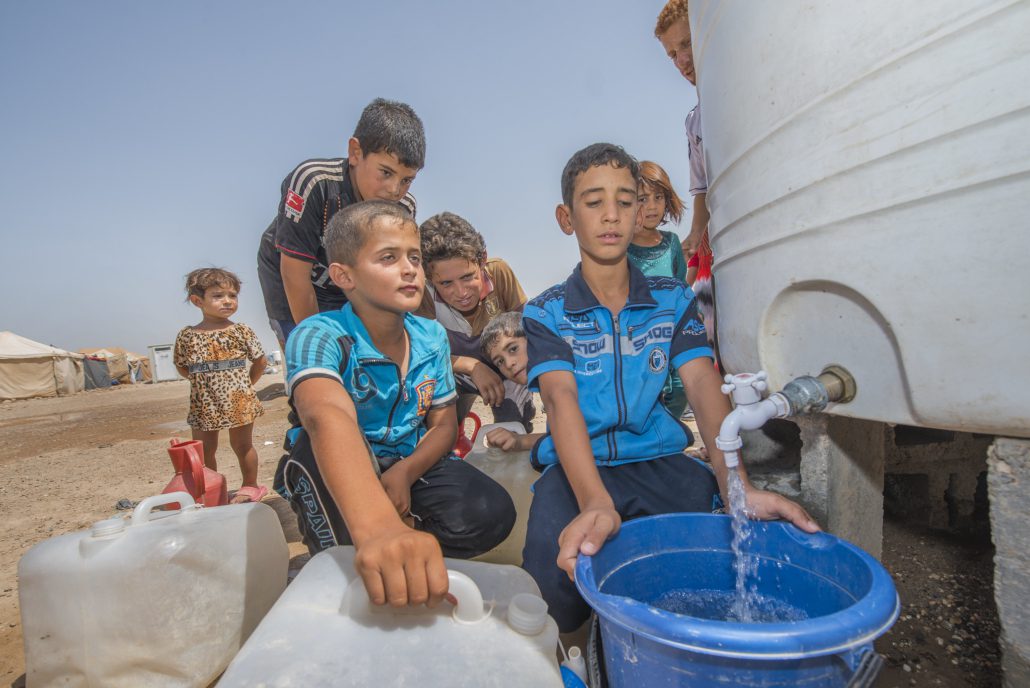
For a nation riddled with conflict for more than a decade, USAID has targeted a substantial amount of funds, $3 billion, towards providing humanitarian assistance to the citizens of Iraq. These funds have been targeted towards the most vulnerable and hardest-to-reach people. USAID’s Bureau for Humanitarian Assistance reports a positive trend in access to safe drinking water, improved health and hygiene supplies, meeting food and shelter needs and meeting critical nutritional needs. In addition, according to USAID, the funds have also helped in the prevention and quick response to gender-based violence and increasing access to psychological support. This support is particularly important for a country responding to natural disasters and complex crises. 

A Promising Future 

The programs and funds provided by USAID have come a long way in improving the economic condition and ensuring quality and dignified basic living conditions for the citizens of Iraq. USAID, through its programs and aid, paves the way for long-term development and the journey of self-reliance for the citizens of Iraq. This is an essential step. And, while there is still room for improvement, the country and its citizens’ commitment to solving the large human and economic capital needs bode positive signs for the future.

– Anshu Saha
Photo: Flickr

November 7, 2023
https://borgenproject.org/wp-content/uploads/borgen-project-logo.svg 0 0 Lynsey Alexander https://borgenproject.org/wp-content/uploads/borgen-project-logo.svg Lynsey Alexander2023-11-07 01:30:232023-11-03 07:18:31USAID Programs in Iraq
Global Poverty

Cambodian Poverty: Halved in 8 Years

Cambodian PovertyCambodia is home to nearly 17 million people in Southeastern Asia, nestled between Thailand to the west and Vietnam to the east. The country has a troubled history involving decades of conflict and economic and political instability. Because of these conditions, the Cambodian poverty rate topped 36% as of 2014.
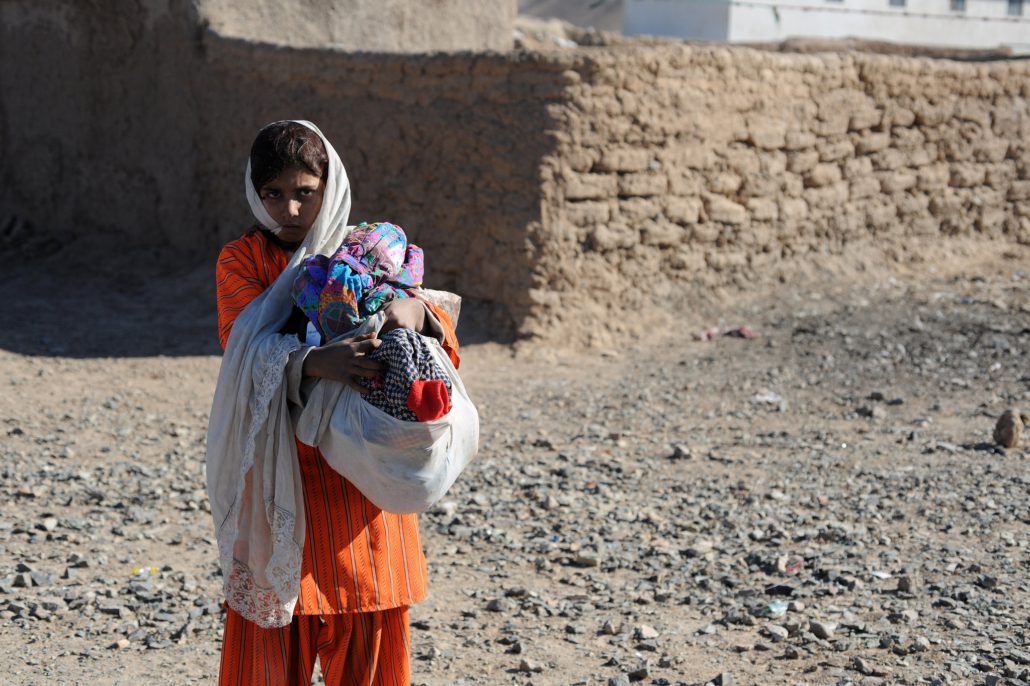
The good news is that in the last eight years, Cambodian has improved significantly, cutting its poverty rate in half even during the pandemic years, which took a massive toll across the globe. The number of people living in poverty has decreased from 5.6 million to 2.8 million, and while there is more work to do, there is tangible evidence that progress is possible.

Steps Toward Improvement

Cambodia is a developing nation where 61% of the population lives in rural areas, and the majority, around 77%, depends on agriculture for their livelihoods. Notably, the country has experienced significant economic growth, particularly in the tourism and construction sectors. The garment industry has also seen expansion, and foreign investments have resulted in increased job opportunities in manufacturing and services, offering better-paying work.

Because of the growth in tourism and garment exports, Cambodia’s economy is one of the fastest-growing in the world. When higher-paying jobs are made available, residents can move away from low-paying agricultural jobs, boosting their earnings and the quality of life around them. The World Bank reports that access to essential services, such as sanitation and education, and access to electricity and water sources has also improved.

USAID is an NGO that has been working diligently to address poverty in Cambodia, spending the last five years helping farmers raise and reinvest earnings to expand the markets where they can sell their products. It has trained 230,000 people on improved nutritional practices and allowed more than 14,000 farmers to access credit. USAID has also been crucial in private sector investments, leveraging more than $20 million to support economic growth and accountable governance.

Cambodian Youth

Children are among the most vulnerable in Cambodia and account for almost 35% of the population as of 2019, which continues to increase. Access to education is on the rise, but many children rely on boats and rivers to attend classes as they commute from rural areas. Cambodia is prone to environmental threats like flash floods, which were responsible for the closure of more than 200 schools in October 2022. 

Cambodia ranks 46th on the Children’s Climate Risk Index, but the Royal Government of Cambodia has already begun tackling climate change, aiming for net-zero emissions by 2050. As part of this emissions goal, future and existing infrastructure dedicated to solar and hydropower is being climate-proofed. The Royal Government also wants to increase forest cover by 60% in the national land area within six years. These measures will protect the land within Cambodia’s border and secure the future for the next generation of Cambodians.

Looking Ahead

Cambodia offers valuable insights for countries addressing poverty. It collaborates with local NGOs on a well-thought-out plan to combat climate change. The nation prioritizes tourism and garment exports, boosting its economy. These initiatives could leave a lasting impact on Cambodia’s young population, who are the future custodians of their country and people.

– Benett Crim
Photo: Unsplash

November 5, 2023
https://borgenproject.org/wp-content/uploads/borgen-project-logo.svg 0 0 Yuki https://borgenproject.org/wp-content/uploads/borgen-project-logo.svg Yuki2023-11-05 01:30:372023-11-01 03:45:50Cambodian Poverty: Halved in 8 Years
Foreign Aid, Global Poverty

How Foreign Aid in Afghanistan Helps

Foreign Aid in Afghanistan
On October 7, 2023, a powerful earthquake hit the grounds of Afghanistan and wreaked havoc. Violent shakes hit the city of Herat three times. More than 2,000 people lost their lives due to the natural disaster. The quakes reduced whole villages to rubble, burying families and leaving many homeless as winter arrived. After the earthquakes in Afghanistan, global aid groups and rescue teams have issued warnings. With the recent seismic activity, an escalating humanitarian crisis amid war and a collapsed economy requires attention. What is even more concerning is the human recovery aspect. The earthquakes reduced entire villages to debris, and inadequate funding, coupled with limited global awareness, hampers foreign aid efforts in Afghanistan.

Afghanistan in Relentless Crisis 

On August 15, 2021, Taliban rule looked over Afghanistan as NATO and U.S. forces left the country. This year, the country is entitled to no growth territory by the World Bank. The private sector appears weak, with no opportunity for growth. The industrial and agricultural sectors also saw sharp decreases in GDP. This decline is due to harmful gender policies that have shut down women-run businesses and weather conditions with no resources for the farmers to adjust.

Following the Taliban takeover, civilian and security aid abruptly ceased, amounting to more than $8 billion annually, roughly 40% of Afghanistan’s GDP. This sudden economic shock, compounded by sanctions, the freezing of Afghanistan’s foreign exchange reserves and the reluctance of foreign banks to engage with the country, placed an unparalleled strain on Afghanistan’s economy. Afghanistan’s GDP is a challenge, but estimates suggest a roughly 20% decrease in the aftermath of August 2021. Hunger and hardship are continuously increasing in Afghanistan.

How the Earthquake Has Worsened the Condition

The reduction in Afghanistan’s foreign aid after the occupation of the Taliban for two years and much international assistance has also stopped. This change had a dire effect on the country’s health care system. The consecutive earthquakes in Afghanistan have made this problem more grave.

Residents report that after the earthquakes in Afghanistan, Taliban fighters barricaded the streets leading to the hospital, preventing anyone from seeking medical assistance and subjecting those searching for loved ones to beatings with pipes and guns.

Within the hospital, survivors from homes reduced to rubble now occupy beds in the courtyard or sit on the floors. Fatigued health care personnel are making valiant efforts, but supplies are dwindling, and the oxygen reserves are nearly depleted. Patients endure agonizing waits of hours or even days for critical medical care without access to pain relief. In this case, Afghans desperately need foreign aid to survive.

Foreign Aid in Afghanistan Aids in Crisis

The first to respond and send immediate help after the earthquakes in Afghanistan was The Afghan Red Crescent Society (ARCS). Additionally, the IFRC and another partner Red Cross Red Crescent Societies also came. They worked rapidly and provided emergency medical aid, along with non-food supplies. The survivors received temporary shelter while rescue and search operations in the affected provinces also occurred.

The United States, via USAID, is offering $12 million in immediate humanitarian aid. Seeing the devastation, along with the International Organization for Migration (IOM), aid was supplied to earthquake-affected individuals with emergency shelter kits, cooking and water collection materials, blankets, solar lamps, clothing and household items. Considering the possibility of disease outbreaks like watery diarrhea, IOM is also working on rehabilitating water sources in villages with damaged infrastructure to ensure safe drinking water access.

Despite the challenges that Afghanistan has faced, these foreign aid efforts in Afghanistan are making a considerable impact. Through the work of The Afghan Red Crescent Society, USAID, IOM and more, quality of life for Afghanis should only improve.

– Asra Mairaj
Photo: Flickr

November 3, 2023
https://borgenproject.org/wp-content/uploads/borgen-project-logo.svg 0 0 Yuki https://borgenproject.org/wp-content/uploads/borgen-project-logo.svg Yuki2023-11-03 01:30:112023-10-30 10:34:04How Foreign Aid in Afghanistan Helps
Food Security, Global Poverty

Enhancing Food Security in Bangladesh

Food Security in Bangladesh 
In Bangladesh, approximately 40 million people face the harsh reality of food insecurity, including 11 million individuals dealing with acute hunger. Natural disasters have increased food insecurity, leading to a reduction in essential crop yields as follows: rice by 17% and wheat by a substantial 61%. The enhancement of rural agriculture initiatives offers practical solutions. These solutions are effectively improving food security in Bangladesh, while also having significant positive impacts on the entire nation.

Enhancing Agriculture for Food Security

From 2019, crucial programs sought to improve food security in Bangladesh, addressing the pressing issue of food poverty in the region. More than 225,000 farmers received support to adopt modern agronomic practices, focusing on irrigation, livestock management and pest and disease control. The leveraging of $2.2 million to enhance the business performance of high-value crop producers, thereby significantly increasing agricultural productivity and improving livelihoods in rural areas and further contributing to the alleviation of food poverty, complemented this effort. Additionally, these programs empowered 75,000 women, enabling them to apply improved management practices and technologies, both on and away from the farm, which played a vital role in the fight against food poverty.

Weather-Resilient Agriculture for Increased Food Security

In a recent collaboration between the government of Bangladesh and the World Bank, a $120 million financing agreement was signed to advance food security through the Climate-Smart Agriculture and Water Management Project. This project modernizes flood management, drainage and irrigation infrastructures to enhance climate resilience in agriculture. It reduces crop damage from floods by 60% across 120,000 hectares of land.

Empowering 100,000 farmers with knowledge and skills related to climate-smart agricultural technologies, crop diversification and post-harvest management was also another goal of the Climate-Smart Agriculture and Water Management Project, aiming to fortify their resilience against weather challenges and ultimately mitigate the cycle of food poverty in the region. It also supports rice and fish/shrimp farming through the establishment of cold storage facilities and local market improvements, with expected outcomes including increased fisheries productivity by almost 37%, a 10% rise in vegetable production and a 7.5% boost in rice production, all contributing to food security.

Agriculture as a Key Driver of Poverty Reduction

Agriculture plays a crucial role in reducing poverty in Bangladesh. From 2000 to 2010, the poverty rate dropped from 48.9% to 31.5%, with more than 87% of rural people earning some income through farming. This progress resulted from investments in irrigation, high-yield crops, efficient markets and mechanization.

To continue reducing food insecurity and poverty, Bangladesh needs to focus on high-value agriculture, like horticulture, livestock, poultry and fisheries. This diversification is essential for future growth, particularly because two-thirds of rural households depend on both farming and other income sources. This pro-poor agricultural growth also boosts the non-farm economy, ultimately improving food security.

A Multifaceted Approach to Food Security

Food security in Bangladesh is a multifaceted challenge. Nonetheless, the collaborative efforts by USAID, the World Bank and the government of Bangladesh contribute to food security improvement. By improving agriculture and promoting climate-resilient practices, these initiatives alleviate food insecurity and poverty. Continued investment and development in these programs provide optimism for a brighter and more secure future for the people of Bangladesh.

Through initiatives like climate-resilient agriculture and agricultural diversification, Bangladesh is making significant strides in its battle against food insecurity. Continued investment from the government and international organizations holds the promise of a future where food security is a reality for all.

– Marnie Woodford-Venables
Photo: Flickr

October 30, 2023
https://borgenproject.org/wp-content/uploads/borgen-project-logo.svg 0 0 Yuki https://borgenproject.org/wp-content/uploads/borgen-project-logo.svg Yuki2023-10-30 22:40:142023-11-02 16:10:56Enhancing Food Security in Bangladesh
Page 13 of 92«‹1112131415›»

Get Smarter

  • Global Poverty 101
  • Global Poverty… The Good News
  • Global Poverty & U.S. Jobs
  • Global Poverty and National Security
  • Innovative Solutions to Poverty
  • Global Poverty & Aid FAQ’s
Search Search

Take Action

  • Call Congress
  • Email Congress
  • Donate
  • 30 Ways to Help
  • Volunteer Ops
  • Internships
  • Courses & Certificates
  • The Podcast
Borgen Project

“The Borgen Project is an incredible nonprofit organization that is addressing poverty and hunger and working towards ending them.”

-The Huffington Post

Inside The Borgen Project

  • Contact
  • About
  • Financials
  • President
  • Board of Directors
  • Board of Advisors

International Links

  • UK Email Parliament
  • UK Donate
  • Canada Email Parliament

Get Smarter

  • Global Poverty 101
  • Global Poverty… The Good News
  • Global Poverty & U.S. Jobs
  • Global Poverty and National Security
  • Innovative Solutions to Poverty
  • Global Poverty & Aid FAQ’s

Ways to Help

  • Call Congress
  • Email Congress
  • Donate
  • 30 Ways to Help
  • Volunteer Ops
  • Internships
  • Courses & Certificates
  • The Podcast
Scroll to top Scroll to top Scroll to top