• Link to X
  • Link to Facebook
  • Link to Instagram
  • Link to TikTok
  • Link to Youtube
  • About
    • About Us
      • President
      • Board of Directors
      • Board of Advisors
      • Financials
      • Our Methodology
      • Success Tracker
      • Contact
  • Act Now
    • 30 Ways to Help
      • Email Congress
      • Call Congress
      • Volunteer
      • Courses & Certificates
      • Be a Donor
    • Internships
      • In-Office Internships
      • Remote Internships
    • Legislation
      • Politics 101
  • The Blog
  • The Podcast
  • Magazine
  • Donate
  • Click to open the search input field Click to open the search input field Search
  • Menu Menu

Tag Archive for: USAID

Information and news about mobile technology

Posts

Global Poverty

United States’ Intervention in the Venezuelan Refugee Crisis

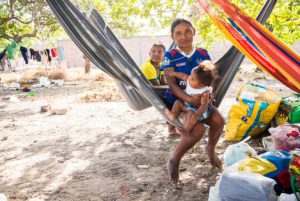
Venezuelan Refugee CrisisWith over 7.13 million refugees and migrants, the Venezuelan refugee crisis has become the largest external displacement of people in the history of the western hemisphere. Most of the refugees flee from economic hardships and political corruption that’s plagued Venezuela for over 10 years.

Thankfully, many state and non-governmental organizations have stepped in to help out with the crisis. The largest contributor to the humanitarian response, however, is the U.S. State Department. Through its various branches, the State Department gives aid to the refugees, helping to heal the divide between the U.S. and Venezuela.

The Crisis

The origins of Venezuela’s crisis began long before the last few years. Arguably, they go all the way back to when investors found large oil reserves in the country in the 1920s. While their economy grew exponentially due to this discovery, it resulted in an increasing reliance on oil.

Years later, President Hugo Chavez utilized the nation’s oil wealth to expand social services, but also greatly expand his presidential powers to near-dictatorial levels. This is partly responsible for Venezuela’s consistent ranking as one of the most corrupt countries in the world.

Chavez’s successor Nicolas Maduro took power in 2014 and continued to enact corrupt policies while consolidating more presidential power. At the same time, the price of oil declined sharply and the Venezuelan economy declined with it, according to the Council on Foreign Relations (CFR).

Since then, the people of Venezuela have faced an extreme lack of economic opportunity, food scarcity, lack of medical resources, crime and lack of proper housing, giving rise to the Venezuelan refugee crisis. At the same time, they have continually tried and failed to oust their corrupt government from power. Because of all this, millions of migrants and refugees have fled to neighboring countries and other parts of the world.

State Department Aid

Though relations between the government of the U.S. and Venezuela have soured, the State Department is still intent on helping Venezuelans both within their own country and living abroad as refugees.

Since 2017, the U.S. State Department has given more than $2 billion in aid towards the Venezuelan crisis, making it the largest donor in the world. The State Department works through two separate agencies to assist Venezuelans. These are the Bureau of Population, Refugees, and Migration (PRM), which is a subsidiary of the State Department itself, while the other is USAID. While both agencies work closely with each other, each has unique roles in providing aid to refugees all around the world, including the U.S. and Venezuela.

PRM primarily focuses on supporting refugees living outside of Venezuela. Its work helps provide a range of essential services including shelter, health care, water, sanitation, hygiene, education and more. Workers distribute this aid in 17 countries throughout South America, Central America and the Caribbean. PRM also utilizes refugee coordinators to work diplomatically with local government officials.

By contrast, USAID is more focused on helping Venezuelans in Venezuela with the same kind of necessary support PRM provides. However, it also assists refugees living in neighboring countries such as Brazil, Colombia, Ecuador and Peru.

Latest Developments

Thankfully, the U.S. government affirmed its continued support for Venezuelan refugees at the ninth Summit of the Americas in June 2022. There, President Biden announced an additional $314 million in aid to Venezuelan refugees scattered throughout the western hemisphere.

The aid funding goes to both PRM and USAID with the former receiving $103 million and the latter receiving $171 million. An additional $40 million for development was also given to USAID.

And though much work between the U.S. and Venezuela has helped millions of refugees, there is a need for continued action. With time and effort, the State Department’s latest round of aid could alleviate much of the suffering. And if the U.S. and other governments continue to give crucial humanitarian assistance, there is hope that one day, Venezuela’s refugee crisis will be a thing of the past.

–Jonathon Crecelius

Photo: Flickr
June 26, 2023
https://borgenproject.org/wp-content/uploads/borgen-project-logo.svg 0 0 Naida Jahic https://borgenproject.org/wp-content/uploads/borgen-project-logo.svg Naida Jahic2023-06-26 07:30:262023-06-23 04:31:44United States’ Intervention in the Venezuelan Refugee Crisis
Global Poverty

How Locally-Led Development Can Foster Inclusive Systems

Development theorists have debated the best methods to foster sustainable development since the advent of international development. The development industry is now recognizing that those it intends to help must lead the way and this is achievable through locally-led development.
The Importance of Locally-Led Development

Locally-led development recognizes that development is not a one-size-fits-all solution and acknowledges that the countries, cities and communities receiving foreign aid have unique needs, perspectives and expertise that groups must consider when designing and implementing development programs.

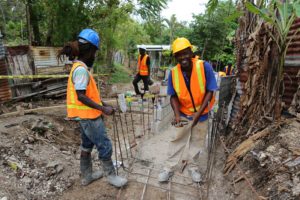
Through locally-led development, local actors such as communities, networks, governments, private organizations and individuals own the development process, creating programs that address their needs within their unique contexts.

International development actors such as foreign governments and development contractors take an advisory role, supporting the capacity and resources of local actors as they work to solve their development needs. Locally-led development plays an instrumental role in promoting sustainable development, particularly through its potential to promote inclusive political and economic systems.

Inclusive Systems

Inclusive systems are vital for the long-term growth of a country. Nations with inclusive political and economic institutions, where governments distribute power widely and people can participate in the political and economic process, tend to be more prosperous. In contrast, nations with extractive political and economic institutions, where power is concentrated in the hands of a few and most people face political and economic exclusion, tend to struggle with poverty and underdevelopment.

Inclusive systems prioritize the participation and representation of all members of society and ensure that everyone has a voice in decision-making processes that affect their lives and that governments design programs and policies to benefit the entire population, not just a privileged few. This is alongside prioritizing innovation, investment and economic growth. Ultimately, inclusive systems ensure that governments design policies and programs to benefit those who are most marginalized and disadvantaged.

According to the United Nations (U.N.), inclusive institutions are not the natural or inevitable outcome of economic development or technological progress but are the result of negotiation and internal political reform. The creation of inclusive institutions requires a broad-based coalition of citizens who are willing to challenge and dismantle extractive institutions that concentrate power.

Locally-led development is vital for foreign aid to work in building inclusive systems because it allows change to be led from within instead of being orchestrated by an outside force, a necessary aspect of constructing inclusive systems.

Making Locally-Led Development Work

USAID and other key donors have begun acknowledging the importance of locally-led development. The organization announced goals for localization, such as committing 25% of its budget by 2025 to local institutions taking part in development activities. Additionally, “50[%] of programming will place local communities in the lead by 2030,” according to USAID.

In addition, USAID has developed a locally-led development checklist that allows its missions and partners to gauge the amount of local adaption and development in their projects. Donors are also working with governments to build inclusive systems in foreign aid through direct cash transfers. Direct funding shifts the paradigm of international development projects, moving away from the traditional project life cycle where a government contractor goes into a country to accomplish a particular development objective over a selected amount of time.

Instead, funding is directly given to national governments to facilitate the delivery of inclusive services while development practitioners work with governments to manage the cash flow and protect against corruption through risk mitigation, monitoring and capacity building. A current USAID program using direct funding mechanisms has seen scalable success in Malawi.

Key Facets of Successful Locally-Led Development

  • Development must recognize the critical roles of civil society, community leaders and advocacy organizations while empowering governments as conveners and connectors. Without this step, inclusivity will not manifest.
  • Strengthen local and preexisting capacities to achieve their own missions versus restructuring them to become donor contractors or grantees.
  • Development agencies and country partners must align with common development objectives for which the local partners are accountable. This is achieved through co-designed work plans and risk mitigation plans that outline the main activities for funding and supporting local agencies.
  • Development partners are responsible for supporting and advising local partners, rather than executing work on their behalf.
  • Establish a shared understanding between the development agency and country counterparts regarding milestones and necessary resources. This roadmap may include indicators as triggers for payment milestones. Prior to implementation, both parties must agree on the potential investments and resources required to achieve each milestone.
  • To balance the power of national governments, the focus must move to involve building the capacity of local institutions such as community-based organizations, local government bodies and civil society organizations. These institutions can act as conduits for citizen participation in systems and provide channels for feedback and accountability.
  • Development initiatives must prioritize marginalized communities, including women, youth and minorities.
  • Place focus on local economies by promoting community entrepreneurship and local enterprise development. This can help create jobs and increase economic opportunities, which can, in turn, lead to greater participation in systems and decision-making processes.

A Look Ahead

Overall, inclusive systems can help promote pro-poor growth by ensuring that economic policies and programs benefit the entire population, especially the marginalized. Locally-led development plays a critical role in building inclusive systems by empowering local communities and marginalized groups and facilitating participation in the decision-making processes.

By putting funding in the hands of the communities that require aid, locally-led development can be the catapult for the formation of inclusive systems that promote sustainable long-term growth.

-Andrew Giganti

Photo: Flickr

June 16, 2023
https://borgenproject.org/wp-content/uploads/borgen-project-logo.svg 0 0 Kim Thelwell https://borgenproject.org/wp-content/uploads/borgen-project-logo.svg Kim Thelwell2023-06-16 07:30:292023-06-14 02:43:50How Locally-Led Development Can Foster Inclusive Systems
Global Poverty, Humanitarian Aid

How USAID is Providing Aid in Sudan

Aid in Sudan
Sudan has entered a new period of civil conflict, throwing an already delicate humanitarian situation into a full-blown crisis. As the Sudanese Armed Forces (SAF) and the Rapid Support Forces (RSF) fight for military control in the streets of Khartoum and across the country, more than 330,000 Sudanese civilians have experienced internal displacement since April 15. However, the United States Agency for International Development (USAID) and other organizations are providing aid in Sudan and making a difference.

The Situation

More than 100,000 people have fled the country and the United Nations High Commissioner for Refugees (UNHCR) estimates that the number will rise to more than 800,000 as the crisis continues. Neighbouring countries Chad and Egypt, have each welcomed tens of thousands of Sudanese refugees seeking aid. 

Before the conflict, the North African nation was already struggling to provide sufficient food and medical care to support its citizens. More than 16 million people, approximately one-third of Sudan’s population, relied on some form of humanitarian support before the conflict began. Unfortunately, the process of getting foreign aid across to those in need could become even more challenging due to the conflict. Port Sudan along the coast of the Red Sea is the only available entry point for aid into Sudan according to the International Committee of the Red Cross Africa. The epicenter of the humanitarian crisis is in the Darfur region, which is difficult to reach due to security concerns.

Restarting Aid in Sudan

Many foreign aid actors suspended their humanitarian activities in Sudan when the conflict broke out in Khartoum on April 15th, due to active fighting and the closure of the country’s borders. The World Food Programme (WFP) lifted its temporary suspension on foreign aid activities on May 1 after three staff members were killed in North Darfur when the fighting began. The WFP has stated that it will distribute food assistance in Al Jazirah, Gedaref, Kassala and White Nile.

However, humanitarian access will remain limited in the most impacted regions of Darfur, Khartoum and Kordofan. USAID Bureau of Humanitarian Assistance (BHA) and the State Department’s Bureau of Population, Refugees and Migration coordinate with multiple United Nations aid organizations to bolster food security and humanitarian aid in Sudan. Partnering with the WFP, USAID/BHA assisted approximately 1.1 million people in Sudan with emergency food and nutrition assistance in February 2023.

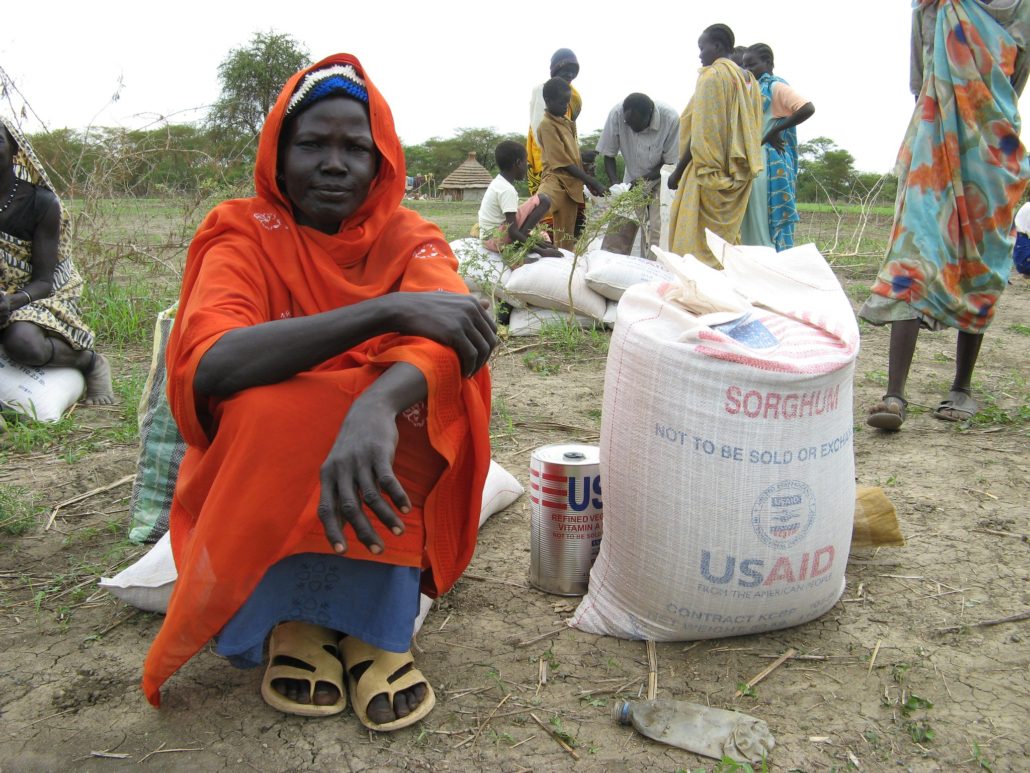
The U.S. agency delivered about 45,000 metric tons of American-sourced Sorghum to Sudan between November 2022 and April 2023 to support critical food shortages in the country. USAID has also worked with UNHCR and the United Nations Children’s Fund (UNICEF) to provide water, sanitation and hygiene assistance in order to prevent the spread of infectious diseases such as dengue and malaria. Partner agencies have improved access to clean drinking water in conflict-impacted areas and have provided hygiene awareness sessions.

Opening Pathways for Aid in Sudan

The United States Government has demonstrated a commitment to supporting humanitarian aid efforts in Sudan amidst the violent civil conflict. The government has pledged $162,511,131 to USAID programs to support its humanitarian aid in Sudan for the fiscal year 2023. This funding comes in the form of financial aid to various U.N. partner agencies that provide food and medical aid to people in need all throughout the country.

U.S. State Department officials are in ongoing negotiations to open up additional avenues for humanitarian aid to Sudan. Envoys representing both warring factions have traveled to Jeddah, Saudi Arabia as part of “pre-negotiation talks” mediated by the United States and Saudi Arabia. Neither military faction has shown a willingness to negotiate an end to the conflict, but there are considerations regarding reaching a humanitarian truce. U.S. officials are cautiously optimistic that the two sides can reach an agreement to allow additional humanitarian aid to reach Sudan. However, Undersecretary of State for Political Affairs Victoria Nuland has stated that the U.S. is willing to apply economic pressure to the parties “depending on how talks go.”

Looking Ahead

Despite the ongoing civil conflict in Sudan, international aid organizations, including USAID, are working tirelessly to provide critical assistance to those affected by the crisis. While the situation remains challenging, the lifting of suspensions on aid activities and the commitment of the U.S. government to support humanitarian efforts offer hope for improving the dire conditions in the country. Negotiations for a potential humanitarian truce provide a glimmer of optimism, with the possibility of opening up pathways for additional aid to reach Sudan.

– Jeremy Rosen
Photo: Flickr

May 15, 2023
https://borgenproject.org/wp-content/uploads/borgen-project-logo.svg 0 0 Jennifer Philipp https://borgenproject.org/wp-content/uploads/borgen-project-logo.svg Jennifer Philipp2023-05-15 10:34:242024-05-30 22:31:06How USAID is Providing Aid in Sudan
Gender Equality, Global Poverty

USAID Efforts to Advance Gender Equality

Advance Gender EqualityGender equality is a fundamental human right that is crucial for sustainable development. USAID, the United States Agency for International Development, advances gender equality through its policies, programs, and partnerships. USAID has implemented a range of strategies to promote gender equality, including the following three:
The Women’s Global Development and Prosperity (W-GDP) Initiative

The Women’s Global Development and Prosperity (W-GDP) Initiative was launched in 2019 by the Trump administration to promote women’s economic empowerment globally. The initiative has reached over 12 million women in its first year and aims to reach 50 million women in developing countries before 2025 through various programs, partnerships, and initiatives. W-GDP focuses on three pillars:

  • Women Prospering in the Workforce: This pillar aims to support women’s entrepreneurship, increase their access to capital and improve their workforce development skills.
  • Women Succeeding as Entrepreneurs: This pillar focuses on supporting women-owned and women-led businesses, improving access to markets and promoting innovation and technology.
  • Women Enabled in the Economy: This pillar aims to increase women’s access to financial services and assets and remove legal, regulatory and cultural barriers that hinder women’s economic participation.

W-GDP has already made significant progress toward its goals to advance gender equality. The initiative has launched several innovative programs and initiatives that have helped thousands of women entrepreneurs and business owners in the developing world.

U.S. Strategy on Women, Peace and Security

The U.S. Strategy on Women, Peace and Security (2019) is a comprehensive plan that aims to advance gender equality by promoting women’s participation in peace processes and conflict prevention. The strategy recognizes the importance of women’s leadership and participation in decision-making processes. It seeks to address the unique needs and challenges faced by women and girls in conflict-affected areas. The strategy outlines four main objectives:

  • To increase women’s participation in peace negotiations, conflict prevention and resolution.
  • To promote women’s protection and access to relief and recovery services in conflict-affected areas.
  • To support women’s economic empowerment and access to education and training in conflict-affected areas.
  • To improve data collection and monitoring of women’s participation and protection in conflict-affected areas.

During the fiscal year 2021, USAID supported more than 77,000 women’s participation in leadership, legal, political, conflict mediation and peacebuilding processes. Additionally, over 5.3 million gender-based violence survivors received crucial health care, legal aid, economic services and psychosocial support. To support women and girls in countries affected by natural disasters, crisis, violent extremism and conflict, USAID invested more than $243 million in various programs.

Ending Child Marriage and Meeting the Needs of Married Children

This document outlines USAID’s strategy for addressing child marriage and supporting married children. The report recognizes child marriage as a harmful practice that can have devastating consequences for girls, including limited access to education, health care and economic opportunities as well as increased risk of gender-based violence. It is estimated that every year around 10 million girls are married before they turn 18. In developing nations, 1 in 7 girls is married before turning 15 and some child brides are as young as 8 or 9. Orphans and young girls without involved caregivers are especially at risk of early marriage. 1 in 9 girls between the ages of 10 and 14 were coerced into a marriage.

The report outlines several key strategies for ending child marriage and supporting married children:

  • Addressing the root causes of child marriage, such as poverty, focusing on approaches that advance gender equality and social norms that devalue girls.
  • Increasing access to education and economic opportunities for girls which can help delay marriage and provide alternatives to child marriage.
  • Promoting laws and policies that protect girls’ rights and prohibit child marriage.
  • Strengthening health systems to provide reproductive health services and support for married children.
  • Engaging with communities and religious leaders to shift social norms and attitudes towards child marriage.

Different stakeholders, including governments, civil society organizations and religious leaders must cooperate to address child marriage and support married children. There is a need for data and evidence-based programming to address the issue effectively. The report presents a comprehensive vision for ending child marriage and meeting the needs of married children and provides a roadmap for USAID’s efforts in this area.

USAID’s strategies that advance gender equality demonstrate its commitment to promoting women’s empowerment, reducing gender disparities and improving the lives of women and girls globally. Through its policies, programs and partnerships, USAID strives to create a more just and equitable world where everyone can thrive.

– Nino Basaria
Photo: Flickr

April 26, 2023
https://borgenproject.org/wp-content/uploads/borgen-project-logo.svg 0 0 Jennifer Philipp https://borgenproject.org/wp-content/uploads/borgen-project-logo.svg Jennifer Philipp2023-04-26 01:30:572023-04-26 10:37:19USAID Efforts to Advance Gender Equality
Education, Global Poverty

Educational Support for Orphans in Lesotho

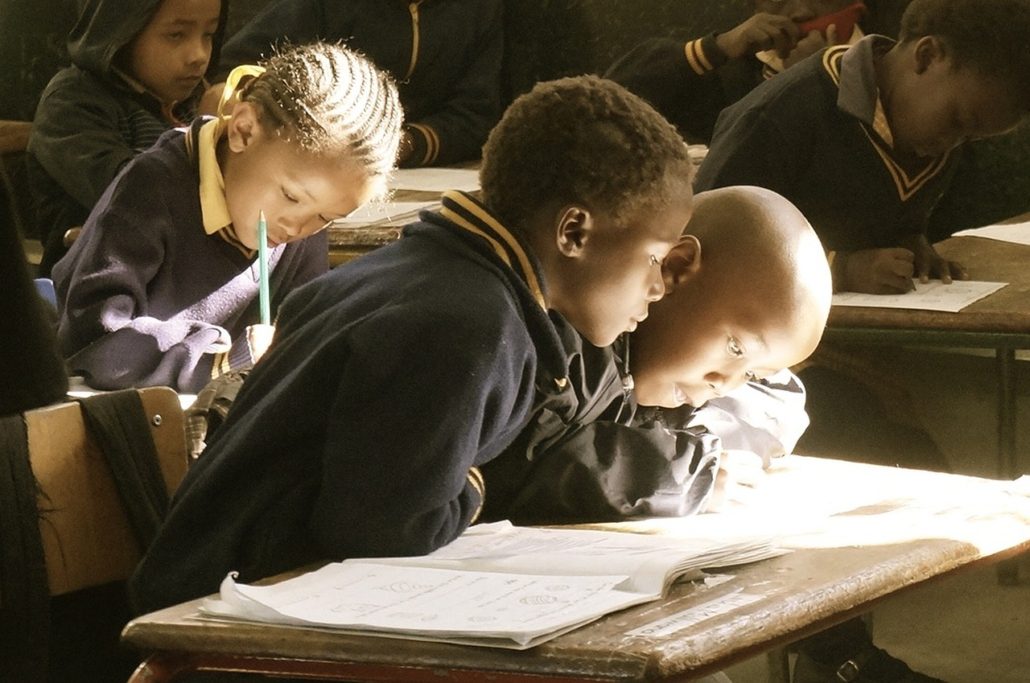
Orphans in LesothoThere are more than 13.8 million children globally between 0-17 years who have lost their parents to AIDS. Lesotho has a high prevalence of HIV/AIDs. This disease has rendered a lot of children orphans leaving more than 200,0000 orphans in Lesotho. As a result of this, orphans are unable to return to school but rather work or beg for survival. Educational support for orphans in Lesotho is important as this allows them to have better chances in life.

Disadvantages of Orphans in Lesotho

Many orphaned children take the roles of their parents in heading households and finding a source of food to survive rather than studying. Also, due to the absence of parental care, some orphans develop behavioral problems.

Orphans, when taken to live with other people often end up in poor living conditions such as poor hygiene, poor nutrition and lack of school materials. This ends up impacting negatively their education and calls for concern.

Although orphans may find it difficult to enroll themselves in school, basic education is necessary. Pre-primary education can yield high returns but despite this fact, little funding from the national budget goes toward education in some countries. In Lesotho, the educational budget was less than 1% some years back.

Educational Initiatives for Orphans in Lesotho

Free access to pre-primary education for every child is Sustainable Development Goal 4.2. In Lesotho, primary education was made free and compulsory in 2010 for all children 6 to 13 years of age. Also, a number of programs aimed at protecting the rights of orphans and vulnerable children in Lesotho emerged. These programs have undergone implementation and are now producing positive outcomes. The programs target educational support, psychological assistance, home support and food security.

The United States Agency for International Development (USAID) Orphan and Vulnerable Children (OVC) program through the U.S President’s Emergency Plan for AIDS Relief (PEPFAR) provides funding for girls’ education to improve access to education from the early stage of education to completion. They further help to improve financial skills and connect them to employment opportunities. This program focuses on orphans, children or caregivers living with HIV and those at risk of contracting HIV. They also collaborate with other USAID-supported initiatives in the area of education, health and economic strength to enhance the resilience of young people.

The Better Early Learning and Development at Scale Initiative

An initiative, the Better Early Learning and Development at Scale initiative (BELDS) in Lesotho focused on improving the delivery of early childhood educational environment and services.

The Global Partnership for Education and UNICEF have partnered with the BELDS initiative to ensure proper planning, financing and implementation of the early childhood education program.

The Roger Foundation School Readiness Initiative started in June 2020 and should last until December 2025 aims to ensure that vulnerable children in Lesotho have access to pre-primary education and early childhood development. It is expected to reach at least 60,000 children in 800 schools. In addition, the Roger Federer Foundation developed a tablet for offline use. This tablet, called the early learning kiosk, helps teachers in early childhood education to access beginner topics.

Looking Ahead

HIV/AIDS has turned a lot of children into orphans and also made them attain adult roles. However, various organizations have made education more easily accessible to them, even when it may have become the last priority. These initiatives not only focus on education for orphans but also on supporting them psychologically and financially in their communities and homes.

– Chidinma Nwoha
Photo: Pixabay

April 23, 2023
https://borgenproject.org/wp-content/uploads/borgen-project-logo.svg 0 0 Jennifer Philipp https://borgenproject.org/wp-content/uploads/borgen-project-logo.svg Jennifer Philipp2023-04-23 01:30:402023-04-21 15:00:02Educational Support for Orphans in Lesotho
Global Poverty

The Benefits of Electric Vehicles in Kenya

ELECTRIC VEHICLES IN KENYAKenya is among the African countries that are moving toward using electric vehicles, the introduction of which could positively benefit the economy and environment. Kenya currently has 671 electric motor vehicles in total with two-wheelers accounting for about 50% of this number. A recent Mckinsey study says the demand for electric vehicles is increasing and Kenya will make this transition quicker than many other African countries, “with electric vehicles accounting for 60 to 75[%] of all two-wheeler sales by 2040.” This projection considers several factors, including a better power supply in Kenya and an increase in the number of e-mobile companies operating in Kenya.
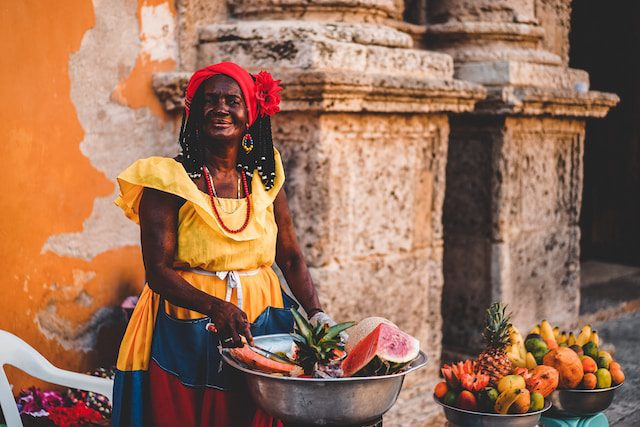
Kenya’s rapidly growing economy has earned it the status of a lower middle-income country, but it still struggles with a wide gap between the wealthy and the impoverished. This economic inequality is illustrated by the fact that two-thirds of Kenyans earn less than $3.20 per day, according to USAID. Moreso, the level of extreme poverty in Kenya is expected to stand at 25.3% in 2023.

Benefits of Electric Vehicles in Kenya

In Kenya, 75% of rural residents are farmers who typically lack access to cars, making it challenging for them to obtain fertilizers and seeds for planting. While some of them walk to their farms, motorcycles and bicycles are the popular modes of transportation.

Given the widespread use of two-wheeled vehicles in both urban and rural areas of Kenya, shifting to electric motorbikes can potentially increase mobility for residents while reducing greenhouse gas emissions and bringing other socio-economic advantages. Kenya will benefit from reduced air pollution when using electric vehicles. Nairobi, the capital city, has a pollution level of 70%, and this results in 19,000 deaths per year.

Ian Mbote, a staff member of Ampersand, an e-mobile company established in 2020 that has operated in Kenya since May 2022, spoke to African News about the cost efficiency of electric motorcycles. According to Mbote, swapping a full battery of an electric motorcycle costs 185 shillings and covers a distance of about 100 kilometers. In comparison, the cost of fuel for a fossil-fueled vehicle is 180 shillings per liter, which only covers a distance of 30 to 40 kilometers.

Electric Vehicles Initiatives in Kenya

One drawback of using electric vehicles in low and middle-income countries is the high cost of purchase, which may make the vehicles unaffordable for people living in poverty.

Several African governments are taking measures to make electric vehicles more affordable to their citizens. In Kenya, for example, the national treasury has lowered the excise duty for fully electric cars from 20% to 10%, making the vehicles more accessible. The government’s target is for electric vehicles to account for 5% of total imports by 2025, which would result in the importation of more than 15,000 such vehicles per year.

In addition to these measures, the Kenyan government plans to convert 2,000 cars and trucks to electric power over the next four years. According to CleanTechnica, “Kenya has an installed electricity generation capacity of 3,321 MW [and] the peak demand is 2,132MW. It is the low overnight off-peak demand of 1,100MW that Kenya Power wants to exploit initially to power Kenya’s transition to electric mobility.”

Looking Ahead

The high cost of electric vehicles is still an issue for many Kenyans living in poverty. But, there is still hope as efforts by the government are ongoing to make electric vehicles more accessible. These measures aim to bridge the gap between the high cost of electric vehicles and the need for sustainable transportation options in Kenya.

– Chidinma Nwoha
Photo: Flickr

April 18, 2023
https://borgenproject.org/wp-content/uploads/borgen-project-logo.svg 0 0 Kim Thelwell https://borgenproject.org/wp-content/uploads/borgen-project-logo.svg Kim Thelwell2023-04-18 01:30:322023-04-17 08:09:40The Benefits of Electric Vehicles in Kenya
Global Poverty, Women

The Vulnerabilities of Afro-Colombian Women

Afro-Colombian WomenAs a marginalized group, Afro-Colombian women are more vulnerable to experiencing racism, discrimination, violence and poverty. For decades, these issues have led to the disempowerment and marginalization of these women. Afro-Colombian women are especially vulnerable to experiencing human rights violations, particularly sexual violence, due to multiple forms of discrimination based on their race, gender and low social ranking. Government estimates indicate that “72% of the Afro-Colombian population is in the country’s two lowest socio-economic strata.”
Poverty and Inequalities Impacting Afro-Colombian Women

According to a 2020 report issued by the Immigration and Refugee Board of Canada, Afro-Colombians, in general, inordinately lack access to food, health care, education, economic opportunities and other resources necessary to escape poverty and live an improved quality of life. Factors including civil armed conflict and gender inequality have compounded with racism to exacerbate the injustices that Afro-Colombian women, specifically, face.

Between 1958 and 2015, Colombia’s ongoing conflict internally displaced more than 5.8 million people, with women accounting for about 58% of these displacements. Women, in general, not only face higher risks of displacement and poverty but also of abuse and exploitation. These risks increase among Afro-Colombian women and women belonging to other marginalized groups.

Colombia is one of the most monetarily unequal countries in the world and 19.6 million people in Colombia (about 39% of the population) lived in poverty at $6.85 or less per day in 2021. While the overall rate of poverty in Colombia has fluctuated throughout the years and the country has noted poverty declines, marginalized groups did not experience this relief and some faced an increase in poverty. Rural populations, which consist of many Afro-Colombian and Indigenous communities, had an increase in poverty from 2020 to 2021 (42.9% to 44.6%) while an estimated 1.4 million people “working in urban services and commerce” rose out of poverty in 2021 due to Colombia’s economic recovery.

In 2015, approximately 41% of the Afro-Colombian population lived in poverty in comparison to 27% of non-Afro-Colombian or non-Indigenous Colombians.

Lack of Access to Resources and Services

Certain factors, such as gender and racial discrimination, contribute to a greater risk of poverty among Afro-Colombians and exacerbate existing conditions of poverty. The racism that Afro-Colombian women face impacts every aspect of their lives and keeps them from accessing resources that would place them in positions of economic and social advancement. Research shows that nations can raise their GDP by US$2.1 trillion annually by dissolving racial income gaps.

When speaking with the United Nations Rapporteur in 2001, groups of Afro-Colombian women stated that they had little access to many basic resources, such as work and income, as a result of racism.

“Groups of women in Quibdó, where 85% of the population is Afro-descendent, indicated that most of the population lives in extreme poverty. Quibdó is the locality with the least water supply coverage in the country, 81% of homes have no sewage, illiteracy is up to 19% and maternal mortality rates are high,” according to the Inter-American Commission on Human Rights.

This lack of accessibility that is caused by internal national racism leads to the perpetual disenfranchisement of this community and causes them to live in the most impoverished cities. For example, the Choco region of Colombia is the most impoverished area of the country and approximately 85% of its population is Afro-Colombian.

Indigenous Peoples and Afro-Colombian Empowerment Activity (IPACE)

Several organizations and activist movements work toward empowering and helping Afro-Colombian communities. Among these is the United States Agency for International Development through its most recent plan: Indigenous Peoples and Afro-Colombian Empowerment Activity (IPACE).

Beginning in 2011, USAID has worked closely with Colombia’s Afro-Colombian population to promote inclusion and empowerment. In December 2021, USAID implemented IPACE, which is a $60 million initiative that connects with locally-led organizations to further their goals and elevate their voices on the national scale. IPACE’s mission is to help implement and uphold the 2016 Peace Accord in Colombia, specifically focusing on peacebuilding and inclusivity.

IPACE also aims to sustainably help economic development by providing training and job placements, risk management through emergency preparedness and services and diversity and inclusion support through acknowledging ancestral practices and building awareness of cultural differences. What sets IPACE apart from other initiatives is the commitment to a locally-led approach through an alliance of 10 partner organizations, all of which are either indigenous or Afro-Colombian. These organizations help IPACE lead and make decisions that are in the best interest of these populations.

Looking Ahead

Afro-Colombian women face multiple vulnerabilities as a result of marginalization and discrimination, which keeps them stuck in the depths of impoverishment. The intersection of racism, poverty and violence creates a cycle of inequality that the government and organizations must address at the root. Fortunately, organizations such as USAID and other locally-led groups are committed to changing the narrative and upholding the rights of Afro-Colombian women.

– Kellyjohana Ahumada
Photo: Unsplash

April 9, 2023
https://borgenproject.org/wp-content/uploads/borgen-project-logo.svg 0 0 Jennifer Philipp https://borgenproject.org/wp-content/uploads/borgen-project-logo.svg Jennifer Philipp2023-04-09 05:21:052023-04-25 02:26:05The Vulnerabilities of Afro-Colombian Women
Global Poverty

State of Health care in Vietnam

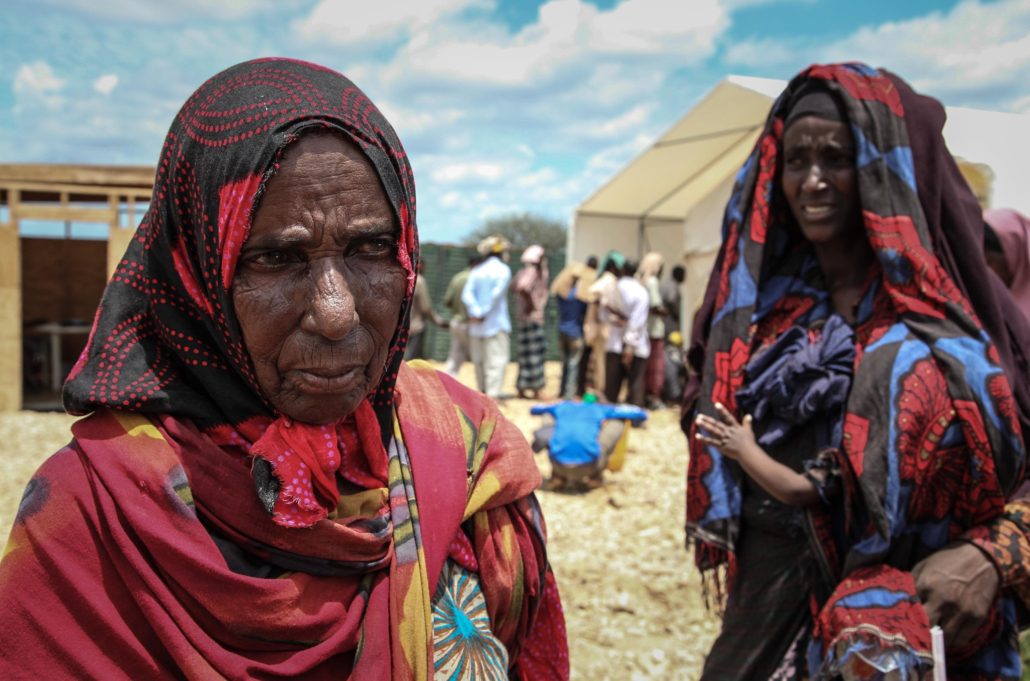
Health care in VietnamVietnam’s public health system has faced significant challenges in recent years, from diseases including tuberculosis, HIV/AIDS and COVID-19. With the help of organizations including USAID and the CDC, however, Vietnam has also achieved a great deal of success in addressing these issues. Here are some important things to know about health care in Vietnam, and how foreign aid programs have contributed to its development.

The Centers for Disease Control and Prevention (CDC)

The CDC’s partnership with the Vietnamese government celebrates its 25th anniversary in 2023. Since 1998, the CDC has supported Vietnam in establishing programs to improve the treatment of diseases including TB, HIV and influenza. The number of HIV sentinel surveillance sites, for instance, which help Vietnam detect and monitor patterns of infection have doubled since 2003. Furthermore, a clinical trial for a new TB treatment conducted by the CDC in Vietnam reduced the length of treatment from six months to only four; it was the first new treatment regimen, in any country, for the disease in three decades. The CDC has also aided in the creation of five emergency operations centers to support the country’s health care system in times of crisis, such as the COVID-19 pandemic.

The World Bank

In 2013, the World Bank funded a $126 million project to protect and improve the public hospital system in 13 provinces in North Vietnam. The North East and Red River Delta Regional Health System Support Project aimed to solve the overcrowding problem that many Vietnamese hospitals were experiencing. It was a success — nearly half of the 74 hospitals included in the program were awarded the Vietnamese Ministry of Health’s upper hospital classification, and patient satisfaction rates experienced a marked increase, reaching 88.5% at the district level. Almost 5,000 local doctors received training from Vietnam’s top medical specialists, learning around 3,000 new techniques to use in their own communities.

USAID

In an effort to ensure an effective response to the COVID-19 pandemic, USAID provided Vietnam with $12 million in aid in 2020. This included $4.7 million in funding for laboratory systems, public health screenings, infection prevention in health care settings and 100 ventilators. USAID also provided $5 million in support of the country’s economic recovery.

Other programs financed by USAID that support health care in Vietnam include Erase TB. This initiative has improved the country’s ability to detect and treat tuberculosis, contributing to a decline in cases of the disease in Hanoi and Ho Chi Minh City. Additionally, USAID’s Local Assistance to Develop and Deliver Excellence, Resilience and Sustainability in Vietnam (LADDERS) program helps high-risk people living with HIV, often living in remote areas, to access testing and treatment services.

The World Health Organization (WHO)

The WHO has supported Vietnam with the goals set out at the ninth Global Conference on Health Promotion, held in 2016. These are:

  • Good governance – promotes an approach in which health care is central to government policy and policies that protect citizens’ health and wellbeing are prioritized
  • Health literacy – ensures that citizens have the information they need to make healthy choices and to access health care.
  • Healthy cities – reinforces the need for high-quality health care services and planning at the local level, to improve the state of the country’s overall health care system.

Vietnam’s 1,332 hospitals, alongside its community services and laboratories, have significantly improved patient access to higher quality health care in recent decades. The work done, and aid given, from both American and global organizations has been vital to this record of success and continues to help Vietnam improve the standard of care that its citizens receive. Health care in Vietnam is more effective thanks to the enduring partnerships established between these organizations and the Vietnamese government.

– Martha Probert
Photo: Flickr

April 7, 2023
https://borgenproject.org/wp-content/uploads/borgen-project-logo.svg 0 0 Jennifer Philipp https://borgenproject.org/wp-content/uploads/borgen-project-logo.svg Jennifer Philipp2023-04-07 07:30:412026-04-16 10:09:12State of Health care in Vietnam
Global Poverty

Elderly Poverty in Burundi

Elderly Poverty in Burundi
Burundi, located in Central Africa, is one of the least developed countries in the world. According to the U.S. Department of State, more than 85% of its population lives in poverty, with 80-90% of people living in rural areas where agriculture is the main source of livelihood.

Although there is limited data on elderly poverty in Burundi, the country’s life expectancy in 2020 was 62, significantly lower than the 2020 global average of 72. Yet, in 2019, the age dependency ratio — the ratio of unemployed elderly dependents to working-age people — in Burundi was 95.2%, a value significantly higher than the 85.1% global average. The country’s high dependency ratio reflects the inordinate financial stress that its working population, and the economy as a whole, face in supporting the elderly. Factors compounding this stress include a high level of food insecurity; a steadily rising population; poor access to health, education and clean water; and susceptibility to climate-related devastation.  

The Concerns of Burundi’s Elderly

As early as 1999, Cécilie Siboniyo, an 80-year-old woman living in the Buraniro Refugee camp, expressed concern that children were becoming less well-educated and losing their sense of community responsibility. She noted that increasing distractions and a growing lack of respect for elders were making it difficult to teach social values. She was hopeful that directing media attention to this problem would help pave the way for a brighter future.

Still, Abtwahi Al Hajj, a 77-year-old man living in Ngozi, Burundi, feared for the future. He worried that young people no longer felt a duty to care for the elderly.

Such concerns are valid. A comparative analysis of ageism in Belgium and Burundi found that, while both Burundian and Belgian adults living in Belgium valued the elderly, Burundians living in their own country saw the elderly as poor and weak. The study correlated this perception to a lack of social and economic resources and a “lack of government spending on older people (pension and health care systems)” in less developed countries like Burundi.

Need for Action

Land shortages, changing weather patterns and overpopulation in Burundi are making survival increasingly difficult for a population that relies upon agriculture for food and income. With more than 60% of the population undernourished, malnutrition is one of the leading causes of death in the country.

To ensure progress and a better life for Burundi’s elderly, social and economic resources must go toward helping the many who live in poverty. According to a World Bank report, targeting pensions to support elderly people who are responsible for households and children would also have a significant impact on reducing poverty in Burundi overall.

Positive Impact of Organizations in Burundi

Despite the severity of the situation, numerous organizations have partnered with the Burundi government to provide help for the elderly who face poverty and food insecurity.

The World Food Programme (WFP) has partnered with the United Nations to support the Burundi government in providing immediate and long-term assistance for the elderly and vulnerable. In 2022, WFP and its donors assisted 995,651 Burundians in need, an act of service that the organization has committed itself to continue.

The World Bank and the United States Agency for International Development (USAID) have also helped negotiate policies to make the country’s most valuable crop, coffee, more lucrative. Now, European and U.S. companies purchase coffee directly from Burundian producers. USAID is also working to help improve the country’s agricultural resource base. In addition to providing better seed varieties, it is helping to advance crop and livestock production, provide guidance for soil preservation and ensure that the most vulnerable have access to a healthy, diversified diet.

Additionally, USAID is working to build social welfare in Burundi, emphasizing food security, democracy, economic growth and health care. It has strengthened the health system by ensuring access to quality maternal and child care, medications and other basic necessities.

Finally, the African Union has developed the Maputo Protocol to promote human rights and the rights of women, with specific provisions for protecting women who are elderly. In late 2022, the African Union Commission and Gender, Peace and Security Programme concluded a joint mission to Burundi to advance the implementation of the Maputo Protocol, which the Burundi government signed in 2003. The hope is that the country will fully adopt and enforce the protocol by July 2023.

A Brighter Future

Although elderly poverty remains a growing problem in Burundi, the Burundi government and numerous international organizations are working to ensure a better future for the country’s elderly and population at large. Such a clear commitment to this goal is sure to inspire hope and positive change.

– Chidinma Nwoha
Photo: Flickr

April 6, 2023
https://borgenproject.org/wp-content/uploads/borgen-project-logo.svg 0 0 Jennifer Philipp https://borgenproject.org/wp-content/uploads/borgen-project-logo.svg Jennifer Philipp2023-04-06 01:30:522023-04-04 08:26:35Elderly Poverty in Burundi
Food Security, Global Poverty

AGRI-Ukraine Helps Tackle Global Food Insecurity  

Tackle Global Food Insecurity  
The Russian invasion of Ukraine has hindered Ukrainian agricultural production and jeopardized the food supply to the most vulnerable parts of the world. This threatens the food security of millions of people and hinders efforts to tackle global food insecurity.

The Breadbasket of Europe

Ukraine and Russia are the world’s largest suppliers of sunflower products, barley, maize and wheat. Due to its ample agricultural land and vast production of grains, Ukraine is known as the “breadbasket of Europe.”

According to the United Nations, about 821 million people suffered from hunger in 2021. The impact of the Russia-Ukraine war on food prices and the supply of important food supplies has exacerbated hunger, especially among import-dependent developing countries in the Middle East and Africa. For instance, about half of the wheat imports in Tunisia and Lebanon come from Ukraine. Food prices are increasing, and according to the projections of the World Trade Organization, the world should expect further increases if the conflict does not resolve soon.

AGRI-Ukraine: Supporting Ukrainian Farmers

In 2022, the price of wheat increased by about 60%, largely due to the impacts of the Russian invasion, a consequence that significantly affects net food-importing countries. During these times of crisis, support for Ukrainian farmers will help to tackle global food insecurity.

In January 2023, the U.S. Agency for International Development (USAID) and German multinational biotechnology company Bayer agreed to donate “high-quality vegetable seeds to Ukrainian farmers” to “bolster Ukraine’s export and agricultural sector needs,” the USAID website explains.

Bayer has partnered with USAID’s Agriculture Resilience Initiative for Ukraine (AGRI-Ukraine). This initiative builds on the previously established partnership between AGRI-Ukraine and Bayer, launched in October 2022, to specifically aid Ukrainian farmers and tackle global food insecurity.

Bayer will provide Ukrainian farmers with carrot seeds and USAID will distribute the donation to destitute farmers, with a foremost focus on households in “newly-liberated areas.” The first batch will cover as many as 25,000 homes and smallholder farmers, and over the growing cycle, USAID and Bayer will assess the need for more seeds.

This is a notable example of what can be achieved when the U.S. government and the private sector join forces. These kinds of partnerships have a tremendous positive impact on countries in need of aid.

Bayer for Ukraine

Bayer has supported Ukraine’s agriculture sector for more than 25 years. As part of its participation in AGRI-Ukraine, Bayer is additionally committing more than $35 million to increase the capacity of its Ukraine-based seed processing facility. Furthermore, the German multinational company has contributed “more than 40,000 bags of corn seed” and additional monetary support to secure a “mechanical mine clearing machine” for 1,750 small-scale farmers, enabling them to conduct their farming activities safely with the support of the U.S. Department of State-funded demining activities.

AGRI-Ukraine supports Ukrainian farmers’ access to necessary agricultural commodities, such as fertilizers, seeds and pesticides. Such efforts substantially increase the capacity of Ukrainian businesses to process agricultural goods and export them successfully on the international market.

Restriction in world trade has a snowball effect that impacts the entire global system. An export restriction in one country might provoke export restrictions in other countries, which will cause shortages in goods that states cannot supply themselves. Likewise, the war in Ukraine disrupts food markets, mainly through increasing prices for grains and oilseeds, which has dire ramifications for developing countries in the Middle East and Africa. Bayer’s contribution to AGRI-Ukraine illustrates the benefits of government and private sector collaborations and how joint efforts can help to resolve even the most complex issues.

– Nino Basaria
Photo: Flickr

April 5, 2023
https://borgenproject.org/wp-content/uploads/borgen-project-logo.svg 0 0 Jennifer Philipp https://borgenproject.org/wp-content/uploads/borgen-project-logo.svg Jennifer Philipp2023-04-05 01:30:392024-06-04 01:08:56AGRI-Ukraine Helps Tackle Global Food Insecurity  
Page 17 of 92«‹1516171819›»

Get Smarter

  • Global Poverty 101
  • Global Poverty… The Good News
  • Global Poverty & U.S. Jobs
  • Global Poverty and National Security
  • Innovative Solutions to Poverty
  • Global Poverty & Aid FAQ’s
Search Search

Take Action

  • Call Congress
  • Email Congress
  • Donate
  • 30 Ways to Help
  • Volunteer Ops
  • Internships
  • Courses & Certificates
  • The Podcast
Borgen Project

“The Borgen Project is an incredible nonprofit organization that is addressing poverty and hunger and working towards ending them.”

-The Huffington Post

Inside The Borgen Project

  • Contact
  • About
  • Financials
  • President
  • Board of Directors
  • Board of Advisors

International Links

  • UK Email Parliament
  • UK Donate
  • Canada Email Parliament

Get Smarter

  • Global Poverty 101
  • Global Poverty… The Good News
  • Global Poverty & U.S. Jobs
  • Global Poverty and National Security
  • Innovative Solutions to Poverty
  • Global Poverty & Aid FAQ’s

Ways to Help

  • Call Congress
  • Email Congress
  • Donate
  • 30 Ways to Help
  • Volunteer Ops
  • Internships
  • Courses & Certificates
  • The Podcast
Scroll to top Scroll to top Scroll to top