• Link to X
  • Link to Facebook
  • Link to Instagram
  • Link to TikTok
  • Link to Youtube
  • About
    • About Us
      • President
      • Board of Directors
      • Board of Advisors
      • Financials
      • Our Methodology
      • Success Tracker
      • Contact
  • Act Now
    • 30 Ways to Help
      • Email Congress
      • Call Congress
      • Volunteer
      • Courses & Certificates
      • Be a Donor
    • Internships
      • In-Office Internships
      • Remote Internships
    • Legislation
      • Politics 101
  • The Blog
  • The Podcast
  • Magazine
  • Donate
  • Click to open the search input field Click to open the search input field Search
  • Menu Menu

Tag Archive for: USAID

Information and news about mobile technology

Posts

Agriculture, Global Poverty, USAID

The Impacts of the USAID Complete Project in Palestine

The USAID Complete Project in PalestinePalestine is a region in the Eastern Mediterranean that encompasses parts of modern-day Israel, the West Bank and the Gaza Strip. It holds deep cultural, religious and historical significance for Jews, Christians and Muslims alike. Palestine, unfortunately, is in an economic tanking, with an estimated 45% increase in its poverty rate if things continue the way they have been. In 2000, the agricultural sector was the largest for the Palestinian economy, making up 22%. Today, it rests at 5-6% and slowly decreases as time goes on. However, with help from The United States Agency for International Development (USAID) and the Competitive Economy Program for Trade Enhancement (Compete) Project, Palestine has hope to turn things around.

Agriculture in Palestine

The agricultural sector in Palestine is facing significant challenges, with Israeli restrictions on land and water access exacerbating the situation. The agricultural sector in Palestine has been experiencing a decline in its contribution to the country’s GDP and a reduction in the number of people employed within the industry.

One of the main reasons for this trend is the absence of a clear government vision for the sector. Additionally, local farmers find it difficult to compete with Israeli products that are flooding the market. This competition often results in a lengthy inspection process, which can cause spoilage of produce and further losses for Palestinian farmers.

Additionally, fertile lands are being converted into industrial zones, displacing farmers and contributing to environmental degradation. As agriculture provides economic opportunities such as job and food security, income generation, land preservation and export potential, conserving its remaining effects on the country’s overall well-being and economic success is increasingly crucial.

The Complete Project

The USAID Complete project in Palestine aimed to strengthen the competitiveness of Palestinian enterprises and facilitate their access to domestic and international markets. It focused on various sectors, including agriculture, manufacturing and services, to promote economic growth and job creation in the Palestinian territories.

The project provided technical assistance to companies to enhance their product value. It facilitated connections between smaller businesses and larger producers/exporters for more efficient market access. By improving information flow, product quality and technology adoption, Compete empowered firms to seize opportunities. Ultimately, the project aided 1,797 firms, resulting in a $383 million sales increase and $254 million in exports, creating more than 6,900 jobs and leveraging $105 million in private investment.

The Strawberry King

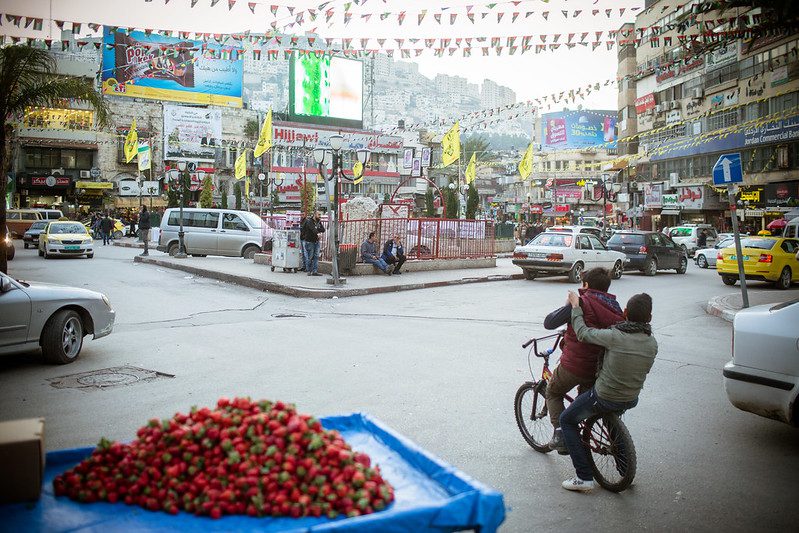
Osama Abu-Al Rub is one of the 20 strawberry farmers left in the West Bank. He began receiving aid from USAID in 2013 and has grown his business exponentially since then by gaining the opportunity to invest in technological advances such as computerized irrigation and by experimenting with covered, hanging growth techniques.

Osama’s success in his strawberry farming has allowed him to send his daughter Hanin to university, where she studies agricultural engineering. Occasionally, her friends visit their farm to learn new tactics from her father, which they will carry into the future of Palestine to generate success for decades to come.

The Future of Palestine

USAID has targeted a main core issue for the Palestinian economy and has significantly invested in eradicating the problem at hand. Even with restriction and pushback from some of the American people and government, USAID has found ways to implement knowledge and a foundational base that can potentially send Palestine’s economy skyrocketing if built in the right ways. By implementing these strategies, the Compete Project can help transform the agricultural sector in Palestine into a vibrant and dynamic contributor to the economy, generating employment, increasing incomes and fostering sustainable economic development for years to come.

– Tristen Jerkins
Photo: Flickr
March 17, 2024
https://borgenproject.org/wp-content/uploads/borgen-project-logo.svg 0 0 Hemant Gupta https://borgenproject.org/wp-content/uploads/borgen-project-logo.svg Hemant Gupta2024-03-17 23:43:042026-04-16 10:06:03The Impacts of the USAID Complete Project in Palestine
Africa, Global Poverty, Poverty Reduction

How a USAID Program Is Protecting Fisheries in Ghana

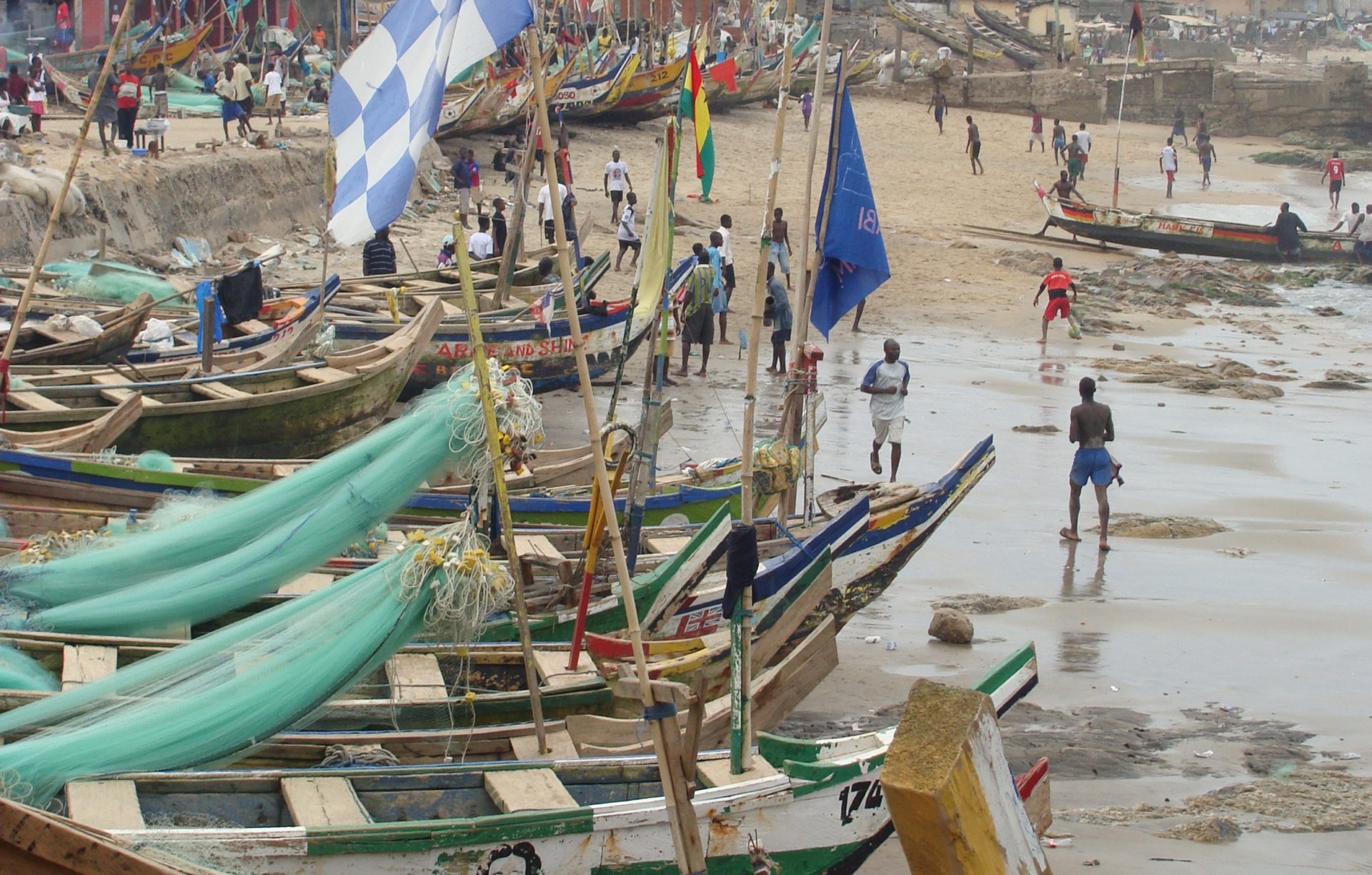
Fisheries in GhanaIn Ghana, sustainable management of fisheries plays a crucial role not only in preserving the Ghanaian environment but also in reducing poverty. Ghana is situated in West Africa along the Atlantic coast and has significant poverty levels. As of 2023, 27% of Ghanaians live below the international poverty line and anticipated projections suggest that this figure may increase due to the economic crisis that began in 2022. Consequently, coastal communities have an escalating reliance on Ghanaian fisheries as fishing becomes a primary source of sustenance and employment.

Given this scenario, initiatives like the Feed the Future Ghana Fisheries Recovery Activity (GFRA) are instrumental in sustainably combating poverty in Ghana while safeguarding the fisheries crucial to the livelihoods of many.

Sustainable Fisheries Management for Poverty Alleviation

The United States Agency for International Development (USAID) funds GFRA in partnership with the Ghanaian government. A five-year program launched in 2021 aims to mitigate the near collapse of Ghana’s small pelagic fisheries like sardines, mackerel and anchovies by establishing a foundation for their ecological recovery. Sustainably managing these fisheries and preventing overfishing is crucial for protecting marine ecosystem biodiversity. Similarly, maintaining a source of employment and food for coastal Ghanaian communities alleviates poverty.

Approach To Sustainable Fisheries Management

The USAID-funded program employs a diverse approach to sustainable fisheries management. Tetra Tech, an engineering and consulting firm, administers the program, which focuses on water, environmental conservation, sustainable infrastructure, renewable energy and international development. It adopts a multifaceted strategy in eco-friendly fishing management.

Since the program’s inception, one measure implemented has supported establishing a Marine Protected Zone (MPA) in Ghanaian waters. This zone restricts fishing activities within its boundaries and is slated for establishment by the Ghanaian government by 2025. Additionally, the Government of Ghana has committed to mandating the monitoring of all fishing vessels. They ensure compliance with regulations and preserve the health and sustainability of these fisheries.

USAID Bolsters Funding for Ghana Fisheries Program

Amid the declining state of Ghana’s economy since the initiation of GFRA, USAID has taken proactive measures by injecting an additional $6 million in 2023 into the program. This initiative indicates a significant 33% increase, elevating the program’s budget from $17.8 million to $23.8 million. The increased financing has gone toward joint projects with the Ghanaian government and projects meant to diversify the economies of coastal communities away from fishing.

These programs aim to lessen Ghanaians’ excessive reliance on coastal fishing for subsistence, focusing on empowering women and youth. This strategic shift aims to enhance fisheries’ health and bolsters these communities’ economic resilience in adversity.

Moreover, GFRA funding extends to bolstering Ghanaian partners involved in the project. It includes support for organizations like Hεn Mpoano, a Ghanaian nonprofit dedicated to coastal regulation. The Centre for Coastal Management – Africa Centre of Excellence in Coastal Resilience (CCM-ACECoR) established a partnership to support ecological recovery at the University of Cape Coast. These partners will be pivotal in spearheading training programs and conducting research essential to the project’s success.

Conclusion

Collaborating organizations from the United States (U.S.) and Ghana are actively pursuing the GFRA’s mission to safeguard Ghana’s fisheries. They are focused on sustaining local communities nutritionally and economically in the long term. As this program persists amid Ghana’s enduring economic challenges, anticipation builds regarding its transformative impact on its economy, poverty rates and environmental well-being.

– Lyle Seeligson
Photo: Wikimedia Commons

March 15, 2024
https://borgenproject.org/wp-content/uploads/borgen-project-logo.svg 0 0 Hemant Gupta https://borgenproject.org/wp-content/uploads/borgen-project-logo.svg Hemant Gupta2024-03-15 07:30:592024-03-15 03:44:49How a USAID Program Is Protecting Fisheries in Ghana
Child Poverty, Global Poverty

Child Poverty in Belarus and the Chernobyl Disaster 

Child Poverty in BelarusBelarus is an Eastern European country bordering Russia to the east, Poland to the west, and Ukraine to the south. It has a population of 9,255,524, making it the 96th most populated country in the world. As a developing country, it is ranked 60th on the Human Development Index. Belarus is a member of multiple international organizations, including the United Nations, the Euro-Atlantic Partnership Council, the International Monetary Fund, and the World Bank. However, child poverty exists in Belarus, as it is ranked number 5 in the Top 10 poorest countries in Europe in 2024.

Child Poverty in Belarus

According to UNICEF, a child lives in multidimensional poverty if that child experiences two or more deprivations. As a result, a 2017 study from The Guardian reveals that the proportion of children living in institutional care in the region is 2%–5%. Various reasons outside of poverty include large families who are unable to care for their children and the stigmatization of and discrimination against children with disabilities. However, even in Belarusian orphanages, almost 100 children have been living on the brink of starvation in the capital of Minsk. 

One of the contributing factors to child poverty in Belarus is starvation, leading to a government report of over 30,000 Belarusian orphans placed in public institutions. ChildFund International, a development organization founded in 1938, focuses on caring for Belarusian children living in extreme poverty. Since 1993, ChildFund been helping Belarus care for both orphaned and disabled children through the USAID-funded Supporting Orphans and Vulnerable Child program, enacted for children placed in public institutions to live with foster families. It is through ChildFund’s efforts that “three of five piloted communities stopped placing children in orphanages, and the overall rate of children institutionalization has declined by 25 percent.” This is a significant step in the right direction. ChildFund cares for orphans whether or not they have a disability. They make children’s health care their top priority over anything else.

The Chernobyl Disaster

Another factor that is also associated with child poverty in Belarus is the Chernobyl disaster. A study by UNICEF reveals that Belarus has absorbed an estimated 70% of the nuclear fallout. This is likely because Belarus’s border with Ukraine is just 4 miles from the Chernobyl power plant. More than 20% of adolescent children in Belarus suffer from disabilities caused by birth defects, such as congenital heart defects. Health care in Belarus is a problem because of the Chernobyl disaster. The effects of the disaster continue to plague the people despite the country’s best efforts at improving children’s health. According to UNICEF, “48.6% of children in residential care institutions are children with disabilities.”

Chernobyl Children International (CCI), founded in 1991, works to help children in the region who have been impacted by the Chernobyl disaster, including various facilities in Belarus, such as the Vesnova Home for Invalid Children. The Vesnova Home has helped more than 170 children and teenagers born with severe birth defects resulting from the disaster. It was pioneered as a form of independent living and is a part of CCI’s programs.

Through the intervention of CCI, children can live independently in this institutional program rather than in an adult mental asylum. Without CCI, these children would not have attended any educational institutions. They would also have little to no connection with their peers because of their differences. UNICEF highlights that disability is the main reason for child abandonment. It is also why many children throughout the country live in residential homes. This illustrates how child poverty strikes a family if they are provided any special accommodations if they possess any disability. CCI works with children and their families that continue to suffer from the economic outcome of the Chernobyl accident.

Helping the Children of Chernobyl

The Chernobyl disaster occurred more than 38 years ago. However, it became the starting point of a sharp rise in birth defects, which correlates with child poverty in Belarus. There are 2.7 deaths per 1,000 live births, a key demographic indicator in the under-five mortality rate. According to CCI, “Chernobyl is not something from the past. Chernobyl ‘is forever.’ The impact of that single shocking nuclear accident can never be undone; its radioactive footprint is embedded in our world forever and countless millions of people are still being affected by its deadly legacy.”

As a result, CCI continues to stay active in helping Belarus as it provides social support for children. As a result of Chernobyl, in the economic field, “children are the poorest sector of the population, facing 1.5 times greater risk of poverty than the average level across the country.” Whether they were born before or after it, the disaster continues to leave wounds for those who were affected. Consequently, child poverty continues to exist in Belarus. It is the efforts of CCI and various other organizations that ensure that every child is cared for regardless of their disabilities. This will lead to Belarus progressing toward fighting against child poverty and poverty as a whole in this country.

Chernobyl Children International’s founder, Adi Roche, stated perfectly that “CCI is founded on hope and courage: the hope that the children—one by one and heartbeat by heartbeat—will thrive; and the courage to envision and create a better world.”

It is the efforts of various facilities and organizations that have led to foreign aid. They ensure that Belarus is not alone in its struggles against child poverty.

– Nevin Guler
Photo: Flickr

March 11, 2024
https://borgenproject.org/wp-content/uploads/borgen-project-logo.svg 0 0 Jennifer Philipp https://borgenproject.org/wp-content/uploads/borgen-project-logo.svg Jennifer Philipp2024-03-11 07:30:152024-03-11 04:05:40Child Poverty in Belarus and the Chernobyl Disaster 
Global Poverty, Poverty Reduction, USAID

Crime and Poverty in the Dominican Republic

Poverty in the Dominican RepublicThe Caribbean is visited by almost 28.3 million tourists. However, in the last four years, the Dominican Republic has faced an increase in crimes committed, with poverty increasing by more than 20% from 2019 to 2021. The most vulnerable populations are women and children, who do not have the economic income to create stability within the household.

The complex relationship between crime and poverty requires solutions that address the underlying issues. The Peace Corps, the United States Agency for International Development (USAID), Crime Stoppers and the Pact are groups working to reduce poverty in the Dominican Republic.

How Crime and Poverty Are Interlinked

The World Bank, in its report “Conflict and Poverty,” sheds light on four critical issues that underscore the cyclical nature of the relationship. Delving into the consequences of conflict, it becomes evident that a child’s schooling will be reduced by nearly one-third if they encounter conflict and subsequent health issues, including addiction, diabetes, depression and post-traumatic stress disorder (PTSD).

USAID Supports Education in the Dominican Republic

In the Dominican Republic, impoverished children will drop out of primary school to earn income for their families. Recognizing the need to break this cycle, USAID has partnered with the Ministry of Education of the Dominican Republic to ensure children receive proper education and opportunities to reduce the risk of criminal involvement. To address the multifaceted challenges faced by these vulnerable children, USAID has outlined three specific goals within its collaborative efforts with the Ministry of Education:

  • Assist children with disabilities and children staying in school or reintegrating those who dropped out.
  • Provide technical-vocational training for young people to increase employment opportunities.
  • Support health services for adolescents or help young people get identity documentation.

Crime Stoppers and Their Anonymous Services

Crimes committed in the Dominican Republic could go unreported to the authorities due to apathy or fear of repercussions. Estimates suggest that around 70% of observable crimes go unreported.

On September (2023). Crime Stoppers discussed opening an office within D.R. as an anonymous hotline to serve the people. The previous record from Crime Stoppers suggests a high success rate, with other offices already located within Latin America.

Peace Corps Projects Within the Dominican Republic

The Peace Corps is leading other nonprofit organizations in addressing the education gap within the Dominican Republic. The volunteers work with community leaders to provide a needed set of skills. In partnership with other nonprofits, the organization has established three projects in the Dominican Republic. The projects aim to help vulnerable children with low literacy.

  • The Spanish Primary Literacy Program allows volunteers to work within primary institutions to support children’s literacy and educate their families.
  • Volunteers working under the Youth Project produce a variety of skills essential to life and employability. Modeling healthy behaviors in front of children and adolescents encourages replicating these behaviors to reduce poverty in the Dominican Republic.
  • The Community Economic Development (CED) project assigns volunteers to work with people to secure employment. By providing strong leaders within the community, developmental changes are more attuned to the needs of the people.

The Pact’s Work Within the Dominican Republic

The Pact, an international nonprofit working for human development, recognizes the need for civil actors to seek change at a societal level. Using their research in human development, the Pact, in conjunction with USAID, set up the Civil Society Strengthening Activity program. The Dominican Republic’s poverty rate will drop because of this $12.5 million initiative that emphasizes the abilities of community leaders and how to use them to enact legal policies focused on women and children.

Conclusion

Crime and poverty in the Dominican Republic are interlinked. While this creates a complex phenomenon, the resolution to reducing crime is reducing poverty. International nonprofits, governments and programs aid developing nations to discover solutions that suit the country’s needs. As the World Bank states, “poverty alleviation in fragile states recognizes the need for organizations such as the U.N. and IMF to coordinate state capacity.”

– Luis Lujano-Garcia
Photo: Flickr

March 11, 2024
https://borgenproject.org/wp-content/uploads/borgen-project-logo.svg 0 0 Hemant Gupta https://borgenproject.org/wp-content/uploads/borgen-project-logo.svg Hemant Gupta2024-03-11 03:00:532024-03-11 01:32:11Crime and Poverty in the Dominican Republic
Foreign Aid, Global Poverty, Humanitarian Aid

Successful Programs From Foreign Aid to Guatemala

Foreign Aid to GuatemalaWhile Guatemala is home to the largest economy in Central America, 55.2% of Guatemalans lived in poverty in 2023. Because of the country’s high poverty rate, foreign aid to Guatemala is essential to reducing instability and providing Guatemalans with the resources to establish essential services and agricultural production. Guatemala’s high poverty rate could be due to natural disasters, such as hurricanes and droughts, causing agricultural setbacks. Additionally, political instability and violence have hindered Guatemala’s otherwise decent economy. The country is still recovering from a civil war that lasted for 36 years between 1960 and 1996. Without major investments in education, health and agriculture, Guatemalans continue to live in poverty.
US Foreign Aid to Guatemala

According to the Brookings Institute, foreign aid  “aims to support security, as well as the economic, social and political development of recipient countries and their people.” The United States spends about 1% of the annual federal budget on foreign aid. Additionally, the United States is the top contributor of foreign aid to Guatemala, alongside Spain, South Korea and the European Union.

In 2022, the United States provided $117.9 million in foreign aid to Guatemala per a Congressional report. Much of that funding was dedicated to development assistance. In 2023, the United States provided $121.3 million in foreign aid to Guatemala with a focus on humanitarian needs. President Biden has requested $164.5 million in foreign aid to Guatemala for 2024, according to Congressional Research Service.

Foreign aid to Guatemala funds programs aiming to improve the livelihood of Guatemalans and reduce poverty.

World Bank Country Partnership Framework (CPF)

The World Bank’s Country Partnership Framework (CPF) is a project that aims to increase human capital, resilience to natural disasters and climate change, and improve job opportunities in Guatemala. Over four years from 2024 through 2027, the World Bank’s CPF program will spend $2.5 billion to address Guatemala’s wide-ranging issues, according to the World Bank. These initiatives include infrastructure development, greater access to basic services, improved responses to natural disasters and greater access to economic opportunities in urban and rural areas.

Project Concern International (PCI) and USAID

Barrio Mio, a collaboration between Project Concern International (PCI) and USAID aims to reduce disaster risk in Guatemala by “improving urban infrastructure, housing and livelihoods.”

USAID and PCI launched a prototype of the project between 2012 and 2015 with great success. This included safeguarding homes against landslides through structural changes. The project also identifyed high-risk neighborhoods throughout Guatemala to reduce “vulnerability to crises before they happen.” In phase one alone, Barrio Mio improved nearly 3,000 shelters and provided clean water and sanitation for nearly 800 individuals.

While the first phase of Barrio Mio was launched in 2012, the project’s third phase concluded in 2020 with the expansion of the program in Guatemala City. A goal of the third phase was to increase the effectiveness of responses to urban emergencies, according to the ALNAP case study. Guatemala’s government adopted Barrio Mio’s methodology for emergency response and urban upgrading policy for communities that lacked stable infrastructure and essential services, Global Communities reports.

UN Guatemala Humanitarian Response Plan

The United Nations’ 2023 Guatemala Humanitarian Response Plan (HRP) targeted 2.3 million people. The plan focused on protection, food security and nutrition. The HRP targeted four primary groups including children affected by malnutrition, Indigenous and rural families facing food insecurity, people “in situations of human mobility” and people with disabilities.

Of the 4.6 million Guatemalans facing food insecurity in 2023, the HRP targeted roughly 500,000. Additionally, under the HRP, 117 schools were refurbished, allowing over 20,000 children to attend school with “improved educational conditions.” The plan also developed health services across Guatemala.

The Takeaways

Guatemala has faced several setbacks that have negatively affected its population, including climate-related disasters, political instability and economic mismanagement. Foreign aid has greatly helped Guatemalans facing food insecurity, malnourishment and a lack of health and education services.

– Marley Wilson
Photo: Flickr

March 8, 2024
https://borgenproject.org/wp-content/uploads/borgen-project-logo.svg 0 0 Kim Thelwell https://borgenproject.org/wp-content/uploads/borgen-project-logo.svg Kim Thelwell2024-03-08 01:30:282024-03-07 01:41:10Successful Programs From Foreign Aid to Guatemala
Global Poverty

USAID Revitalizes Oldonyiro Market in Kenya

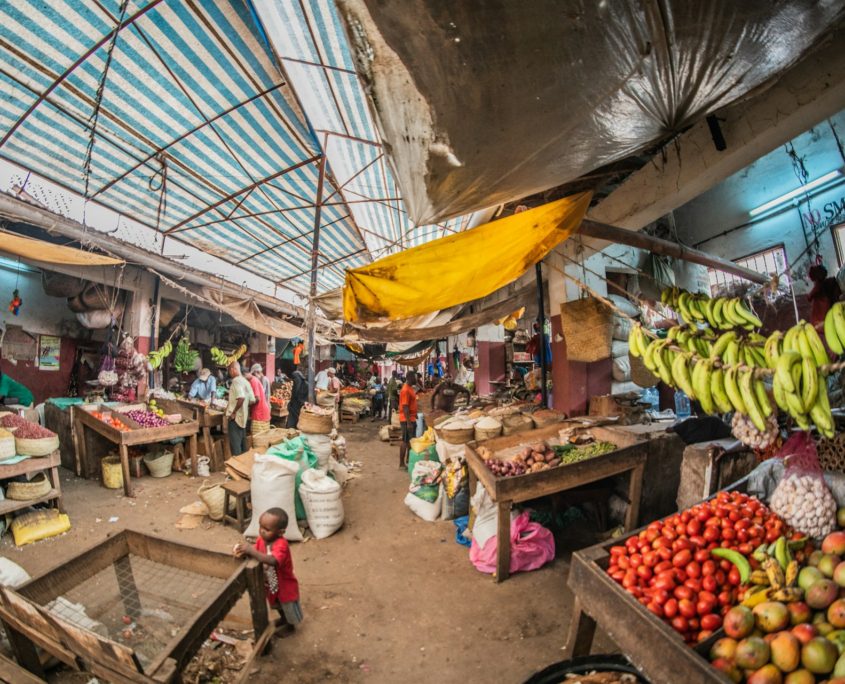
USAID Revitalizes Oldonyiro Market in Kenya About 30% of Kenyans live below the national poverty line, a figure that has gradually decreased over the years. However, Kenya continues to grapple with conflicts that exacerbate the disparity between the wealthy and the poor. Specifically, many Kenyan families, particularly women and girls, remain vulnerable to economic shocks, which droughts and floods can trigger. Agriculture and livestock markets, like Oldonyiro Market, significantly drive Kenya’s economy, making it susceptible to downturns during crises. The absence of adequate market spaces can jeopardize people’s food and financial security when facing economic shocks.

Oldonyiro Market

Oldonyiro Market, situated in Laikipia County in northern Kenya, acts as a crucial hub for nearby rural communities to trade consumer goods. On alternate days, vendors and buyers exchange livestock, produce, clothing and household items, offering local farmers and entrepreneurs a venue to sell their products and earn a living. However, the market’s operations are vulnerable to climatic conditions, posing challenges to maintaining a stable trading environment. Droughts, floods, theft and extreme temperatures threaten the market’s security, impacting the community’s ability to sustain a steady income.

Feed The Future

Feed the Future is a United States (U.S.) initiative, spearheaded by the United States Agency for International Development (USAID), aimed at addressing global hunger by tackling its underlying causes. It focuses on enhancing agricultural-led growth, resilience and nutrition in countries facing significant challenges and opportunities for improvement. Feed the Future has been instrumental in assisting millions of individuals in vulnerable communities worldwide. Its efforts have resulted in reductions in hunger and malnutrition, as well as the augmentation of incomes through agriculture, fostering economic opportunities both within and beyond farming sectors.

USAID’s Help

Through Feed The Future, USAID partnered with the government of Kenya to revamp Oldonyiro Market for the benefit of the surrounding communities’ economic growth and agricultural security. USAID built the market by constructing covered buildings, market stalls, shops and informal eateries to better secure the trading center, allowing the people to trade even in times of severe drought. This gave them hope and safety, making for booming business and a steadier income.

It is important to note that markets like Oldonyiro contribute to the broader agricultural economy of Kenya by providing a platform for farmers and traders to buy and sell goods, thereby stimulating economic activity at the grassroots level. Additionally, the agricultural sector is a major contributor to Kenya’s economy, employing a significant portion of the population and generating income from both domestic consumption and export.

Looking Forward

Kenya’s journey toward economic resilience and food security, exemplified by the transformation of Oldonyiro Market, highlights the power of collaborative initiatives like Feed the Future. By fortifying the infrastructure necessary for agricultural and economic stability, such efforts are paving the way for a future where Kenyans can thrive despite environmental and economic challenges. This model of development, fostering both local entrepreneurship and agricultural productivity, offers a blueprint for sustainable progress in communities across the globe.

– Tristen Jerkins
Photo: Unsplash


USAID experts to discuss White House cuts

February 22, 2024
https://borgenproject.org/wp-content/uploads/borgen-project-logo.svg 0 0 Precious Sheidu https://borgenproject.org/wp-content/uploads/borgen-project-logo.svg Precious Sheidu2024-02-22 03:00:372025-02-04 10:53:02USAID Revitalizes Oldonyiro Market in Kenya
Global Poverty

The Impact of HIV/AIDs in Costa Rica

HIV/AIDS in Costa RicaIn Costa Rica, the impact of HIV/AIDS is a profound challenge affecting populations of families and communities. Despite the country’s advancements in health care and education in recent years, the prevalence of HIV/AIDS poses ongoing social and public health concerns. With a growing number of cases, there is an urgent need for comprehensive strategies to address prevention, support and issues within the health care system.
Strategies for Effective Prevention

HIV/AIDS remains a pressing public health concern in Costa Rica, with a steady increase in annual cases. Despite significant efforts to raise awareness and provide accessible health care, statistics show that cases have grown annually.

Kim Marie Day conducted a case study to compare HIV treatments and policies between the United States and Costa Rica. The study emphasizes the importance of addressing the psychological component of HIV/AIDS, as patients face social stigma and emotional challenges, highlighting the need for comprehensive treatment, including mental health care.

While global HIV/AIDS strategies often focus on physiological aspects, Day advocates for integrating mental and social health treatment during the crucial moment of diagnosis to improve quality of life. Despite positive trends in Costa Rica’s efforts to decrease HIV prevalence, challenges persist in effectively reaching high-risk groups, emphasizing the need for continued efforts in primary preventative care and harm reduction programs.

How the US Provides Support

To improve support for Costa Rica’s efforts to combat HIV/AIDS, the U.S. might consider incorporating new initiatives for knowledge exchange and resource sharing. Additionally, the U.S. can explore avenues for joint projects, strengthening the evidence base for effective HIV/AIDS management. Such partnerships would bolster Costa Rica’s health care capabilities and foster a shared commitment to global public health initiatives. One of the most impactful collaborations currently is between Costa Rica and USAID.

Over time, USAID has been successful in various initiatives to combat multiple diseases, standing at the forefront of global efforts to combat HIV. More recently they have supported the Costa Rican government through their Central American Regional HIV/AIDS Program, allocating $3.7 million for testing services and quality care for those living with HIV.

Issues Surrounding the Costa Rican Health Care System

The Costa Rican health care system currently faces many notable challenges warranting attention. These include disparities in access to health care, particularly in rural areas, where the distribution of resources is uneven. Additionally, the system grapples with the need for ongoing improvements in addressing mental health within the health care framework and ensuring comprehensive medical care for diseases like HIV.

According to UNAIDS, roughly 17,000 people were living with HIV in the country in 2022 validating the need for continued efforts in prevention and education. Exploring these issues provides valuable insights into the complexities of health care in Costa Rica and offers opportunities for potential enhancements to the existing system.

It is also important for health officials to address the poverty issue in Costa Rica, since it significantly contributes to the HIV/AIDS epidemic, by creating poor living conditions, increasing vulnerability and hindering access to preventive measures and treatment. The current poverty rate is around 21% with nearly 400,000 households “lacking sufficient economic resources.”

Governmental Initiatives

There is an NGO currently working in to address health care and HIV/AIDS in the country called PSI Costa Rica. This group works with other local foundations to center health care around people and aim for health systems that guarantee quality. This NGO is focused on making it easier to prevent, identify and treat HIV/AIDS by bringing consumer voices and perspectives to the disease response and supporting public health providers to better respond to the needs of their clients and patients.

Through activities including HIV self-testing, cyber-education, community coaching and pharmacy services, this group aims to bring accessible health care to the populations of Costa Rica. In 2019, it was reported that this NGO distributed more than 2 million HIV self-test kits to individuals around the country and helped nearly 50,000 people identify their HIV-positive status and access treatment. Through the efforts and support from organizations like PSI we can expand access to essential health care services, raise awareness about preventive measures and ultimately contribute to the global fight against HIV/AIDS. 

– Caleb Ilayan
Photo: Flickr

February 7, 2024
https://borgenproject.org/wp-content/uploads/borgen-project-logo.svg 0 0 Jennifer Philipp https://borgenproject.org/wp-content/uploads/borgen-project-logo.svg Jennifer Philipp2024-02-07 01:30:532024-02-06 04:38:10The Impact of HIV/AIDs in Costa Rica
Global Poverty

Social Programs Help Panama

social programs help PanamaPanama, a country found in Central America, is located south of the Caribbean Sea, with its neighboring nations being Costa Rica and Colombia. The Panama Canal allowed the nation to prosper through economic growth from its logistical hub. This hub is a trade and financial center, with the World Bank projecting Panama’s GDP growth rates to be around 6.40% for 2024 and 6.50% for 2025.
Despite the economic growth projections, Panama suffers, like other nations, from disproportionate income distribution. This income inequality affects rural indigenous groups as well as Afro-Panamanian populations, with estimates showing that less than 15% live outside of poverty. The Ministerio de Desarrollo Social (Ministry of Social Development) assists low-income families and poor people with disabilities through financial and mental health services. These social programs help Panama receive much-needed aid for greater income equality between its socioeconomic groups.

USAID Partners With Panama to Tackle Poverty

From the mid-60s through 1982, Panama collaborated with the United States Agency for International Development (USAID) to enhance the well-being of its citizens. Through initiatives focused on agricultural diversification and research, numerous families experienced a rise in income. Simultaneously, public infrastructure projects, including the development of streets, roads and water and sewage systems, were implemented, contributing to a reduction in deforestation. These changes ensure that future generations will prosper through Panama’s natural resources.

USAID assistance continued through three legacy institutions, hoping to sustain Panama’s natural resources. Of these, two have demonstrated notable success. For instance, the Chagres National Park Fund actively funds the management of the Chagres River Basin. This basin plays a critical role in supplying the necessary water required for the operation of the Panama Canal, accounting for 45% of its operational needs and approximately 80% of the water is utilized for human consumption in Panama City, home to around 1.5 million residents. The second successful initiative, the Darien National Park Fund, is dedicated to protecting the 1.4 million acres that struggled under deforestation. These social programs help Panama establish opportunities for its citizens to flourish and learn to operate with minimal external assistance.

Red de Oportunidades Provide Economic Support to Poor Households

Red de Oportunidades, aptly named Network of Opportunities, seeks to dismantle the cyclical nature of extreme intragenerational poverty in Panama. This initiative is directed towards mothers in extreme poverty with children between the ages of 0 to 18. These households will receive around 50 Panamanian Balboa per month so long as they fall under these conditions.

Guardian Angel Programme Helps Panamanians With Disabilities

In addition to assisting low-income households, the Guardian Angel Programme established an economic allowance for those with severe disabilities. Not only money transfers but the program will require participants to attend “lectures, courses and seminars for psychological and medical orientation and accession to the education system in the case of minors.” By providing these resources, social programs help Panama provide sessions to help integrate severely disabled people into their society to live healthy and balanced lives.

Conclusion

The synergy between USAID programs and Panama’s Ministry of Social Development has substantially addressed the immediate needs, leaving little room for massive overhauls. What is essentially needed now is tuning and improving the current programs. This is to ensure the indigenous people of Panama continue to receive the necessary resources to become economically stable and learn to be effective citizens of Panama.

– Luis Lujano-Garcia
Photo: Unsplash

January 31, 2024
https://borgenproject.org/wp-content/uploads/borgen-project-logo.svg 0 0 Hemant Gupta https://borgenproject.org/wp-content/uploads/borgen-project-logo.svg Hemant Gupta2024-01-31 03:00:342024-05-30 22:32:48Social Programs Help Panama
Global Poverty

USAID programs in Rwanda

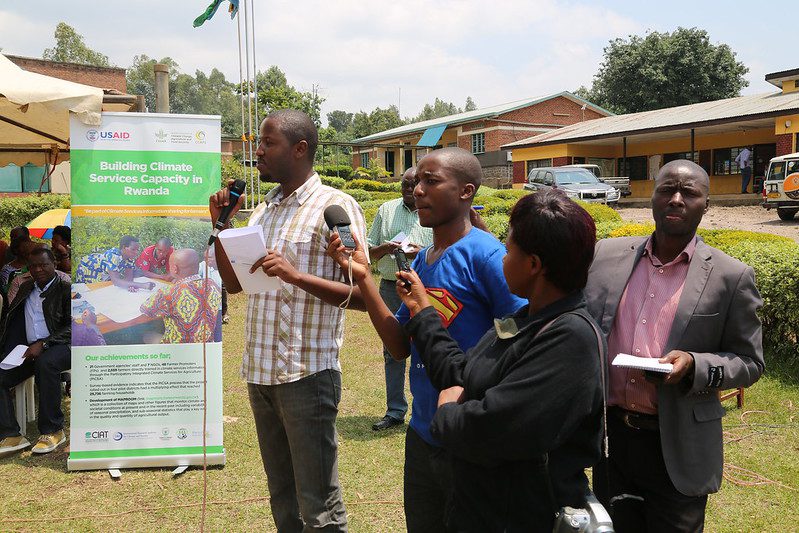
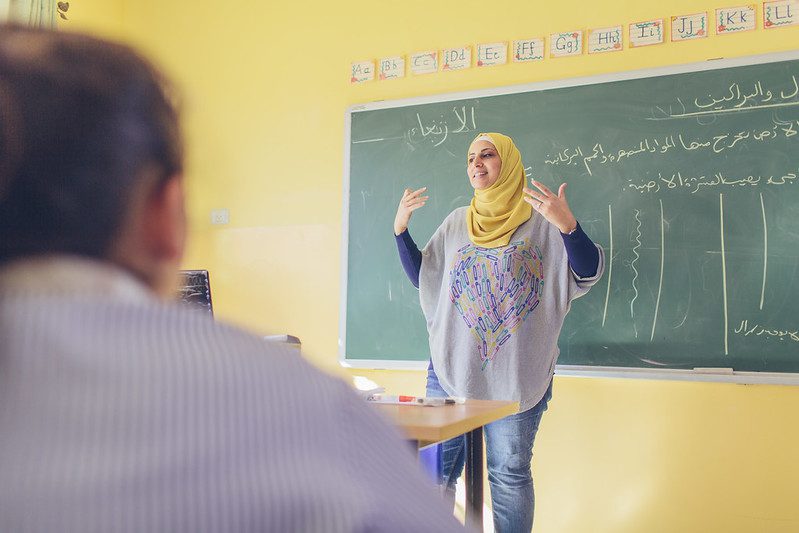
USAID programs in RwandaUSAID has worked in Rwanda since 1964, when Rwanda gained independence. It strives to improve the economic capability, social climate and environmental well-being of the world’s most vulnerable and poor people, and is creating an environment of self-reliance in the recipient nation and nurturing a climate in which a wealth of benefits are enjoyed. USAID programs in Rwanda focus on food provision in commodities and assist in health care and sanitation provisions, later expanding to look at economic policy more systematically while supporting maternal health and private enterprise development.
Poverty in Rwanda

Since the turn of the century, poverty has been declining promisingly in Rwanda, especially when looking at Rwanda’s domestic poverty line. The country experienced an 18.5% decrease in the number of people living in poverty between 2005 and 2016. Median consumption and inequity also all moved favorably in all regions, with increased possession of household assets such as mobile phones, irrigation and electricity all of which facilitate the further ascension from poverty.

However, between 2022 and 2024, the World Bank forecasted only a 2 percentage point drop in those living in poverty, due to the decreasing magnitude of the effect between GDP per capita increase and poverty decrease.

The population is vulnerable to malaria, with an incidence of 76 out of every 1,000 at risk in 2022. Malaria epidemics tend to strain a country’s resources, hindering poverty alleviation.

Also, Rwanda’s public sector has been running consistent fiscal deficits with an increase in public debt over the last few years, this has led to a very high debt-to-GDP ratio (56.7% in 2019), making poverty alleviation spending for Rwanda more risky and sparing.

Household Economic Security and Innovation

USAID has issued the largest development investment grant for a decade, through its Development Innovation Ventures program, in a continued effort to assist in the alleviation of extreme poverty, through USAID programs in Rwanda. The nonprofit organization Village Enterprise, which seeks to scale its operations in poverty alleviation in Rwanda, will utilize this $6.5 million grant, and will implement it via its programs on the ground, targeting people at the individual level and also state level. This is an extremely useful source of funding for the organization to roll out its “Poverty Graduation” model. This will allow individual households to innovate and be entrepreneurial, helping themselves out of poverty.

For more than 30,000 impoverished households, Village Enterprise is now ready to provide training and skills within the realm of business and finance, through a year-long mentored program. This, in the hope of encouraging entrepreneurship, will allow households set up a diverse range of businesses, including retail sales of clothing and also more technical services such as bike repairs. Government staff and parasocial workers will mentor the individuals and this flourishes from another avenue of the utility of this grant.

Village Enterprise will train government personnel to be capable mentors who teach household entrepreneurs how to be successful, as well as monitor the capability and efficacy of government programs.  Over time, this could enable Rwanda to self-sustain its development and achieve its goal to eliminate extreme poverty by 2030, as part of its NSSG.

Health Care Support

In terms of health initiatives, USAID programs in Rwanda work with local governments within the country, to improve the function of their health services. This means that they can more adequately access finance and manage their agencies, whilst USAID facilitates the supply of drugs to treat illnesses and also aids in the monitoring of potential future diseases. More specifically, the USAID program in malaria reduction has led to the provision of mosquito nets, and insecticide spray has led to a decrease in malaria incidence by as much as 70% in some rural villages.

More recently, in response to the COVID-19 outbreak, community health workers were able to transfer their knowledge in identifying and isolating malaria cases in Rwanda, through more sophisticated monitoring and tracking practices. Materially Rwanda has received 32% of its total vaccine supply from the U.S. Disease and mortality relief plays a large role in poverty reduction, as greater access to health care allows for greater economic participation, stops a loss of talented human capital due to death, and facilitates a decline in birth rates, stopping overpopulation and overstrain on state resources.

Educational Initiatives

USAID programs are present in every public school in Rwanda. The organization launched its new LEARN project in 2020. This built upon the previous USAID programs in Rwanda, furthering educational objectives by increasing focus on alleviating the gender disparities women face in education and creating a program that includes vulnerable and disabled people so that the program is as effective for them as for others. Rwanda has experienced great success in education with 2,742,551 children in primary school in 2022, the highest in sub-Saharan Africa.

The core of the mission is to be able to “improve the literacy outcomes for all Rwandan children by the end of Grade 3,” according to USAID. The LEARN project is working to alleviate poverty amongst women and girls by changing some of the cultural and social stigmas associated with women and education, for example, by creating inclusive teaching environments, to mitigate the issue of teacher behaviour negatively influencing female participation, and facilitating the uptake of more teaching roles by women through mentoring programs.

USAID programs continue to be successful, with non-readers in Rwanda standing at 20% in 2022, a 27% drop from 2018. This is especially positive when viewed in the context of post-COVID-19 activity, which yielded a worldwide reading loss.

The Future

Future grants will support proven solutions to reduce poverty and promote self-reliance. The World Bank recognizes the importance of encouraging domestic savings in Rwanda’s development. This includes creating business opportunities and learning how to manage them. Alongside aid, there appears to be a need for infrastructural improvements and a strong welfare system for health, education and social services. These measures can potentially foster a culture of savings and investment, reducing poverty in Rwanda in the long term.

– Tevin Muendo
Photo: Flickr

January 24, 2024
https://borgenproject.org/wp-content/uploads/borgen-project-logo.svg 0 0 Lynsey Alexander https://borgenproject.org/wp-content/uploads/borgen-project-logo.svg Lynsey Alexander2024-01-24 07:30:372024-01-23 02:31:28USAID programs in Rwanda
Global Poverty, USAID

USAID’s Investment in West Bank Women’s Education

West Bank West Bank, named for its association with the Jordan River, constitutes one of the two main Palestinian regions, the other being the Gaza Strip. Geographically enclosed and located near the Mediterranean Sea in the Levant region of West Asia, this territory has been under Israeli occupation since 1967.

With a poverty rate of 13.9% among its population, the West Bank faces significant challenges, largely attributed to the absence of stable and beneficial employment opportunities. Additionally, the lack of effective transportation, influenced by its geographical location, further hampers residents’ access to areas where such opportunities may be more abundant. Even if the needed transportation was in order, low levels of education hold its people back from getting jobs with salaries above the poverty line.

Education in the West Bank

The energy crisis in Gaza has severely impacted education, leaving students to study without adequate light or internet access. Restrictions in “Area C” of the West Bank have led to a shortage of schools and constant threats of demolition. Movement barriers, including checkpoints and the Separation Wall, hinder Palestinians’ access to education. Israeli travel bans and the Gaza blockade prevent students from attending universities in the West Bank. Without access to schools directly within the West Bank area, its people cannot move freely to find the education they are searching for.

Saffa Girls School

The Saffa Girls School in Ramallah Governorate, West Bank, was established in 1992. Since then, it has only continued to expand positively through implementing programs such as the United States Agency for International Development (USAID) Model School Network Program. This USAID initiative, implemented by the America-Mideast Educational and Training Services (AMIDEAST), aims to improve the quality of West Bank women’s education.

Saffa Girls’ School and 56 other schools have benefited from the program, receiving training for teachers and administrators. This program has contributed to the construction or rehabilitation of schools and various infrastructure projects, benefiting almost one million people. This has allowed schools to reduce class sizes and eliminate the need for students to learn in shifts. Between 2008 and 2009, the nonprofit organization Anera constructed two new floors within the Saffa Girls’ School. The new floors hold eight classrooms and a science lab. Not only does this give students more space and opportunity for learning, but this construction also opens up new job opportunities for adults living within the community.

Empowering Women Through Education

The Saffa Girls’ School is portrayed as a haven for learning, growth and empowerment. The girls attending the school are expected to become women who contribute significantly to their families, as breadwinners and mothers who prioritize education for their children.  When you can properly educate the women of the world, it causes a pattern of positive change to flow throughout the entirety of the communities they reside within. West Bank women’s education is a growing entity that will soon change the trajectory of everyone residing within the region.

The Impact

Abeer Ali Badran, the school’s principal, took the initiative to collaborate with USAID to extend improvements made to the school’s facilities and educational resources throughout the community. This effort reached a total of 93 schools similar to hers in the West Bank.

Students in USAID-supported schools, including Saffa School, scored 7% higher on standardized tests compared to other students in their districts. This outcome underscores the significant impact of the dedicated efforts of USAID and Badran on the lives of students in the Middle East, with the promise of continued positive influence in the future.

Conclusion

Investing in the education of women in the West Bank is not only an investment in their progress but also in the overall advancement of society. When women receive education at the primary level, it opens doors for them to pursue higher education, providing access to valuable information. This access empowers them to break the continuous cycle of poverty embedded in their surrounding community.

– Tristen Jerkins
Photo: Flickr

January 11, 2024
https://borgenproject.org/wp-content/uploads/borgen-project-logo.svg 0 0 Hemant Gupta https://borgenproject.org/wp-content/uploads/borgen-project-logo.svg Hemant Gupta2024-01-11 20:29:192024-02-15 03:50:57USAID’s Investment in West Bank Women’s Education
Page 11 of 92«‹910111213›»

Get Smarter

  • Global Poverty 101
  • Global Poverty… The Good News
  • Global Poverty & U.S. Jobs
  • Global Poverty and National Security
  • Innovative Solutions to Poverty
  • Global Poverty & Aid FAQ’s
Search Search

Take Action

  • Call Congress
  • Email Congress
  • Donate
  • 30 Ways to Help
  • Volunteer Ops
  • Internships
  • Courses & Certificates
  • The Podcast
Borgen Project

“The Borgen Project is an incredible nonprofit organization that is addressing poverty and hunger and working towards ending them.”

-The Huffington Post

Inside The Borgen Project

  • Contact
  • About
  • Financials
  • President
  • Board of Directors
  • Board of Advisors

International Links

  • UK Email Parliament
  • UK Donate
  • Canada Email Parliament

Get Smarter

  • Global Poverty 101
  • Global Poverty… The Good News
  • Global Poverty & U.S. Jobs
  • Global Poverty and National Security
  • Innovative Solutions to Poverty
  • Global Poverty & Aid FAQ’s

Ways to Help

  • Call Congress
  • Email Congress
  • Donate
  • 30 Ways to Help
  • Volunteer Ops
  • Internships
  • Courses & Certificates
  • The Podcast
Scroll to top Scroll to top Scroll to top