• Link to X
  • Link to Facebook
  • Link to Instagram
  • Link to TikTok
  • Link to Youtube
  • About
    • About Us
      • President
      • Board of Directors
      • Board of Advisors
      • Financials
      • Our Methodology
      • Success Tracker
      • Contact
  • Act Now
    • 30 Ways to Help
      • Email Congress
      • Call Congress
      • Volunteer
      • Courses & Certificates
      • Be a Donor
    • Internships
      • In-Office Internships
      • Remote Internships
    • Legislation
      • Politics 101
  • The Blog
  • The Podcast
  • Magazine
  • Donate
  • Click to open the search input field Click to open the search input field Search
  • Menu Menu

Tag Archive for: USAID

Information and news about mobile technology

Posts

Global Poverty, USAID

USAID DIV Initiatives to Tackle Extreme Poverty in Rwanda

Poverty in RwandaIn November 2023, Village Enterprise, a nonprofit founded in 1987 committed to eradicating extreme poverty in Rwanda, secured a substantial $6.5 million grant from the United States Agency for International Development’s (USAID) Development Innovation Ventures (DIV) program. This marks the second-largest DIV grant in over a decade and is poised to make a significant impact in fighting poverty in Rwanda.

What Is the USAID DIV Program?

Co-founded in 2010, the USAID DIV Program, or Development Innovation Ventures, is an open innovation initiative by the United States Agency for International Development (USAID) that funds groundbreaking solutions to address complex global development challenges. DIV provides grant funding to innovators and researchers, allowing them to test new ideas, take strategic risks and build evidence of what works. The program aims to discover and scale creative solutions that can make a meaningful impact on global development issues.

Village Enterprise’s Transformative Approach

Village Enterprise’s poverty graduation model has a track record of success, empowering individuals to set up, launch and run their own businesses in various sectors, from retail to bicycle repair. Entrepreneurs undergo a year-long program with mentorship from Village Enterprise’s specialist staff and receive business and financial literacy training, ensuring the sustainability of their ventures. 

Village Enterprise has significantly impacted the lives of more than 1,656,000 individuals in Tanzania, Kenya, Ethiopia, the Democratic Republic of the Congo, Congo-Brazzaville, Uganda, Kenya and Rwanda by starting at least 80,000 enterprises and training around 274,000 first-time entrepreneurs.

What Are the Main Points of the Grant?

  1. Historic Grant: The $6.5 million grant is the largest in over a decade from USAID DIV and the second-largest in its history, demonstrating a notable commitment to combating poverty in Rwanda. 
  2. Scaling Impact: The funding aims to scale Village Enterprise’s proven poverty graduation model across Rwanda, directly impacting over 30,000 households and catalyzing the launch of 10,000 group businesses. 
  3. Government Partnership: Beyond financial support, the grant includes a partnership with the Rwandan government, equipping them to independently deliver the poverty graduation model. This aligns with Rwanda’s National Strategy for Sustainable Graduation, targeting the elimination of extreme poverty in Rwanda by 2030.
  4. Potential Impact: The initiative has the potential to attract an additional $28 million in investment, aiming to lift over 1 million people out of extreme poverty in Rwanda by 2027, aligning with Rwanda’s ambitious poverty reduction goals.

Supporting Rwanda’s Goals

The Rwandan government is committed to eliminating extreme poverty by 2030, and the partnership with Village Enterprise aims to equip them with the tools and resources needed to achieve this goal independently. According to the U.N. Development Reports of 2023, 48.8% of the nation’s residents face poverty with another 22.7% nearing the poverty line. 

The grant will facilitate the training of government parasocial workers, enabling Rwanda to deliver the poverty graduation program without external support. Additionally, a management information system will be deployed for effective program monitoring. 

Dianne Calvi, CEO and President of Village Enterprise expressed enthusiasm about the USAID DIV grant, highlighting its potential not only to alleviate extreme poverty in Rwanda but also to serve as a blueprint for other African governments facing similar challenges. This transformative initiative aligns with global efforts to address poverty, emphasizing collective action and proven solutions.

– Suhani Bhattad
Photo: Pixabay
January 7, 2024
https://borgenproject.org/wp-content/uploads/borgen-project-logo.svg 0 0 Lynsey 2 https://borgenproject.org/wp-content/uploads/borgen-project-logo.svg Lynsey 22024-01-07 07:30:342024-01-03 03:34:53USAID DIV Initiatives to Tackle Extreme Poverty in Rwanda
Food Aid, Global Poverty

Resuming Food Assistance to Ethiopia

October 2023 saw two major global organizations resume food assistance to Ethiopia and its refugees.
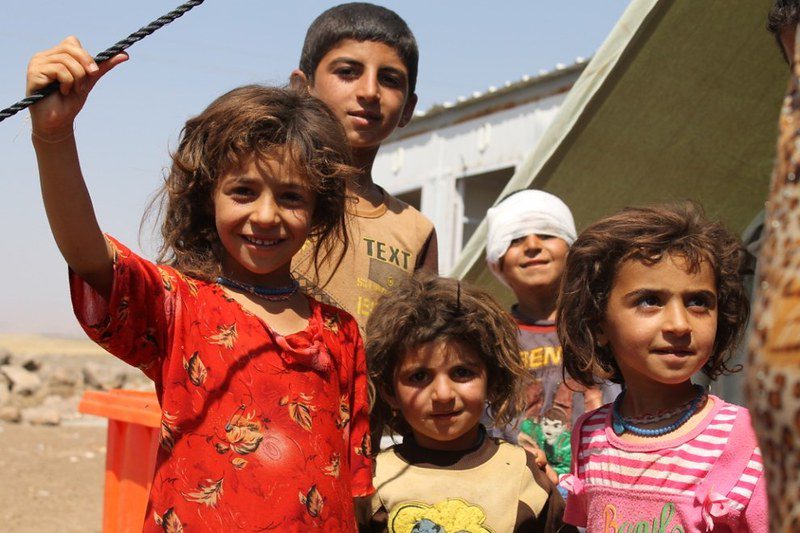
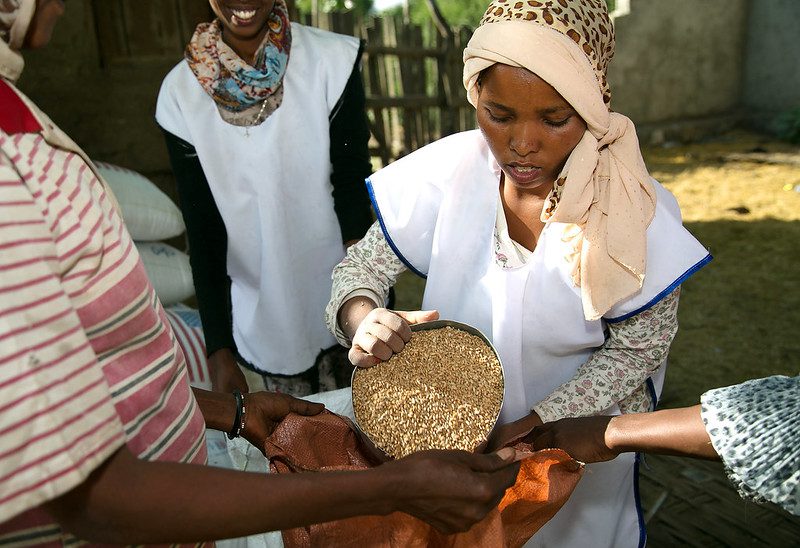
On October 5 and October 9, respectively, both the United States Agency for International Development (USAID) and the UN’s World Food Programme (WFP) announced they were again beginning to provide nutritional aid and food assistance to Ethiopia, specifically the country’s refugee populations. This comes after a pause in June 2023, when both USAID and the WFP suspended provisions after receiving reports of aid diversions.

The Situation

Ethiopia is a landlocked East African country, with a population of 116.5 million people. Following a two-year civil war in the Ethiopian region of northern Tigray — formally resolved in November 2022 — residents and refugees alike have found themselves in need of aid. Conflict has left 9.4 million people requiring food assistance throughout the Tigray, Afar and Amhara regions. Additionally, severe drought in Ethiopia, a product of five consecutive seasons without adequate rainfall, has meant 11.8 million in the nation are facing extreme hunger. 

Assistant executive director of the WFP, Valerie Guarnieri, highlighted the widespread issue following the recent announcements to resume aid. “Food is a lifeline for refugees living in unimaginably hard conditions,” said Guarnieri, “and it’s a relief that we now have measures in place to resume vital support.” 

The Efforts of USAID and WFP

In their announcements, USAID and the WFP outlined effective plans of action to resume and maintain food assistance and combat the diversion of aid. In its press release, USAID reemphasized its pledge to provide for the most vulnerable refugee populations facing food insecurity. The nongovernmental organization stressed its disapproval for events in the past year, firmly stating that any diverting of its assistance is “unacceptable.” Relating to this, it announced the appointment of a “new agency coordinator” in Washington who will work to oversee the implementation of aid across the world and ensure that provisions from the U.S. are not mismanaged or diverted away from those most in need.

The WFP, on the other hand, pointed out in its press release that around 35,000 refugees in Ethiopia are in urgent need of food assistance, after fleeing from conflict in neighboring Sudan. It also noted how Ethiopia is currently hosting a further 850,000 individuals fleeing from Somalia, Eritrea and South Sudan. With this in mind, in its announcement to resume aid, the WFP has pledged to provide refugees with resources such as pulses, cereals, salt and vegetable oil, as well as promising some of the vulnerable with additional cash assistance.

Like USAID, the WFP have worked to prevent future issues of aid diversion: The organization now exclusively manages each and every warehouse in Ethiopian refugee camps, and updated systems have been implemented for the tracking and collection of resources. The WFP has improved face-to-face support systems for refugees in Ethiopia at risk of having their food assistance diverted, placing help desks on-site and introducing an anonymous hotline for feedback and potential reporting.

The European Union’s Pledge

Food assistance to Ethiopia represents part of an international effort to end extreme poverty in the nation. Just days before USAID and the WFP announced they would be resuming aid, on October 3, 2023, the European Union pledged $680 million in support to Ethiopia, a package that the outbreak of civil war delayed. The original aim was for funding to undergo disbursal among Ethiopians from 2021 to 2027. Ahmed Shide, finance minister for Ethiopia, said the deal demonstrated the “strategic importance” of the Ethiopia–EU partnership. Jutta Urpilainen, the European commissioner for international partnerships, also said that the EU aims to “rebuild a mutually reinforcing partnership” with Ethiopia, with the goal of ensuring political peace and stability in the nation. 

Looking Ahead

Overall, global efforts to provide food assistance to Ethiopia and its refugees signal a step in the right direction. Concentrating aid in the regions with the most vulnerable populations — and ensuring all attempts at aid diversion promptly stop — is sure to reduce severe hunger in Ethiopia, contributing to the fight to end global extreme poverty. 

– Alice Weatherley
Photo: Unsplash

January 6, 2024
https://borgenproject.org/wp-content/uploads/borgen-project-logo.svg 0 0 Lynsey 2 https://borgenproject.org/wp-content/uploads/borgen-project-logo.svg Lynsey 22024-01-06 01:30:022024-01-02 12:51:41Resuming Food Assistance to Ethiopia
Foreign Aid, Global Poverty

Foreign Aid to Iraq: A Keystone in Rebuilding and Development

Foreign Aid to IraqIraq has a long and rich history that extends back thousands of years, with significant contributions to mathematics, science and literature. However, in recent decades, conflicts have plagued Iraq, including the Iran–Iraq War, the Gulf War and the Iraq War, which have had a devastating impact on the country’s infrastructure and economy. The cessation of hostilities with the Islamic State group in 2018 marked a transition from immediate crisis response to addressing the protracted humanitarian needs of a nation in reconstruction. The commitment of foreign aid to Iraq has been paramount in supporting the nation’s path toward stability and growth.

The European Union’s Pivotal Role

Since 2003, the European Union (EU) has played a critical role in humanitarian support in Iraq, with a strong emphasis on legal aid and protection for vulnerable populations. Acknowledging the long-term challenges, in 2023, the EU dedicated €17 million to aid internally displaced individuals, underscoring education, health care and assistance, particularly for those grappling with the aftermath of camp closures. This allocation is part of the EU’s sustained efforts, which have seen contributions such as €5 million, €79 million and €150 million in various years, to bolster Iraq’s recovery process. Collectively, the EU has provided over €547 million since 2014, reaching more than 400,000 Iraqis and emphasizing the importance of civil documentation for ensuring access to fundamental rights and services.

USAID’s Multifaceted Support

The United States, via USAID, has been a consistent ally to Iraq, focusing on community stability and economic prosperity. Since 2014, USAID has provided $3 billion in humanitarian aid to address essential needs such as water access, sanitation and food security. Its programs have supported the rebuilding of communities, particularly those that ISIS ravaged, with a focus on local resilience and sustainable recovery initiatives.

Governance and Economic Development

USAID’s commitment extends to cultivating a democratic, accountable governance system in Iraq. Efforts to enhance the transparency of political processes and service delivery are pivotal in their strategy. USAID strives to incorporate civil society actors into these processes, promoting a more inclusive and equitable society and aligning with the broader objective of Iraq’s stability and prosperity.

Challenges and Prospects

Despite the formidable challenges of governance, economic strain and the impact of the COVID-19 pandemic, foreign aid to Iraq has provided immediate relief and the foundation for the country’s long-term recovery. The collaboration of entities like the EU and USAID signals a concerted effort toward a more secure and affluent Iraq.

A Unified Path Forward

Foreign aid to Iraq, including humanitarian assistance and development support, has been instrumental in confronting the country’s complex challenges. The collaborative efforts of the EU, USAID and other international partners underscore a shared commitment to Iraq’s enduring recovery and resilience. As Iraq advances on its quest for peace and prosperity, unwavering support from the international community is imperative. The persistence of this support not only fulfills immediate needs but also assists in laying the groundwork for a stable, prosperous Iraq, contributing significantly to global peace and stability.

– Hana Alkhodairi
Photo: Flickr

January 5, 2024
https://borgenproject.org/wp-content/uploads/borgen-project-logo.svg 0 0 Lynsey 2 https://borgenproject.org/wp-content/uploads/borgen-project-logo.svg Lynsey 22024-01-05 01:30:352024-01-02 10:08:19Foreign Aid to Iraq: A Keystone in Rebuilding and Development
Global Poverty, Humanitarian Aid

How Catholic Relief Services Is Providing Aid in Ethiopia

Aid in EthiopiaSince 2020, the Tigray War and other armed conflicts within Ethiopia have displaced more than 10 million people, creating increased poverty and food insecurity in the country. Despite U.N. efforts, the U.S. Agency for International Development (USAID) and the World Food Program (WFP) have suspended aid to Ethiopia several times, citing the theft by soldiers of millions of dollars’ worth of donated food. Few humanitarian organizations are willing to assist Ethiopian civilians in such a tumultuous period, but the forerunner of this group is the Catholic Relief Services (CRS). Here is how CRS is providing aid in Ethiopia.

About CRS’s Work

With funding from the Department of Agriculture, CRS has provided aid in Ethiopia in the form of food, shelter, medical care, sanitary care and humanitarian training in Ethiopia for nearly 60 years. In 2023, CRS received $529.3 million in funding from the U.S., distributing it through local partners such as churches and NGOs in Ethiopia. CRS is currently extending aid into regions of Tigray that war has destabilized. Nearly 71% of the region’s population received wheat, split peas and vegetable oil from CRS partners, with 50% of the aid going to women who the conflict left widowed.

Its outreach includes training Ethiopian citizens in humanitarian work, enabling communities to respond more quickly and efficiently to disasters. Following a series of devastating droughts in Dire Dawa, CRS provided packets of wheat, split peas and vegetable oil, and kept the market prices of necessities low by selling directly to residents.

Challenges with CRS’s Work

While CRS has seen its share of success in Ethiopia, the work has not been without its obstacles. In addition to the theft of donated food, multiple CRS workers have died while performing humanitarian work in violent regions like Amhara and Tigray. Despite these setbacks, CRS continues to work toward its goal of eliminating food insecurity and extreme poverty in Ethiopia.

CRS is one of the leading humanitarian agencies working to reduce extreme poverty in Ethiopia. With regular funding from the U.S., its food aid and training to communities who the ongoing conflicts affected foster an environment of humanity and compassion.

– Parth Mishra
Photo: Flickr

December 20, 2023
https://borgenproject.org/wp-content/uploads/borgen-project-logo.svg 0 0 Lynsey 2 https://borgenproject.org/wp-content/uploads/borgen-project-logo.svg Lynsey 22023-12-20 01:30:182024-01-11 14:16:53How Catholic Relief Services Is Providing Aid in Ethiopia
Disease, Global Poverty

Cardiovascular Disease in Cambodia

Cardiovascular Disease in CambodiaGlobally, cardiovascular disease remains the leading cause of death. Countries with elevated poverty rates are at a higher risk for instances of cardiovascular disease, primarily due to a lack of access to health care. As of 2019, 17.8% of the Cambodian population lives in poverty, with limited access to health care, so cardiovascular disease in Cambodia is an extremely pressing issue.
The Facts

Cardiovascular disease in Cambodia is the country’s leading cause of death. This is likely due to the fact that risk factors, such as habitual smoking, are very loosely controlled. Of Cambodians over the age of 40, 12% suffer from hypertension, while 32% of Cambodian men smoke cigarettes. Given that only 60% of Cambodians with diabetes have access to treatment, it is likely that those suffering from cardiovascular disease likewise have limited resources to help. 

However, the main reason cardiovascular disease plagues Cambodia is due to lack of access to preventative care. In U.S. schools, for instance, children are educated from an early age on the dangers of nicotine and tobacco usage, which contributes to the fact that only 13.1% of U.S. adult men smoke cigarettes. The low levels of diagnosed hypertension and diabetes in Cambodia indicates that clinics in Cambodia are not thoroughly conducting preventative treatments and diagnosis. Health care providers may not be following provided guidelines for patient care, indicating a “know-do” gap. 

A study that the U.S. National Library of Medicine did discovered three major reasons for the high rates of cardiovascular disease in Cambodia. The study found that only 4.7% of Cambodian practitioners actually measured blood glucose levels, which could explain how diabetes so frequently goes undiagnosed. Additionally, only 18% of practitioners asked patients about their smoking habits, and only 33.8% knew to ask about this. Lastly, guidelines state that health care providers should measure blood pressure twice in a visit, and only 8% of doctors in the study did so. This suggests that rates of hypertension may be significantly higher than known studies imply.

Improvements to Cambodian Health Care

The United States Agency for International Development (USAID) works through the “One Health Workforce-Next Generation” regional network that supports Cambodia by training health professionals on how to properly respond to human disease threats, such as the COVID-19 pandemic. Over the past five years, USAID has made numerous advancements within the Cambodian health care system, including:

  • Improving the cost-effectiveness of HIV response and HIV services in order to help reduce HIV prevalence from 1.7% in 1998 to 0.6% in 2020.
  • Training staff at 47 health care centers and three referral hospitals on the Tuberculosis Management Information System.
  • Providing more than $16 million to assist the Cambodian COVID-19 response. This money went to virtual learning equipment for 46 Cambodian hospitals and health care departments and training for 7,900 health care workers on the proper response and prevention techniques for COVID-19.

Hospitals and Health Facilities in Cambodia

In Cambodia, hospitals are concentrated in urban areas, with a lack of health facilities in rural areas. Those living in rural areas lack access to health care, but also lack access to education about dietary and lifestyle choices that may prevent cardiovascular disease. Additionally, due to limited funding and resources dedicated to hospital services, there are many indications that health care providers are also not receiving sufficient training.

Due to lack of health care access in Cambodia and the shortcomings of many health care providers, cardiovascular disease in Cambodia is an extremely pressing issue. Education about preventative measures for the entire population is critical to reducing rates of cardiovascular disease in Cambodia.

– Aubrey Acord
Photo: Flickr

December 16, 2023
https://borgenproject.org/wp-content/uploads/borgen-project-logo.svg 0 0 Yuki https://borgenproject.org/wp-content/uploads/borgen-project-logo.svg Yuki2023-12-16 07:30:052023-12-12 12:32:44Cardiovascular Disease in Cambodia
Global Poverty

Mental Health Challenges Among Young People in Lao PDR

Young People in LaoOf the 6.5 million people living in the Lao People’s Democratic Republic (PDR), 60% are below the age of 25, and one in four suffer mental health challenges. The region, which spends just 0.3% of its health budget on mental health care and treatment facilities, must soon reconsider its prioritization of mental health care. This younger generation is expected to carry the burden of alleviating Lao PDR’s national debt, which is currently 70% greater than their GDP. Here is information about the mental health challenges young people in Lao PDR face and what some are doing about it.

The Region

For the last 20 years, the economy of Lao PDR has grown by more than 7%, but in spite of being one of the fastest-growing nations in Southeast Asia, 18% of the population lives in poverty. The COVID-19 pandemic exacerbated the economic struggles of the nation, which originated from large-scale borrowing of funds used for modernization. The kip lost half its value against the U.S. dollar, and from 2021 to 2023, inflation rose more than 40% per year. The government prioritized amending its economy, dismissing the social sector, investments in education, and infrastructure necessary to support a growing mental health epidemic in the region.

Young People in Lao PDR

A third of the population in Lao PDR are 10-24 years old, making the nation one of the youngest in Southeast Asia. However, close to 40% of those are not in education or registered as employed. School and business closures during the COVID-19 pandemic forced two in seven young people out of school and one in six into hazardous self-employed environments in order to provide for their families. Mental health challenges that young people in Lao PDR endured have consequently risen, and aid services are often inaccessible.

Mental Health Challenges in Lao PDR

Between the hopelessness that comes with being forced to leave school and the financial stresses produced by a weakened economy, it is easy to understand the root of mental health challenges that young people face in Lao PDR. With 75% of the young population living in rural areas with no access to mental health support, substance abuse is becoming an increasing issue in the nation. The majority of those struggling with mental health are from vulnerable populations — ethnic minorities, migrants and those with disabilities.

Taking Steps Toward Limiting Mental Health Challenges

The demand for mental health services in Lao PDR requires improvements in infrastructure. The World Health Organization (WHO) encourages prioritizing improving young people’s mental health through the establishment of aid programs. These efforts include: 

  • Community programs aimed at reducing rates of postnatal depression. 
  • Support from the United Nations Fund for Population Activities (UNFPA). 
  • Aid from the United States Agency for International Development (USAID).

All of these provide a pathway that leads toward reducing the mental health challenges of young people in Lao PDR.

Community Programs

Village health volunteers in Lao PDR are predominantly male, which complicates administering health care to pregnant women and adolescents. However, recent community programs aimed at creating professional gender equality in the nation have invited female village health volunteers into the community health care network. The programs pair a male and a female village health volunteer, especially for the reduction of postnatal depression rates in Lao PDR. Putting women at the forefront of mental health care support has proved to be effective in reducing postnatal depression rates.

Support from UNFPA

UNFPA offers support for anxiety arising from a lack of reproductive health knowledge, including funding training courses for counselors in Lao PDR. Many mental health workers across the nation have adopted these courses, and prompted multiple improvements to the nation’s social message on supporting young people’s mental health. Hotlines exclusively catering to the support of mental health challenges have been established and social media is being used nationwide as an informational platform, educating the younger generation on issues of psychological health.

Aid from USAID 

USAID reinforces the importance of mental health professions and improves the efficacy of treatments by rewarding research and development. In addition to encouraging mental health careers and research, USAID has pledged to create the necessary medical spaces for practitioners.

Restoring the Next Generation in Lao PDR

Emerging from the COVID-19 years into massive national debt, the young people of Lao PDR have increased rates of mental health challenges. However, they are receiving attention with local and international aid, as well as social reform. The next decade will prove whether or not this aid has been effective in supporting the mental health of young Laotians, but providing it is a critical step toward restoring Lao PDR as one of the most promising emerging markets in Southeast Asia. 

– Joseph Wray
Photo: Flickr

December 14, 2023
https://borgenproject.org/wp-content/uploads/borgen-project-logo.svg 0 0 Yuki https://borgenproject.org/wp-content/uploads/borgen-project-logo.svg Yuki2023-12-14 01:30:162023-12-11 10:03:59Mental Health Challenges Among Young People in Lao PDR
Global Poverty, Women

Reducing Poverty Among Women in the Dominican Republic

Women in the Dominican RepublicThe 2022 Regional Multidimensional Poverty Index by the United Nations Development Program (UNDP) highlights that 27.4% of women in the Dominican Republic experience poverty. Moreover, among the Latin American and Caribbean countries studied, the Dominican Republic came fourth in the region in regard to the prevalence of poverty-induced problems that women face. In light of this, several organizations are working to reduce poverty among women in the Dominican Republic.
Poverty Among Women in the Dominican Republic

According to the UNDP, the most prominent problems that Dominican women encounter include the lack of housing and the inaccessibility to the internet, affecting 50.6% and 66.3% of Dominican women respectively. As a whole, 40.4% of the population in the country is impacted by poverty as of 2022.

Moreover, poverty among Dominican women is also a result of the gender barriers that are not only present in the country but remain a major concern in the Caribbean region. According to data that the World Bank published, while adult literacy is nearly the same between men (95.1%) and women (95.3%) in 2021, the gap between employment for men and women remains disproportionately high in 2022. In the Dominican Republic, while 76.5% of men enter the labor force, the participation of women is only 52.5%. Furthermore, nearly 79% of women in the Dominican entered university as opposed to 38% of men. However, only 40% of STEM graduates in the Dominican Republic are women.

Taking Action

The United States Agency of International Development (USAID) aims to address gender inequality with the hopes of reducing poverty among women in the Dominican Republic. USAID introduced the Engendering Industries program in 2015 to tackle gender inequality in industries where the problem is prominent while promoting economic empowerment for women. In their recent partnership in 2021 with Dominican government organizations such as the Instituto Nacional de Aguas Potables y Alcantarillados (INAPA), a water utility company, USAID aims to establish gender equality in the industry.

Since their collaboration, INAPA has developed an extensive gender equality strategy that saw new training programs to combat sexual harassment in the workplace. Moreover, as of 2022, the company saw an increase in female hires, with 300 new female employees and the promotion of 75 existing employees to senior positions. This results in women making up 30% of new hires, 10 times more than the previous year.

Looking Ahead

By addressing gender inequality in the workplace, the Dominican Republic takes a crucial step in reducing poverty among women by ensuring that women are economically stable and self-sufficient. Moreover, the work of philanthropic organizations such as Food For The Poor (FFTP) aims to reduce the impact of poverty on Dominicans by providing support for essential needs. As of 2023, the charity has built 1719 housing units and 50 water projects to provide safe drinking water. FFTP has also supported improvements in education by constructing rural schools as well as developing a vocational training program specifically for women to increase their chances of employment.

The work of these public and private organizations helps to address the feminization of poverty in the Dominican Republic by supporting women to overcome gender barriers.

– Remigius Kim
Photo: Pixabay

December 10, 2023
https://borgenproject.org/wp-content/uploads/borgen-project-logo.svg 0 0 Borgen Project https://borgenproject.org/wp-content/uploads/borgen-project-logo.svg Borgen Project2023-12-10 01:30:352024-12-13 18:03:04Reducing Poverty Among Women in the Dominican Republic
Global Poverty

Addressing Disability and poverty in Laos

Disability and Poverty in LaosIn Laos, the poverty rate dropped by more than half between 1993 and 2019. However, 18% of the population still lives below the poverty line. Notably, in the most impoverished neighborhoods of Laos, the prevalence of people with disabilities is higher.

More than 160,000 people are living with a disability in Laos, accounting for 2.8% of the total population. As with other developing countries, the primary causes of disability in Laos are illness, accident and congenital defects. However, one can additionally attribute disabilities in Laos to the 80 million units of unexploded ordnance left from the war which ended 50 years ago. 

The UXO Problem

From 1964 to 1973, Laos endured more than 2 million tonnes of cluster bombs during the Vietnam War, making it the most bombed country per capita. Cluster bombs, extensively used in the Vietnam War, release numerous smaller bombs (bombies), notorious for often not exploding on impact. Of the 270 million bombs dropped, around 30% remain as unexploded ordnance (UXO). In the 50 years since the war, UXO explosions have caused an estimated 20,000 deaths or severe injuries, emphasizing the ongoing impact on Laos. Designed with the intent to cause damage, UXO accidents can lead to an array of disabilities, such as loss of limbs, severe burns and blindness. 

Inescapable Poverty

Most Laotians, including the vast majority of people with disabilities, live rurally, where an agrarian economy is predominant. However, this form of employment, reliant on physical labor, is often challenging for people with disabilities. The lack of vocational training for alternative forms of employment means people with disabilities are significantly less likely to work and independently earn a living, thus driving them into poverty. 

Living in Laos’ rural areas further distinguishes a relationship between disability and poverty. In the more remote villages, there is often limited access to basic services and other infrastructure such as adequate roads, schools and hospitals. In fact, more than 3% of Laos’ disabled population live in villages without roads, preventing their ability to access health care facilities, such as rehabilitation clinics for amputees, which could drastically improve their quality of life. This results in a relentless cycle of poverty, as people with disabilities are unable to obtain sufficient employment and cannot easily access the disability services that may be available to them. 

UXO Worsens The Cycle of Poverty 

Regrettably, many of the poorest neighborhoods in Laos face the risk of UXO contamination. Accidents can happen when people unknowingly handle or play with UXO or engage in farming, cooking or other daily activities. This threat is particularly concerning for rural farmers, as 22% of all UXO accidents occur while farming on contaminated land.

Farmers usually face the impossible decision between farming on land where UXO may be present or resist farming and suffer income losses. Either way, there is an increase in the likelihood of poverty. Around 45% of UXO accidents happen to children, potentially leaving them with lifelong disabilities and vulnerability to poverty. In addition, children with disabilities are seven times more likely to be unemployed or uneducated in comparison to children without disabilities. 

The United Nations (U.N.) found that only 4% of disabled children in Laos are enrolled in school and this is primarily due to families not receiving the disability allowances they are entitled to, and the social stigma surrounding disability where communities may exclude disabled children.  

COPE Laos

The efforts of a small-scale, nonprofit organization are improving the lives of disabled people, in particular, victims of UXO. Established in 1998, the Cooperative Orthotic and Prosthetic Enterprise (COPE) has been supporting disabled people in Laos, addressing the intersectionality between disability and poverty in Laos through the provision of health care services, which are all free of charge. This is essential for people with disabilities who are living below the poverty line. Such services include free, high-quality, individually tailored prosthetics for amputees, orthotics, assistive devices such as crutches, rehabilitation services and physiotherapy.

About one-third of individuals receiving prostheses are victims of UXO incidents. For instance, Zaythong Gaowrueng, who lost his leg in a UXO accident at 22, has experienced a transformative journey since receiving his initial prosthetic from COPE in 1999. Over time, he has received a total of 8 prosthetic legs, significantly improving his physical and mental well-being. This support has enabled him to work, earn a living and successfully reintegrate into the community that once ostracized him.

Providing Care to Remote Communities 

As well as having clinics in urban Laos, COPE’s Mobile Clinic Team visits the most remote communities where people with disabilities cannot access health care services due to barriers such as low income, a lack of infrastructure or physical inability to travel. The Mobile Clinic provides disabled people with the aid they require such as providing orthotics and immediate treatment in their own neighborhoods. If further treatment is necessary elsewhere, COPE arranges and covers all transport, accommodation and food expenses, making adequate treatment widely accessible. 

In 2016 alone, COPE’s Mobile Clinic Team aided almost 1,300 people with disabilities living in remote, impoverished communities. With the recent financial assistance from USAID, COPE actively assists thousands of disabled people and UXO victims each year, drastically improving their quality of life and enabling disabled individuals to autonomously earn a living, lifting them out of poverty. COPE’s Vientiane-based visitor center is the top tourist attraction in the capital city, according to Trip Advisor, thus spreading awareness of COPE, UXO and disability and poverty in Laos to a global audience.

Looking Ahead

There has been progression regarding the equality and inclusivity of people with disabilities in Laos, through the implementation of government policies such as the 2003 amended ‘Constitution of the Lao People’s Democratic Republic’ policy which states the equality of all Lao citizens, both able and disabled.  

In 2016, the Laos government in collaboration with the UN created a country-specific Sustainable Development Goal (SDG18): ‘Lives safe from Unexploded Ordnance’ alongside a 10-year national plan named ‘Safe Path Forward III’. Both projects aim to reduce the impact of UXO by clearing land to prevent future accidents and provide care for UXO victims highlighting the national commitment to alleviating the threat of UXO as a cause of disability. While the relationship between disability and poverty in Laos is still apparent, the number of disabilities caused by UXO accidents is declining every year.

– Lucy Jacks
Photo: Flickr

December 2, 2023
https://borgenproject.org/wp-content/uploads/borgen-project-logo.svg 0 0 Jennifer Philipp https://borgenproject.org/wp-content/uploads/borgen-project-logo.svg Jennifer Philipp2023-12-02 07:30:182024-12-13 18:03:04Addressing Disability and poverty in Laos
Global Poverty, Humanitarian Aid, USAID

USAID and USCG Partnership: Humanitarian Response and Aid

USAID and USCG PartnershipOn November 8, 2023, the United States Agency for International Development (USAID) announced a new partnership with the United States Coast Guard (USCG) that will support humanitarian response and aid to countries affected by natural disasters. The USAID, USCG and the Bureau of Humanitarian Assistance (BHA) signed an international disaster assistance Memorandum of Understanding (MOU) in Washington, which outlines their support of humanitarian assistance and disaster response to nations in the throes of a natural disaster.
USAID and USCG Partnership in Haiti

Even before its devastating earthquake in January 2010, Haiti’s nearly 10 million people ranked as the poorest in the Western Hemisphere. The earthquake further crippled the nation, killing an estimated 250,000 people, injuring 300,000, and destroying the homes and businesses of at least a million locals. In the wake of this tragedy, USAID and USCG partnered to assist those affected. This powerhouse developed a plan to provide emergency humanitarian assistance to millions, including search-and-rescue efforts, providing emergency food relief and safe drinking water to millions and providing basic shelter to more than a million displaced people.

Then in August 2021, Haiti suffered a 7.2 magnitude earthquake. The USAID and USCG partnership again coordinated efforts to provide critical humanitarian relief. This natural disaster further devastated Haiti, resulting in more than 1,400 deaths, 6,900 injuries and destroying or damaging more than 83,000 local homes.

The Impact of Humanitarian Support

The USAID and USCG partnership provided critical and life-saving support during this natural disaster. The U.S. Coast Guard deployed helicopters to assist with medical evacuations and transport and continued medical evaluations on-site. The USAID Disaster Assistance Response Teams (DART) were promptly transported to Haiti via USCS helicopters within 24 hours of the earthquake. DART members determined the area suffered from a lack of clean water and lacked the necessary medical resources and personnel needed to aid affected Haitian citizens.

USAID responded by funding $32 million in humanitarian assistance for Haiti. As in the 2010 earthquake recovery plan, these funds focused on delivering safe drinking water, health care services, emergency food and shelter for displaced peoples and protection services including gender-based violence prevention and response, child protection and psychosocial support services in the hard-hit areas of southwestern Haiti. Within the first few days following this natural disaster, more than 2,000 hygiene kits and jerry cans (fuel containers) were distributed, over 600 shelter repair kits were provided to locals and over 50,000 people were given shelter commodities that included blankets, kitchen kits, additional hygiene kits and shelter repair kits. More than 3,000 people received hot meals shortly after the earthquakes. They also benefitted from the distribution of food commodities, including rice, beans and vegetable oil.

USAID and USCG Partnership Strengthens Humanitarian Aid

The MOU signed on Wednesday, November 8, 2023, strengthens the partnership between USAID and the Coast Guard, signifying an important milestone between these two groups. It outlines support for disaster response and associated humanitarian assistance provided to nations suffering from global disasters.

“As a humanitarian organization, the Coast Guard is strengthening our partnership with USAID as we respond to wide-ranging disasters,” said Vice Adm. Peter Gautier, Coast Guard Deputy Commandant for Operations. “Throughout the world, we see USAID’s vital work in progress: saving lives, alleviating human suffering and reducing the impact of disasters by helping people become more resilient to humanitarian crises. The MOU makes sure that the Coast Guard is a strong partner in these efforts.”

– Ann-Jinette Hess
Photo: Flickr

December 1, 2023
https://borgenproject.org/wp-content/uploads/borgen-project-logo.svg 0 0 Yuki https://borgenproject.org/wp-content/uploads/borgen-project-logo.svg Yuki2023-12-01 07:30:172023-12-03 07:48:29USAID and USCG Partnership: Humanitarian Response and Aid
Global Poverty

Combating HIV/AIDS in Madagascar

HIV/AIDS in MadagascarThe number of people dying from AIDS in Madagascar increased by a staggering 480% from 2010 to 2021. Madagascar is an island nation in the Indian Ocean off the southeast coast of Africa and is home to 28 million people. An estimated 70,000 people lived with HIV in Madagascar in 2022, 5,000 of whom were children under 14. Analysts warn that there is a lack of sufficient data on HIV in Madagascar and caution that actual rates of infection may be higher than estimates. Combating HIV/AIDS in Madagascar is a significant challenge, and organizations actively work to provide relief to those impacted.

Obstacles to HIV Testing and Treatment

The fight against HIV in Madagascar faces formidable challenges. As citizens contend with rising rates of HIV/AIDS, they also face extreme levels of poverty. Many people do not have access to clean water, shelter or education. The World Bank reports that 75% of people in Madagascar live below the national poverty line. Madagascar has an ineffective government and a weak economy. In 2008, a coup d’état heavily disrupted the country’s health programs and foreign aid. 

The provisional government proved unable to enact effective HIV prevention or treatment strategies. The COVID-19 pandemic, as well as natural disasters, heightened the number of people experiencing poverty in Madagascar. Most recently, the country suffered from drought from 2018 to 2022 and Cyclone Freddy in February 2023. These factors create a challenging backdrop to thwart HIV/AIDS.

In an audit from 2019 to 2021, The Global Fund cited the availability of HIV test kits as a challenge. Testing supplies are often out of stock, and without access, many citizens are unaware of their status. Additionally, maintaining suitable storage conditions for health products, like HIV medication, is difficult. There is limited access to HIV treatment, and less than 1% of health care sites in Madagascar provide antiretroviral treatment. Current policy dictates that citizens procure HIV treatment through the government, decreasing access.

Humanitarian Efforts Drive Improvements

Global humanitarian organizations continually search for ways to address challenges and combat HIV/AIDS in Madagascar. While there is significant room for improvement, aid organizations made notable contributions in recent years.

Since 2005, The Global Fund has provided $72 million in HIV/AIDS relief to Madagascar and supplied free antiretroviral therapy. The organization recently reported an increase in the number of people receiving HIV treatment. In 2018, 3,510 people received HIV treatment, while in 2021, 8,995 people received HIV treatment. The number of people with HIV who were aware of their status increased by 73% from 2018 to 2021. Additionally, The Global Fund confirmed a reliable pipeline from HIV testing to treatment for citizens of Madagascar. More than 95% of people who tested positive for HIV received treatment. In an investigation, The Global Fund found that antiretroviral treatments were in stock and available to citizens.

The United States Agency for International Development (USAID) also provides relief for the people of Madagascar. The organization gave more than $130 million in 2020, of which $74.5 million went to health services. USAID invests in the prevention of HIV/AIDS and primary health care in Madagascar, among other directives. In October 2023, USAID gave computer equipment to Madagascar to manage health information. This equipment will synthesize data to aid in the improvement of citizens’ health. 

Going Forward

Tackling HIV/AIDS in Madagascar presents significant difficulties. Providing effective HIV/AIDS testing and treatment is challenging due to widespread poverty and a weak government. Organizations are actively working through these challenges to improve the state of HIV/AIDS in the country. Investments in the prevention of HIV/AIDS and increases in the number of people who know their HIV status provide a starting point for further improvements.

– Kelly Carroll
Photo: Flickr

November 30, 2023
https://borgenproject.org/wp-content/uploads/borgen-project-logo.svg 0 0 Yuki https://borgenproject.org/wp-content/uploads/borgen-project-logo.svg Yuki2023-11-30 01:30:512024-06-11 00:18:01Combating HIV/AIDS in Madagascar
Page 12 of 92«‹1011121314›»

Get Smarter

  • Global Poverty 101
  • Global Poverty… The Good News
  • Global Poverty & U.S. Jobs
  • Global Poverty and National Security
  • Innovative Solutions to Poverty
  • Global Poverty & Aid FAQ’s
Search Search

Take Action

  • Call Congress
  • Email Congress
  • Donate
  • 30 Ways to Help
  • Volunteer Ops
  • Internships
  • Courses & Certificates
  • The Podcast
Borgen Project

“The Borgen Project is an incredible nonprofit organization that is addressing poverty and hunger and working towards ending them.”

-The Huffington Post

Inside The Borgen Project

  • Contact
  • About
  • Financials
  • President
  • Board of Directors
  • Board of Advisors

International Links

  • UK Email Parliament
  • UK Donate
  • Canada Email Parliament

Get Smarter

  • Global Poverty 101
  • Global Poverty… The Good News
  • Global Poverty & U.S. Jobs
  • Global Poverty and National Security
  • Innovative Solutions to Poverty
  • Global Poverty & Aid FAQ’s

Ways to Help

  • Call Congress
  • Email Congress
  • Donate
  • 30 Ways to Help
  • Volunteer Ops
  • Internships
  • Courses & Certificates
  • The Podcast
Scroll to top Scroll to top Scroll to top