• Link to X
  • Link to Facebook
  • Link to Instagram
  • Link to TikTok
  • Link to Youtube
  • About
    • About Us
      • President
      • Board of Directors
      • Board of Advisors
      • Financials
      • Our Methodology
      • Success Tracker
      • Contact
  • Act Now
    • 30 Ways to Help
      • Email Congress
      • Call Congress
      • Volunteer
      • Courses & Certificates
      • Be a Donor
    • Internships
      • In-Office Internships
      • Remote Internships
    • Legislation
      • Politics 101
  • The Blog
  • The Podcast
  • Magazine
  • Donate
  • Click to open the search input field Click to open the search input field Search
  • Menu Menu

Tag Archive for: USAID

Information and news about mobile technology

Posts

Developing Countries, Global Poverty, USAID

USAID Programs in the Philippines 

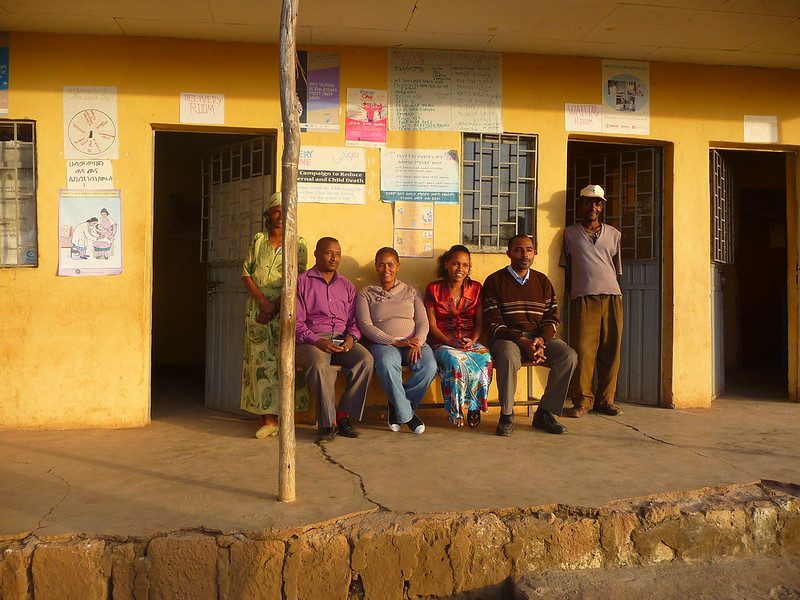
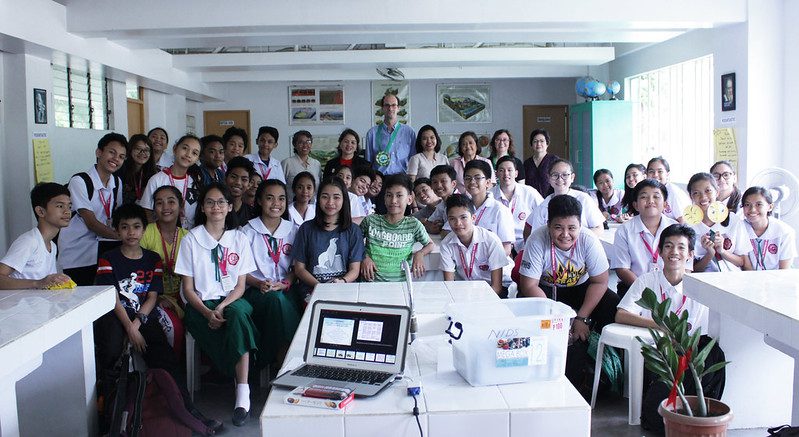
USAID Programs in the PhilippinesIn 1961, President John F. Kennedy founded USAID, an independent federal agency that works to advance national security through generosity to nations in need. It promotes agricultural, educational and industrial programs in developing nations, along with supporting their governments. USAID programs in the Philippines focus on helping the nation’s youth and underprivileged through education and employment programs, along with supporting the nation’s government.

USAID Enters the Philippines

The United States has been assisting in the Philippines’ development since 1961. When USAID became an official federal agency, the Philippines became one of the agency’s first partner organizations. Since the start of the partnership, the U.S. has invested more than 290 billion pesos through different programs in the country.

In the first 20 years in the Philippines, the U.S. helped develop infrastructure, along with advancing the country’s agricultural and medical capabilities. Since then, USAID has been directed at the health and education sectors, along with continued investment in infrastructure.

Poverty and Education in the Philippines

The Philippines is among the poorest nations in Southeast Asia. Around 18% of the population lives below the poverty line. With low access to education, nine out of 10 children in the Philippines are unable to read or understand reading material by the age of 10.

One of the biggest categories of USAID programs in the Philippines is educational assistance. Since 1961, the U.S. has created and implemented numerous programs working to help improve basic reading and math skills among developing students and putting learning objectives in place that will help students become prepared for the workplace.

USAID Education Programs

ABC+ works with children in grades K-3 to advance literacy skills in Filipino and English. The program teaches instructors how to teach reading and math in both languages and how to create effective out-of-classroom work that will help students learn at home. With help from U.S. universities such as Florida State University, the program is working to design college courses for early literacy development to help prepare future teachers.

Gabay is a USAID program working to “strengthen the access of deaf, blind and deafblind children to quality education” according to USAID. Through the program, USAID helps train teachers and parents in “inclusive education strategies” and provides assistive devices to schools and community centers to help accommodate students with disabilities. Gabay has helped strengthen the sign language curriculum in the Philippines and has helped local governments better support children with disabilities.

Opportunity 2.0 is a program that works to help out-of-school youth find job opportunities. More than 3 million Filipinos aged 16-24 are either not enrolled in school, have not finished secondary school or are unemployed, according to USAID. The program offers placement in education systems that help prepare students for college, has job training programs and has courses on how to start and grow a business. Opportunity 2.0 has offices in 15 cities in the Philippines and is available to any Filipino aged 16-24 who does not have a bachelor’s degree.

YouthWorks PH

YouthWorks PH is one of the biggest education-based programs USAID has in the Philippines. More than 50% of the population in the Philippines is under the age of 30, making their education an important aspect of the country’s development, according to USAID. Through this program, USAID works with The Philippine Business for Education to provide “training and employment opportunities for at least 40,000 youth through an innovative work-based training approach,” according to USAID.

It focuses heavily on the school-to-work transition period to make sure members learn any workplace skills they could not learn in high school or college. By helping more students become qualified for the workplace, YouthWorks is helping to lower the unemployment rate for ages 15-24.

Creating Opportunities

By supporting different education programs in the Philippines, USAID is helping students get the necessary education needed to find opportunities in school. Since 2020, the unemployment rate in the Philippines has dropped from 10.3% to 4%. Literacy rates hit a high of 99% thanks to the development of the nation’s education system. USAID programs in the Philippines have yielded encouraging results in the past 10 years, and are continuing to grow every day, helping Filipino students create opportunities inside and out of the classroom.

– Nicolas Mezzaucella

Nicolas is based in New Rochelle, NY, USA and focuses on Good News and Global Health for The Borgen Project.

Photo: Flickr
June 27, 2024
https://borgenproject.org/wp-content/uploads/borgen-project-logo.svg 0 0 Jennifer Philipp https://borgenproject.org/wp-content/uploads/borgen-project-logo.svg Jennifer Philipp2024-06-27 03:00:472024-06-25 04:51:25USAID Programs in the Philippines 
Food Insecurity, Global Poverty, Nonprofit Organizations and NGOs, War and Violence

The Effectiveness of Welfare Programs in Afghanistan

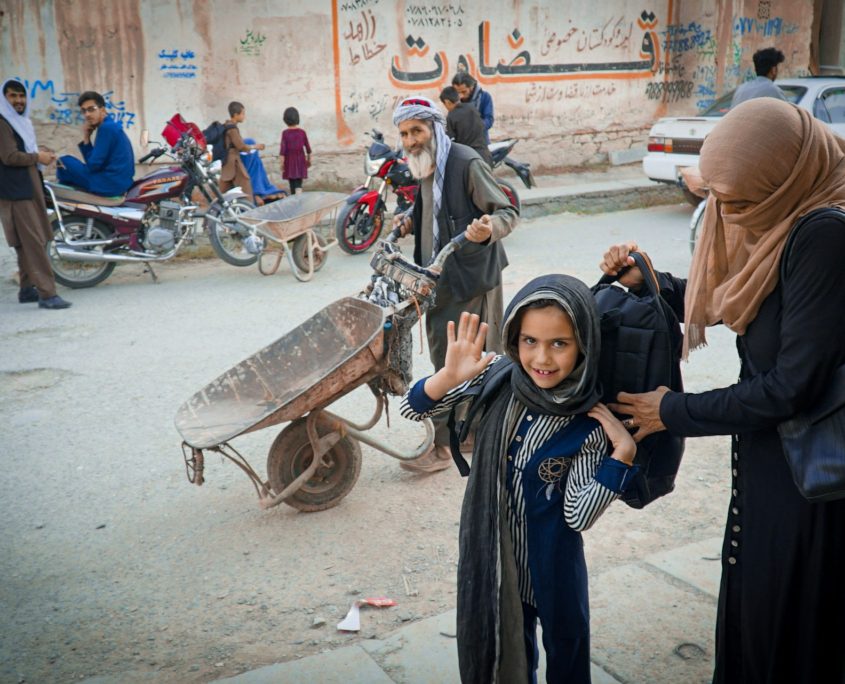
Welfare Programs in AfghanistanAfghanistan has faced long-term, simultaneous crises for decades. Its recent drop from number one on the 2023 Watchlist does not signal improvement. Rather, the severity of the situation in East Africa has simply surpassed that of Afghanistan. Beyond monitoring data, the primary focus of welfare programs in Afghanistan is to meet the humanitarian needs of each citizen in areas aligned with the program’s mission. In Afghanistan, 3,001 nongovernmental organizations (NGOs)—including 2,753 local and 248 international—with 3,544 associations, actively work to bridge gaps in funding, human resources and technical expertise.
Poverty and Food Insecurity in Afghanistan

The Taliban takeover in 2021 increased displacement throughout Afghanistan displacing 3.2 million people from their homes. Most local and international NGOs stopped during that time but still held legal entity status. Samira Sayed Rahman, Afghanistan director of advocacy from the International Rescue Committee (IRC) stated, “Increasing hunger, natural disasters, unemployment, a banking and liquidity crisis, rights-violating restrictions on women and girls and the lack of a functioning economy mean Afghans are facing a multitude of simultaneous crises.”

More than 17 million Afghans face the daily threat of food insecurity.  According to the World Food Program (WFP), Afghanistan is one of the largest global humanitarian crises to exist at the moment.  With a population of 40.8 million people, 28.8 million of Afghanistan’s population needs assistance to alleviate suffering and maintain human dignity.

Causes of Poverty and Food Insecurity

Afghanistan faces multiple challenges contributing to 40% of its population facing food insecurity. These include a crumbling economy, recent floods, isolation, frequent earthquakes, recurring droughts, the impact of COVID-19, soaring food prices, the spread of illness, a water crisis and limited employment opportunities. Currently, international aid organizations subsidize more than 75% of Afghanistan’s public spending. Moreover, Afghanistan’s central bank funds remain frozen because the Islamic Emirate of Afghanistan (IEA) has not agreed to the conditions proposed by the Alliance for Human Rights in Afghanistan.

During the Taliban takeover in 2021, the Taliban effectively infiltrated most U.N.-managed programs. In response, several human rights organizations convened in March 2022 and established the Alliance for Human Rights in Afghanistan. This alliance now helps these organizations monitor the dire human rights situation in Afghanistan.

Welfare Organizations in Afghanistan

The people of Afghanistan need long-term sustainable solutions. Due to Afghanistan’s long-term economic crisis, it is difficult to assess the long-term impact each organization has had. However, here are a few key organizations with active welfare programs in Afghanistan:

  • The Cooperative for Assistance and Relief Everywhere (CARE). CARE has been providing humanitarian support in Afghanistan for more than 35 years. CARE International’s mission is to restore dignity and security, save lives, defeat poverty and achieve social justice. It is one of the leading humanitarian international NGOs in Afghanistan fighting poverty and providing life-saving assistance to vulnerable Afghans. CARE allocates 90% of its expenses to program services. In Afghanistan, CARE has developed impactful programs for vulnerable women and girls who need access to essential services. In addition, it supports multiple areas through these welfare programs, including humanitarian action, resilience, education and health equity and rights.
  • The International Rescue Committee (IRC). The IRC has provided support in Afghanistan for about 36 years. It has 5,002 staff members in Afghanistan and 99% are Afghans. Its mission is to help people whose lives and livelihoods are shattered by conflict and disaster to survive, recover and gain control over their future.
  • Food for Peace (FFP). The United States Agency for International Development’s (USAID) office of FFP supports the United Nations (U.N.) World Food Program (WFP) has provided support in Afghanistan for more than 60 years to reach vulnerable communities affected by the humanitarian crises. The WFP is committed to staying the course in Afghanistan as long as it is possible to deliver assistance to the Afghan people while ensuring the safety of its staff. Support from WFP and FFP includes regionally sourced in-kind food aid and cash transfers for food to vulnerable and drought-affected Afghans. Considering the catastrophic situation in Afghanistan, the WFP urgently needs $670 million between Jan. to June 2024 to be able to provide lifesaving support to vulnerable people in Afghanistan.                                           

Looking Ahead

Organizations and welfare programs in Afghanistan, including the Organization of Human Welfare (OHW), continue to serve states by stabilizing livelihoods and promoting resilience. Its effectiveness and impact depend on economic growth and change. Moreover, by providing education and training, multiple welfare organizations aim to shift the focus of the Afghan people from crisis to growth, reduce poverty and decrease their dependency on international aid in the future.

– Pamela Fenton

Pamela is based in Wall, New Jersey, USA and focuses on Global Health and World News for The Borgen Project.

Photo: Unsplash

June 26, 2024
https://borgenproject.org/wp-content/uploads/borgen-project-logo.svg 0 0 Precious Sheidu https://borgenproject.org/wp-content/uploads/borgen-project-logo.svg Precious Sheidu2024-06-26 01:30:272024-06-25 04:08:12The Effectiveness of Welfare Programs in Afghanistan
Economy, Entrepreneurship and Business, Global Poverty

CIRCLE Alliance: Increasing Circular Plastic Economies

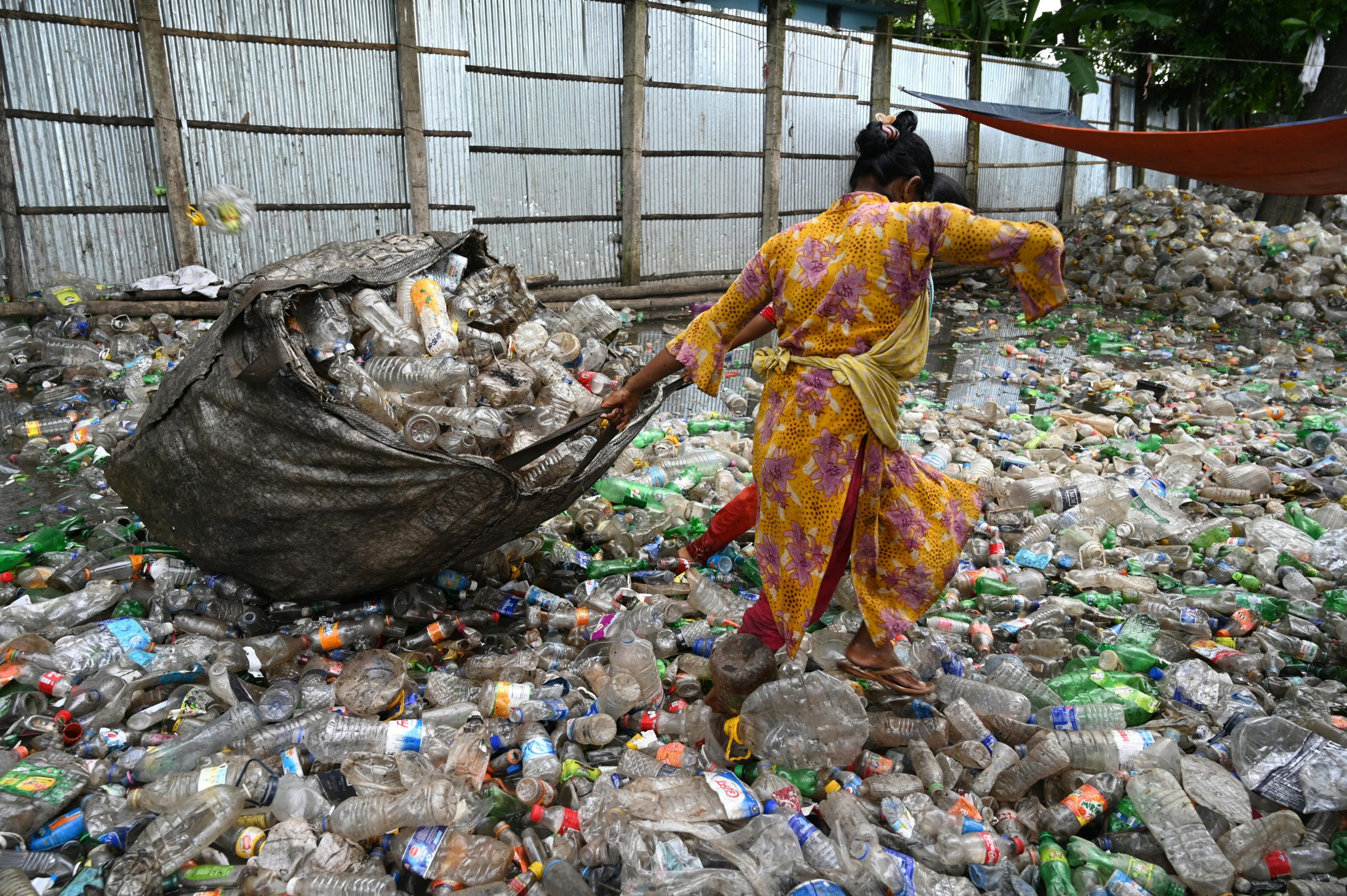
CIRCLE AllianceJune 6, 2024, marked the launch of the new CIRCLE Alliance collaboration. The public company Unilever, the United States Agency for International Development (USAID) and the private organization Ernst and Young (EY) have all partnered to create the CIRCLE Alliance. These organizations are working with entrepreneurs and small businesses that are already established in the plastic waste sector.

They aim to find solutions to scale the work already being done through their $21 million investment. Through this and by focusing on increasing circular plastics economies, CIRCLE will work to reduce the use and waste of plastic products. CIRCLE’s initial plan is to launch projects in four key countries: India, Indonesia, Vietnam and the Philippines. Within these countries, CIRCLE will focus efforts on those who already perform most of the collection and disposal of waste – women.

Plastic in CIRCLE’s Key Countries

  • India produces the most plastic waste in the world, behind the United States (U.S.) and the European Union (EU), with 26,000 tons generated daily. It is also the leader in polymer production, the substance used to create plastic.
  • Indonesia generates just more than 21,000 tons of plastic waste daily. Most of the waste comes from rural locations without proper waste management systems. Most of the waste ends up in waterways, floating down rivers. Only 17% of the waste that makes it into rivers either washes up or is removed.
  • Vietnam’s recent economic growth contributes to the plastic waste problem. The nation produces almost 8,500 tons of plastic waste daily and if it continues on its current path, this amount is projected to double by 2030.
  • The Philippines produces just less than 8,000 tons of plastic waste daily and the country’s coastlines are suffering. Much of the country’s economy is based on coastal work—fishing, tourism and shipping. With 20% of all plastic waste finding its way to the ocean, these industries are being impacted. 

What Are Circular Plastic Economies?

In circular plastic economies, plastic waste is reduced by finding solutions to recycle and reuse plastic products that are currently being thrown away. Plastic, a material used globally, is estimated to double in production in the next 20 years. We are creating and producing new plastics daily and therein lies the problem. The world currently creates more plastic than is recycled for reuse. Currently, 84% of all plastic created is disposed of in landfills, fires or the ocean.

Globally, plastics are mostly operating in a “linear take-make-waste model,” a term coined by the Ellen MacArthur Foundation, a leader in circular economy creation and research. With the introduction of circular plastic economies, the economic value of production is recouped. Additionally, the material does not find its way into the environment.

CIRCLE Alliance’s Investment in Entrepreneurs

CIRCLE Alliance has already shown its dedication to the cause and displayed how circular plastic economies promote poverty reduction. In the Philippines, for example, lives Riza Santoyo. Her inspiring story starts with a self-funded waste-collecting business in her small town. She used the resources available to her to collect waste, making about $2 a day. CIRCLE Alliance’s investment in equipment for Santoyo allowed her to increase not only her efficiency and productivity in waste collection but also her income. The efforts that the CIRCLE Alliance is making in these key countries are at the intersection of sustainability and poverty reduction.

Expand Producer Responsibility

Another initiative to increase circular plastic economies is to expand producers’ and companies’ responsibility for the aftermath of their products. To combat the myth that single-use plastic is the most cost-effective method, USAID, EY and Unilever are working to promote systems of use called Extended Producer Responsibility (EPR Systems). These systems flip the responsibility of waste removal from the consumer to the producer. It forces the producer to evaluate the true cost of their single-use product. This has encouraged companies to make their plastic recyclable and to think of solutions outside of plastic for their products.

– Carlee Unger

Carlee is based in Pembroke, NC, USA and focuses on Global Health and Politics for The Borgen Project.

Photo: Pexels

June 25, 2024
https://borgenproject.org/wp-content/uploads/borgen-project-logo.svg 0 0 Hemant Gupta https://borgenproject.org/wp-content/uploads/borgen-project-logo.svg Hemant Gupta2024-06-25 07:30:182024-06-29 16:42:34CIRCLE Alliance: Increasing Circular Plastic Economies
Economy, Education, Global Poverty

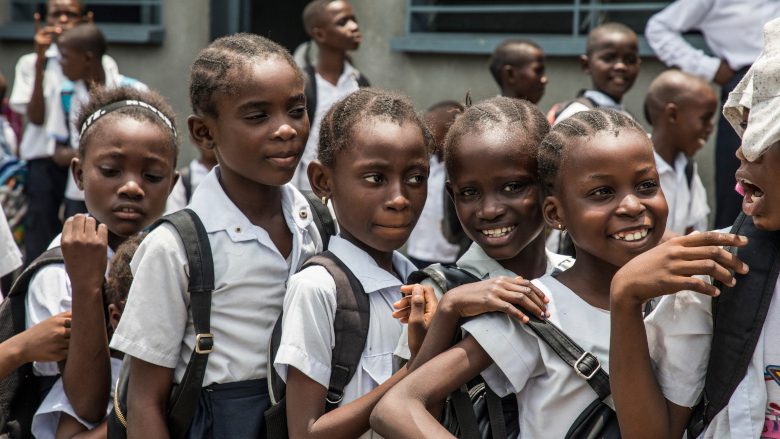
Unlocking Economic Opportunities With Education in the Congo

Education in the CongoThe Democratic Republic of Congo (DRC) boasts the world’s second-largest rainforest, a wealth of precious minerals and large crude oil reserves, the spoils of which most Congolese do not enjoy. In fact, two-thirds of the population lives below the poverty line, subsisting on less than $2.15 a day. This dire situation stems from a long history of sociopolitical turmoil. Additionally, ongoing violent conflict in the DRC has stunted economic growth and subjected citizens to prolonged instability and violence.

Furthermore, inhospitable conditions are most acutely burdensome for women, who face gender discrimination, early marriage, poverty and food insecurity. Women with little or no educational attainment are even more vulnerable to experiencing these issues. Humanitarian organizations are investing in programs to make high-quality education more accessible throughout the Congo. These efforts are instrumental in the fight against gender inequality and extreme poverty.

Education in the Congo

For underprivileged Congolese children, tending to crop fields is more routine than sitting in classrooms reading and writing. Beginning in the ’80s, parents had to pay tuition fees to send their kids to school. Then, in 2019, a new policy waived the cost of attendance, enabling more than three million children to enroll. While higher rates of young people attending school is an encouraging sign of progress, the education system in the DRC needs to be equipped to accommodate the influx; classrooms are overcrowded and instructors are overwhelmed.

Education Cannot Wait

Education Cannot Wait (EWC), the global fund for education in less-resourced areas, has stepped in to aid the DRC. The nonprofit is addressing teacher shortages, supplying psychosocial support services and training for educators and instituting nutrition programs at school. As of August 2023, EWC has built or rehabilitated 343 classrooms and trained 2,425 teachers. The inclusivity and protection component of its mission has facilitated the distribution of more than 3,000 female hygiene kits to girls and supports the monitoring of school performance.

Other Initiatives Supporting Education in the Congo

Another organization dedicated to increasing the universal availability of education in the Congo is the United States Agency for International Development (USAID), which has allocated $7.7 million toward improving classroom instruction. USAID works closely with faith groups, private institutions and international partners to provide greater academic resources for at-risk communities with low literacy rates and poor math scores. Its initiatives aim to equip schools with sufficient supplies like textbooks and higher-quality lessons in social and emotional skills, numeracy, soft and vocational skills and literacy.

The United Nations Educational, Scientific and Cultural Organization (UNESCO), partnered with the French Development Agency (AFD), is also conducting a four-year teacher training project in the Congo. One of the guiding motivations behind the program is to boost the presence of women in the educational profession, which may make school environments more welcoming for girls.

Final Remark

Certainly, investing in the education and empowerment of young Congolese will yield significant benefits for the DRC. It will advance the country’s efforts to eliminate extreme poverty and build a more prosperous future for its citizens. Enhancing the availability and quality of educational resources is the crucial first step toward these overarching objectives.

– Natalie Kaufman

Natalie is based in Orlando, FL, USA and focuses on Good News for The Borgen Project.

Photo: Wikipedia Commons

June 25, 2024
https://borgenproject.org/wp-content/uploads/borgen-project-logo.svg 0 0 Hemant Gupta https://borgenproject.org/wp-content/uploads/borgen-project-logo.svg Hemant Gupta2024-06-25 01:30:162024-06-23 13:46:14Unlocking Economic Opportunities With Education in the Congo
Global Poverty, Humanitarian Aid, USAID

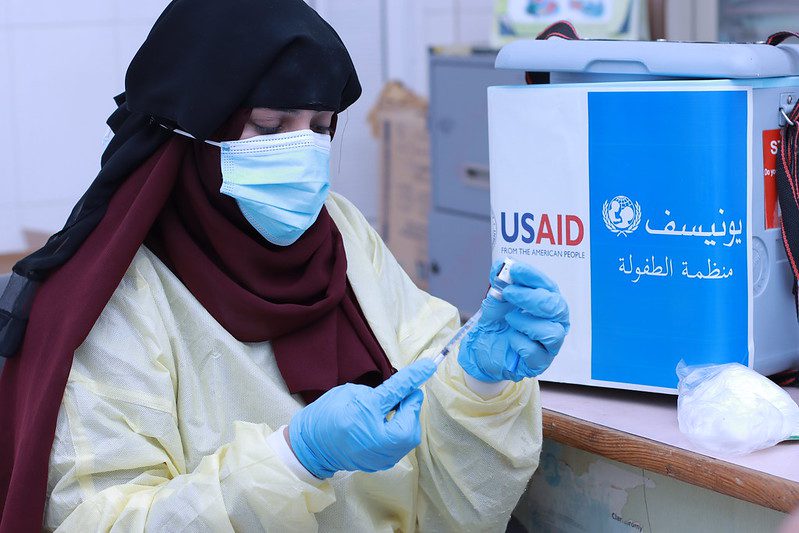
USAID Programs Push Yemen toward National Stability 

USAID ProgramsYemen has one of the world’s worst humanitarian crises due to prolonged instability after Houthi insurgents took control of Yemen’s capital and largest city in 2014. Now, out of the 35.2 million Yemeni citizens, at least 18.2 million live in severe poverty and rely on foreign aid. The United States government actively provides humanitarian aid to Yemen. In 2024, it announced nearly $220 million in funding to advance Yemen’s transition toward stability. USAID programs in Yemen target key areas that require development and support and are integral to the survival of the Yemeni population.
Food Security

In Yemen, 17.6 million people face high levels of food and nutrition insecurity. USAID funding supports the efforts of the World Food Programme (WFP) and seven NGOs to provide food assistance across Yemen. The funding provides communities with U.S. and locally sourced commodities and cash vouchers for individuals without enough money to shop at local markets, according to a 2024 USAID fact sheet.

In October 2023, USAID contributed $10.1 million for ready-to-use therapeutic food (RUTF) providing for 144,000 cases of treatment to severe and acute malnutrition.

Health

Years of conflict have left more than 30 million people in need of humanitarian assistance, yet 50%, of health facilities in Yemen are non-functioning or only partly functioning due to a lack of funds, medicines, supplies electricity, and equipment. USAID funding provides primary care and nutrition services to Yemen through static and mobile medical facilities. Additional funding equips health facilities with medical supplies and pharmaceuticals, according to a 2024 USAID fact sheet. USAID funding enabled the World Health Organization (WHO) to provide medical oxygen to more than 1 million patients at 25 hospitals in Yemen during 2021 and 2022.

Water Sanitation

Ongoing conflicts in Yemen increasingly destroy the country’s water and hygiene infrastructure. Now, Yemen faces one of the world’s worst water crises with 16 million people in urgent need of water sanitation and hygiene. With the help of USAID, an additional 1.8 million Yemenis have access to clean water and improved sanitation services in 2024. USAID funds the rehabilitation of water systems, improved sanitation services such as repaired sewage networks, and the installation of toilets and handwashing facilities in homes and health facilities.

Education

A lack of reliable school facilities and resources leaves millions of Yemeni children uneducated. USAID funding in Yemen reached 275,000 children across 676 formal and informal educational settings in 2024, according to the Yemen Country Profile. Aid funds teacher training, educational equipment, teaching materials, child protection, water sanitation and hygiene activities. Due to conflicts and natural disasters, USAID funds home learning programs to maintain education in communities battling school closures.

National Economy Support

USAID programs focus on strengthening the Yemeni economy hoping a stable national economy will increase overall stability in Yemen. USAID helped Yemen establish its first foreign exchange auctions, increasing transparency and stabilizing previously volatile exchange rates, while also supporting the implementation of 17 World Trade Organization (WTO) trade facilitation agreements. Additionally, USAID facilitated more than $2 million in export sales agreements. USAID works to strengthen economic institutions such as the Central Bank of Yemen.

Despite the severe humanitarian crisis and ongoing conflicts, the United States remains committed to providing crucial humanitarian support via USAID programs in Yemen. Through multi-faceted programs addressing food security, health, water and sanitation, education, and economic development, this assistance aims to alleviate suffering, build resilience, and support Yemen’s fragile transition towards stability. While challenges persist, this comprehensive approach demonstrates the international community’s dedication to helping Yemen overcome adversity and create a more promising future for its citizens.

– Lauren Thompson

Lauren is based in San Francisco, CA, USA and focuses on Good News and Global Health for The Borgen Project.

Photo: Flickr

June 24, 2024
https://borgenproject.org/wp-content/uploads/borgen-project-logo.svg 0 0 Jennifer Philipp https://borgenproject.org/wp-content/uploads/borgen-project-logo.svg Jennifer Philipp2024-06-24 01:30:322024-06-23 13:19:25USAID Programs Push Yemen toward National Stability 
Aid, Developing Countries, Global Poverty

USAID Programs in Guatemala

USAID Programs in GuatemalaDespite being the largest economy in Central America, Guatemala has the highest poverty and inequality rates in Latin America and the Caribbean. As of 2023, an estimated 55.1% of the population is affected by poverty, with a child malnutrition rate of 47%, among the 10th highest in the world. However, the United States Agency for International Development (USAID), a nongovernmental organization (NGO), has been running programs to alleviate poverty in Guatemala since the ’80s. The programs aim “to address the drivers of irregular migration to the United States, including high levels of violence and insecurity, pervasive poverty and chronic malnutrition.”

Factors Affecting Poverty in Guatemala

Hurricanes Eta and Iota in 2020 severely damaged infrastructure, leading to losses of 0.56% of gross domestic product (GDP) and 0.20% GDP of agriculture-related losses. The COVID-19 pandemic further disrupted Guatemala’s economy by straining the health care system, disrupting education due to lockdowns and increasing food insecurity by disrupting food supply chains, leading to greater malnutrition and loss of livelihoods.

On February 2, 2021, President Biden Signed an Executive Order calling for Addressing the Root Causes of Migration in Central America. The order intends to work alongside USAID to implement programs to alleviate poverty in Guatemala, hoping that, as a result, it will also reduce migration to the United States (U.S.).

The Root Cause Strategy in Guatemala

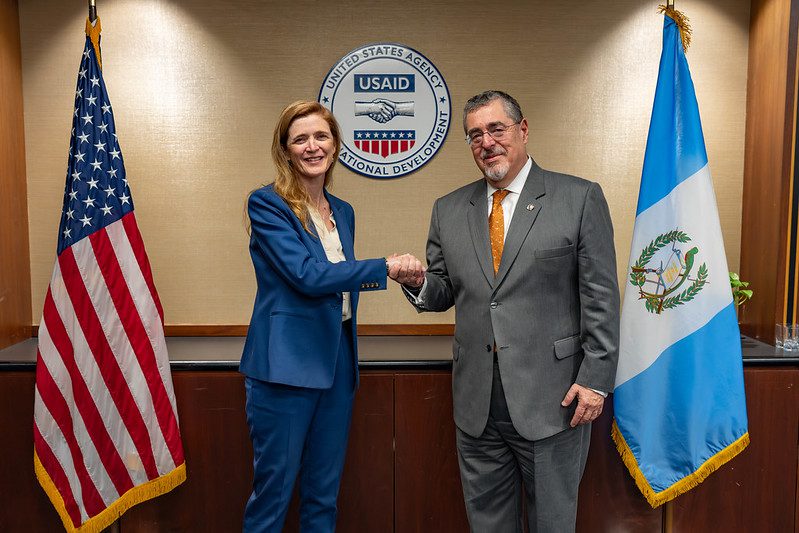
Vice President Kamala Harris met with Guatemalan President Bernardo Arévalo on March 25, 2024, to encourage bilateral relations as part of the Biden Administration’s ongoing commitment. She announced the planned investment of $135 million in USAID alongside $170 million intended to aid development, economic health and security assistance for Guatemala.

USAID Programs Involvement in the Root Cause Strategy

The funding provided by the Biden Administration is planned to implement the following USAID Programs in Guatemala:

  1. Anti-corruption Task Force: Guatemala has long been riddled with corruption among governing and police officials, ranking 13 out of 15 Latin American countries in its ability to detect, punish and prevent corruption. The USAID task force aims to build public trust in democracy as a system that works in its interest by implementing U.S. law enforcement officials and prosecutors to work on and investigate corruption cases.
  2. Central American Service Corps (CASC): The program was announced in 2022 and, after a successful run, is set to expand in May, funded by USAID. In the next five years, it aims to reach 25,000 Guatemalan youth at risk of migrating by engaging them in volunteer work, training and employment opportunities in Guatemala.
  3. Feed the Future Programme: USAID intends to support research capacity, education and advice on “Climate Smart” agriculture and build opportunities to scale agricultural technologies. In turn, it will bolster food security, which affects 4.6 million Guatemalans and aid economic development by fostering rural entrepreneurship.
  4. Guatemala Biodiversity Conservation: USAID will implement this program to strengthen the Guatemalan System of Protected Areas, focusing on the Maya Biosphere Reserve, Sierra de las Minas Biosphere Reserve and areas of ecological importance along the Pacific Coast. Conservation efforts often create opportunities for ecotourism, allowing Guatemala to create job sectors to generate ecotourism activities.
  5. Boosting Education: Due to a lack of funding and inefficient education systems, approximately 3% of Guatemala’s GDP is spent on education. Therefore, USAID intends to support the Government of Guatemala in establishing an educational foundation for children and youth to provide an alternative to migration. It has already reached nearly 69,000 learners in high-out-migration municipalities.

Looking to the Future

The Root Cause Strategy’s efforts to increase USAID funding and implement new programs in Guatemala offer a hopeful future. With consistent support, USAID can continue to alleviate poverty by boosting the agricultural economy, combat malnutrition by enhancing food security and address educational deficits with increased funding.

– Fatima Naqavi

Fatima is based in London, UK and focuses on Good News for The Borgen Project.

Photo: Flickr

May 20, 2024
https://borgenproject.org/wp-content/uploads/borgen-project-logo.svg 0 0 Hemant Gupta https://borgenproject.org/wp-content/uploads/borgen-project-logo.svg Hemant Gupta2024-05-20 07:30:512024-05-20 00:35:50USAID Programs in Guatemala
Global Health, Global Poverty, HIV/AIDS

How the Global Fund Is Fighting HIV/AIDS

The Global FundThe Global Fund is a “Global Health Partnership” that receives funds from different sources, including the private sector, foundations and governments, to fight human immunodeficiency virus (HIV) and acquired immune deficiency syndrome (AIDS), Malaria and Tuberculosis. The partnership was established in 2002 and has saved 59 million lives by investing more than $60 billion in global health care systems to help ensure equal access to care across the world. The Fund’s HIV/AIDS goals include, but are not limited to, fulfilling the World Health Organization’s “Treat All” guidance and the United States Agency for International Development’s (USAID) 95-95-95 strategy.

What Is HIV/AIDS?

HIV is a virus that damages a person’s immune system, making them more susceptible to infections and other diseases. AIDS, on the other hand, is used to describe the often life-threatening infections and illnesses that occur after damage to the immune system has been caused by HIV.

HIV can be contracted by anyone through the body fluids of an infected person, through unprotected sex, sharing needles or transmission from mother to baby (via pregnancy, birth or breastfeeding). When discussing these interrelated terms, it is important to note that while HIV can be transmitted, AIDS cannot be.

With HIV treatment, “most people” can be prevented from developing AIDS-related illnesses and can get to the point of having an “undetectable viral load.”

WHO’s Treat All Guidance and USAID’s 95-95-95 Strategy

HIV is a global health care problem and as such, global organizations have set strategies in place. In 2016, the WHO launched the “Treat All” plan to tackle the number of people living with HIV, where it recommended that “all people living with HIV be provided with antiretroviral therapy (ART)” with the aim of reaching all 37 million with the virus.

Furthermore, USAID has set out another global strategy. Its 95-95-95 strategy is an HIV plan that has the following aims for 2025:

  • 95% of women in their reproductive years receive comprehensive HIV and sexual and reproductive health services.
  • 95% of pregnant and breastfeeding women diagnosed with HIV achieve viral load suppression.
  • 95% of children born to HIV-positive mothers undergo testing for potential exposure to the virus.

The Global Fund says it is “making significant progress” toward fulfilling both the WHO and USAID guidance.

Key Populations and Why They Matter

The WHO defines a key population as a group that “frequently face legal and social challenges that increase their vulnerability to HIV, including barriers to accessing HIV prevention, treatment and other health and social services.” According to USAID, 70% of new HIV infections occur in key populations and can go unresolved due to factors like stigma, human rights violations and violence.

The Global Fund has found that due to COVID-19, progress in the prevention and treatment of HIV/AIDs was reduced, with key populations being left behind, including children, adolescent girls and young women. For instance, there is a high disparity in care between children and adults, with 43% of HIV-positive children being unable to access lifesaving treatment compared to 23% of HIV-positive adults. Targeted health care tailored to these populations is crucial. Failure to address their infection rates undermines the long-term goal of eradicating HIV and AIDS.

What Has the Global Fund Done?

So far, the Global Fund has invested more than $25.5 billion in global HIV/AIDS care, providing more than a quarter of all international financing for this disease. Furthermore, in 2022, the organization provided antiretrovirals for 24.5 million people. In the same year, more than 15 million people, including 710,000 HIV-positive expectant mothers, received preventative care as a result of the partnership.

In fact, in the countries where it provided care, 82% of mothers were able to prevent the spreading of HIV to their babies. Moreover, due to the high number of HIV tests carried out, 53.1 million, the Global Fund was able to create a 72% reduction in AIDS-related deaths in countries where it operates.

The partnership has also identified 13 countries that have been made a priority, where key populations such as young women and adolescent girls are specifically targeted to benefit from HIV prevention programs. This is because they are “more than three times as likely” to contract HIV than their male counterparts.

Looking Ahead

In July 2021, the Global Fund released its 2023-2028 strategy, a continuation of all the work that it has done so far to improve health care outcomes globally. Its mission is officially to “To attract, leverage and invest additional resources to end the epidemics of HIV, tuberculosis and malaria, reduce health inequities and support attainment of the Sustainable Development Goals.” Ultimately, it aims to create a world that is healthier and better for all.

– Rachael Denton-Snape

Rachael is based in High Wycombe, UK and focuses on Global Health for The Borgen Project.

Photo: Flickr

May 19, 2024
https://borgenproject.org/wp-content/uploads/borgen-project-logo.svg 0 0 Hemant Gupta https://borgenproject.org/wp-content/uploads/borgen-project-logo.svg Hemant Gupta2024-05-19 07:30:522024-05-19 01:18:58How the Global Fund Is Fighting HIV/AIDS
Africa, Developing Countries, Global Poverty

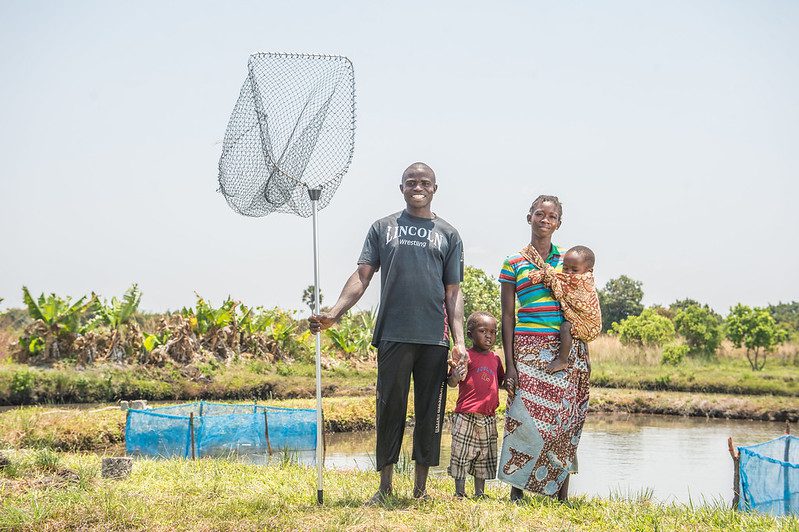
From Pond to Plate: Aquaculture in Zambia Is Transforming Lives

Aquaculture in ZambiaIn Zambia, a landlocked country in southern Africa, fish serve as more than just sustenance; they are the very foundation of livelihoods. More than  30% of the country’s animal protein is derived from fish. As the population grows, the imperative of cultivating aquaculture in Zambia grows ever more pronounced, emerging as a pivotal conduit for securing food security and economic stability, especially within rural communities.

With the strategic interventions of the United States Agency for International Development (USAID) and the collaborative efforts of government initiatives, Zambia is poised to harness the potential of its growing aquaculture sector. The nation aims not only to meet the nutritional needs of its populace but also to drive sustainable development while safeguarding its resources for generations.

The Prospects of Aquaculture in Zambia

Zambia is a prominent figure in Sub-Saharan Africa’s aquaculture landscape, standing as one of the continent’s leading producers of farmed fish. Within the agricultural sector, fisheries contribute significantly, constituting 3.2% of the country’s gross domestic product (GDP). The nation boasts an annual production of 75,500 tons of tilapia, marking a nearly 10,000% increase since 1986. Despite this impressive growth trajectory, the demand for fish shows no signs of abating. Projections indicate a need for an additional 71,591 tons of fish by 2030 to meet the country’s surging population demand.

Zambia remains a net importer of fish, highlighting the persistent challenge of bridging the supply-demand gap in this vital sector. Therefore, the country stands to reap substantial macroeconomic benefits from expanding its aquaculture industry. By fostering growth in fisheries and enhancing common practices, the nation is primed not only to attain agricultural independence but also to address the pressing challenge of food insecurity, which affects 48% of the population. Recent research by the University of Stirling demonstrates the pivotal role aquaculture plays in bolstering food security in Zambia.

However, the expansion of the aquaculture industry holds promise beyond enhancing food production; it has the potential to alleviate poverty by creating employment opportunities and increasing incomes directly. Moreover, it facilitates coherent community development measures, offering a new avenue for revenue generation for entire lakeside towns. Aquaculture in Zambia often synergizes with crop agriculture, leveraging the fertile conditions and irrigation opportunities provided by lakes, fostering income diversification and growth. To ensure that farmers and fishermen can fully harness the benefits of aquaculture, various domestic and international initiatives are in place to provide support and assistance.

Zambian Government Initiatives

For decades, the Zambian government has played a pivotal role in fostering the growth of the aquaculture industry. In 2004, the introduction of the National Aquaculture Development Strategy (NADS) signaled a concerted effort to provide guidelines and support for private sector-led growth aimed at promoting entrepreneurship and bolstering production. Additionally, the establishment of the centralized Department of Fisheries underscores the government’s commitment to the sector, with five aquaculture centers positioned across the country.

These centers are tasked with conducting feasibility studies and research, particularly concerning fish nutrition and species selection, to drive innovation and sustainable development. Moreover, the Agriculture Commercialization Programme (ACP) offers low-risk financial services to farmers and fishermen, as well as provides a gateway to access relevant technologies.

Ultimately, the Zambian government’s commitment to empowering its fisheries and rural population is not only a testament to its dedication to food security but also to uplifting its most vulnerable citizens. By providing entrepreneurial and employment opportunities, initiatives like the ACP contribute significantly to poverty alleviation in Zambia.

Foreign Investment in Aquaculture

Foreign aid, particularly from USAID, plays a crucial role in fortifying aquaculture in Zambia as well. Through initiatives like feasibility tests, USAID provides invaluable insights into the profitability of aquaculture ventures, demonstrating that even modest investments can yield substantial returns.

For example, one such test revealed that the input costs for a 500 square meter pond, approximately $1,000, offer an impressive 42.38% internal rate of return.

USAID’s aquaculture initiatives in Zambia extend beyond research. For instance, the Farmer-to-Farmer (F2F) program facilitates access to emerging technologies, enhancing the quality and quantity of fish and produce available in local markets.

Similarly, FishFirst! Zambia and the USAID-Mississippi State University partnership at Zambia’s Feed The Future Innovation Lab for Fish prioritize research on fish nutrition and the development of fish-based products, such as instant porridge, which has notable potential for both domestic consumption and international export. These efforts not only promote entrepreneurship but also contribute directly to improved nutritional outcomes for rural communities.

Additionally, USAID programs equip rural Zambians with educational resources, imparting knowledge on the nutritional benefits of various fish species and offering practical guidance through recipe handbooks. Ultimately, foreign investment plays a pivotal role in augmenting food security and reducing poverty in Zambia by fostering innovation, education and economic opportunities.

Final Remark

Aquaculture in Zambia offers a promising avenue for sustainable economic growth and poverty alleviation as the country moves into the future. With support from domestic and international channels, there is immense potential for the expansion of the vital industry. With continued investment and collaboration, Zambia’s fisheries can play a pivotal role in achieving broader development goals and alleviating poverty through the creation of long-term, sustainable and profitable employment opportunities.

– Matthew Candau

Matthew is based in St. Andrews, Scotland and focuses on Business and New Markets and Politics for The Borgen Project.

Photo: Flickr

April 13, 2024
https://borgenproject.org/wp-content/uploads/borgen-project-logo.svg 0 0 Hemant Gupta https://borgenproject.org/wp-content/uploads/borgen-project-logo.svg Hemant Gupta2024-04-13 07:30:002024-04-12 15:31:48From Pond to Plate: Aquaculture in Zambia Is Transforming Lives
Development, Foreign Aid, Global Poverty

Looking Back: 5 Influential Global Poverty Reduction Acts

Looking Back: 5 Influential Global Poverty Reduction Acts The United States (U.S.) has demonstrated its commitment to prioritizing global poverty reduction legislation. In recent years, the U.S. Congress has enacted significant bills aimed at reducing global poverty, with its impact resonating worldwide. So far, these efforts underscore the success of U.S. global poverty reduction acts and their ongoing effectiveness into 2024.
5 Influential Global Poverty Reduction Acts

  1. BUILD Act. The Better Utilization of Investments Leading to Development Act, known as The BUILD Act of 2018, established the United States International Development Finance Corporation to boost economic growth in developing countries. In a Center for Strategic and International Studies interview with Congressman Andy Kim (D-NJ), the House representative applauded the millions of equity investments provided in Ukraine and Brazil. The BUILD Act, under the IDFC’s framework, is slated for reauthorization in 2025.
  2. Global Food Security Act. The Global Food Security Act of 2016 enhanced farmers’ access to both local and international markets. The act improves agricultural infrastructure and expands market opportunities in developing countries. This act has lifted millions of people out of poverty, building on the achievements of the landmark Feed the Future Act of 2010. In addition, Feed the Future reduced global hunger by 5.2 million. It elevated 23.4 million people from poverty and generated $15.3 billion in agricultural sales for farmers, among other successes. As a vital component of global poverty reduction legislation, the Global Food Security Act received reauthorization in 2018 and 2023.
  3. Global Malnutrition Prevention and Treatment Act. The Global Malnutrition Prevention and Treatment Act of 2022 equipped the United States Agency for International Development (USAID) with the resources to tackle food safety, fortification and health care systems, among other health-related challenges in developing countries. As of 2022, USAID’s health initiatives have benefited 32 million children and 11.6 million pregnant mothers.
  4. Global Fragility Act. The Global Fragility Act (GFA), enacted in 2019, aims to prevent violence in fragile countries. The Biden administration identified nine countries where the U.S. plans to mitigate domestic conflicts and violence. Additionally, these partnerships include efforts in Haiti, Libya, Mozambique, Papua New Guinea and Coastal West Africa—namely Benin, Côte d’Ivoire, Ghana, Guinea and Togo—targeting regions with significant conflict challenges.
  5. Protecting Girls’ Access to Education in Vulnerable Settings Act. The Protecting Girls’ Access to Education in Vulnerable Settings Act, enacted in 2019, mandates USAID to prioritize education for displaced girls. This legislation aims to enhance access to education for children, especially girls in countries where they face discrimination. In addition, it addresses the gap wherein a quarter of girls aged 15 to 19 worldwide lack access to formal education. This significantly limits their employment opportunities in the formal sector.

Fighting Global Poverty

The U.S. continues to lead global poverty reduction acts through impactful legislation. Crucial issues from food security to education and conflict resolution are being addressed. In addition, these acts represent a multifaceted approach to eradicating poverty. They showcase the U.S.’s dedication to fostering sustainable development and stability worldwide. As these programs move forward, their ongoing success and expansion offer hope for a future where global poverty is significantly diminished. They underscore the importance of continued support and innovation in tackling these challenges.

– Marley Wilson

Marley is based in Waltham, MA, USA and focuses on World News for The Borgen Project.

Photo: Flickr

April 6, 2024
https://borgenproject.org/wp-content/uploads/borgen-project-logo.svg 0 0 Precious Sheidu https://borgenproject.org/wp-content/uploads/borgen-project-logo.svg Precious Sheidu2024-04-06 01:30:312024-04-05 02:22:34Looking Back: 5 Influential Global Poverty Reduction Acts
Developing Countries, Global Poverty, Poverty Reduction

Poverty in Ghana: Challenges and Solutions

The Ripple Effects of Poverty in Ghana: Challenges and SolutionsGhana, known as the “island of peace,” is located on the West Coast of Africa, an area often described as one of the most chaotic regions in the world. Agriculture, the nation’s primary sector, employs about 40% of the workforce. However, the country continues to face challenges, with a 2022 World Bank report revealing that approximately 27% of Ghanaians lived below the poverty line due to high inflation and slow economic growth. In an interview with Joyce Bingham, the Borgen Project delves into poverty in Ghana, examining its consequences, obstacles and feasible remedies.

Agricultural Reliance and Poverty in Ghana

In Ghana, the United Nations International Children’s Emergency Fund (UNICEF) reports indicate significant nutritional deficiencies among children. It highlights that one in five children experience stunted growth, while two-thirds of those aged 6 months to 2 years lack sufficient nutrition. Malnutrition compromises their immunity, increases susceptibility to infections, impacts brain development and can be fatal. Hence, the World Food Program (WFP) partners with Ghana’s government to bolster food security and nutrition, mitigate malnutrition and improve the food system. This initiative is vital, as the visible undernourishment of many Ghanaian children underscores poverty’s profound effect on youth.

Joyce Bingham, a representative for the Church of Jesus Christ of Latter-Day Saints, lived in Ghana for two years with her husband Thomas. The Borgen Project spoke with Joyce about the local diet in Abomosu, a small village located in the eastern region of Ghana. According to her, “most families ate one meal a day and it was made out of cassava, which is a root that they would tend to have on farms, chickens or pig fat used for energy.” In addition, approximately 90% of Ghanaian families rely on agriculture to feed their children, with cassava as a crucial source of calories and carbohydrates. The fact that many families can afford only one meal a day highlights the impact of poverty in the country. To combat this, the U.S. Agency for International Development (USAID) has supported more than 63,000 farms, emphasizing the importance of agricultural aid in poverty reduction.

Water Accessibility and Housing Conditions

UNICEF reports that one in 10 Ghanaians spends more than 30 minutes to access clean water. Additionally, around 76% of households in Ghana face the risk of consuming water contaminated with fecal matter, yet only 4% properly treat their water before drinking. According to Joyce, “Women would come with their big buckets, and fill it with clean water and put it on their head and carry it for miles to have clean water in their home.” Therefore, access to clean water in Ghana is challenging, prompting UNICEF to partner with the Ghanaian government to ensure safe drinking water for all citizens. This initiative addresses the significant role water plays in the poverty experienced across the country.

In Ghana, many homes are constructed from makeshift materials such as cardboard boxes or tin sheets discarded from trucks, leading to unsafe living conditions. These environments can cause health issues including asthma, poisoning, injuries and respiratory infections. Hence, addressing Ghana’s housing crisis is crucial, and various organizations alongside the Ghanaian government are taking steps to improve the situation. The government has introduced a revised national affordable housing program aimed at reducing the housing deficit, which is a significant step toward ensuring safer living conditions.

Overcoming Educational Barriers

Thousands of children in Ghana miss out on education due to overcrowded classrooms, a shortage of supplies and textbooks and often, teachers lack adequate training. Joyce stated, “They have to pay for their education, it wasn’t free. So only those who had a farm would fund their children.” Given this, UNICEF collaborates with Ghana’s Ministry of Education and Ghana Education Service to ensure all children can access and benefit from education, addressing financial barriers to schooling. This initiative is crucial as education directly influences poverty reduction in Ghana.

Guardians in Abomosu aspire to provide their children with broad opportunities. Joyce highlighted, “Most of the time if you are born in Abomosu, you die in Abomosu. Parents wanted their children to know that there was a better world outside of the village.” Parents in Ghana make great sacrifices to send their children on educational field trips to Accra, recognizing the value of learning and experiencing life beyond their village.

Moreover, such opportunities are crucial for children’s development, offering insights into the world outside their immediate surroundings and playing a key role in building a better future. These experiences are instrumental in combating the cycle of poverty in Ghana by broadening children’s horizons and enhancing their educational journey.

Addressing Adolescent Pregnancy

Ghana faces significant challenges with adolescent pregnancy, especially among girls aged 15 to 19, with a birth rate of nearly 76 out of 1,000 births in this age group. In addition, these early pregnancies often lead to health risks and limited support resources. The Ghana Education Services and the Girls Education Unit are collaborating to develop guidelines aimed at preventing pregnancy and assisting young mothers in returning to school, thereby reducing the impact of poverty through educational support for young women.

Poverty in Ghana: Future Impact

Ghana’s concerted efforts to address agricultural reliance, water accessibility, housing conditions, educational barriers and adolescent pregnancy lay the groundwork for significant advancements in overcoming poverty. Moreover, these initiatives promise a brighter future where every Ghanaian can access the essentials for a healthy and productive life, breaking the cycle of poverty and opening new pathways for the nation’s growth.

– Abby Trussell

Abby is based in Rexburg, ID, USA and focuses on World News for The Borgen Project.

Photo: Unsplash

April 2, 2024
https://borgenproject.org/wp-content/uploads/borgen-project-logo.svg 0 0 Precious Sheidu https://borgenproject.org/wp-content/uploads/borgen-project-logo.svg Precious Sheidu2024-04-02 07:30:212024-04-01 05:33:24Poverty in Ghana: Challenges and Solutions
Page 10 of 92«‹89101112›»

Get Smarter

  • Global Poverty 101
  • Global Poverty… The Good News
  • Global Poverty & U.S. Jobs
  • Global Poverty and National Security
  • Innovative Solutions to Poverty
  • Global Poverty & Aid FAQ’s
Search Search

Take Action

  • Call Congress
  • Email Congress
  • Donate
  • 30 Ways to Help
  • Volunteer Ops
  • Internships
  • Courses & Certificates
  • The Podcast
Borgen Project

“The Borgen Project is an incredible nonprofit organization that is addressing poverty and hunger and working towards ending them.”

-The Huffington Post

Inside The Borgen Project

  • Contact
  • About
  • Financials
  • President
  • Board of Directors
  • Board of Advisors

International Links

  • UK Email Parliament
  • UK Donate
  • Canada Email Parliament

Get Smarter

  • Global Poverty 101
  • Global Poverty… The Good News
  • Global Poverty & U.S. Jobs
  • Global Poverty and National Security
  • Innovative Solutions to Poverty
  • Global Poverty & Aid FAQ’s

Ways to Help

  • Call Congress
  • Email Congress
  • Donate
  • 30 Ways to Help
  • Volunteer Ops
  • Internships
  • Courses & Certificates
  • The Podcast
Scroll to top Scroll to top Scroll to top