The Impact of HIV/AIDs in Costa Rica
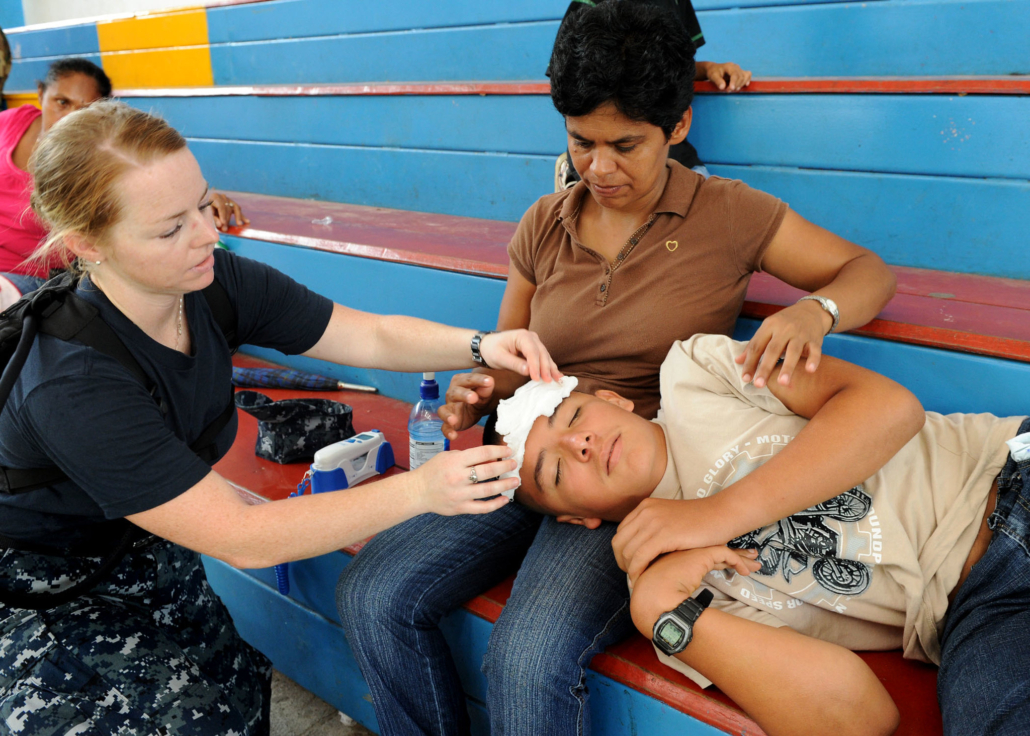 In Costa Rica, the impact of HIV/AIDS is a profound challenge affecting populations of families and communities. Despite the country’s advancements in health care and education in recent years, the prevalence of HIV/AIDS poses ongoing social and public health concerns. With a growing number of cases, there is an urgent need for comprehensive strategies to address prevention, support and issues within the health care system.
Strategies for Effective Prevention
HIV/AIDS remains a pressing public health concern in Costa Rica, with a steady increase in annual cases. Despite significant efforts to raise awareness and provide accessible health care, statistics show that cases have grown annually.
Kim Marie Day conducted a case study to compare HIV treatments and policies between the United States and Costa Rica. The study emphasizes the importance of addressing the psychological component of HIV/AIDS, as patients face social stigma and emotional challenges, highlighting the need for comprehensive treatment, including mental health care.
While global HIV/AIDS strategies often focus on physiological aspects, Day advocates for integrating mental and social health treatment during the crucial moment of diagnosis to improve quality of life. Despite positive trends in Costa Rica’s efforts to decrease HIV prevalence, challenges persist in effectively reaching high-risk groups, emphasizing the need for continued efforts in primary preventative care and harm reduction programs.
How the US Provides Support
To improve support for Costa Rica’s efforts to combat HIV/AIDS, the U.S. might consider incorporating new initiatives for knowledge exchange and resource sharing. Additionally, the U.S. can explore avenues for joint projects, strengthening the evidence base for effective HIV/AIDS management. Such partnerships would bolster Costa Rica’s health care capabilities and foster a shared commitment to global public health initiatives. One of the most impactful collaborations currently is between Costa Rica and USAID.
Over time, USAID has been successful in various initiatives to combat multiple diseases, standing at the forefront of global efforts to combat HIV. More recently they have supported the Costa Rican government through their Central American Regional HIV/AIDS Program, allocating $3.7 million for testing services and quality care for those living with HIV.
Issues Surrounding the Costa Rican Health Care System
The Costa Rican health care system currently faces many notable challenges warranting attention. These include disparities in access to health care, particularly in rural areas, where the distribution of resources is uneven. Additionally, the system grapples with the need for ongoing improvements in addressing mental health within the health care framework and ensuring comprehensive medical care for diseases like HIV.
According to UNAIDS, roughly 17,000 people were living with HIV in the country in 2022 validating the need for continued efforts in prevention and education. Exploring these issues provides valuable insights into the complexities of health care in Costa Rica and offers opportunities for potential enhancements to the existing system.
It is also important for health officials to address the poverty issue in Costa Rica, since it significantly contributes to the HIV/AIDS epidemic, by creating poor living conditions, increasing vulnerability and hindering access to preventive measures and treatment. The current poverty rate is around 21% with nearly 400,000 households “lacking sufficient economic resources.”
Governmental Initiatives
There is an NGO currently working in to address health care and HIV/AIDS in the country called PSI Costa Rica. This group works with other local foundations to center health care around people and aim for health systems that guarantee quality. This NGO is focused on making it easier to prevent, identify and treat HIV/AIDS by bringing consumer voices and perspectives to the disease response and supporting public health providers to better respond to the needs of their clients and patients.
Through activities including HIV self-testing, cyber-education, community coaching and pharmacy services, this group aims to bring accessible health care to the populations of Costa Rica. In 2019, it was reported that this NGO distributed more than 2 million HIV self-test kits to individuals around the country and helped nearly 50,000 people identify their HIV-positive status and access treatment. Through the efforts and support from organizations like PSI we can expand access to essential health care services, raise awareness about preventive measures and ultimately contribute to the global fight against HIV/AIDS.
– Caleb Ilayan
Photo: Flickr
